10 Prestigious properties for sale in the Alpilles
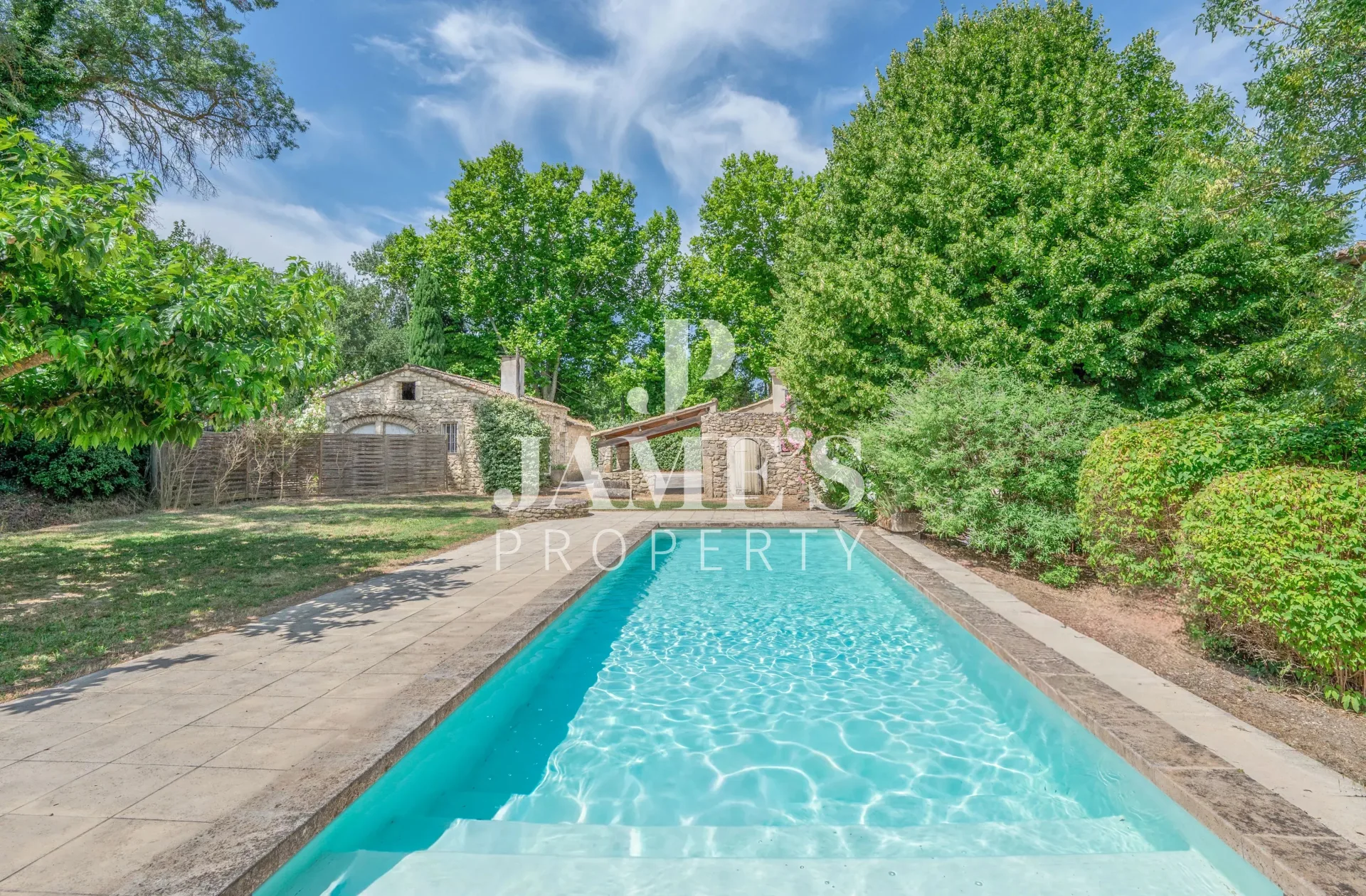
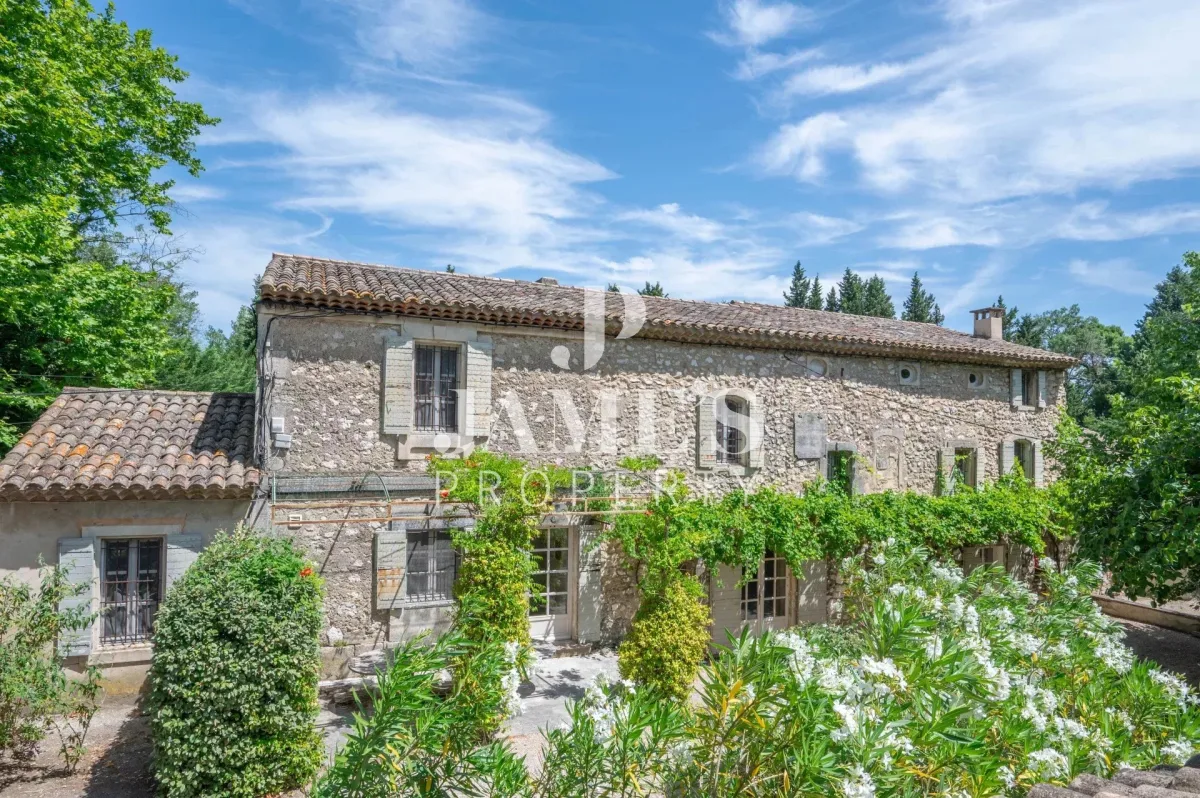
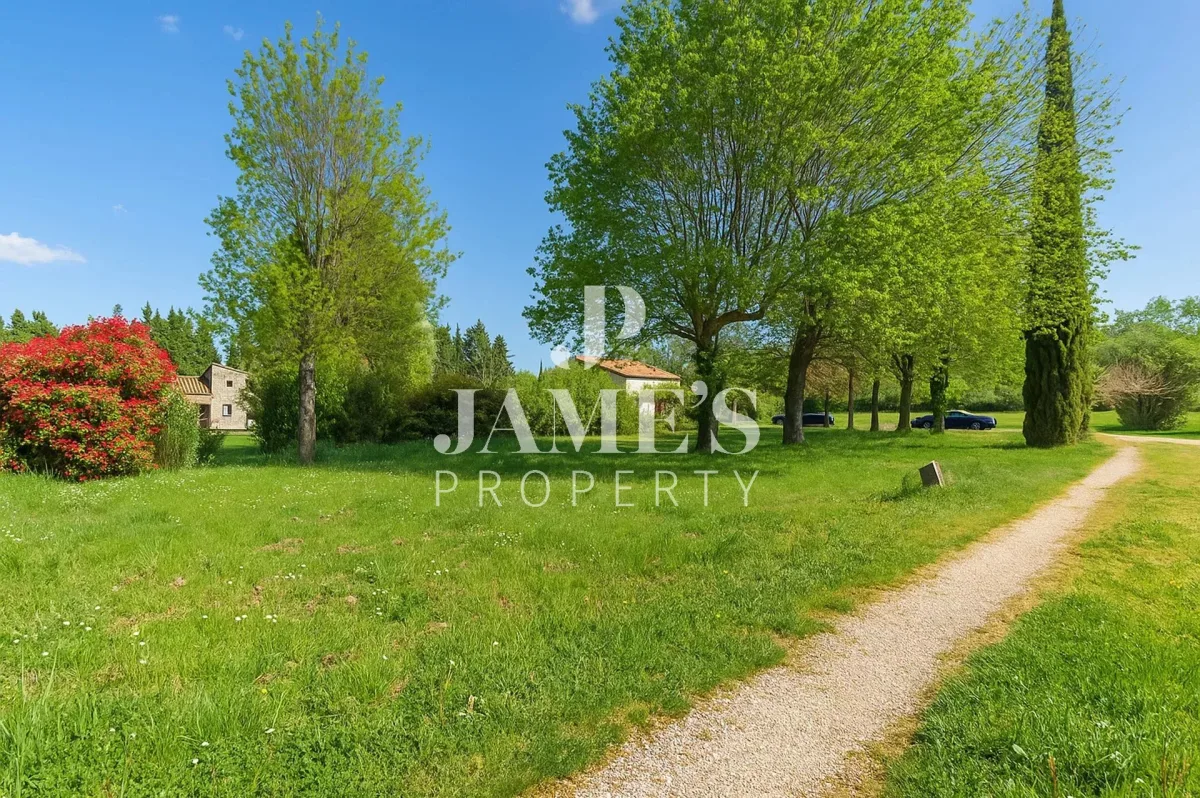
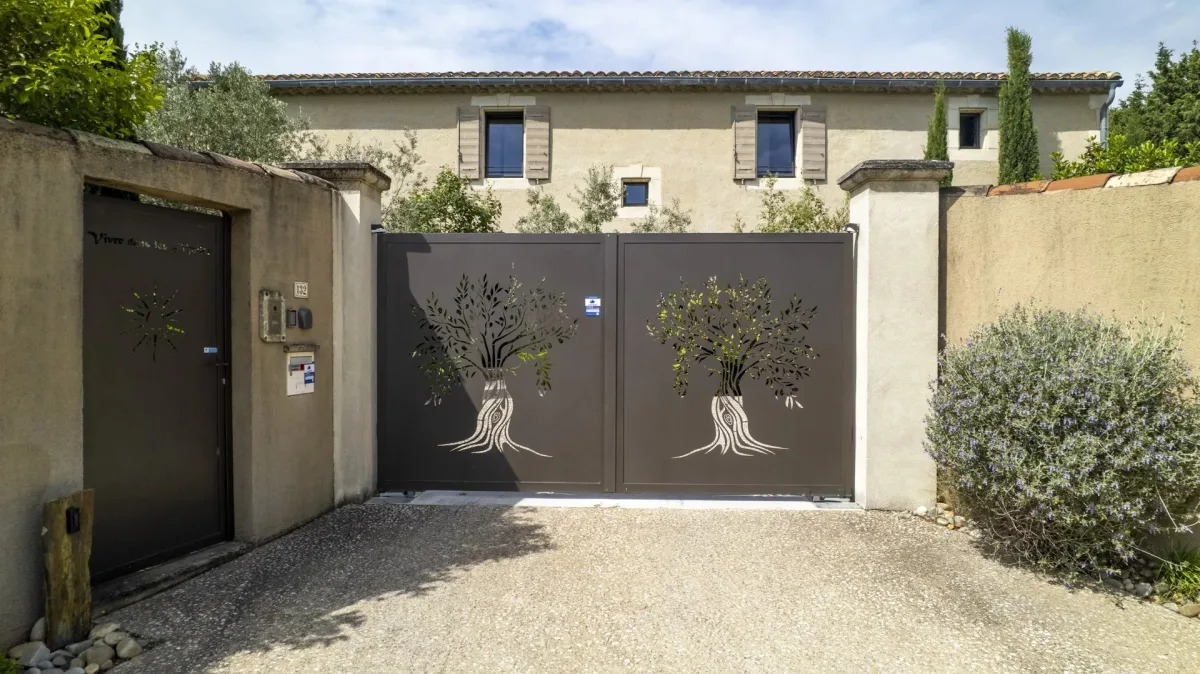
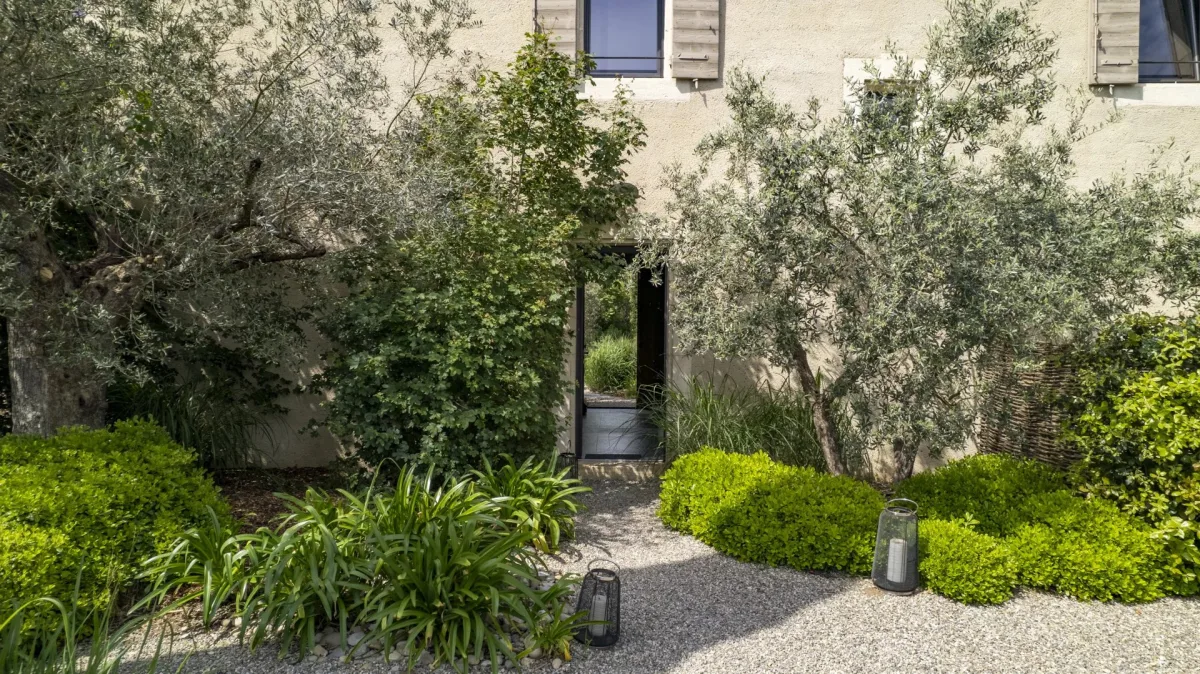
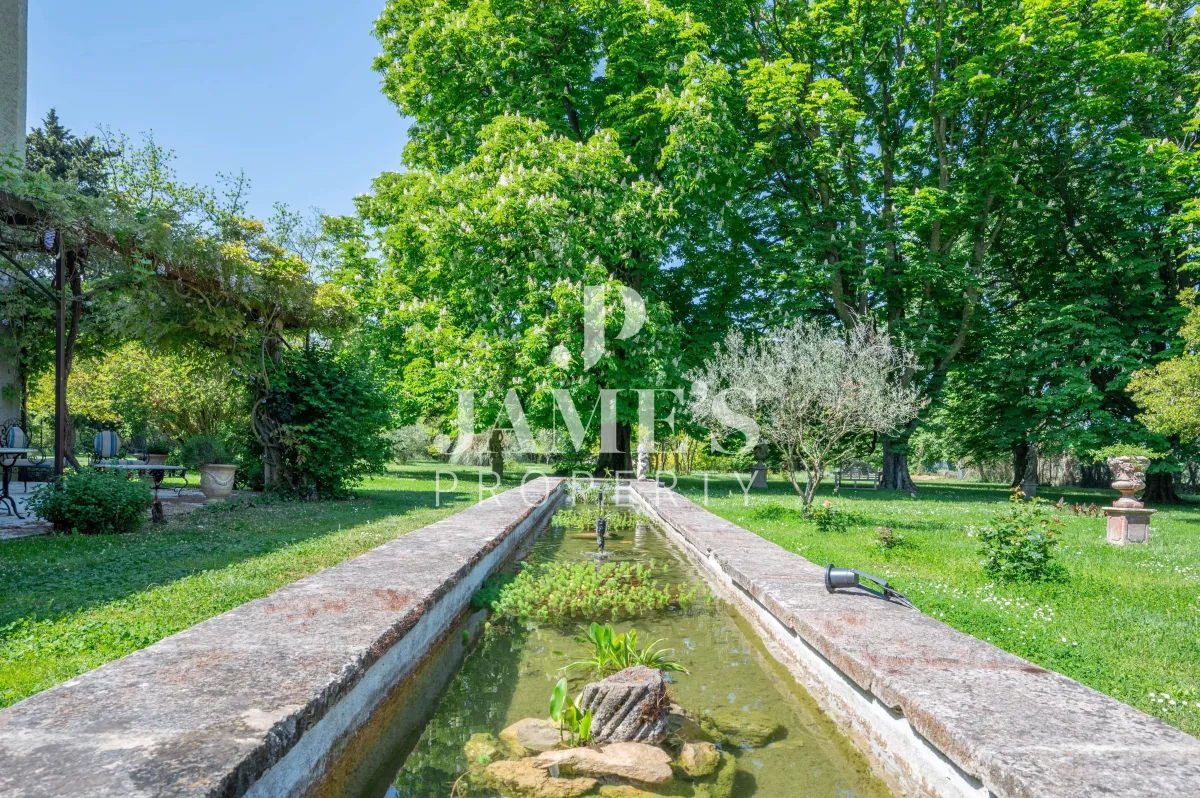
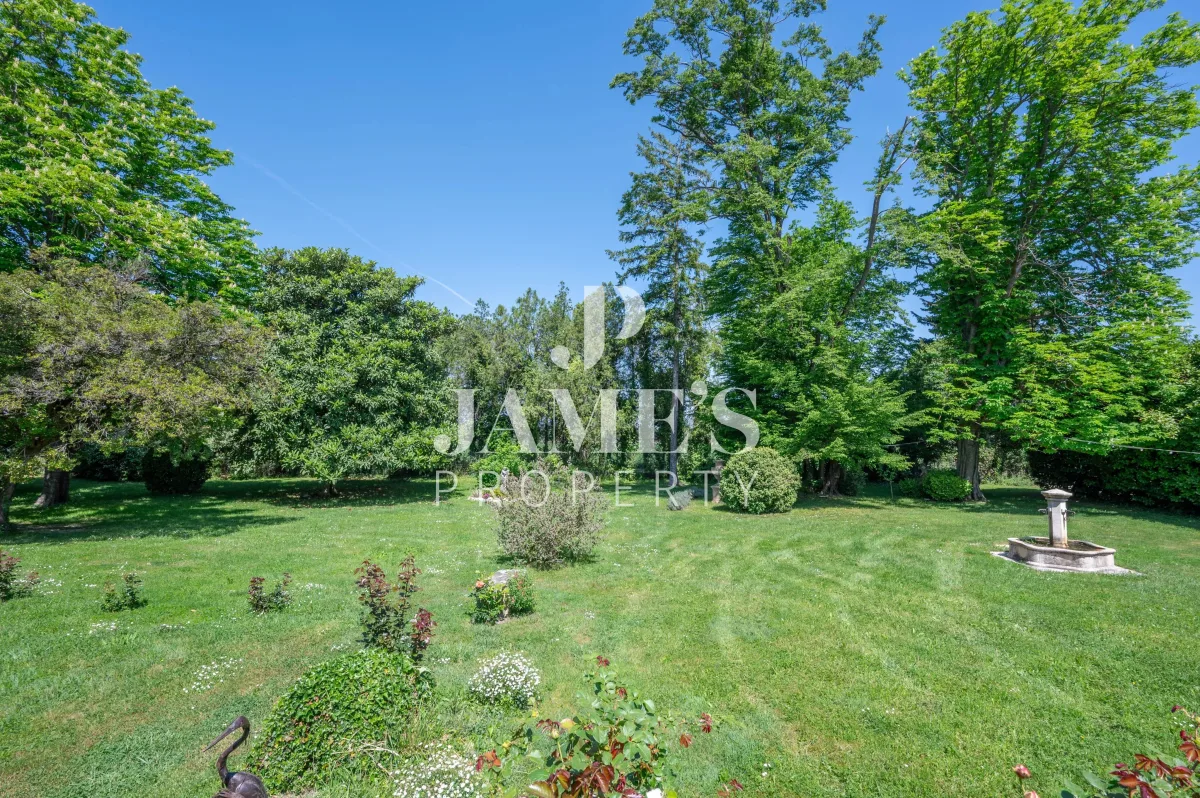
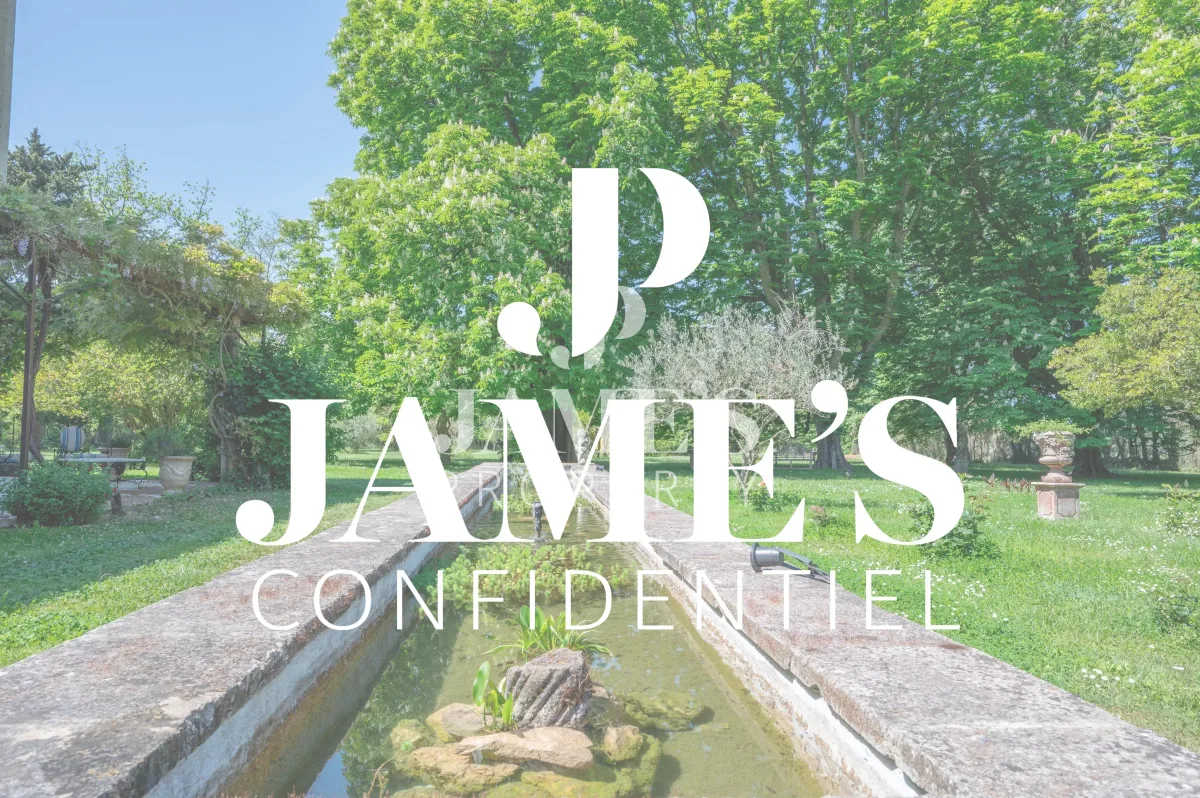
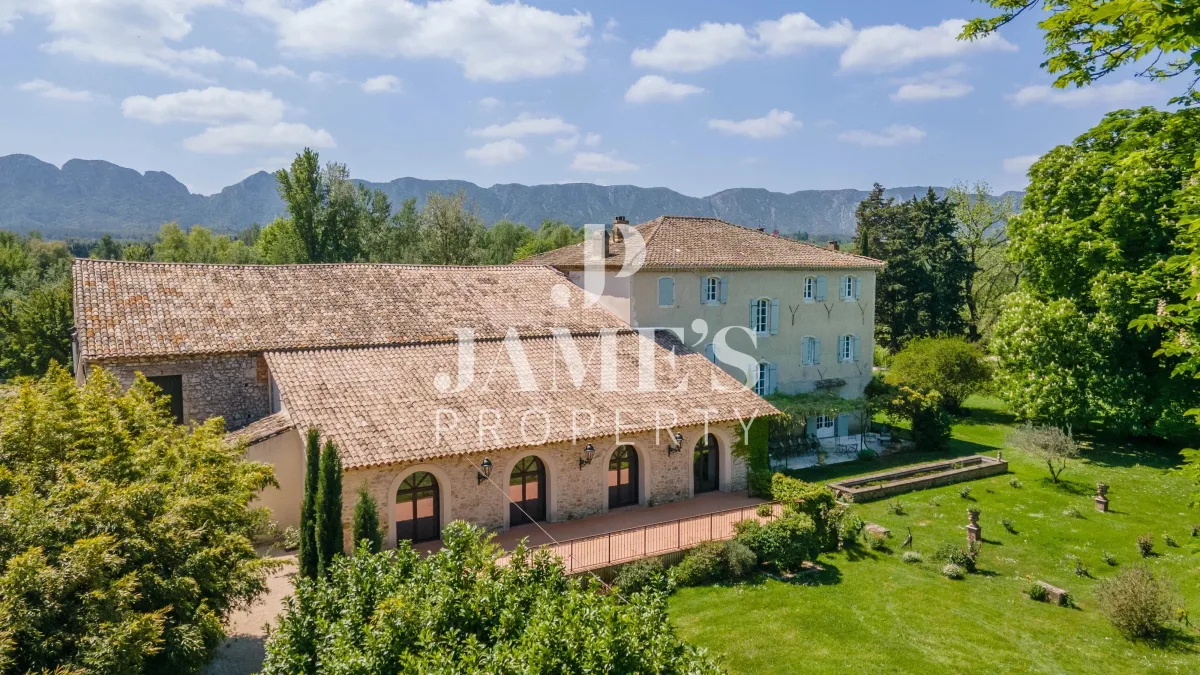
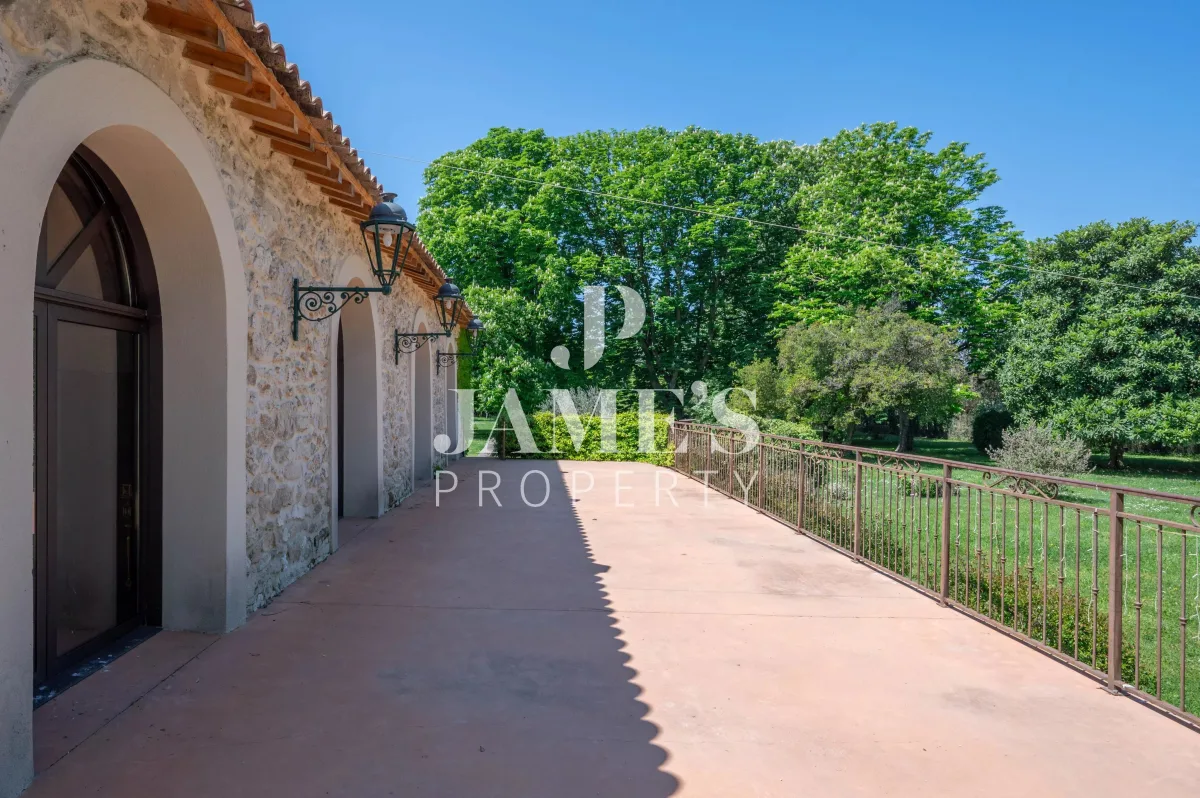
Prestigious 18th-Century Estate in Saint-Rémy-de-Provence
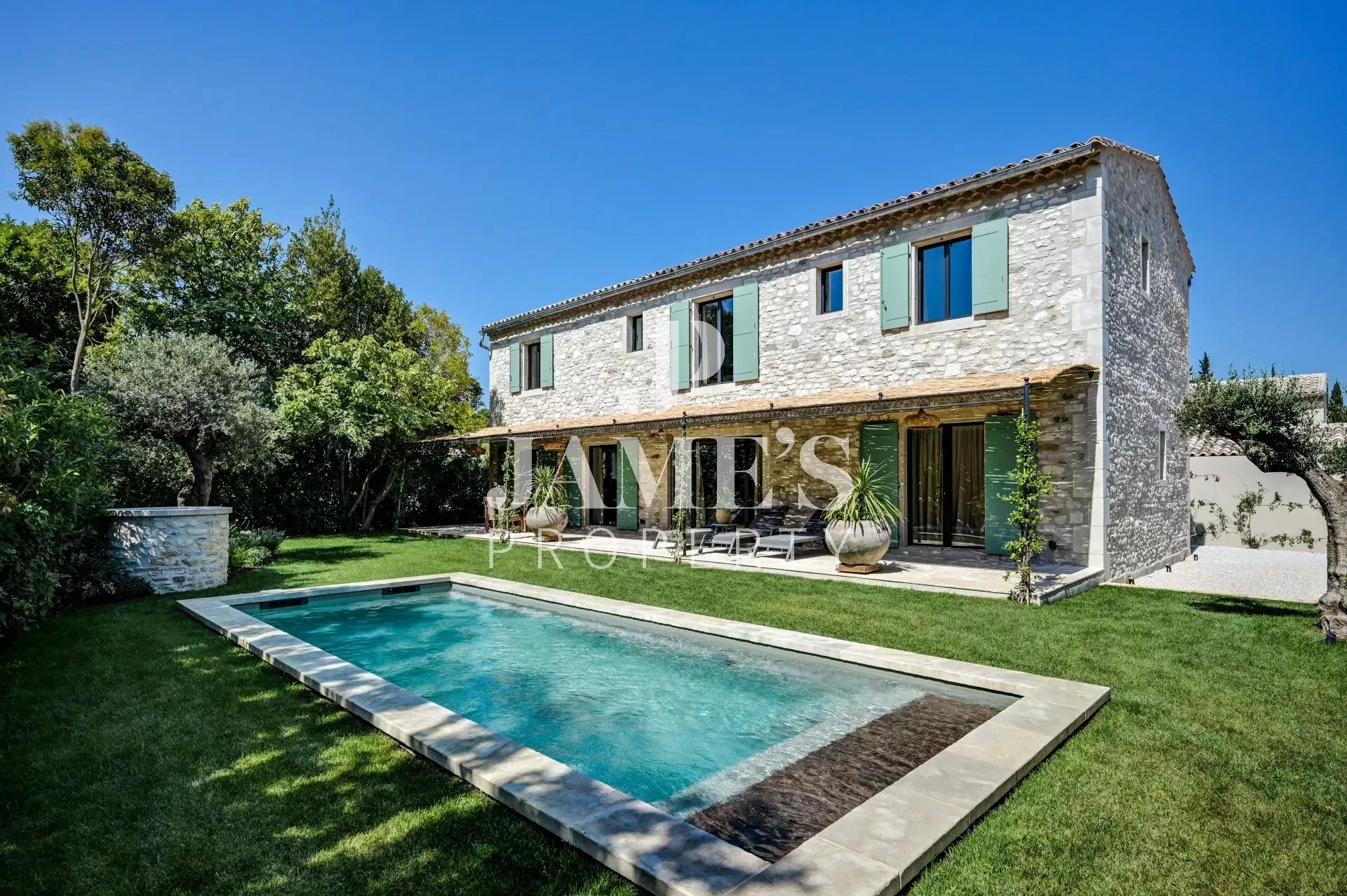
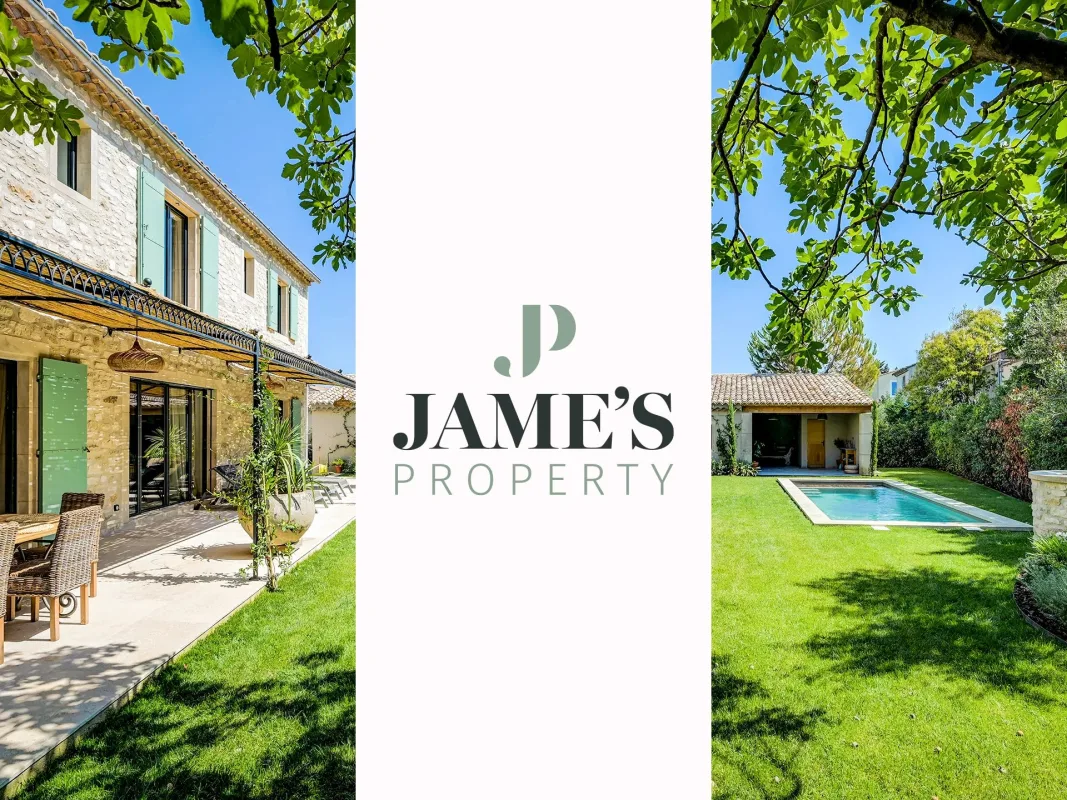
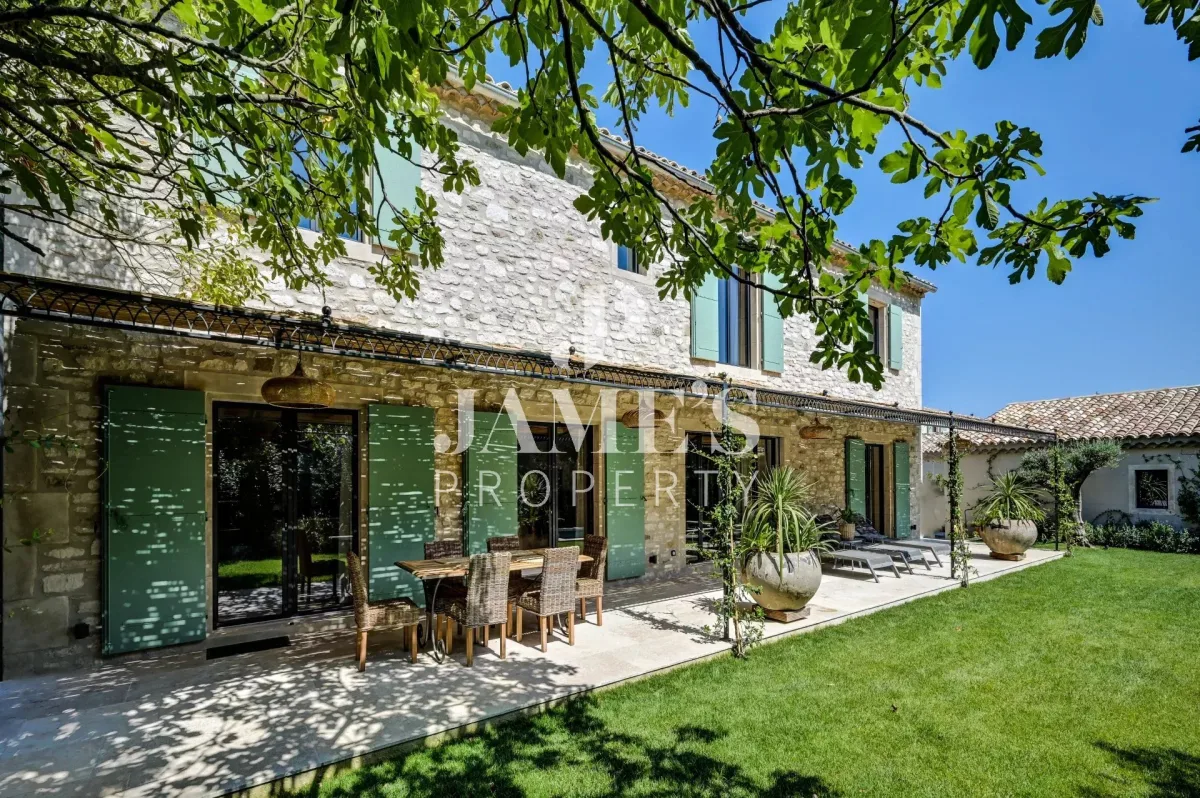
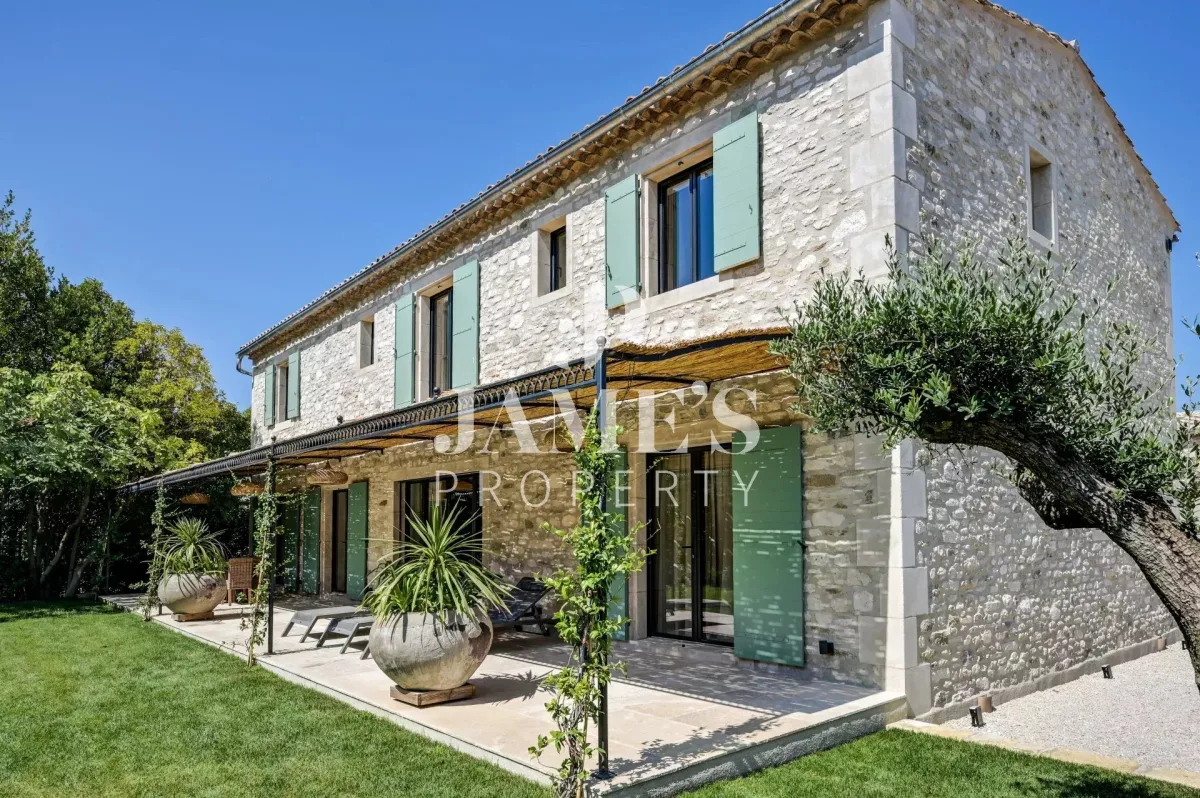
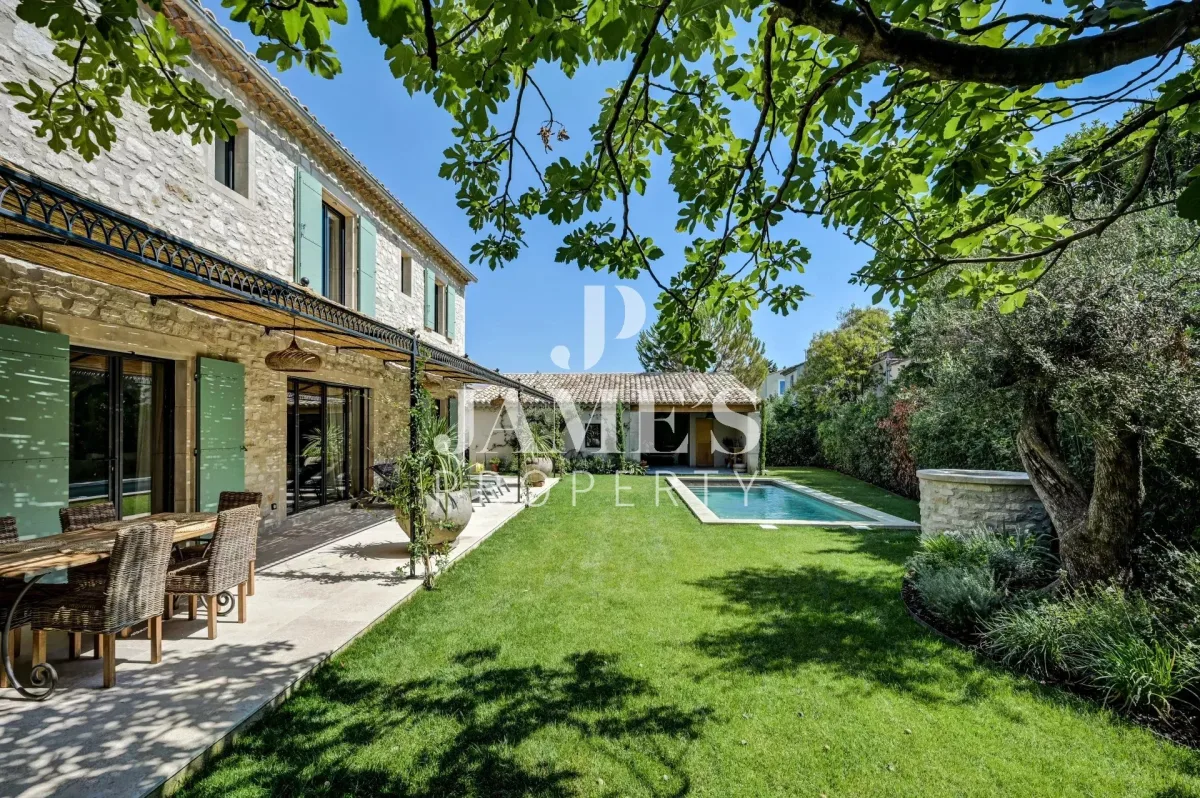
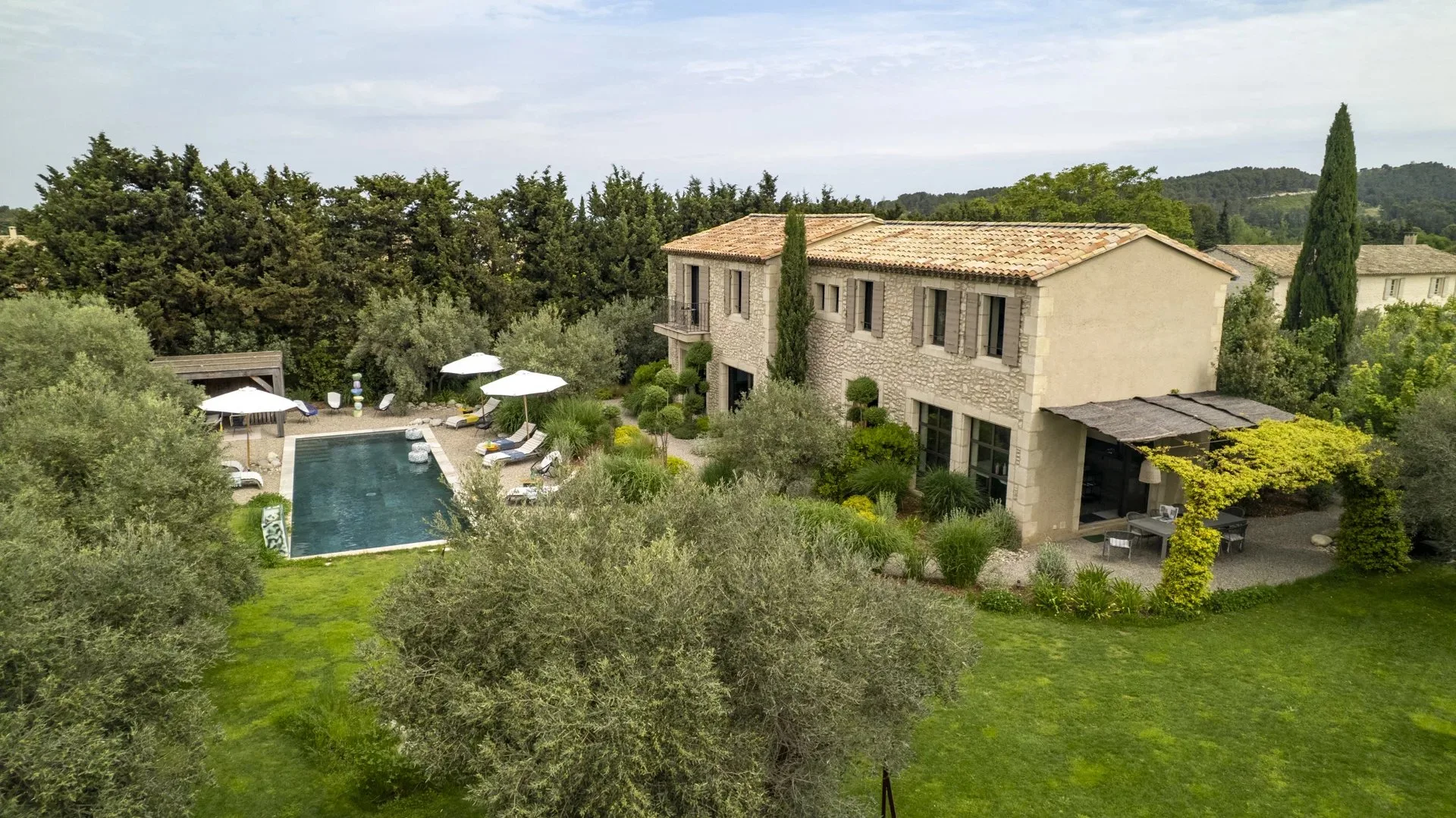
Prestigious Villa with Heated Pool in Saint-Rémy-de-Provence
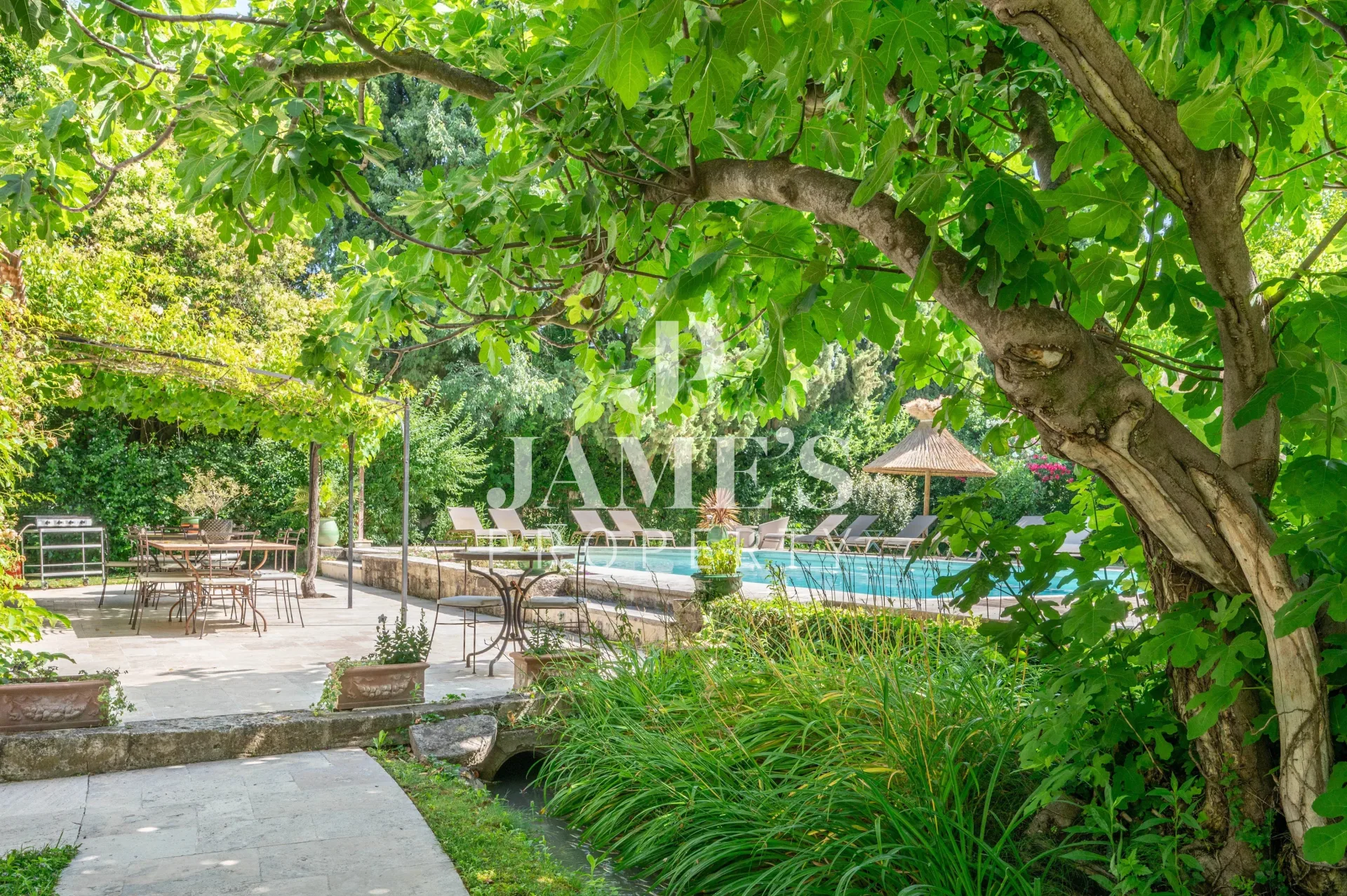
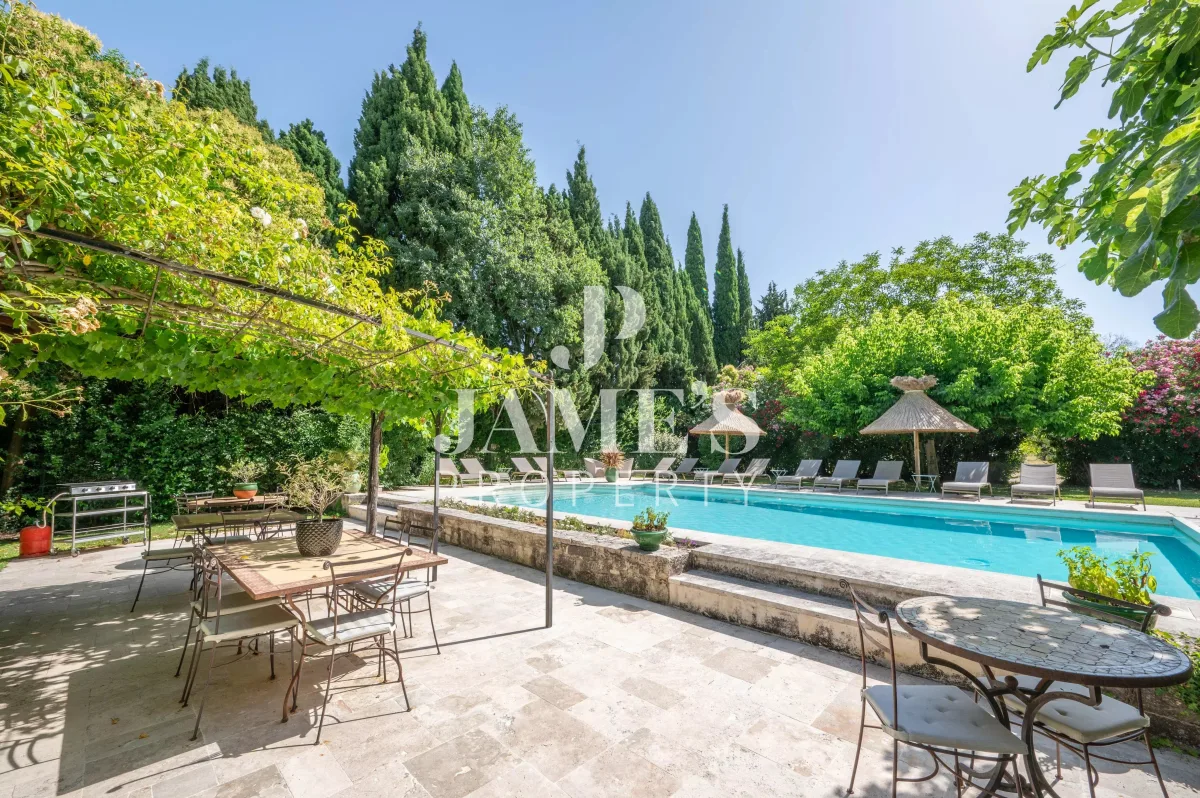
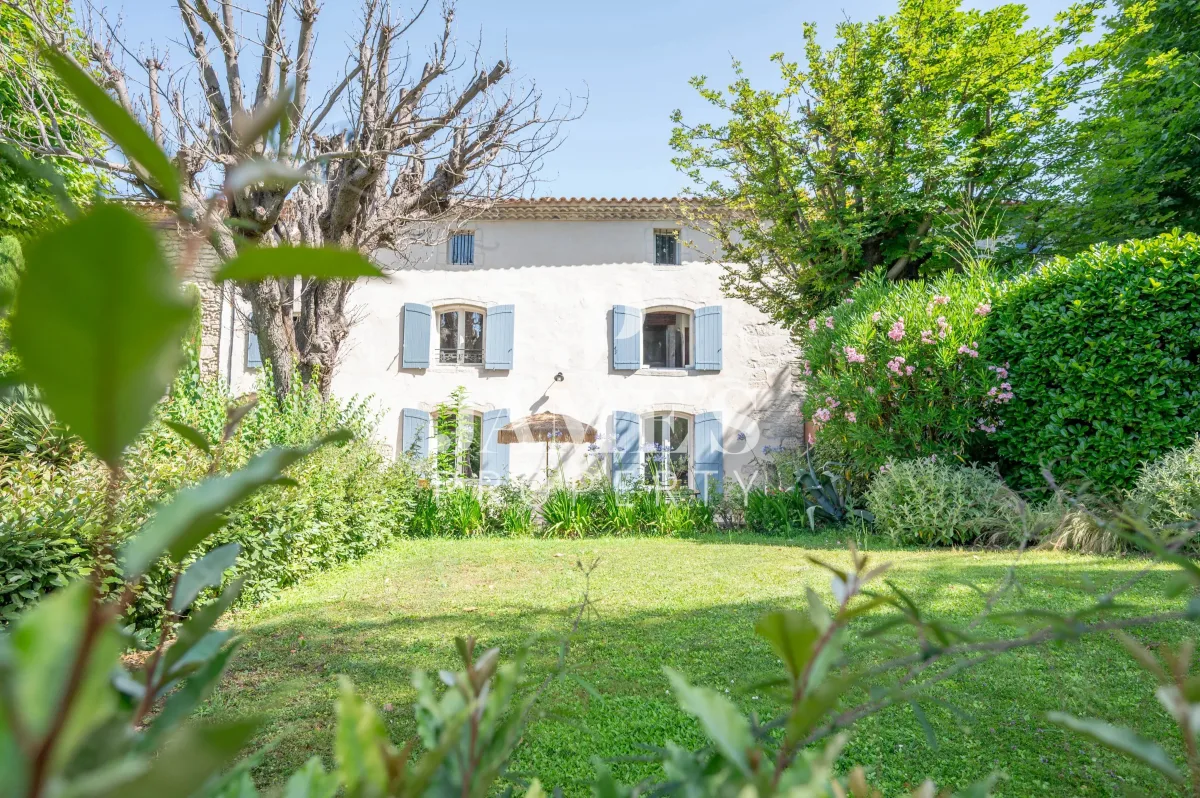
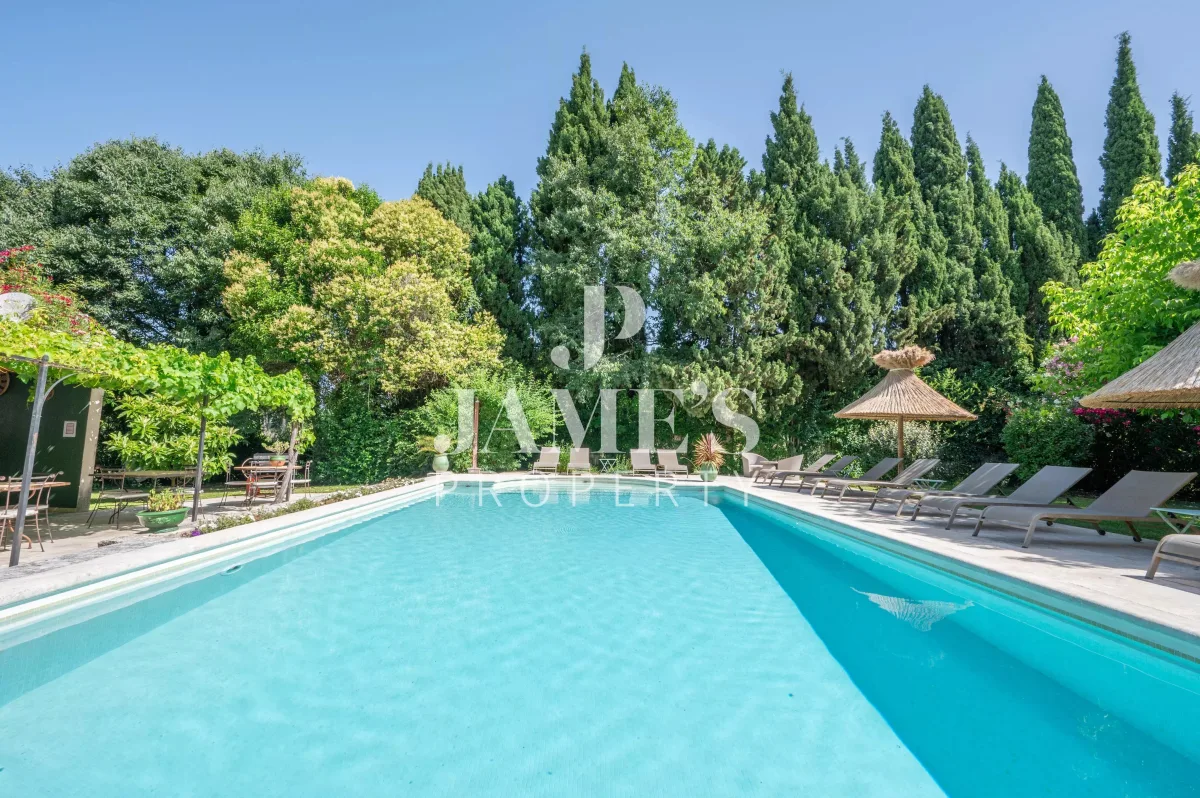
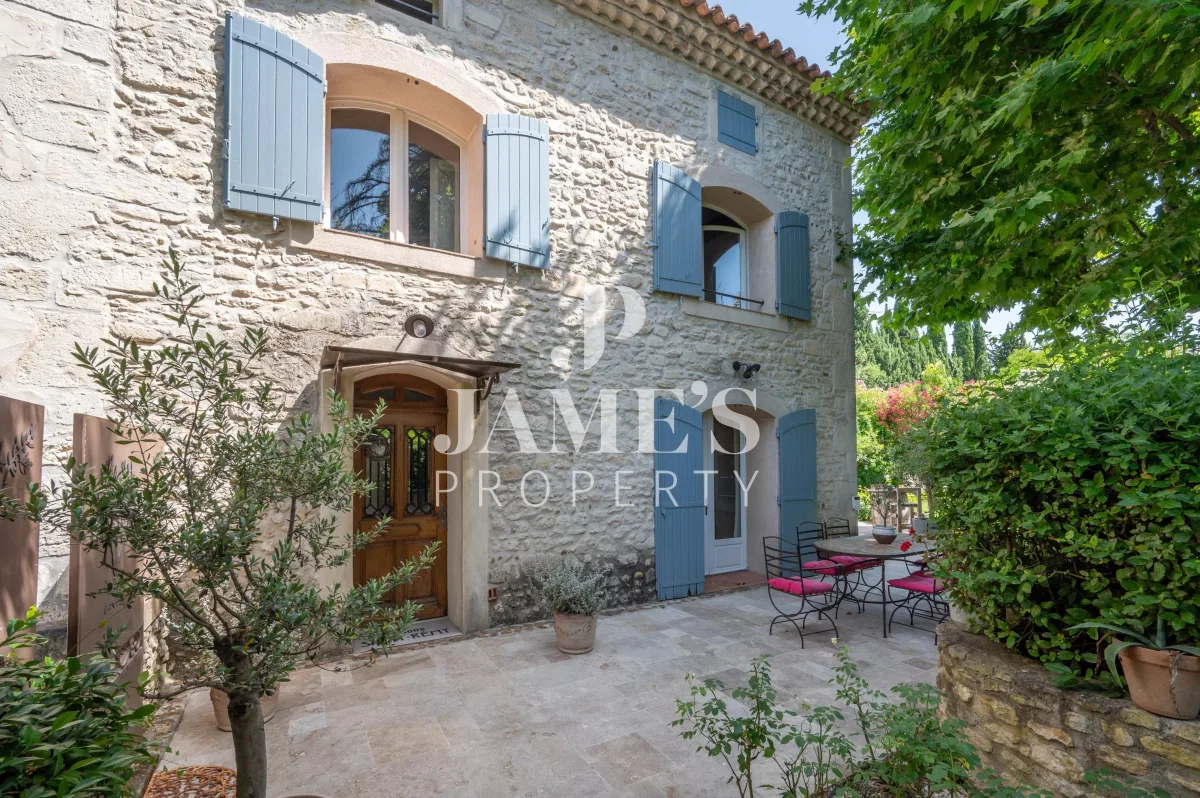
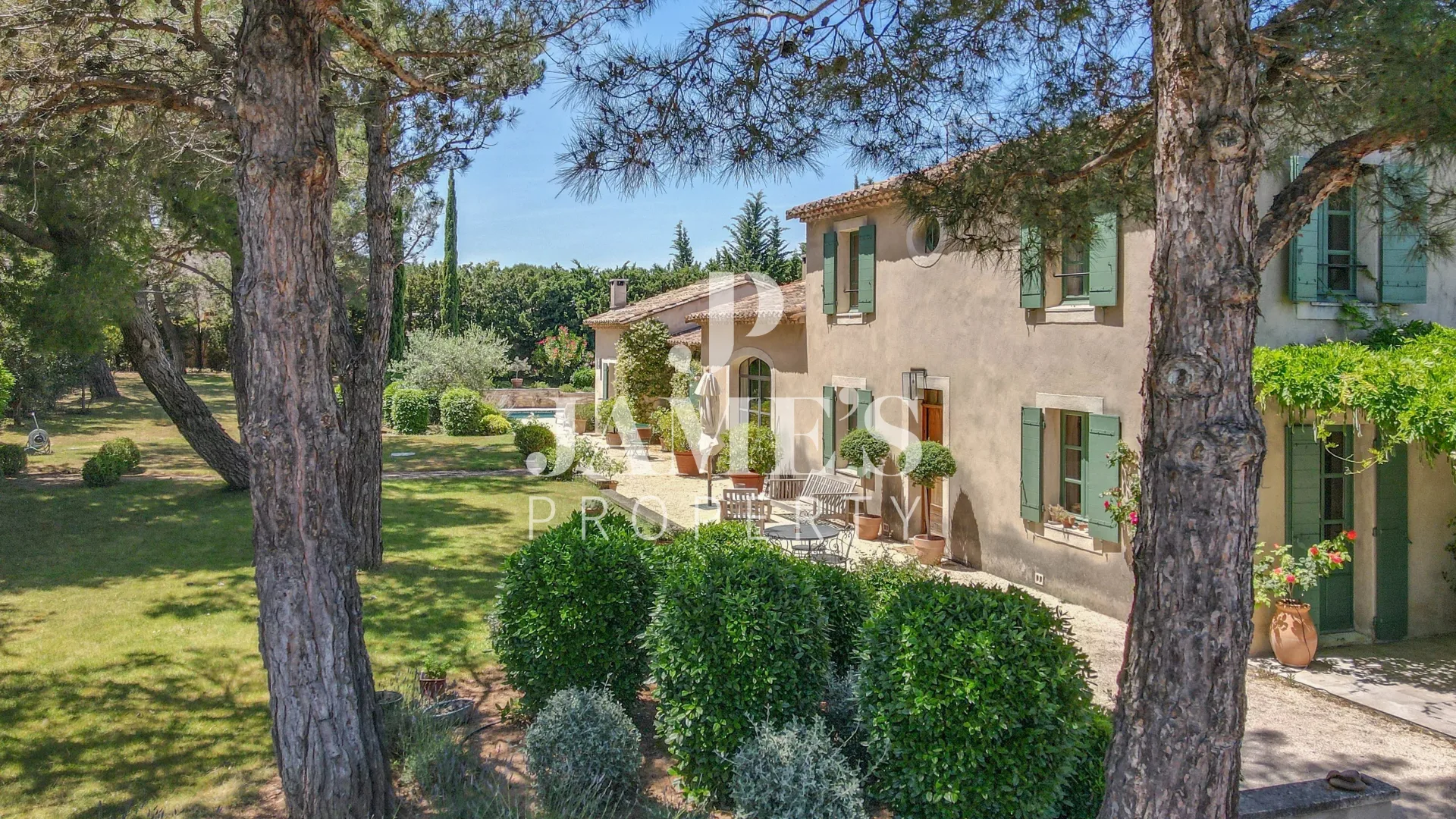
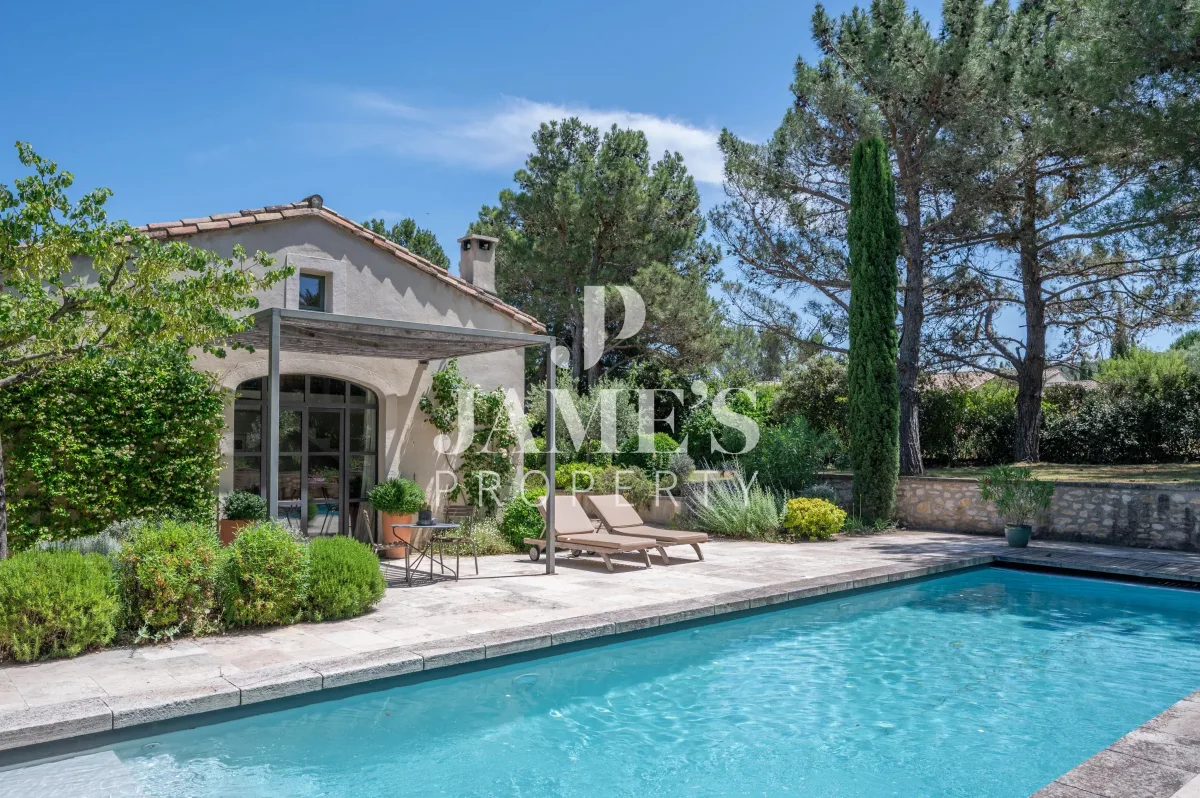
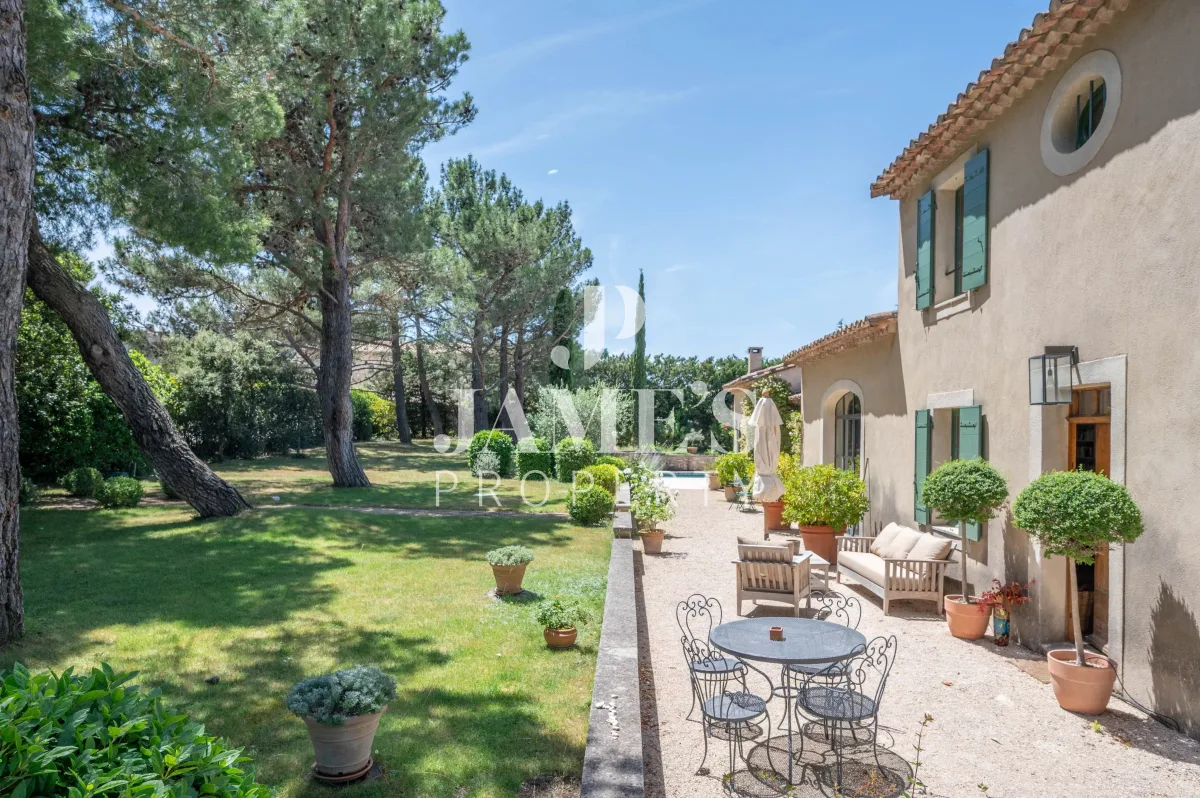
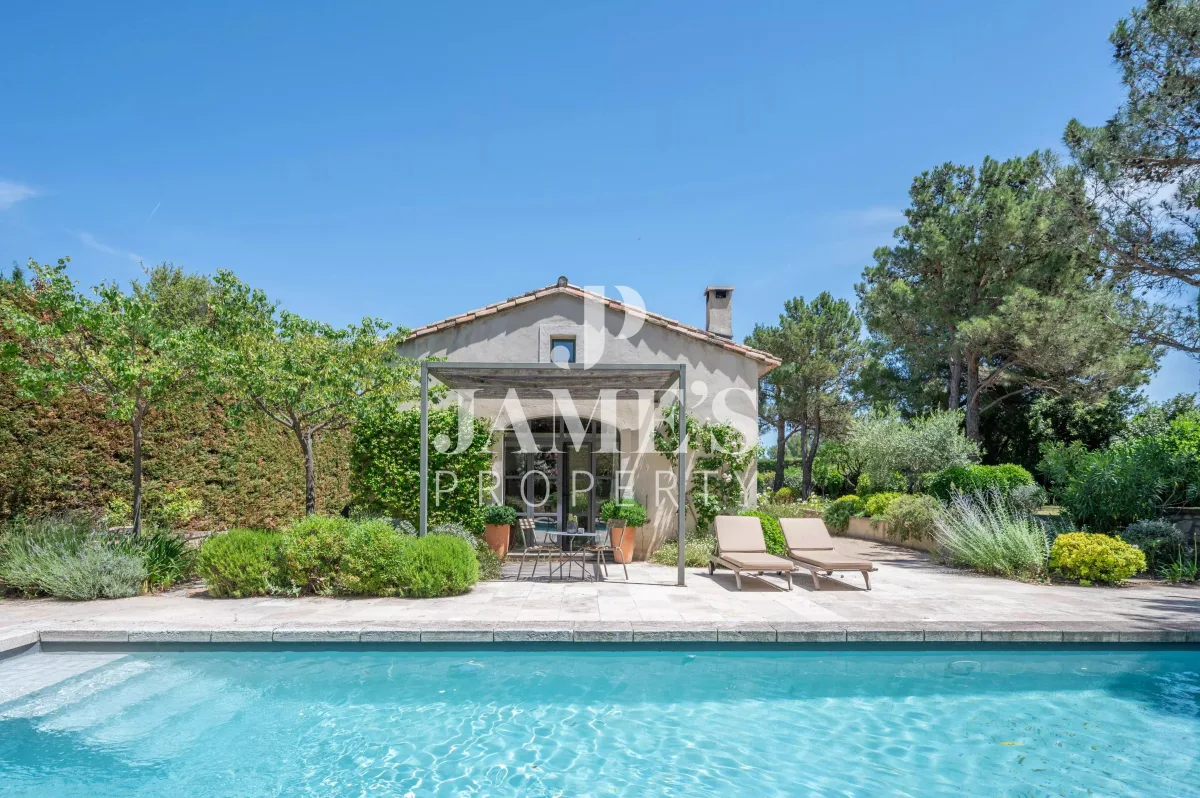
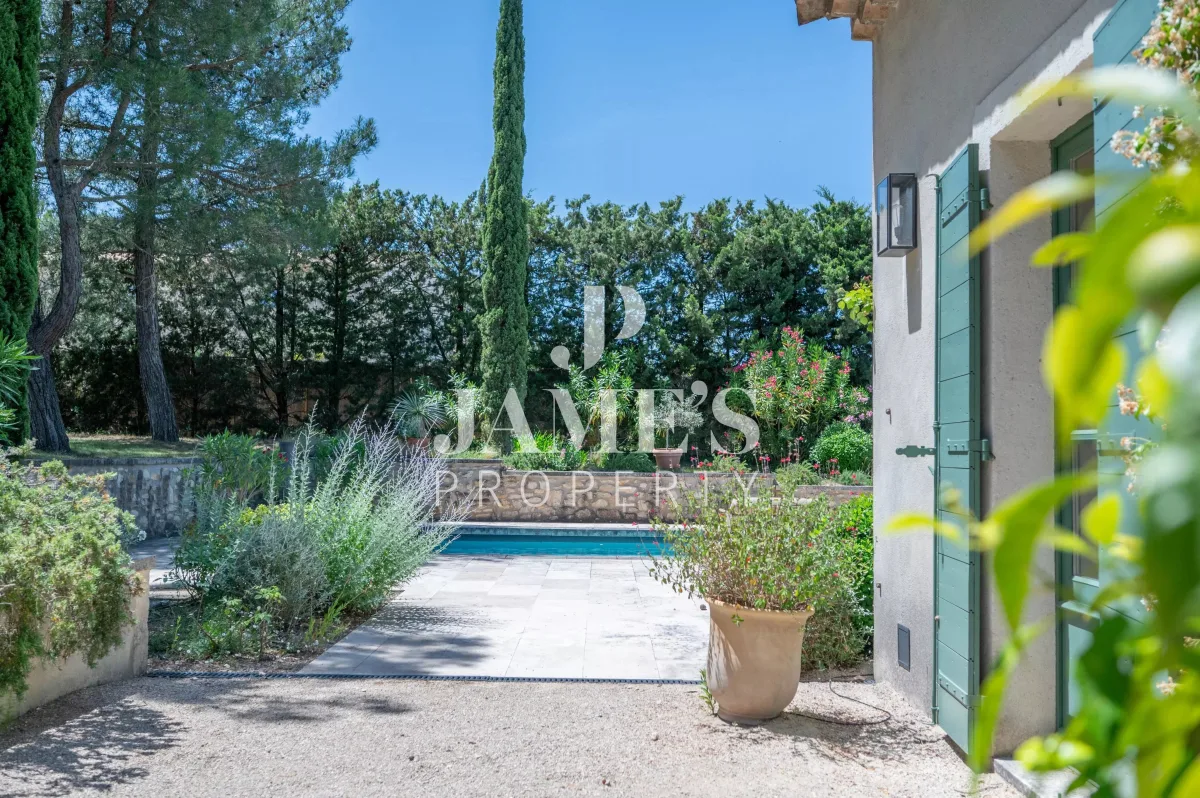
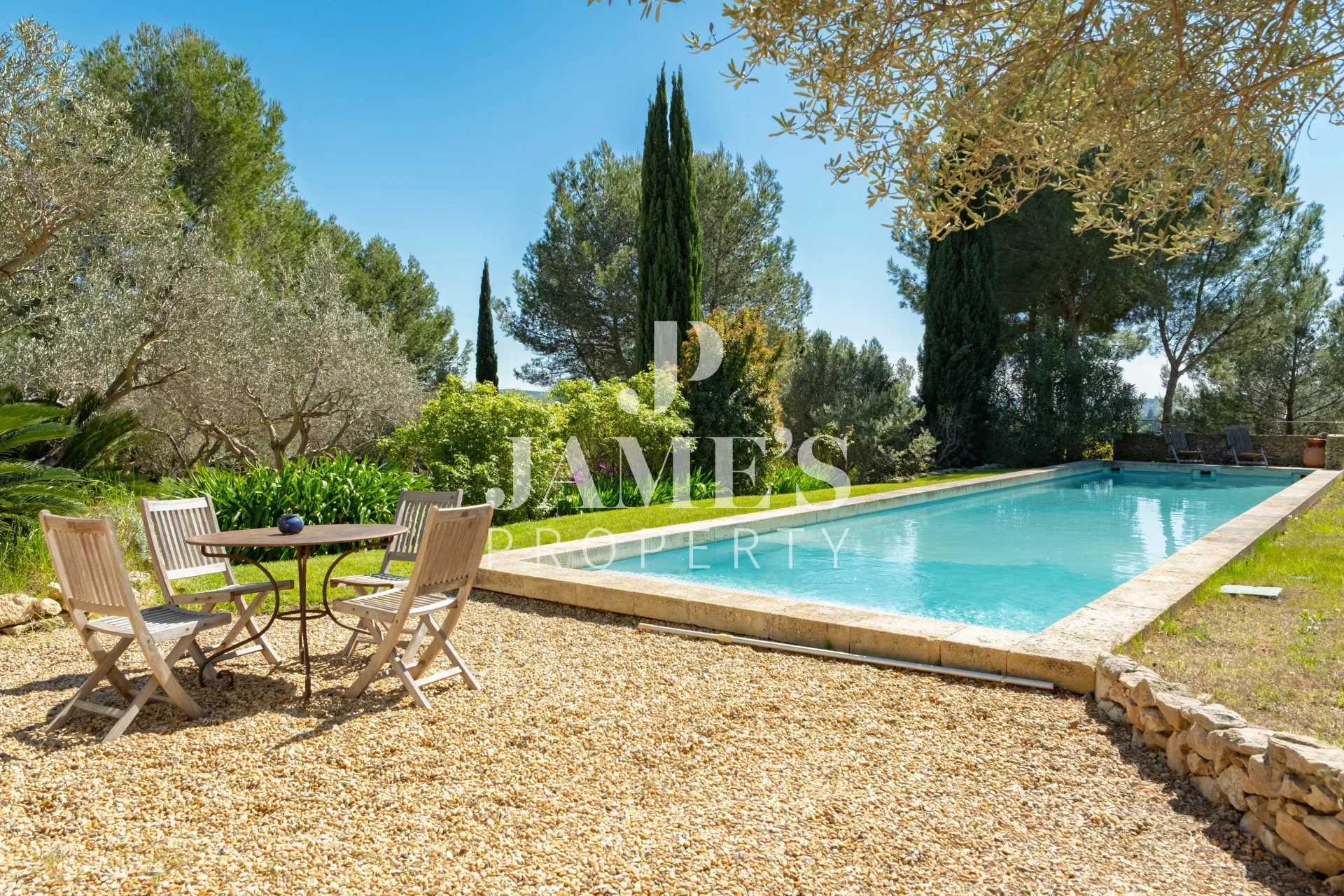
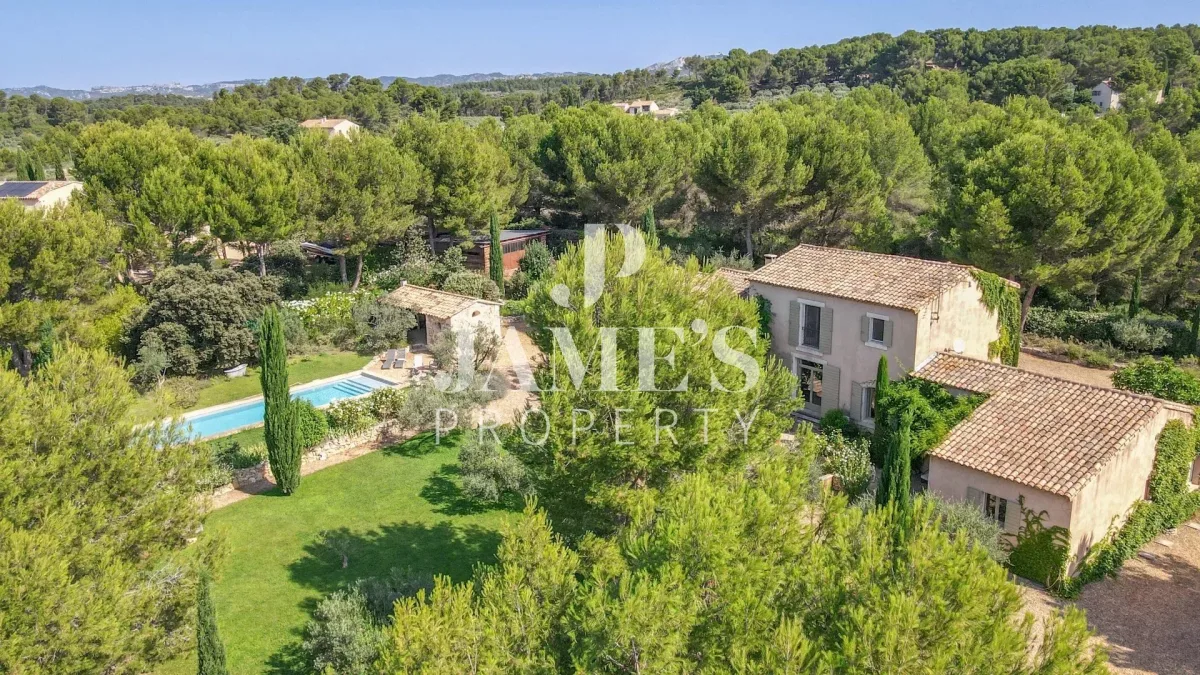
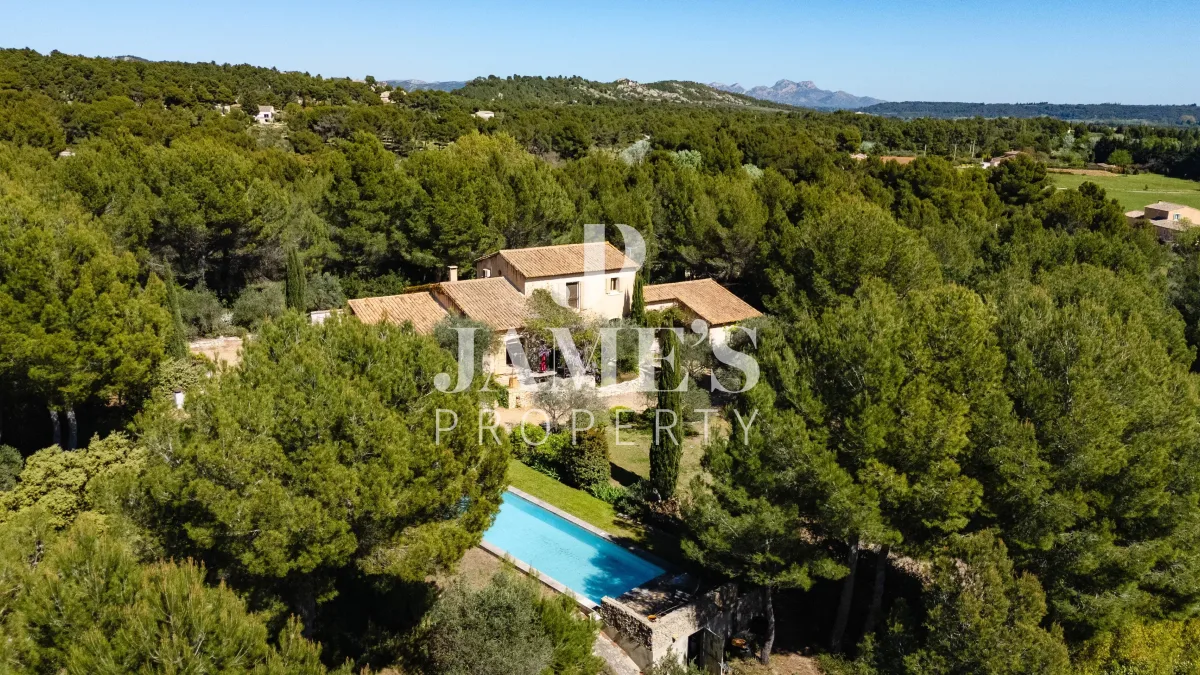
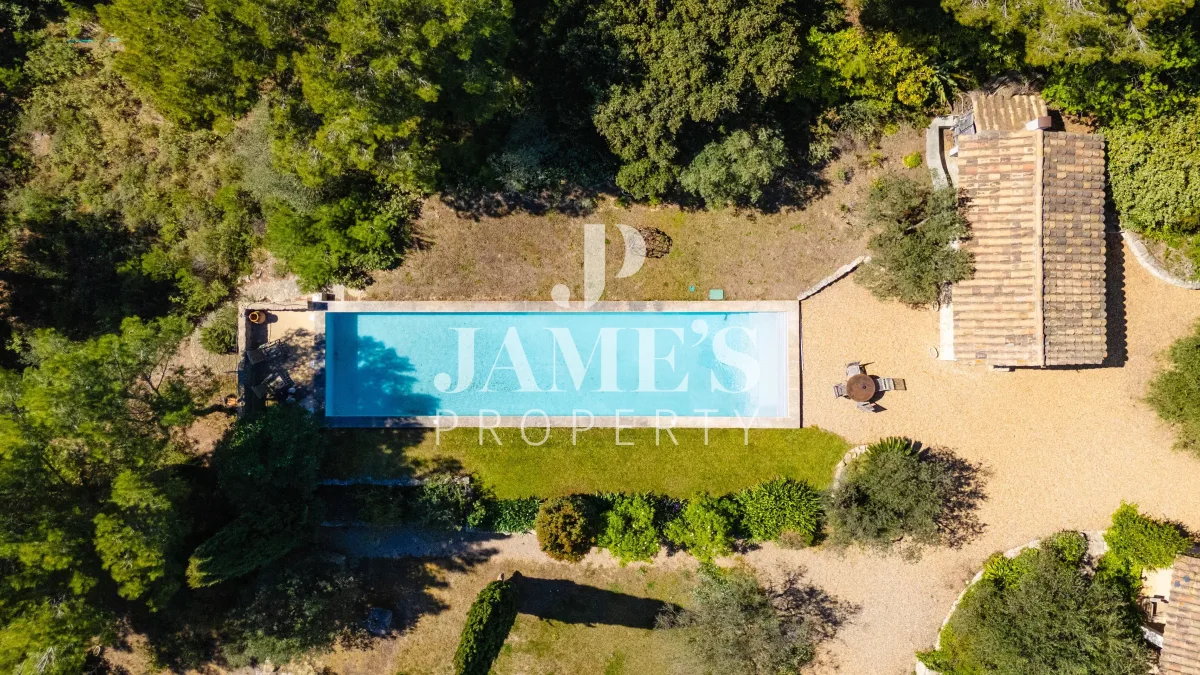
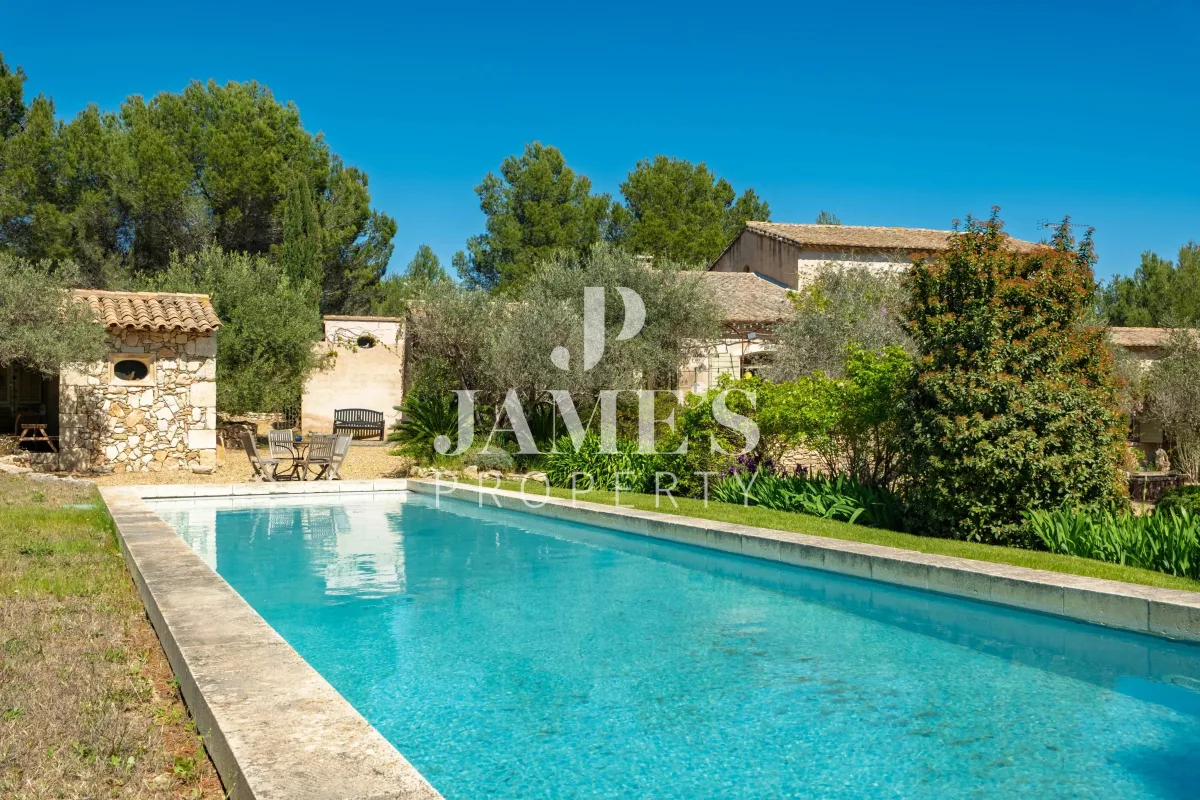
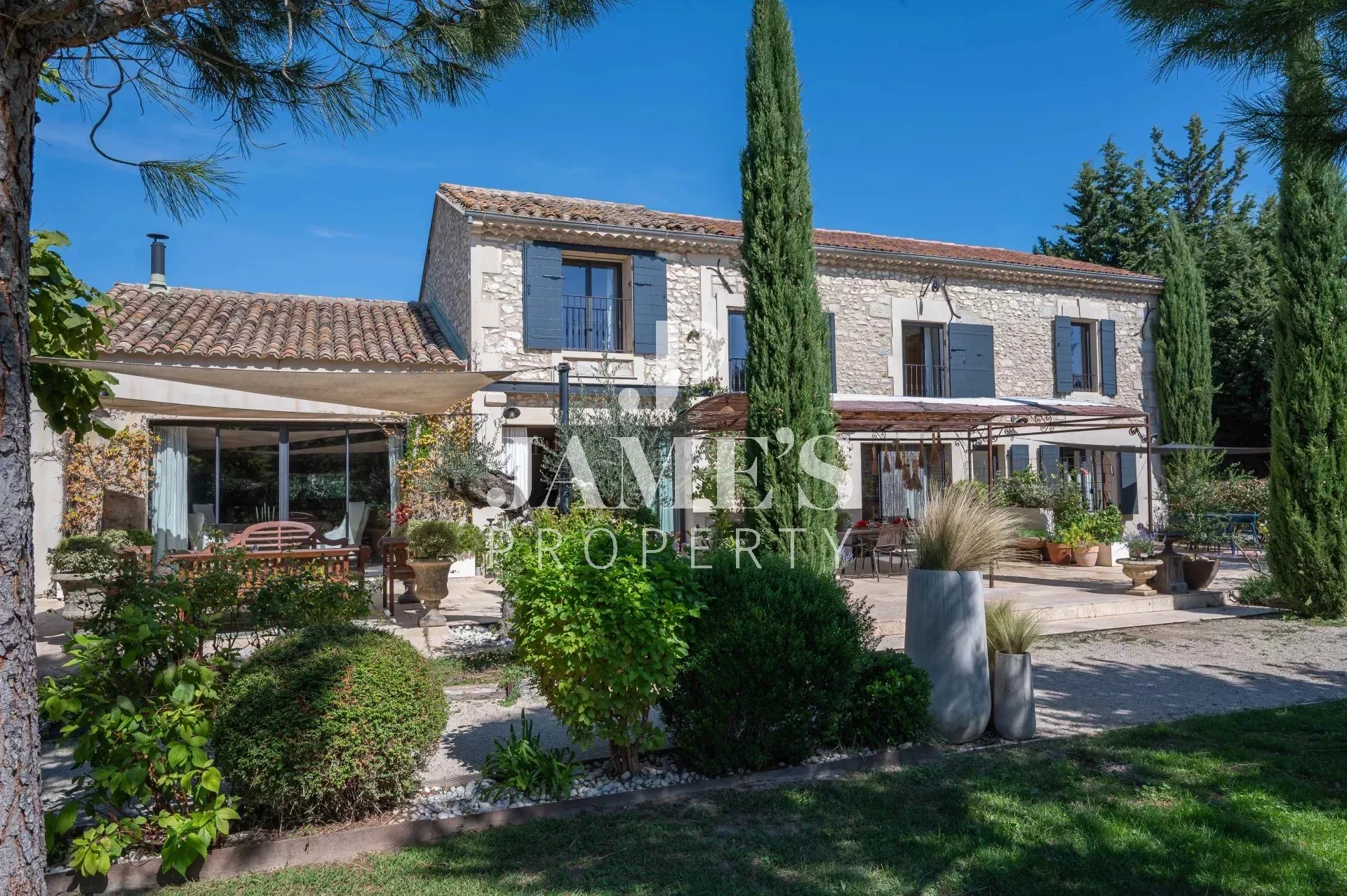
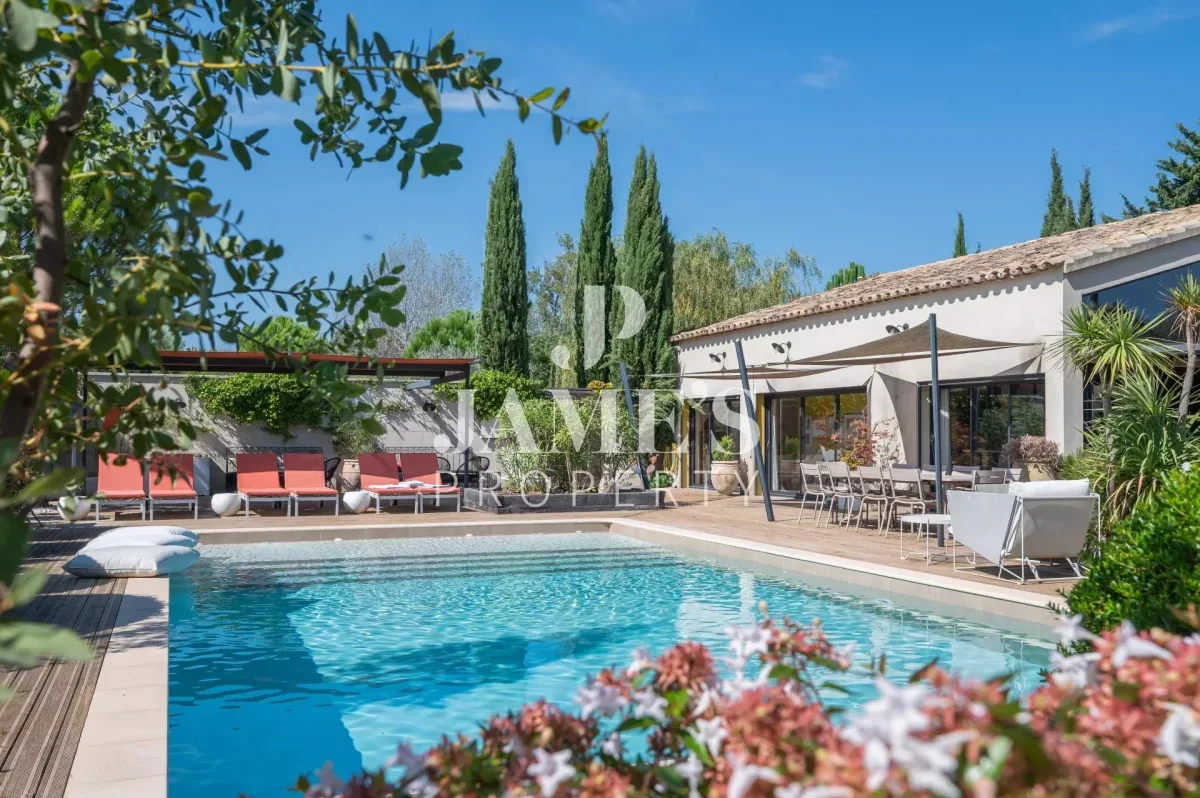
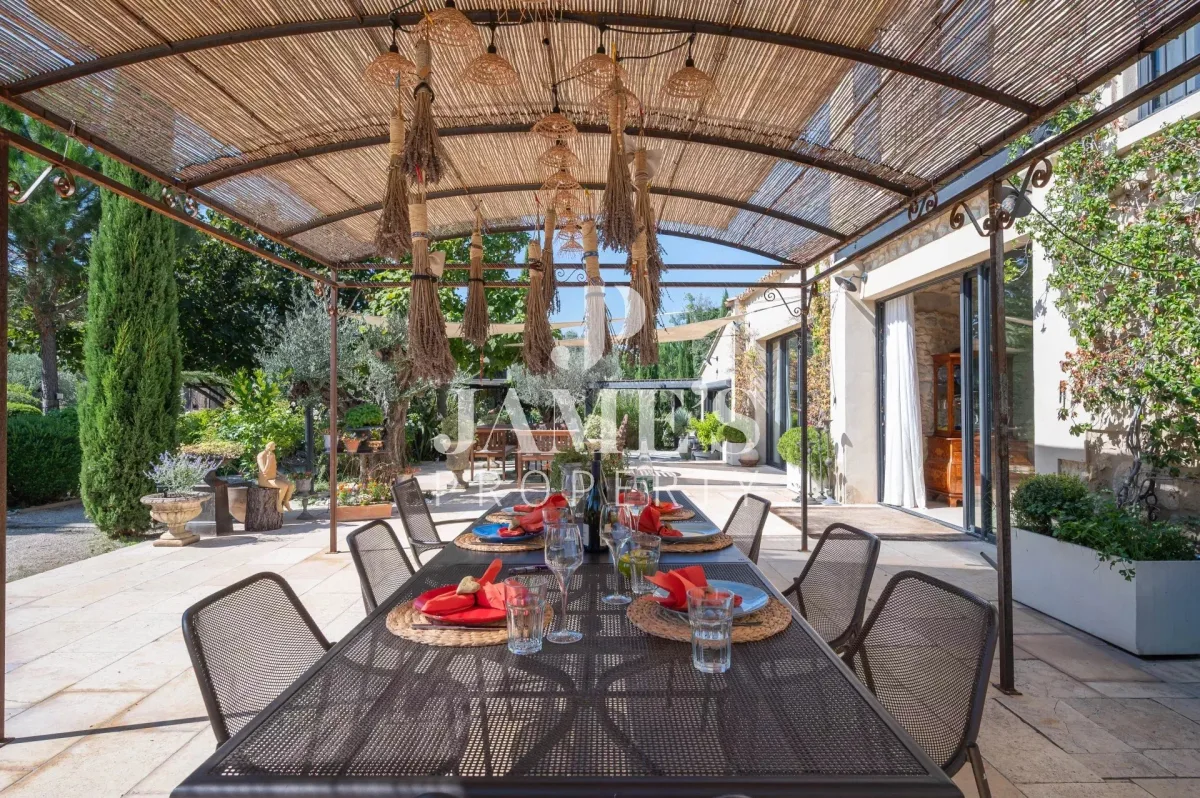
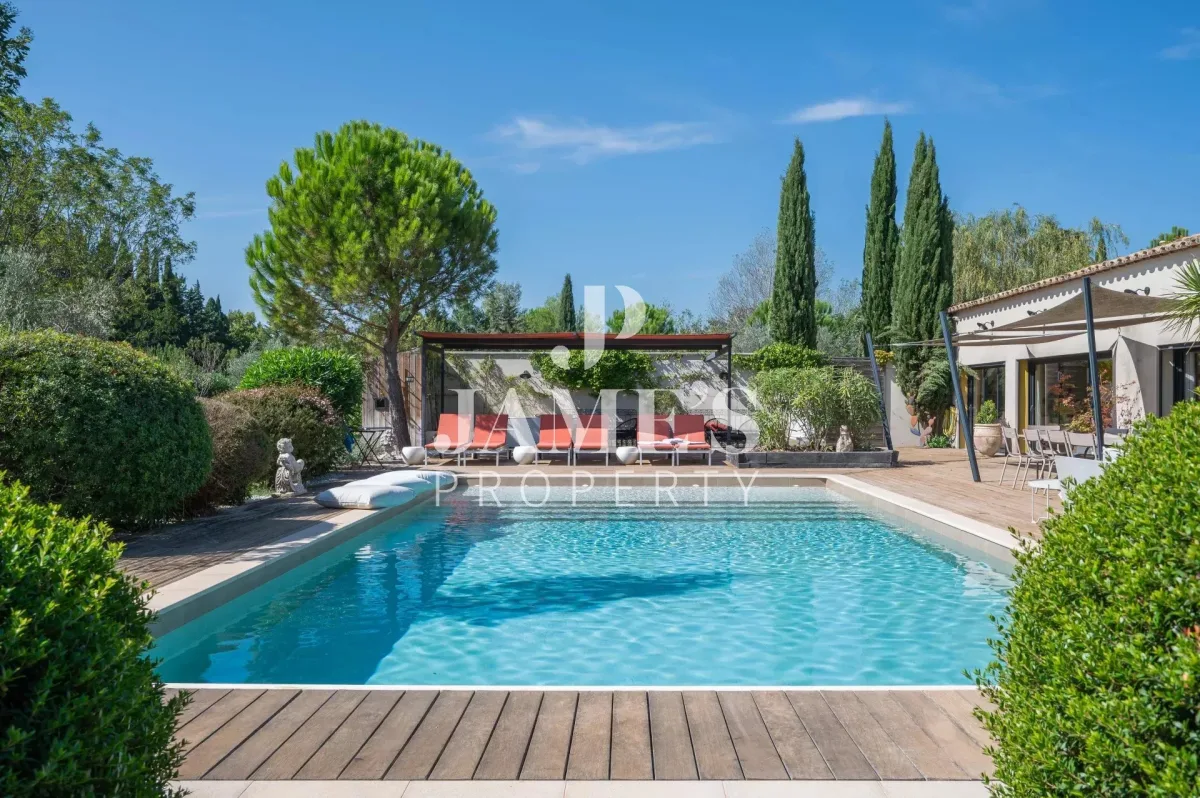
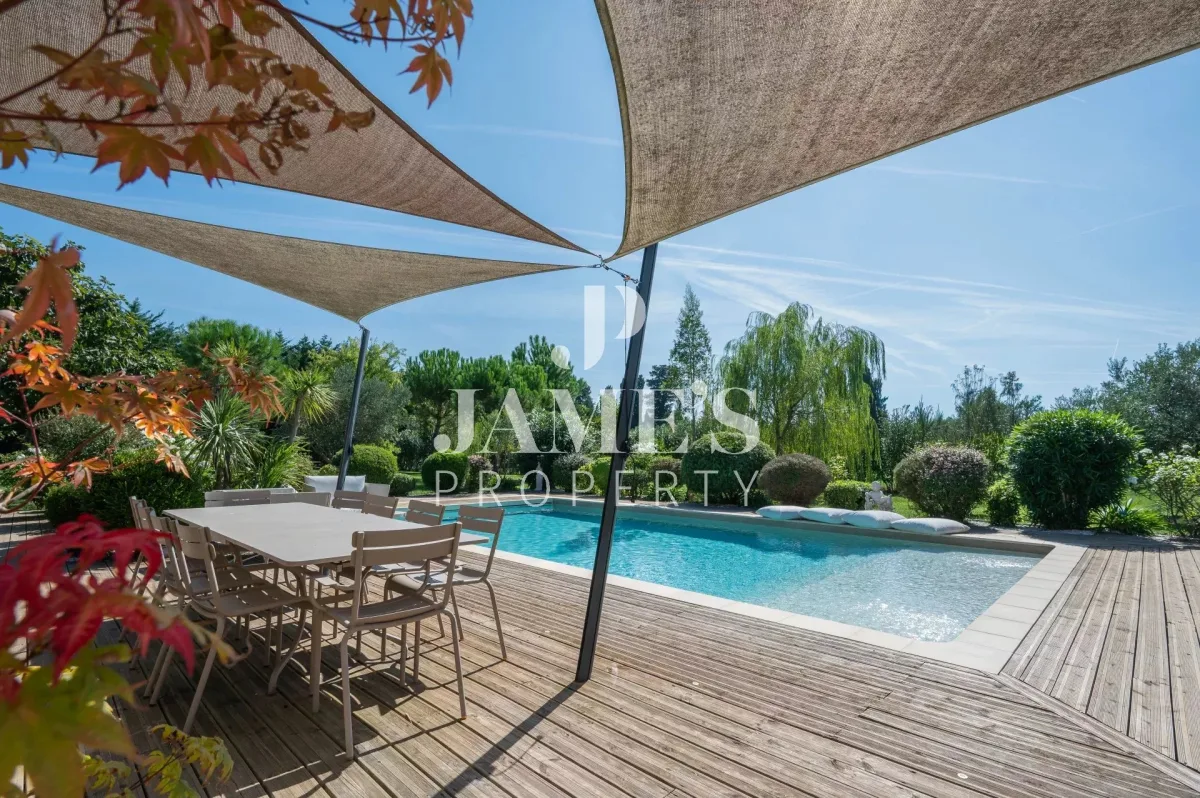
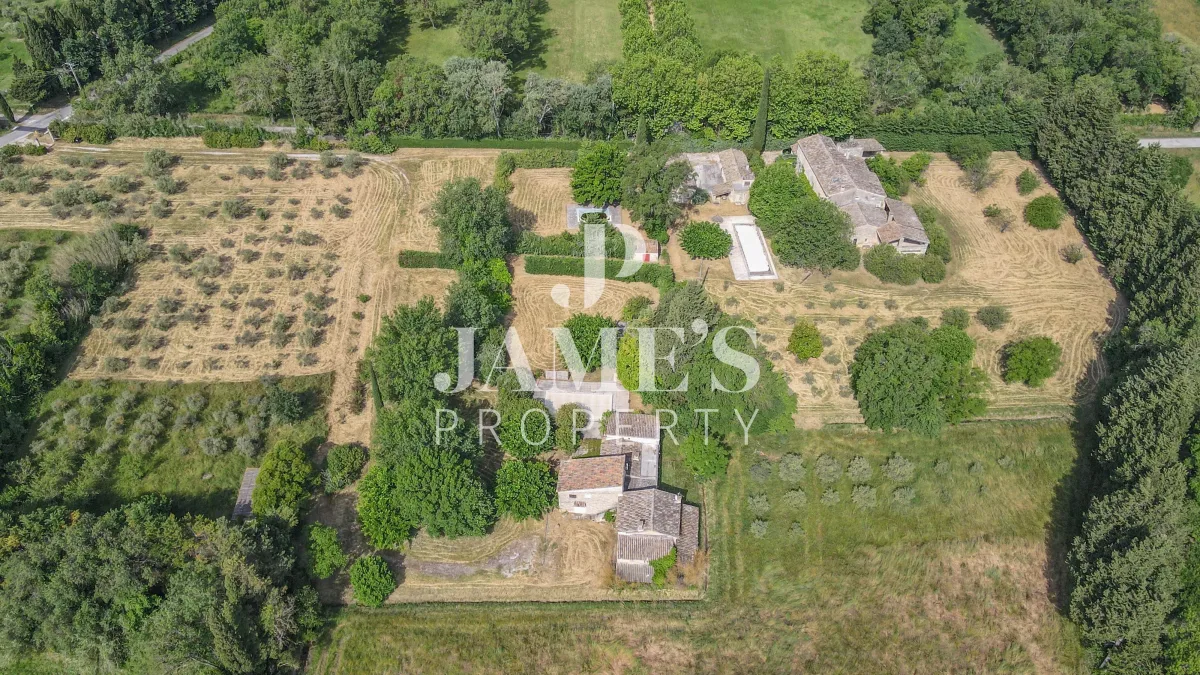
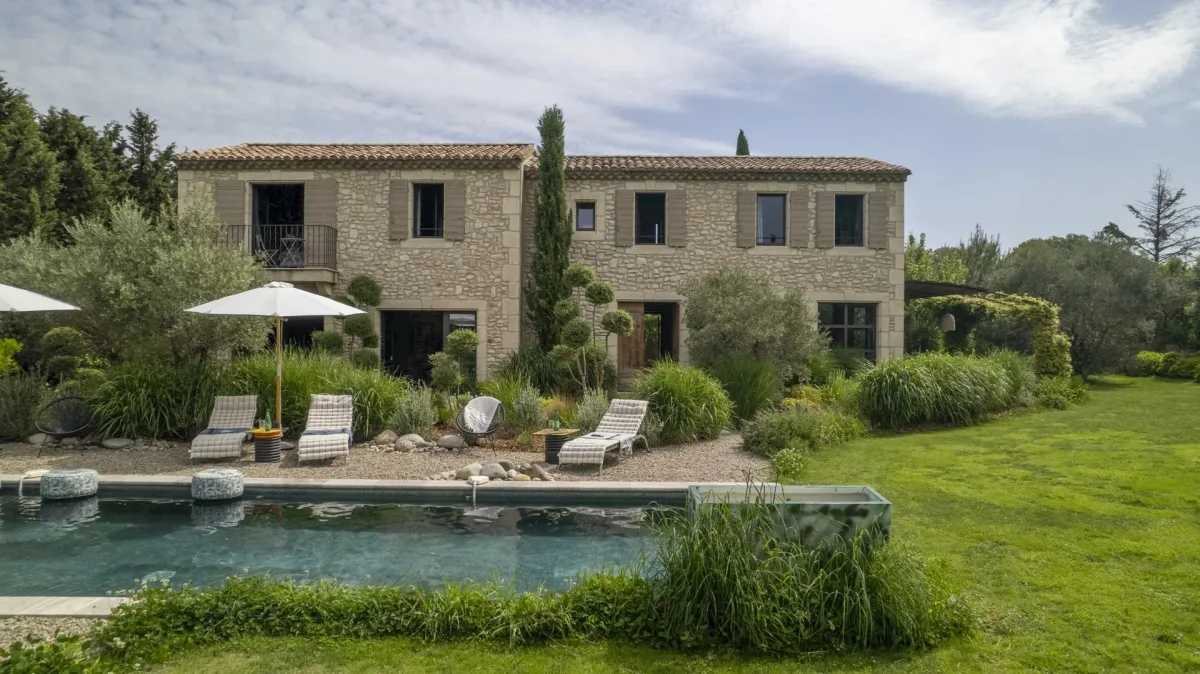
Prestigious Estate with Olive Grove Near Saint-Rémy-de-Provence
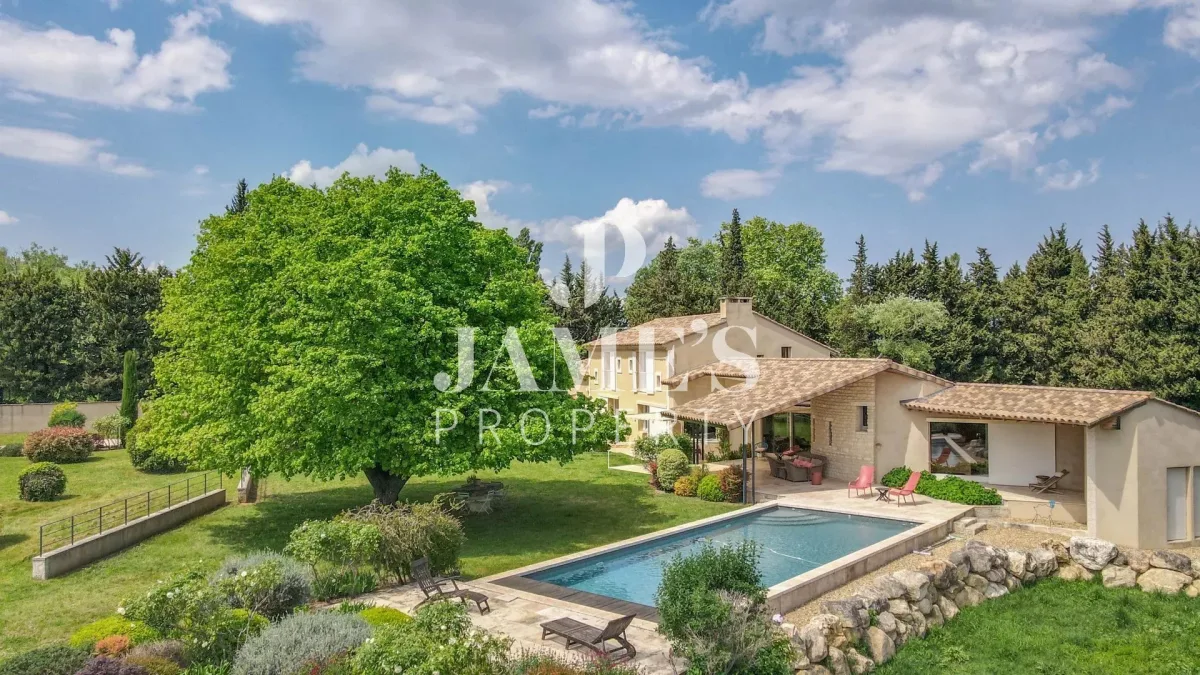
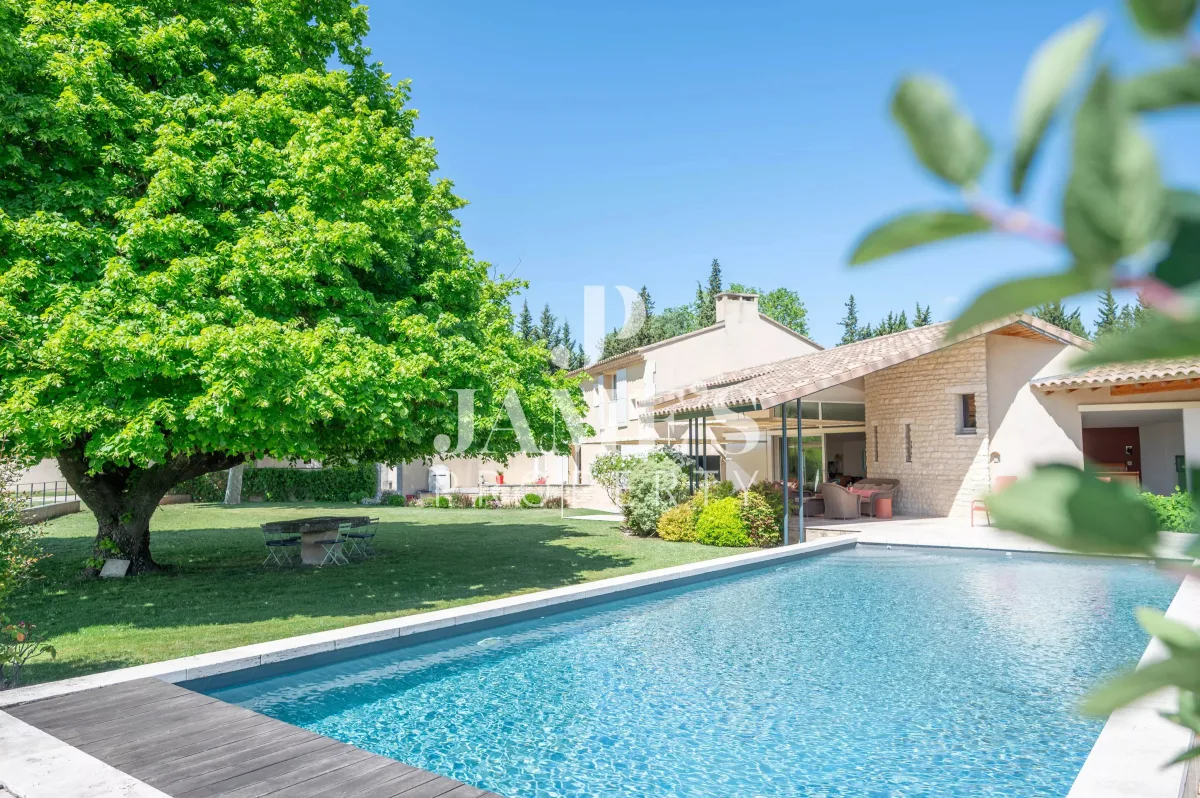
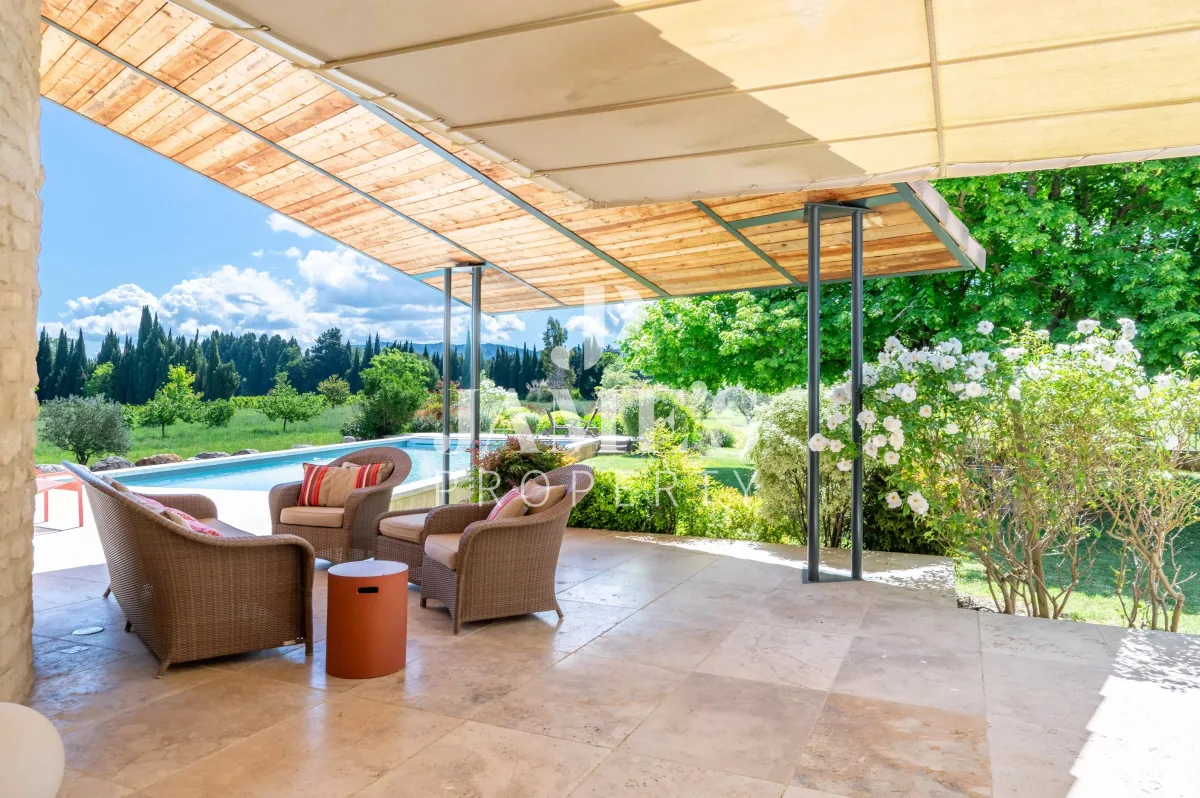
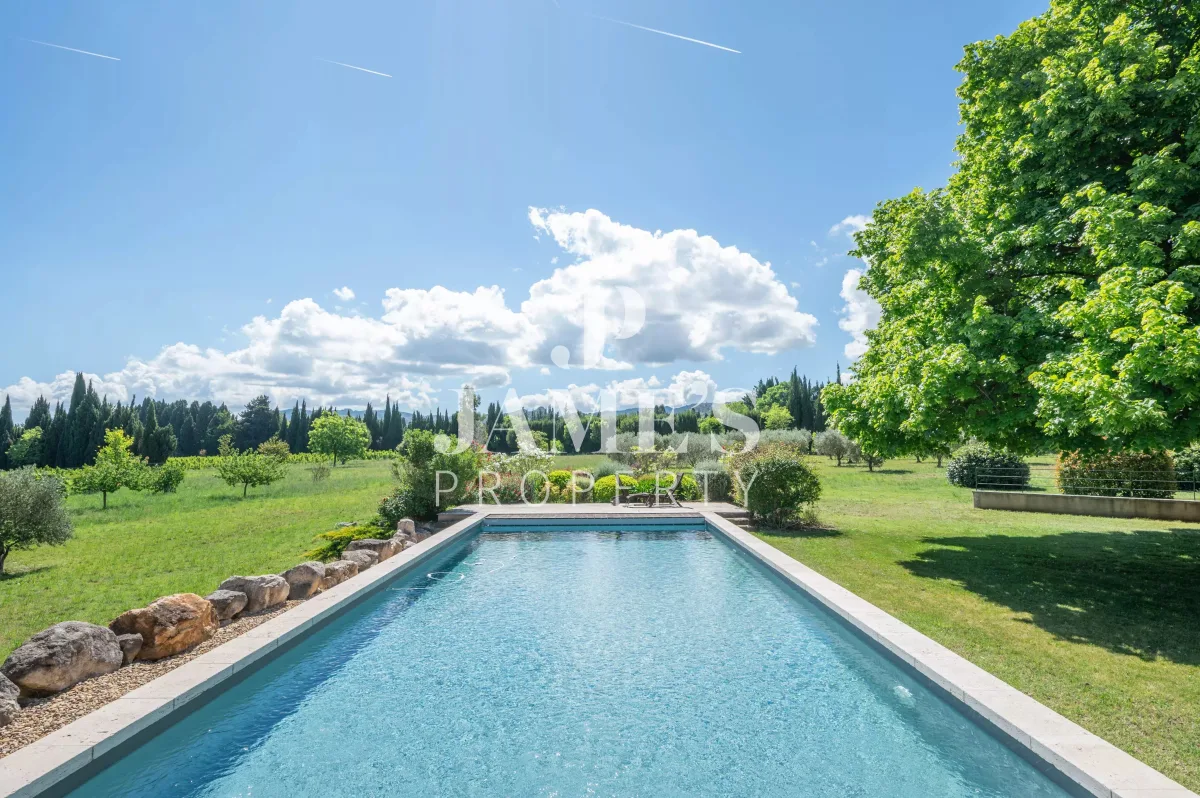
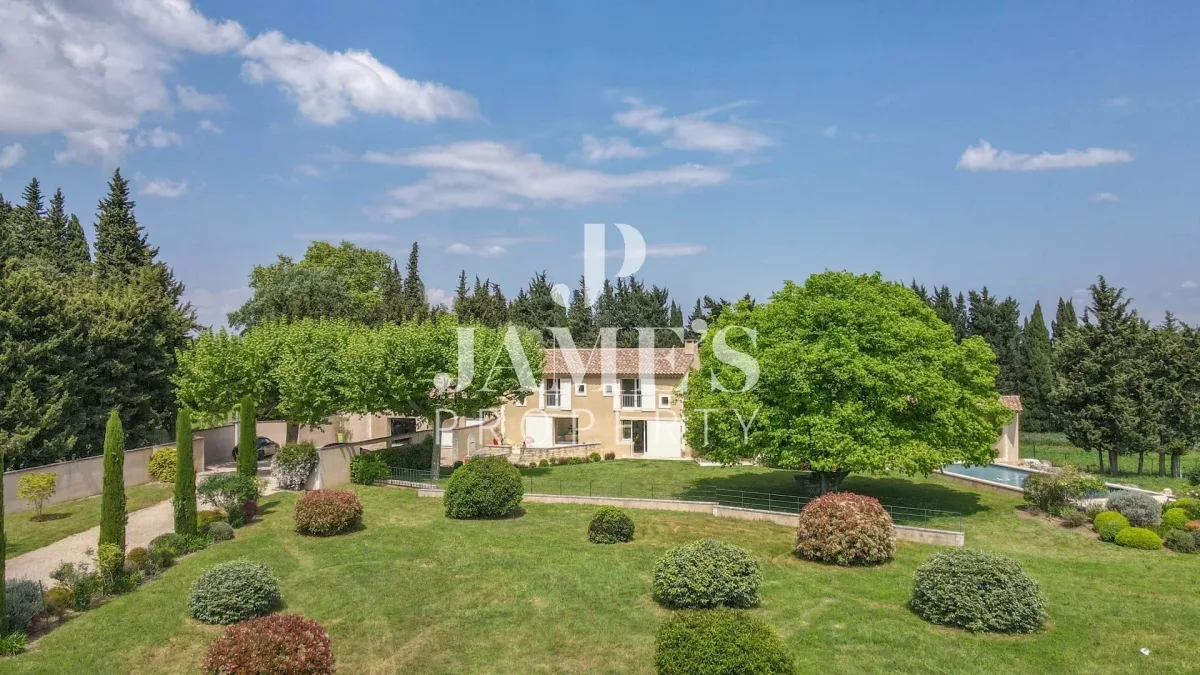
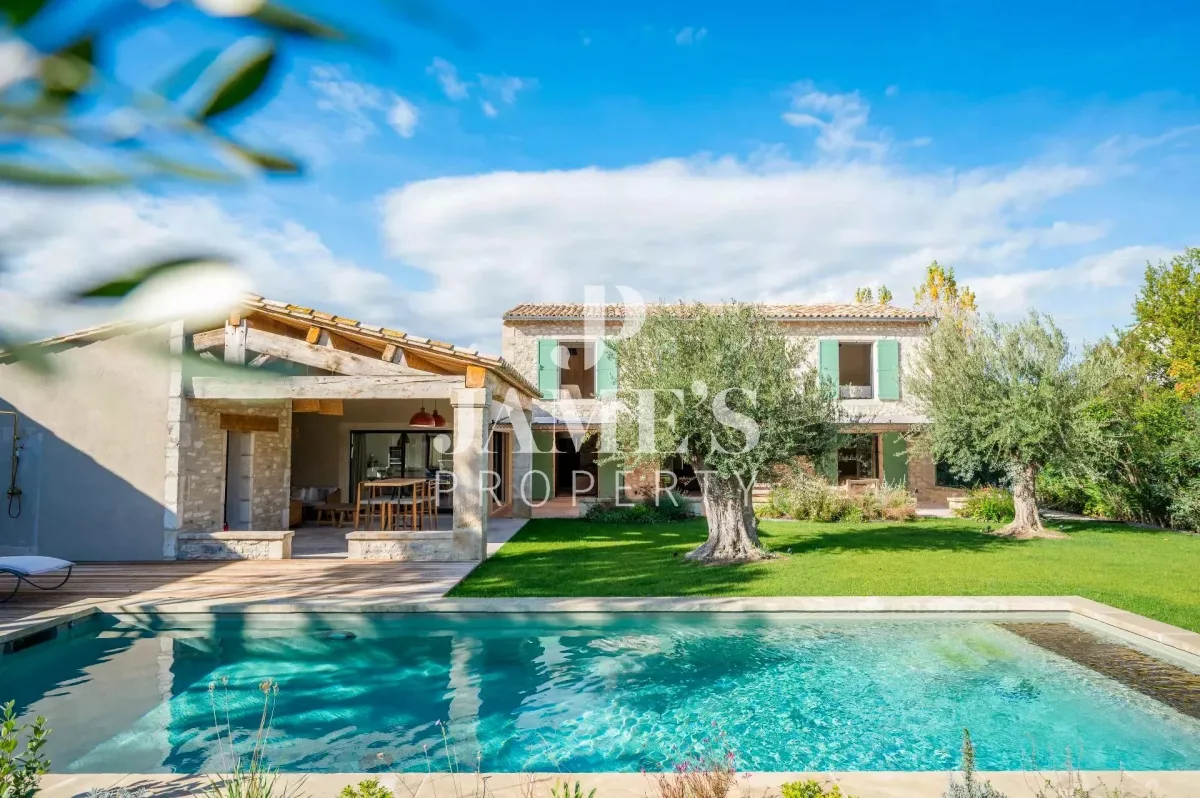
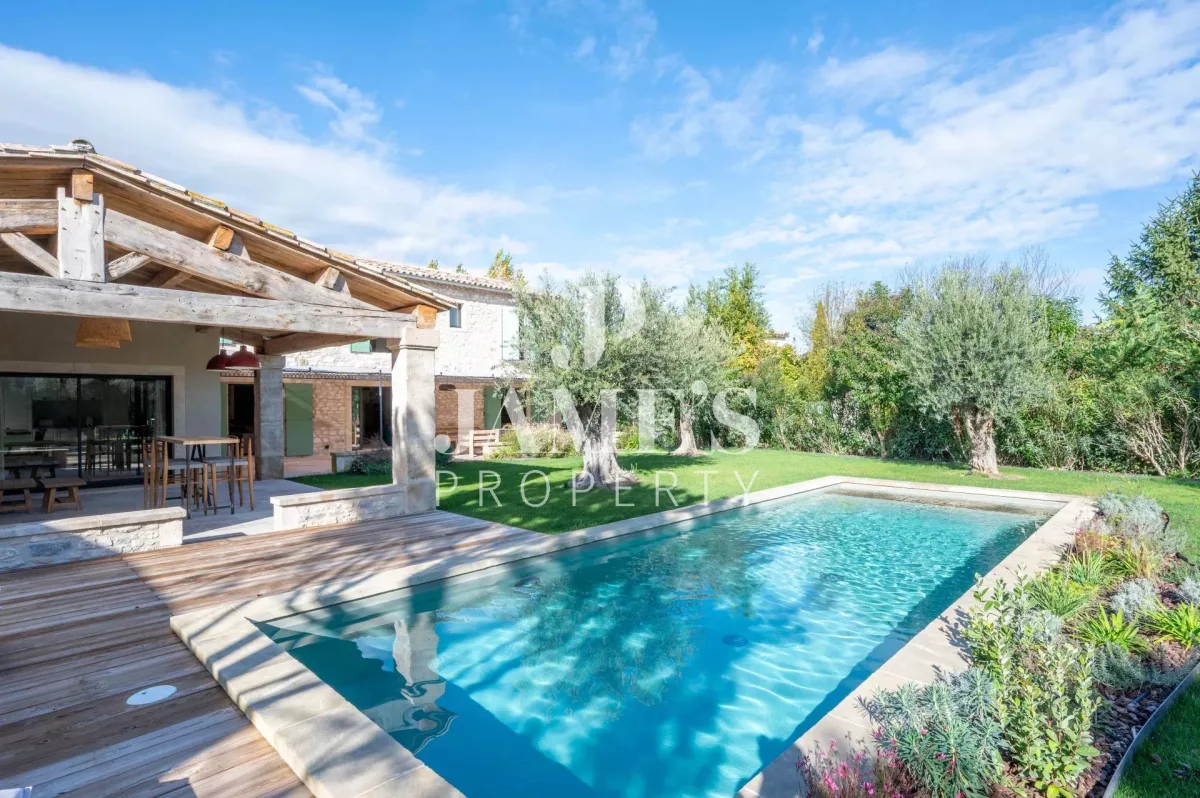
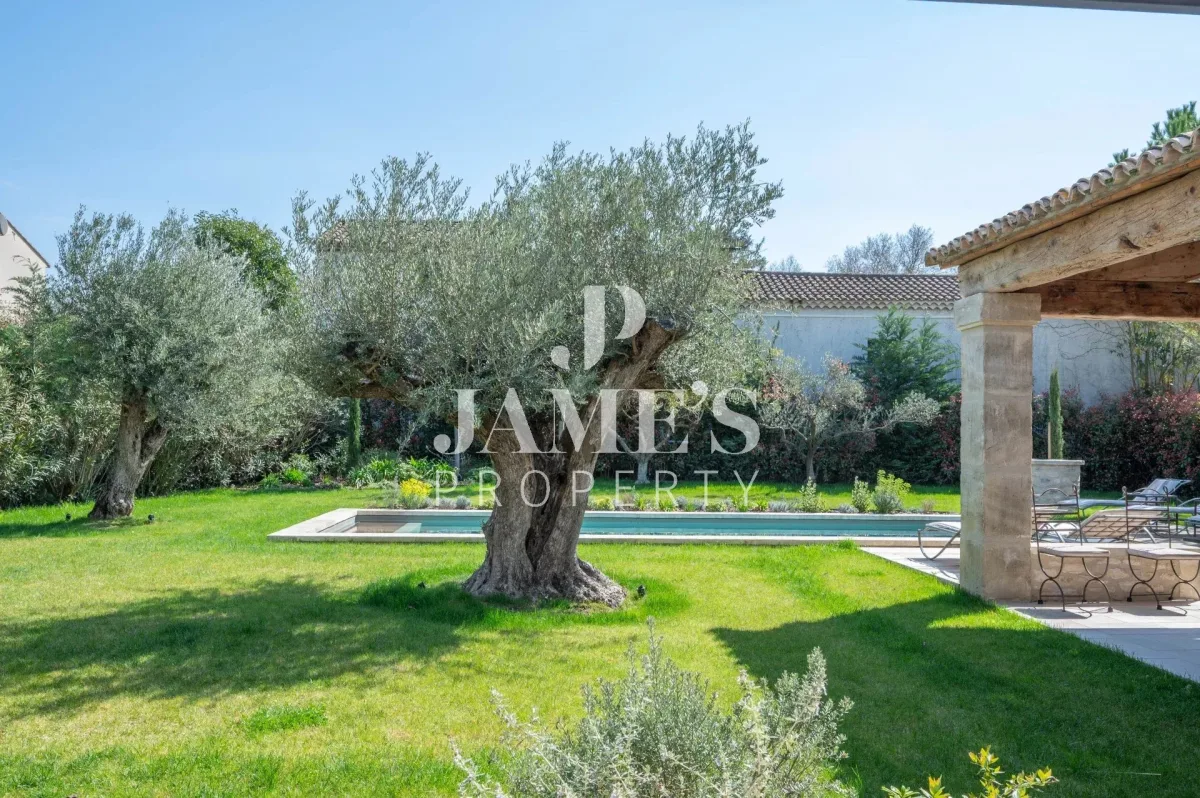
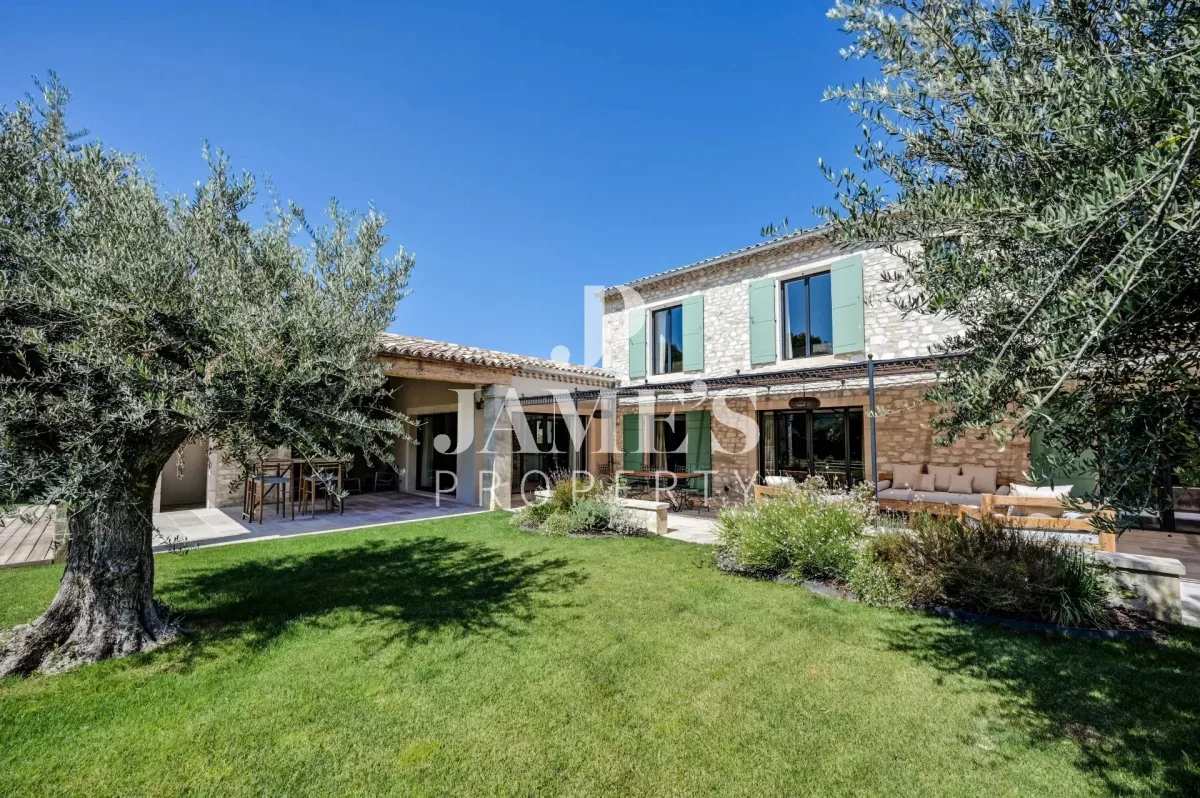
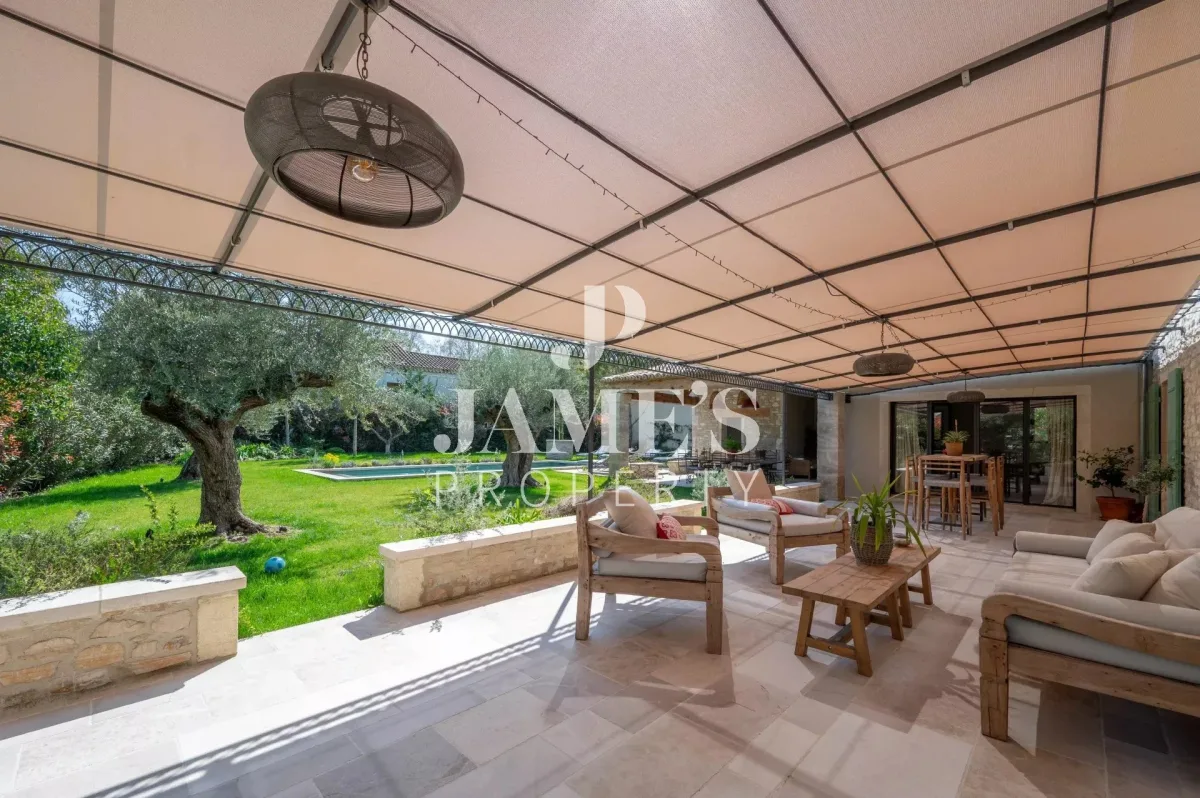
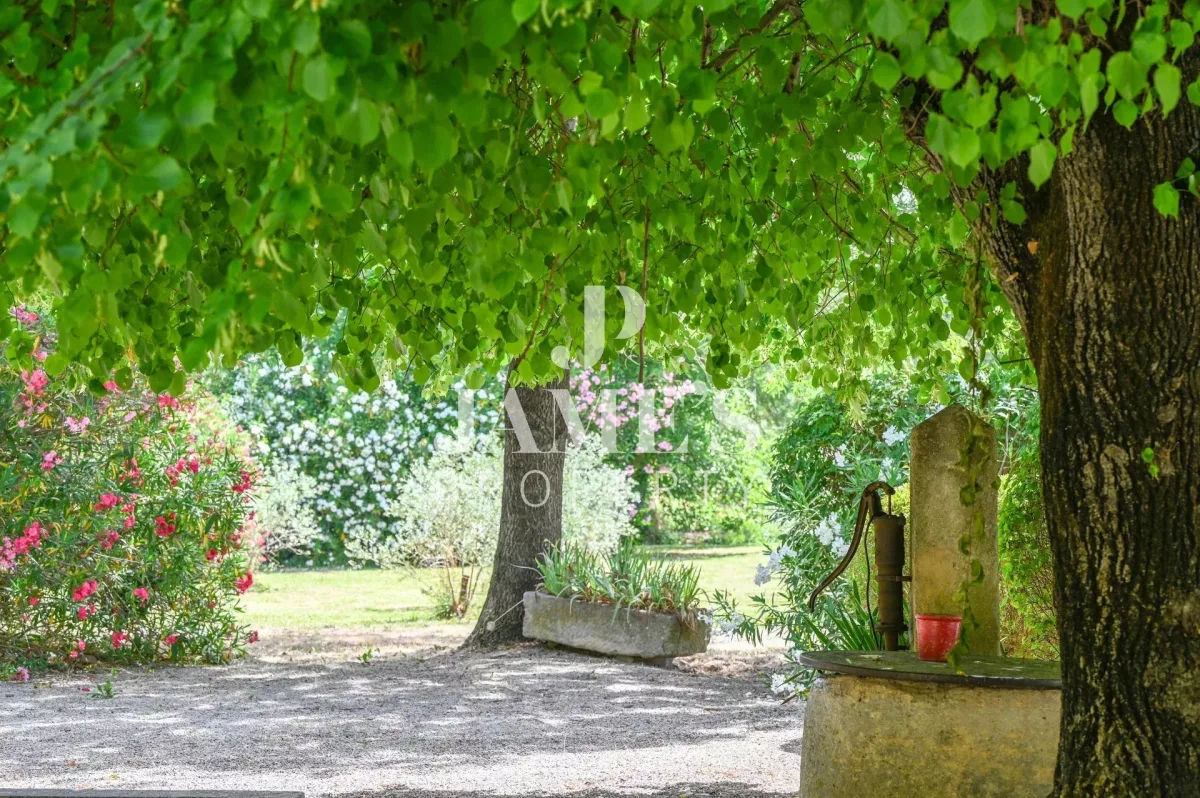
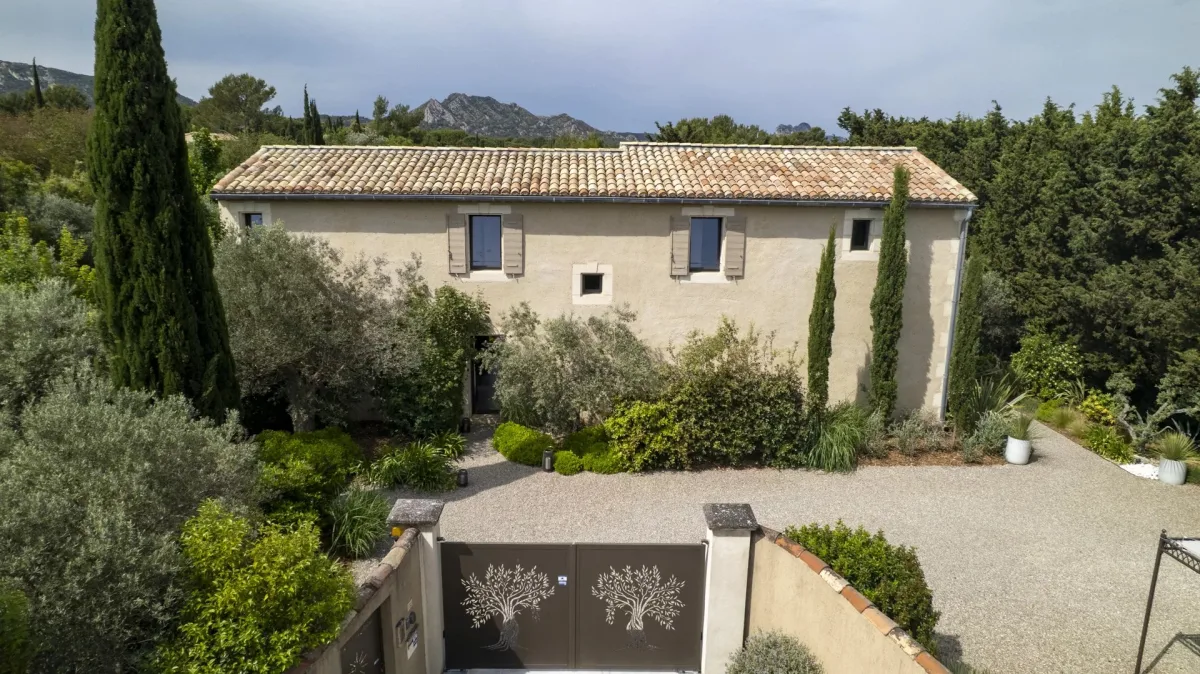
New stone house with swimming pool in Saint Rémy de Provence
Top searches
The Alpilles : The Prestige of a Preserved Provençal Art of Living
In western Provence, the Alpilles form a landscape where stone, olive trees, cypress trees and limestone hills create one of southern France's most recognisable settings. Between Saint-Rémy-de-Provence, Les Baux-de-Provence, Eygalières, Maussane-les-Alpilles and Mouriès, this small mountain range offers a different vision of luxury: less spectacular than the coastline, but deeply rooted in the land, architecture and quality of life.
The Alpilles Regional Nature Park, created in 2007, protects an area of almost 51,000 hectares encompassing 16 municipalities. It brings together limestone hills, Mediterranean scrubland, pine forests, olive groves, vineyards, agricultural plains and Provençal villages. This diversity of landscapes is one of the foundations of the area's residential appeal.
For luxury real estate, the Alpilles offer a particularly sought-after quality: the opportunity to live in a character property within a preserved landscape, while remaining close to Provence's major cities and iconic destinations.
A Provence of Villages, Stone and Olive Trees
The prestige of the Alpilles does not come from a concentration of palaces or luxury apartment buildings. It is found instead in the harmony of the landscape.
Villages are organised around stone houses, shaded squares, fountains, churches and historic lanes. Outside the historic centres, properties sit within a landscape of farmland, olive groves, vineyards and pine forests.
Saint-Rémy-de-Provence is one of the area's best-known addresses. Its Roman heritage, historic centre, galleries, markets and artistic history, particularly its connection with Vincent van Gogh, give it an international cultural dimension.
A few kilometres away, Eygalières offers a more residential and discreet atmosphere, particularly appreciated for its Provençal farmhouses, private estates with views of the Alpilles and agricultural surroundings.
Maussane-les-Alpilles, meanwhile, has a strong identity linked to olive growing and the Provençal art of living, while Mouriès is regarded as one of the emblematic communities of olive cultivation in the Alpilles.
Provençal Farmhouses, Bastides and Luxury Estates
The high-end property market of the Alpilles has a distinctly different architectural signature from that of the French Riviera.
Here, the most sought-after properties often take the form of historic Provençal farmhouses, bastides, agricultural estates, stone houses and contemporary properties inspired by Provençal architecture.
The value of a property is therefore determined by much more than its living area. Land, mature olive trees, views, privacy, outbuildings, swimming pools, renovation quality, materials and the relationship between the house and its surroundings can all be decisive.
An estate spanning several hectares and surrounded by olive trees offers a very different experience from a house within walking distance of a village centre. Likewise, a carefully restored historic farmhouse can possess a very different heritage value from a contemporary villa.
This diversity is an integral part of the Alpilles luxury property market.
Saint-Rémy-de-Provence: An International Address
Saint-Rémy-de-Provence is arguably one of the main gateways to the residential world of the Alpilles.
The town enjoys strong international recognition thanks to its heritage, artistic identity and lifestyle. The archaeological site of Glanum, at the foot of the Alpilles, bears witness to centuries of ancient history. Nearby Saint-Paul-de-Mausole, where Vincent van Gogh stayed in 1889 and 1890, further reinforces the cultural dimension of the area.
The historic centre brings together restaurants, shops, galleries and markets, while the surrounding residential and rural areas offer considerably more private properties.
For buyers looking for a second home in Provence, Saint-Rémy combines village life, heritage, gastronomy and immediate access to the landscapes of the Alpilles.
Eygalières and the More Confidential Villages
Beyond Saint-Rémy, several communities offer a more discreet interpretation of prestige.
Eygalières is particularly representative of this residential Provence. The village has retained its agricultural and village character while also attracting high-quality properties set within the surrounding countryside.
Farmhouses and villas in the surrounding countryside may benefit from remarkable views of the Alpilles, landscaped gardens and a level of privacy that is increasingly difficult to find in the more urbanised parts of Provence.
In Maussane-les-Alpilles, the lifestyle is more closely associated with olive trees, gastronomy and proximity to Les Baux-de-Provence. Les Baux-de-Provence, perched on a rocky spur, has an exceptional heritage and tourism dimension, with its historic village and castle.
Each municipality therefore brings a different nuance to the property market: lively village life, discreet addresses, historic heritage, agricultural surroundings or estates immersed in nature.
The Olive Tree: A Symbol of the Region
In the Alpilles, the olive tree is far more than a decorative feature.
It is deeply rooted in the area's economic, agricultural and cultural identity. The Vallée des Baux-de-Provence benefits from a protected designation of origin for its olive oils and olives, while several Alpilles communities contribute to this important olive-growing tradition.
In Mouriès, olive cultivation in particular plays a central role in both the landscape and local identity.
For luxury real estate, these olive groves are also a major landscape asset. An avenue lined with olive trees, a garden dominated by centuries-old trees or a Provençal farmhouse surrounded by orchards gives a property a relationship with the land that cannot simply be recreated.
A Protected Natural Heritage
The Alpilles Regional Nature Park is one of the main safeguards of this landscape identity.
The mountain range encompasses a remarkable variety of natural environments, including Mediterranean scrubland, forests, cliffs, wetlands, cultivated land and agricultural areas. This mosaic supports significant biodiversity while preserving the quality of the scenery.
The hills also offer numerous opportunities for hiking, cycling and outdoor activities. Trails provide access to limestone landscapes, valleys, olive groves and panoramic views across the Provençal plain.
This immediate proximity to nature is a major residential asset. In the Alpilles, the feeling of space does not necessarily come from owning an enormous property, but from being able to look beyond one's garden and quickly reach an essentially natural environment.
Close to Provence's Major Destinations
Another major advantage of the Alpilles is their geographical position.
The region lies close to Avignon, Arles, Aix-en-Provence and Marseille, while remaining directly connected to many of Provence's most celebrated destinations.
This location makes it possible to enjoy village markets and restaurants, vineyards, cultural sites and natural landscapes while remaining within reasonable reach of major urban centres and international transport infrastructure.
The Alpilles also sit at the heart of a network of prestigious destinations: Saint-Rémy-de-Provence, Les Baux-de-Provence, Maussane-les-Alpilles and Eygalières, as well as the Luberon, the Camargue, Avignon and Aix-en-Provence.
This proximity strengthens their appeal among French and international buyers looking for a second home in Provence.
Luxury Real Estate Built Around Authenticity
The Alpilles property market has one essential characteristic: the value of authenticity.
In a contemporary villa on the French Riviera, a sea view may be the defining feature. In the Alpilles, prestige can be found in the much subtler combination of a stone farmhouse, landscaped grounds, centuries-old olive trees, views of the hills and proximity to a village.
The truly rare properties are those that bring several of these elements together without losing their Provençal character.
Renovation therefore plays an essential role. Preserving an old timber structure, stone walls, traditional flooring or original architectural features while incorporating contemporary comfort and high-end amenities can create a distinctive form of value.
The Alpilles: Another Definition of Luxury
Ultimately, the Alpilles offer a concept of prestige that is fundamentally different from that of the major seaside resorts.
Here, luxury is measured more by the quality of the landscape, space, tranquillity, architecture, proximity to a village and the ability to live according to the rhythm of Provence.
A farmhouse surrounded by olive trees in Eygalières, a bastide near Saint-Rémy-de-Provence, a historic property in Les Baux-de-Provence or a contemporary estate in the countryside around Maussane can each embody a different expression of luxury real estate.
The region is appealing precisely because it has retained such a strong identity. Stone, olive trees, cypress trees, markets, villages, gastronomy and limestone hills create a residential environment that is difficult to reproduce elsewhere.
For those seeking luxury real estate in Provence, the Alpilles offer something rarer than simply a property: a way of inhabiting the landscape, in a region where luxury finds its value in beauty, space, privacy and authenticity.