9 Prestigious properties for sale in Italy
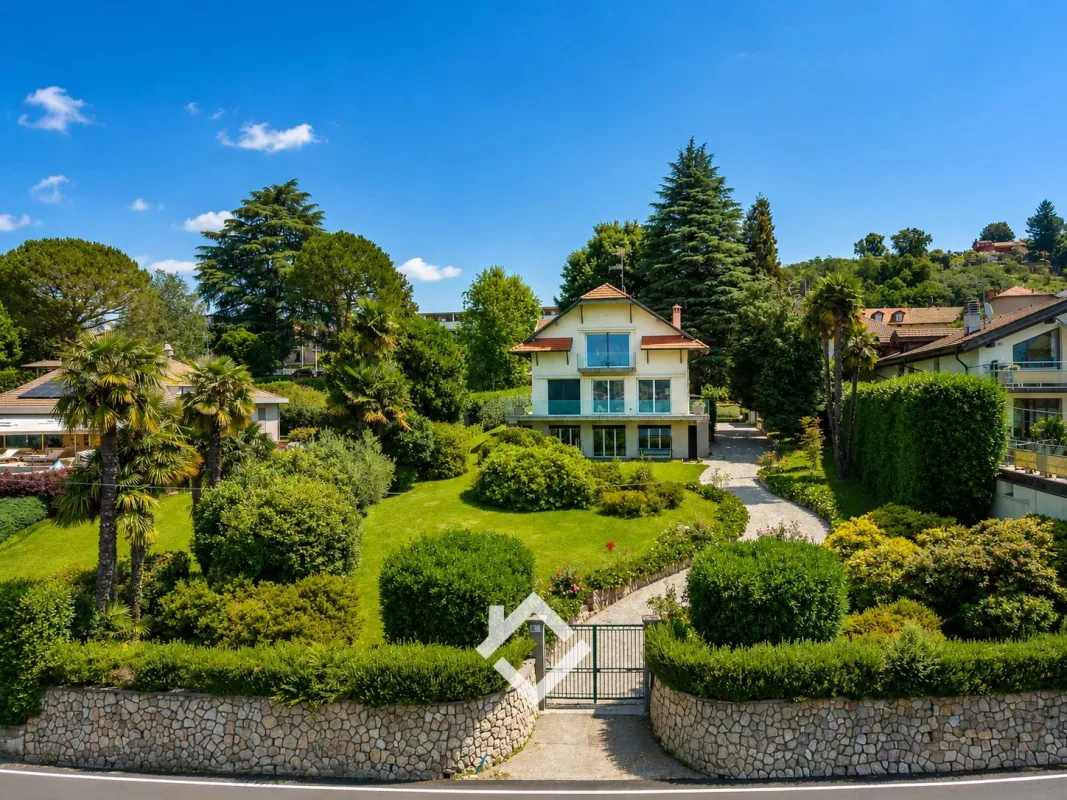
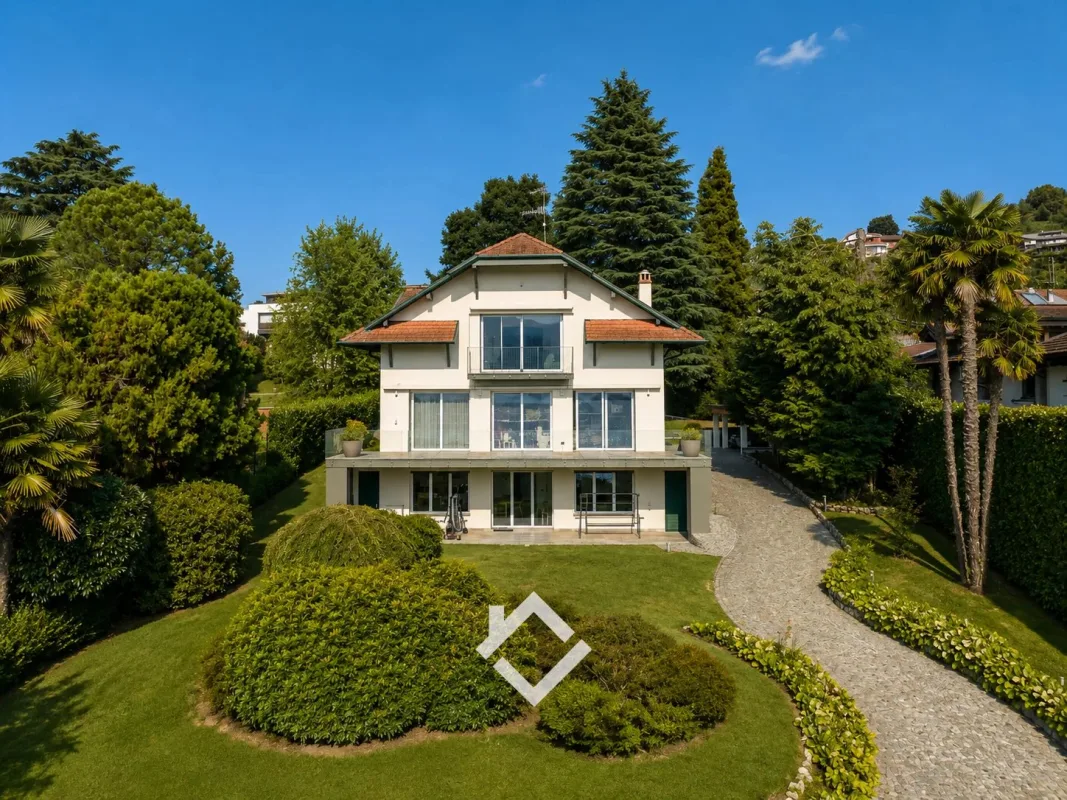
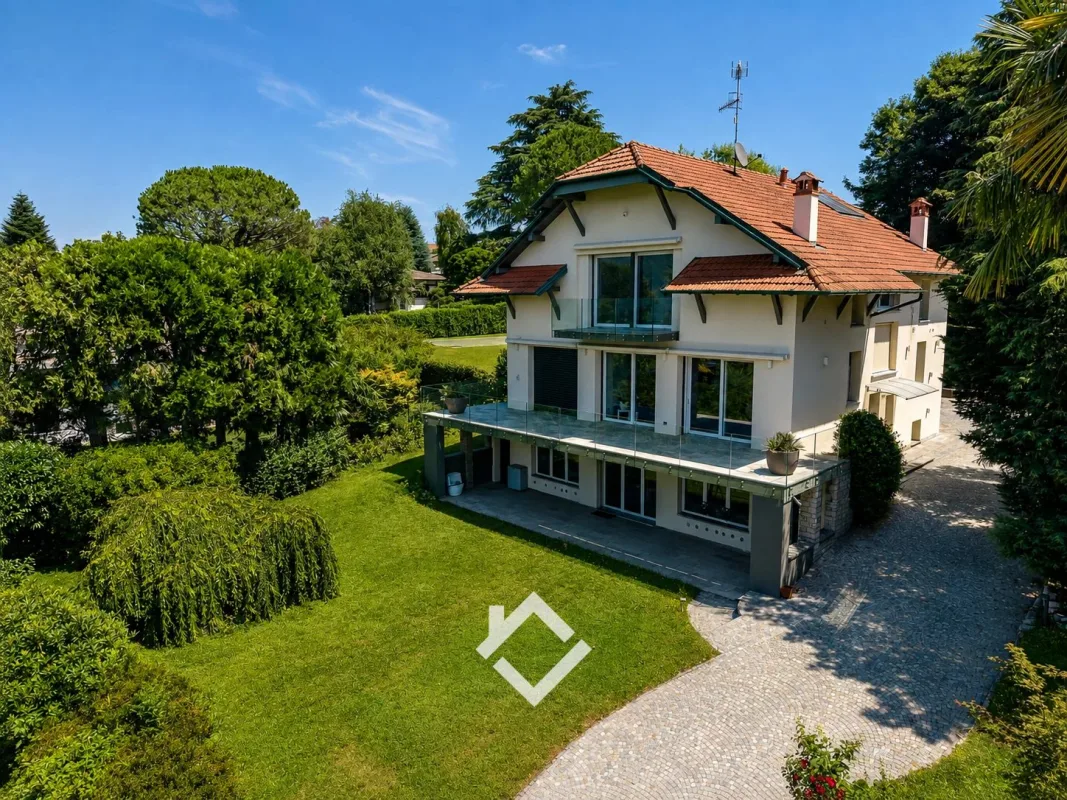
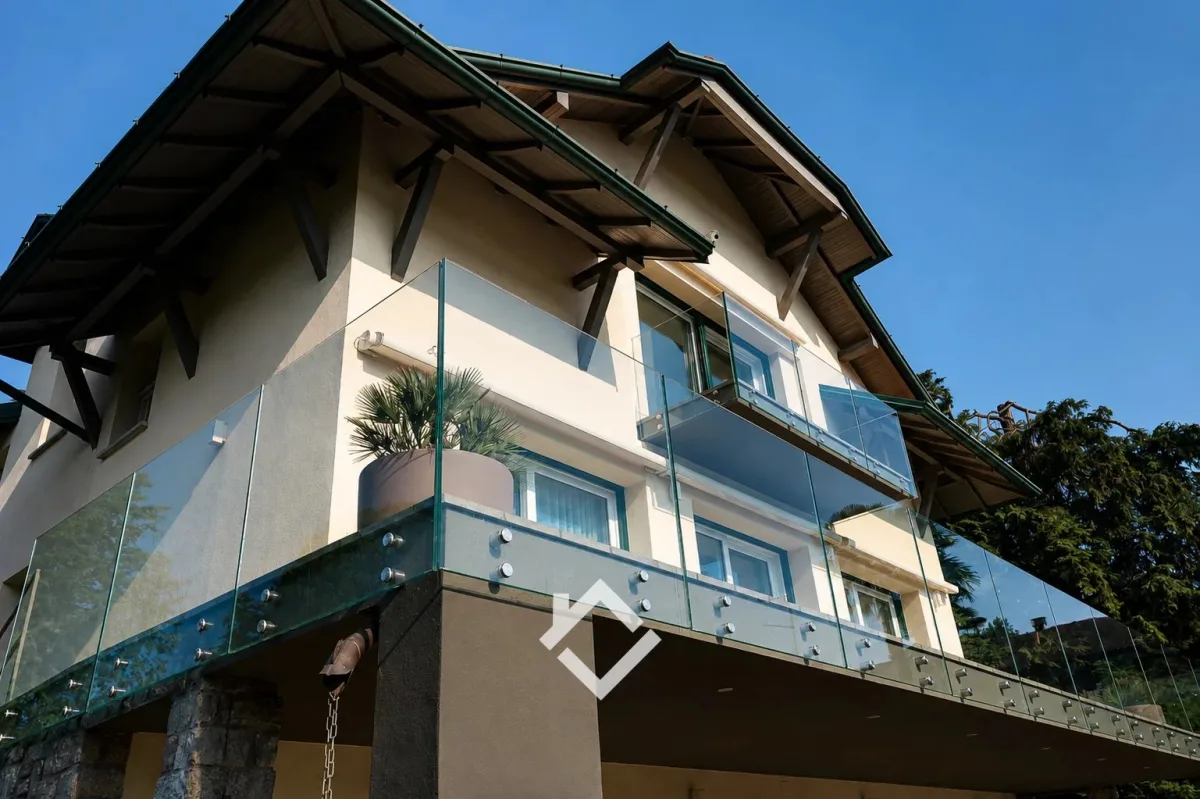
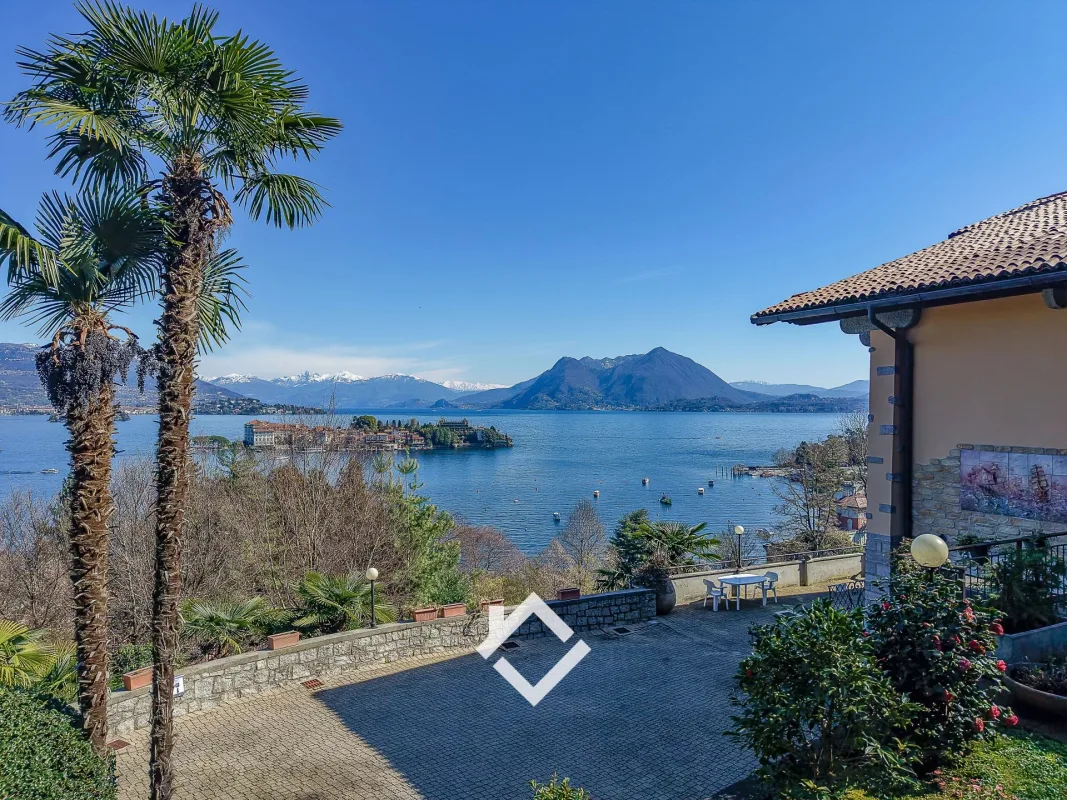
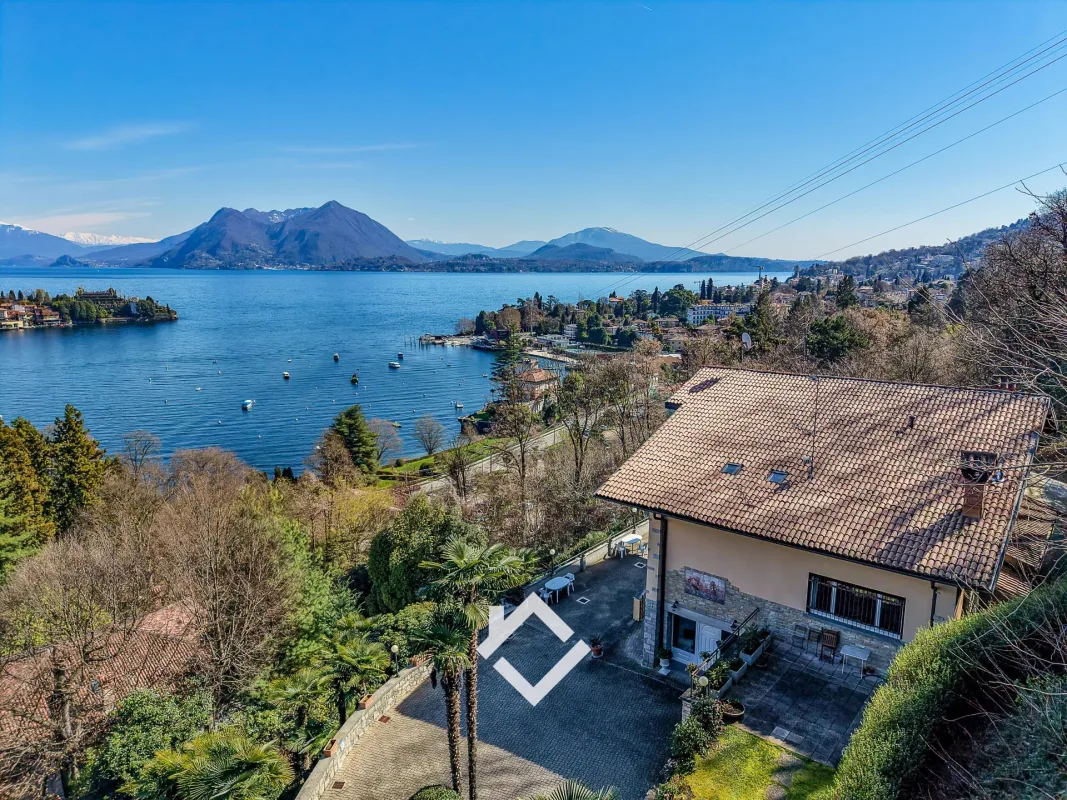
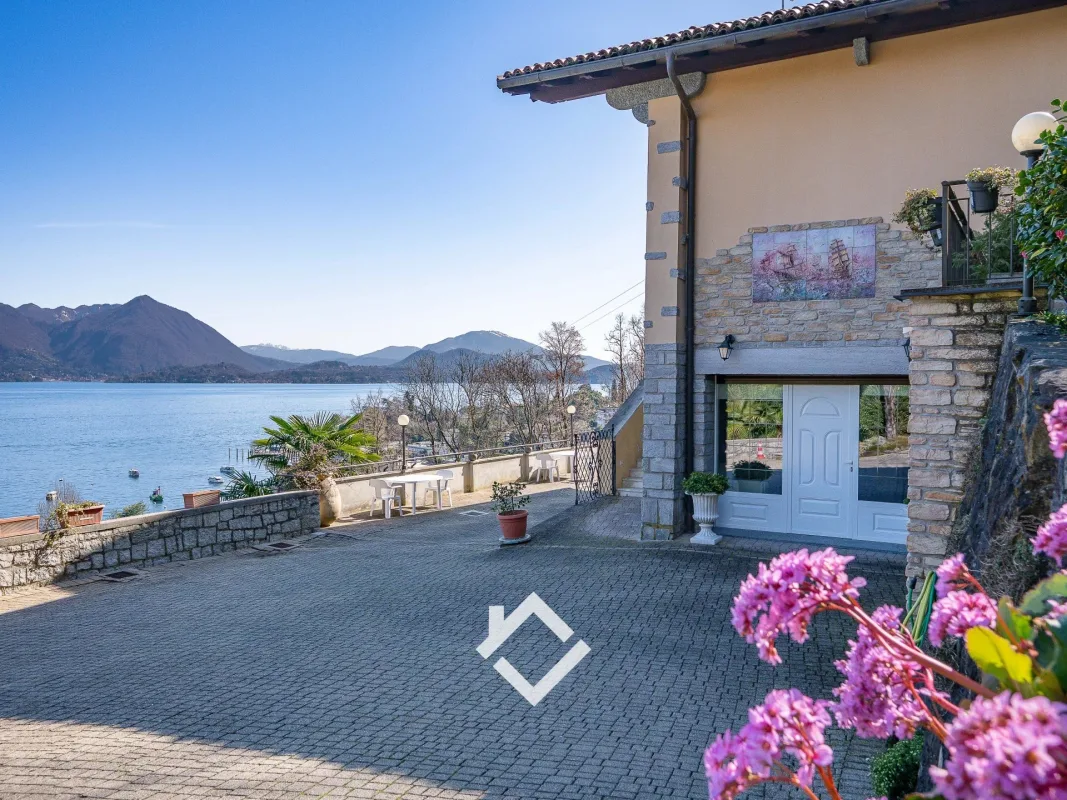
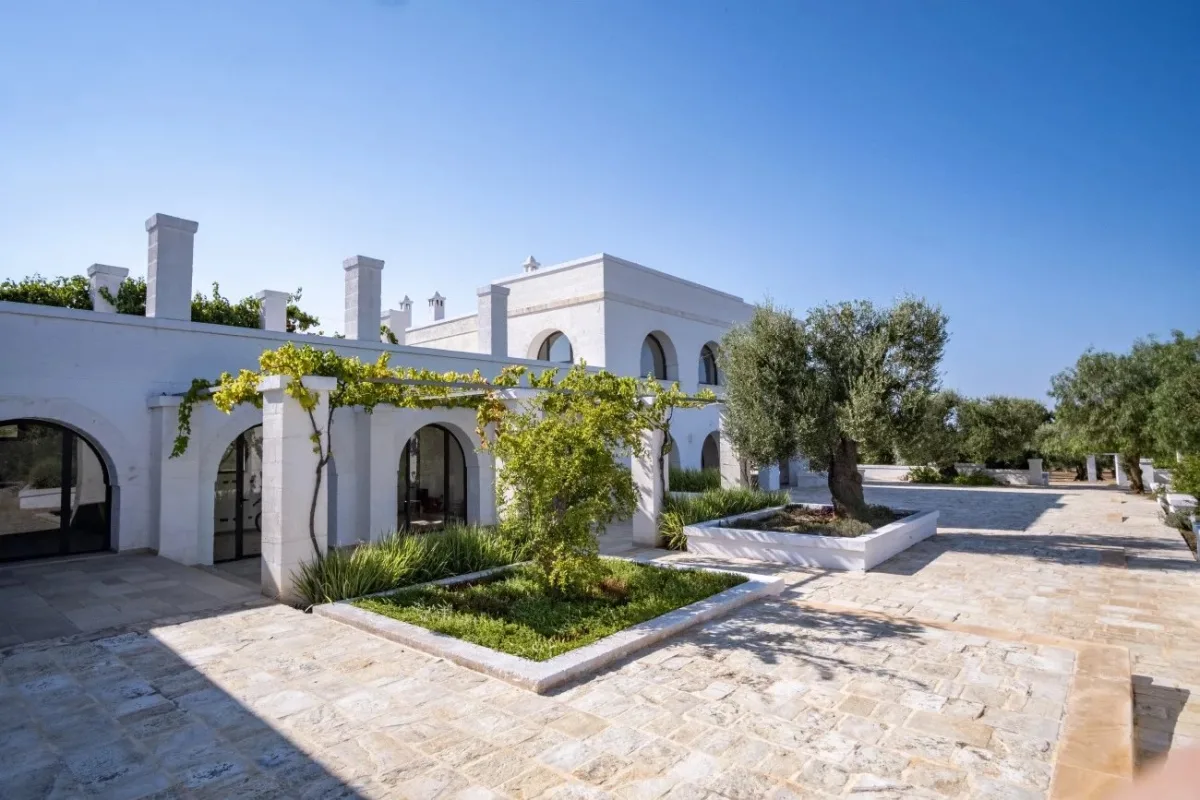
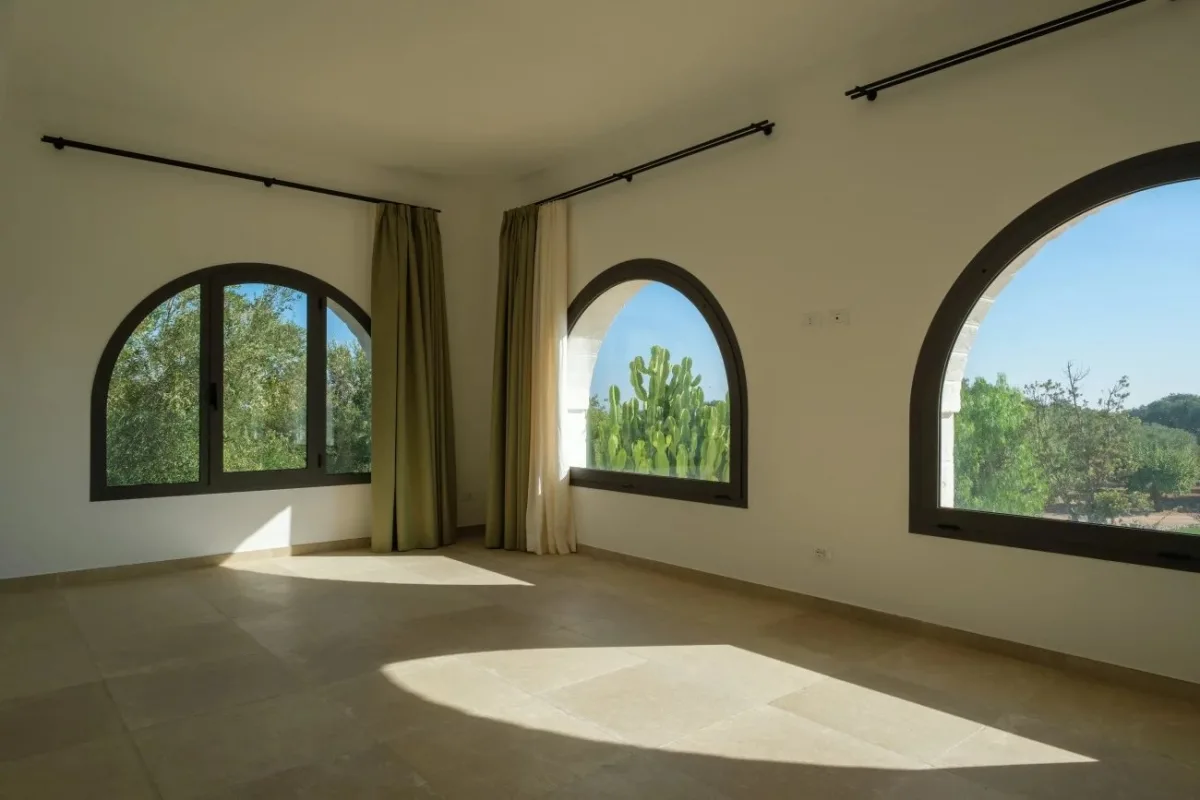
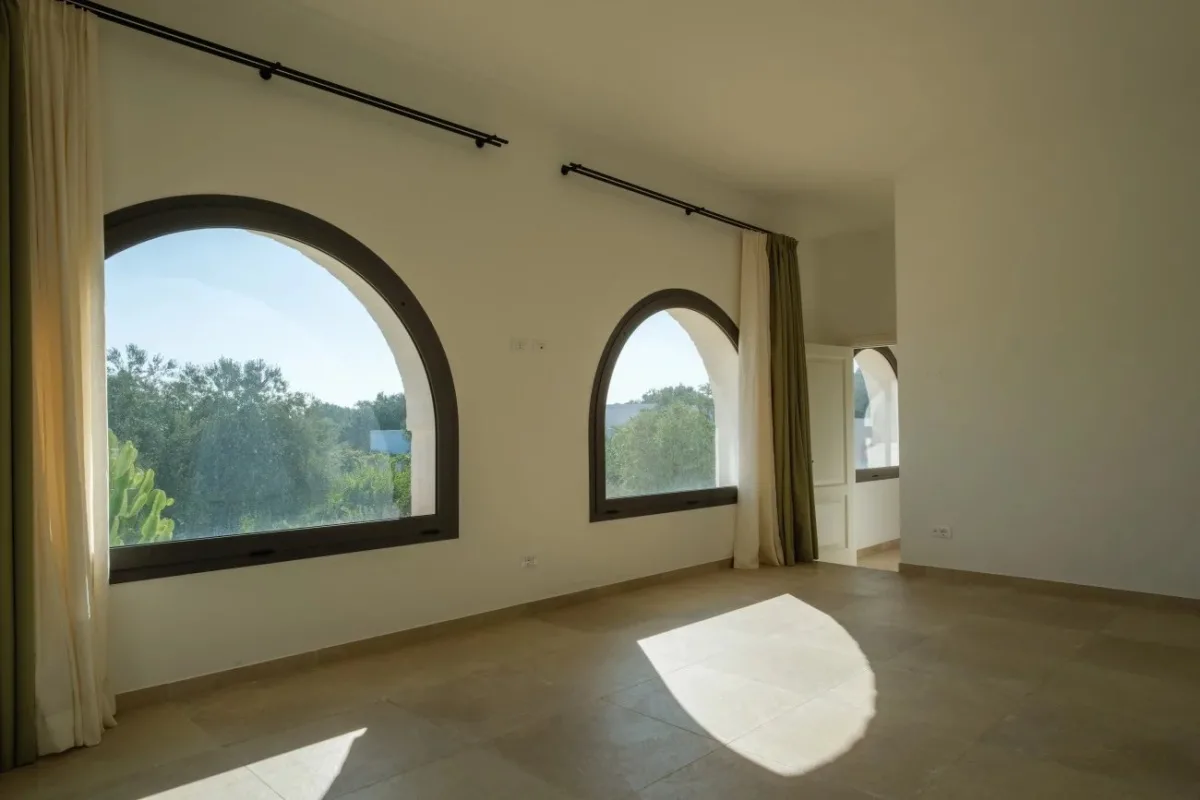
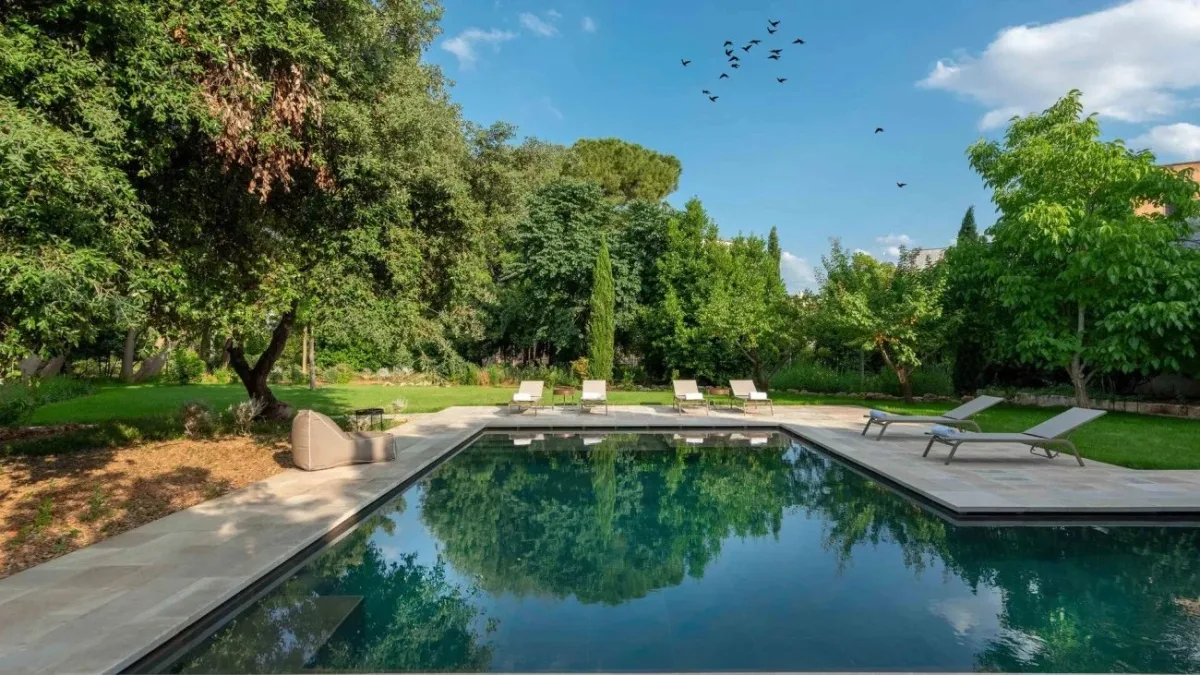
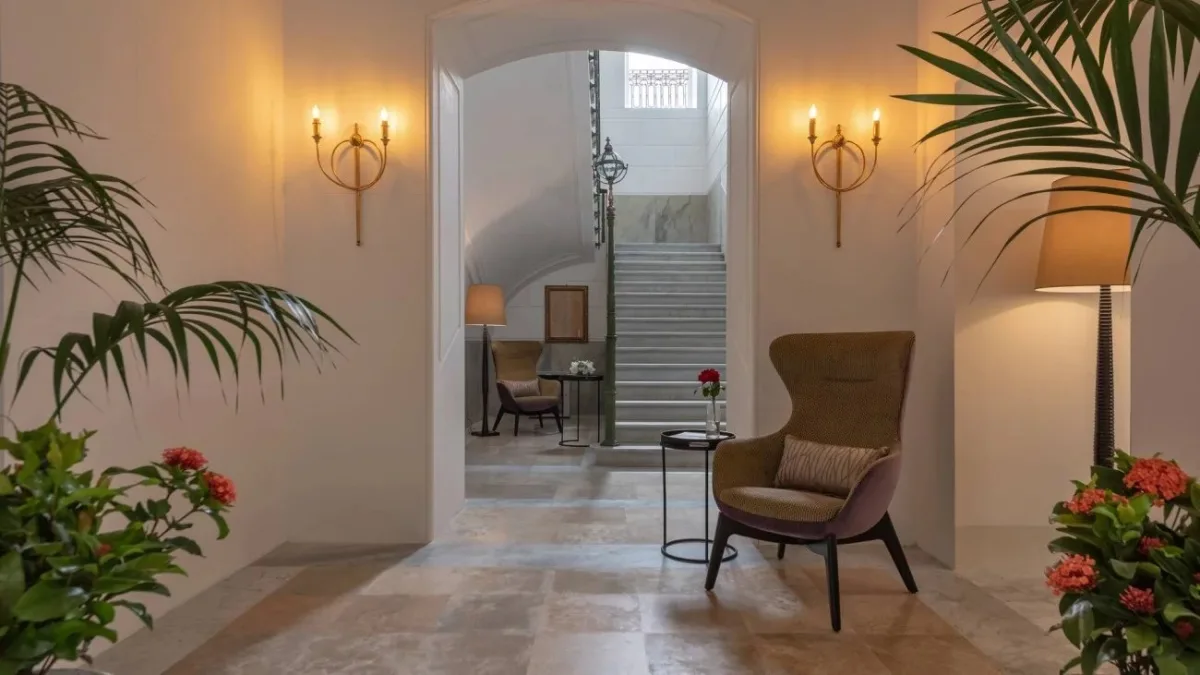
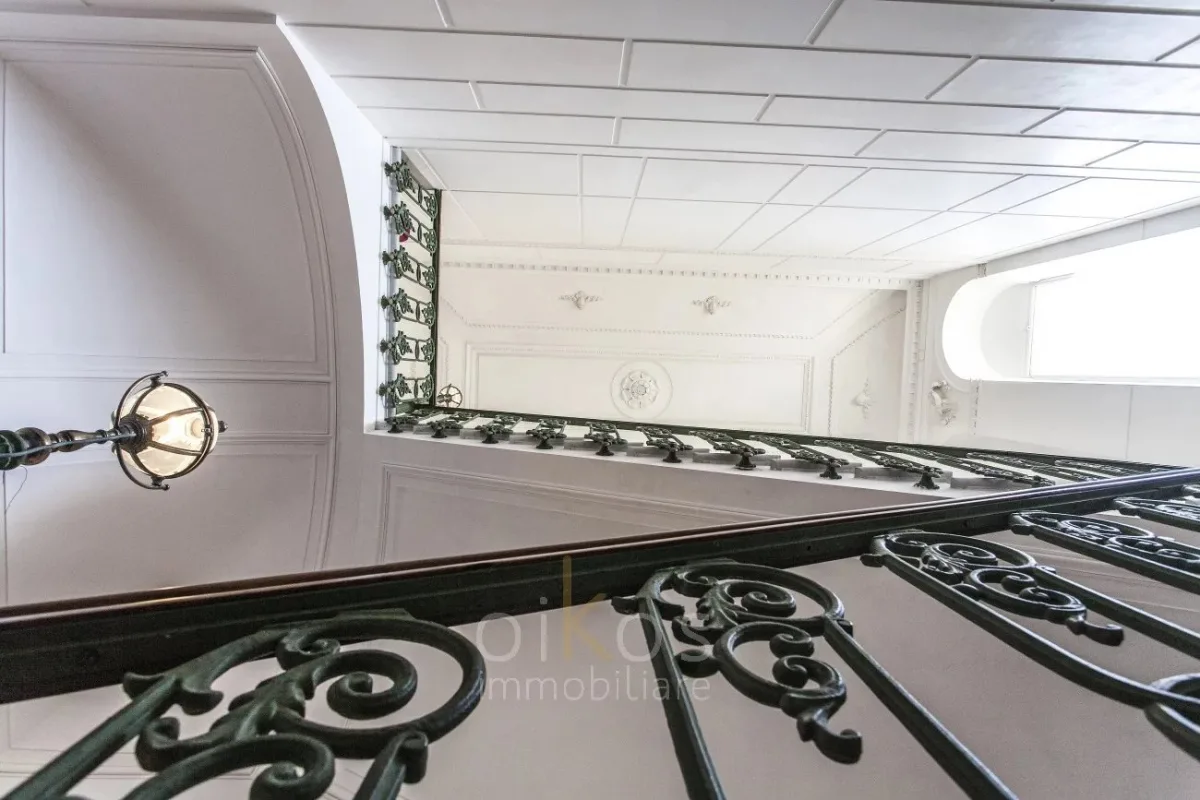
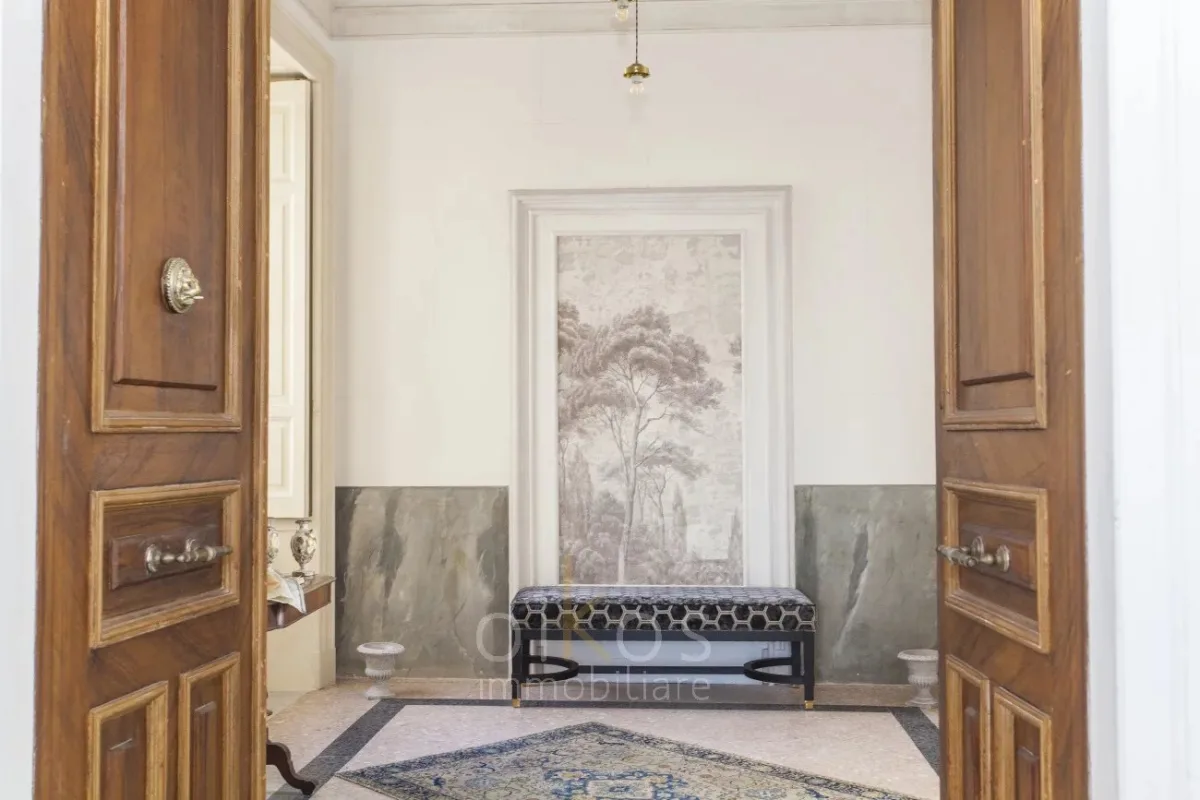
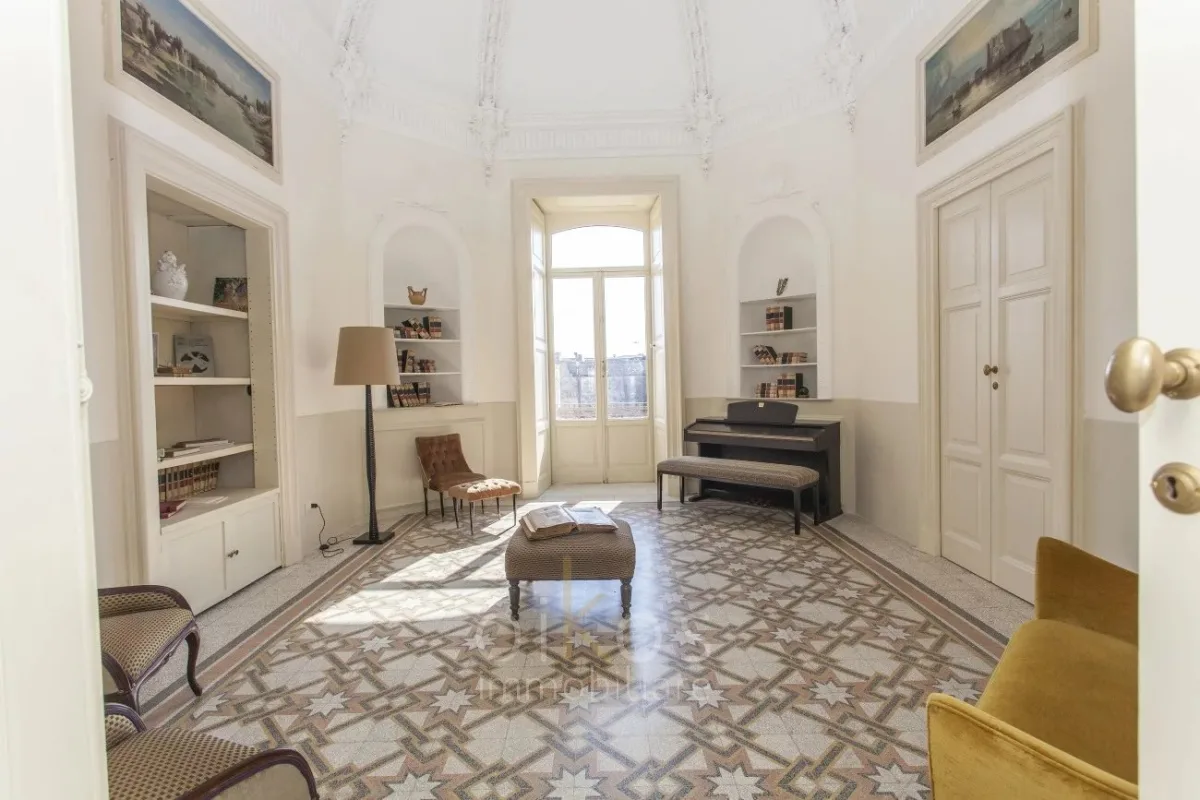
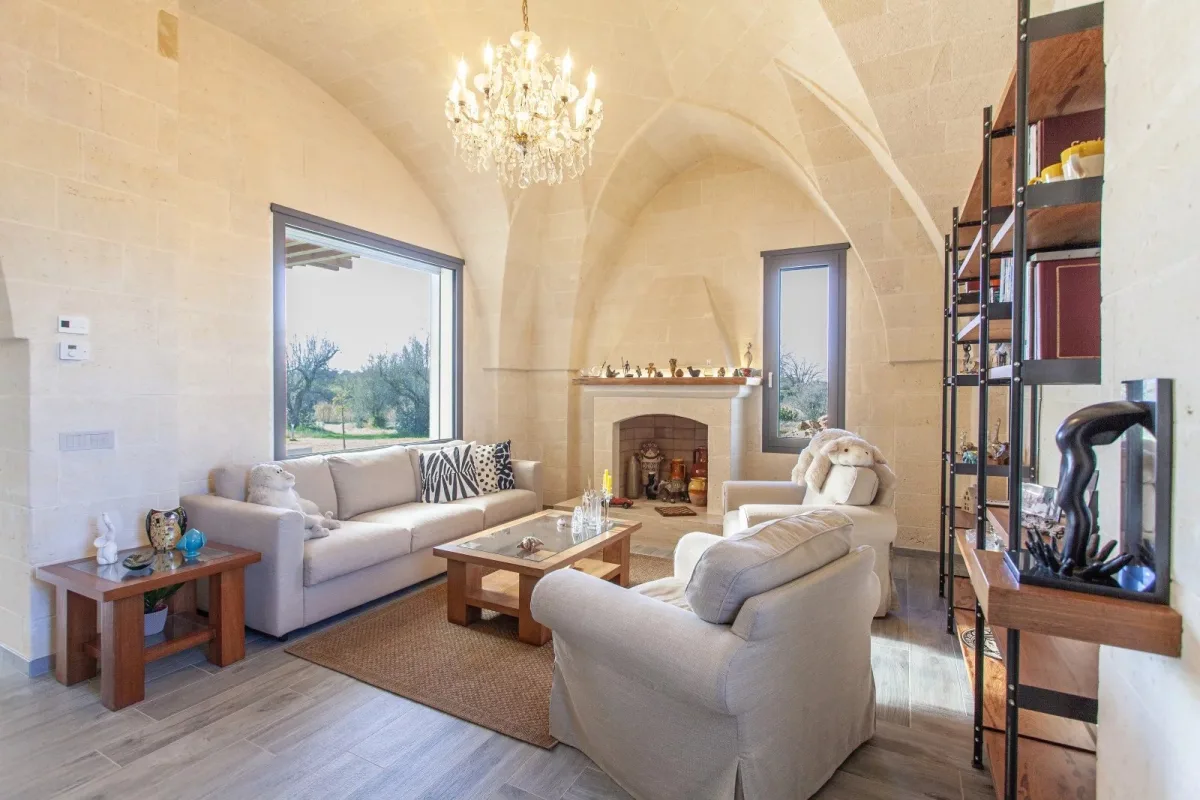
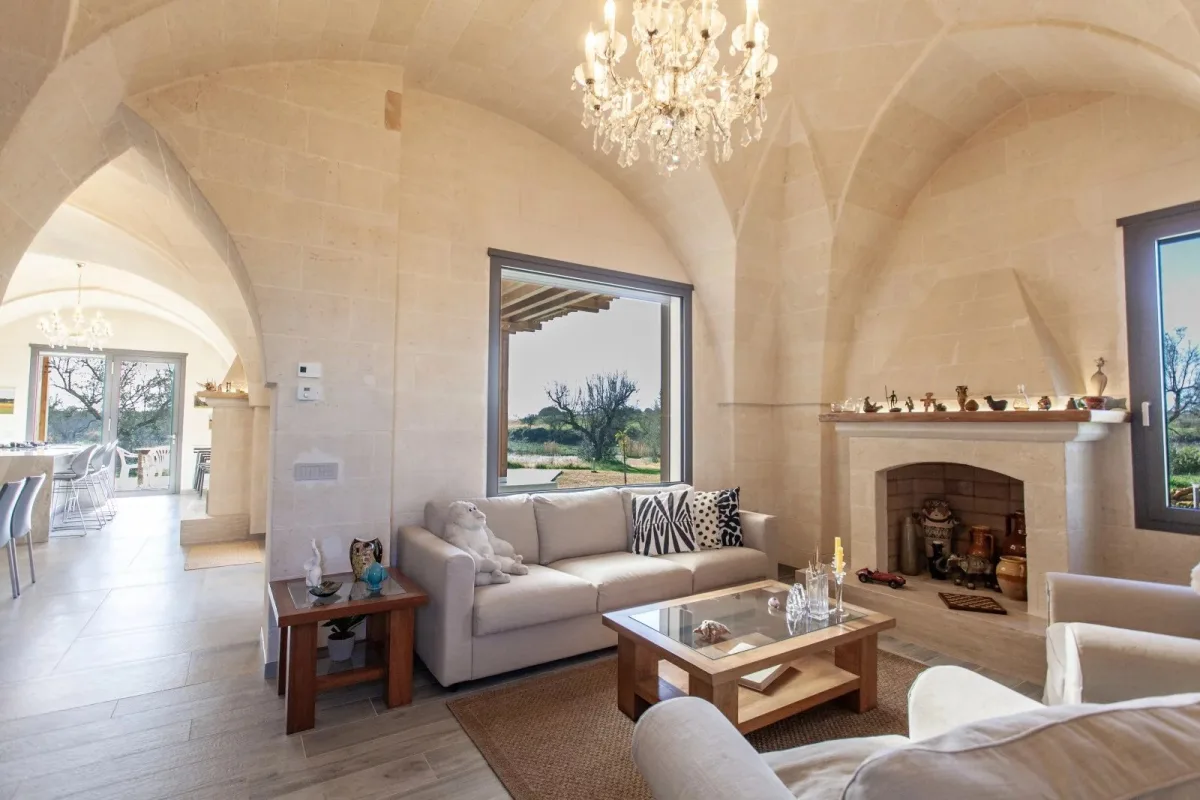
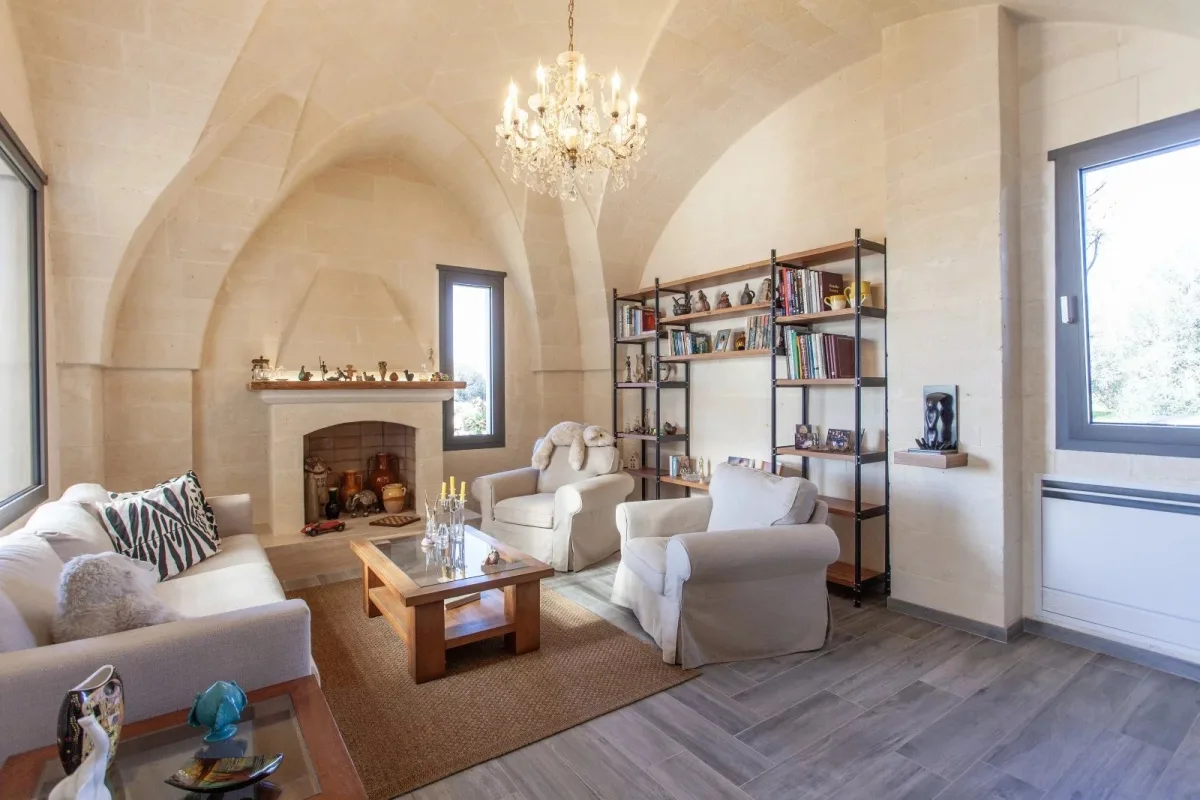
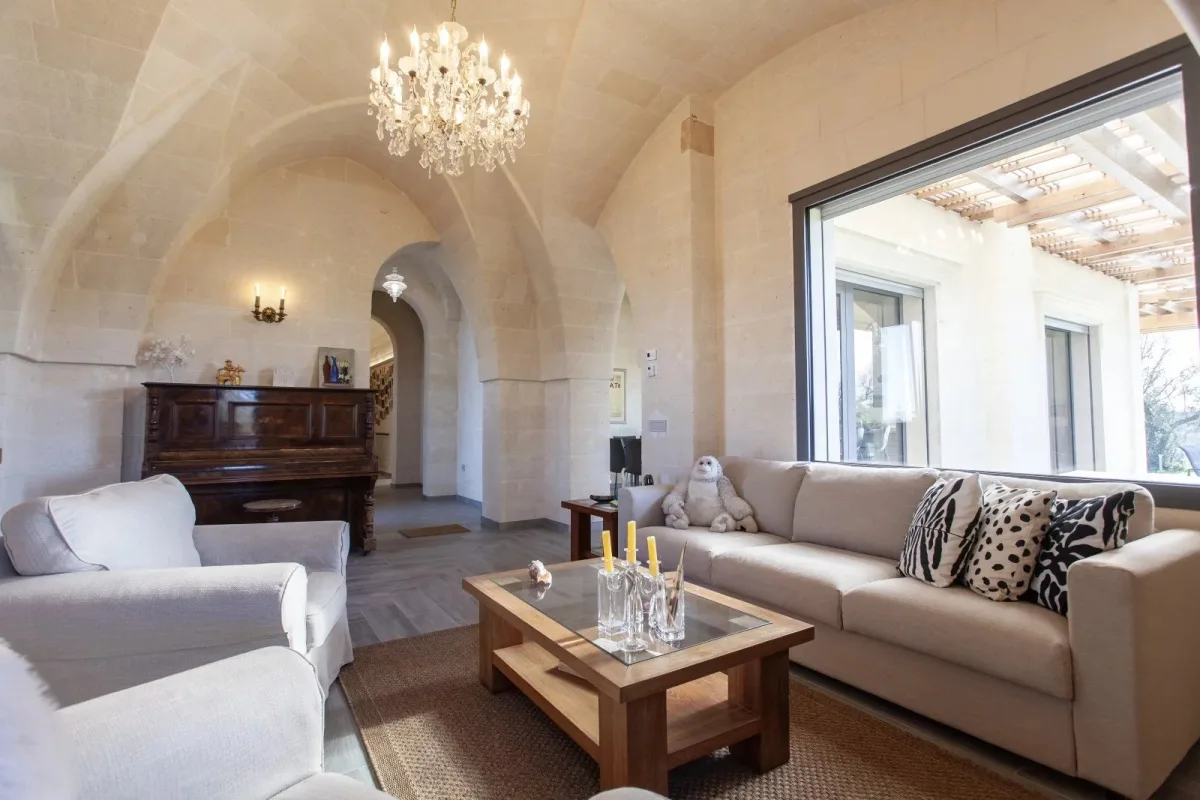
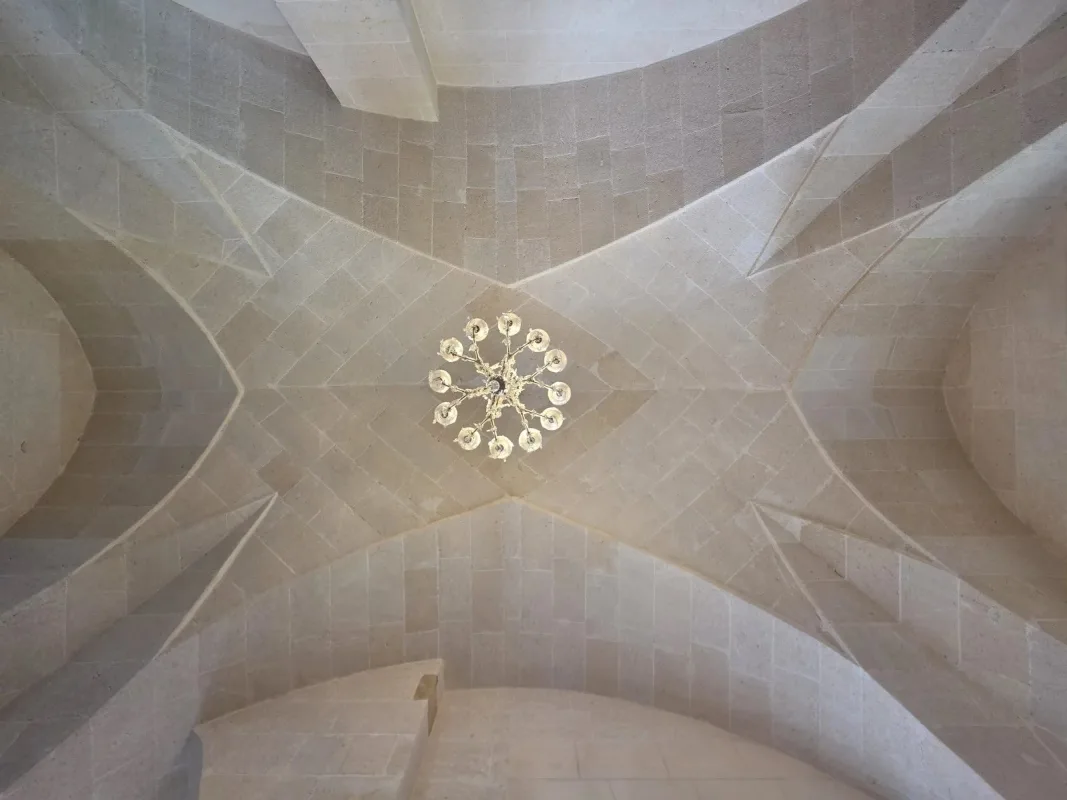
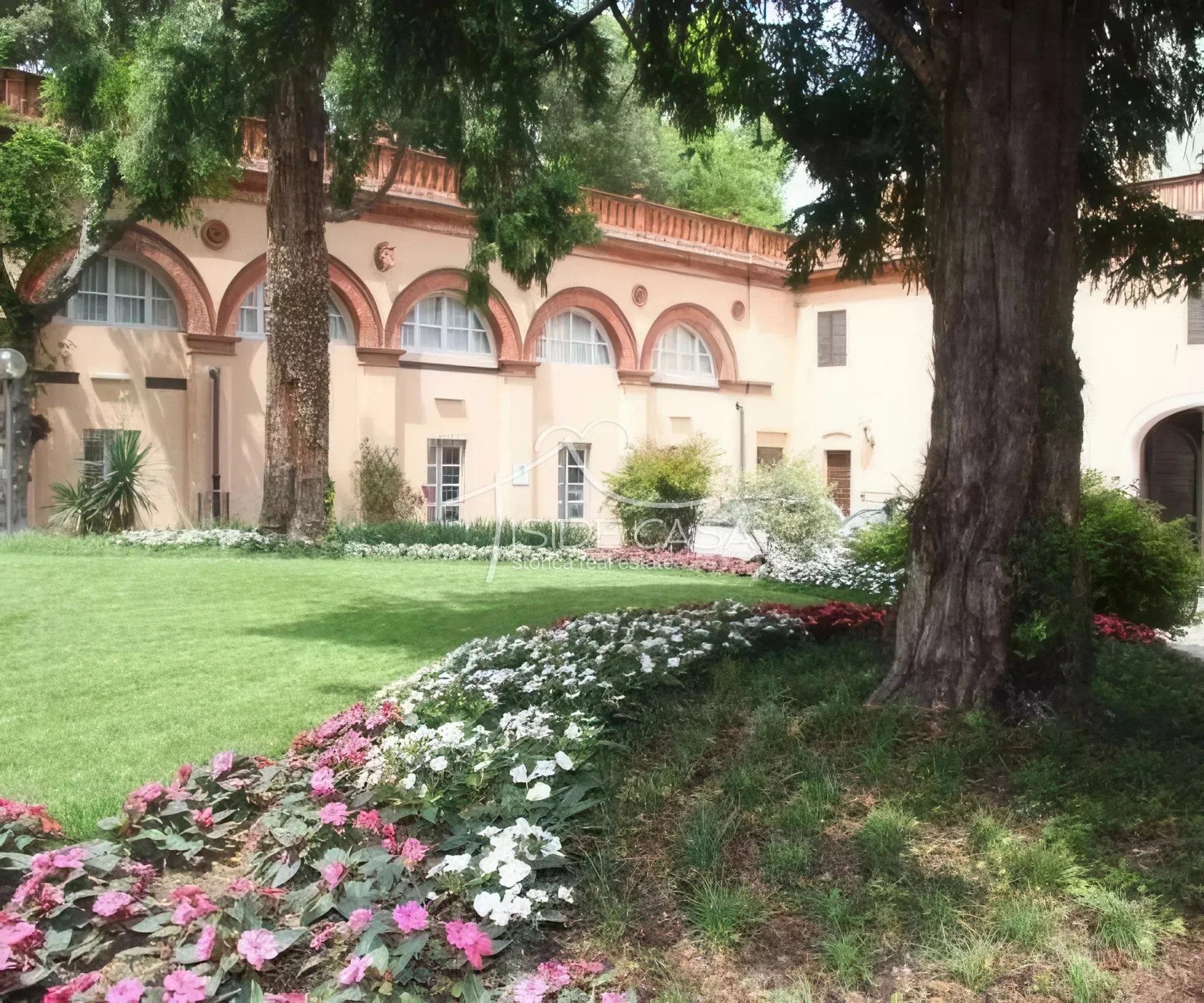
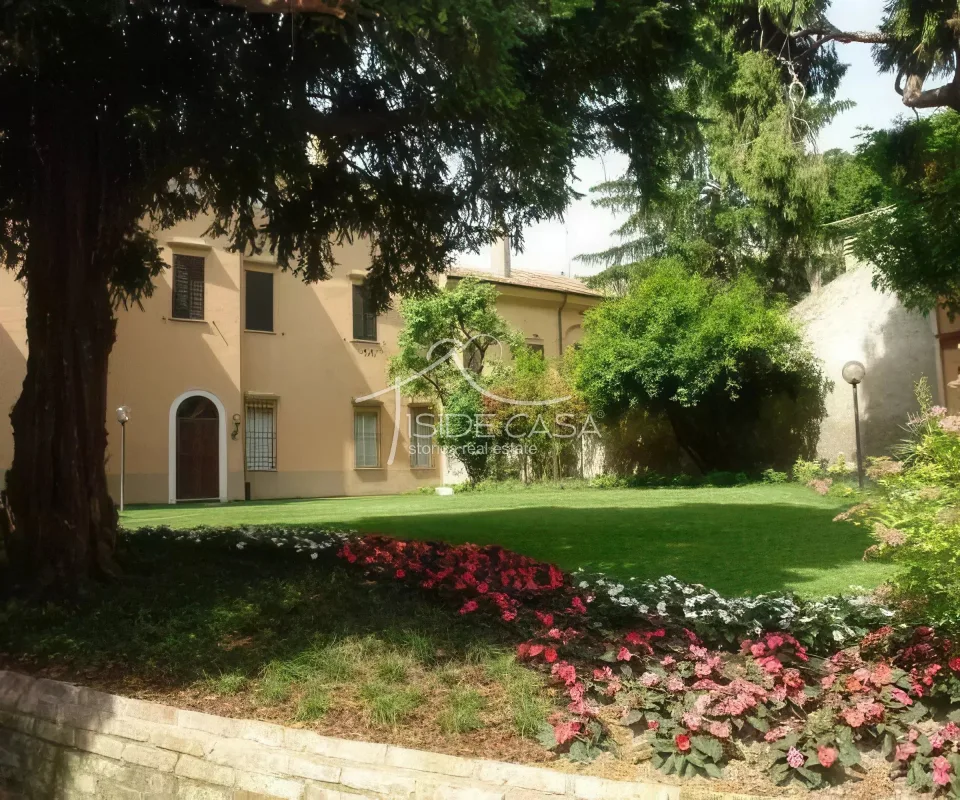
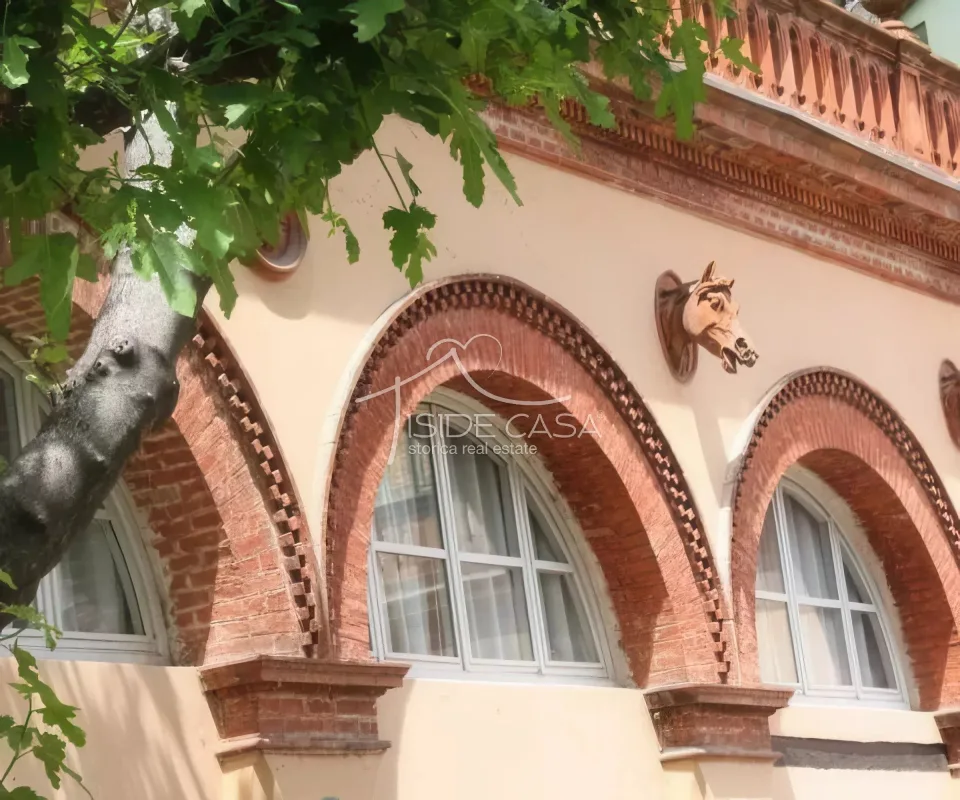
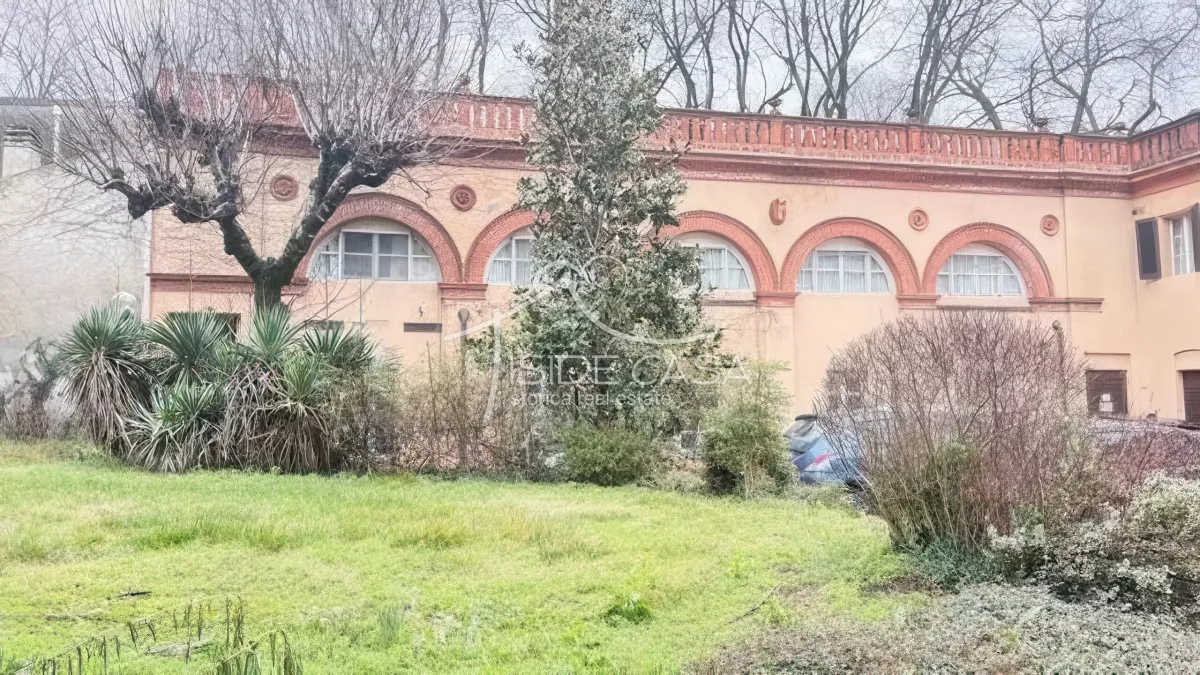
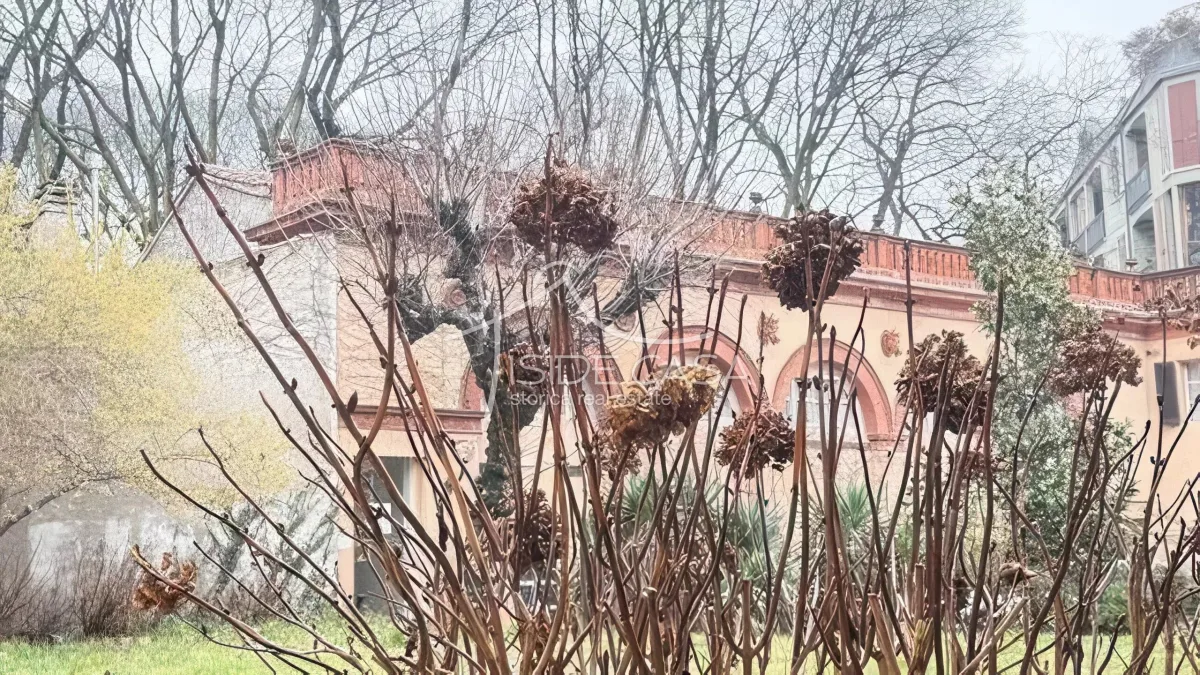
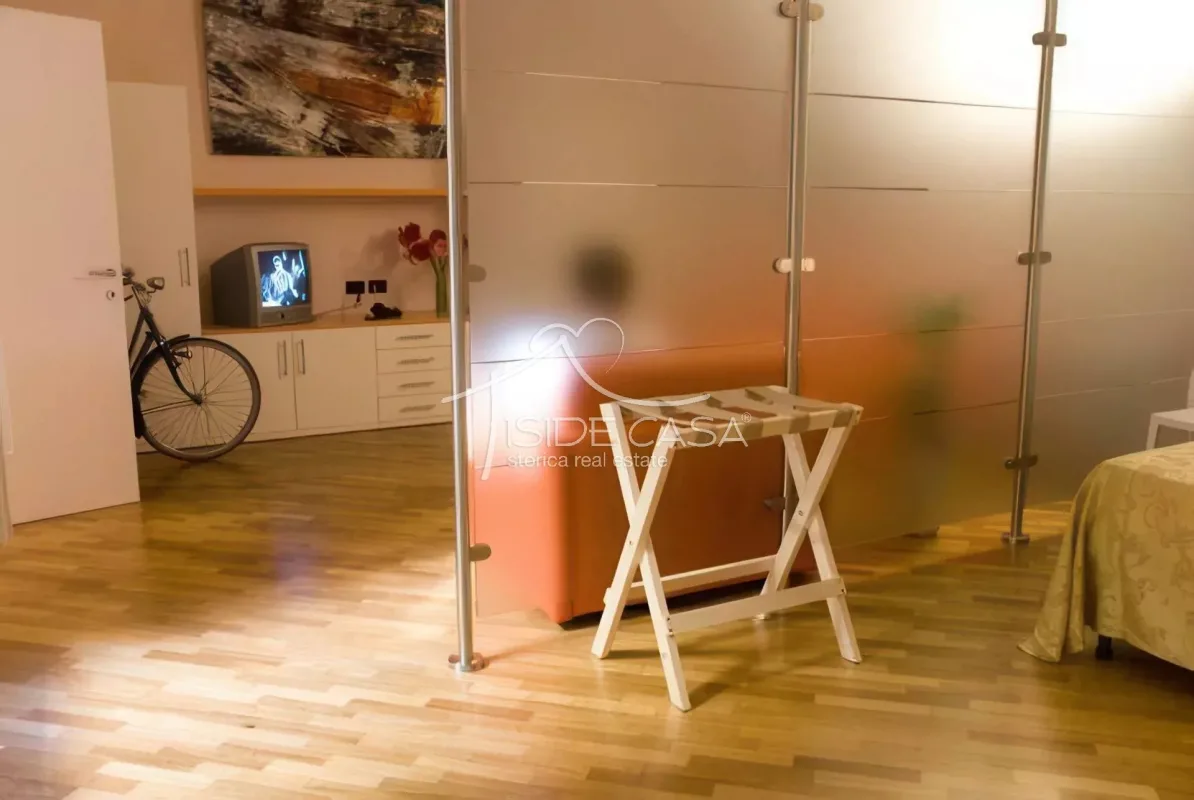
Prestigious Historic Building with Private Garden in the Heart of Mantua
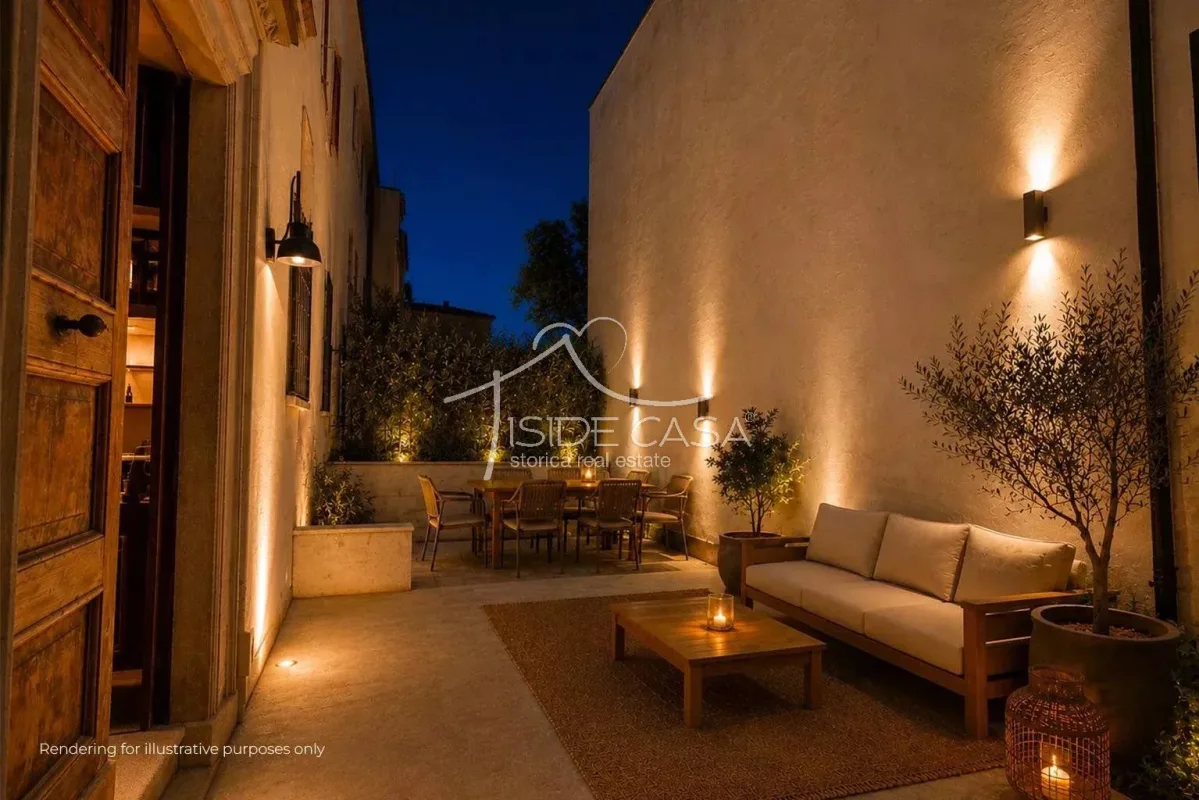
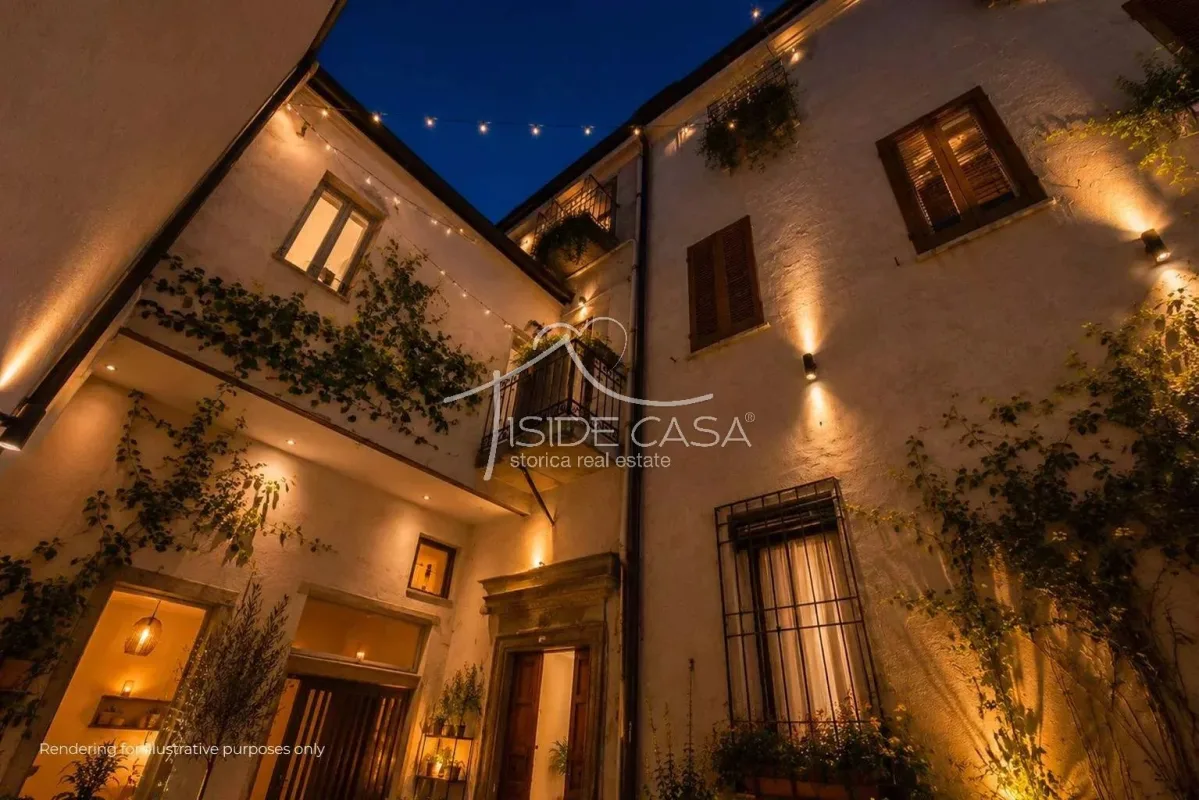
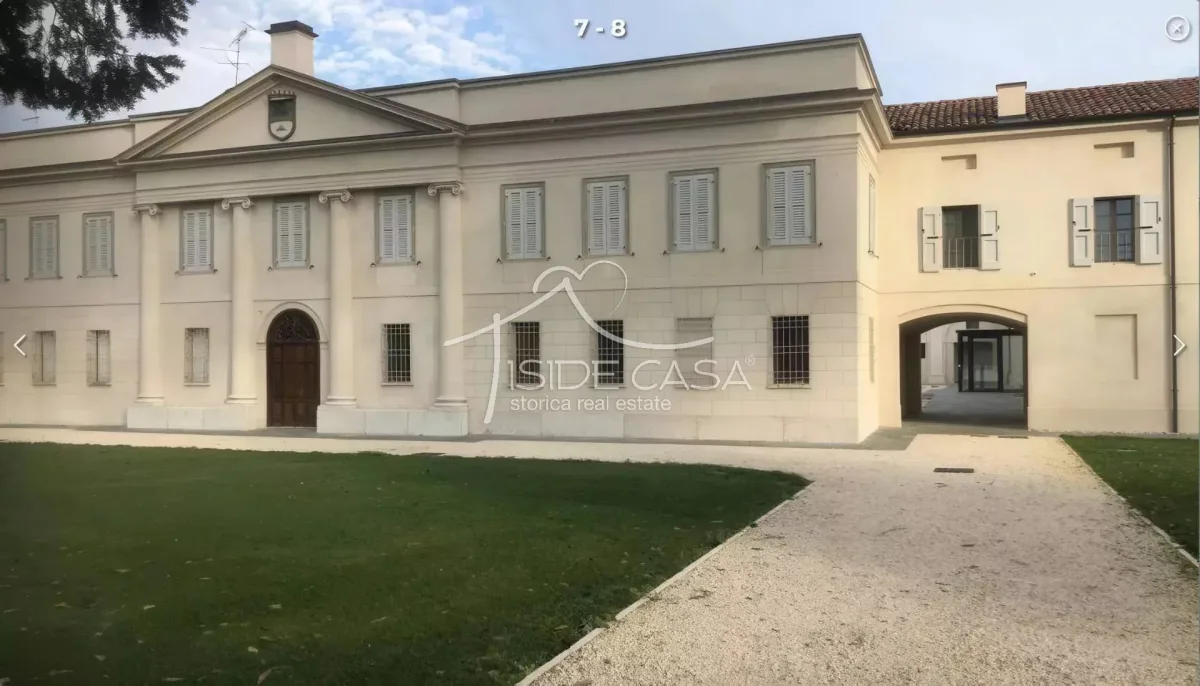
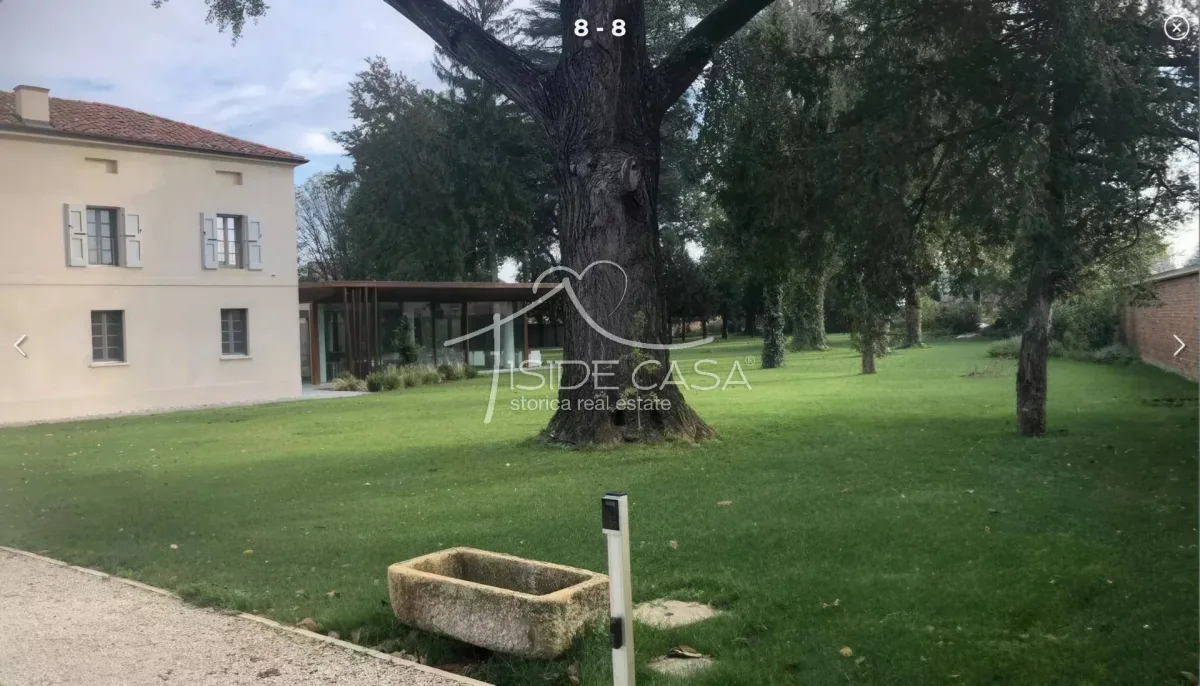
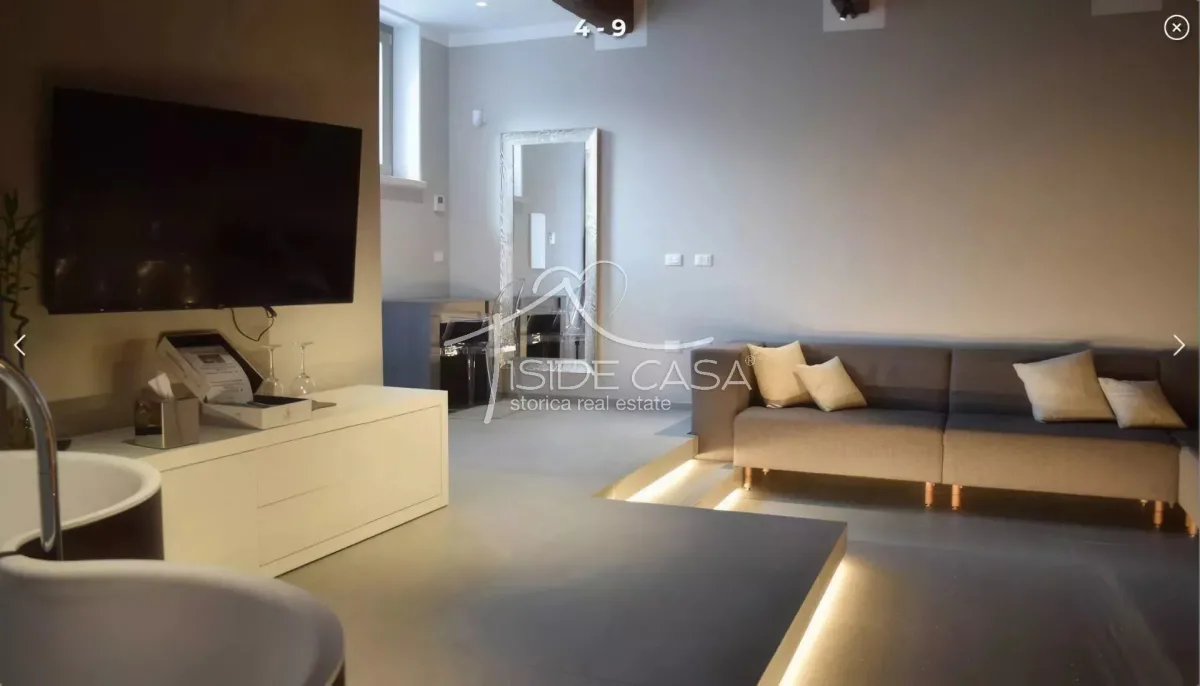
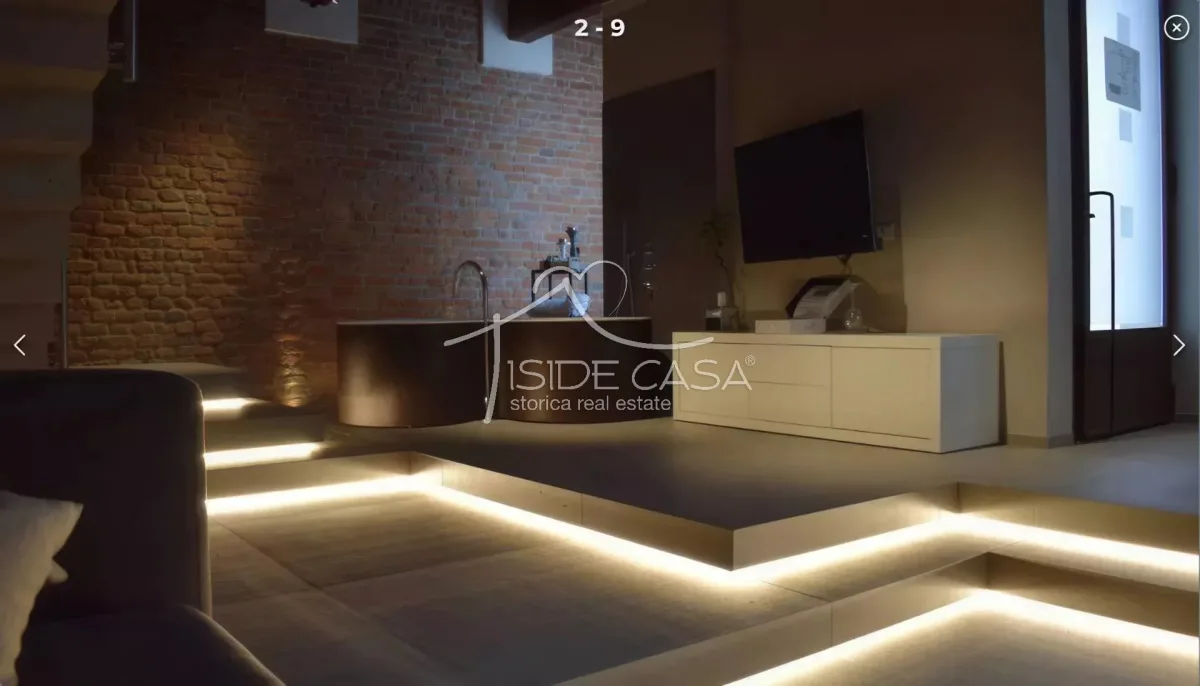
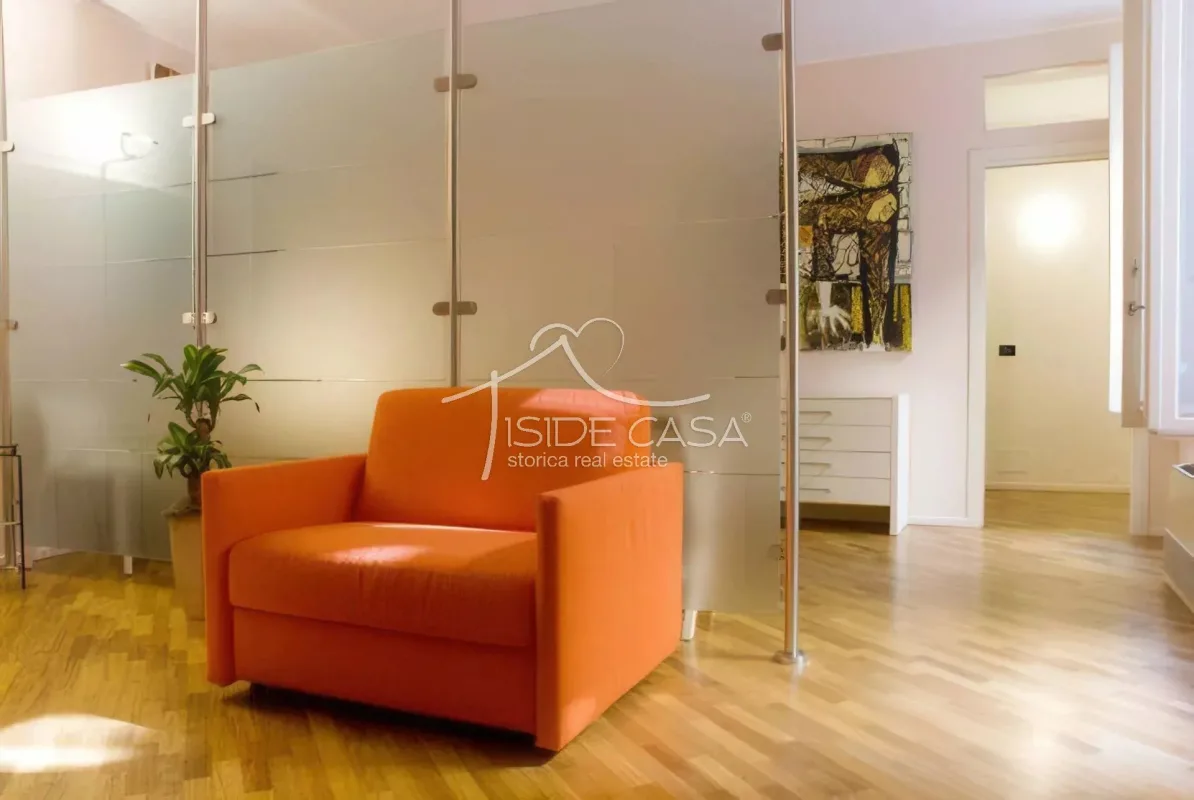
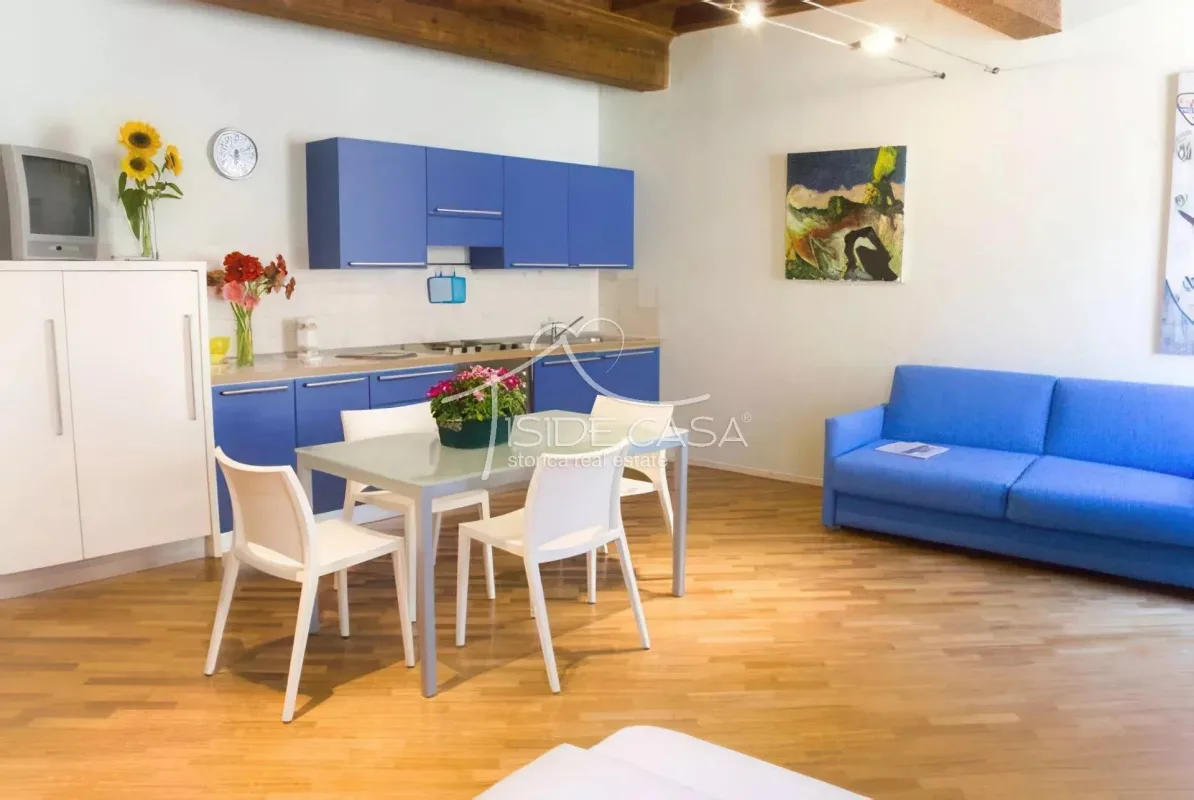
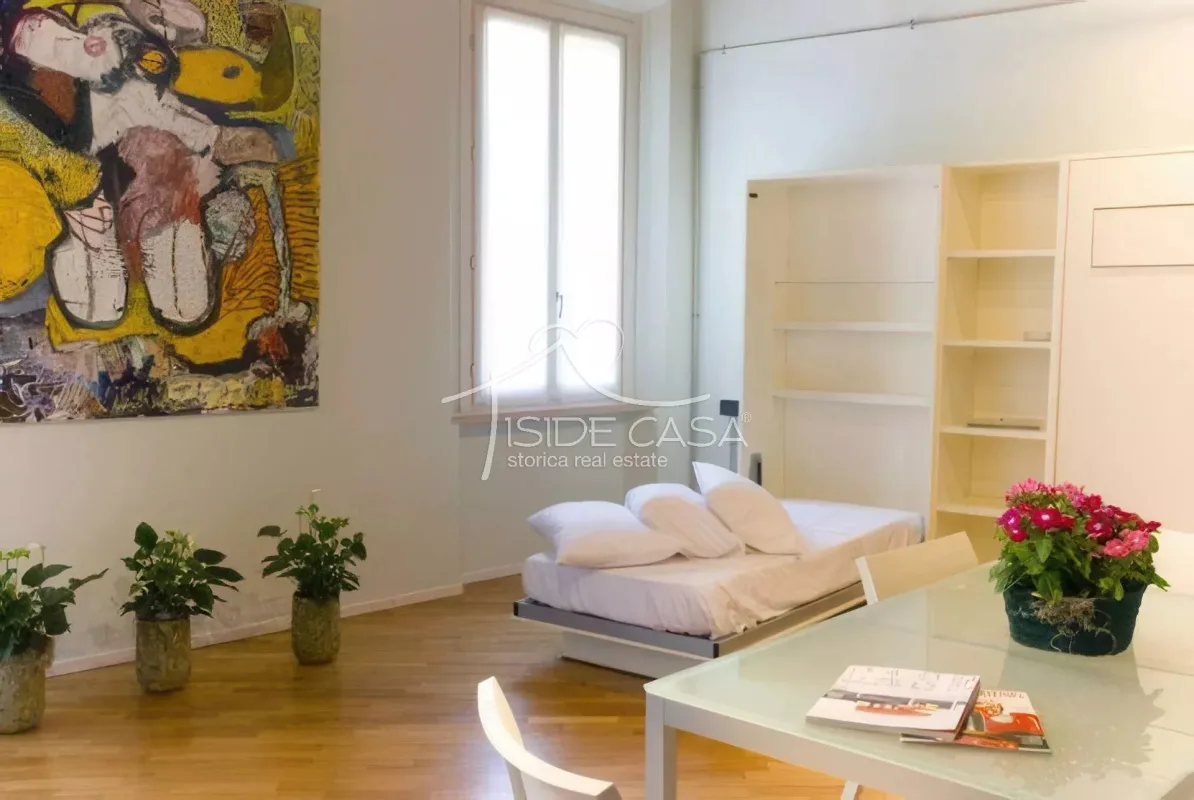
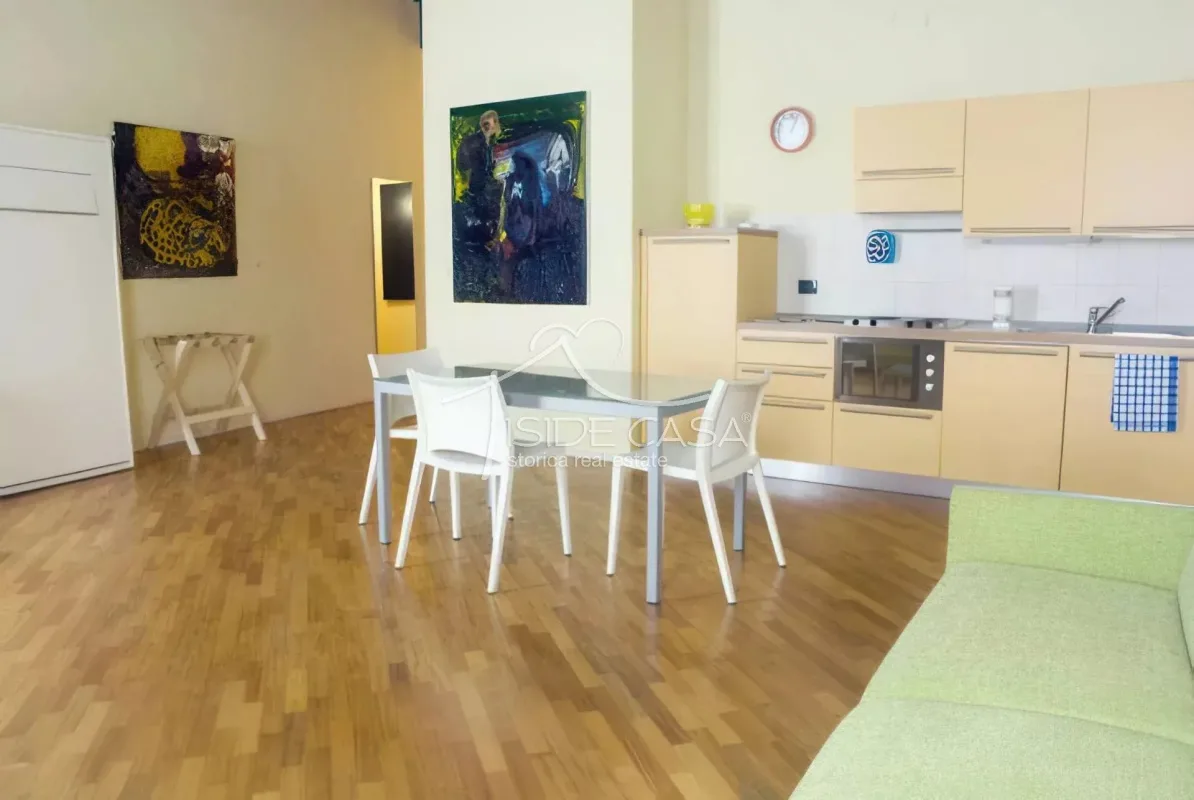
Italy, a distinctive vision of prestige
Italy has a unique relationship with luxury, one that is not based solely on wealth or scarcity. It is deeply rooted in beauty, heritage, craftsmanship and the art of living. From the palaces of Rome to the villas of Lake Como, from Tuscan estates to Milanese apartments, and from the Amalfi Coast to the villas of Sardinia, the country offers an extraordinary diversity of destinations and high-end properties.
Here, prestige can take many forms. It may be found in a centuries-old palazzo, a villa overlooking a lake, a vineyard estate surrounded by rolling hills or a contemporary residence facing the Mediterranean. This diversity is one of the defining characteristics of the Italian luxury real estate market.
Cities where history is part of everyday life
Few countries possess such a remarkable concentration of historical and artistic heritage.
Rome naturally embodies this dimension. Living in the Italian capital means being surrounded by centuries of architecture, sculpture and history. Certain residential areas combine historic palazzi, private gardens, elegant apartments and immediate access to some of the city's most important landmarks.
Florence offers another interpretation of prestige. As the birthplace of the Renaissance, the city combines artistic heritage, architecture and an exceptional quality of life. Historic residences and villas in the surrounding countryside allow buyers to enjoy greater space and privacy while remaining close to the city centre.
Venice, meanwhile, possesses a character that is virtually impossible to reproduce elsewhere. Historic palaces overlooking canals, elegant apartments and residences in some of the city's most sought-after districts offer a form of prestige based above all on the uniqueness of the address.
Italian heritage is by no means limited to a handful of famous monuments. UNESCO recognises numerous Italian cultural and natural sites, including the Amalfi Coast, Cinque Terre, the Val d'Orcia, the Medici Villas and Gardens, and the vineyard landscapes of Piedmont.
Landscapes that give luxury real estate another dimension
One of Italy's greatest strengths lies in the relationship between architecture and landscape.
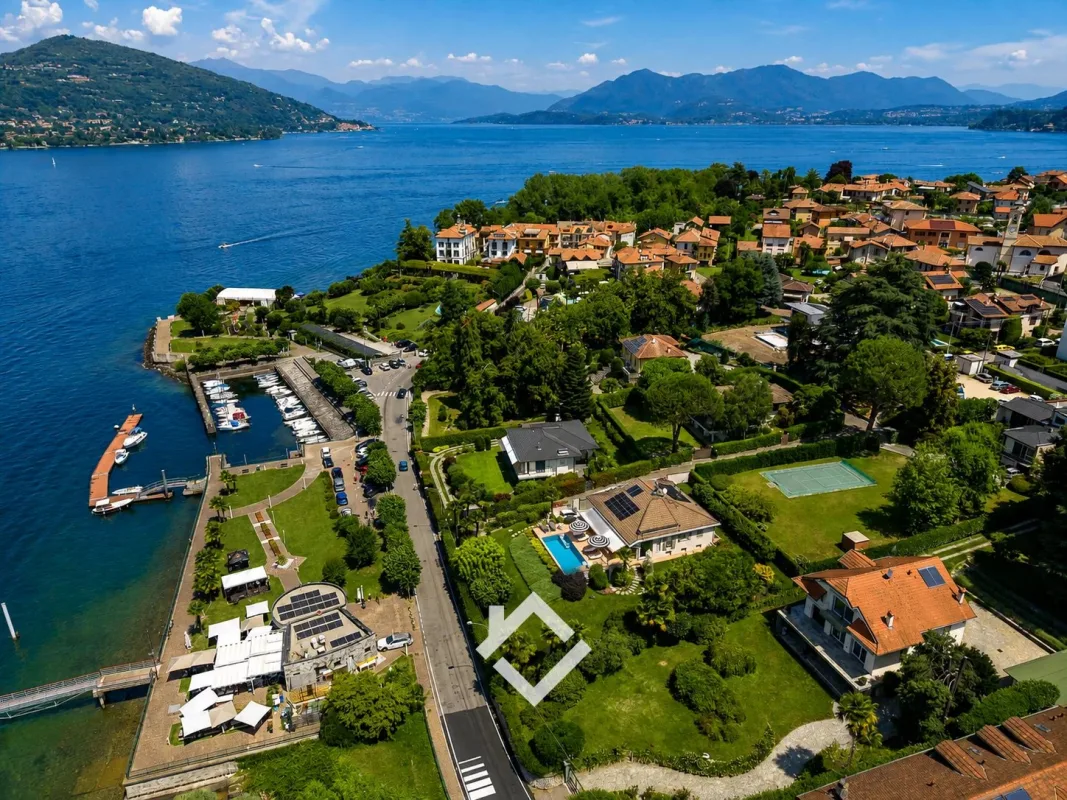
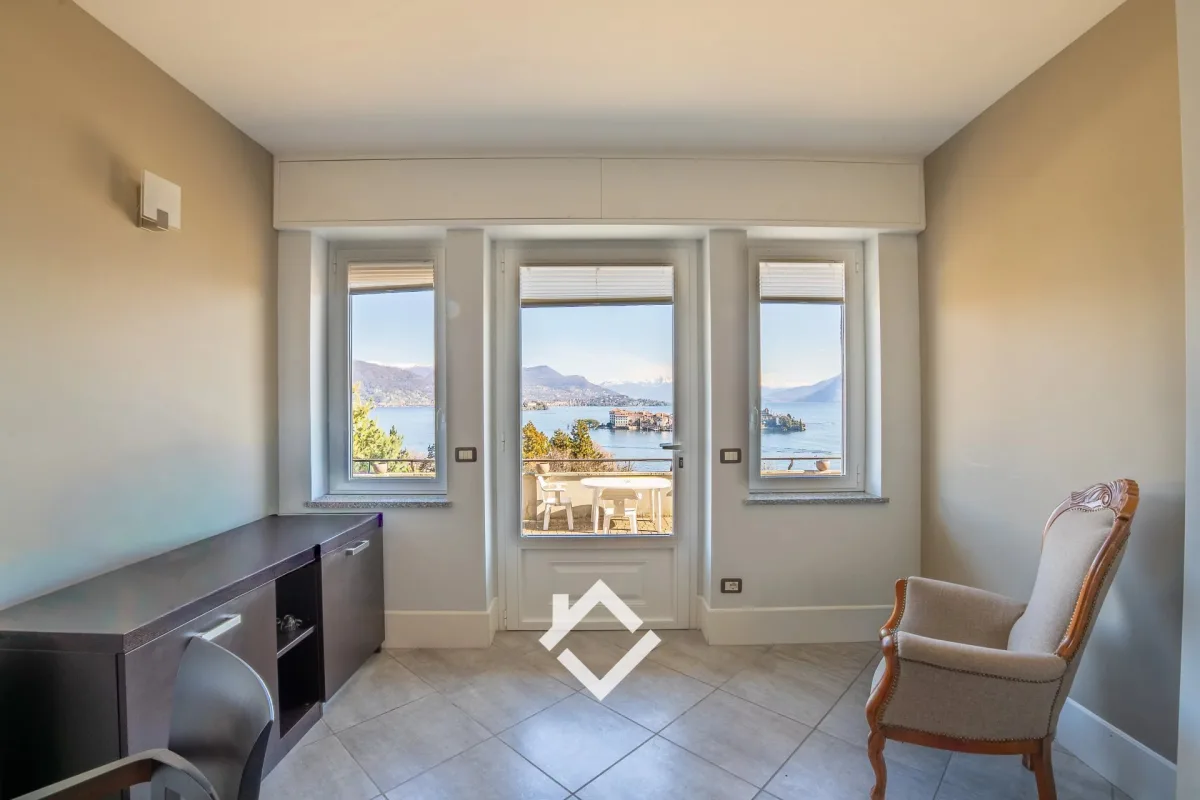
Lake Como is perhaps the most emblematic example. Historic villas, landscaped gardens, lakeside villages and surrounding mountains create an environment in which the view itself becomes an essential component of a property's appeal. Cernobbio, Bellagio, Laglio, Tremezzo and Menaggio each illustrate this combination of heritage, nature and international resort living.
The prime property market remains particularly sought after. According to figures cited in the 2026 Italy Market Report by idealista, the most prestigious properties around Lake Como can reach approximately €20,000 per square metre, particularly for lakeside villas and penthouses with exceptional views.
In Tuscany, prestige takes on a more rural character. Rolling hills, vineyards, olive groves and historic villages surround estates, restored farmhouses, villas and country properties where authenticity is combined with contemporary comfort.
The Amalfi Coast, Liguria, Sardinia and Sicily offer yet more expressions of Italian luxury: the sea, Mediterranean architecture, marinas, landscaped gardens and properties offering exceptional privacy.
Milan, Italy's contemporary luxury capital
Milan deserves a category of its own. The city has become Italy's leading economic centre and is playing an increasingly important role in Europe's high-end property landscape.
Its prestige is not based solely on historic heritage. Fashion, design, finance, architecture and international businessgive Milan a distinctly contemporary identity.
The central districts and particularly sought-after addresses attract buyers looking for luxury apartments, renovated historic residences and contemporary penthouses.
Milan's prime residential market has appreciated strongly in recent years. Knight Frank estimates that prime values increased by around 30% between 2022 and 2025, exceeding €22,000 per square metre in 2025. This performance distinguishes Milan from many other Italian markets.
The city is also becoming increasingly international. Data published in 2026 points to significant growth in foreign demand, while the shortage of high-quality properties continues to support prices.
A countryside where luxury becomes more discreet
Italy also has a much more confidential luxury property market, far removed from major cities and famous coastal destinations.
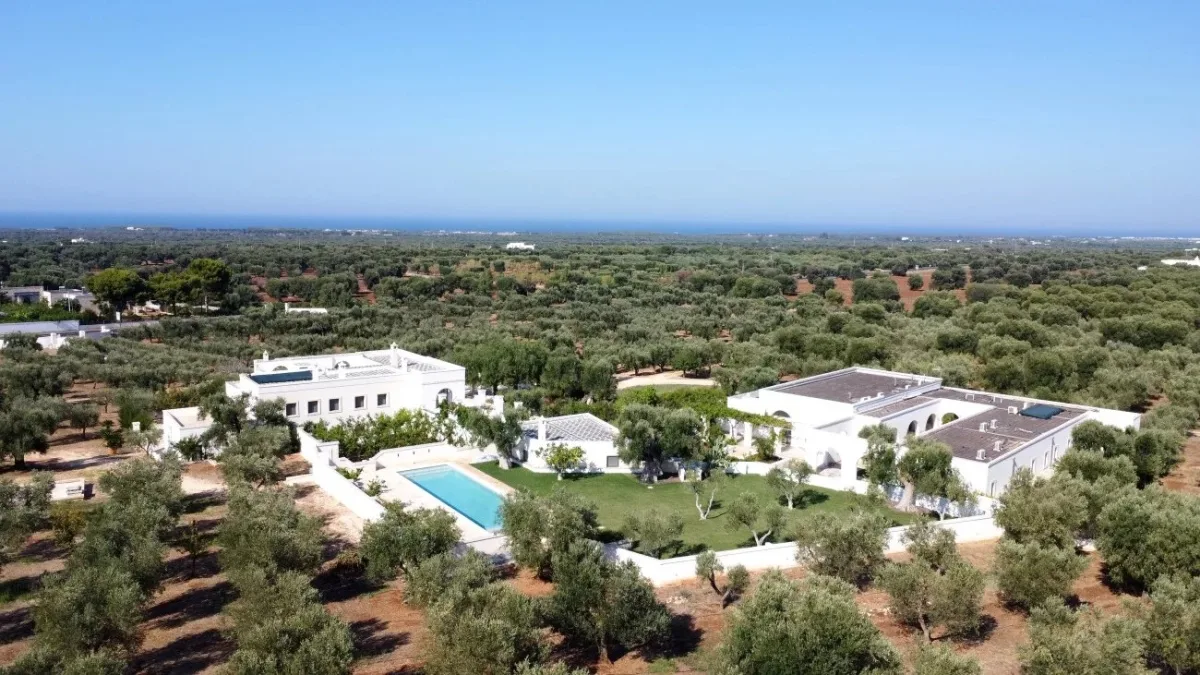
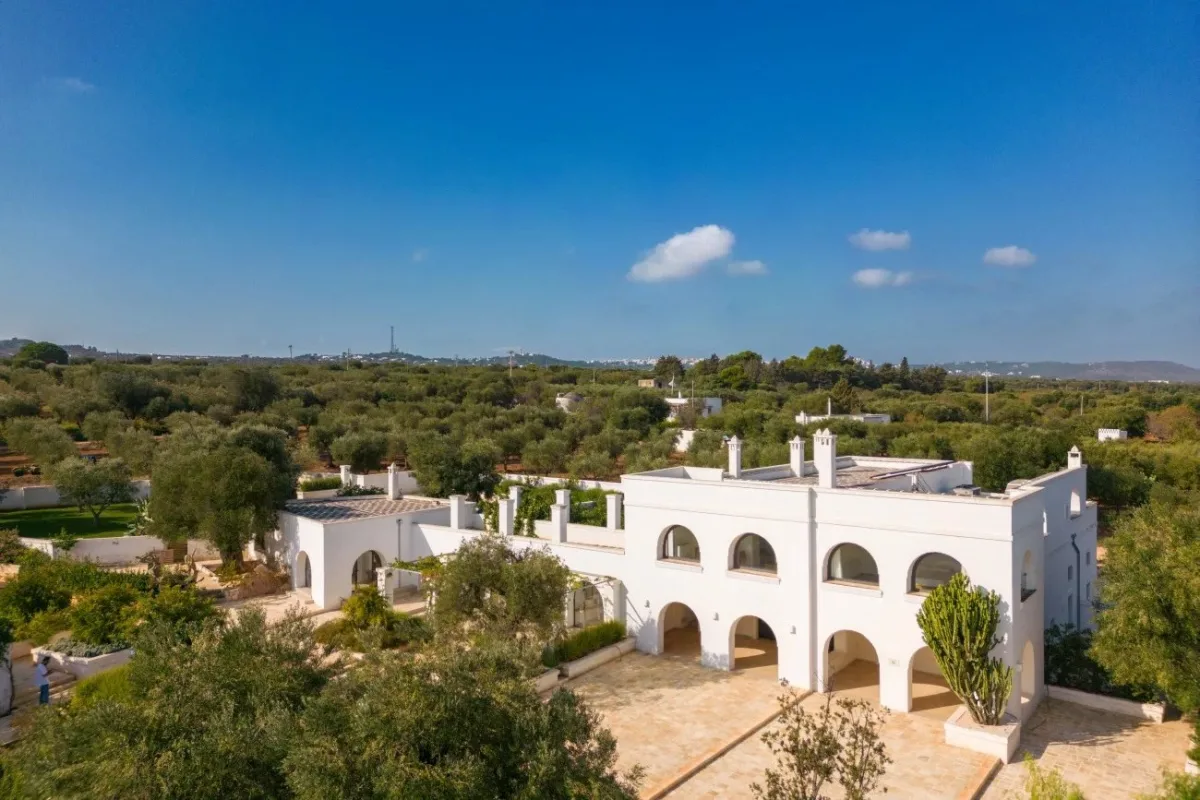
Tuscany, Umbria, Piedmont and parts of northern Italy offer historic estates, villas, restored farmhouses, vineyards and large properties surrounded by land.
Here, value does not necessarily come from an internationally recognised address. It may be linked to the size of the estate, the quality of the restoration, the history of the building, olive groves or vineyards, the surrounding landscape and above all the rarity of a coherent and characterful property.
This form of prestige appeals to a different type of buyer: someone looking for space, privacy and authenticity rather than immediate proximity to a major city.
The relationship between price and space can also be particularly attractive. According to Knight Frank, a budget of €1 million can currently provide up to approximately 130 square metres in certain prime markets such as Lucca, compared with significantly smaller areas in several major European capitals.
Made in Italy as an extension of the property
It is difficult to understand Italian prestige without mentioning craftsmanship.
Fashion, furniture, automobiles, jewellery, architecture and gastronomy all contribute to the same culture of quality. This identity naturally extends into luxury properties: fine materials, bespoke woodwork, stone, marble, contemporary furnishings and meticulous restoration of historic features.
Gastronomy and wine reinforce this dimension. Italy possesses an extraordinary variety of culinary and winemaking traditions, each closely connected to its region. Luxury is therefore not confined to a handful of prestigious establishments; it can also be found in a family-run restaurant, a wine estate or a local market.
The official Italia.it platform highlights this diversity as an essential component of Italian identity, bringing together landscapes, heritage, gastronomy and regional traditions.
An increasingly international luxury market
Italian luxury real estate is currently benefiting from particularly strong international interest.
According to Immobiliare.it Insights' 2026 Observatory, the supply of luxury homes in Italy increased by 23% in 2025, while enquiries from prospective buyers rose by 22%. Luxury properties represented approximately 4% of Italy's residential stock, compared with 2.6% a year earlier.
Another study published in 2026 by Engel & Völkers, with scientific support from Nomisma, estimates that international buyers account for approximately 35% of Italy's prime property market.
This demand is not limited to second homes. Lake Como, for example, is seeing an increasing number of foreign buyers considering longer-term or year-round occupancy.
Italy also benefits from tax factors that can strengthen its appeal to certain internationally mobile high-net-worth individuals. Under specific conditions, Italy's regime for new tax residents provides a flat-tax mechanism on certain foreign-source income. This contributes to the country's position among the European destinations considered by internationally mobile wealth.
A definition of luxury that changes from one region to another
Ultimately, this diversity is what makes the Italian luxury real estate market so compelling.
In Milan, prestige can be urban, contemporary and closely connected to the business world. In Rome, it can be historical and architectural. Around Lake Como, it becomes intimately linked to views and landscape. In Tuscany, it is expressed through land, estates and authenticity. In Sardinia, it takes on a Mediterranean and coastal character. In the Alps, it is represented by chalets, mountain panoramas and a refined alpine lifestyle.
There is therefore no single Italian luxury property market. Instead, there is a constellation of prime markets, each with its own codes, addresses and buyer profiles.
This is also what makes Italy particularly attractive to those searching for an exceptional property. A historic apartment in Florence, a contemporary villa on Lake Como, a Tuscan vineyard estate or a Mediterranean residence can fulfil entirely different aspirations while sharing the same underlying signature: beauty, character and a deeply rooted Italian sense of craftsmanship.
Italy does not simply offer prestigious properties. It offers several different ways of experiencing prestige — and that may be one of the greatest sources of its international appeal.