3 Prestigious estates for sale

Luxury Estates for Sale : When Luxury Becomes a Private Territory
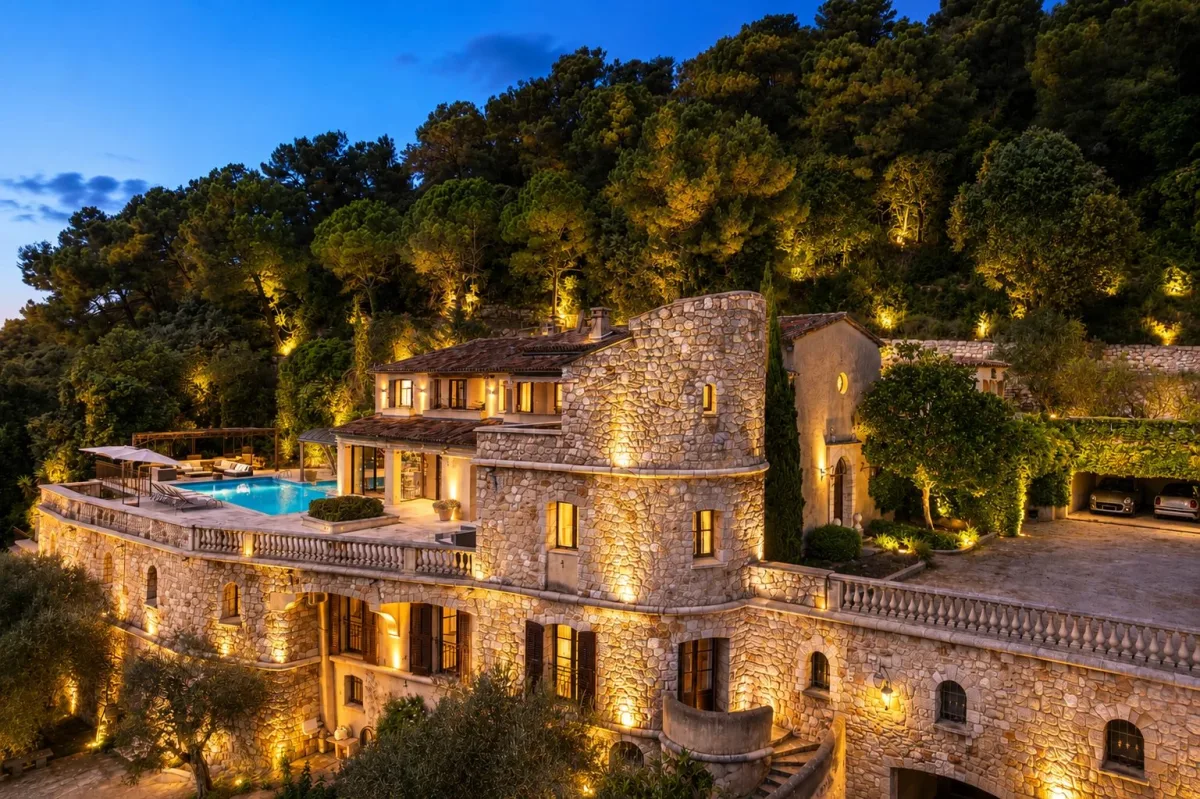
A luxury estate is defined by far more than the size of its main residence or the quality of its architecture. Its true distinction lies in the ensemble it creates: a residence, a private territory, landscapes, outbuildings and an environment that together form a world of their own.
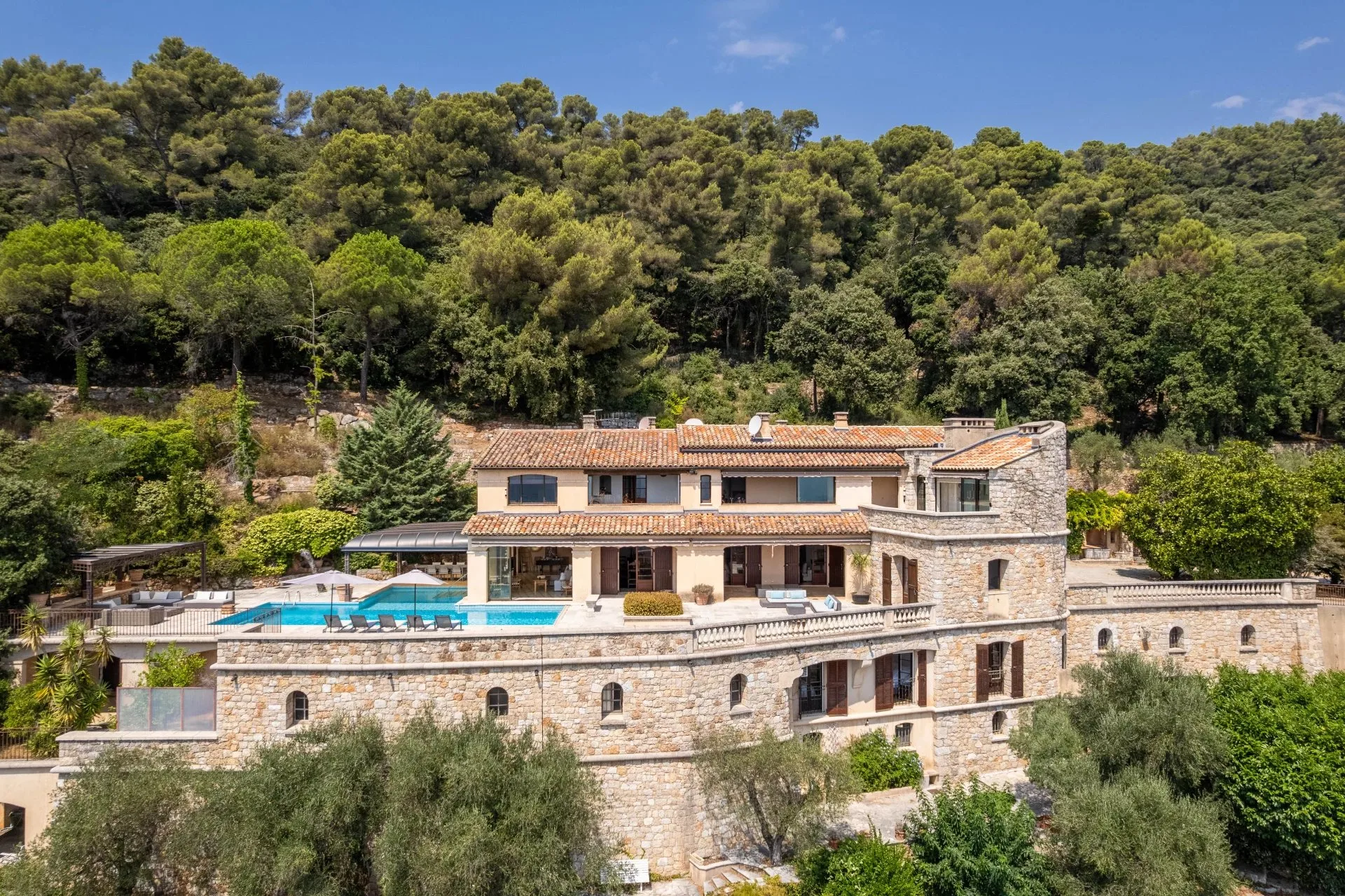
Unlike a conventional luxury home, an estate offers an entirely different scale of living. A main residence may be accompanied by guest houses, historic buildings, gardens, woodland, agricultural land, equestrian facilities, pools or dedicated leisure spaces. The land itself becomes an essential component of the property.
This territorial dimension explains the particular place occupied by luxury estates for sale within the international luxury real estate market. Their value is determined not only by what has been built, but also by what can no longer easily be recreated: dozens or hundreds of acres forming a coherent whole, a rare location, a preserved landscape, historic architecture or a unique combination of nature, heritage and privacy.
An Estate Is First and Foremost an Entire Environment
The concept of an estate implies a particular relationship between the buildings and the land surrounding them.
An exceptional residence may stand out through its architecture, proportions or amenities. An estate adds another dimension: enough land to create genuine separation from the outside world.
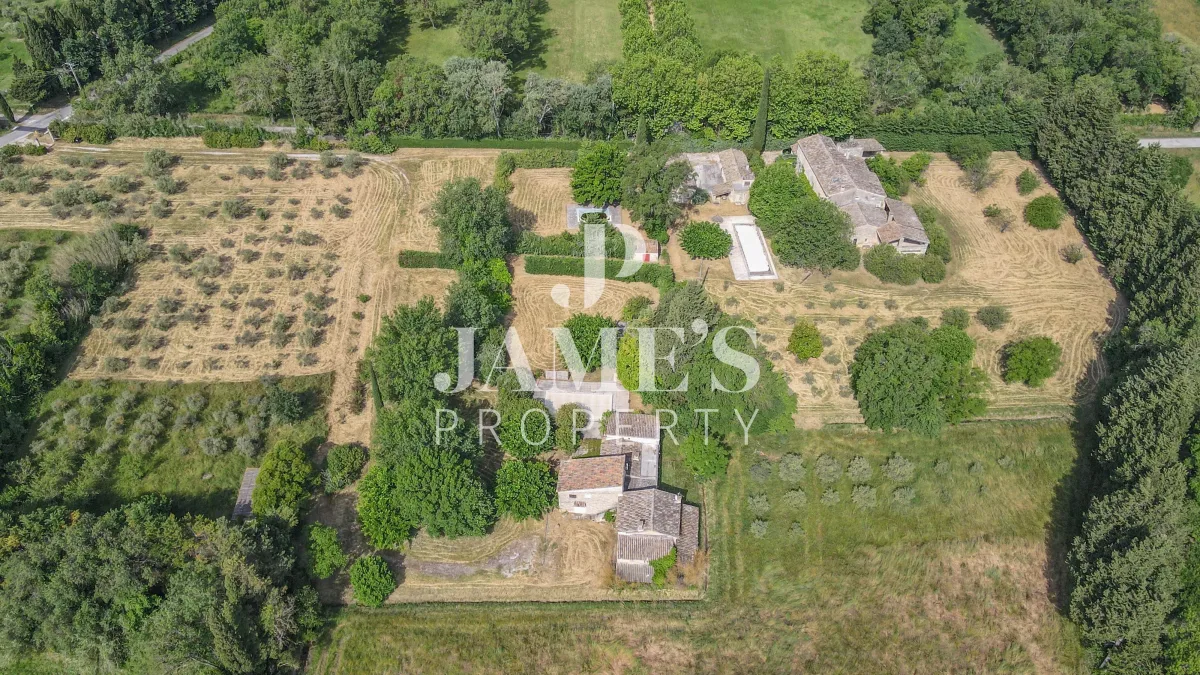
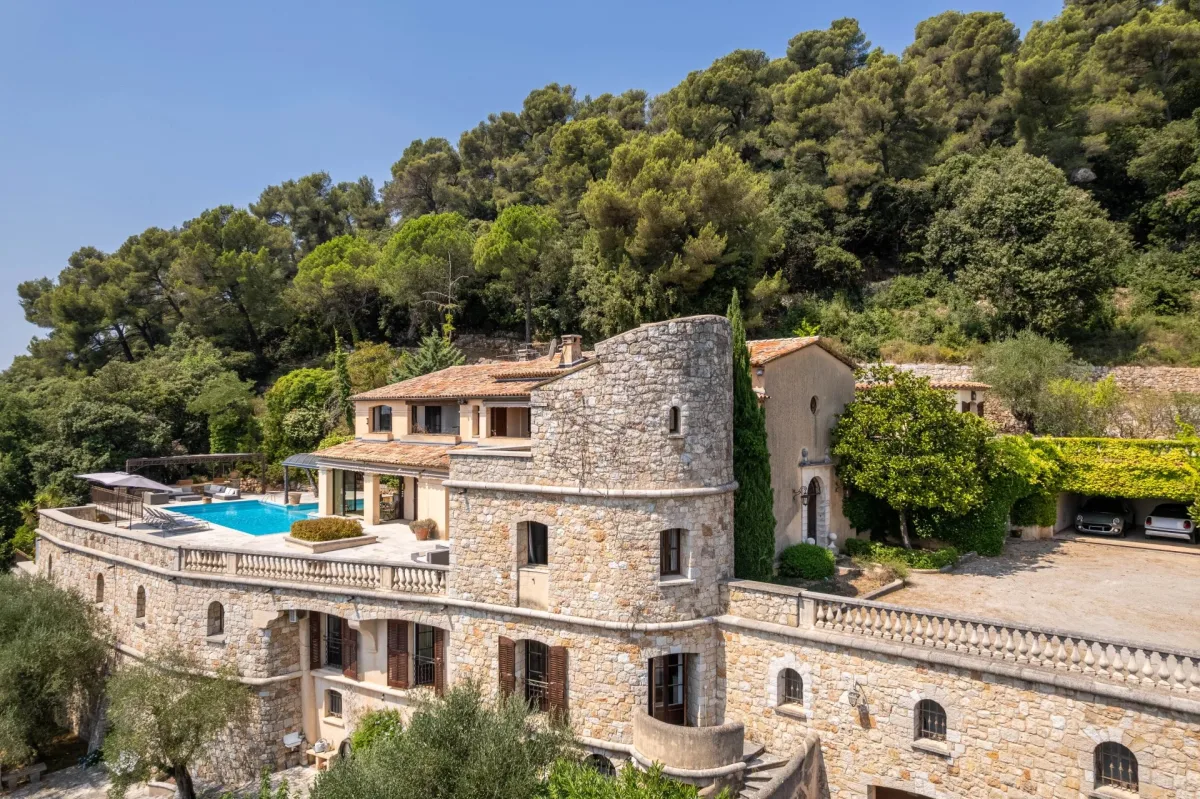
An estate may therefore include a main residence surrounded by parkland, several independent buildings, guest or staff accommodation, garages, stables, sports facilities or natural land.
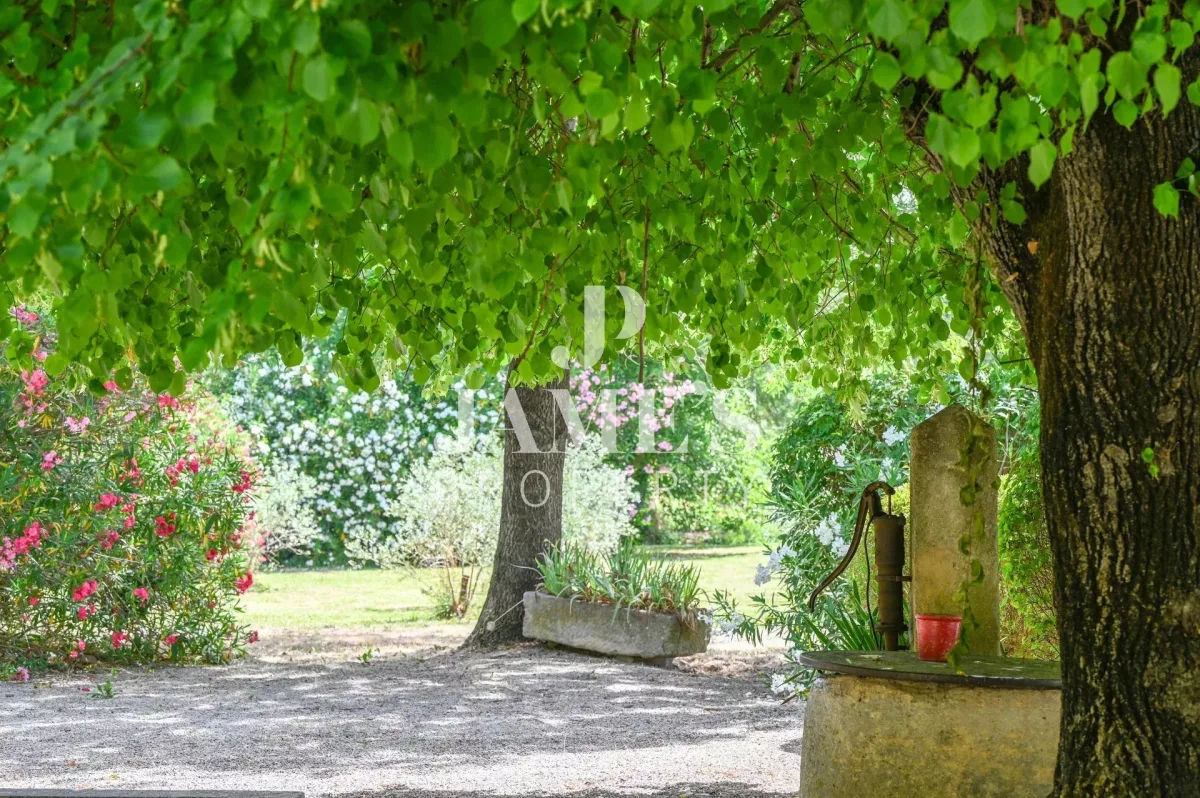
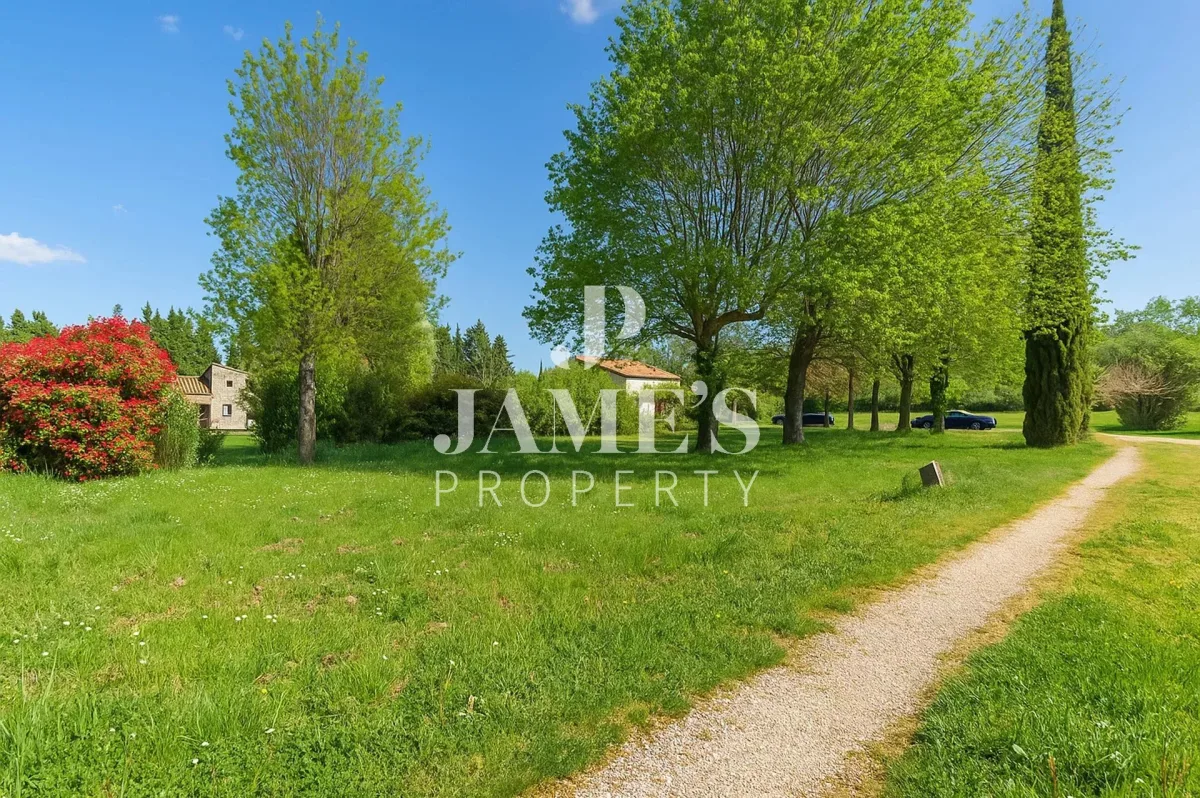
In some properties, the landscape itself has been shaped over generations. Tree-lined avenues, formal French or Italian gardens, olive groves, vineyards, forests, meadows and ponds can all contribute directly to the identity of the estate.
This coherence between architecture, land and environment is what often distinguishes a luxury estate from simply a large property.
Land as Part of the Heritage
In high-end real estate, the size of the residence remains an important consideration, but it is not enough to explain the value of a large estate.
The size and configuration of the land can be equally decisive. An estate extending across dozens or hundreds of acres does not simply provide more space: it can preserve privacy, control sightlines and maintain a natural or landscaped environment around the residence.
The continuity of the land is also a significant factor in scarcity. A large, contiguous tract of land is increasingly difficult to recreate in regions facing strong development pressure.
Near a major city, international resort or prime residential market, this characteristic can become particularly valuable. Owning a substantial private property while remaining close to airports, urban amenities or an international destination represents a combination that the market cannot simply produce on demand.
The estate thus becomes a private territory, rather than simply a residence surrounded by land.
Architecture That Tells a Story
Luxury estates can take remarkably different forms.
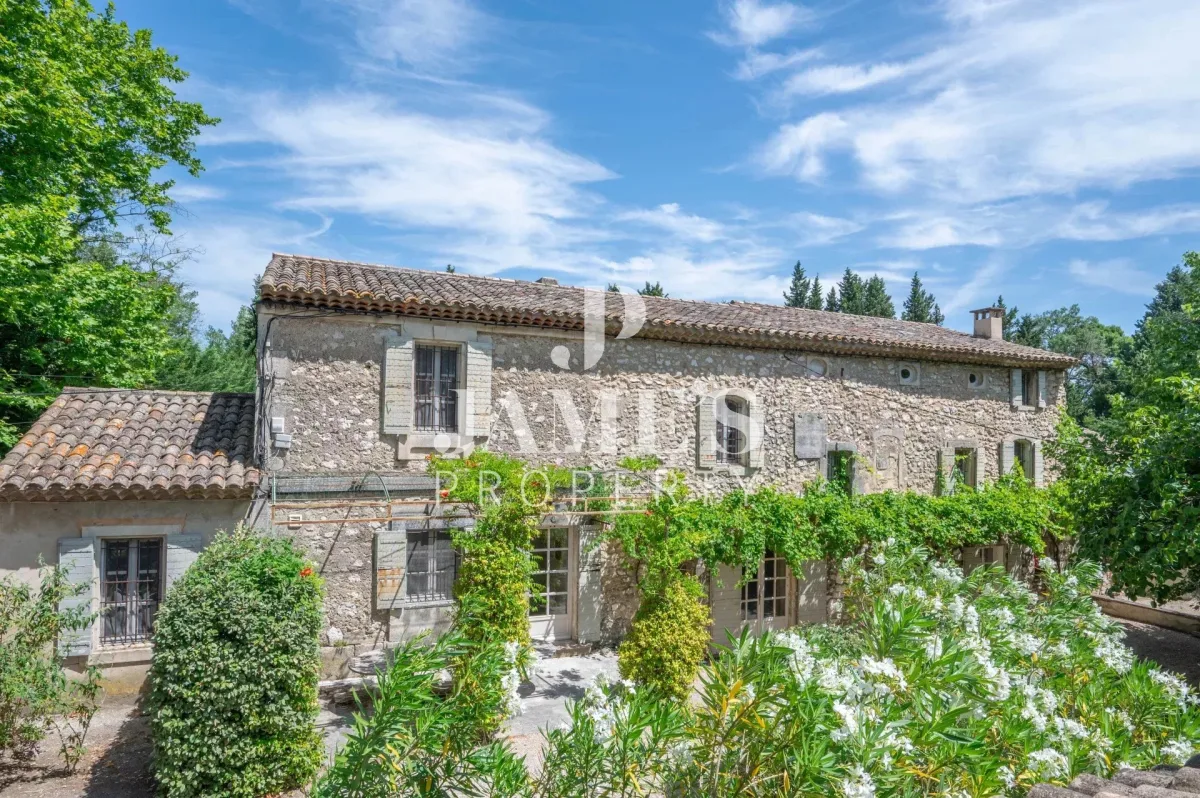
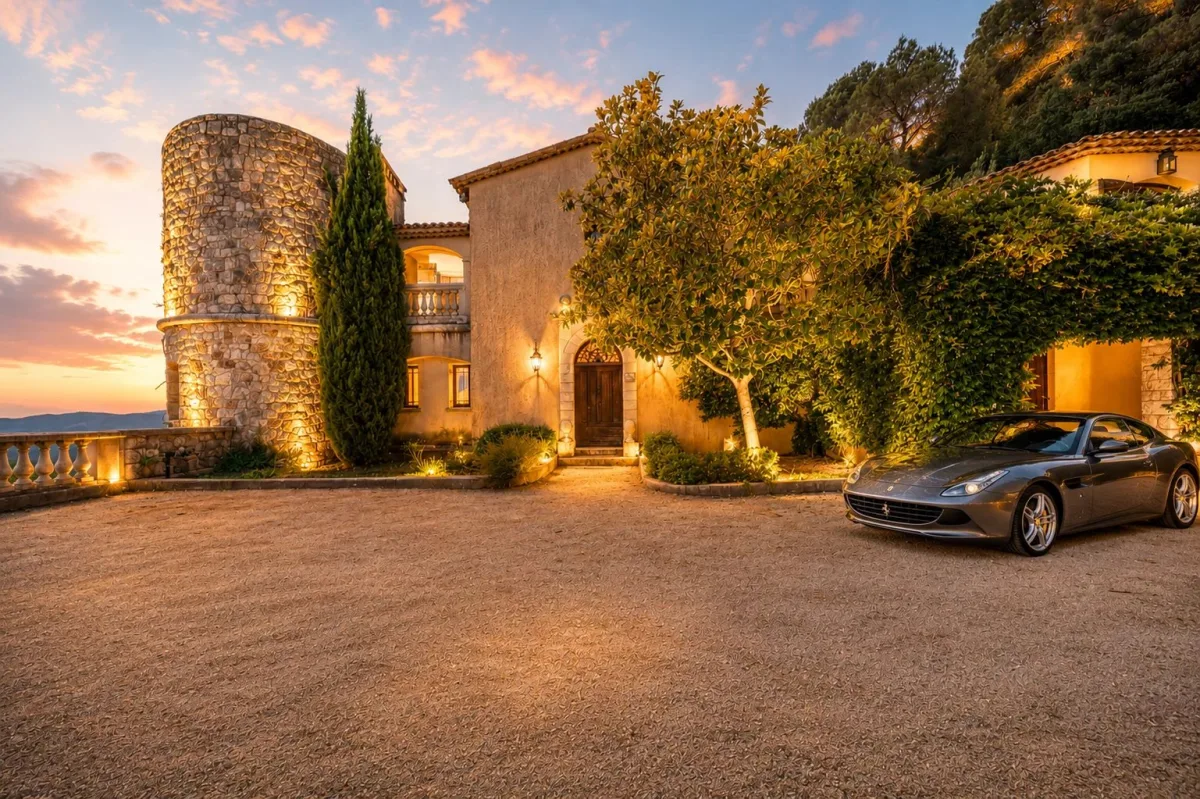
Some are centered around contemporary residences designed by renowned architects. Others occupy historic bastides, manor houses, châteaux or grand country residences that have survived across generations.
In historic properties, architecture is often an essential part of the heritage: stone façades, wood paneling, monumental staircases, decorative ceilings, historic outbuildings, chapels or former agricultural buildings may all bear witness to the estate's history.
Contemporary estates, by contrast, tend to emphasize architectural lines, open volumes, extensive glazing and a strong relationship with the surrounding landscape.
In both cases, value does not necessarily come from sheer grandeur. It can arise from the harmony between the architecture and its environment.
An architectural composition perfectly integrated into its landscape, a sensitive restoration of a historic property or a contemporary residence set within a preserved natural environment can create very different forms of luxury, yet all can possess exceptional rarity.
A Way of Life on an Entirely Different Scale
An estate makes it possible to imagine a lifestyle that is difficult to reproduce in a conventional residence.
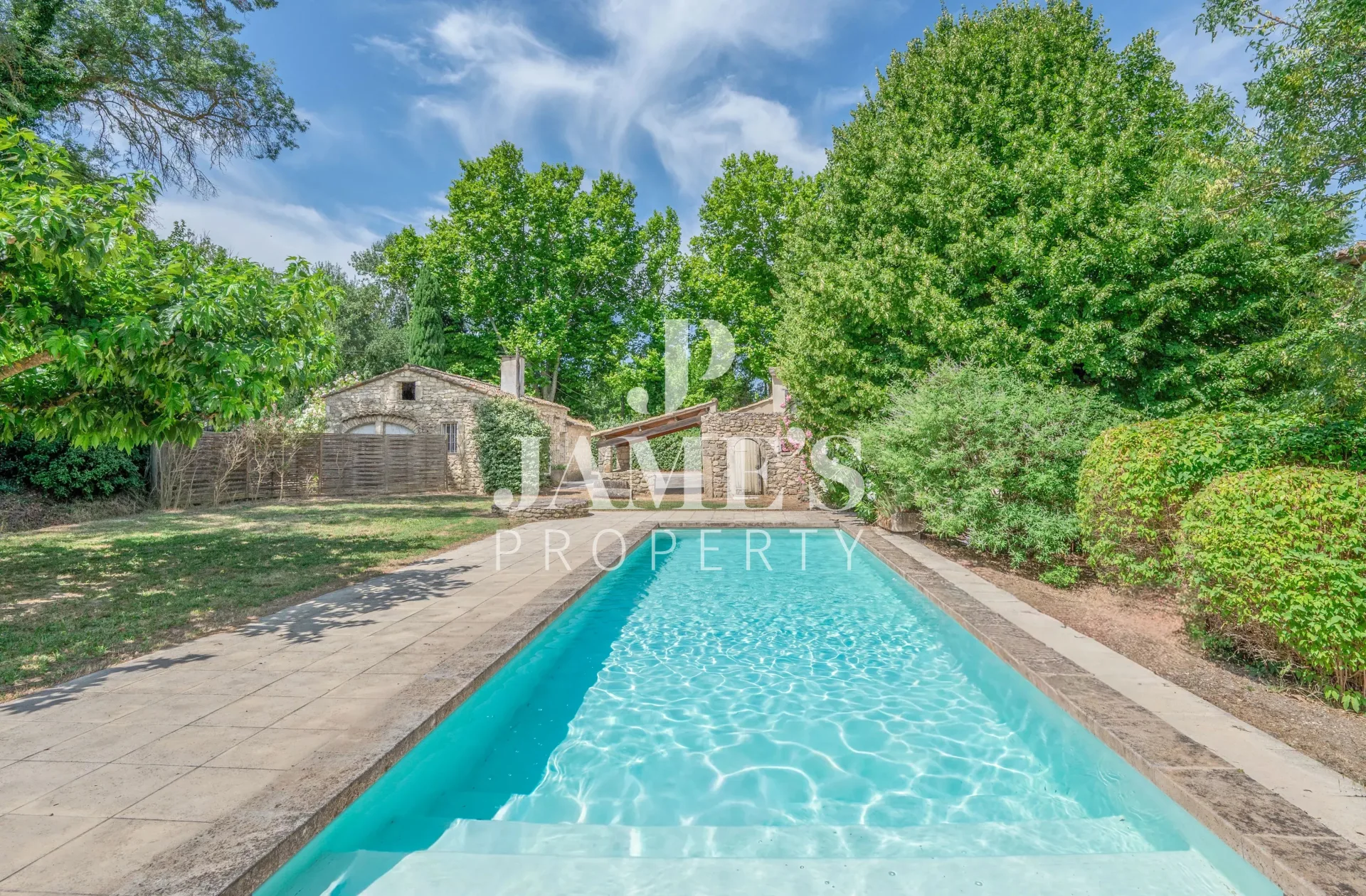
The grounds become an area for walking and recreation. Outbuildings can accommodate family and guests without compromising the privacy of the main residence. A swimming pool can be integrated into the landscape, while a tennis court, fitness room, wellness area or equestrian facilities can occupy their own dedicated spaces.
Some estates are designed primarily for entertaining. Others prioritize family life, outdoor activities or immersion in nature.
A vineyard estate introduces an agricultural, cultural and productive dimension. An equestrian property combines a residence, land and specialized facilities for horses. Other large estates may incorporate olive groves, woodland, agricultural land or remarkable gardens.
This diversity explains why the category of luxury estates encompasses such different types of properties.
The common thread remains the same: the buyer is acquiring not merely a house, but a coherent and private living environment.
From Provence to Tuscany: Iconic Estate Landscapes
Certain regions give estates a particularly distinctive identity.
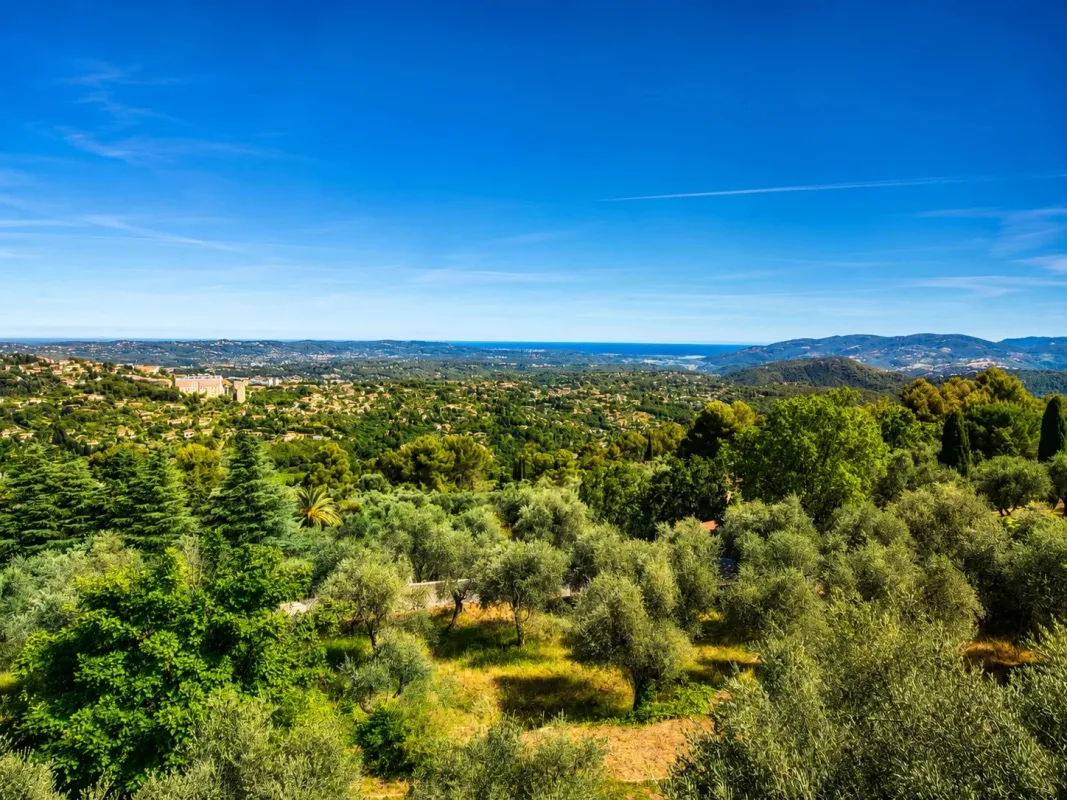
In Provence, historic bastides, mas and large country properties are set among landscapes of rolling hills, olive trees, lavender and vineyards. The proximity of cities such as Aix-en-Provence or the international destinations of the French Riviera can allow owners to combine a private countryside setting with convenient access to major amenities.
In Tuscany, the estate is often inseparable from its landscape. Vineyards, olive groves, cypress trees, rolling hills and historic buildings form properties in which the land can be almost as important as the residence itself.
In southern France, certain estates combine extensive grounds with proximity to the Mediterranean. This relationship between nature, coastline and internationally renowned destinations is particularly sought after.
In Portugal, particularly around Lisbon, the Alentejo and selected coastal areas, large properties can combine extensive land, traditional architecture and preserved surroundings.
In Spain, fincas and large country estates offer another interpretation of estate living, often associated with substantial land holdings, agriculture, equestrian activities or an outdoor-oriented lifestyle.
In the Alps, the estate can take a different form again, with chalets, forests, pastures and outbuildings creating a heritage closely connected to the mountain landscape.
There are therefore as many ways to conceive a luxury estate as there are landscapes capable of giving it a distinctive identity.
Designed for Entertaining While Preserving Privacy
The ability to accommodate guests is another important characteristic.
Large reception rooms, multiple bedroom suites, guest houses or independent apartments make it possible to host family and friends while maintaining a clear separation between private and guest areas.
In some estates, this organization is taken considerably further. Buildings may be positioned far enough apart to give each one its own surroundings and sense of privacy.
Seclusion can also be reinforced by mature vegetation, historic walls, private gates, dedicated access roads or simply by the sheer size of the estate.
This characteristic responds to a particular demand within the international luxury market: the ability to host family, friends or professional guests while maintaining a genuine private sphere.
Luxury therefore takes on a more discreet form. It is not necessarily what the property reveals that creates its value, but what it allows its owners to keep at a distance.
The Scarcity of an Irreplaceable Territory
Large estates illustrate the concept of irreplaceability particularly well.
A residence can be renovated. A swimming pool can be added. Certain spaces can be redesigned. Reassembling dozens of acres around a prestigious residence in a sought-after region, however, is considerably more difficult.
Land availability, planning regulations, environmental restrictions, fragmented ownership and development pressure all limit the creation of new estates on this scale.
Natural and historic features add another layer of scarcity: a spring, mature woodland, an exceptional view, an established vineyard, centuries-old trees or protected architecture cannot simply be reproduced.
This is why some luxury estates for sale possess a value that extends far beyond their built area.
Their true scarcity lies in the combination of several characteristics, none of which can easily be replaced.
A Family Heritage as Much as a Residence
The heritage dimension is particularly strong within this category.
An estate can become a family residence shared across generations, a gathering place or a long-term asset intended to be preserved.
This perspective can also change the way some buyers assess a property. The question is no longer simply whether the residence meets today's needs, but whether the estate possesses enough character, land quality and enduring identity to remain relevant for decades to come.
For certain properties, succession also includes an operating activity: vineyards, agriculture, livestock or equestrian facilities may form an integral part of the estate.
It is important, however, to distinguish clearly between real estate heritage and the potential profitability of an associated business. An estate can possess significant heritage value without its agricultural or commercial activity necessarily representing a strong financial investment. The value of the property and the economic performance of an operating business should be assessed separately.
A Wide Range of International Buyers
Luxury estates naturally attract buyers seeking more than a conventional residence.
Some are looking for a family home capable of accommodating several generations. Others prioritize a second home near an internationally renowned destination.
Entrepreneurs, executives and international families may also seek a property offering privacy, generous entertaining capacity and sufficient distance from urban centers.
Other buyers are drawn primarily to the historical, architectural, agricultural or landscape qualities of an estate.
This diversity of buyers is reflected in the properties themselves: contemporary estates, Provençal bastides, Spanish fincas, American estates, Tuscan properties and historic country residences can all belong to the same broad category.
The Luxury Estate: A Different Definition of Luxury
Residential luxury is not always measured by the height of a building, the number of rooms or the sophistication of its amenities.
For an estate, it can instead be measured in distance, silence, acres, mature trees, uninterrupted views and freedom of use.
On Prestige.top, luxury estates naturally occupy a distinctive place among the properties sought by buyers looking for space, privacy and heritage across the world's leading luxury markets.
Because when a property brings together a remarkable residence, a coherent private territory and an environment shaped over time, it ceases to be simply a large home: it becomes a heritage property in its own right, with its own landscape, history and horizon.