Prestigious wine estates for sale in the Gironde
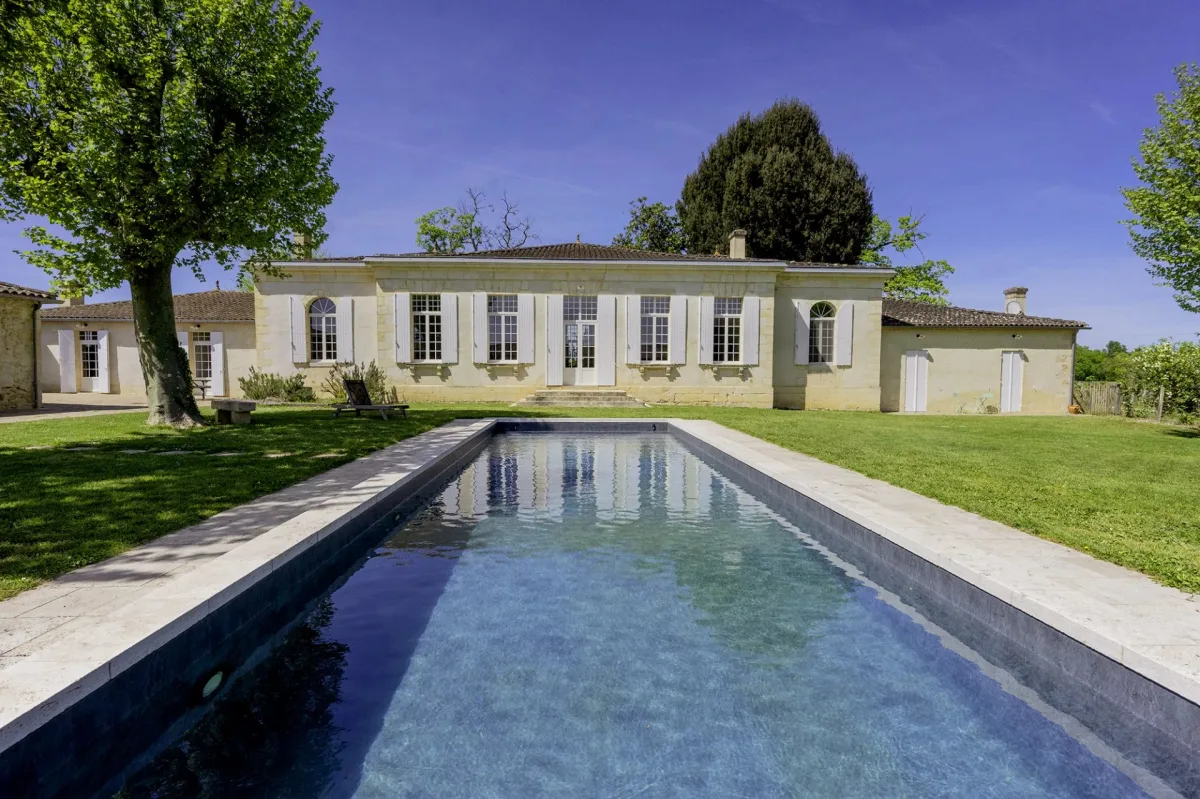
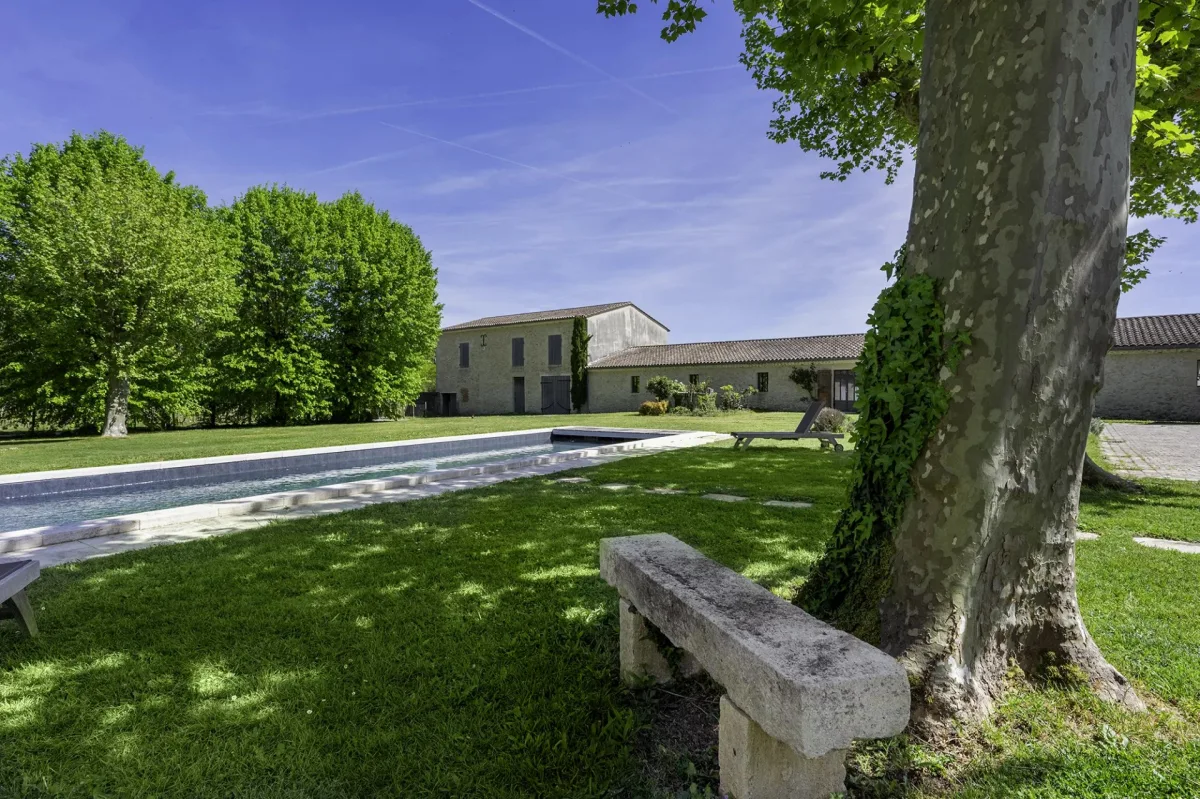
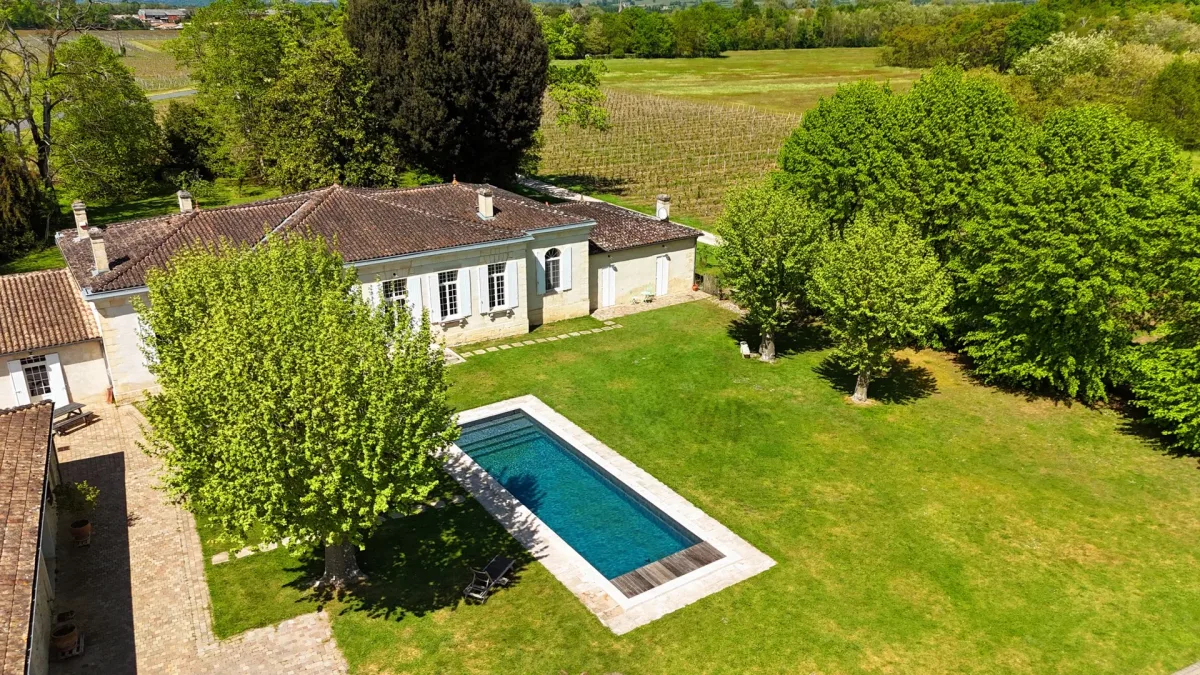
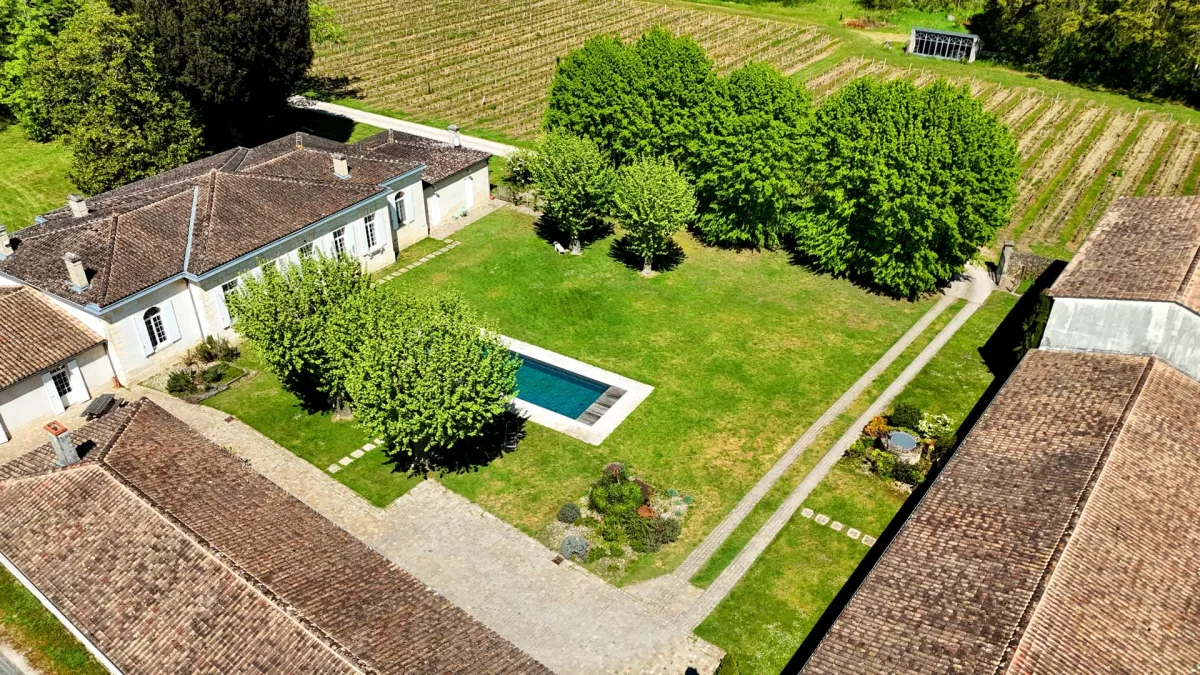
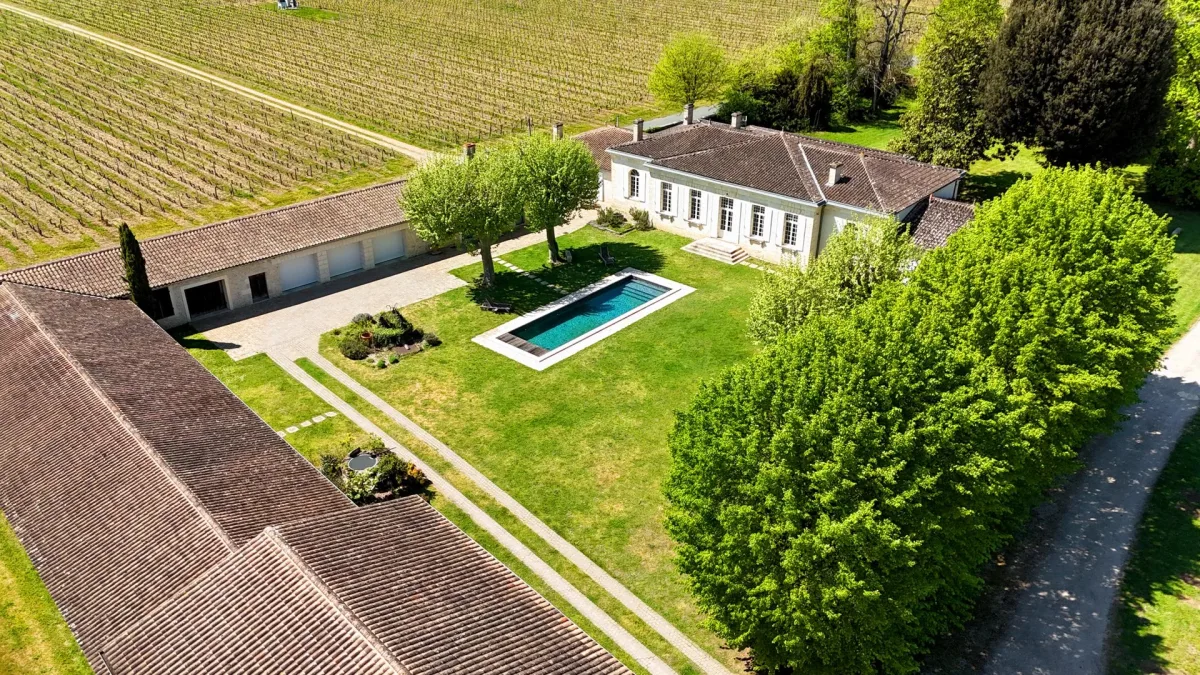
Luxury Wine Estates for Sale in Gironde : Exceptional Bordeaux Vineyard Properties
Buying a luxury wine estate in Gironde means acquiring far more than a vineyard. In Bordeaux, exceptional properties can combine prestigious terroir, vineyards, a historic château or manor house, wine cellars, production facilities, landscaped grounds and, in some cases, an established wine brand. This combination places a Bordeaux wine estate at the intersection of prime real estate, heritage, lifestyle and viticulture.
With around 94,700 hectares of vineyards, the Gironde remains one of the world's most renowned wine regions. The Bordeaux wine region encompasses a remarkable variety of appellations and property profiles, from internationally recognised château estates to smaller private vineyard properties.
For international buyers looking for a French vineyard estate for sale, Gironde offers several distinct markets, from the great Médoc appellations to Saint-Émilion, Pomerol, Pessac-Léognan and Sauternes. Each has its own terroir, architectural heritage and investment characteristics.
A Bordeaux wine estate is more than agricultural land
A prestigious wine estate cannot be valued in the same way as ordinary agricultural land or residential real estate.
The appellation and terroir are fundamental. Soil composition, exposure, drainage, vineyard location, parcel configuration and the reputation of the appellation can create enormous differences between properties located only a few kilometres apart.
The buildings can be equally important. A historic Bordeaux château, French manor house, chartreuse or elegant country residence may have substantial architectural and heritage value independently of the vineyard itself.
The estate may also include wine cellars, fermentation facilities, barrel rooms, agricultural buildings, staff accommodation, guest houses, hospitality areas, wine stocks and specialist equipment. In certain transactions, an established wine brand and its distribution network may also form part of the overall value.
This explains why a luxury vineyard estate for sale in Bordeaux must be analysed as a complete property rather than simply by multiplying the number of hectares by a vineyard price.
Médoc: prestigious terroirs and historic château estates
The Médoc is one of the most recognisable territories for buyers searching for a luxury wine estate in Gironde.
Around Pauillac, Margaux, Saint-Julien, Saint-Estèphe, Moulis-en-Médoc and Listrac-Médoc, the landscape is characterised by prestigious vineyards, historic château properties and internationally recognised Bordeaux wines.
For an international buyer, this is particularly attractive when the estate combines a recognised appellation with a substantial residence, landscaped grounds and a coherent vineyard.
The differences in vineyard values between appellations can be considerable. According to Safer's 2024 market analysis, the dominant value for AOC Médoc vineyards was approximately €14,000 per hectare, compared with around €40,000 per hectare for Haut-Médoc. In the most prestigious appellations, the figures were dramatically higher, with indicative values of approximately €2.5 million per hectare for Pauillac and €1.4 million for Margaux, subject to significant variations depending on the individual terroir and property.
These figures refer to vineyard land rather than complete château estates. They should therefore never be treated as a direct valuation of a property including a residence, wine-making facilities, brand and other assets.
Saint-Émilion and Libournais: heritage, terroir and identity
On Bordeaux's Right Bank, Saint-Émilion represents another major market for prestigious wine estates.
The vineyards surrounding Saint-Émilion have been listed as a UNESCO World Heritage cultural landscape since 1999. The region is characterised by a complex combination of limestone, clay, gravel and sandy soils, contributing to the distinctive identity of its wines.
The wider area also includes highly sought-after appellations such as Saint-Émilion Grand Cru, Pomerol, Lalande-de-Pomerol, Montagne-Saint-Émilion, Puisseguin-Saint-Émilion and Lussac-Saint-Émilion.
The market requires particularly careful analysis. Safer's 2024 data placed the dominant vineyard value in Saint-Émilion at approximately €250,000 per hectare, while emphasising the considerable differences between individual terroirs. In Pomerol, the number of transactions was too limited to establish a statistically reliable dominant value.
For buyers searching for a French château with vineyards, these differences are critical. A property's location within the appellation, the quality of its parcels and the architectural character of the estate can be more relevant than the total number of hectares.
Pomerol: an exceptionally rare market
Pomerol occupies a unique position within the Bordeaux wine landscape.
The relatively limited size of the appellation and the scarcity of properties coming onto the market make it one of the most confidential segments of the Bordeaux wine estate market.
For a buyer seeking a rare Bordeaux vineyard estate, even a relatively small number of hectares in an exceptional location can represent substantial value.
Safer reported that the number of transactions in Pomerol during 2024 was insufficient to establish a reliable dominant value. This is itself an indication of the market's scarcity: transactions are too infrequent to produce the same type of statistical reference available in broader agricultural markets.
For international buyers, Pomerol is therefore a market where individual due diligence and property-specific analysis are particularly important.
Pessac-Léognan and Graves: vineyards close to Bordeaux
Located closer to the city, Pessac-Léognan and Graves offer a different proposition.
Their proximity to Bordeaux can appeal to buyers seeking a combination of French wine estate, private residence and accessibility. Some properties provide a rural and private setting while remaining relatively close to the metropolitan area, Bordeaux Airport and the city's cultural and business infrastructure.
Safer's 2024 data placed the dominant value of Pessac-Léognan vineyards at approximately €450,000 per hectare, with the finest terroirs reaching around €600,000 per hectare, although the limited number of transactions requires caution when interpreting these figures.
For Graves, the dominant value was approximately €25,000 per hectare, with higher levels for the best gravelly terroirs.
The appeal of an estate in this area can therefore come from several factors simultaneously: vineyard quality, architectural character, landscaped grounds and proximity to Bordeaux.
Sauternes and prestigious sweet-wine estates
South of Bordeaux, Sauternes represents another distinctive segment of the luxury vineyard property market.
A Sauternes estate may combine vineyards, a historic château or country residence, agricultural buildings and wine-making facilities within a highly preserved rural environment. Nearby appellations such as Barsac, Loupiac and Sainte-Croix-du-Mont offer additional opportunities.
In 2024, Safer placed the dominant vineyard value in Sauternes at approximately €28,000 per hectare, with a broad range from around €15,000 to as much as €150,000 per hectare for the finest crus.
Once again, these figures relate to vineyard values rather than complete wine estates. A historic residence, wine-making infrastructure, brand and commercial operation can substantially alter the total value of an acquisition.
What types of luxury wine estates can buyers find in Gironde?
The Bordeaux market can accommodate very different acquisition strategies.
Some buyers are looking for a historic French château with vineyards, a substantial main residence, landscaped park and several hectares of vines. Others may prefer a more discreet private vineyard estate combining a manor house, coherent vineyard and modern production facilities.
There are also properties that may suit a French second home, a family heritage project, wine tourism or the continuation of an established wine business.
For international purchasers, the distinction between these profiles is important. A property intended primarily as a private residence will not be assessed in the same way as an operating wine business with significant production capacity and commercial distribution.
The quality and efficiency of the wine-making infrastructure therefore matter. Modern cellars, appropriately sized fermentation facilities, storage capacity and well-maintained vineyards can have a significant impact on both the usability and value of an estate.
The criteria that determine the value of a Bordeaux wine estate
Comparing two luxury vineyard estates simply by the number of hectares can be misleading.
An experienced buyer will typically examine:
the appellation and reputation of the terroir;
the precise location of the vineyard parcels;
soil composition and vineyard quality;
vine age and condition;
the continuity and configuration of the land;
the architectural quality of the château or main residence;
wine cellars, fermentation facilities and agricultural buildings;
wine-making and vineyard equipment;
wine stocks included in the transaction;
the history and recognition of the wine brand;
existing distribution channels;
environmental certifications and farming practices;
opportunities for private residence, hospitality or wine tourism;
the legal and financial structure of the operating business.
The Bordeaux vineyard market has also undergone a period of adjustment. Safer reported that transactions involving vineyard land and wine estates in Gironde had stabilised at around 2,000 hectares in 2023–2024, while the value of transactions involving wine-growing assets reached approximately €175 million in 2024, its lowest level since 2011.
This creates a highly selective market. Some properties may face challenges in finding buyers, while estates combining recognised terroir, quality architecture, coherent vineyards and a strong identity can attract a very different type of international demand.
Acquiring a Bordeaux wine estate as a family heritage
A prestigious Bordeaux wine estate can be considered as much a family heritage property as a wine business.
For some buyers, the château, architecture and landscape are the heart of the acquisition. For others, the vineyard and the continuation of an established wine-making tradition are paramount.
The most distinctive estates combine both dimensions: an exceptional residence, a recognised terroir and a professional production operation capable of preserving the identity of the property.
This is particularly relevant for international purchasers looking for a French second home with vineyards, a private estate in Bordeaux or a historic château that can become part of a family's long-term European heritage.
Bordeaux is also continuing to develop its environmental practices. Bordeaux's wine industry reports that more than 75% of vineyard surfaces are now covered by a certified or recognised environmental approach.
Buying a luxury wine estate in Gironde
The market for luxury wine estates for sale in Gironde demonstrates why Bordeaux cannot be reduced to a single price per hectare.
From the Médoc to Saint-Émilion, Pomerol, Pessac-Léognan and Sauternes, each territory has its own terroirs, property profiles and market dynamics.
For an international buyer searching for an exceptional French vineyard property, the objective is therefore not necessarily to find the largest estate, but to identify a property in which terroir, architecture, vineyards, production facilities and long-term potential are aligned with the intended use.
Whether the objective is a private French residence, a family heritage acquisition, a working vineyard or a rare Bordeaux château, the combination of land, wine-making infrastructure and architectural character is what can transform a vineyard property into a truly exceptional estate.