12 Prestigious properties for sale in Provence
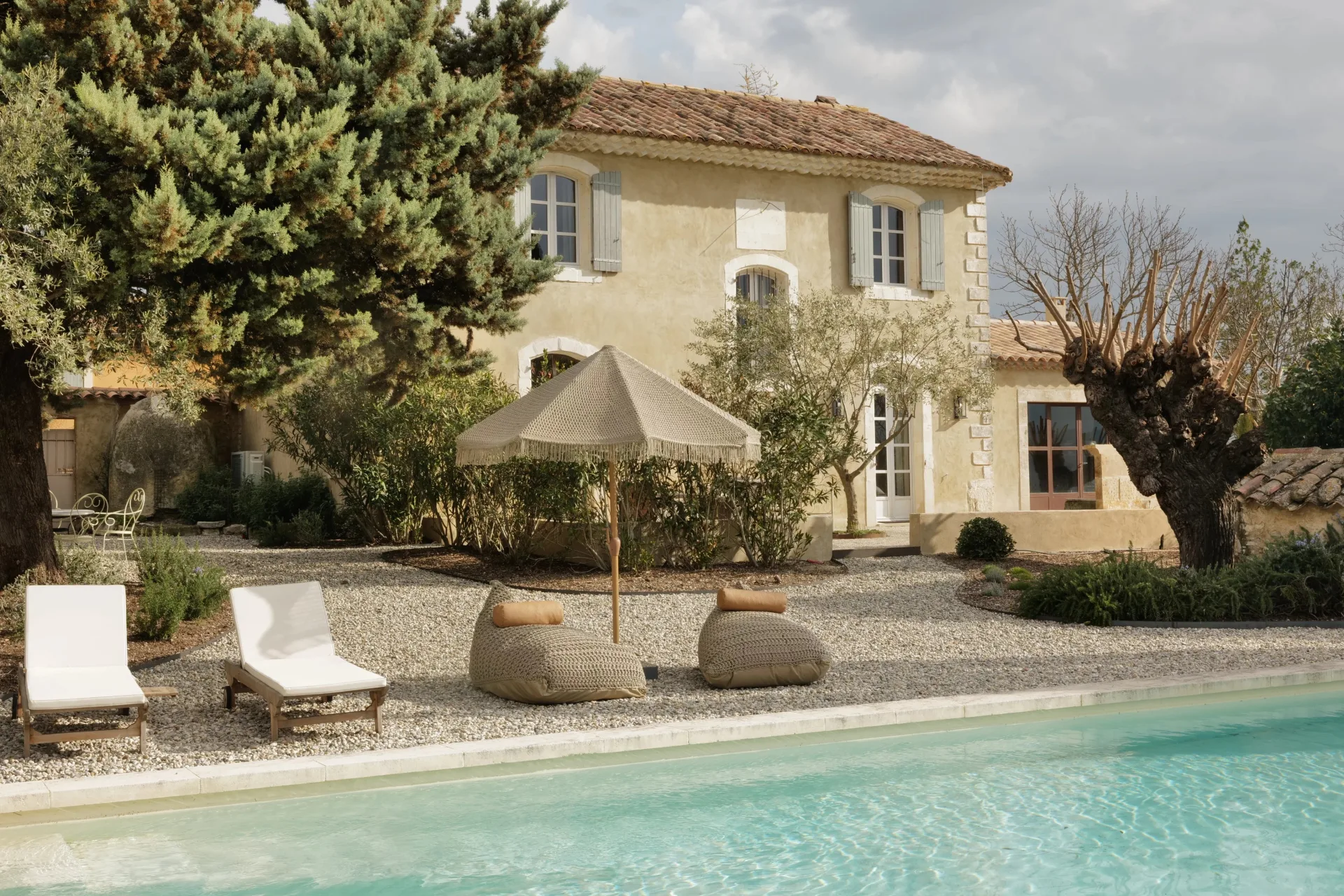
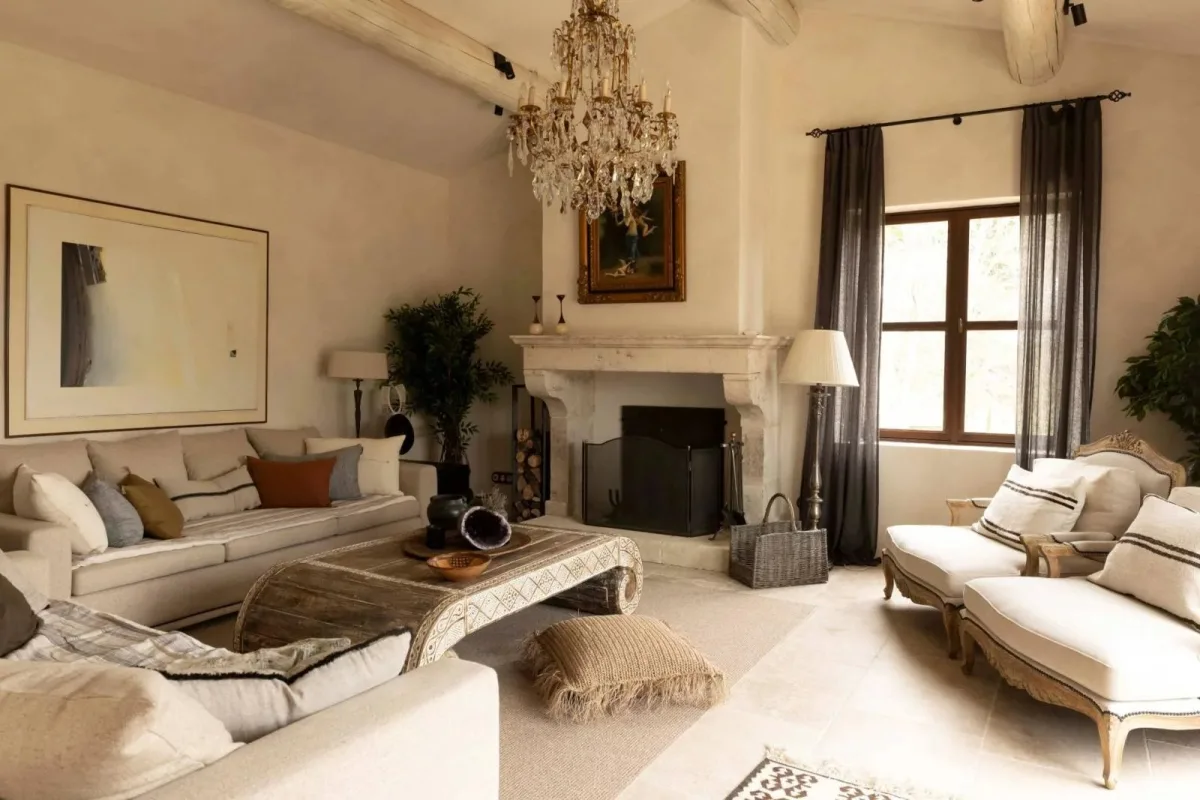
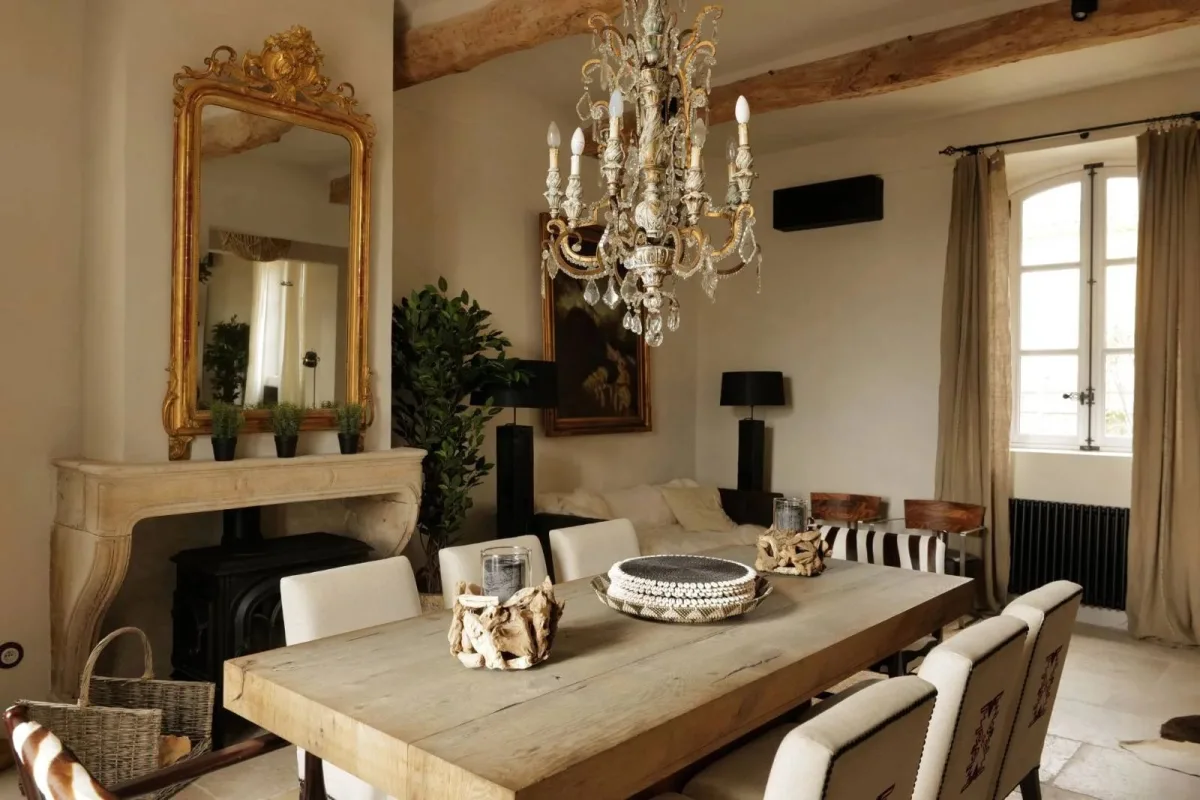
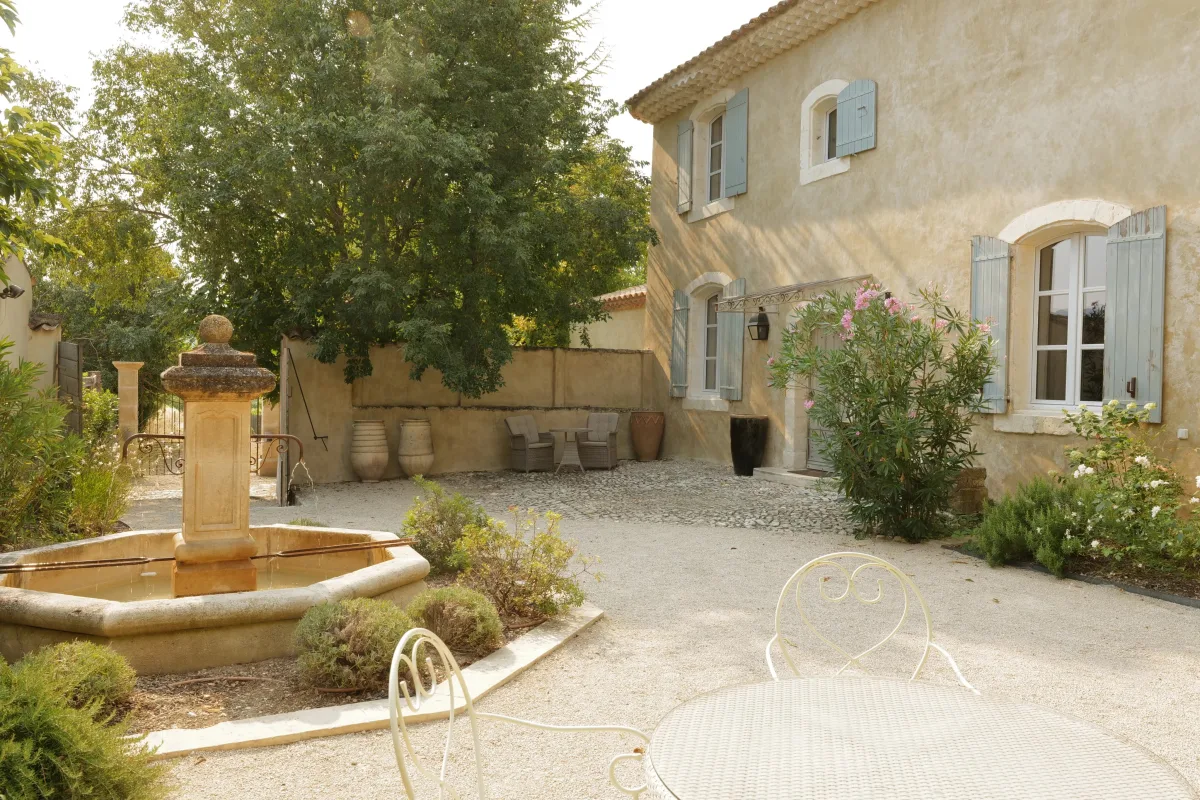
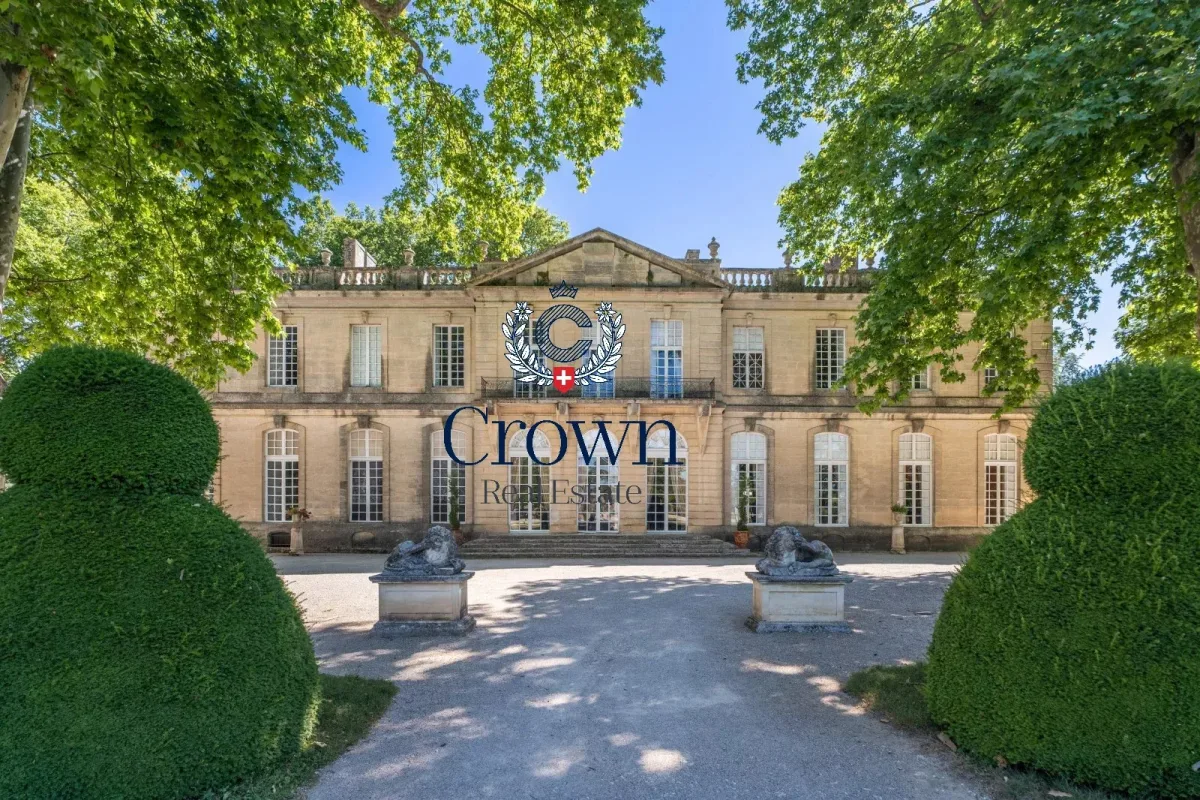
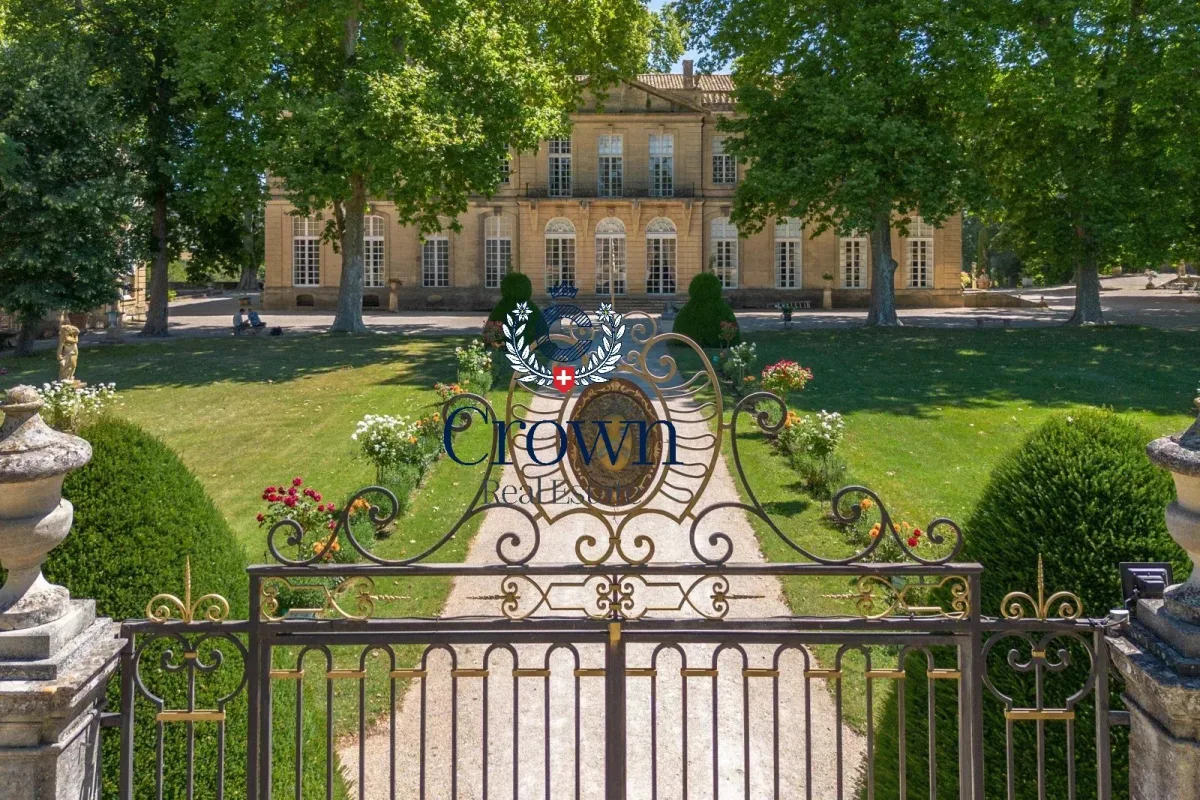
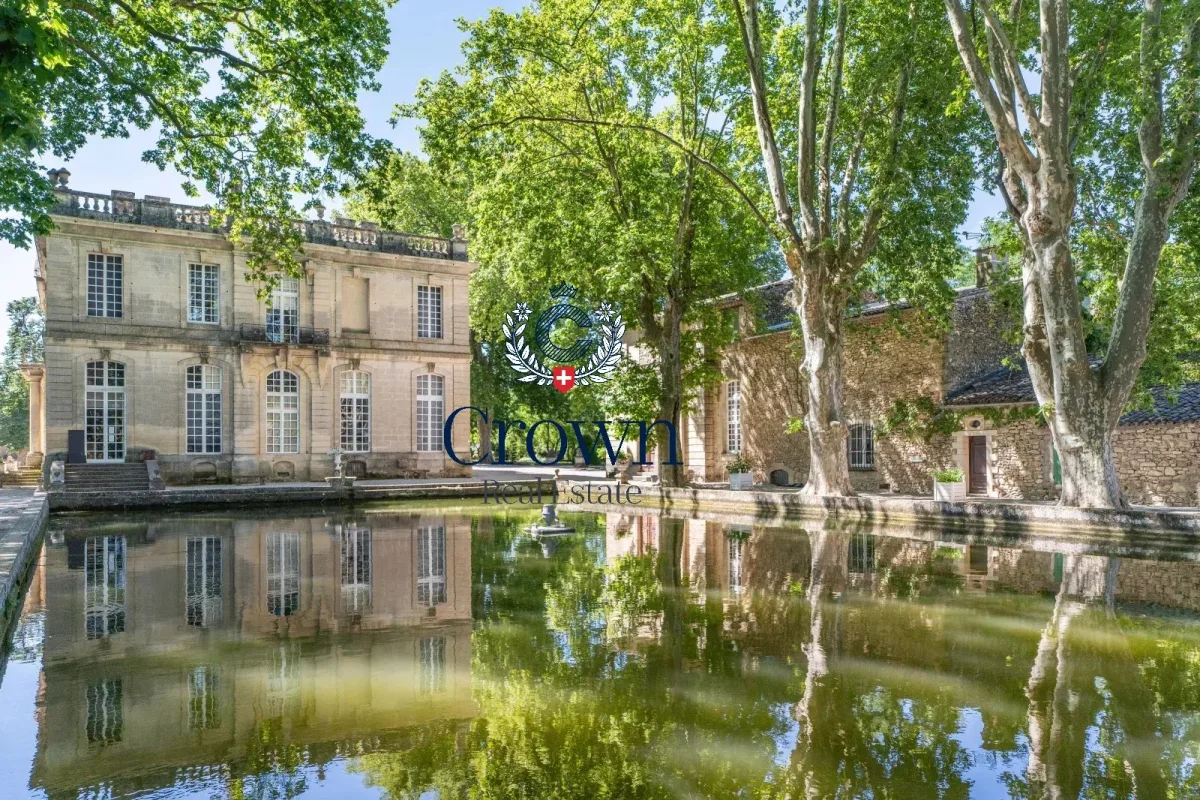
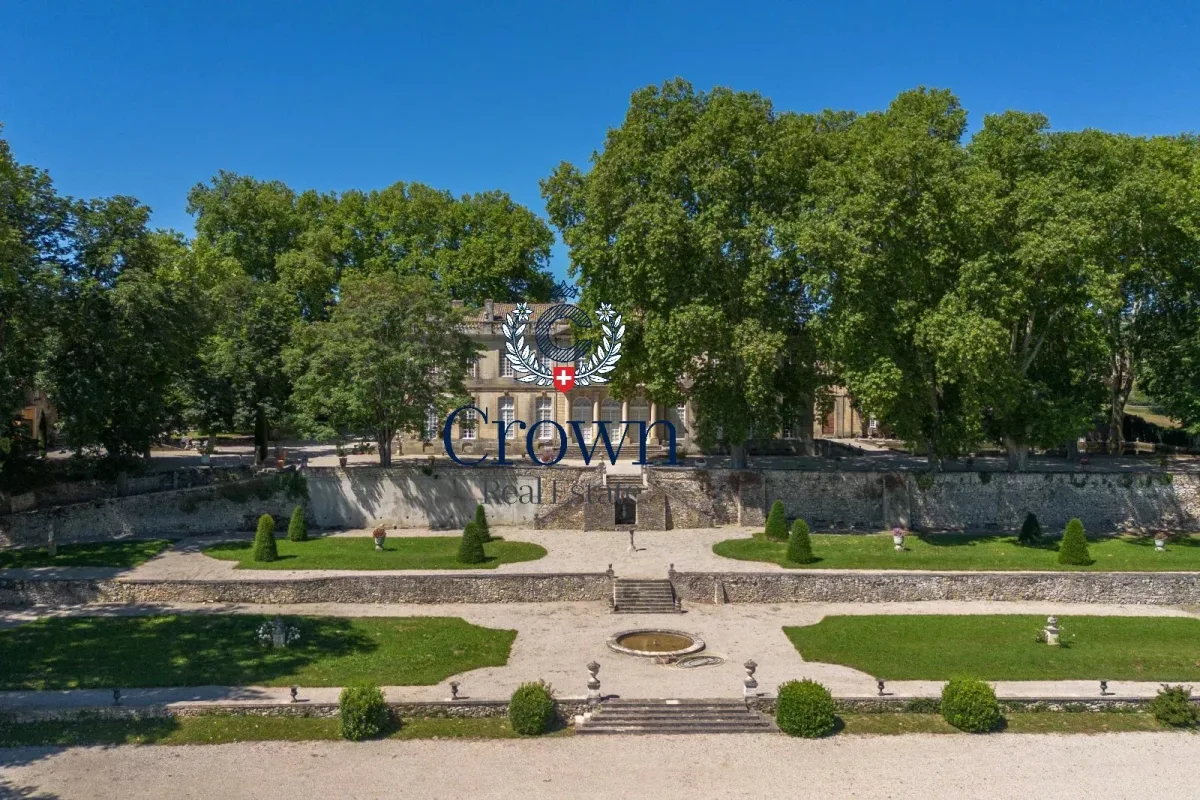
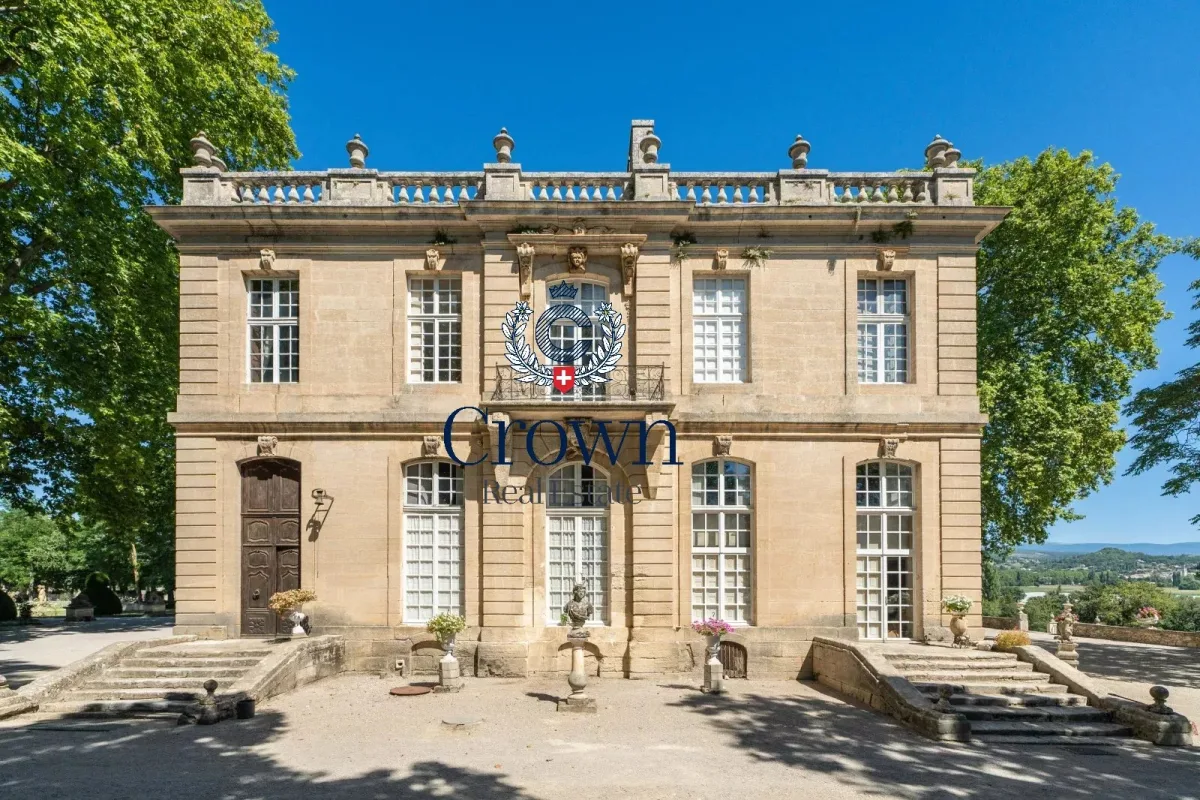
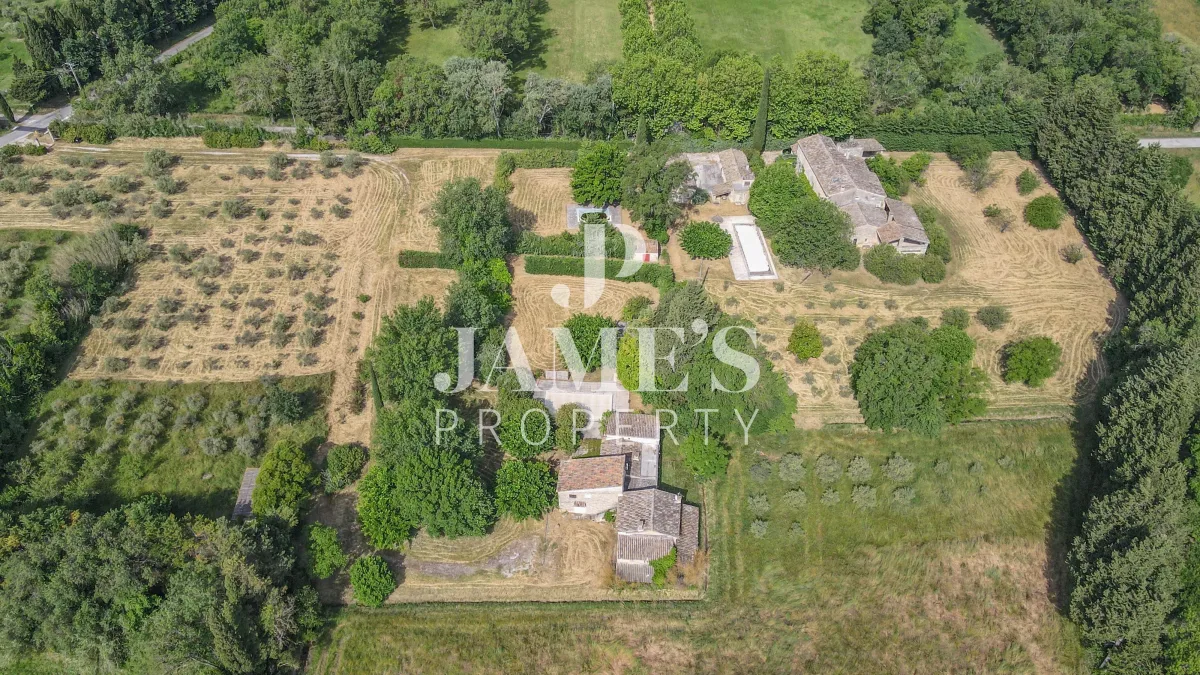
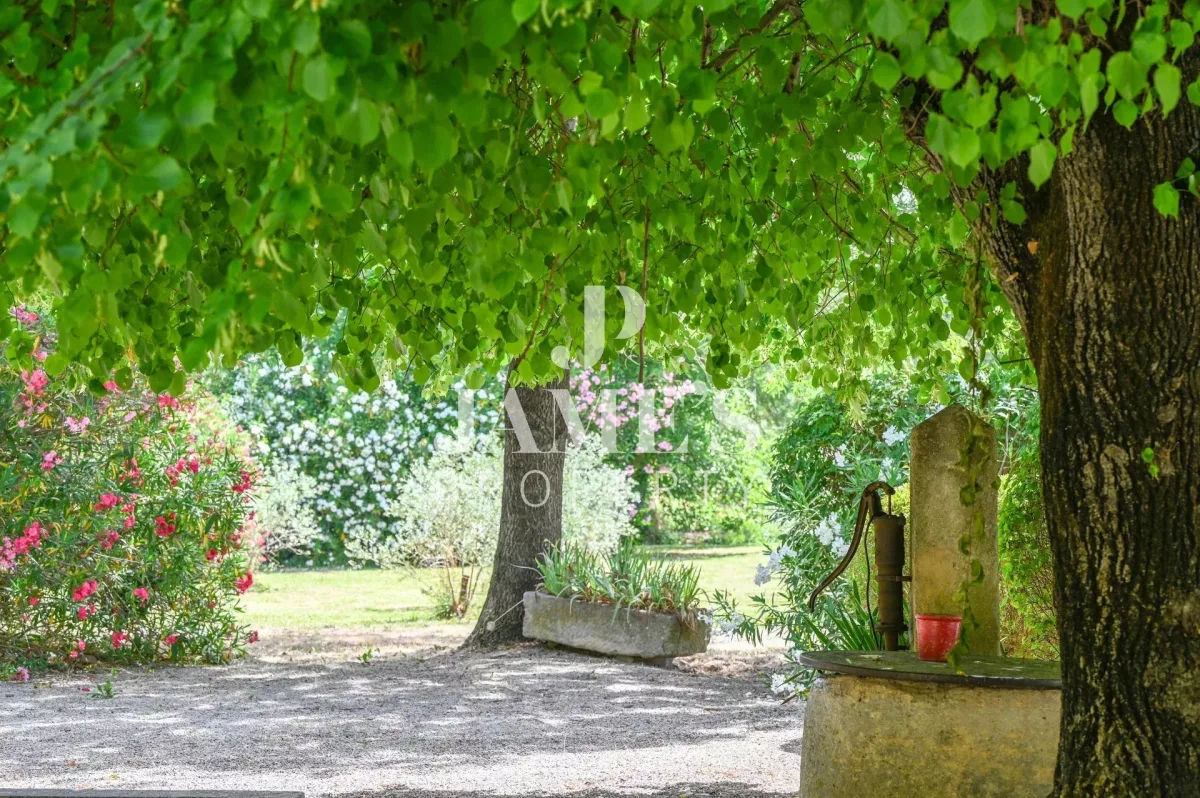
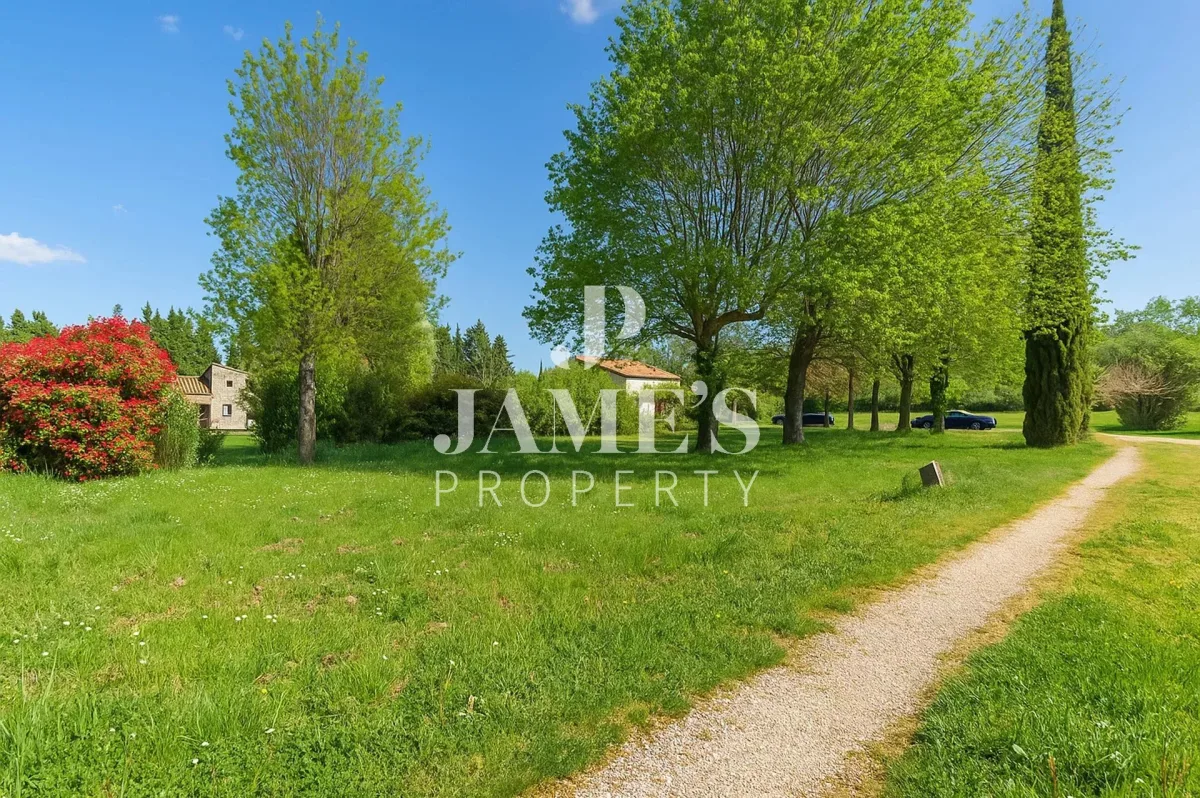
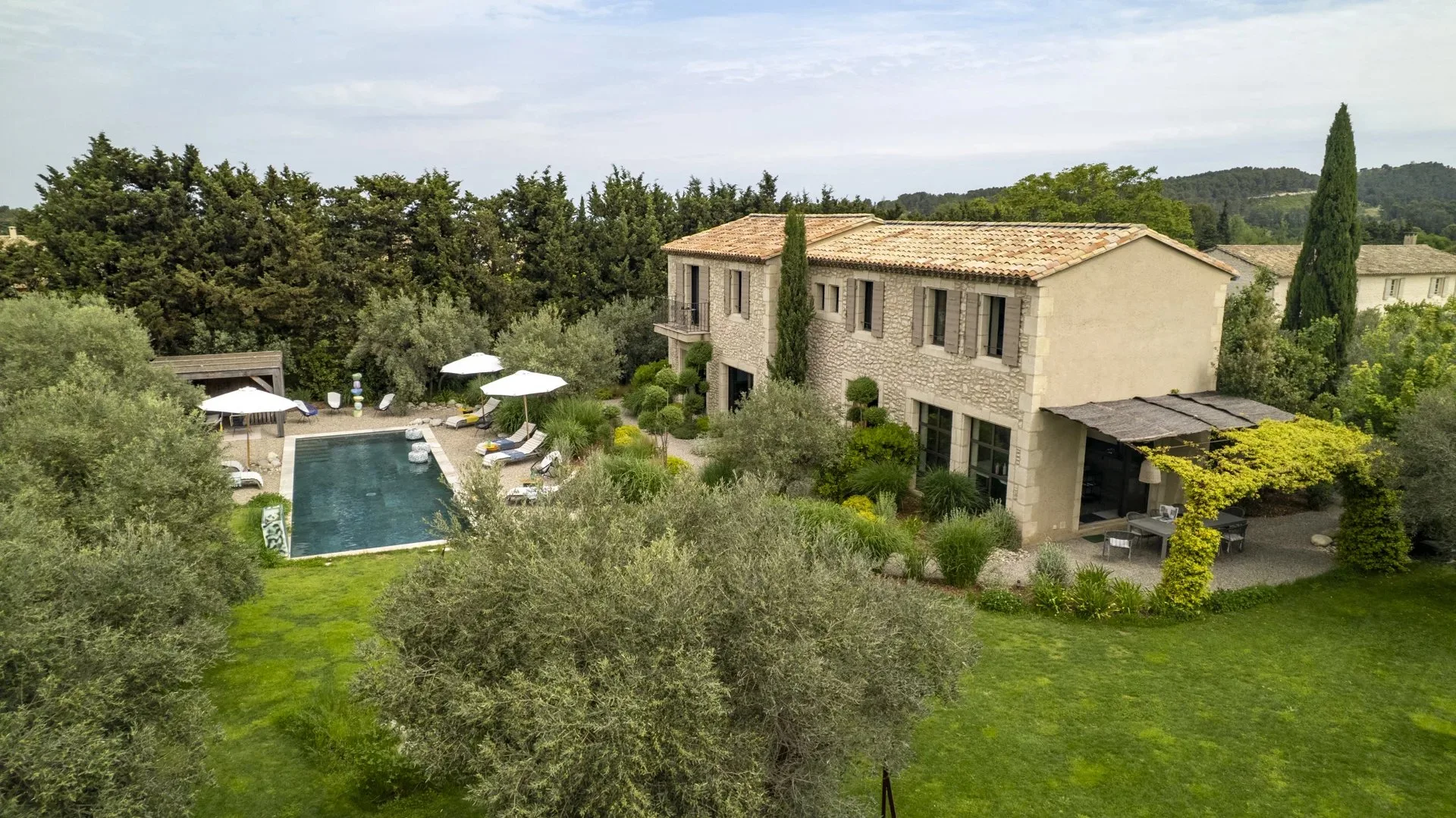
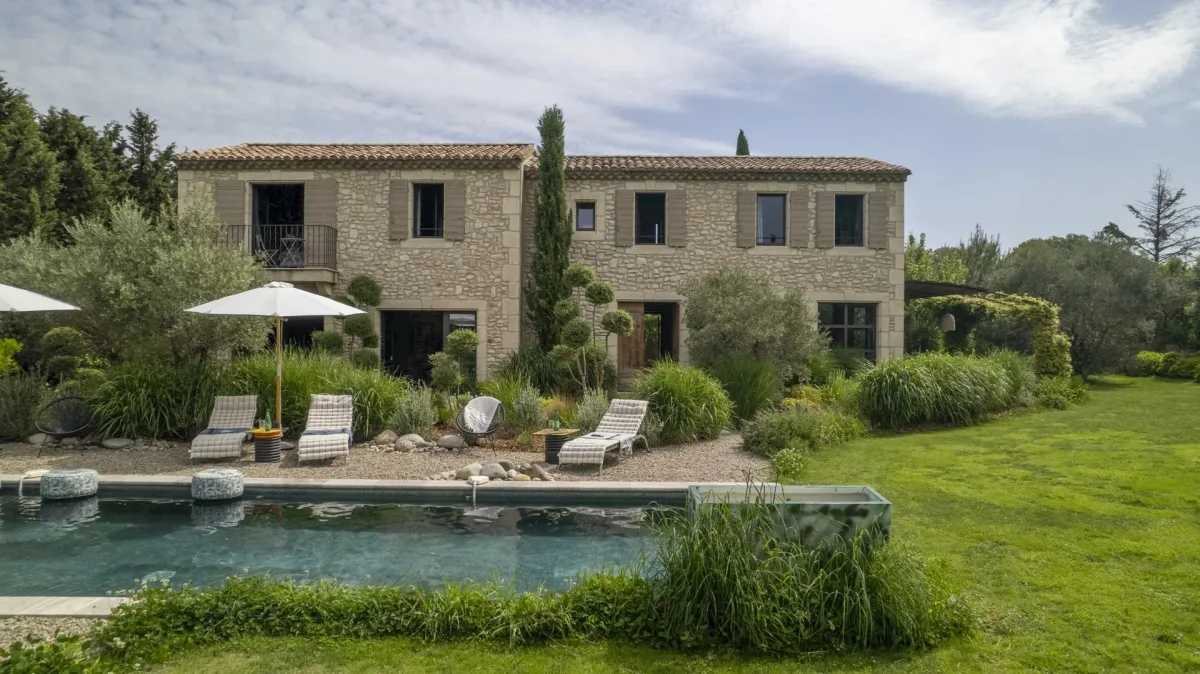
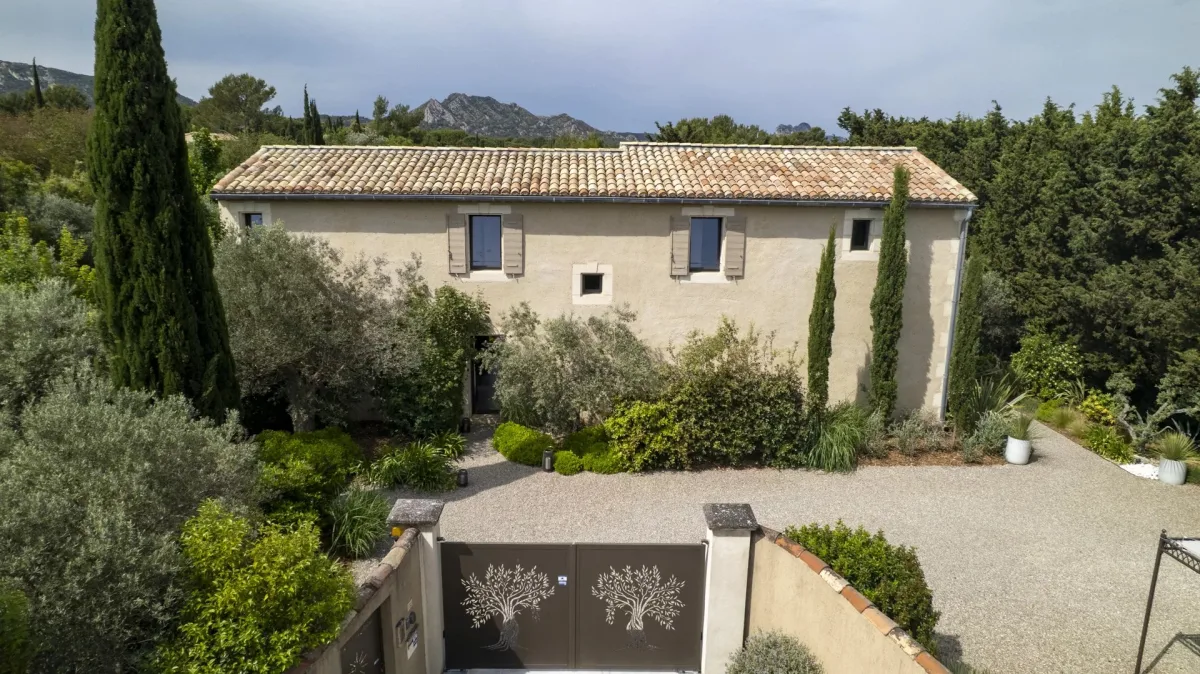
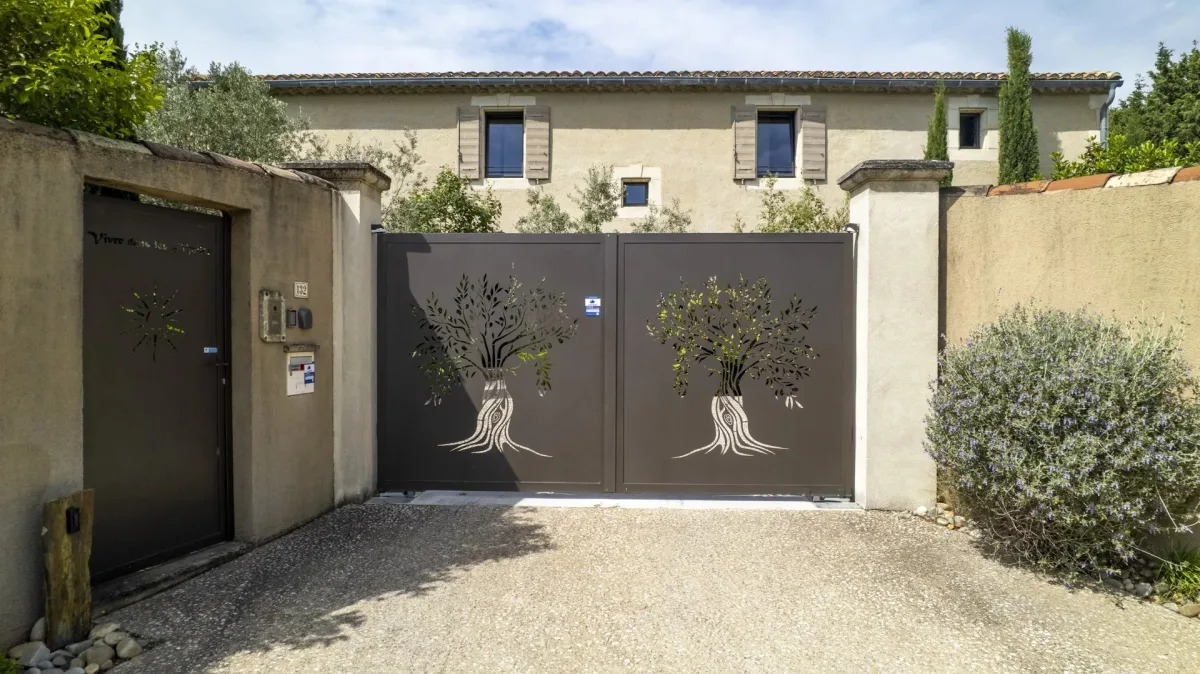
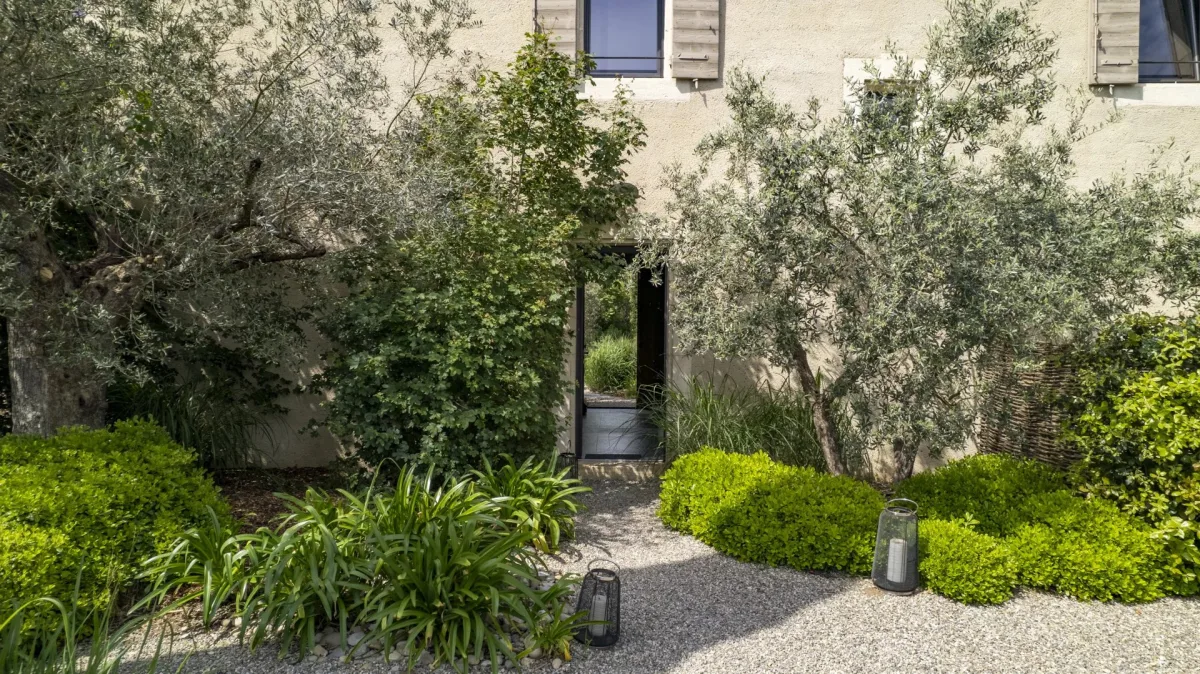
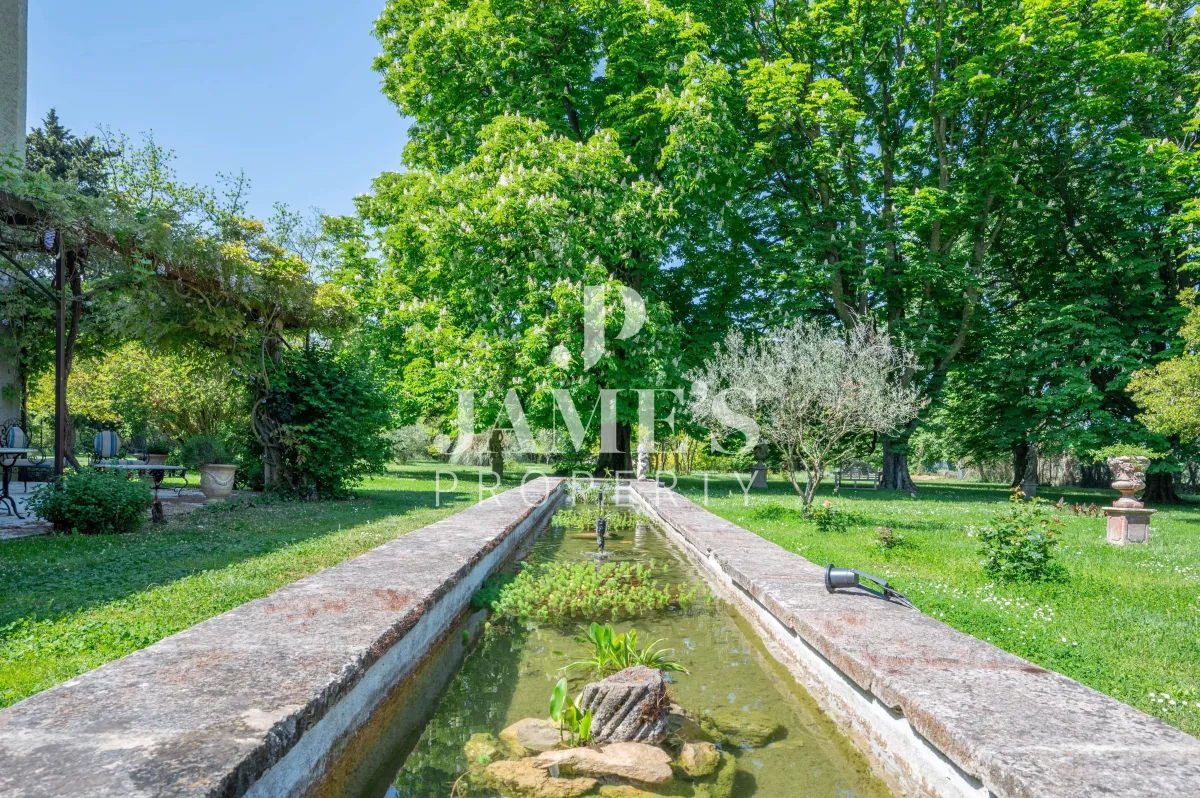
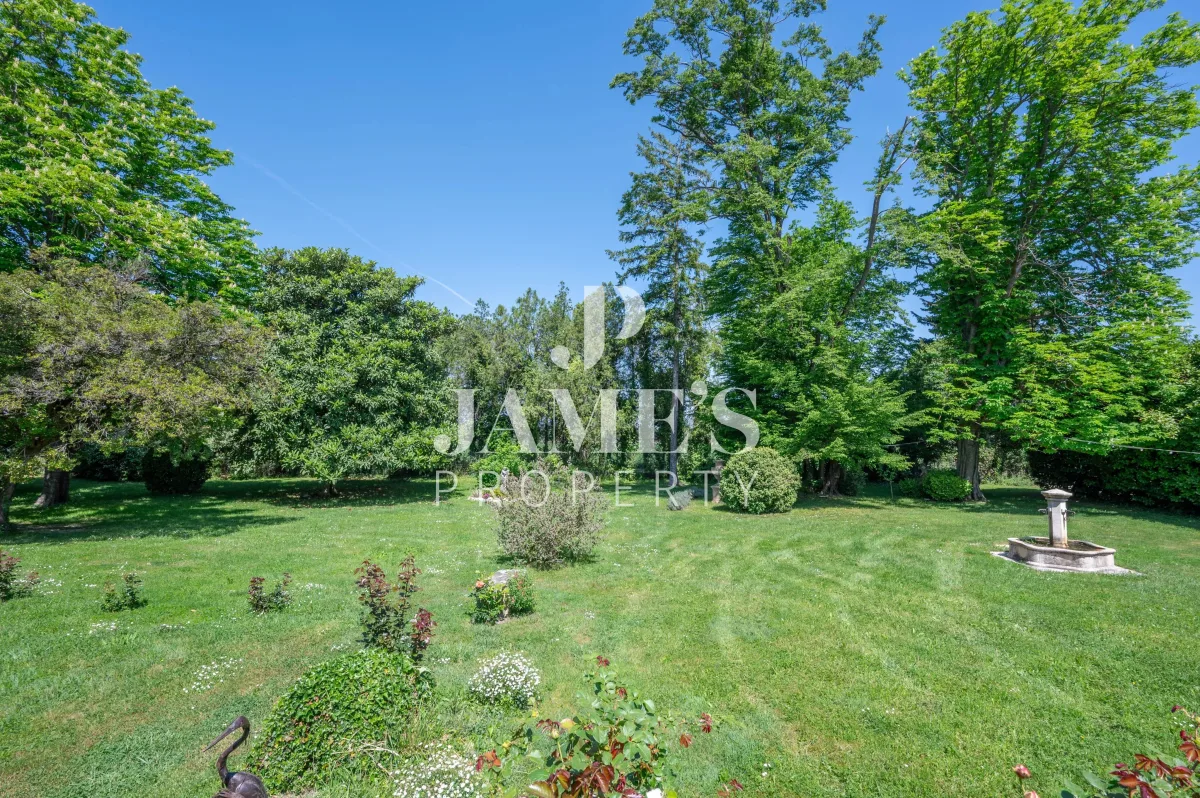
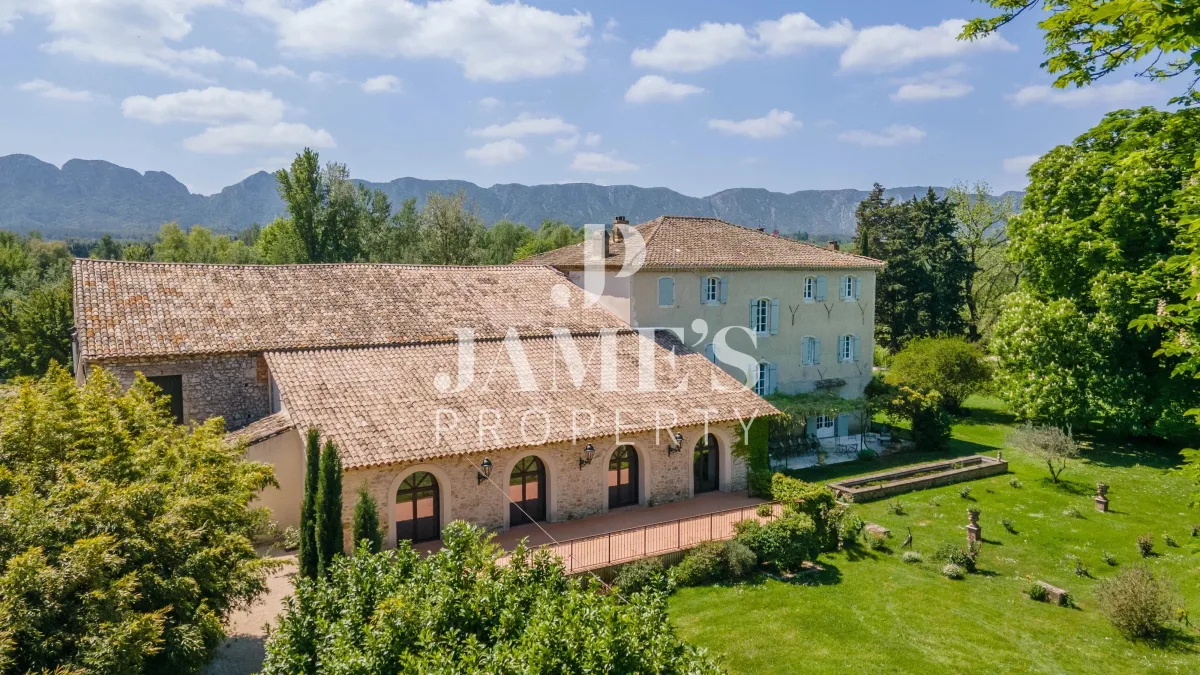
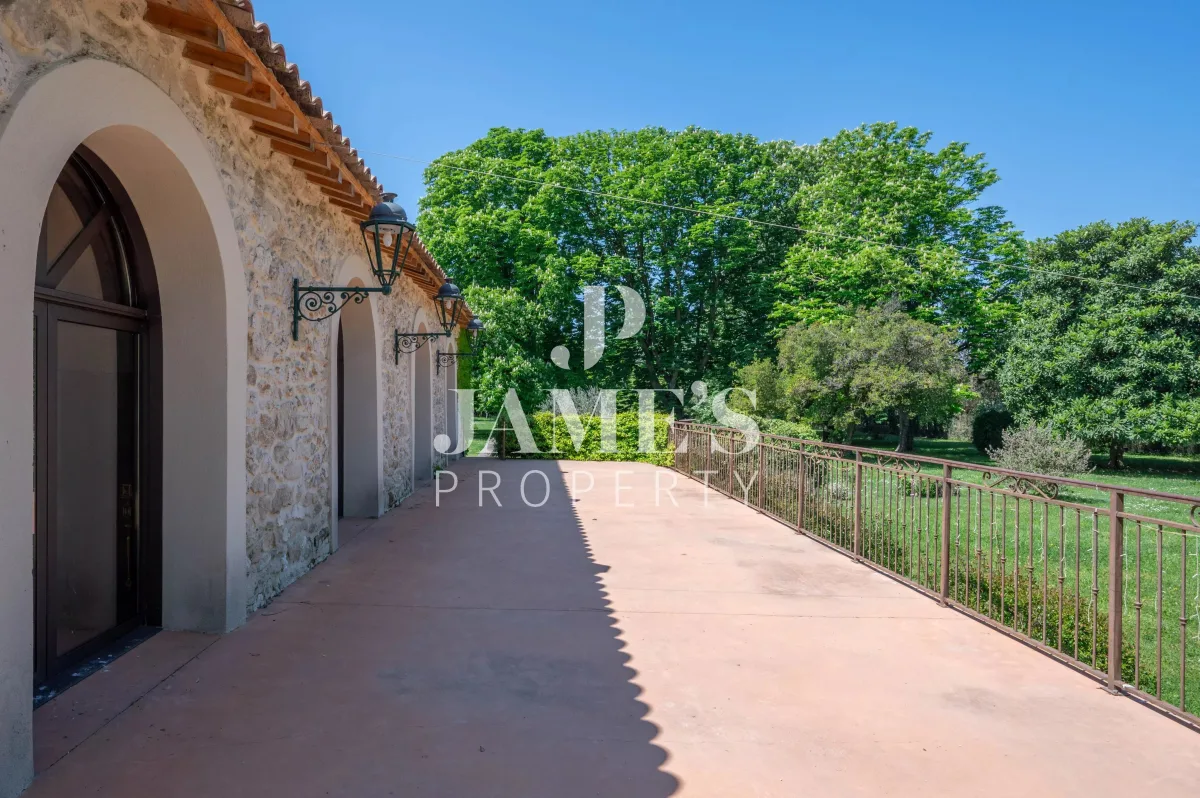
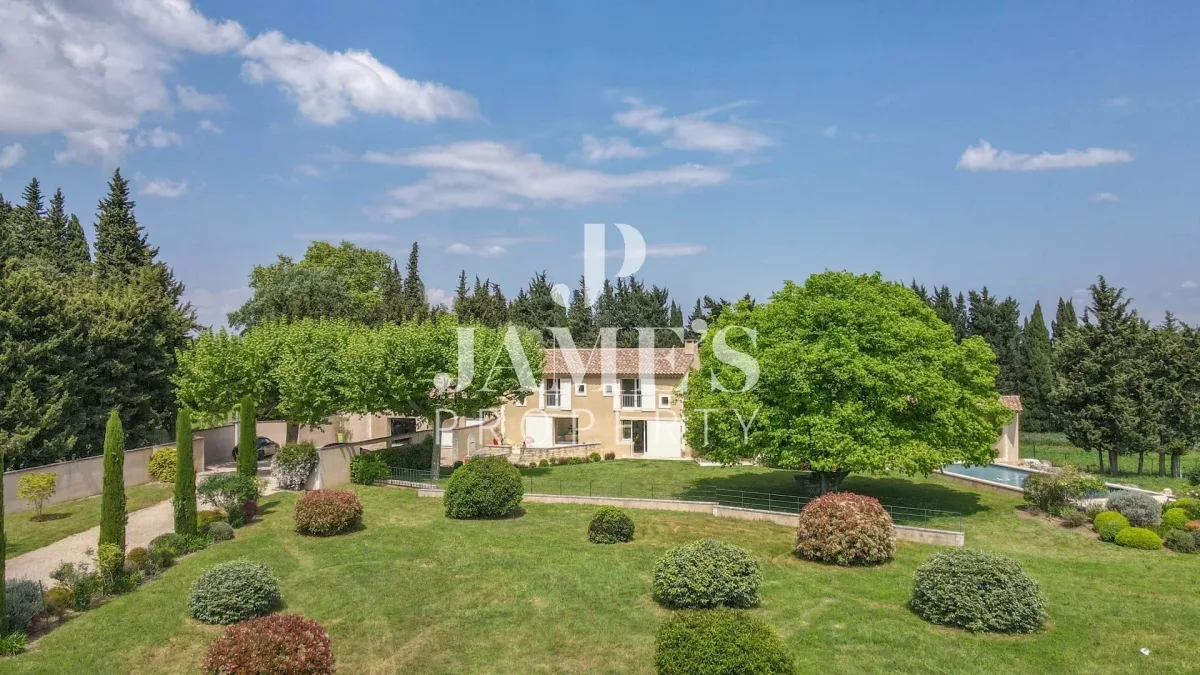
Prestigious 18th-Century Estate in Saint-Rémy-de-Provence
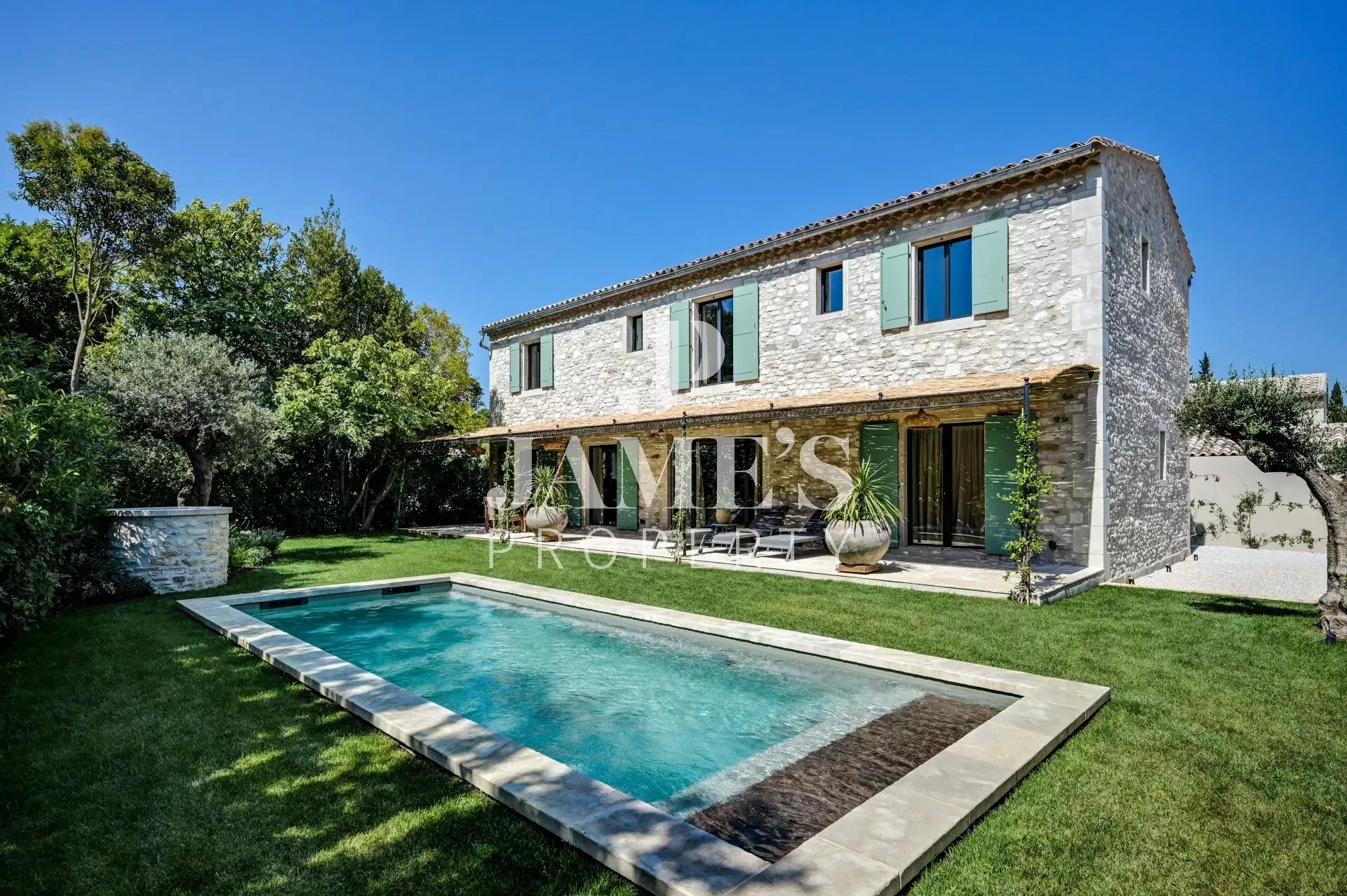
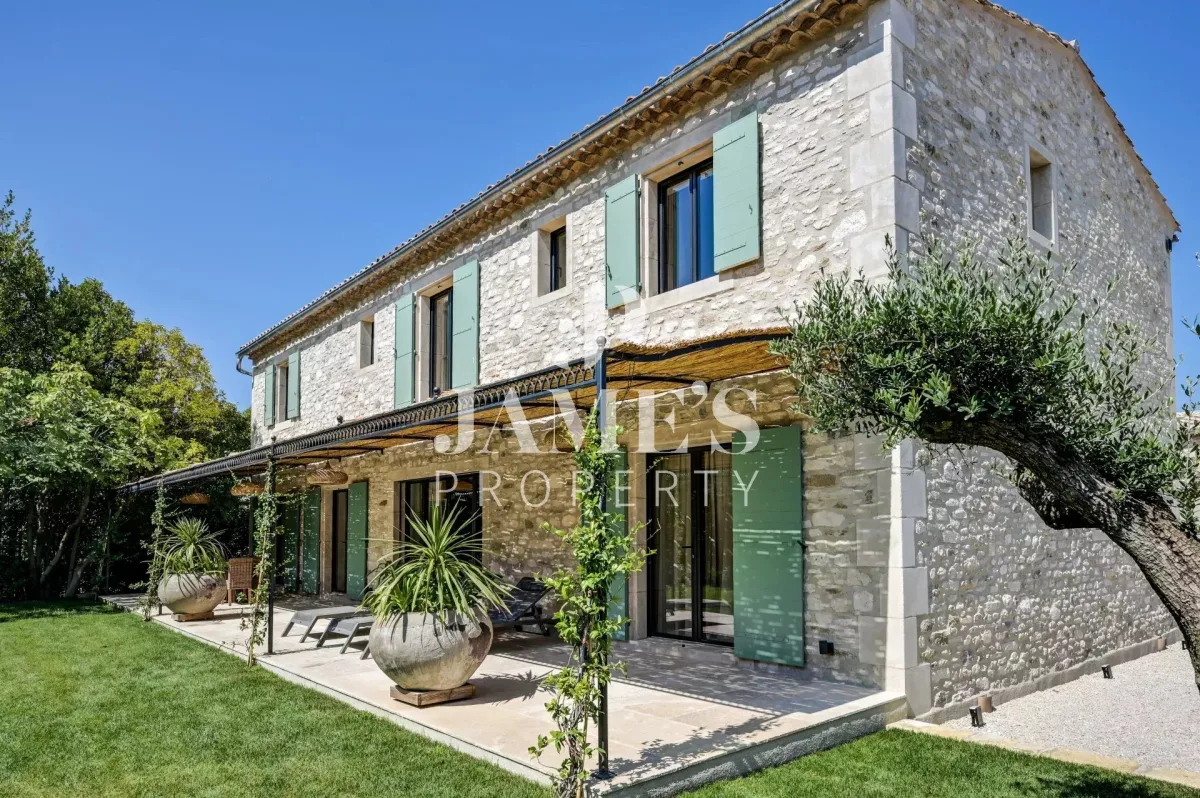
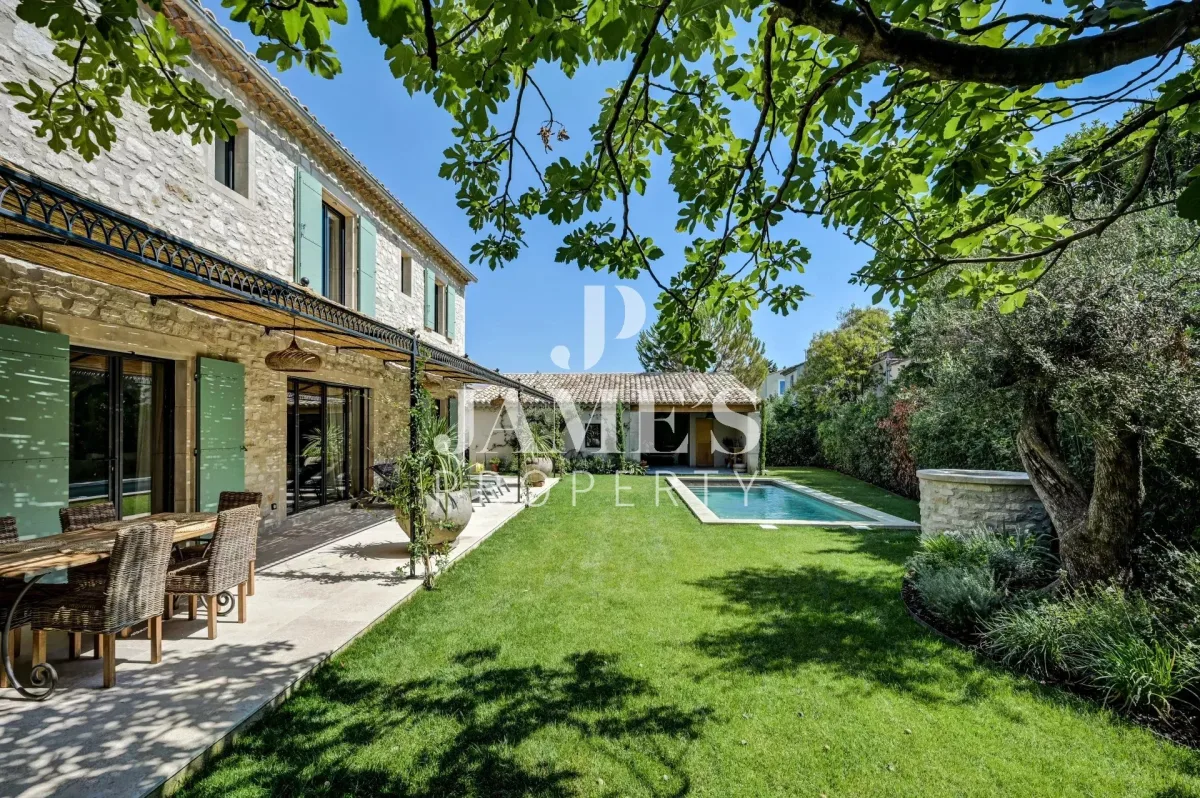
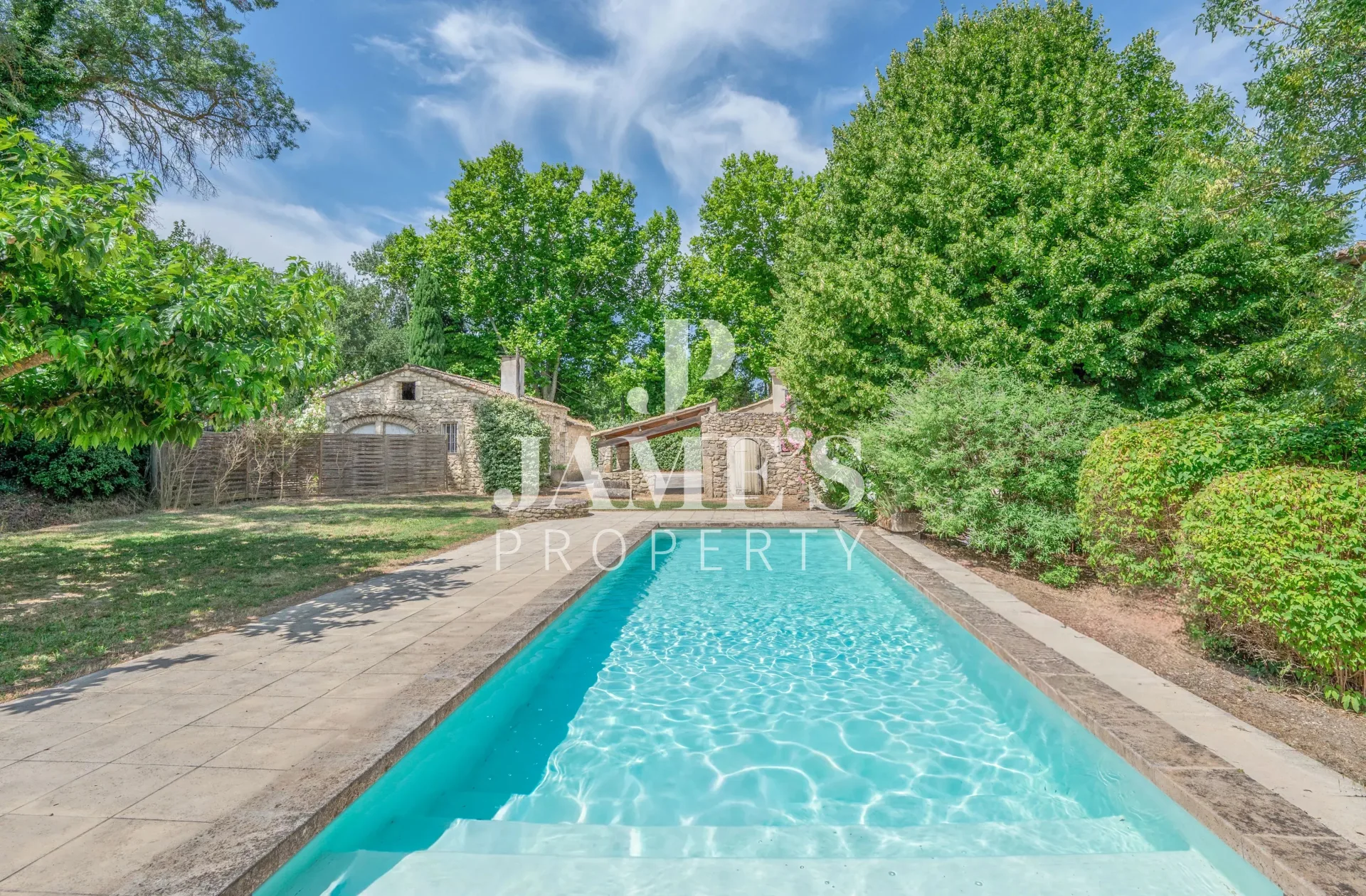
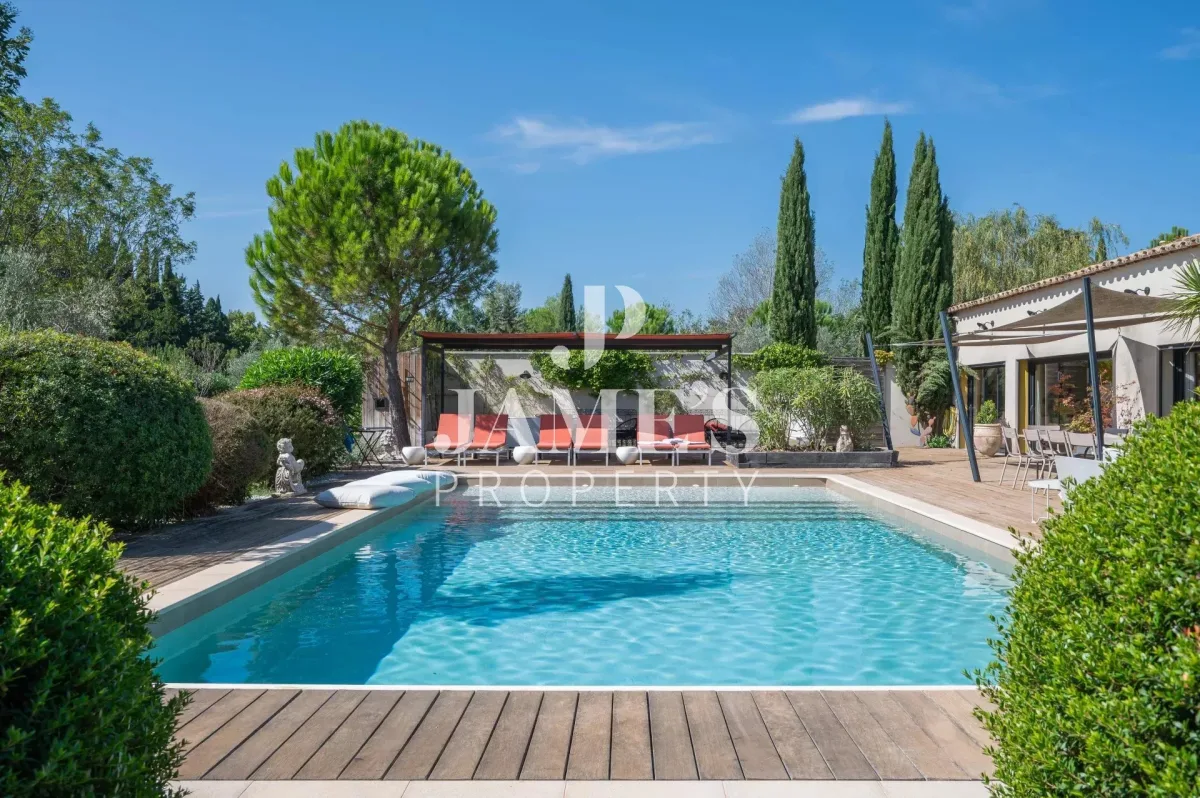
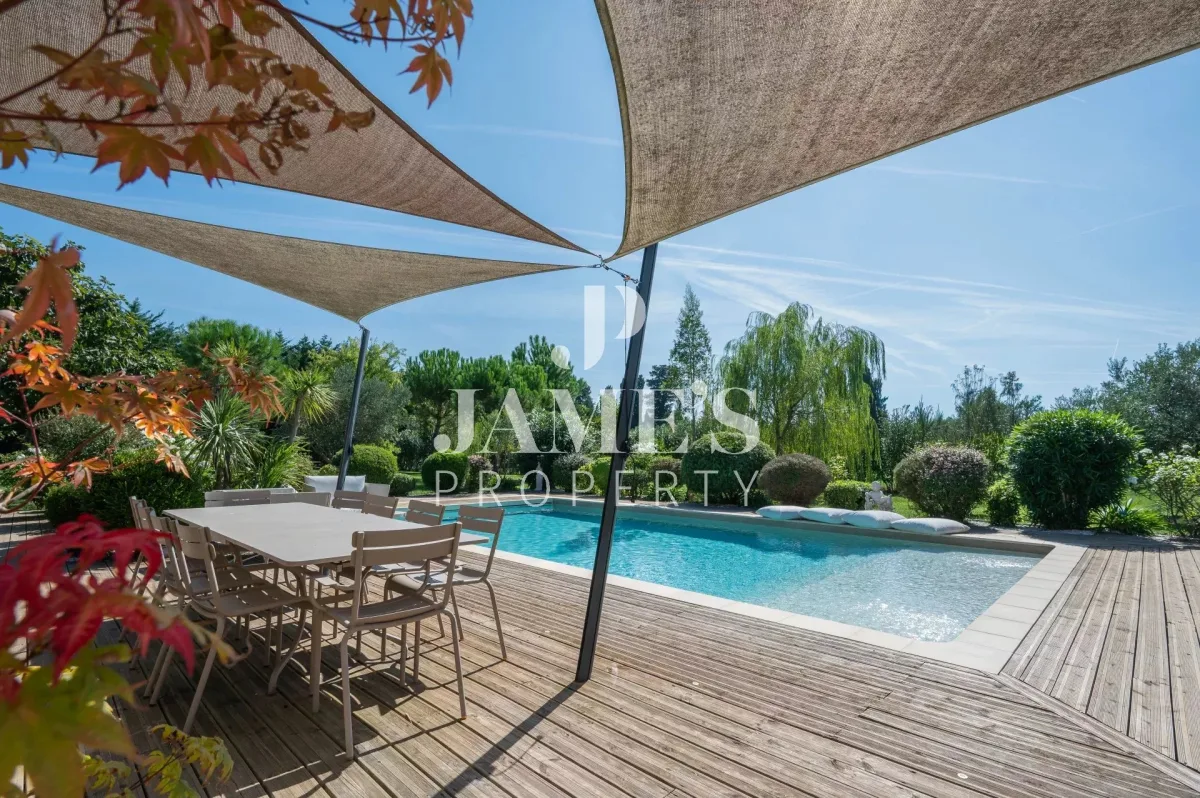
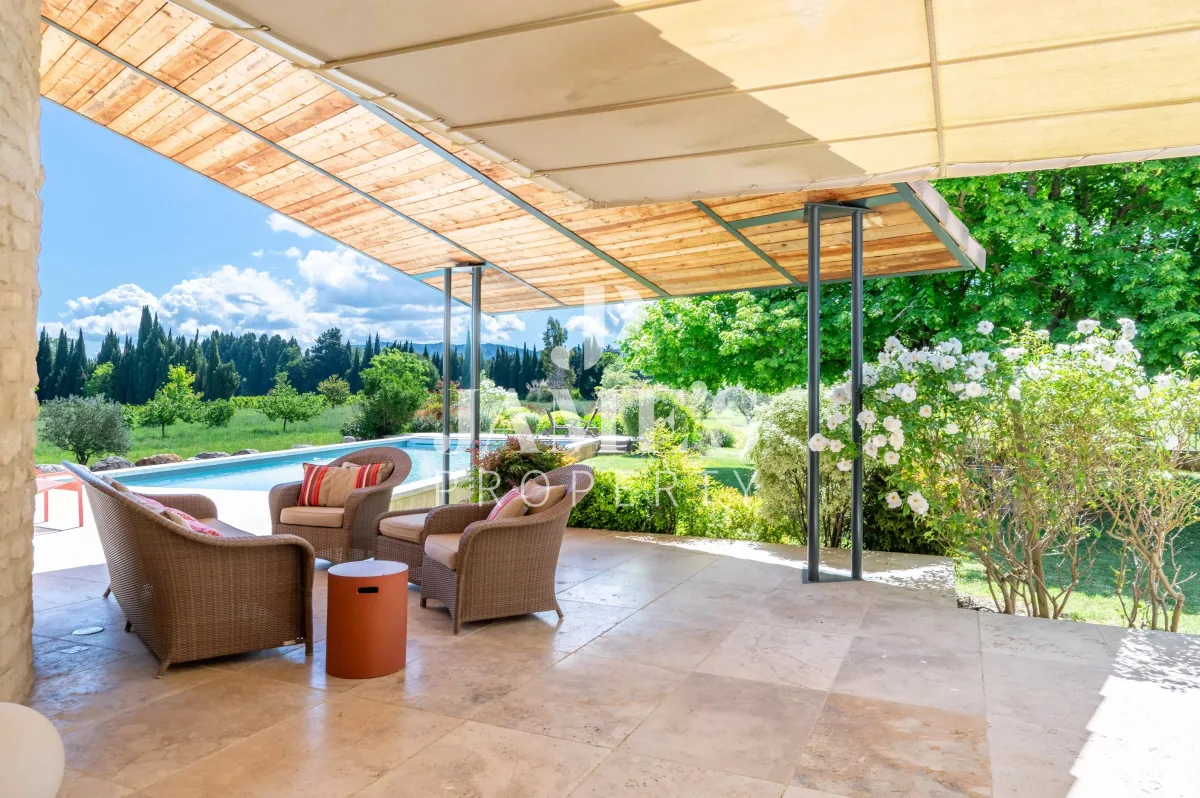
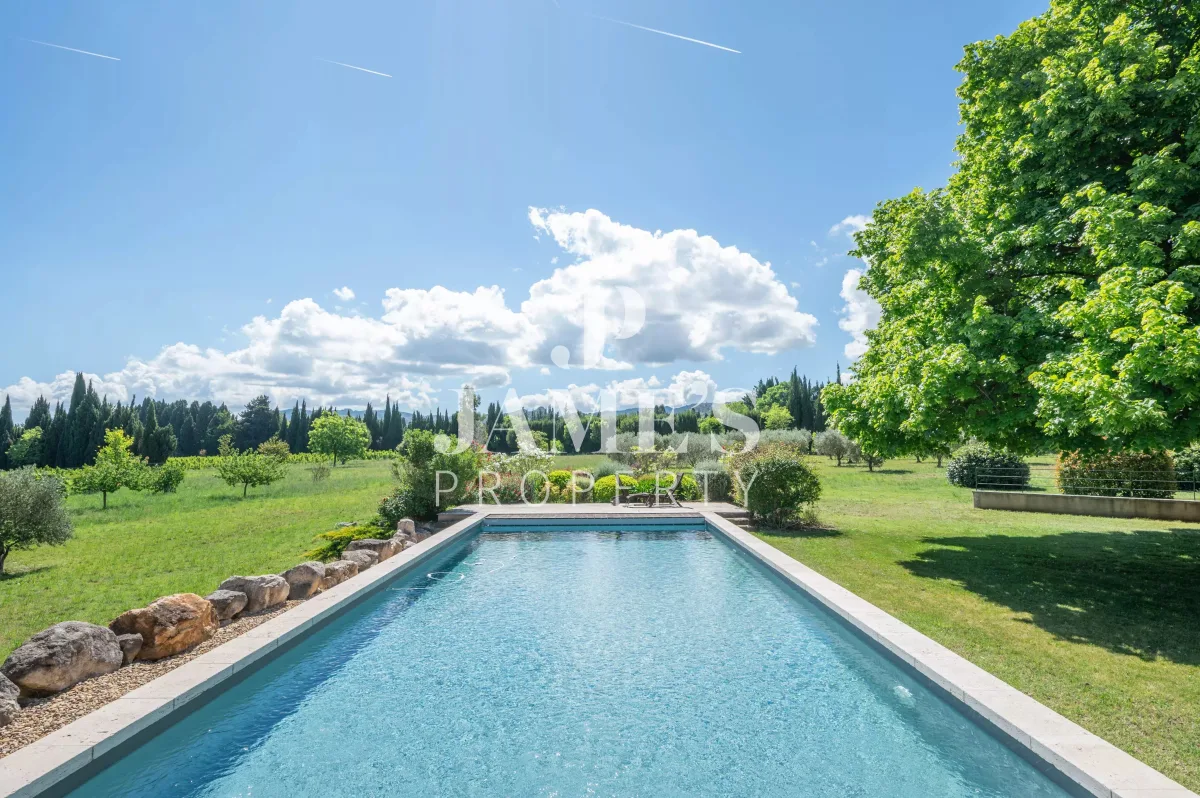
Prestigious Villa with Heated Pool in Saint-Rémy-de-Provence
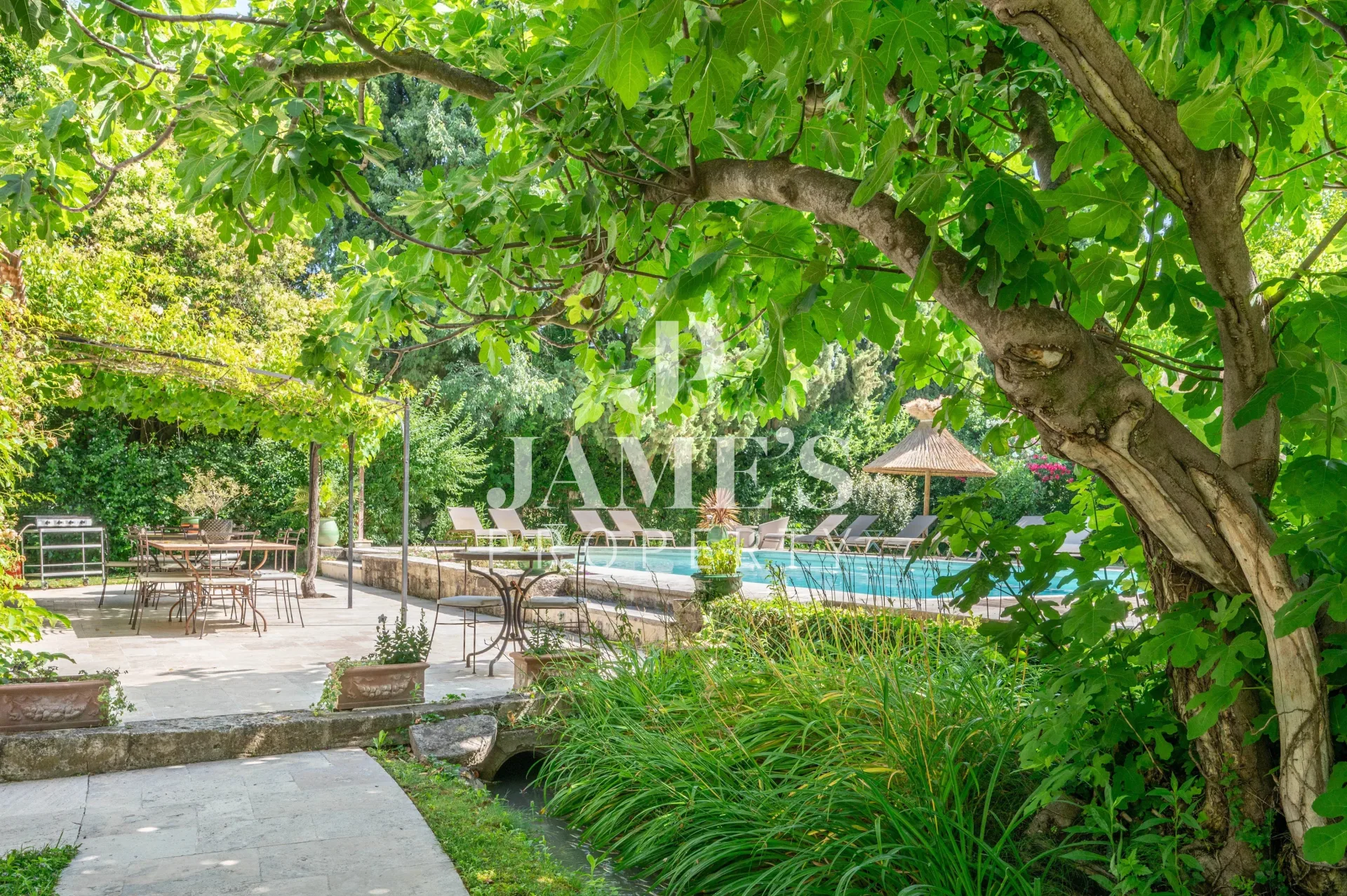
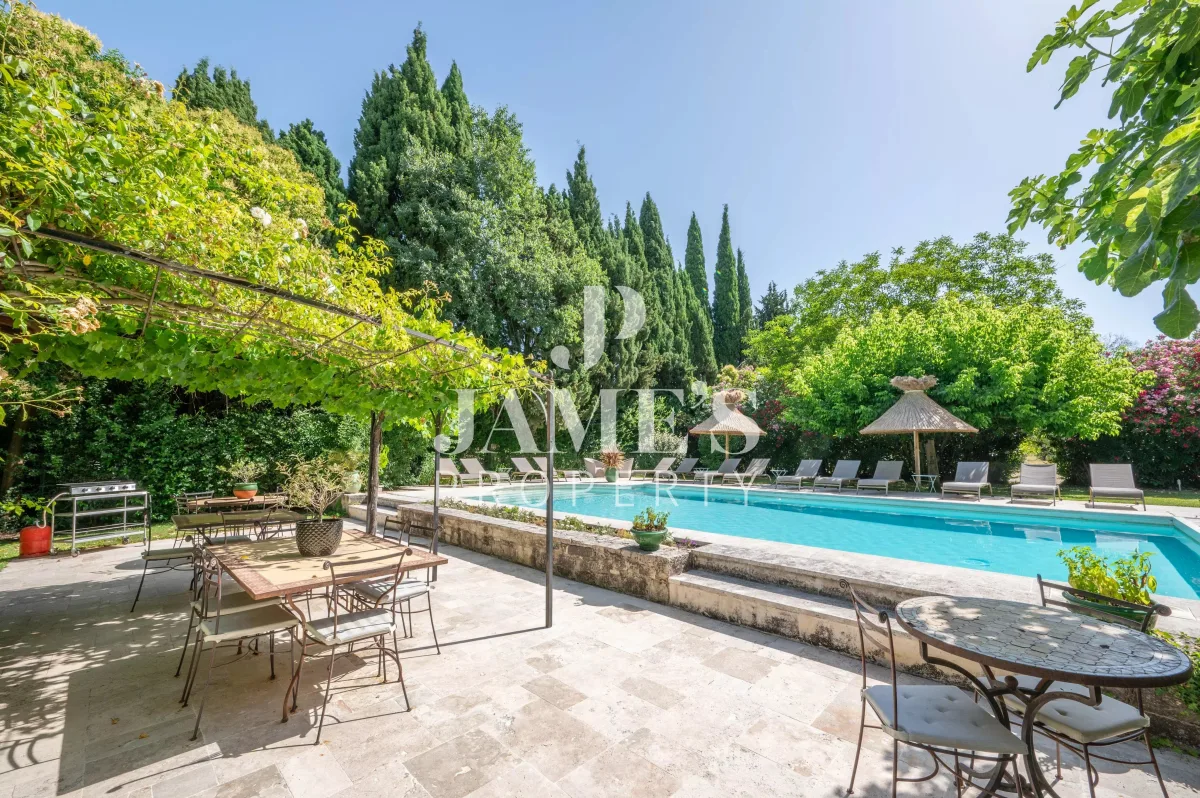
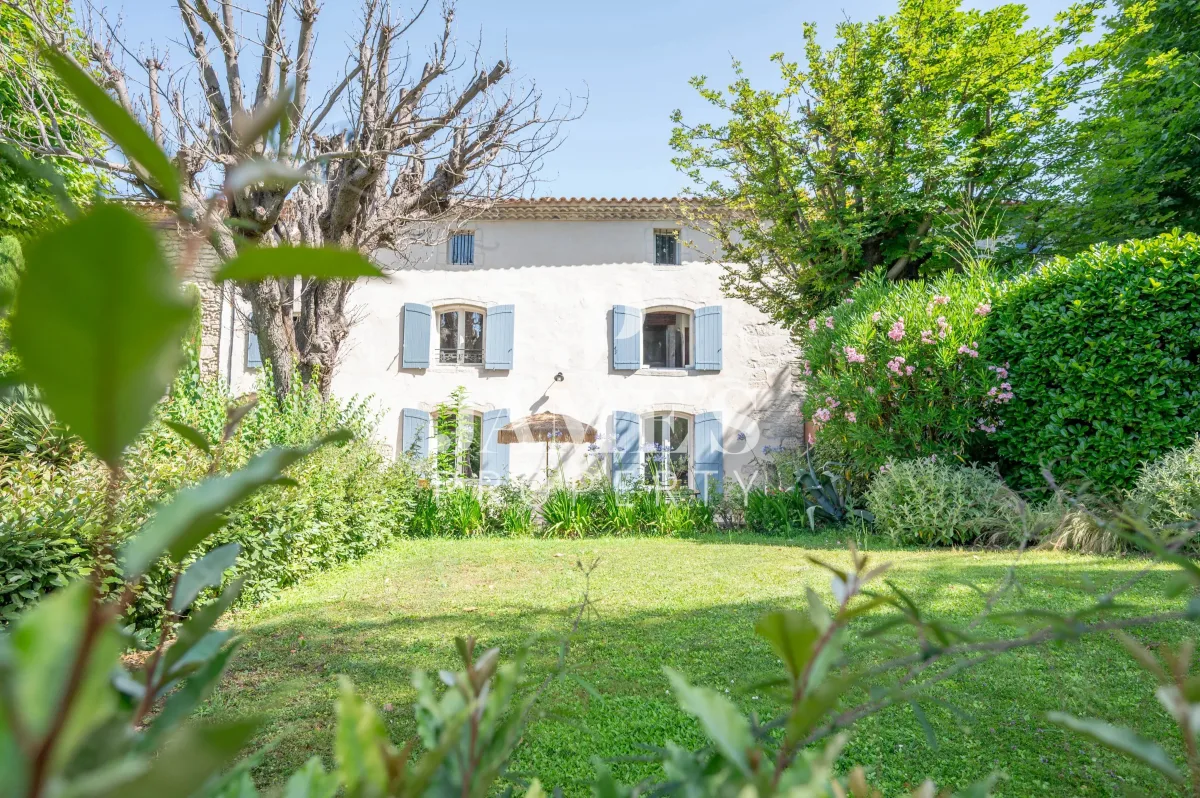
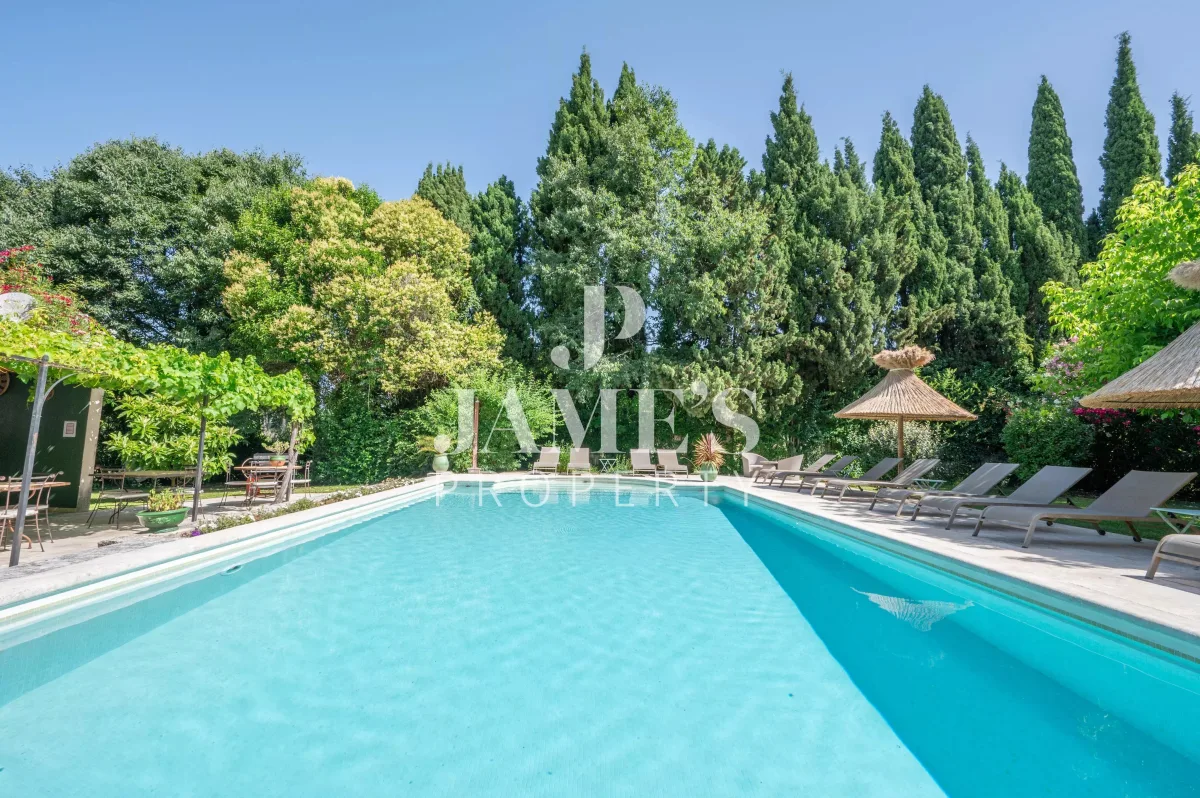
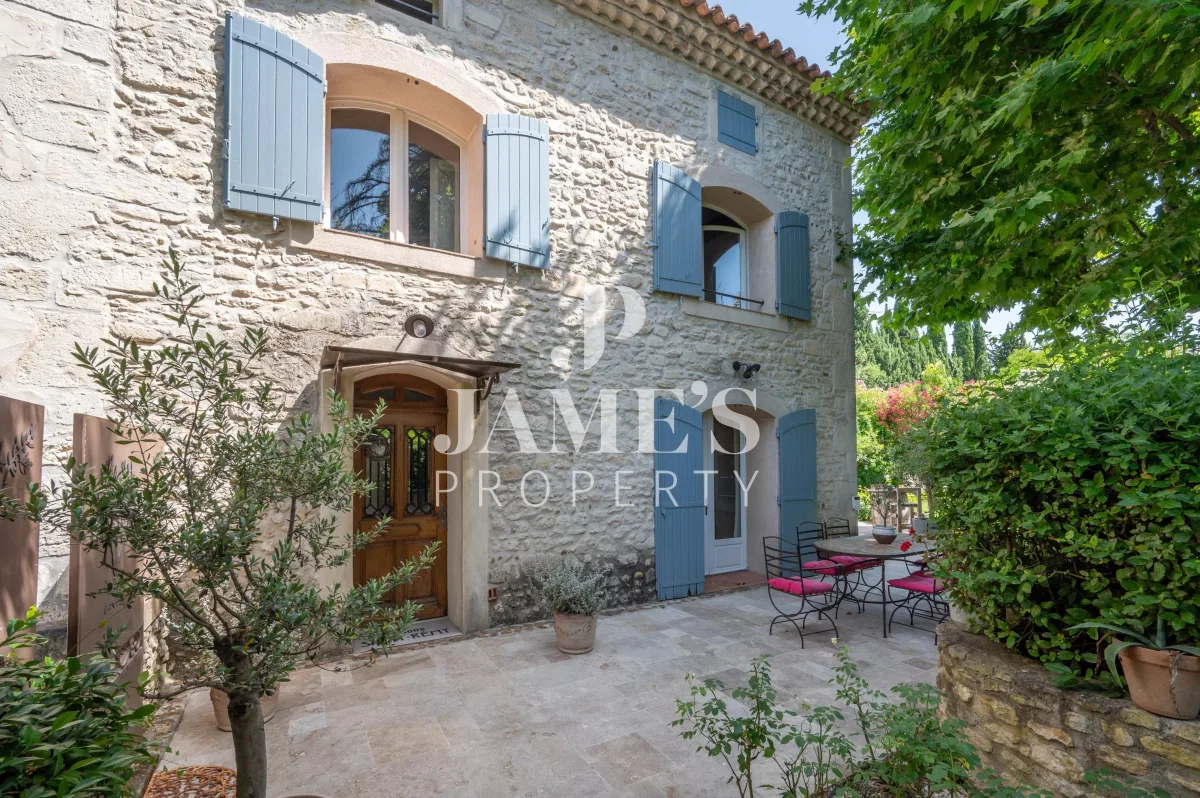
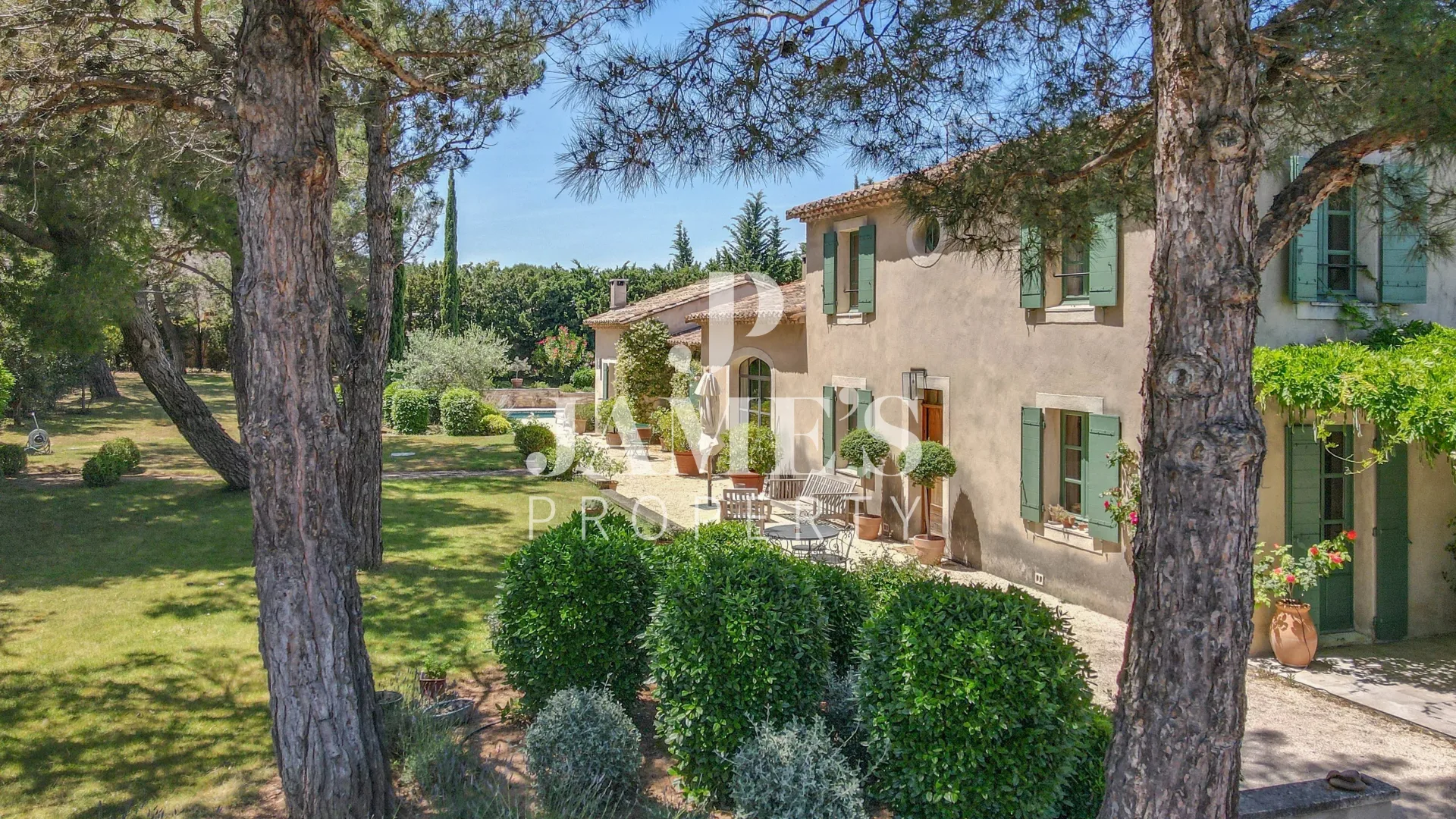
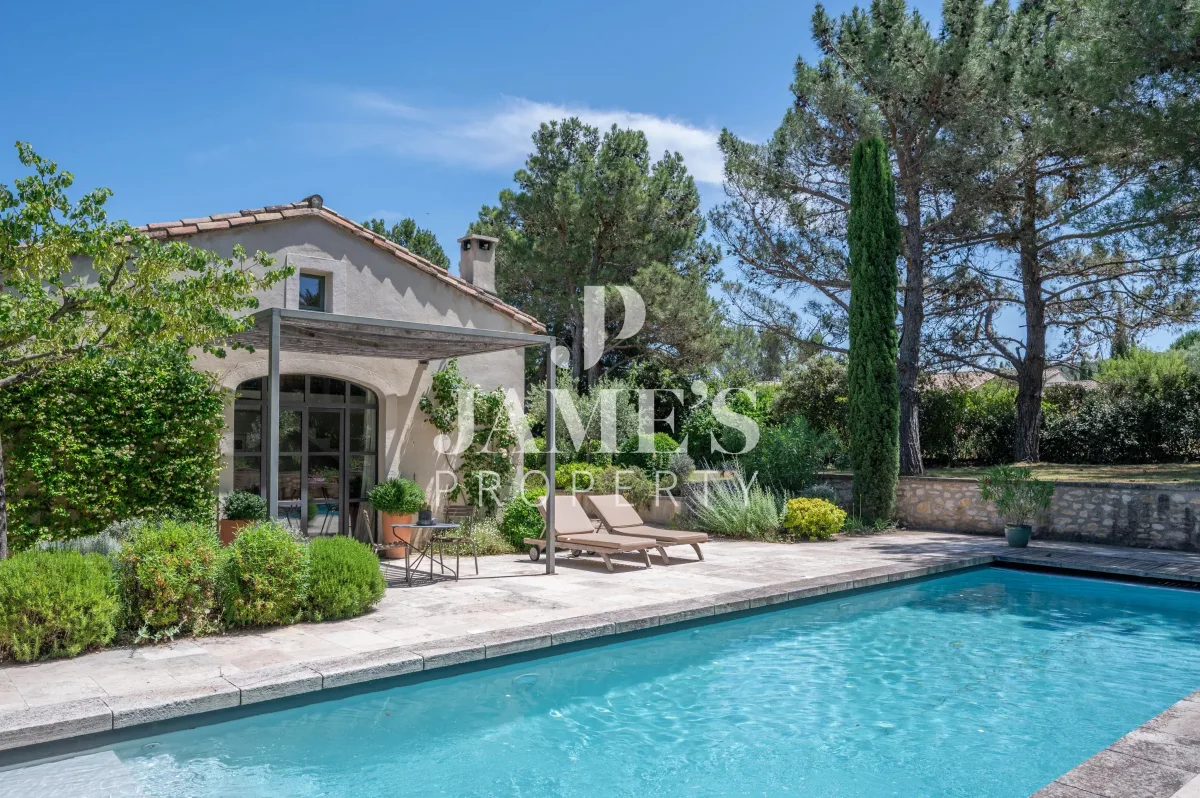
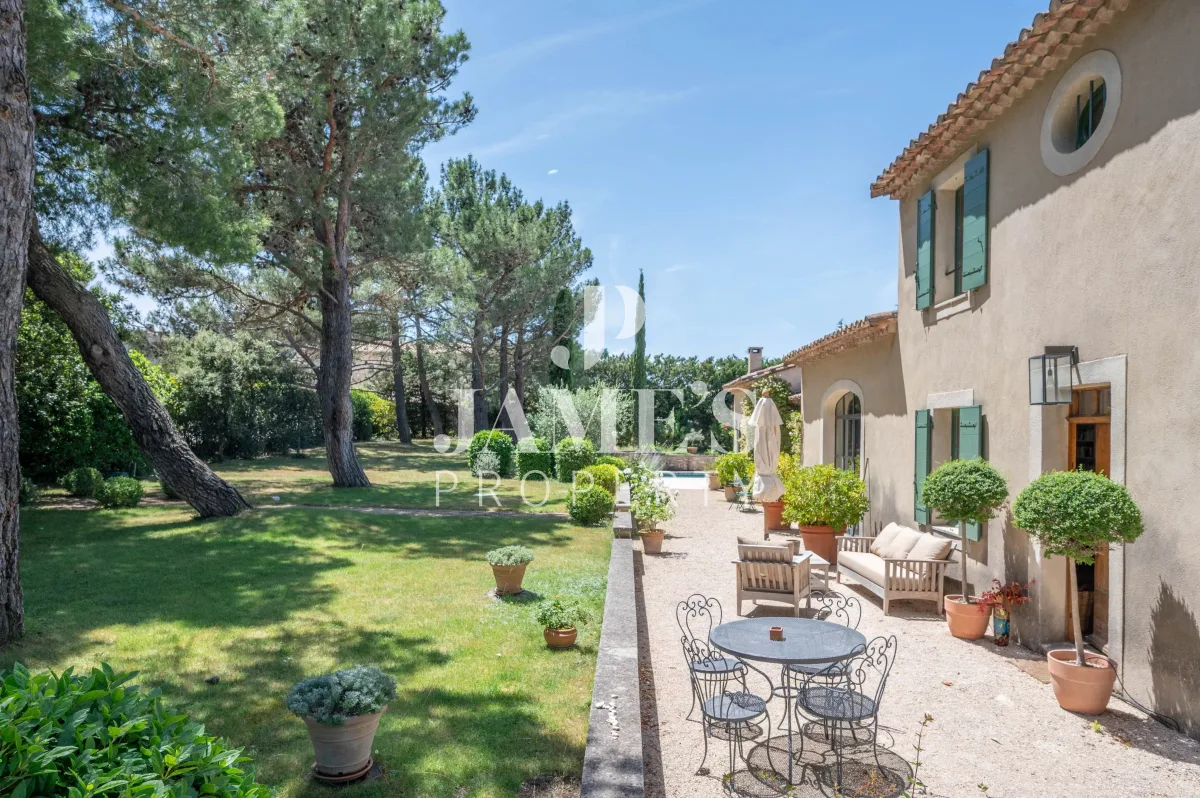
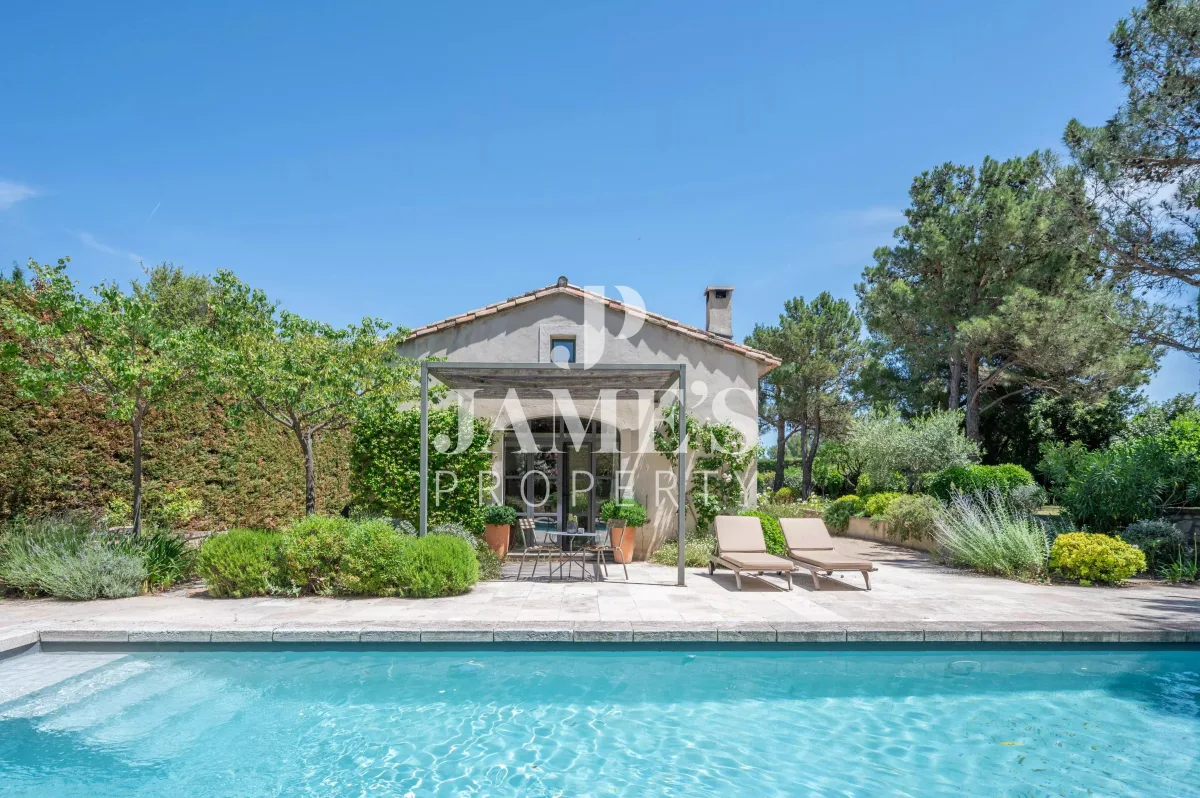
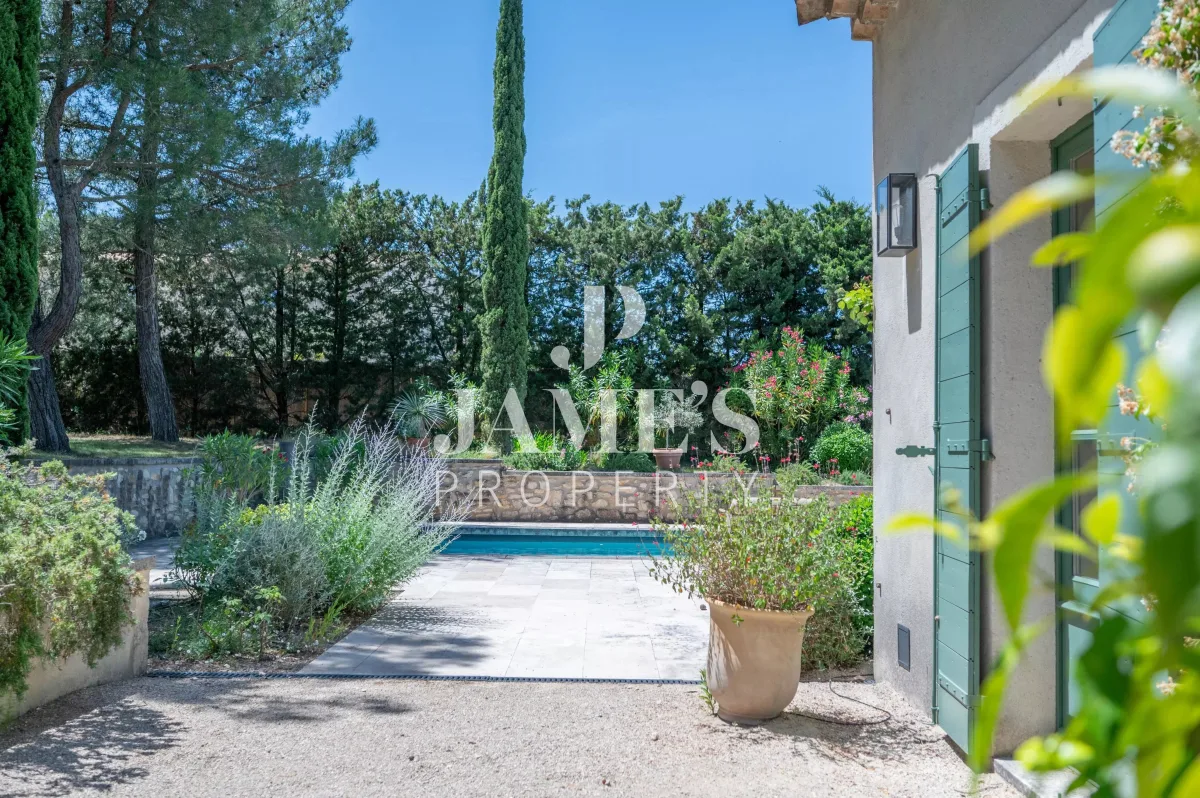
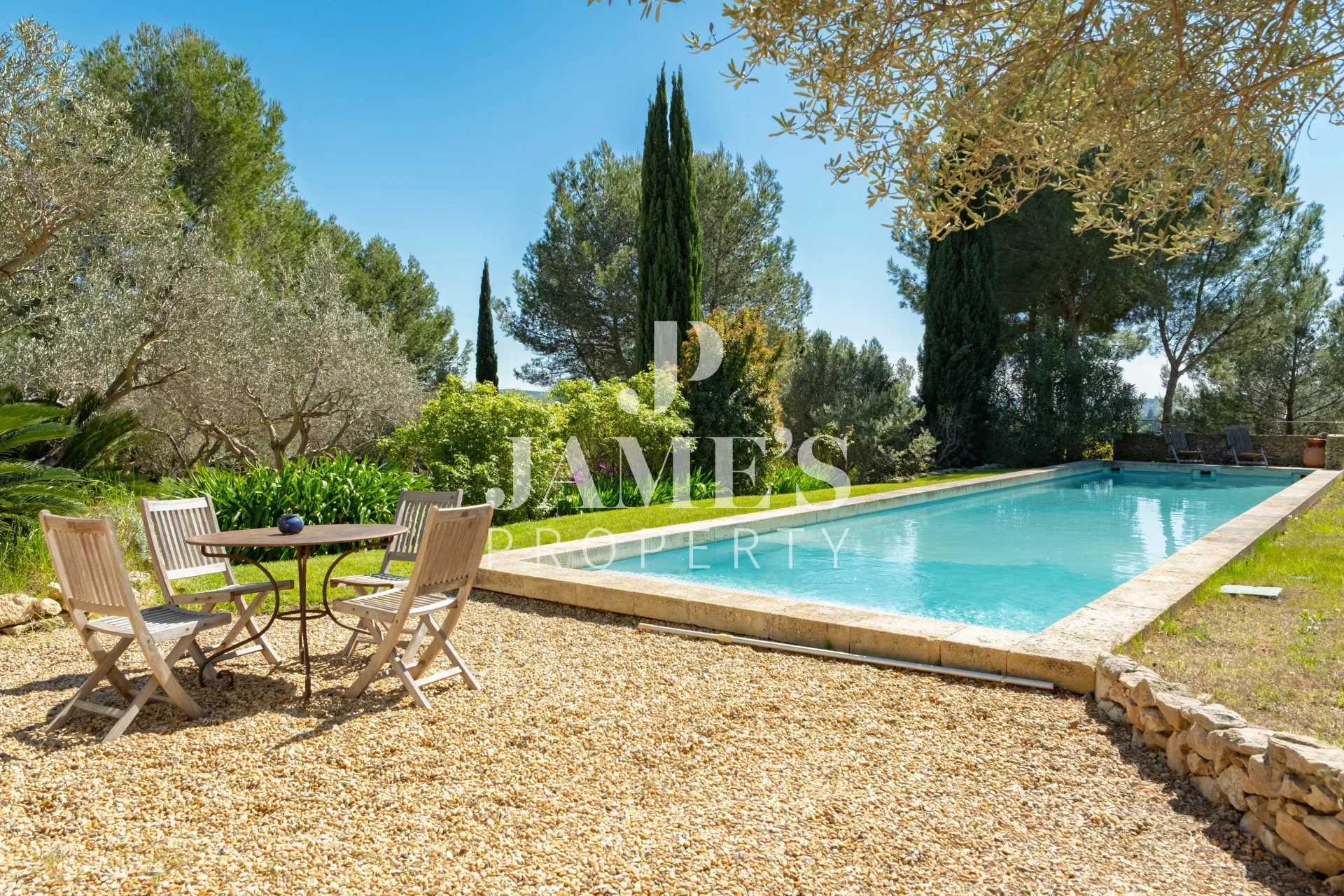
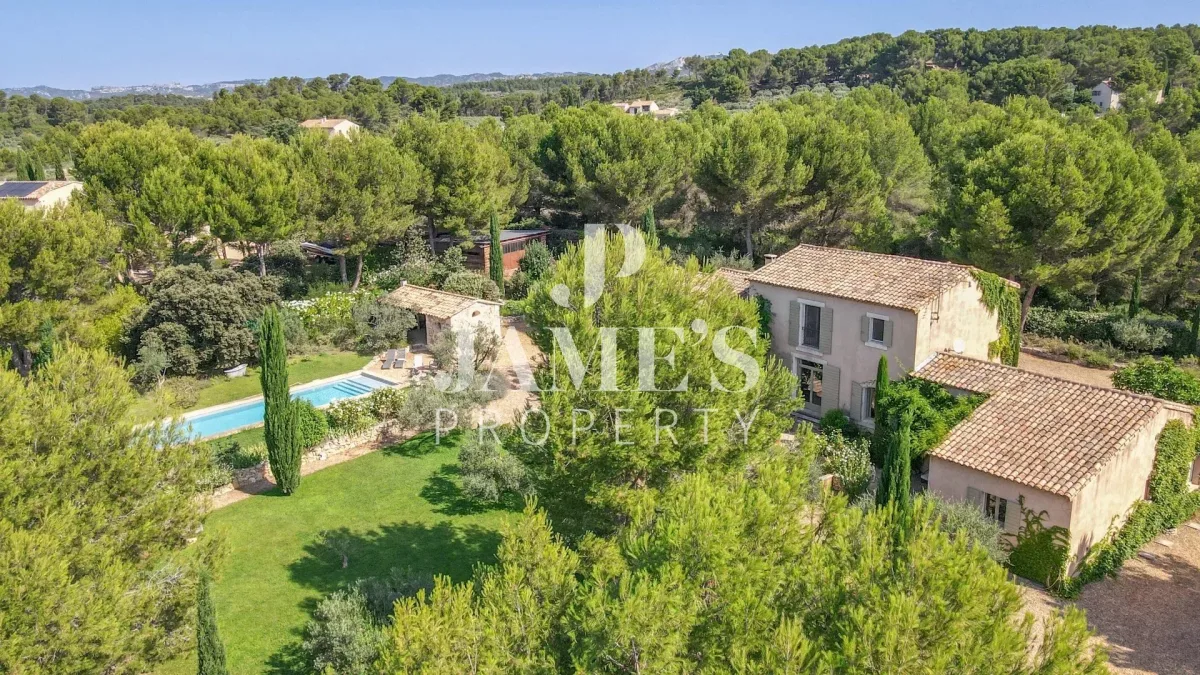
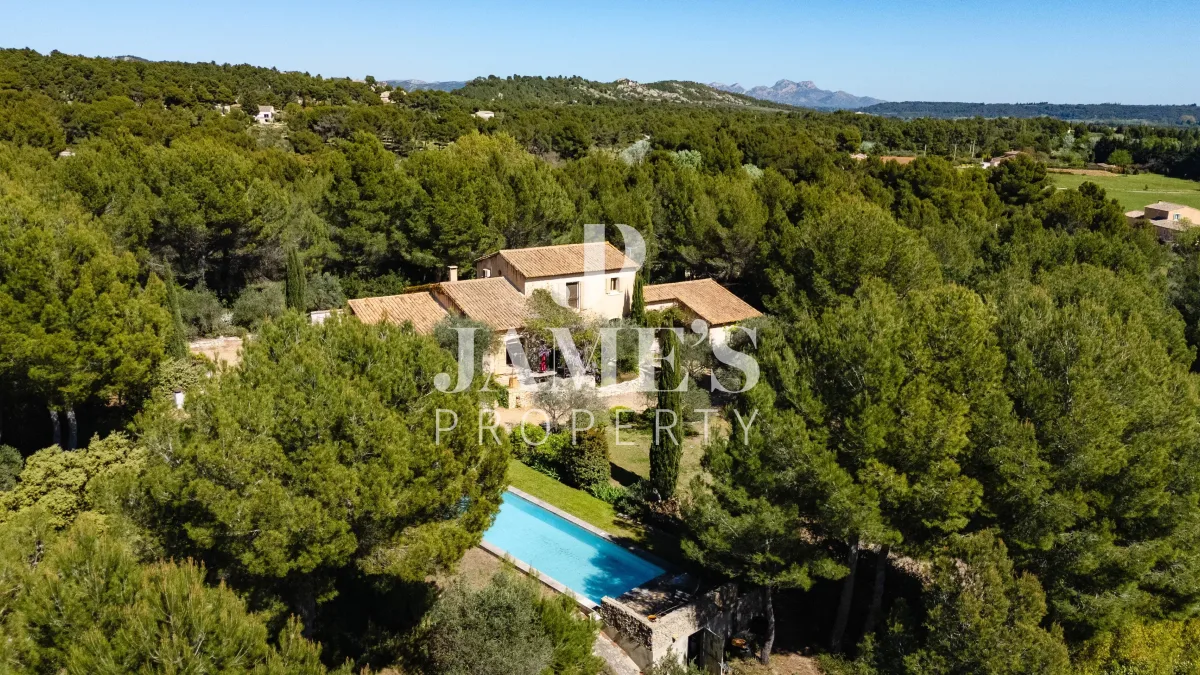
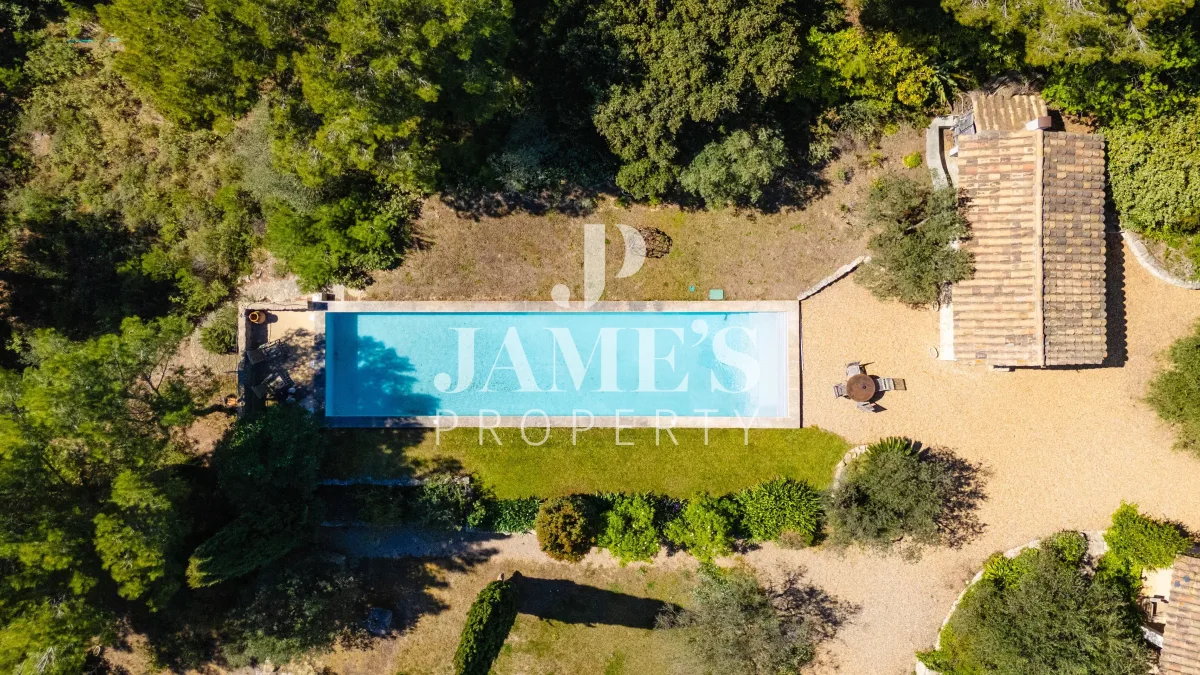
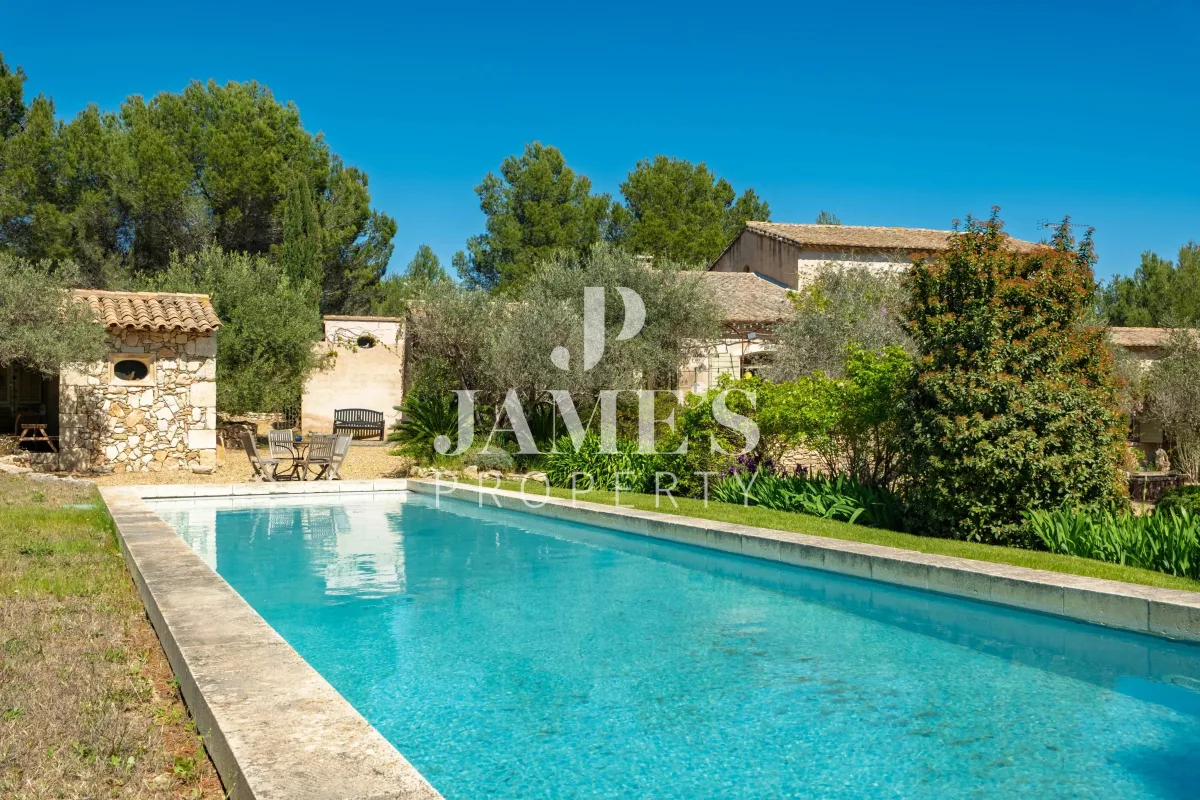
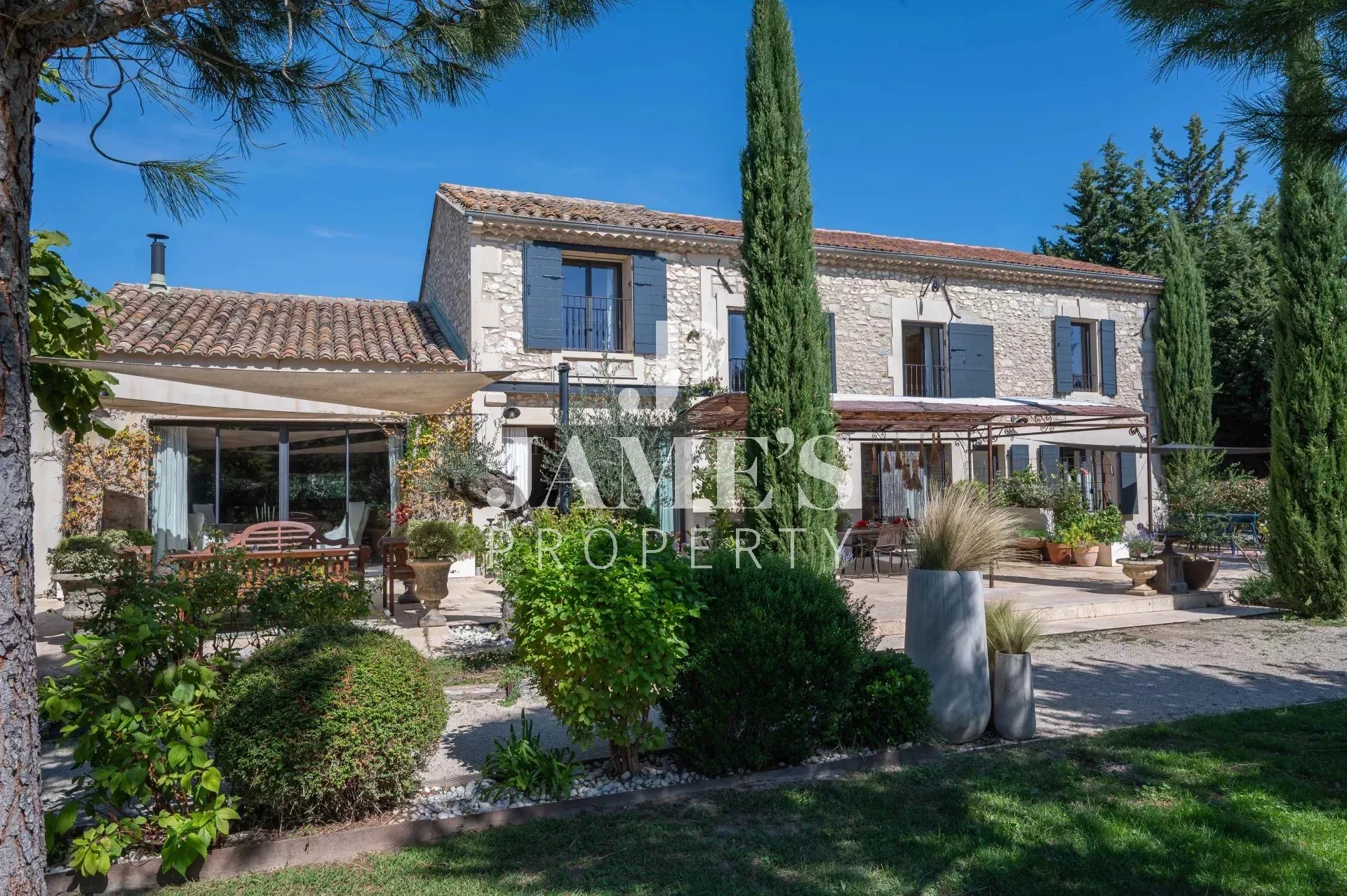
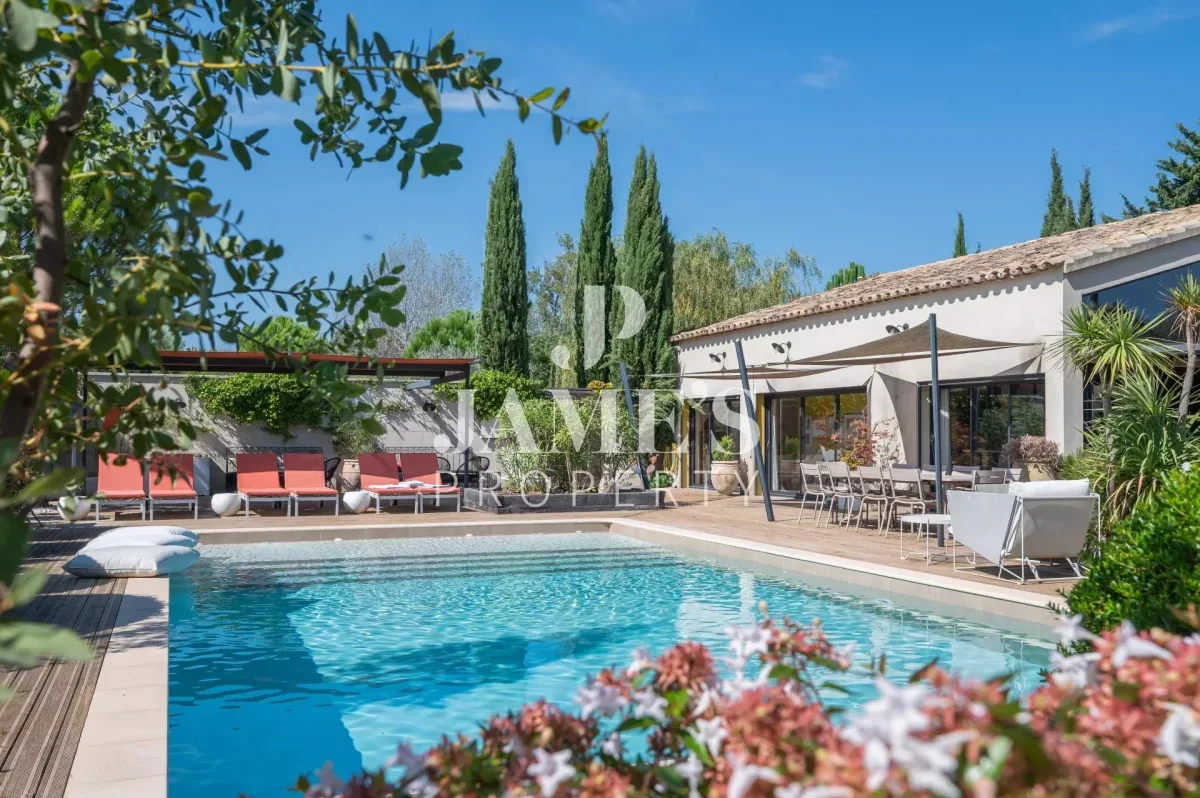
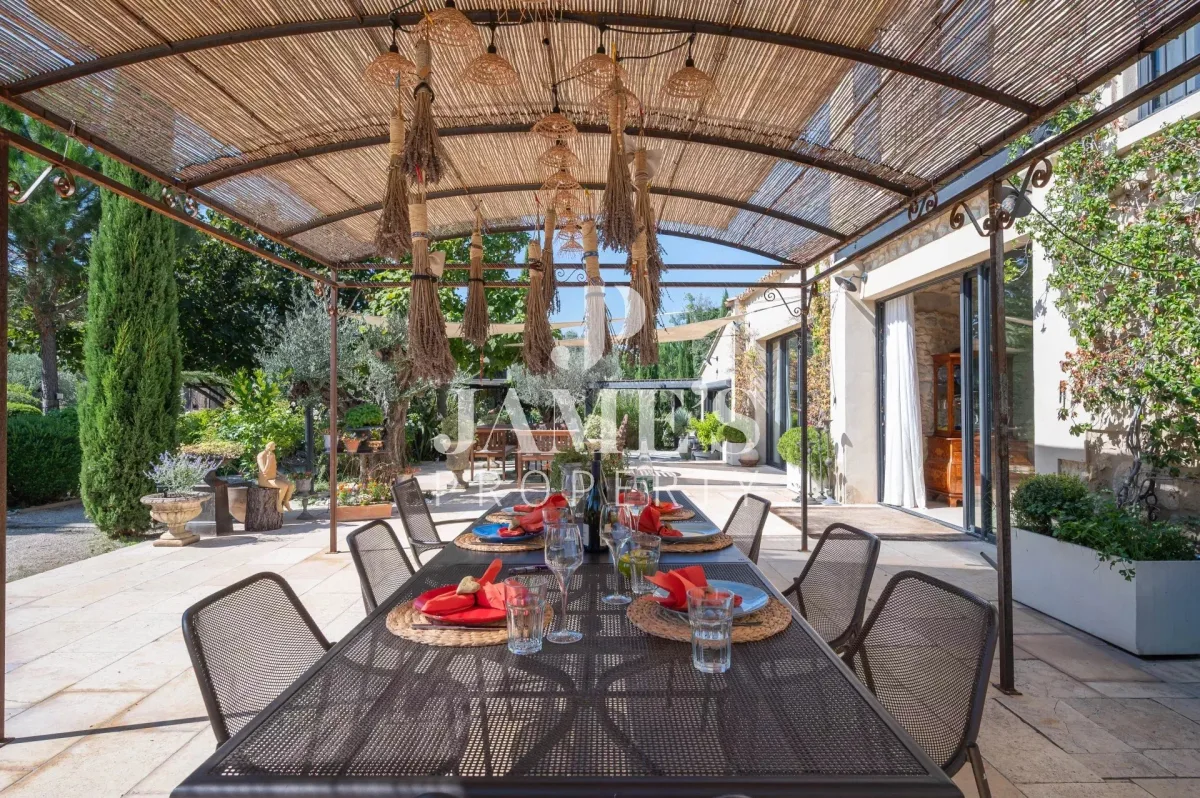
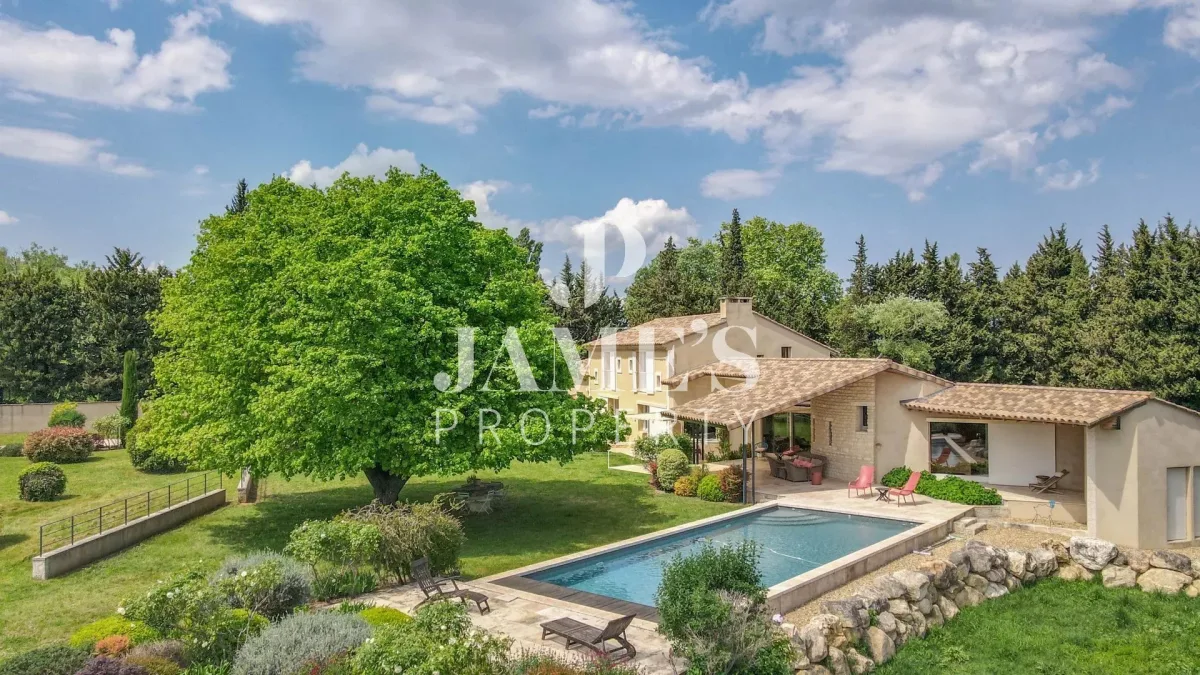
Prestigious Estate with Olive Grove Near Saint-Rémy-de-Provence
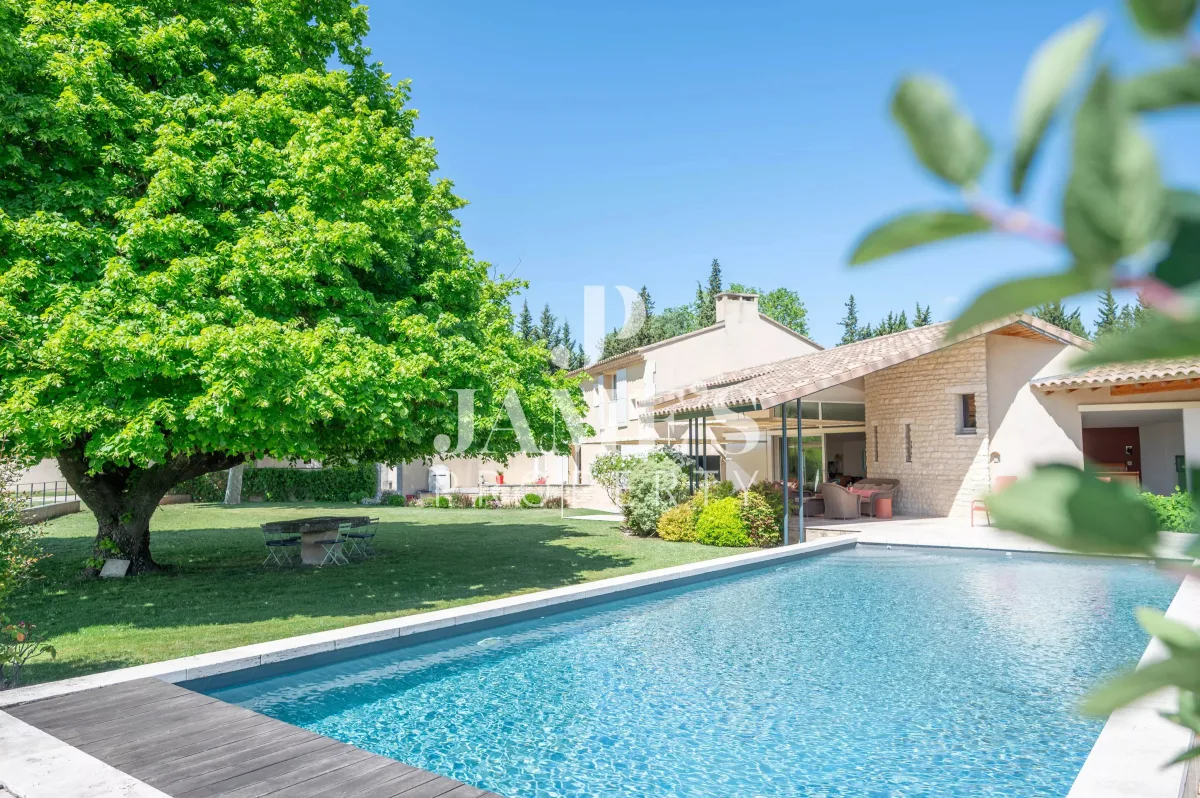
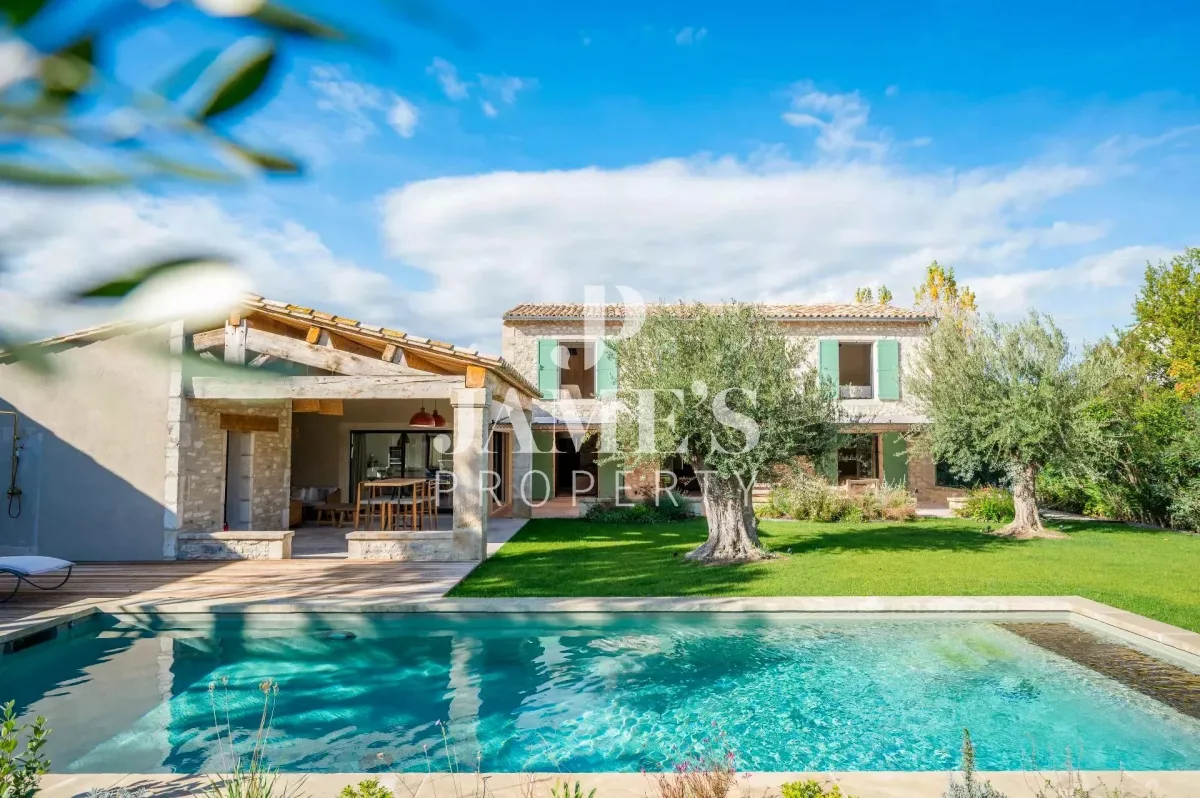
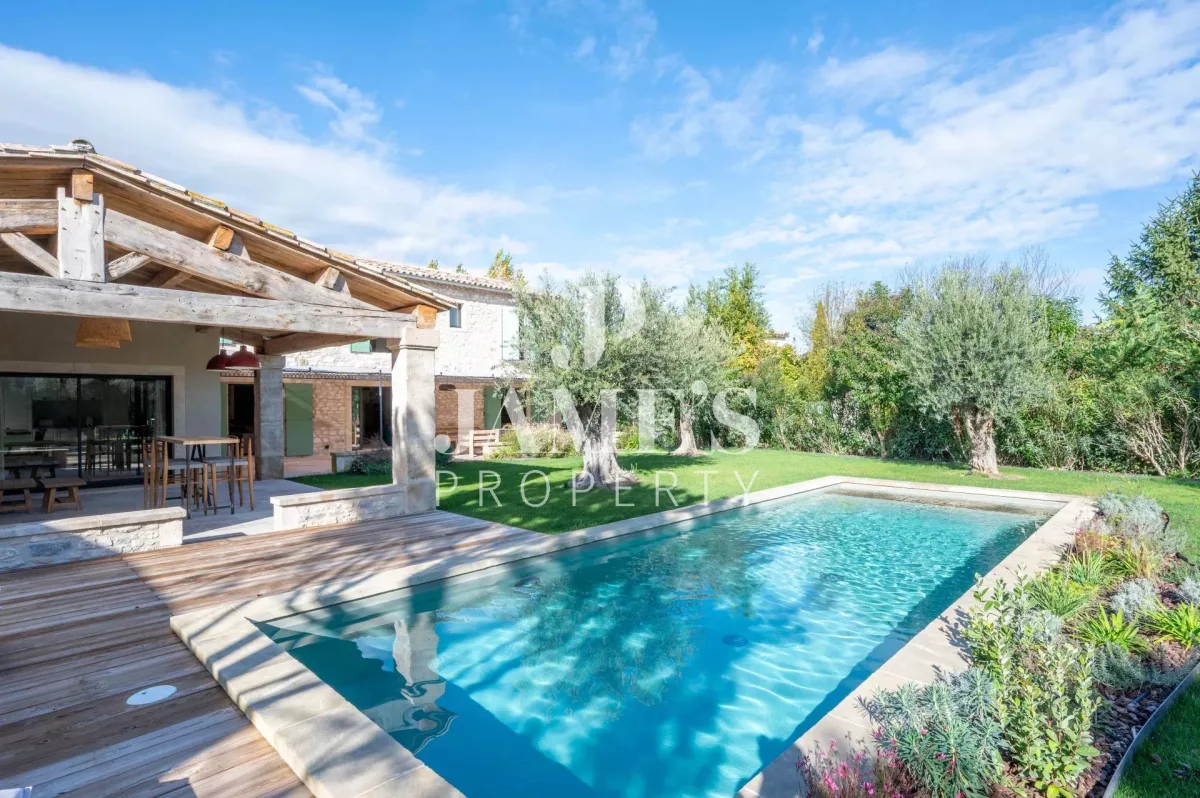
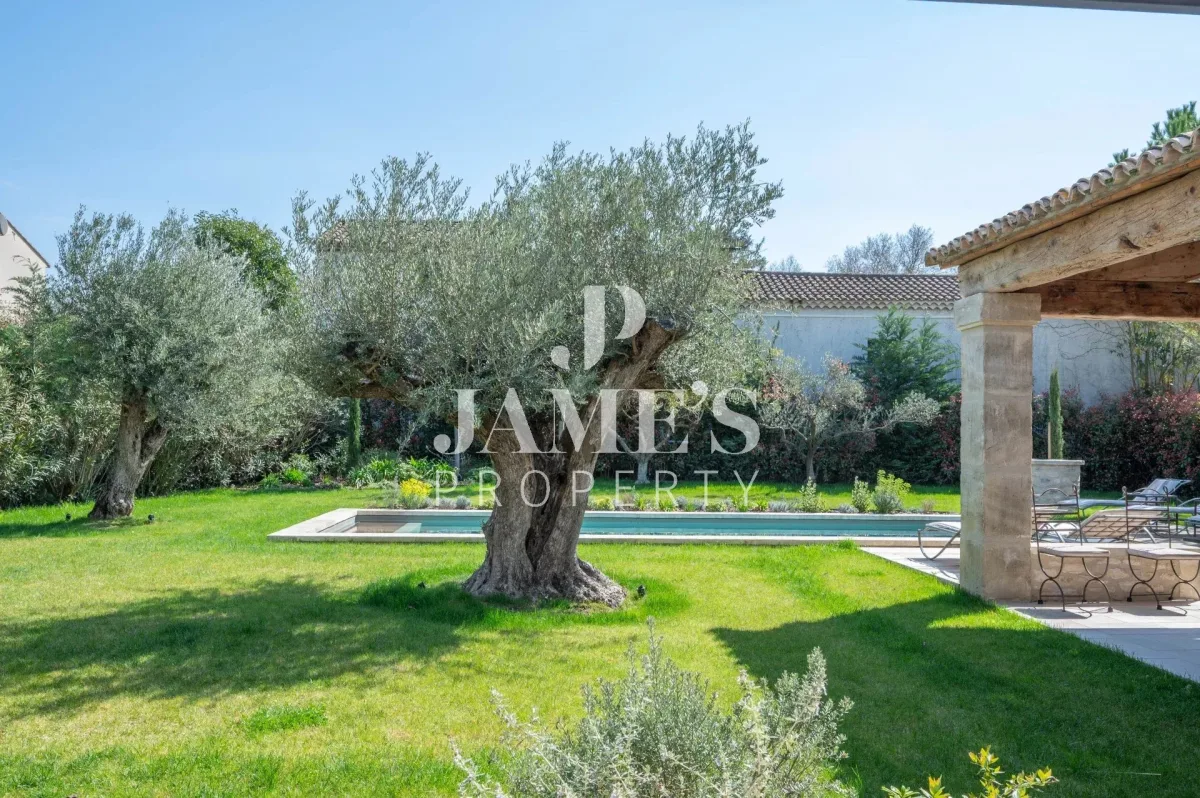
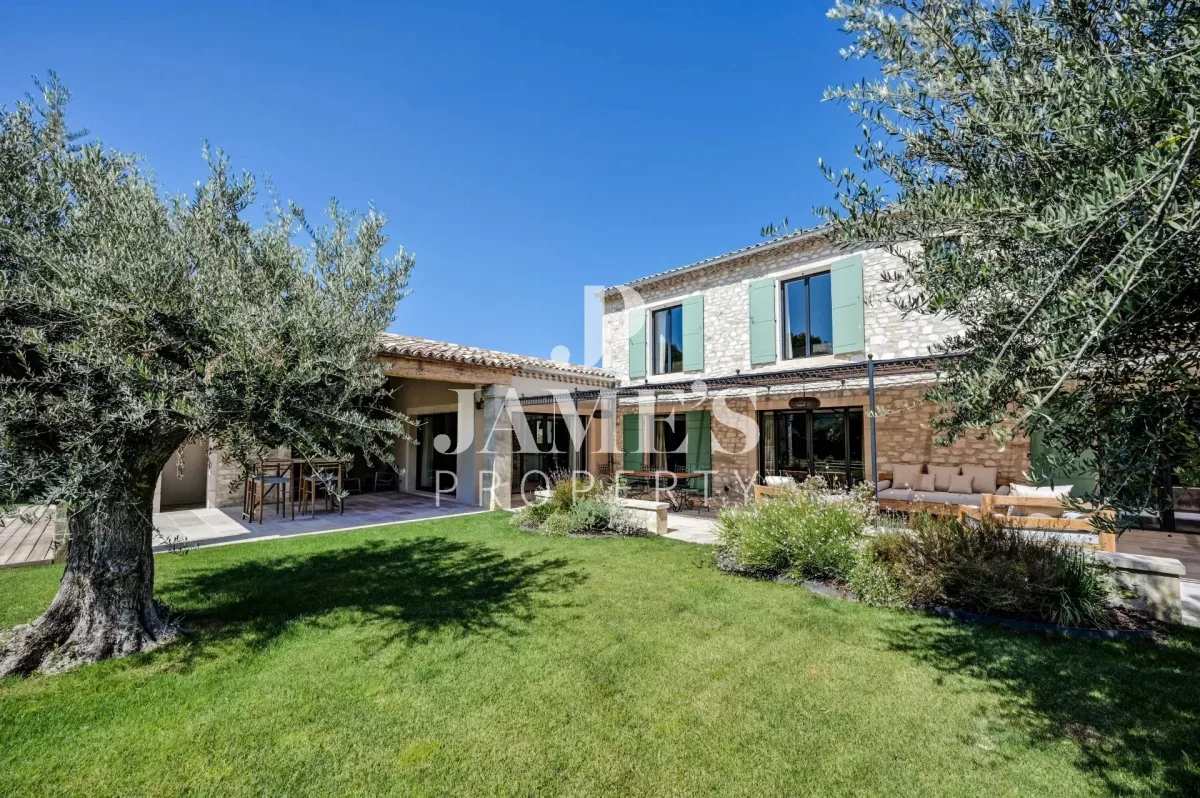
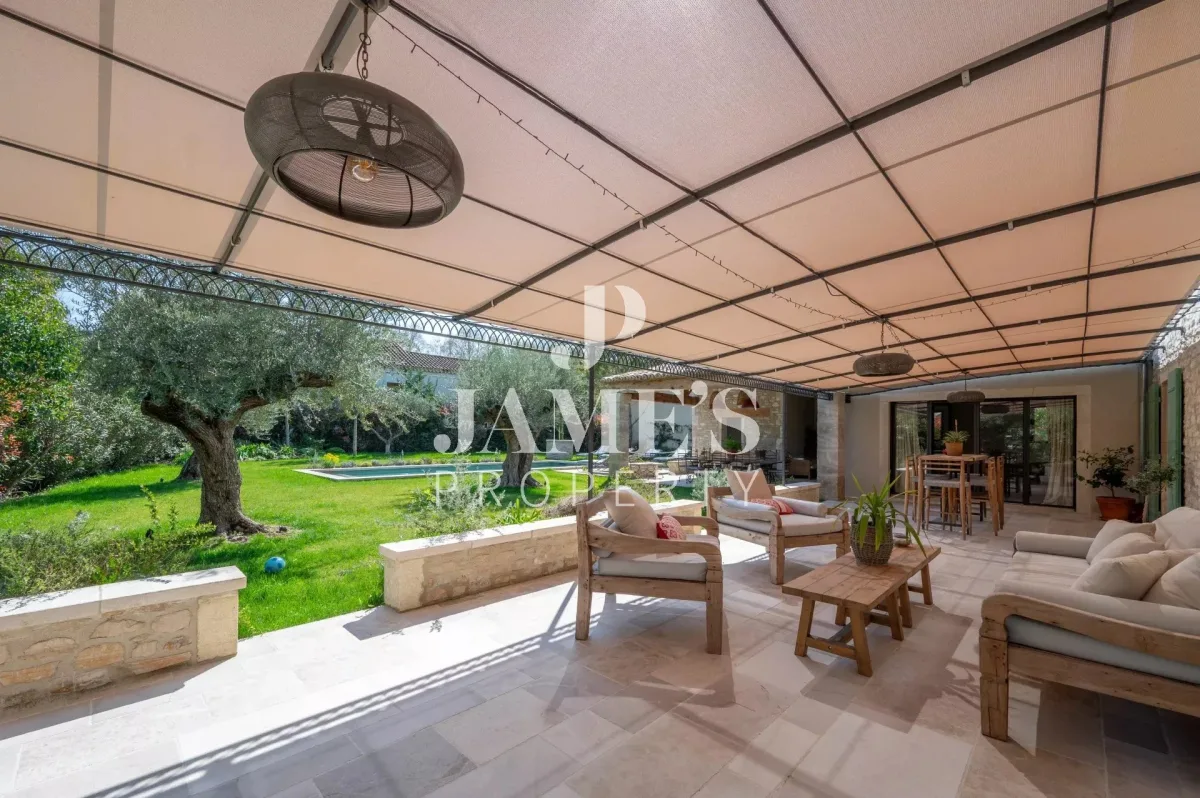
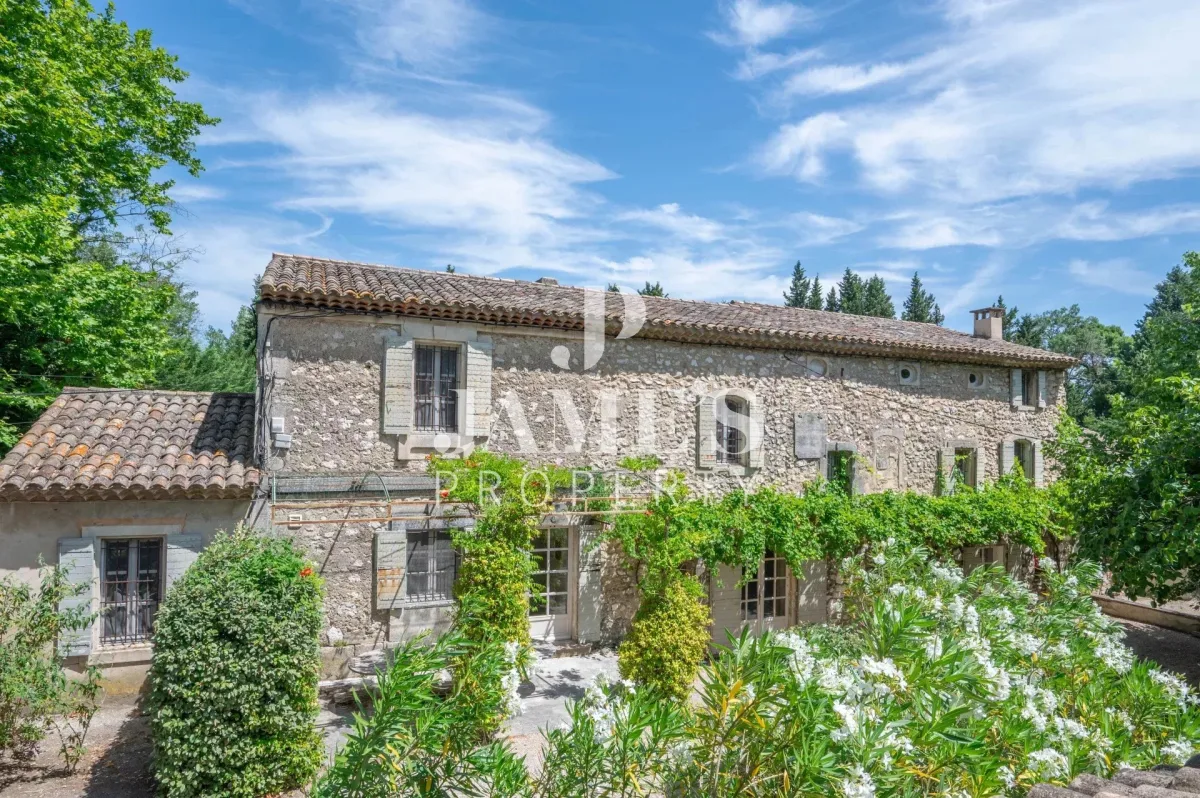
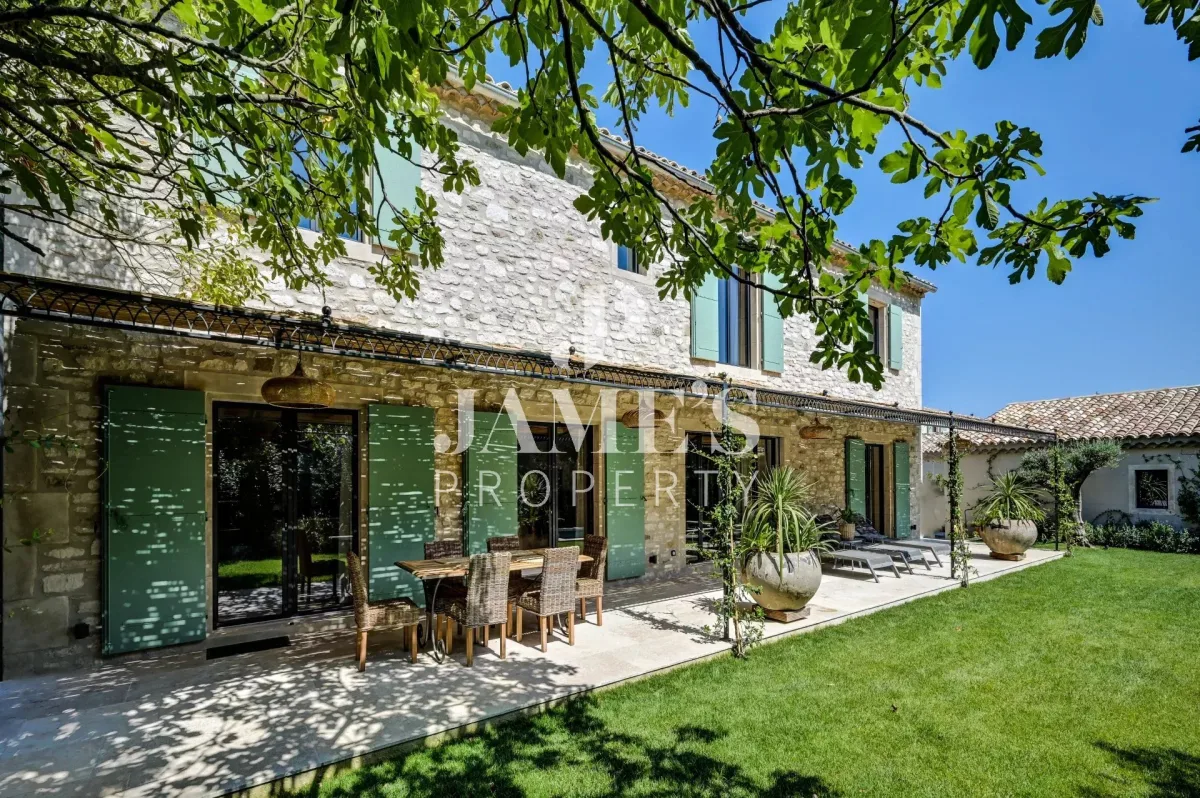
New stone house with swimming pool in Saint Rémy de Provence
Top searches
Provence : Luxury Real Estate and the Art of French Living
Few regions of France possess an identity as instantly recognisable as Provence. Its distinctive light, stone villages, olive groves, vineyards and Mediterranean landscapes have made it an enduring reference for the French art of living.
Yet Provence is much more than a holiday destination. From the Mediterranean coast to the Luberon, from the Alpilles to the Rhône Valley, it offers an extraordinary variety of lifestyles and some of the most distinctive luxury real estate in southern France.
A luxury property in Provence may be a historic bastide surrounded by olive trees, a traditional stone mas in the Alpilles, a contemporary villa overlooking the Mediterranean, an elegant residence in Aix-en-Provence or a private vineyard estate surrounded by countryside.
For international buyers searching for luxury homes in France, Provence offers something particularly compelling: the opportunity to acquire not simply a property, but a setting, a lifestyle and a genuine connection to one of the world's most recognisable regions.
Landscapes that define the Provençal lifestyle
Provence is not defined by a single landscape. It encompasses the Mediterranean coastline, limestone mountains, vineyards, olive groves, agricultural plains and the distinctive hills of the Luberon and Alpilles.
This geographical diversity is central to the appeal of Provence property.
The landscape surrounding a home is often as important as the architecture itself. A bastide overlooking vineyards, a stone mas hidden among olive trees or a contemporary villa facing the Mediterranean can offer completely different interpretations of luxury living.
At the upper end of the market, privacy, views, land, mature gardens and a privileged natural setting can be just as important as the size or interior specifications of the property.
Several protected areas contribute to the preservation of Provence's distinctive landscapes, including the Alpilles, Luberon, Camargue, Verdon and Sainte-Baume regional natural parks.
Aix-en-Provence: refined living, heritage and culture
Aix-en-Provence is one of the region's most established addresses for sophisticated residential living. Its historic centre, elegant private mansions, fountains, shaded squares and architectural heritage give the city a distinctive sense of refinement.
Outside the historic centre, the landscape becomes increasingly residential and rural. Provençal bastides, private estates, contemporary villas and character properties offer greater privacy and grounds while remaining close to the city's restaurants, boutiques and cultural life.
The nearby Sainte-Victoire Mountain, famously depicted by Paul Cézanne, adds another dimension to the area's identity.
For international buyers, Aix-en-Provence offers a particularly attractive combination of French heritage, culture, gastronomy, architecture and high-quality residential living.
Luxury real estate here can range from historic apartments in the city centre to substantial private estates surrounded by landscaped grounds.
The Luberon: private estates and timeless Provençal charm
The Luberon is perhaps one of the most internationally recognised expressions of rural Provence.
Gordes, Lourmarin, Ménerbes, Bonnieux and Roussillon have built global reputations around their stone architecture, elevated villages and dramatic landscapes.
Yet some of the most desirable luxury homes in the Luberon are found beyond the village centres, set within the surrounding countryside.
Traditional stone mas, Provençal bastides, private estates and contemporary villas can be found among olive groves, vineyards and wooded hillsides.
The appeal is deliberately understated. Buyers are often drawn to privacy, architectural authenticity, generous grounds and an exceptional natural setting rather than conspicuous displays of wealth.
For international purchasers looking for a second home in Provence, the Luberon offers a particularly distinctive combination of countryside living, French heritage, gastronomy and privacy.
The Alpilles: discreet luxury in Provence
Around Saint-Rémy-de-Provence, Eygalières, Maussane-les-Alpilles, Paradou and Les Baux-de-Provence, luxury takes on an even more private character.
The Alpilles combine olive groves, vineyards, cypress trees, Mediterranean vegetation and limestone hills with some of the most sought-after country properties in Provence.
Saint-Rémy-de-Provence is known for its historic centre, restaurants, galleries, boutiques and refined village atmosphere. Les Baux-de-Provence adds a dramatic historical dimension with its hilltop village and medieval fortress.
A luxury estate in the Alpilles can derive its appeal from a combination of factors that are increasingly difficult to reproduce: mature olive trees, extensive grounds, traditional architecture, uninterrupted views, swimming pools, outbuildings and exceptional privacy.
This is a form of luxury based on rarity, space and authenticity rather than visibility.
Avignon and Arles: historic Provence
Provence also possesses an extraordinary architectural and cultural heritage.
Avignon, once the seat of the papacy, is home to a UNESCO World Heritage Site that includes the Palais des Papes, the episcopal ensemble and the famous Pont d'Avignon.
Arles offers another interpretation of Provençal heritage, with its Roman amphitheatre, ancient theatre, cryptoporticoes, Alyscamps and Romanesque monuments. The city's Roman and Romanesque monuments have been listed as a UNESCO World Heritage Site since 1981.
This heritage creates opportunities for a different type of luxury property in Provence. Historic townhouses, private mansions, character apartments and carefully restored period residences can offer buyers a direct connection with the region's architectural history.
For purchasers who value heritage and character, these historic cities provide an alternative to the more rural properties of the Luberon and Alpilles.
Vineyards, estates and the Provençal art of living
Wine is deeply embedded in the identity of Provence. Vineyards form an integral part of the landscapes around Aix-en-Provence, the Luberon, the Alpilles and many other Provençal territories.
This creates a more specialised segment of the luxury property market: vineyard estates, private country estates and rural properties with agricultural land.
For some international buyers, such properties offer more than a residence. They can represent a lifestyle centred around wine, gastronomy, entertaining and extensive private grounds.
Olive oil, truffles, local produce and Provençal cuisine further reinforce this connection between land and lifestyle.
The region's renowned gastronomy also forms an important part of the appeal for buyers who see a French property as an opportunity to embrace a broader Mediterranean way of life.
The Mediterranean coast: another expression of Provençal luxury
Provence also extends to a highly desirable Mediterranean coastline, from the Calanques around Cassis and Marseille towards the Var and the Gulf of Saint-Tropez.
Cassis, Marseille, La Ciotat, Bandol, Sanary-sur-Mer, Saint-Cyr-sur-Mer and the more internationally recognised destinations of the Var offer very different coastal environments.
The luxury property market ranges from contemporary villas and waterfront residences to traditional coastal homes and properties overlooking the Mediterranean.
Here, sea views, proximity to the water, access to a marina and the scarcity of prime coastal land can have a major influence on the desirability of a property.
For international buyers, the Mediterranean coast therefore provides a natural complement to the private country estates of the Provençal interior.
A diverse luxury property market
There is no single definition of luxury real estate in Provence.
An international buyer might be looking for:
a Provençal bastide near Aix-en-Provence;
a stone mas in the Alpilles;
a private villa in the Luberon;
a vineyard estate;
a historic residence in Avignon or Arles;
a contemporary villa overlooking the Mediterranean;
a family estate with several hectares of land;
or an elegant apartment in a historic centre.
This diversity is one of Provence's greatest strengths.
At the prime end of the market, the most significant characteristics are often location, views, architectural quality, land, privacy, condition, outdoor spaces and scarcity.
Two properties with similar interior floor areas can therefore have dramatically different market positions depending on their setting and the quality of their surroundings.
An international destination with a deeply local identity
Provence has long attracted an international audience, but its appeal does not depend on being overtly cosmopolitan.
For overseas buyers, one of its most compelling characteristics is precisely the contrast between global recognition and local authenticity.
Owning a property in Provence means becoming part of a landscape defined by stone villages, open-air markets, vineyards, olive groves, historic towns, local gastronomy and distinctive Mediterranean light.
The lifestyle is not an accessory to the property. It is an integral part of what makes the property desirable.
For a buyer searching for a second home in France, a family retreat or a private estate, this connection between real estate and place is one of Provence's defining qualities.
Provence: a distinctive expression of French luxury
The prestige of Provence does not depend on skyscrapers, international shopping districts or an abundance of conspicuous luxury.
Its appeal is more enduring: a coherent cultural and natural landscape shaped over centuries and recognised around the world as an expression of the French art of living.
From historic residences in Aix-en-Provence to private estates in the Alpilles, from stone properties in the Luberon to vineyard estates and Mediterranean villas, Provence offers an exceptional range of luxury homes.
For international buyers seeking luxury real estate in Provence, the decision is therefore about more than acquiring a house.
It is about choosing a landscape, an architectural identity, a way of life and a particular interpretation of the South of France.