Prestigious wine estates for sale
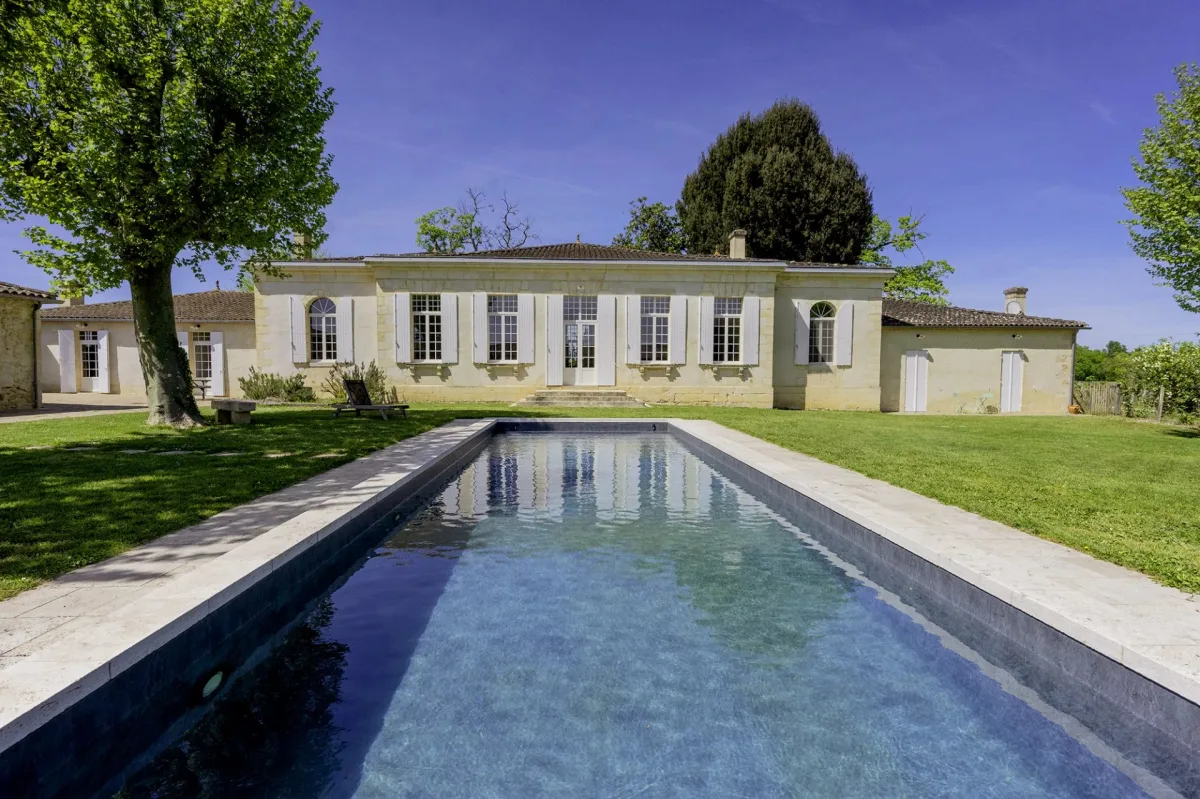
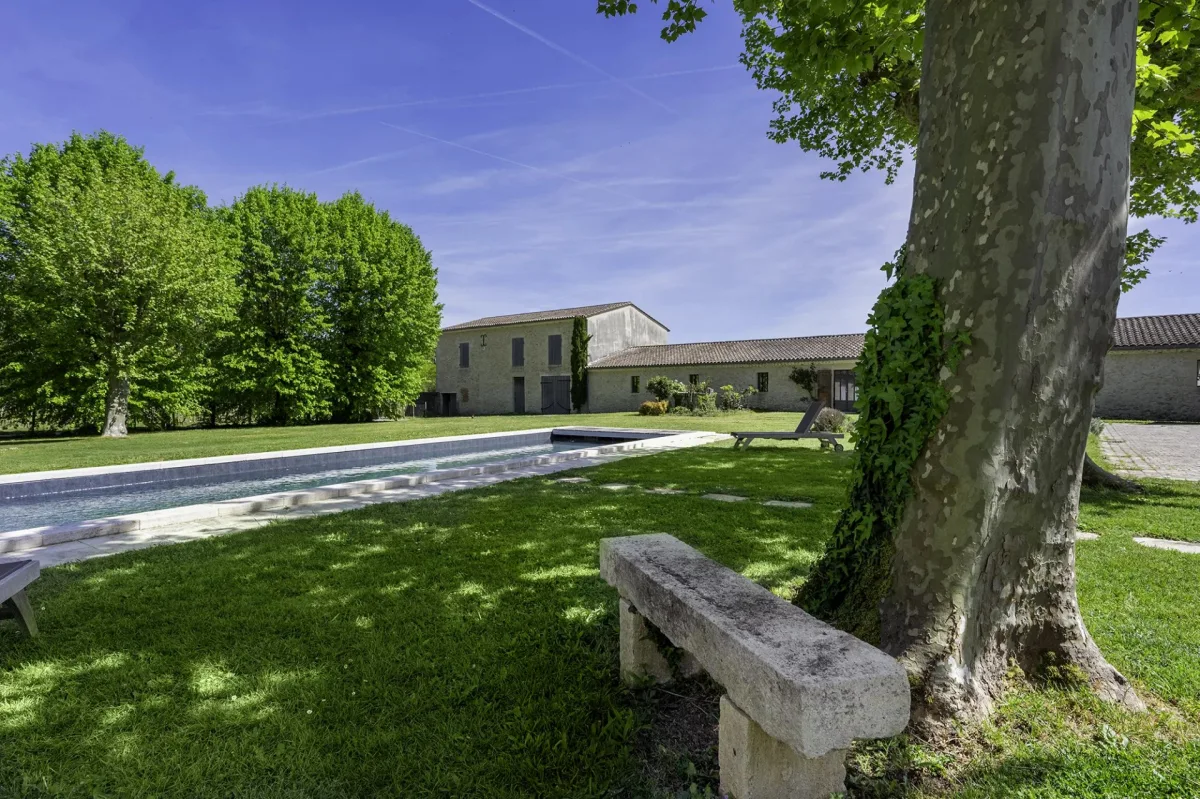
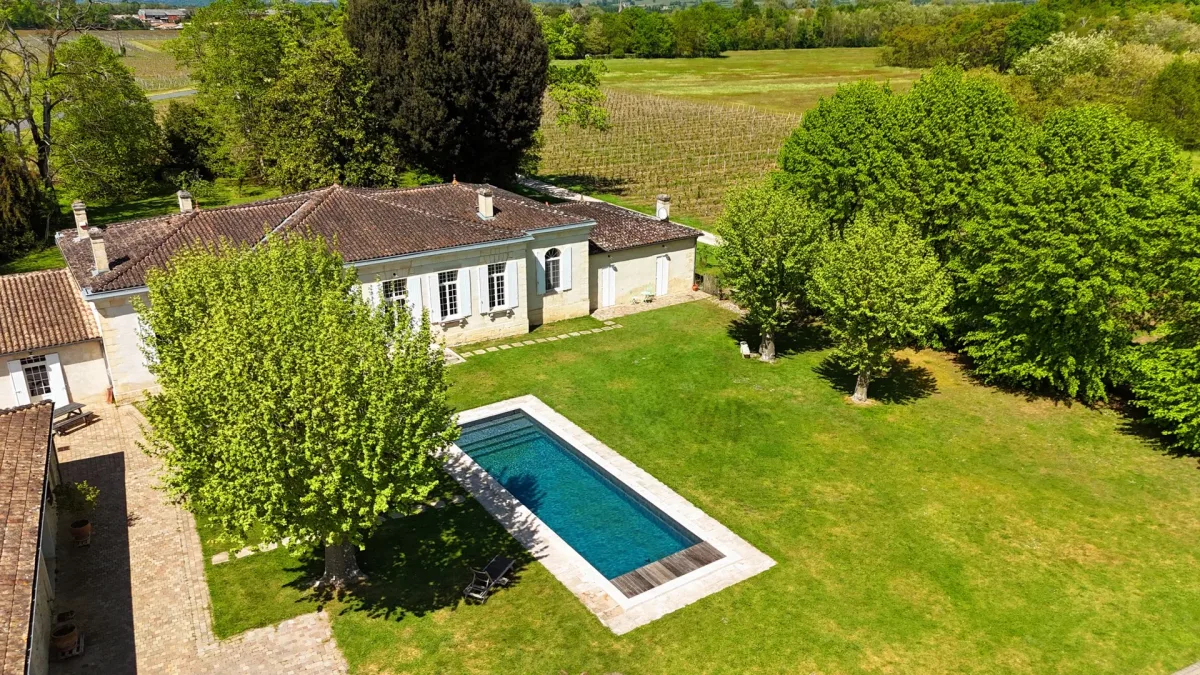
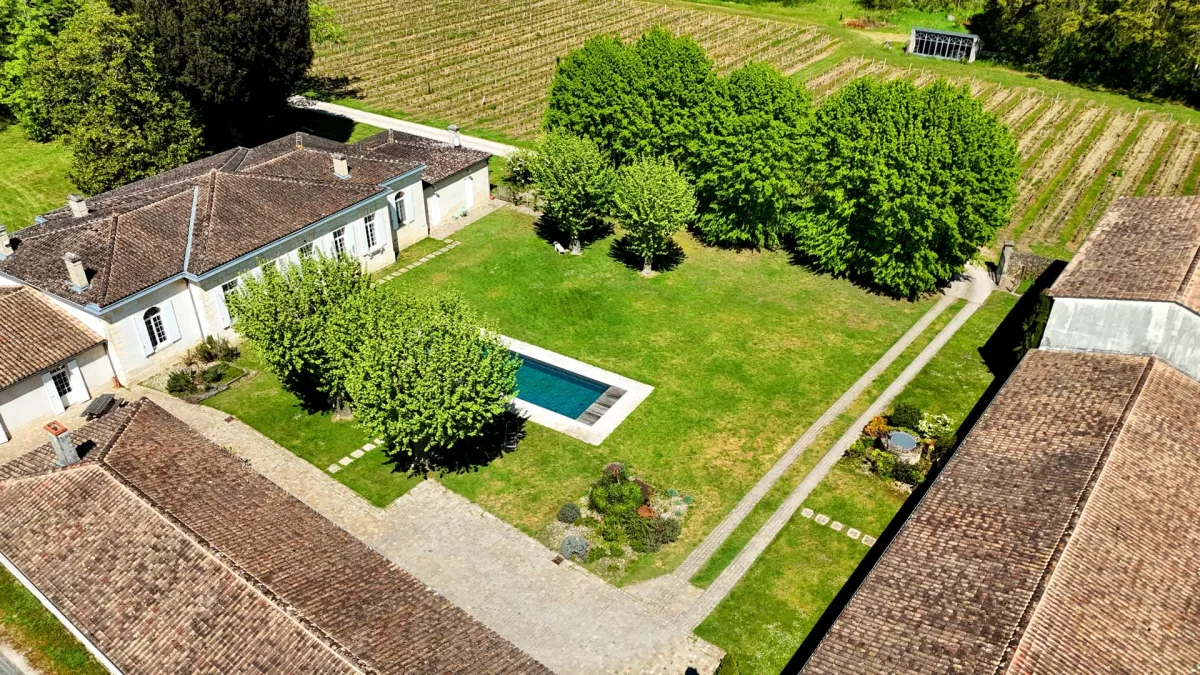
Prestigious Vineyards and Wine Estates for Sale : Where Terroir Meets Heritage
A prestigious wine estate is far more than a beautiful property surrounded by vineyards or a parcel of agricultural land. It is a coherent combination of terroir, vineyard, architecture, winemaking facilities and heritage, sometimes complemented by a renowned wine label or a family history spanning generations.
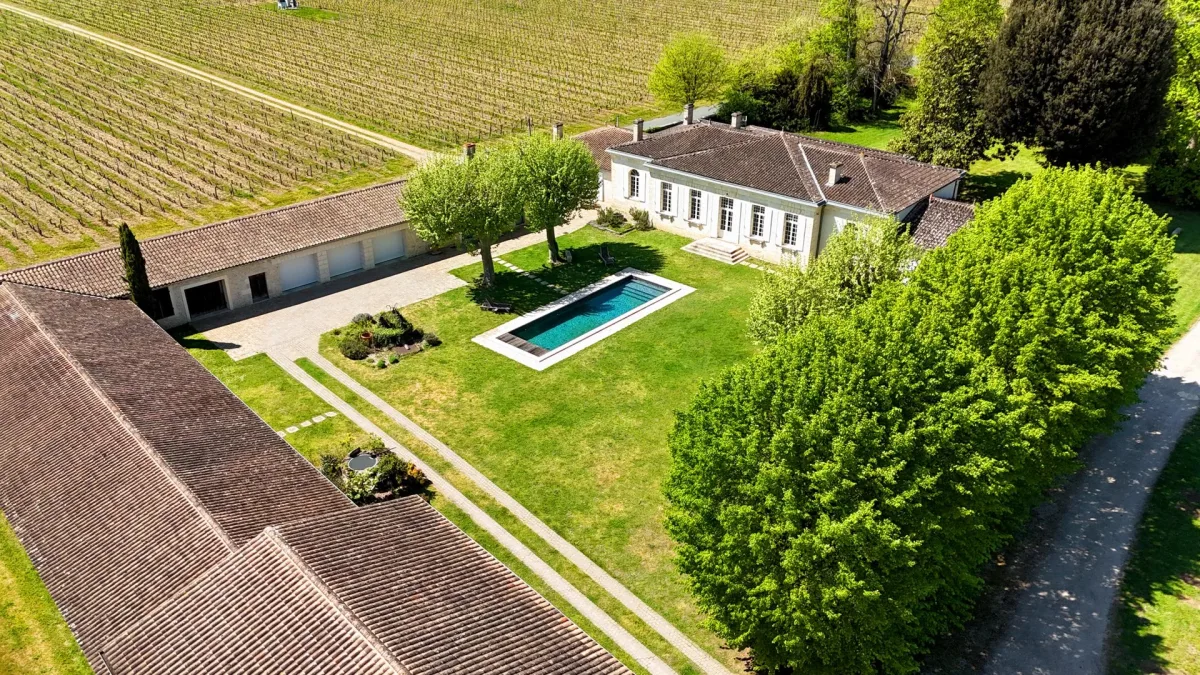
Acquiring a prestigious vineyard estate therefore means purchasing much more than a residence. Depending on the property, it may include dozens or even hundreds of acres of vines, a main residence or château, production buildings, cellars, wine-making facilities, guest accommodation, staff quarters and, increasingly, spaces dedicated to wine tourism and hospitality.
At the most sought-after level of the market, this combination becomes exceptionally difficult to reproduce: a distinguished terroir, established vineyards, remarkable architecture and a fully coherent wine operation represent a form of real estate and agricultural heritage that cannot simply be recreated.
A Wine Estate Begins with Its Terroir
The value of a wine estate begins with the land.
Soil composition, exposure, elevation, drainage, water availability, orientation and climate all contribute to the characteristics of a terroir. These natural factors are complemented by grape varieties, vine age, cultivation methods and the expertise of the estate's winemaker or owner.
Two vineyards only a few miles apart can therefore produce wines with profoundly different identities.
This is why the value of a vineyard estate cannot be assessed simply by counting acres or hectares. A vineyard parcel does not have the same value depending on its appellation, location, agricultural characteristics and the reputation of the wine produced from it.
In the world's most prestigious wine regions, certain parcels can become virtually irreplaceable. Limited availability, historical significance and membership of a recognised appellation can contribute to scarcity that extends across generations.
A Vineyard as Living Heritage
Unlike conventional real estate, a vineyard is living heritage.
Vines evolve continuously, require careful maintenance and must eventually be replanted. Managing a vineyard requires detailed knowledge of soils, pruning, crop protection, harvesting and climatic conditions.
The age of the vines can also be significant. Older vines may possess particular value because of their history, adaptation to the terroir and contribution to the character of the wine.
The vineyard therefore needs to be assessed in detail: grape varieties, parcel distribution, vine age, appellations, yields, cultivation practices and overall condition.
For an international buyer, understanding this agricultural dimension is essential. A prestigious wine estate is simultaneously a luxury property and a specialised agricultural operation.
From Châteaux to Provençal Bastides: Architecture Connected to the Vineyard
The built heritage represents the other major component of this property type.
Depending on the region, a wine estate may be centred around a château, a Provençal bastide, a Tuscan villa, a historic manor house or an elegant country residence.
The production buildings themselves can also possess remarkable architectural character: historic wine cellars, vaulted cellars, monumental wine-making buildings, former stables or contemporary facilities designed by renowned architects.
At the most prestigious estates, the residence and vineyard form a coherent whole. The house is not simply positioned among the vines: it forms the architectural and historical heart of a landscape shaped by generations of winemakers and owners.
Some estates now combine this heritage with sophisticated contemporary infrastructure, including temperature-controlled wine-making facilities, modern storage systems, private tasting rooms and hospitality spaces designed for an international clientele.
Bordeaux, Burgundy and Champagne: France's Most Prestigious Wine Regions
France occupies a central position in the world of prestigious wine estates.
Bordeaux is renowned for its historic châteaux and estates associated with some of the world's most recognised appellations. In the Médoc, Saint-Émilion, Pomerol and the Graves, vineyards can represent substantial family, agricultural and commercial assets.
Burgundy follows a very different model. Historic land fragmentation and the scarcity of certain appellations make individual parcels exceptionally valuable. Here, significant value can be concentrated in relatively small vineyard holdings whose reputation far exceeds their physical size.
Champagne has its own highly specialised market, shaped by the scarcity of planted vineyards, the international reputation of its appellations and the importance of established houses and family-owned estates.
Provence offers another interpretation of the prestigious wine estate, with bastides, mas and country properties surrounded by vineyards, often set among olive groves, cypress trees, pine forests and rolling hills.
Tuscany, Napa Valley and the World's Great Wine Estates
The market for prestigious vineyard estates extends far beyond France.
In Tuscany, wine estates frequently combine vineyards, olive groves, historic architecture and rolling landscapes. Areas such as Chianti, Bolgheri and Montalcino attract international buyers seeking a property that combines wine production with Italian lifestyle and heritage.
In Italy, a wine estate can therefore become a family property designed as much for residential use and hospitality as for production.
In the United States, Napa Valley represents one of the world's most recognisable markets for luxury wine estates. Properties frequently combine vineyards, contemporary architecture, sophisticated production facilities and private residences, with a strong international appeal.
In Australia, several established wine regions also offer large rural estates combining vineyards, residences and agricultural infrastructure.
Other markets, including Spain, Portugal, South Africa, New Zealand and South America, offer prestigious estates of their own, each shaped by distinctive terroirs, wine traditions and ownership structures.
The international appeal therefore extends beyond the wine itself to the experience of owning an entire wine-producing landscape.
A Wine Estate as a Way of Life
For some buyers, the residential dimension is almost as important as the vineyard.
A grand residence surrounded by vines can become a primary home, family estate or private retreat. Swimming pools, landscaped gardens, guest houses, terraces, outbuildings and entertaining areas can transform the property into a fully private country environment.
The rhythm of the seasons also gives the estate a distinctive identity. Winter pruning, spring growth, harvest and the changing colours of the vines create a relationship with the property that is fundamentally different from urban living.
This explains the appeal of prestigious wine estates to international buyers seeking not simply a property, but a lifestyle connected to land, wine, gastronomy, nature and hospitality.
The Entrepreneurial Dimension of a Wine Estate
Acquiring a wine estate can also involve a substantial entrepreneurial component.
Viticulture, wine-making, ageing, bottling, storage, distribution, export, marketing and brand management can form a sophisticated business operation requiring specialist teams and infrastructure.
Some estates operate with their own winemaking and commercial teams. Others rely on specialist consultants, external contractors or third-party distribution networks.
The economic value of the estate may therefore depend on numerous factors: vineyard acreage, quality of the terroir, production volumes, appellation, brand reputation, distribution network, wine inventory, equipment and commercial performance.
It is therefore essential to distinguish between the real estate value of the property, the agricultural value of the vineyards and the commercial value of the wine business.
This distinction becomes particularly important when an estate is sold together with its wine inventory, equipment, trademarks or operating business.
Wine Tourism and Luxury Hospitality
Some prestigious wine estates have developed complementary hospitality activities.
Private tastings, vineyard tours, accommodation, fine dining, events and bespoke wine experiences can turn an estate into a destination in its own right.
However, this model is not appropriate for every property. Some estates deliberately prioritise absolute privacy and limit access to family members, private guests and professional partners.
Where wine tourism represents an opportunity, it should be evaluated according to local planning rules, licensing requirements, accessibility, hospitality capacity, existing infrastructure and commercial positioning.
Tourism potential can be an important advantage, but it should never be confused with guaranteed income.
Scarcity Created by Land and History
The true scarcity of a great wine estate lies in the difficulty of recreating the complete combination of its assets.
A residence can be built. New vines can be planted. It is far more difficult to recreate a recognised terroir, mature vineyards, historic architecture, an established wine identity and a reputation developed over decades.
Some estates also benefit from a continuous family history that gives the property additional cultural and emotional value.
Scarcity can therefore arise from multiple factors: appellation, quality of the vineyard parcels, vine age, acreage, architecture, geographical position, production rights, reputation and production capacity.
In the world's most sought-after wine regions, the opportunity to acquire a coherent and sufficiently substantial estate can itself become an exceptional event.
Family Legacy and Long-Term Ownership
Wine estates are particularly suited to a long-term ownership strategy.
A property can remain within a family for several generations, with the family's identity gradually becoming inseparable from the vineyard and the wines it produces.
This heritage dimension can profoundly influence the decision to purchase. Some buyers are not looking solely for a residence or a business, but for a legacy capable of being passed on to future generations.
Such ownership requires careful consideration of the holding structure, agricultural operation, taxation, financing, succession planning and long-term governance of the estate.
In this context, the exceptional nature of a wine estate is not measured solely by its acquisition price: it is also measured by its ability to preserve its identity and heritage over time.
Prestigious Vineyards and Wine Estates for Sale on Prestige.top
Prestigious wine estates occupy a unique position within the world of luxury real estate. They bring together property, terroir, agriculture, architectural heritage and, in some cases, an internationally recognised wine brand.
From Bordeaux and Burgundy to Provence and Tuscany, from Napa Valley to the great wine regions of the Southern Hemisphere, every market has its own interpretation of the exceptional vineyard estate.
For the buyer, the question therefore goes far beyond the size of the property or the beauty of the residence. It involves understanding the quality of the terroir, the history of the vineyard, the coherence of the wine operation, the value of the built heritage and the future potential of the estate.
On Prestige.top, prestigious vineyards and wine estates for sale are presented for buyers seeking rare heritage, a lifestyle deeply connected to the land or a property capable of bringing together vineyards, architecture, identity and legacy.
A truly great wine estate is never quite owned like an ordinary property: it is cultivated, protected and, when it is genuinely rare, passed on.