Price on application
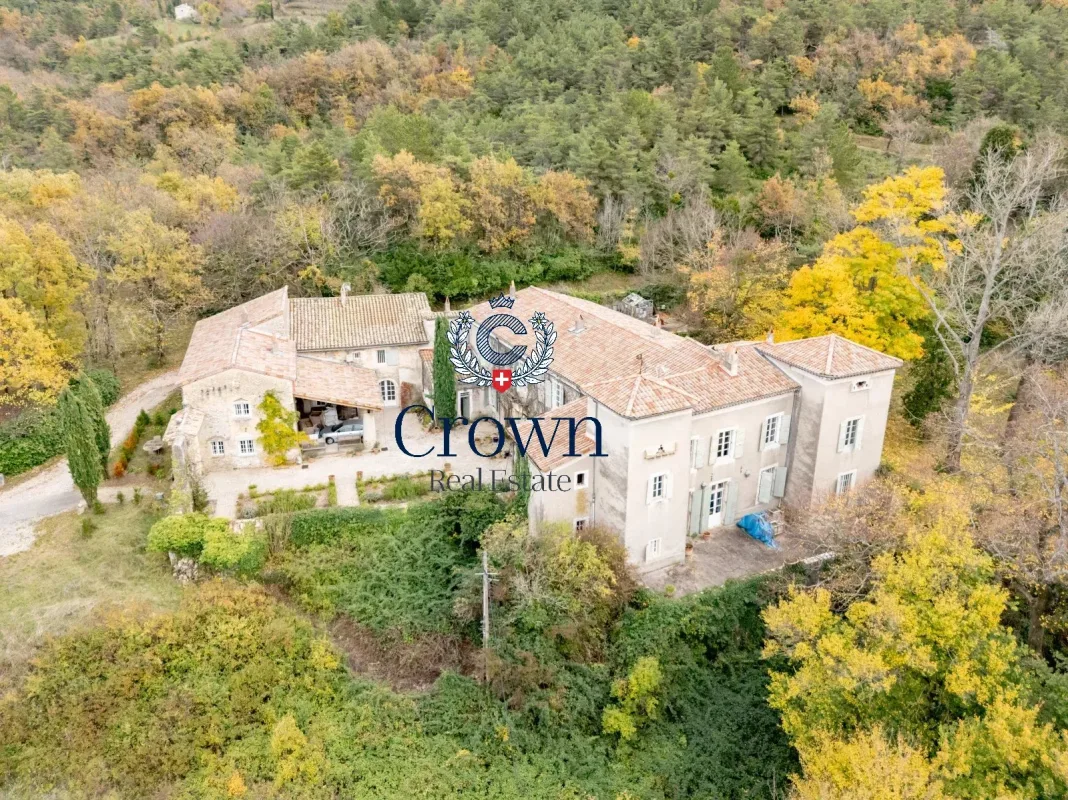
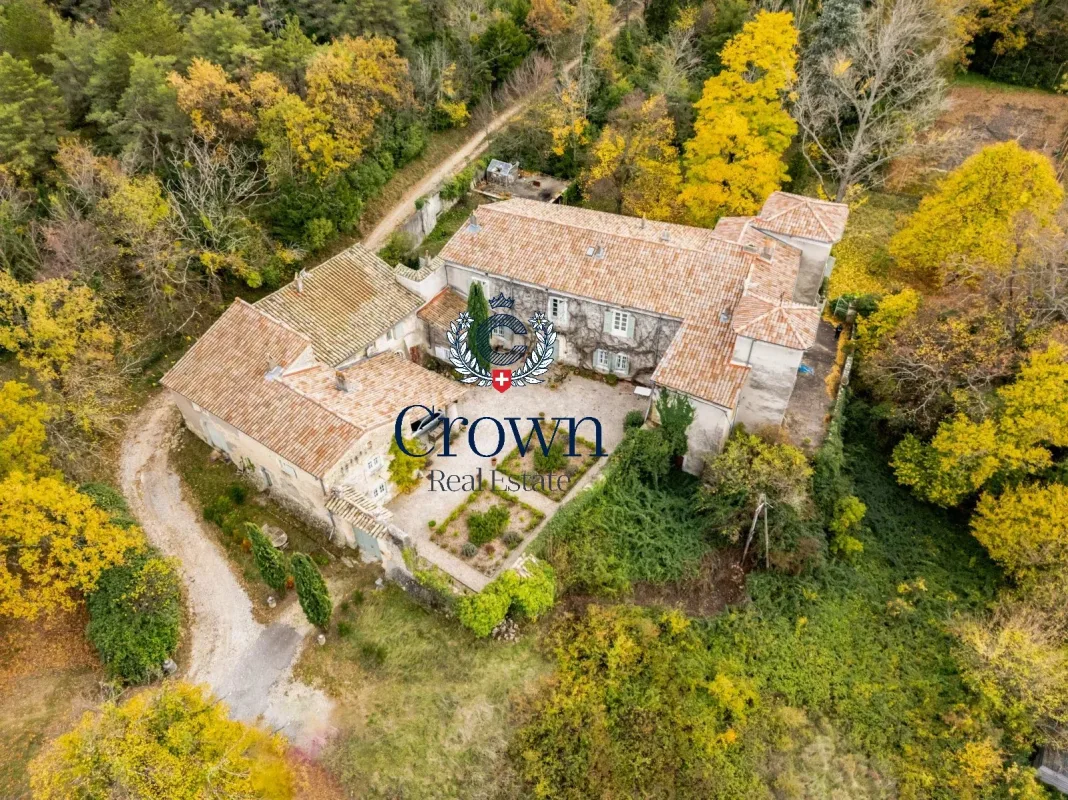
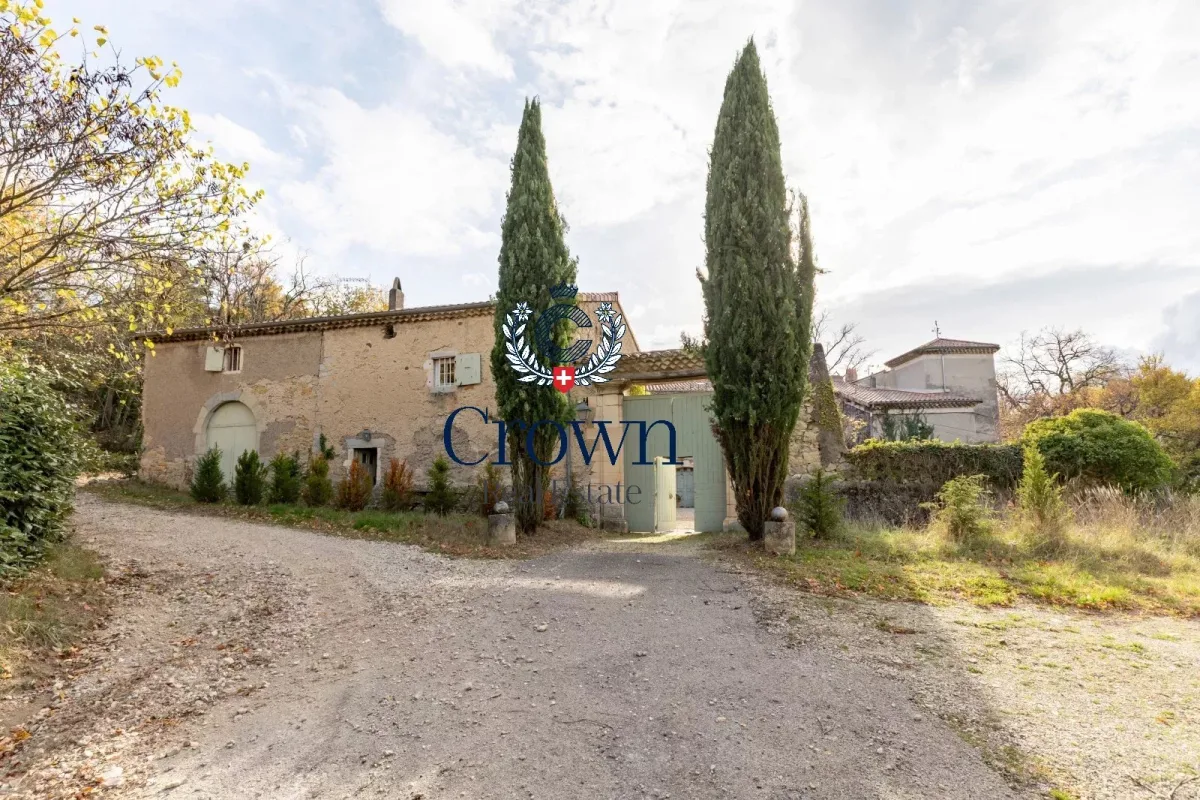
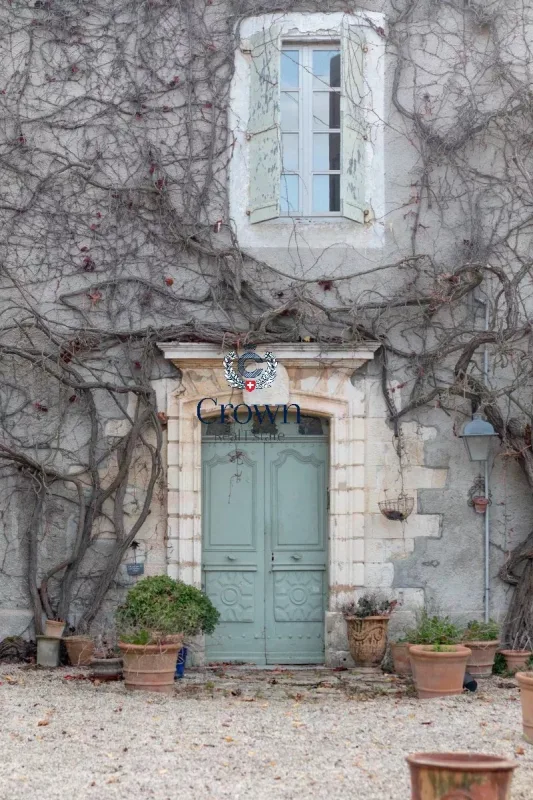
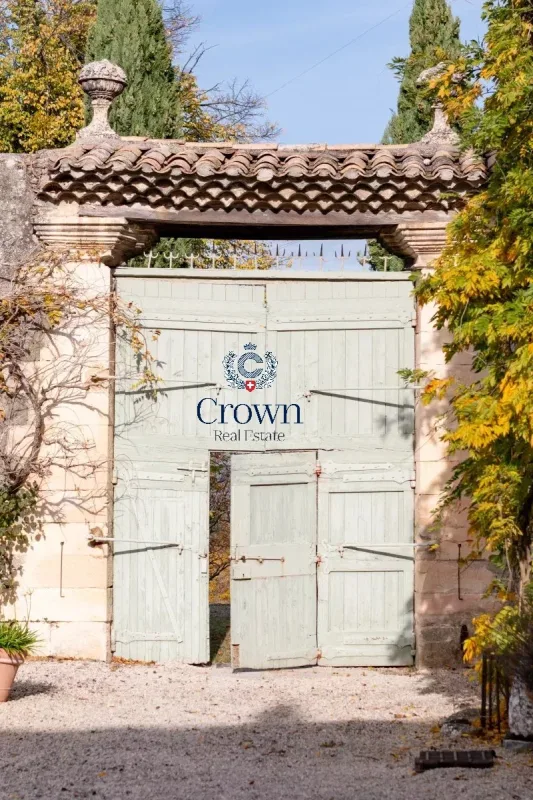
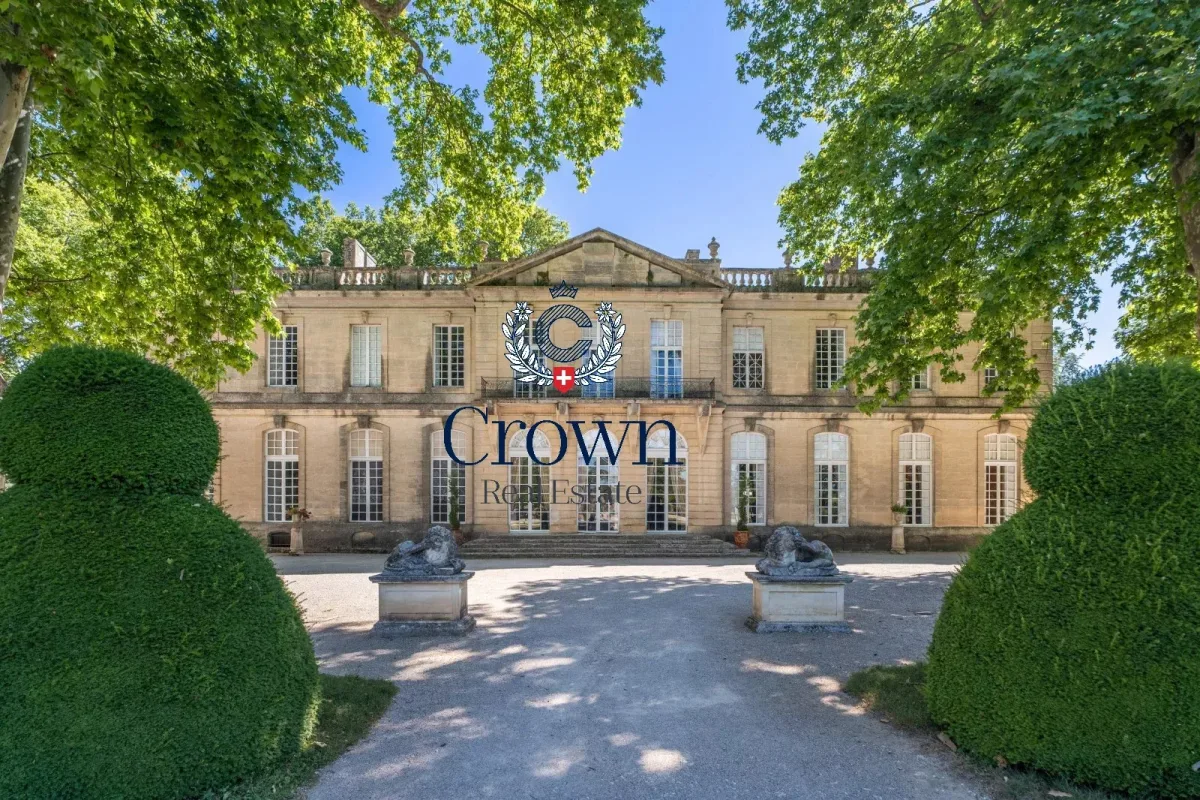
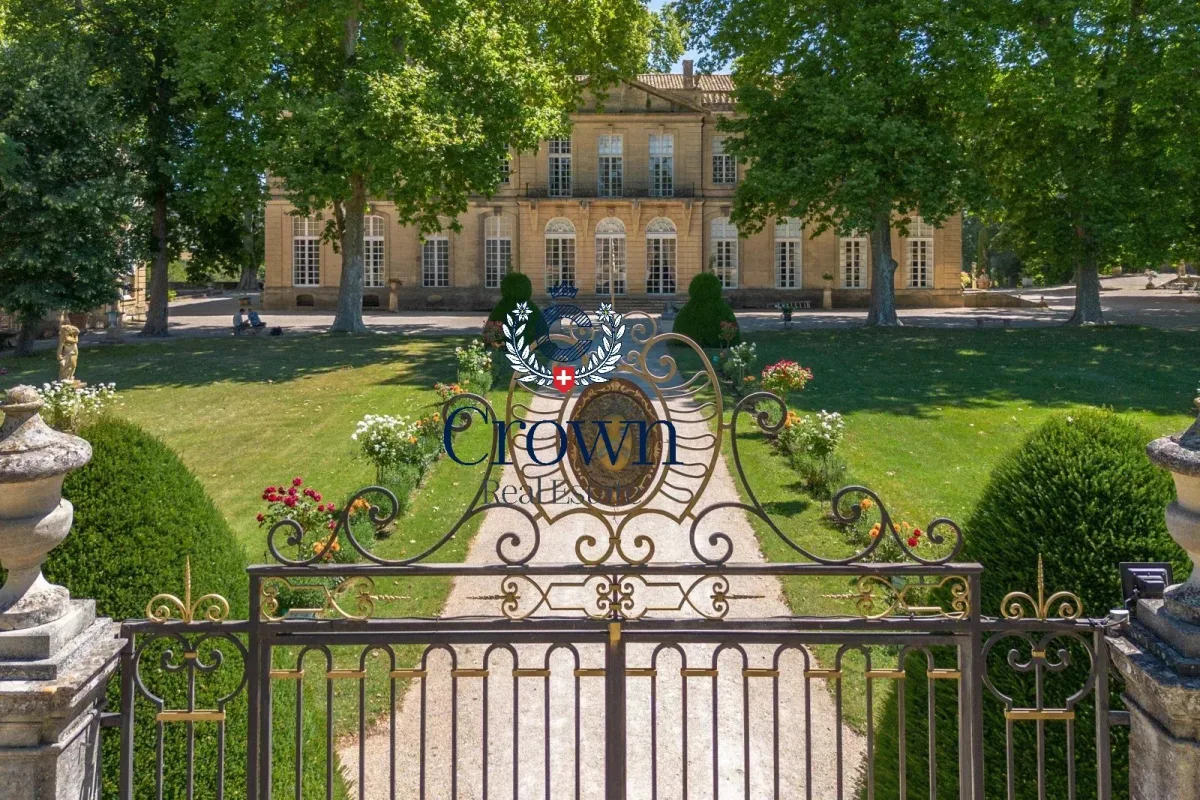
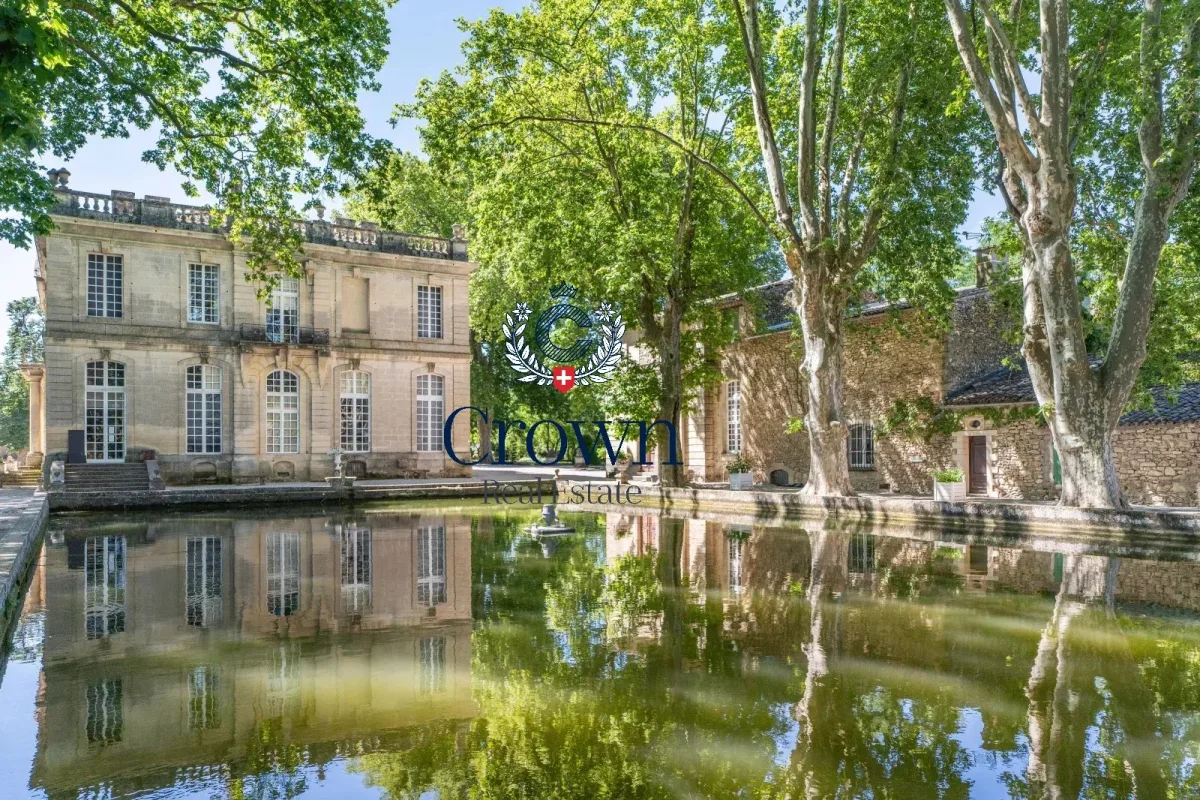
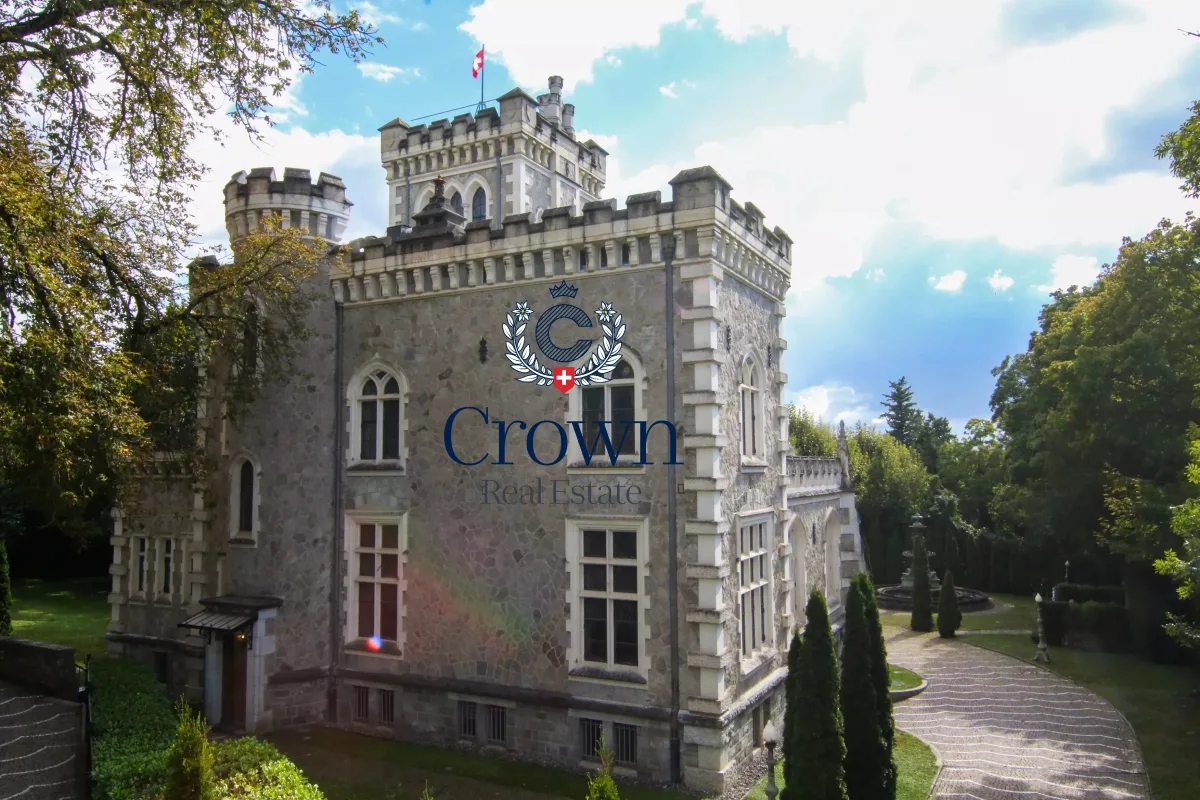
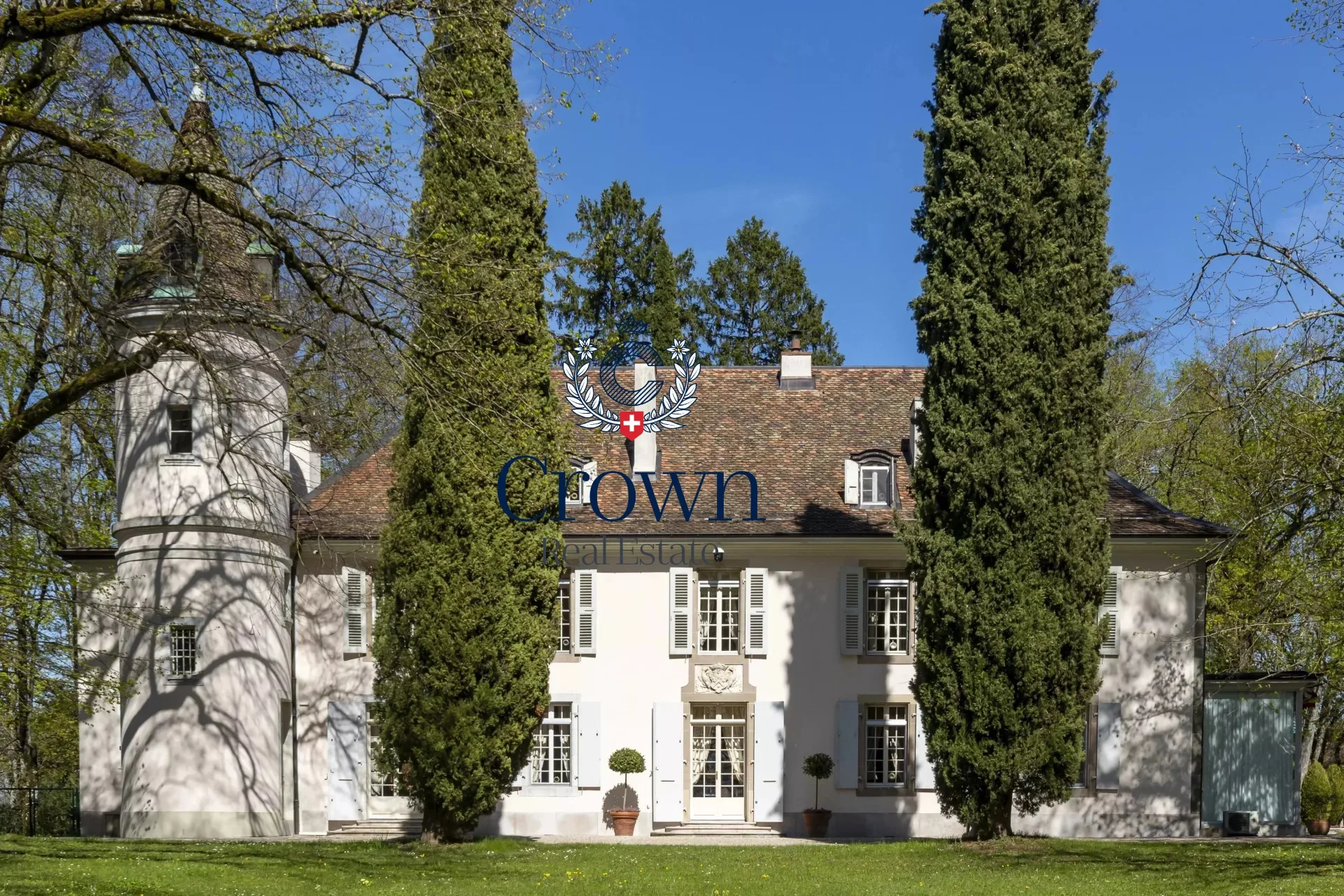
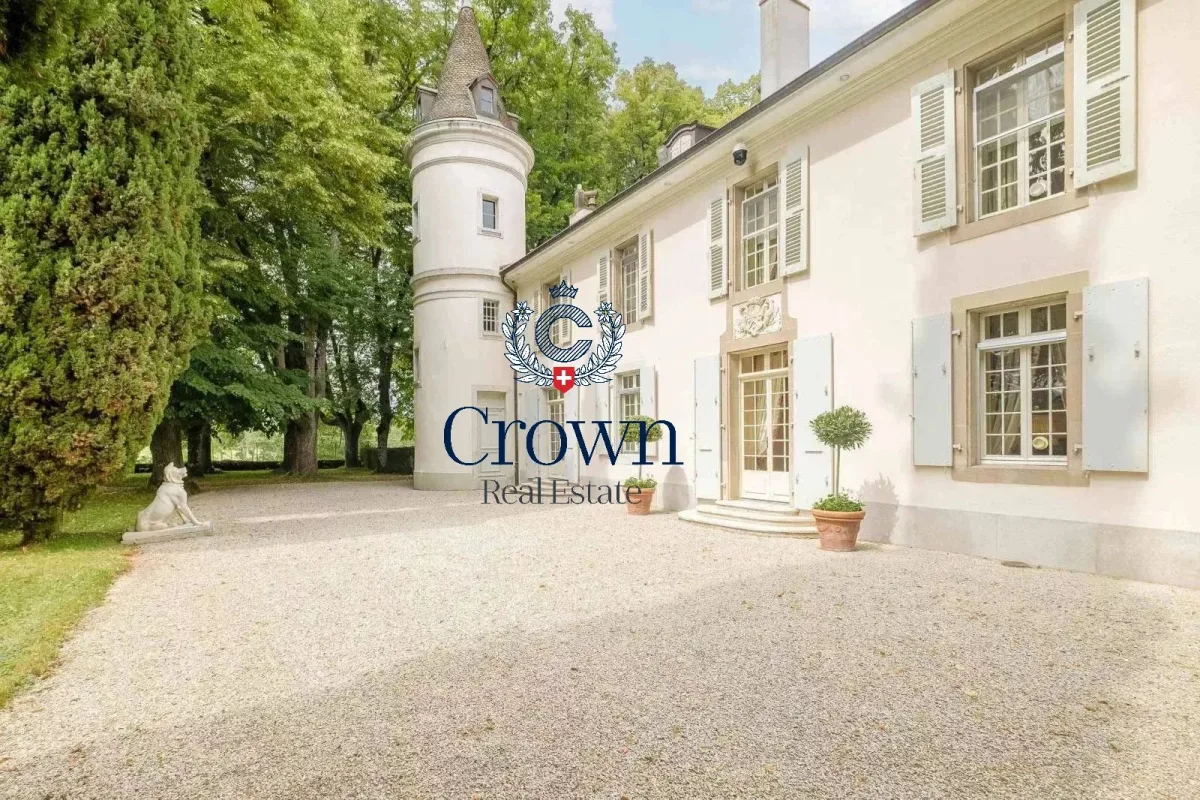
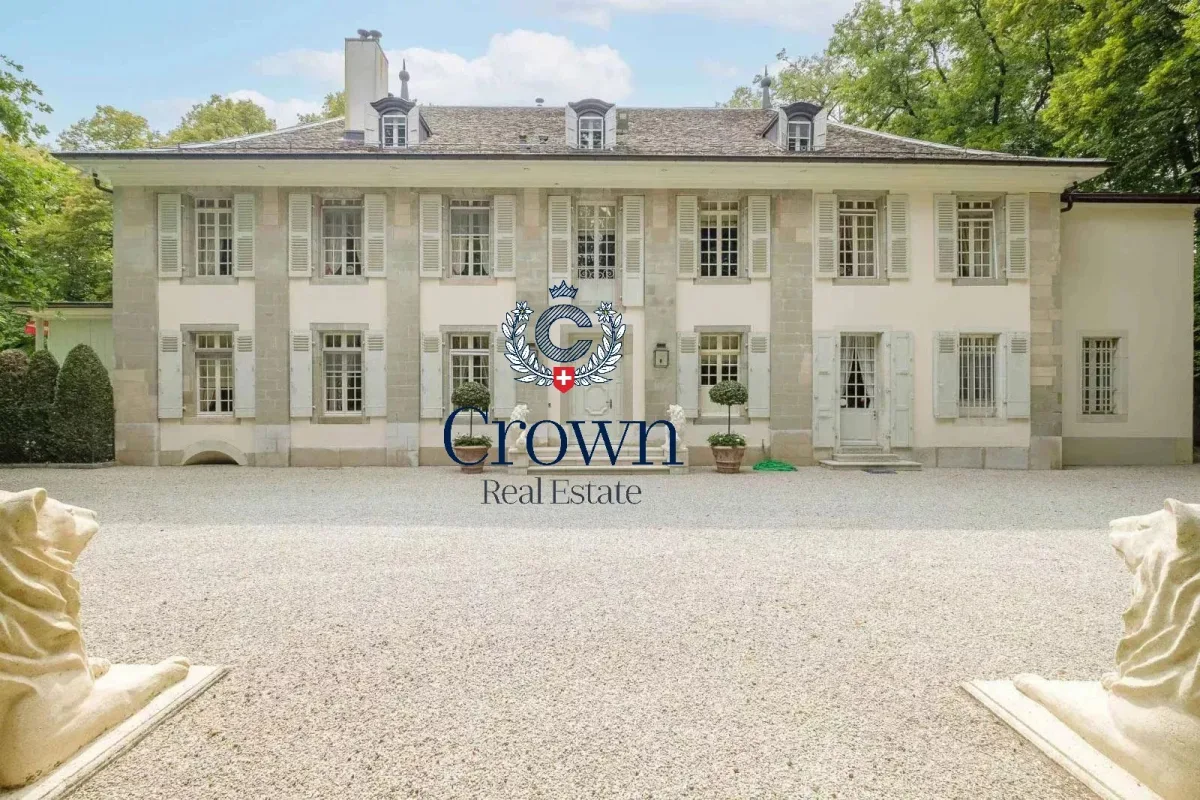
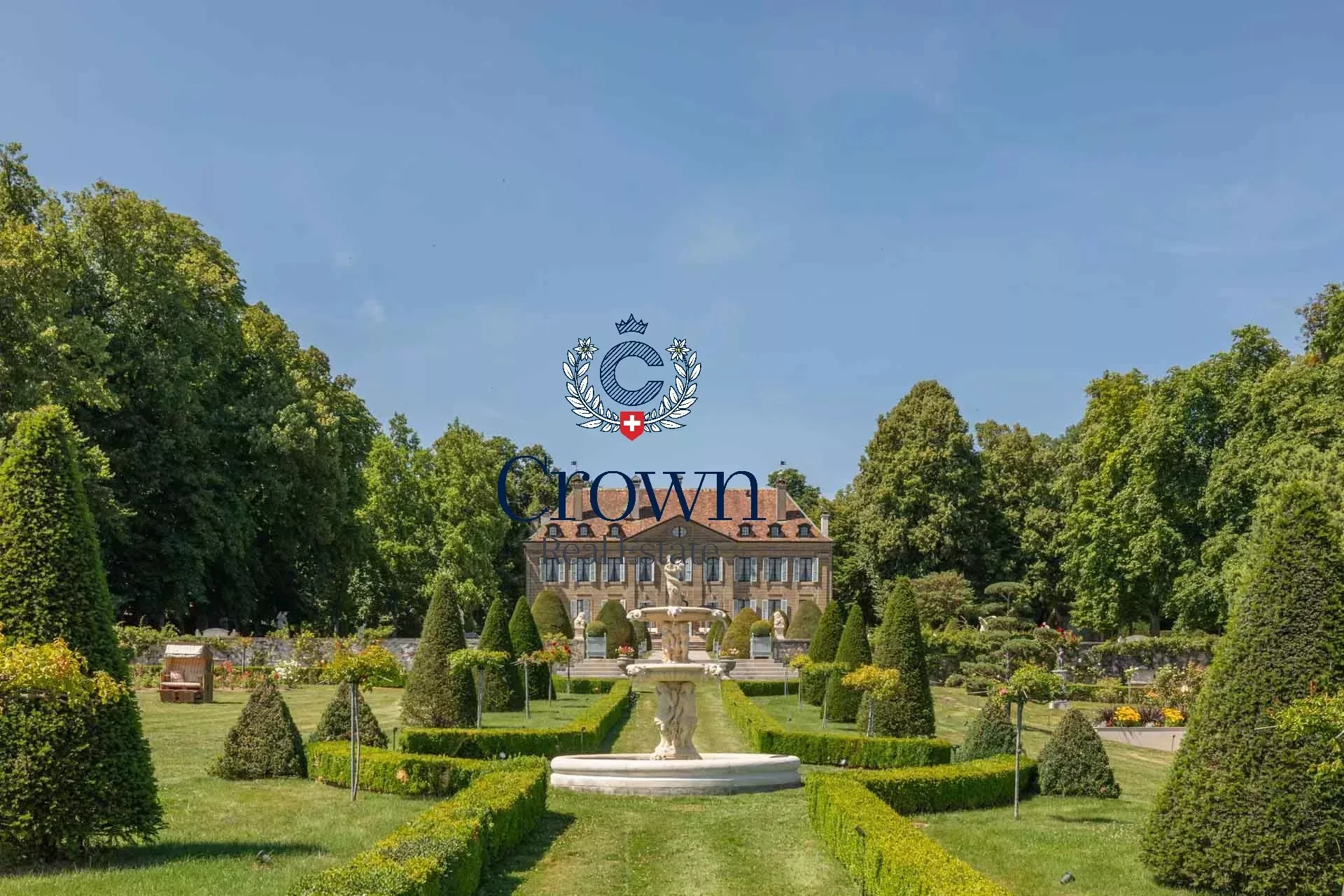
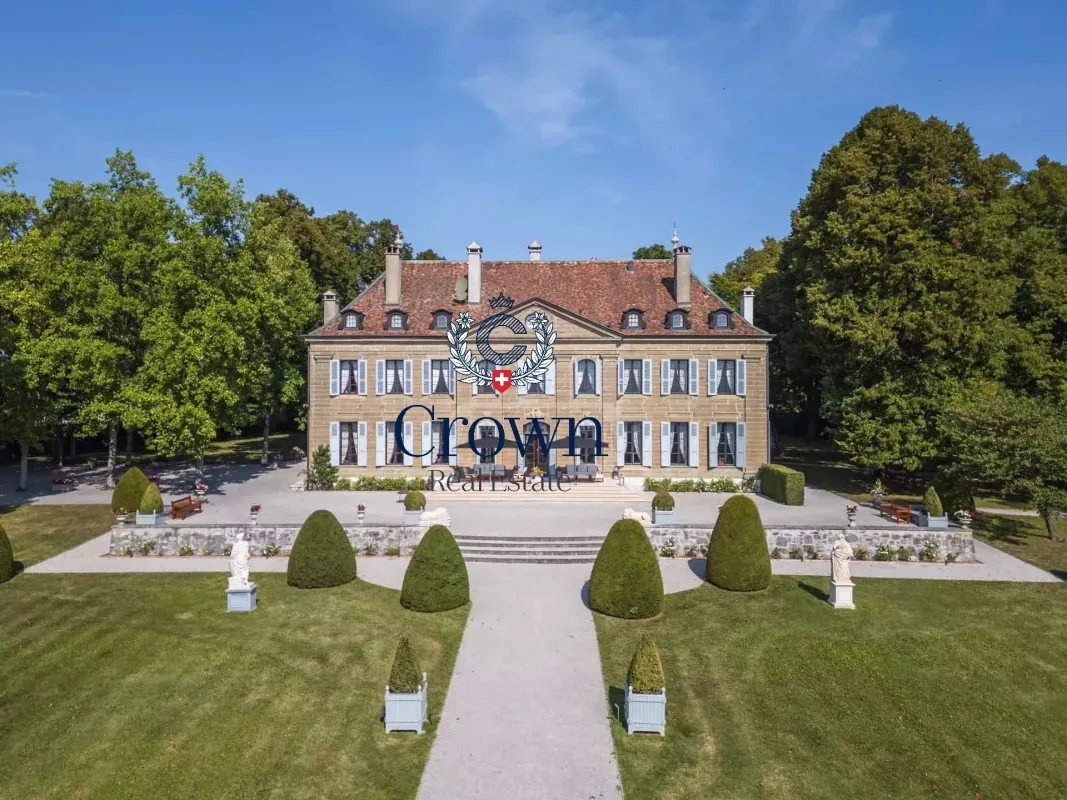
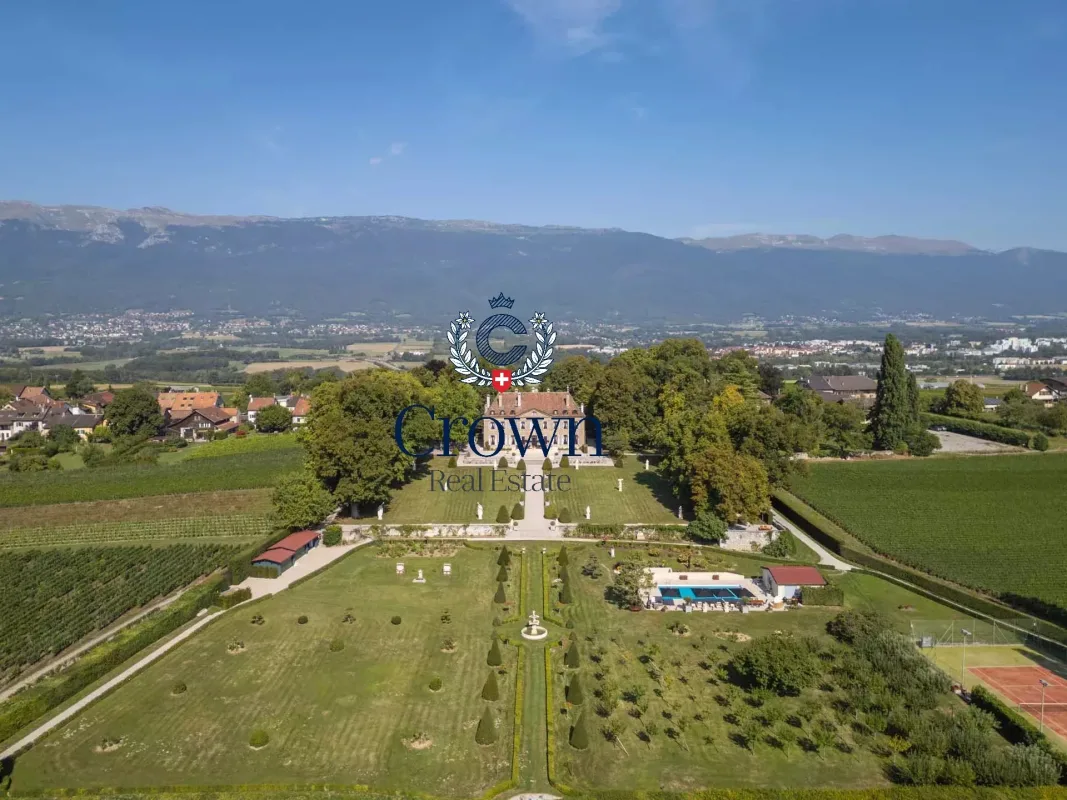
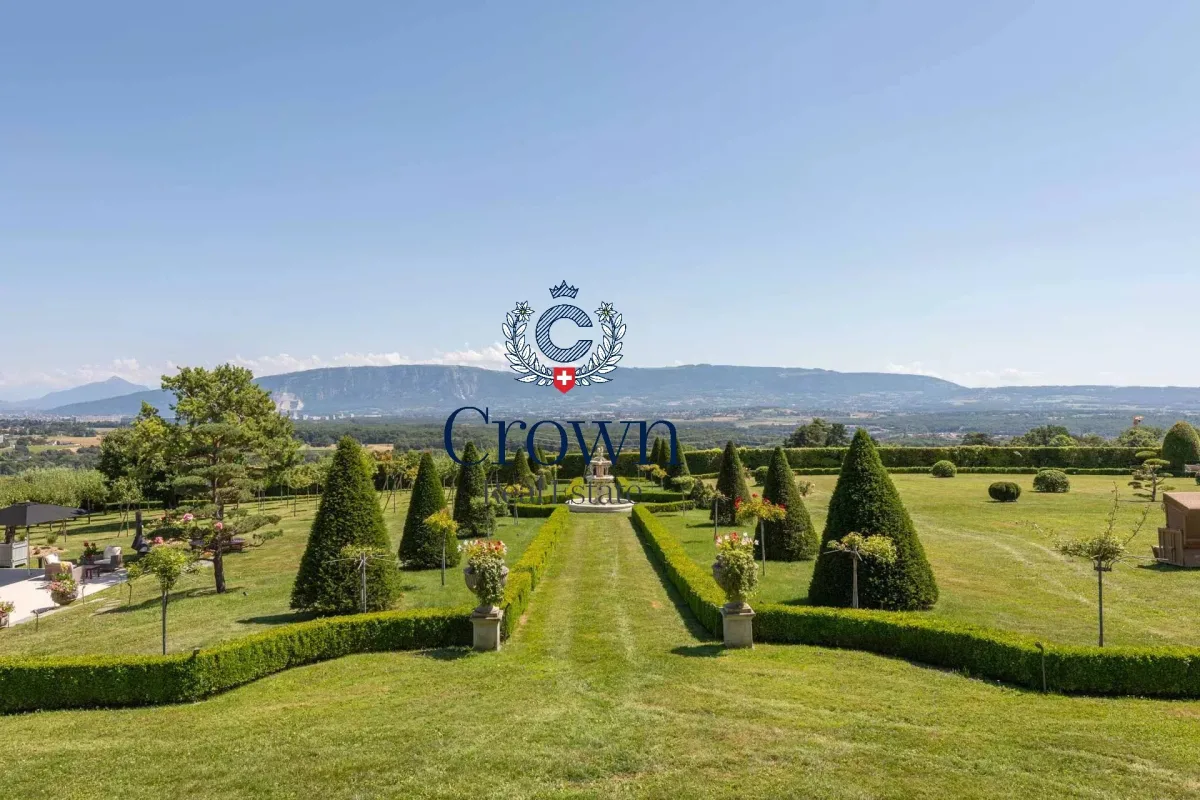
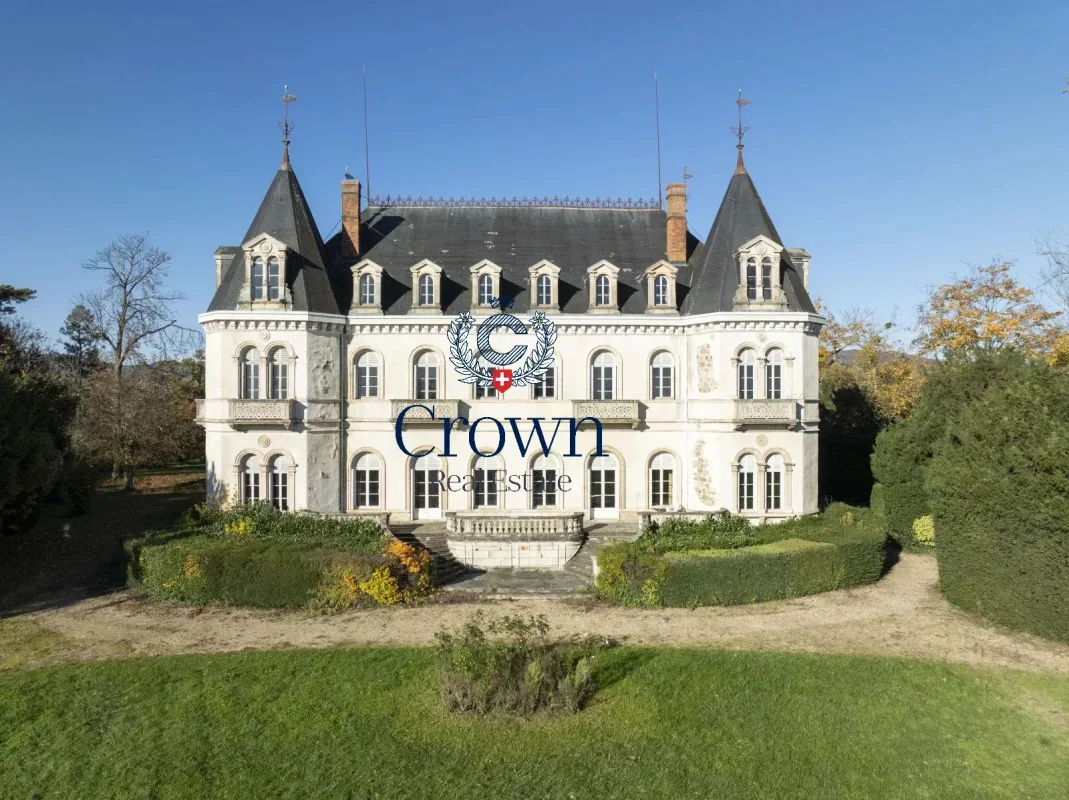
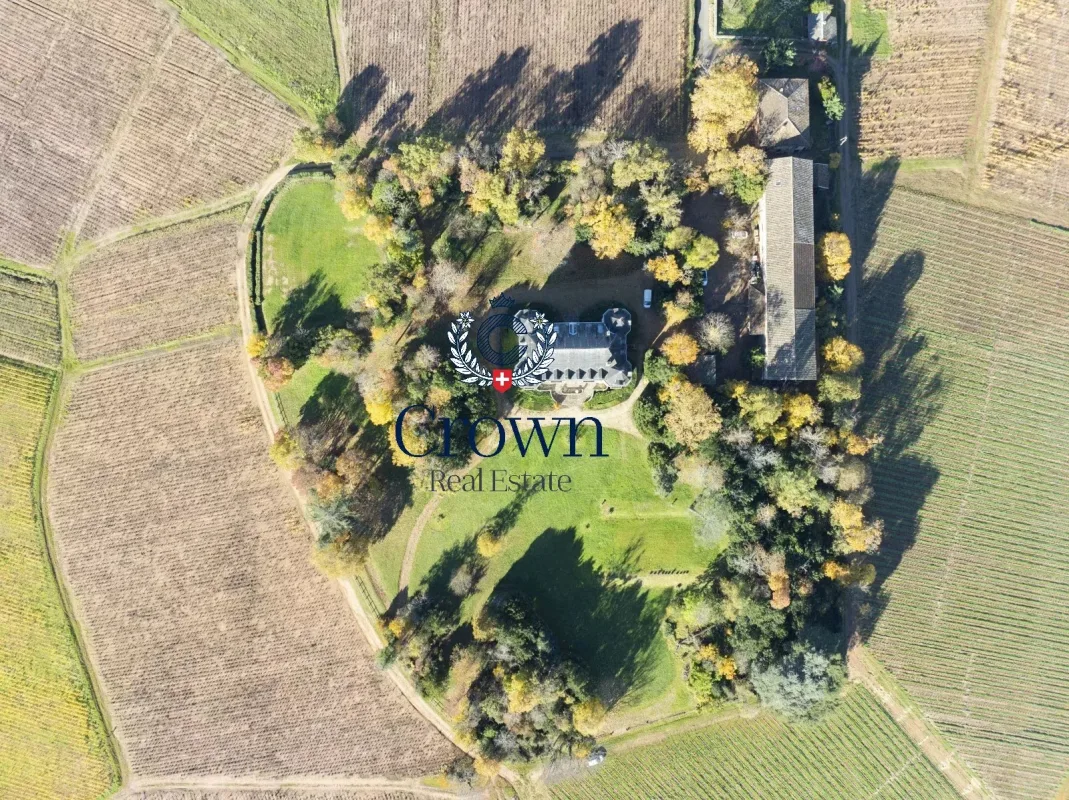
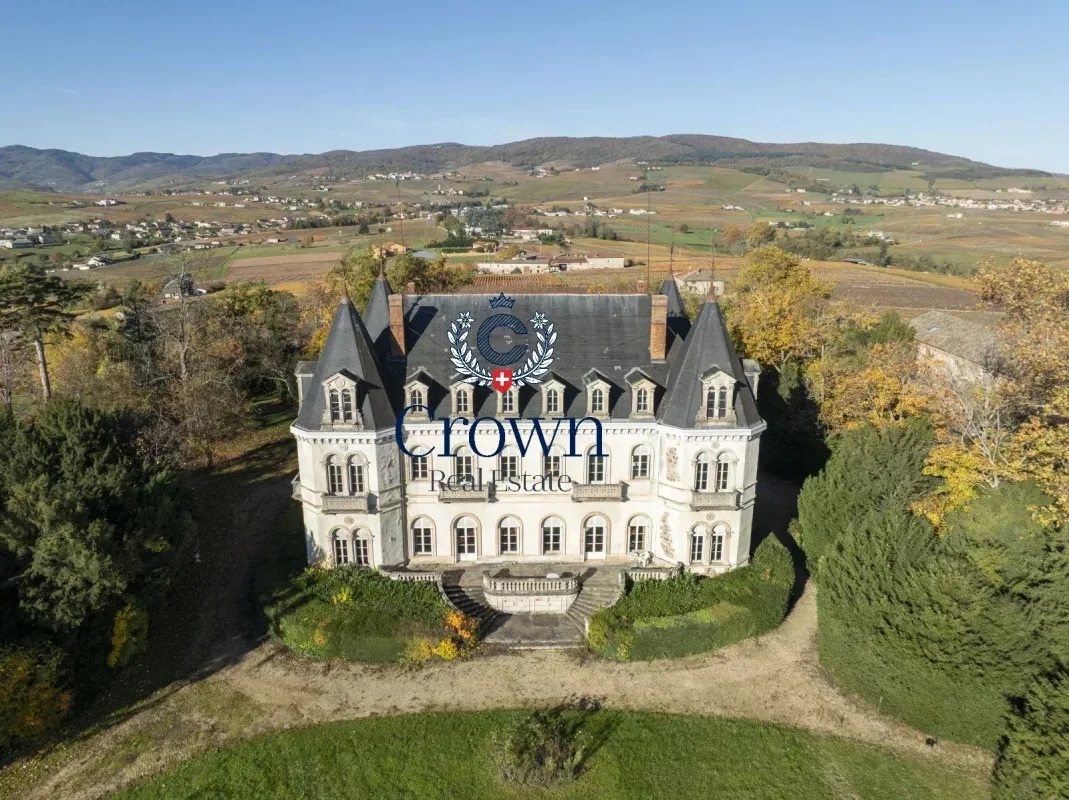
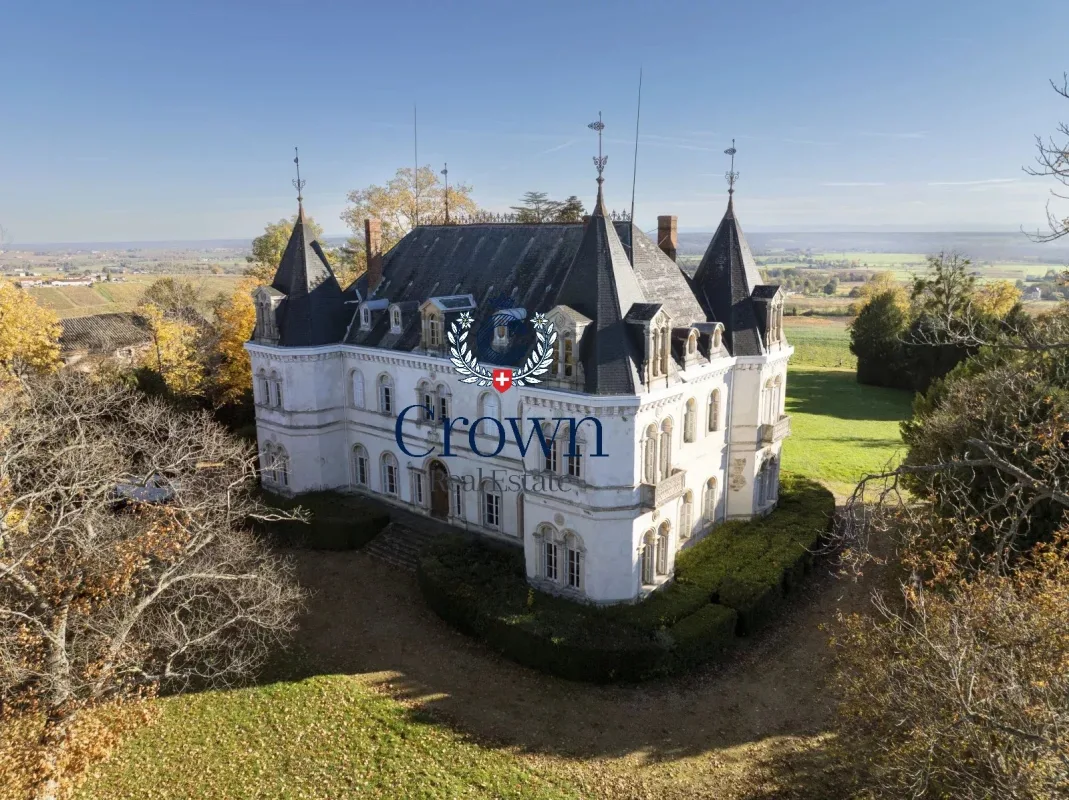
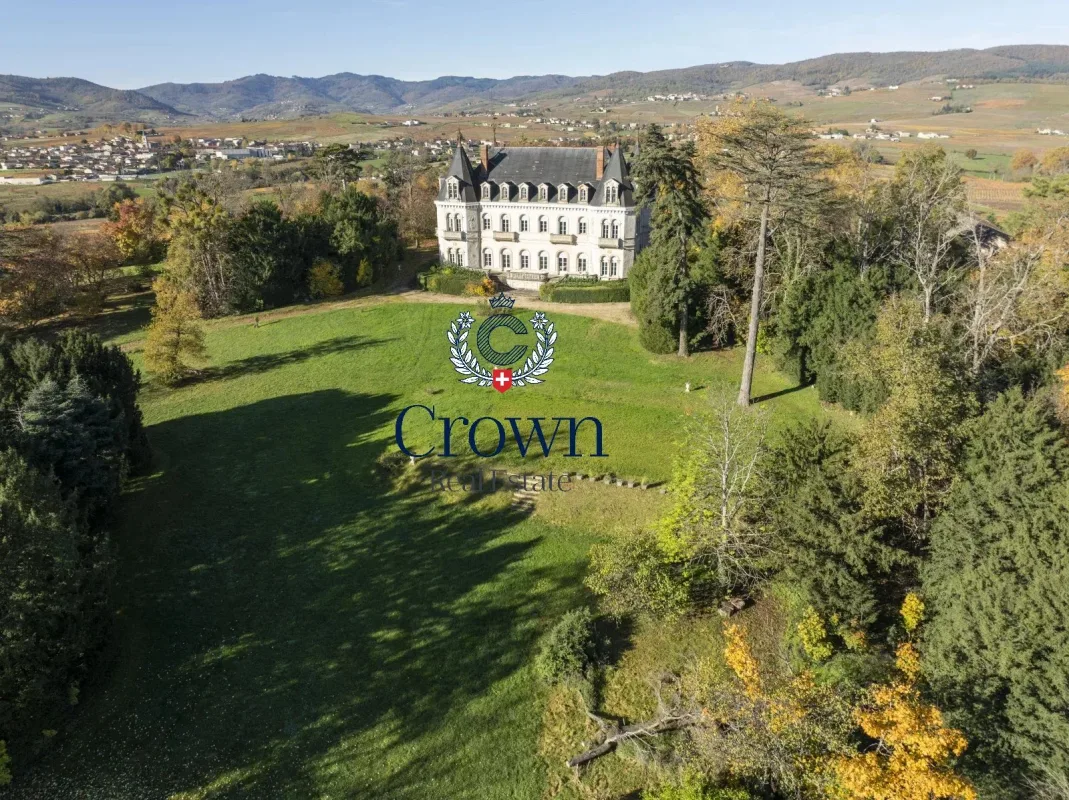
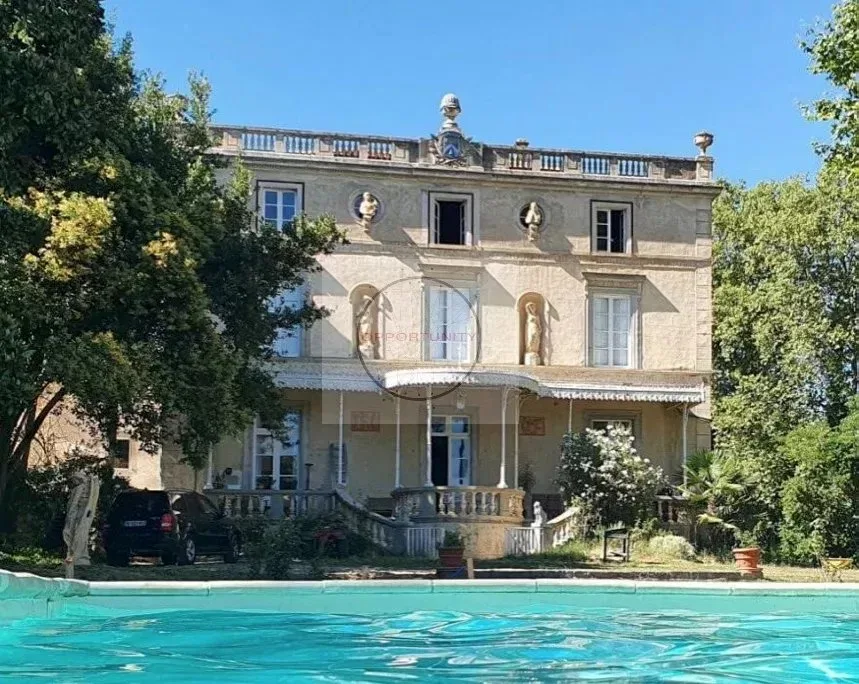
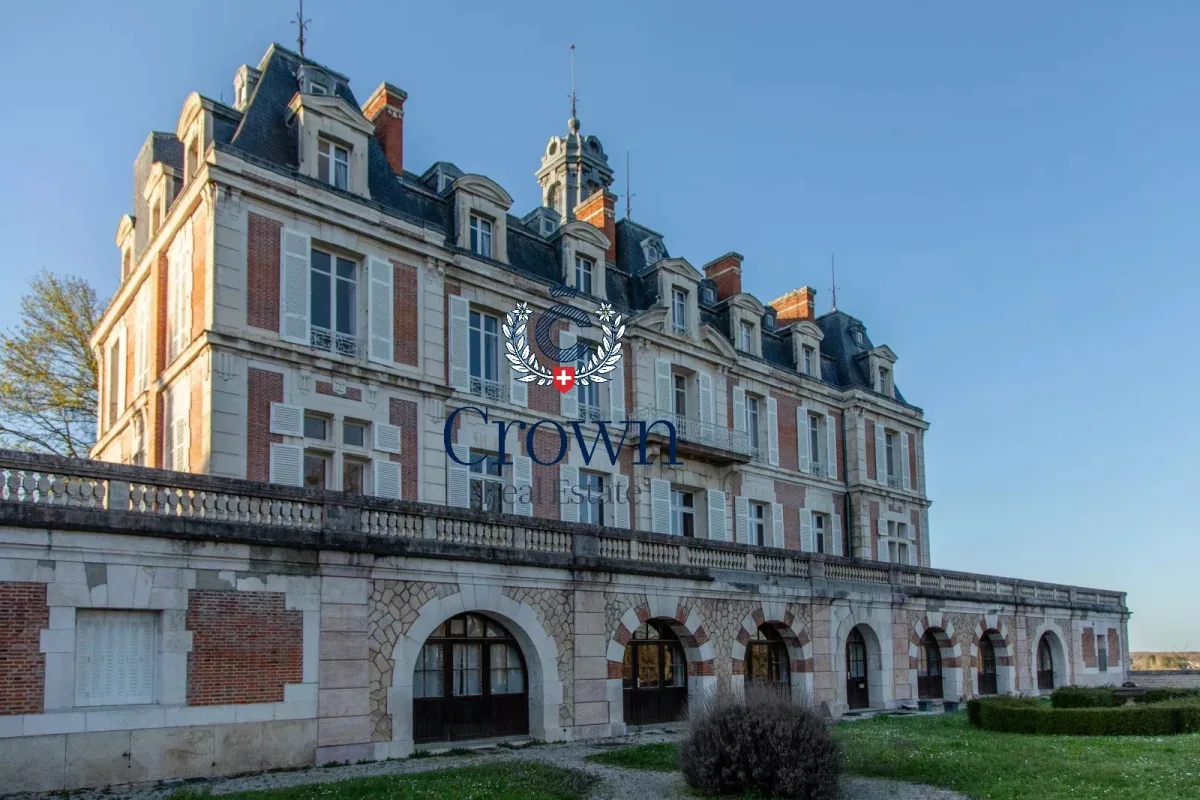
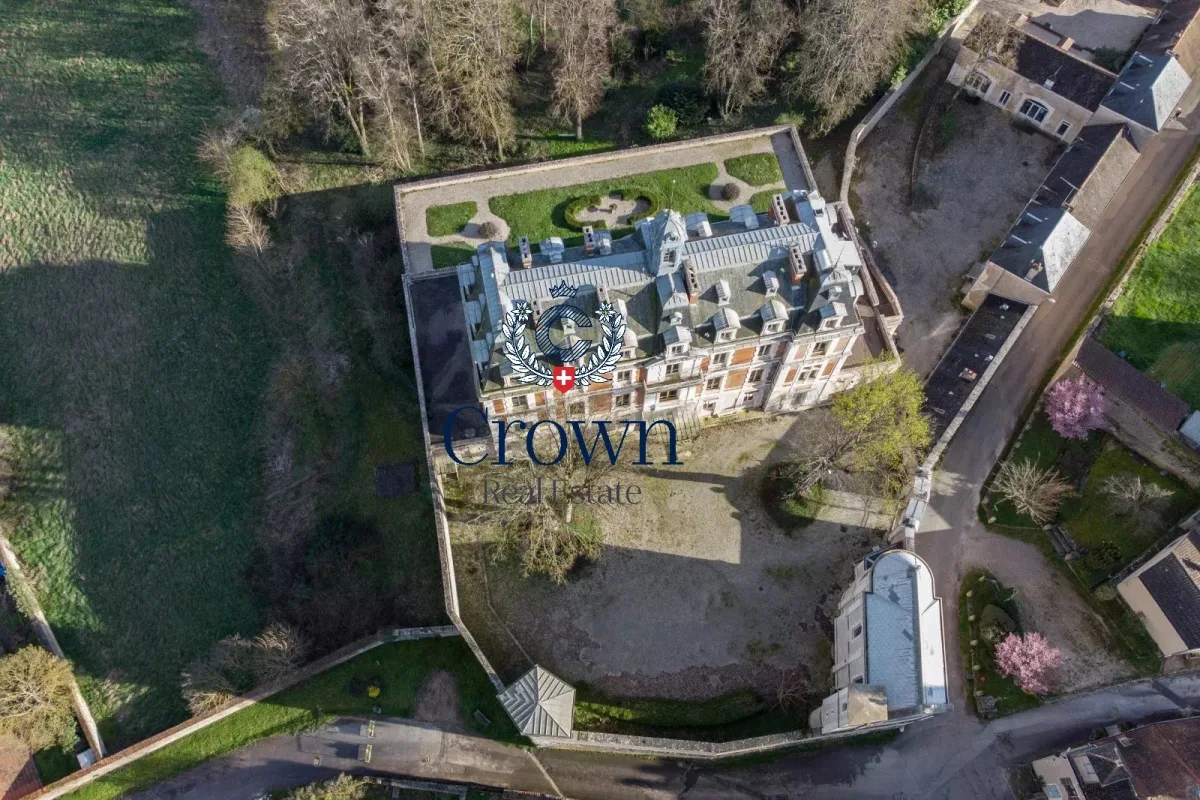
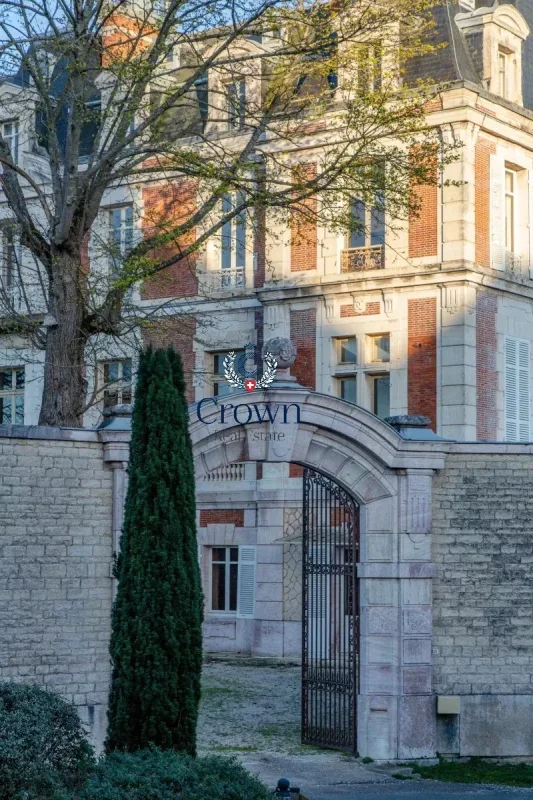
Prestigious Château Estate with Parkland and Vineyards in Rully
Rully
1700 m²
17
Some properties possess a value that extends far beyond their architecture, size or location. Prestigious châteaux belong to this rare category.
Witnesses to centuries of history, they bear the traces of the families who built them, the personalities who lived there and the events that shaped their regions. Behind monumental façades, towers, courtyards, chapels, formal gardens and extensive outbuildings lies a heritage that cannot simply be recreated.
Buying a château therefore means acquiring far more than an exceptional residence. It means entering into a story, preserving an architectural legacy and sometimes becoming the new custodian of a heritage passed down through generations.
On Prestige.top, châteaux for sale represent one of the most distinctive forms of luxury real estate: where contemporary prestige meets centuries of history.
A château is not a property like any other.
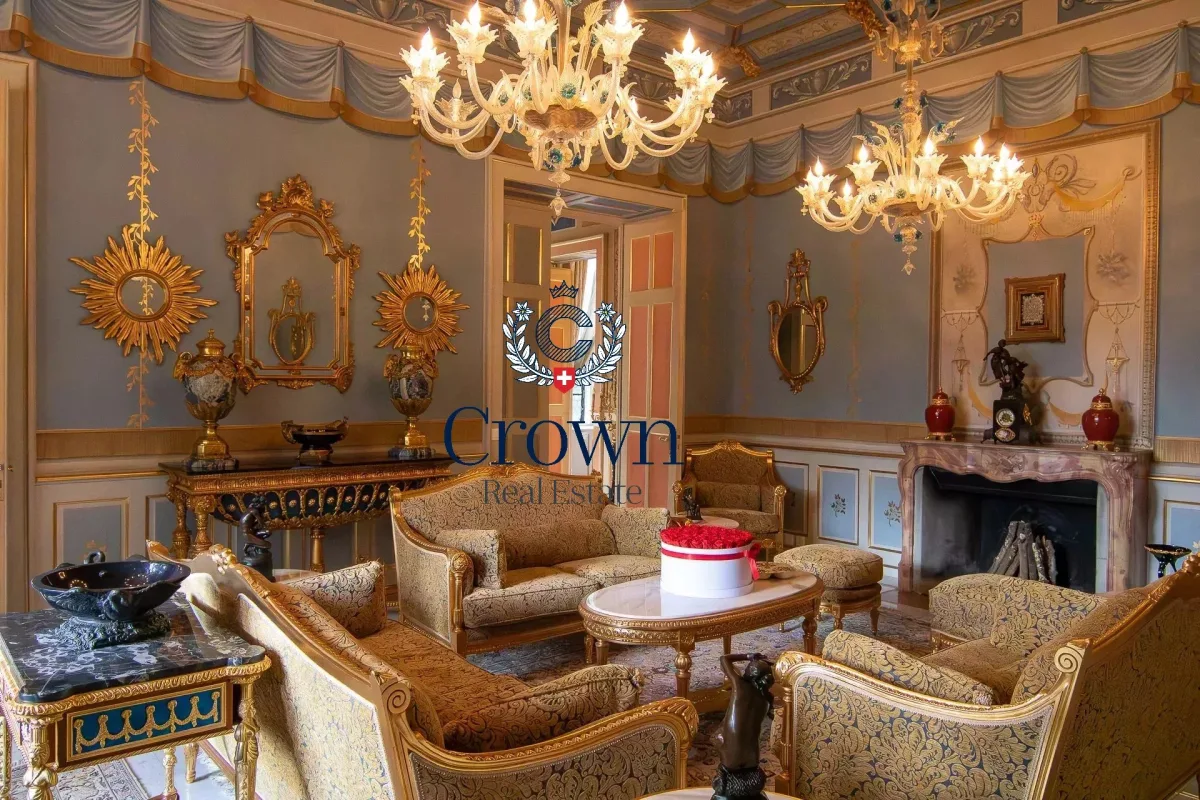
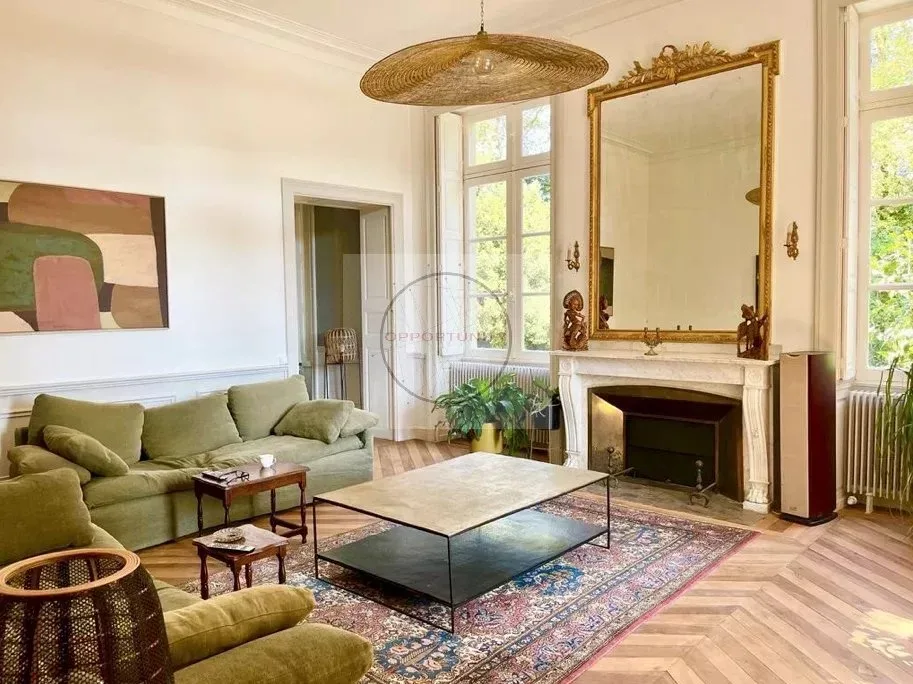
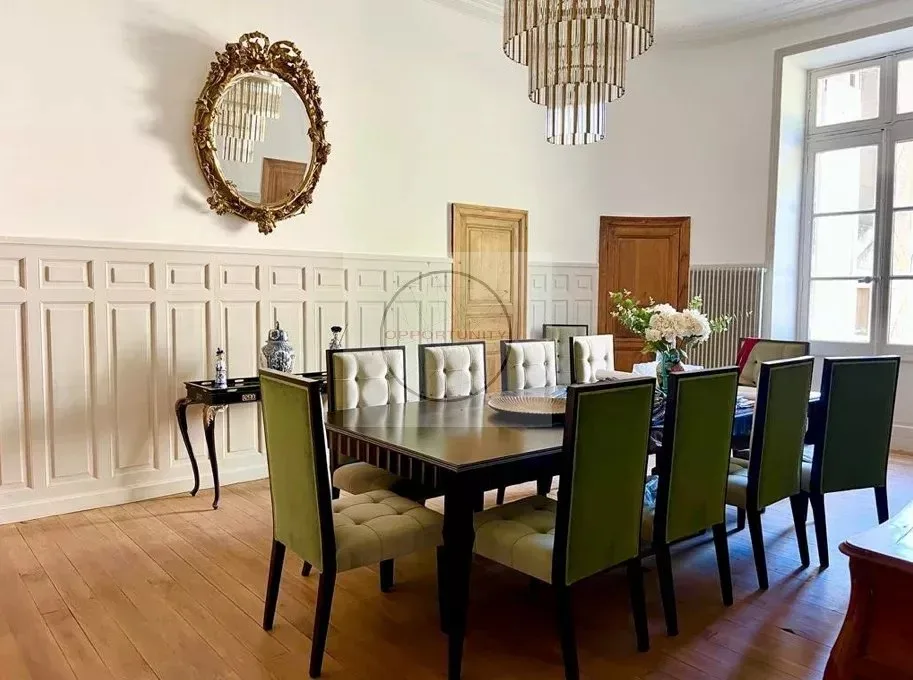
Its stonework, proportions, monumental fireplaces, staircases, wood panelling, frescoes and gardens can bear witness to an era and to craftsmanship that has long disappeared.
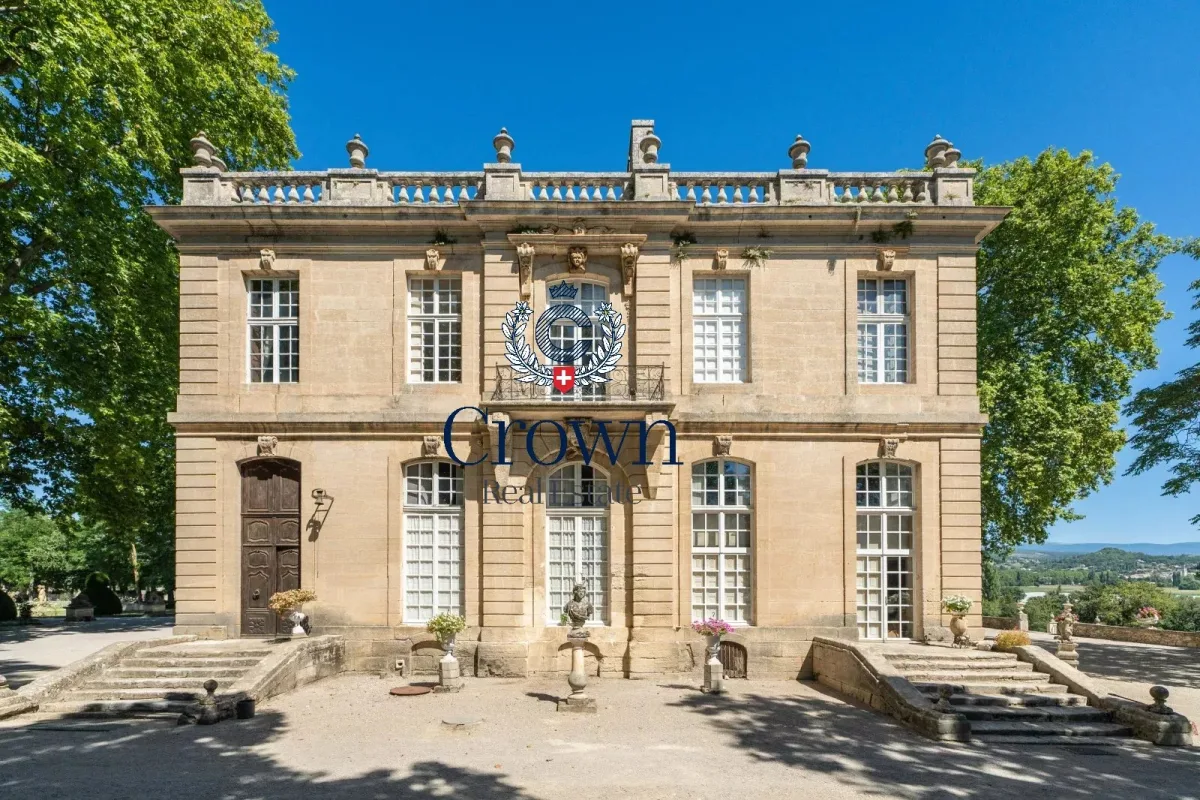
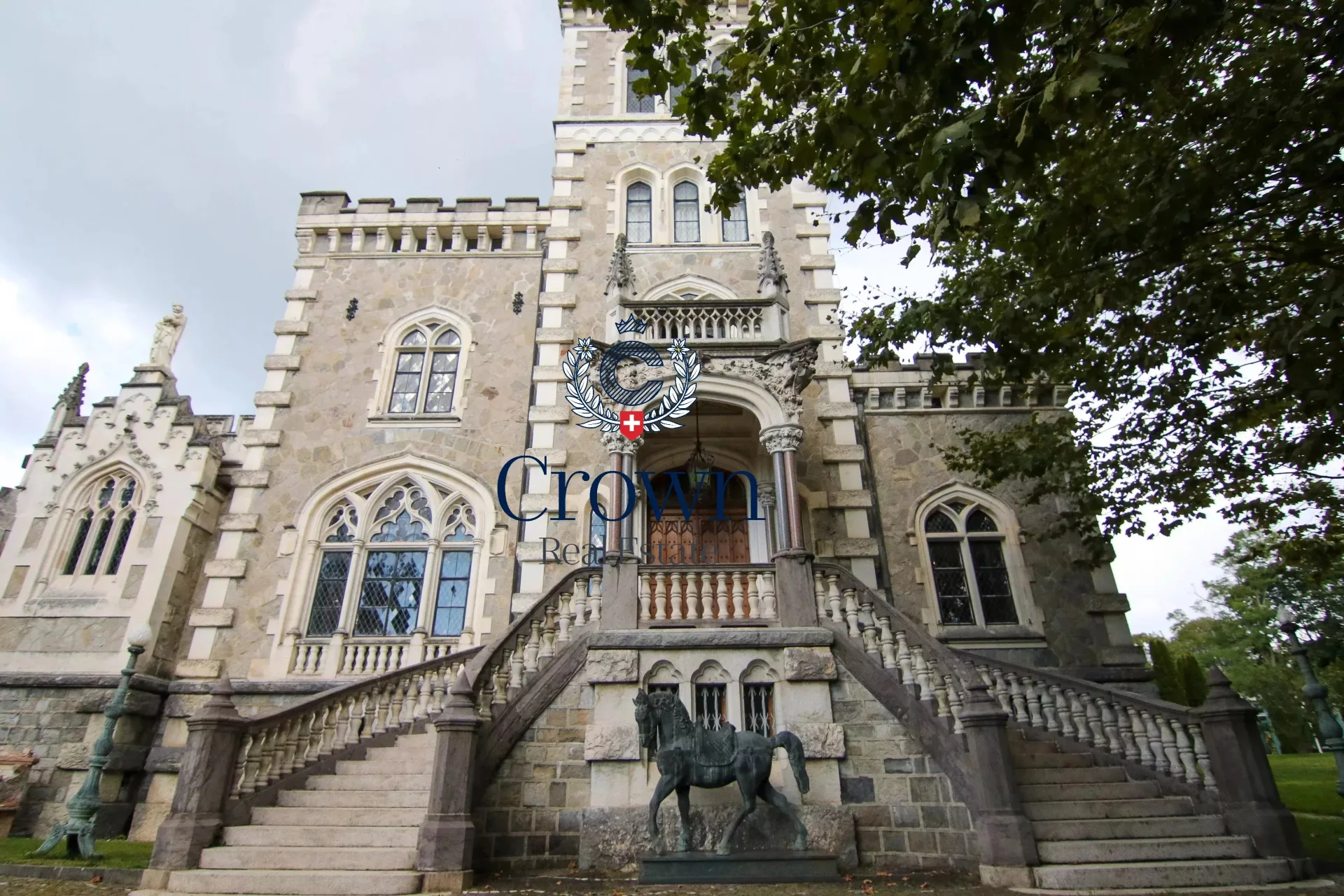
Medieval castles, Renaissance châteaux, classical estates, Gothic Revival residences and grand aristocratic properties each possess their own architectural language.
Some estates date back to the Middle Ages. Others were transformed over centuries by noble families, landowners or wealthy patrons. They may have welcomed important historical figures, served as residences for influential families or played a role in the economic and cultural history of their region.
This historical depth creates a form of value that cannot be reproduced by contemporary construction.
France occupies a unique position in the world of prestigious châteaux.
From the Loire Valley to Normandy, Brittany, Burgundy, the Dordogne and Provence, numerous regions are home to remarkable historic estates.
The Loire Valley remains one of the most emblematic destinations, renowned for its Renaissance châteaux, historic estates and extensive landscaped grounds.
The Dordogne and Périgord offer medieval fortresses, manor houses and historic residences set within remarkably preserved landscapes.
In Burgundy and France's great wine regions, some châteaux combine architectural heritage with vineyards and wine production. In Bordeaux, historic estates may encompass a château, vineyards, cellars, agricultural land and production facilities within a single property.
In Provence, historic bastides and grand estates offer a distinctly Mediterranean interpretation of heritage, combining traditional architecture, gardens, olive groves and spectacular landscapes.
This diversity explains why France remains a privileged destination for international buyers searching for a historic château for sale.
One of the defining characteristics of a château is the relationship between the main residence and its surroundings.
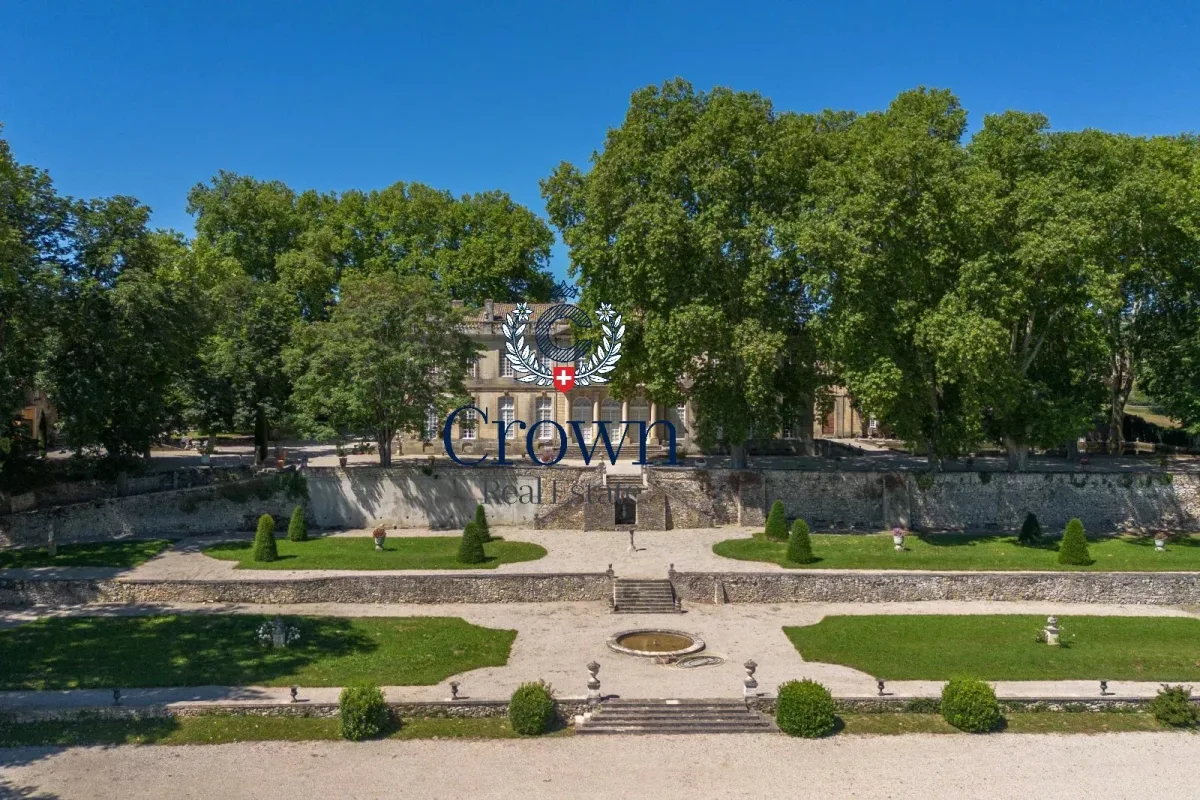
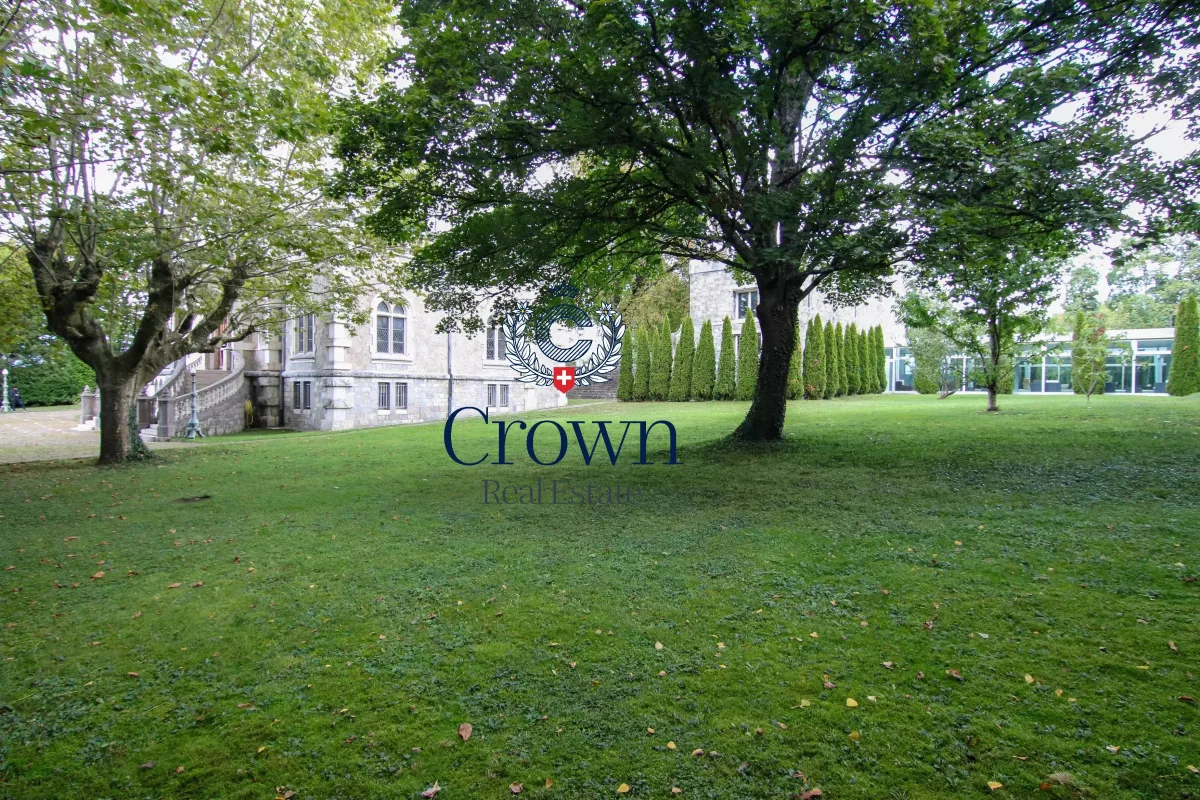
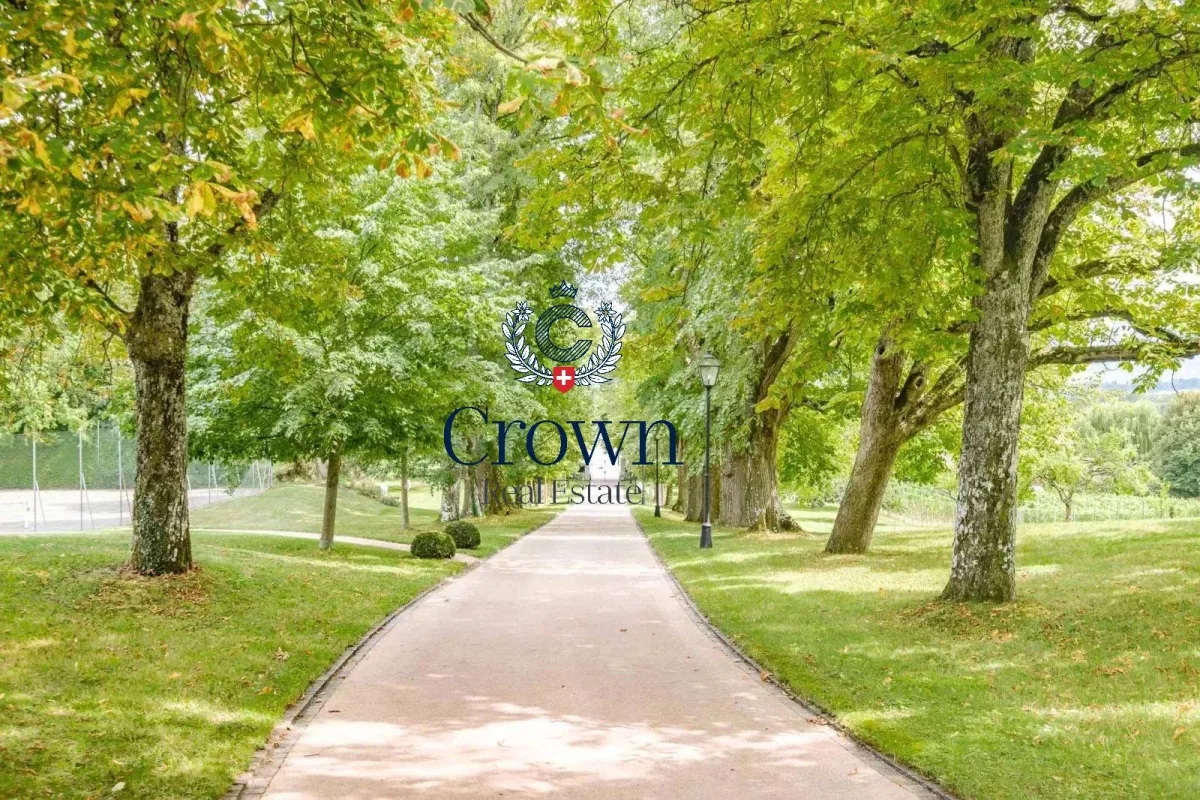
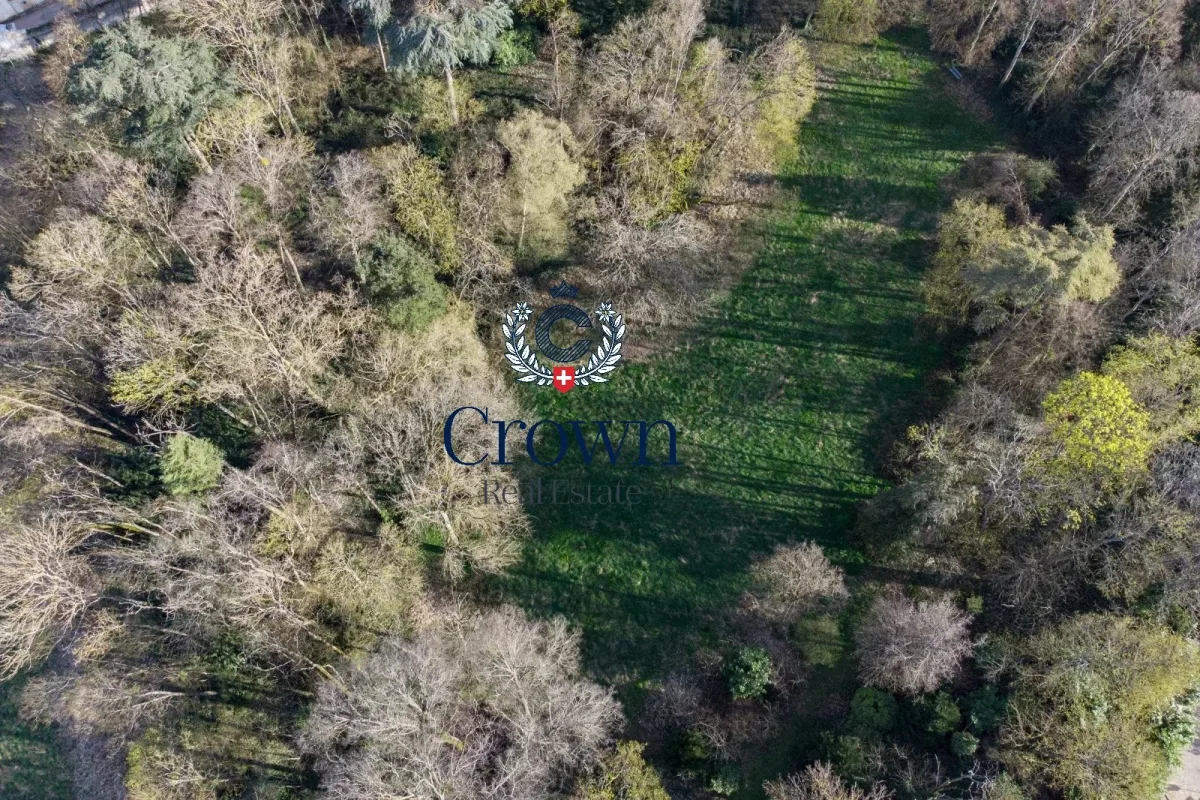
A historic château may be surrounded by dozens of acres of parkland, forests, formal French gardens, lakes, vineyards, farmland or meadows.
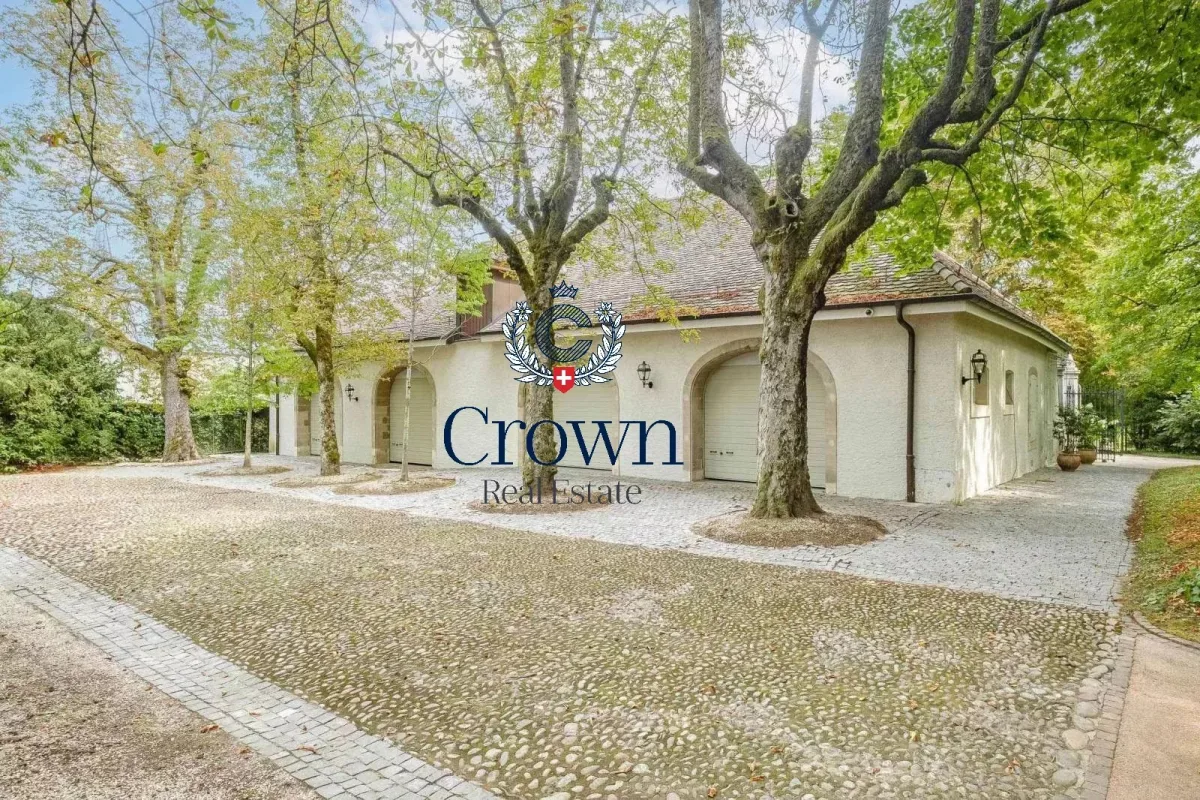
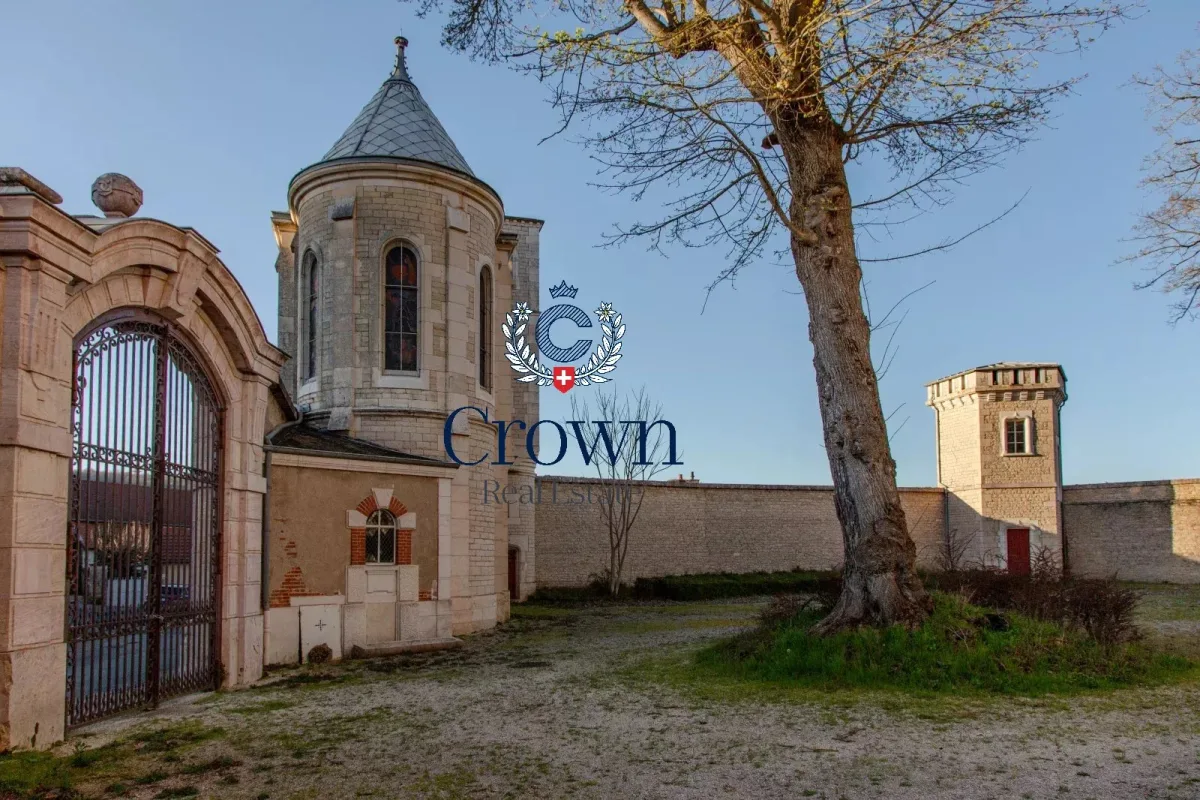
Its outbuildings can represent a remarkable heritage in their own right: stables, barns, orangery buildings, gatehouses, chapels, dovecotes, former farm buildings and guest accommodation.
Together, these elements can form a genuine historic estate.
This architectural and landscape coherence gives a château an almost unique position within the luxury property market. The buyer is not simply acquiring a residence, but an entire heritage ensemble.
The value of a château also lies in the authenticity of its materials and architecture.
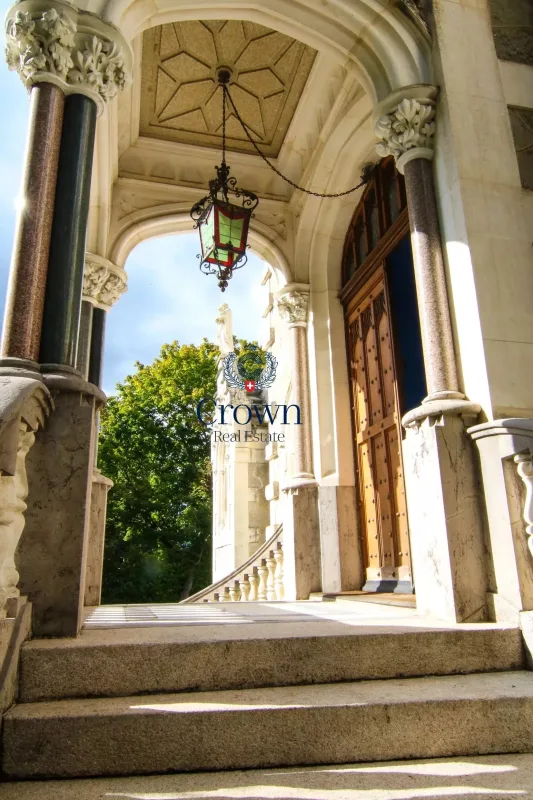
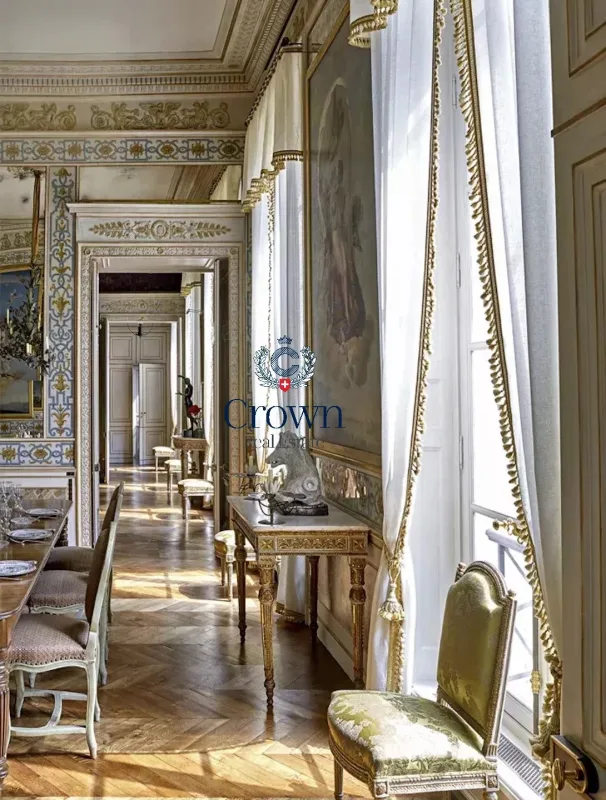
Historic stone, monumental timber frames, original flooring, sculptures, wood panelling, stained glass, fireplaces, decorated ceilings and stone staircases reflect techniques and craftsmanship belonging to another era.
Contemporary restoration can now combine this heritage with exceptionally high standards of modern comfort.
Modern heating and climate systems, smart-home technology, contemporary kitchens, swimming pools, spas, private cinemas and equestrian facilities can be integrated into historic estates while preserving their architectural identity.
The result can be extraordinary: 21st-century comfort within a residence several centuries old.
The history of a château can also be closely connected to its former owners.
Aristocratic families, industrial dynasties, writers, artists, political figures and international fortunes have all contributed to the history of particular estates.
This provenance can significantly enhance the prestige of a property.
In some cases, the château itself has become a historical landmark: its name is known far beyond its immediate region, its architecture has been extensively documented and its history forms part of the cultural heritage of the area or nation.
For an owner, this dimension can be particularly powerful. Owning such a residence means not only living in an exceptional setting, but becoming the custodian of a story that began long before their arrival.
A château is not defined solely by its past.
Historic estates can also offer an extraordinary contemporary lifestyle.
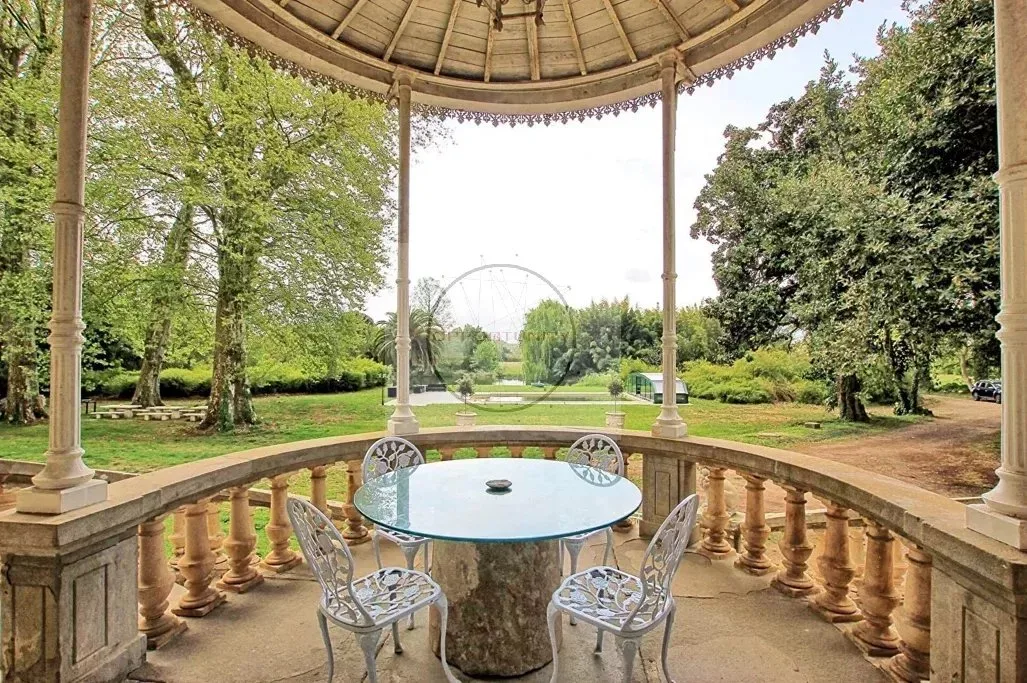
Hosting guests in a monumental gallery or reception room, organising a dinner in a historic courtyard, riding through private grounds, enjoying a swimming pool discreetly integrated into the gardens or simply contemplating the surrounding landscape from a centuries-old terrace are experiences that cannot easily be reproduced in a conventional residence.
Some estates also include several guest houses, tennis courts, swimming pools, equestrian facilities, reception areas or extensive spaces designed for family and guests.
The château becomes a private residence, a place for entertaining and sometimes an entire world of its own.
The acquisition of a château also has a distinctive dimension: legacy.
A contemporary residence can be replaced. A historic château can survive for generations.
Some estates have remained within the same family for centuries. Others have changed hands while retaining their heritage through owners who have undertaken major restoration and preservation projects.
This responsibility gives the purchase an entirely different meaning.
The owner does not simply enjoy an exceptional property. They contribute to its maintenance, conservation and transmission.
It may be one of the most enduring forms of luxury real estate.
The world's most prestigious châteaux increasingly attract international buyers seeking a form of property that is genuinely distinctive.
French, British, European, North American, Middle Eastern and international entrepreneurs may be drawn to the possibility of owning a historic residence within one of Europe's great heritage regions.
The market extends well beyond France.
Italy offers historic palazzi and castelli, Spain its palaces and grand estates, Scotland its castles, England its country estates and Central Europe its former aristocratic residences.
Each country has its own architectural tradition, but they all share the same fundamental principle:
a historic château represents a heritage that cannot simply be built again.
At a time when many luxury residences are designed to impress through technology, size and amenities, châteaux offer a different definition of luxury.
Their rarity is not determined by price alone.
It is determined by time.
A château several centuries old cannot be recreated. Its stones were shaped by craftsmen who have long disappeared, its gardens have evolved through generations and its history is inseparably connected to the surrounding land.
For some buyers, this is precisely what makes it the ultimate luxury.
Owning a château means owning an exceptional residence. But above all, it means becoming, for a time, the custodian of a history that will outlive you.
Prestige.top presents a selection of châteaux, historic estates and exceptional heritage properties for buyers seeking truly distinctive real estate.
Medieval castles, Renaissance châteaux, aristocratic estates, historic wine properties, manor houses and grand heritage residences: each property possesses its own architecture, history and identity.
For heritage collectors, families searching for an extraordinary residence or international buyers wishing to connect their wealth with history, these properties represent one of the rarest forms of luxury.
Because a château is not simply a house.
It is heritage, history, legacy and responsibility — together with the extraordinary privilege of writing its next chapter.