Prestigious wine estates for sale in France
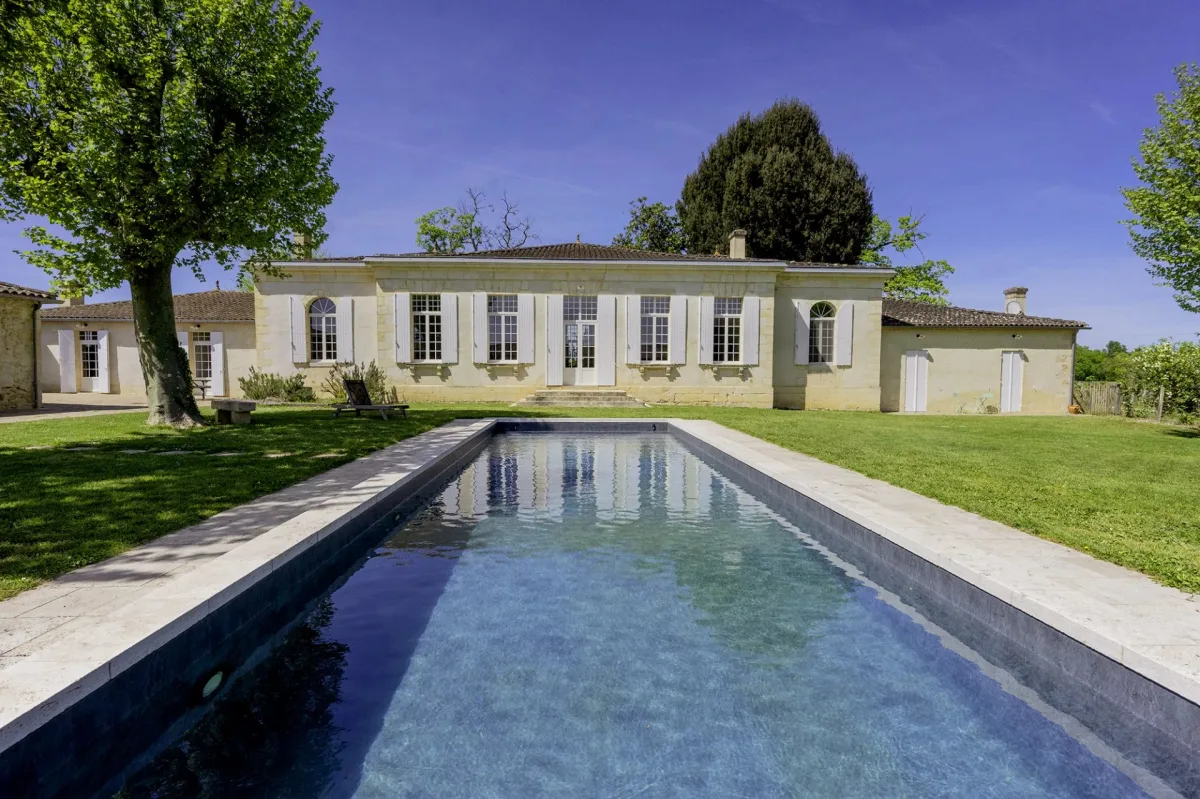
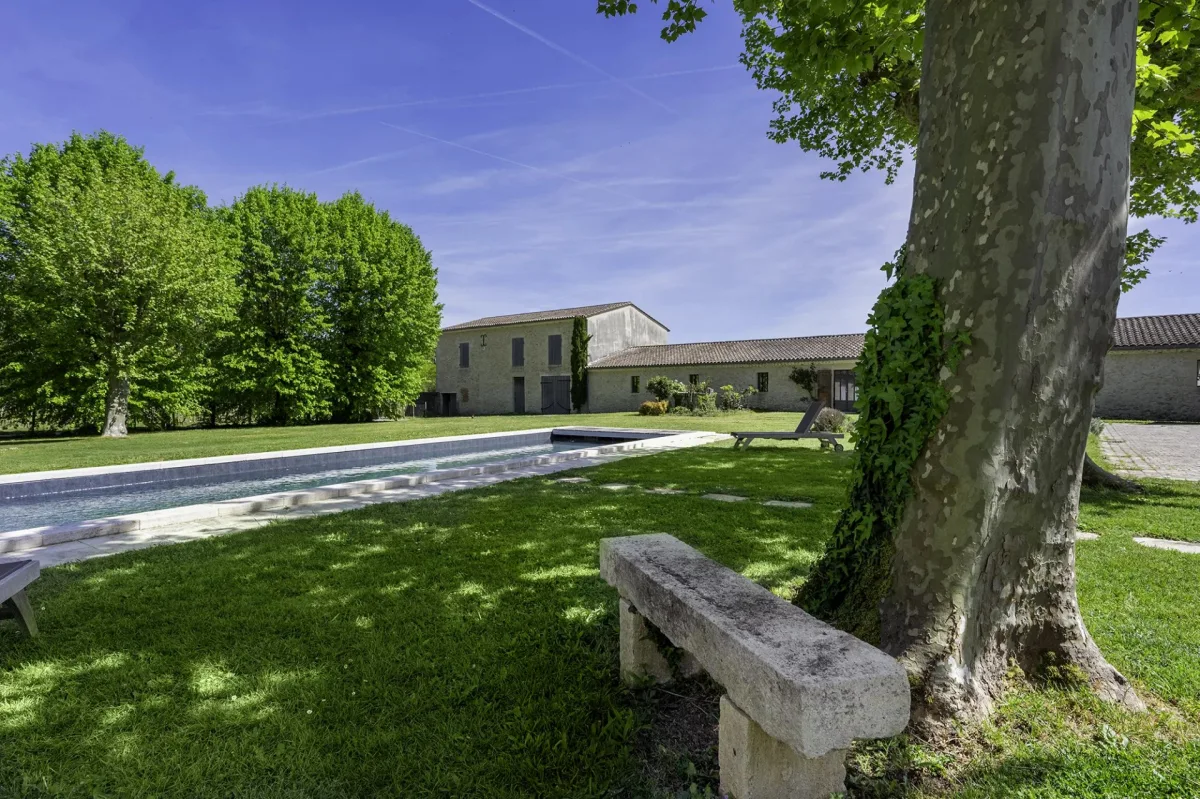
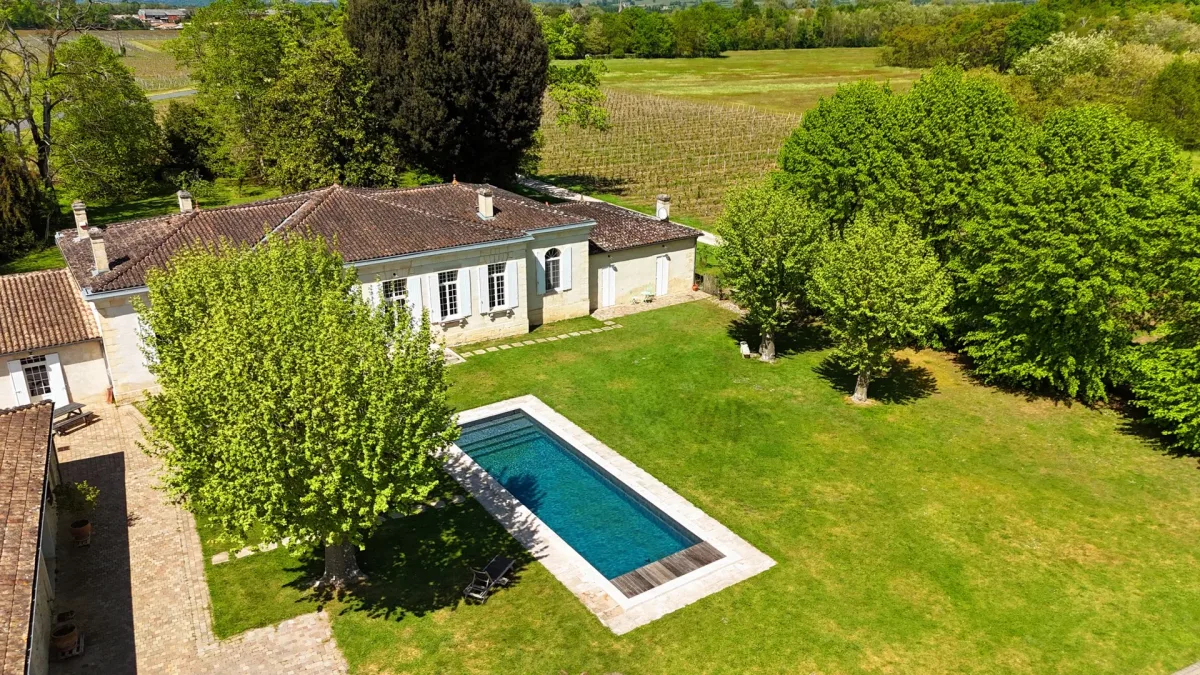
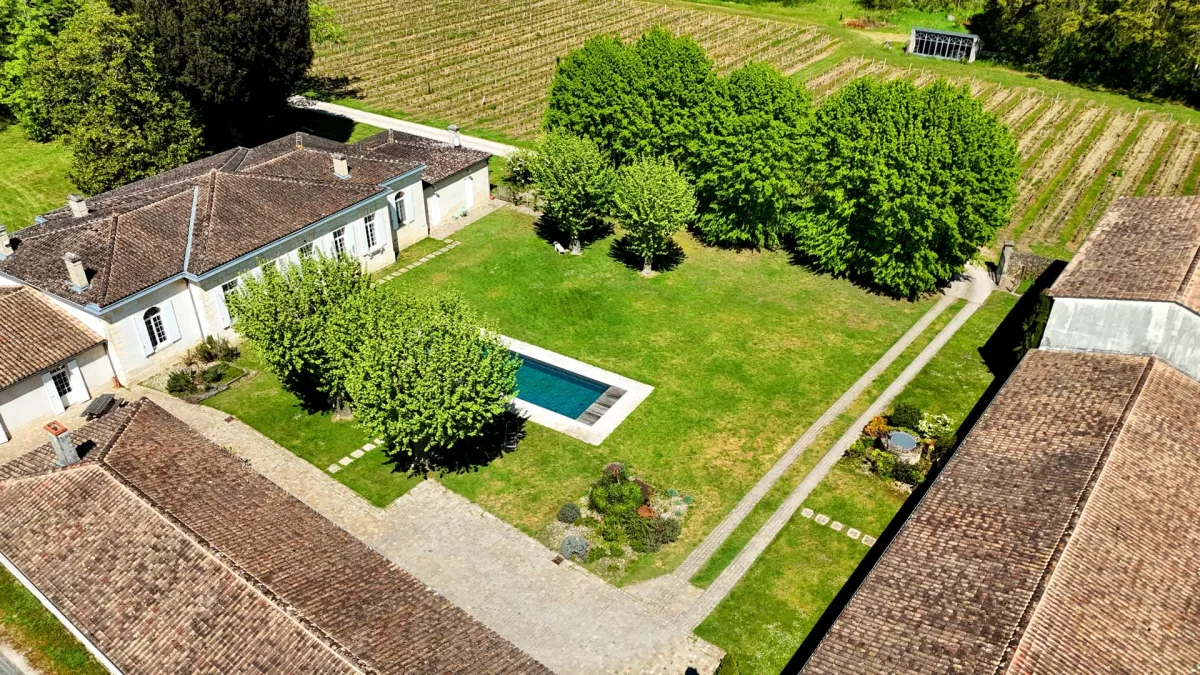
Top searches
- 149 Villas for sale in France
- 108 Villas for sale on the French Riviera
- 90 Villas for sale in the Alpes-Maritimes
- 61 Apartments for sale in France
- 51 Apartments for sale on the French Riviera
- 49 Apartments for sale in the Alpes-Maritimes
- 41 Properties for sale in France
- 33 Apartments for sale in Cannes
- 18 Properties for sale on the French Riviera
- 15 Villas for sale in Mougins
- 13 Villas for sale in Cannes
- 13 Properties for sale in the Bouches-du-Rhône
- 13 Villas for sale in Cap Ferrat & Monaco
- 12 Villas for sale in the Var
- 11 Villas for sale in the Gulf of Saint-Tropez
- 10 Properties for sale in the Alpes-Maritimes
- 10 Villas for sale in Èze
- 7 Châteaux for sale in France
- 7 Villas for sale in Nice
- 7 Apartments for sale in Cannes Croisette
- 7 Properties for sale in the Gulf of Saint-Tropez
- 6 Villas for sale in the Bouches-du-Rhône
- 6 Villas for sale in the Loire-Atlantique
- 6 Villas for sale in Roquebrune-Cap-Martin
Top areas
- 184 properties for sale on the French Riviera
- 156 properties for sale in the Alpes-Maritimes
- 20 properties for sale in the Bouches-du-Rhône
- 20 properties for sale in Cap Ferrat & Monaco
- 20 properties for sale in the Gulf of Saint-Tropez
- 16 properties for sale in the Var
- 12 properties for sale in the Loire-Atlantique
- 12 properties for sale in Provence
- 11 properties for sale in Haute-Savoie
- 10 properties for sale in the Alpilles
- 7 properties for sale in the French Alps
- 7 properties for sale in Arcachon Bay
- 6 properties for sale in the Val-de-Marne
- 2 properties for sale in the Gironde
- 2 properties for sale in the Bas-Rhin
Top cities
- 49 properties for sale in Cannes
- 15 properties for sale in Mougins
- 14 properties for sale in Nice
- 14 properties for sale in Èze
- 11 properties for sale in Antibes
- 9 properties for sale in Roquebrune-Cap-Martin
- 8 properties for sale in Paradou
- 7 properties for sale in La Baule-Escoublac
- 7 properties for sale in Cannes Croisette
- 7 properties for sale in Grimaud
- 6 properties for sale in Saint-Rémy-de-Provence
- 6 properties for sale in Villefranche-sur-Mer
- 5 properties for sale in Théoule-sur-Mer
- 5 properties for sale in Cannes Californie
- 5 properties for sale in Saint-Tropez
- 5 properties for sale in Ramatuelle
- 5 properties for sale in Nice Gairaut
- 4 properties for sale in Paris
- 3 properties for sale in Chamonix-Mont-Blanc
- 3 properties for sale in La Turbie
- 3 properties for sale in Mougins Golf
- 3 properties for sale in Cannes Pointe Croisette
- 3 properties for sale in Beausoleil
- 3 properties for sale in Cannes Banane
- 3 properties for sale in Eygalières
- 3 properties for sale in Cannes Montfleury
- 2 properties for sale in La Baule-Escoublac Casino-Benoît
- 2 properties for sale in Vincennes
- 2 properties for sale in Cap d'Antibes
- properties for sale in Saint-Raphaël Bord de mer
Luxury Wine Estates for Sale in France : Exceptional French Vineyard Properties
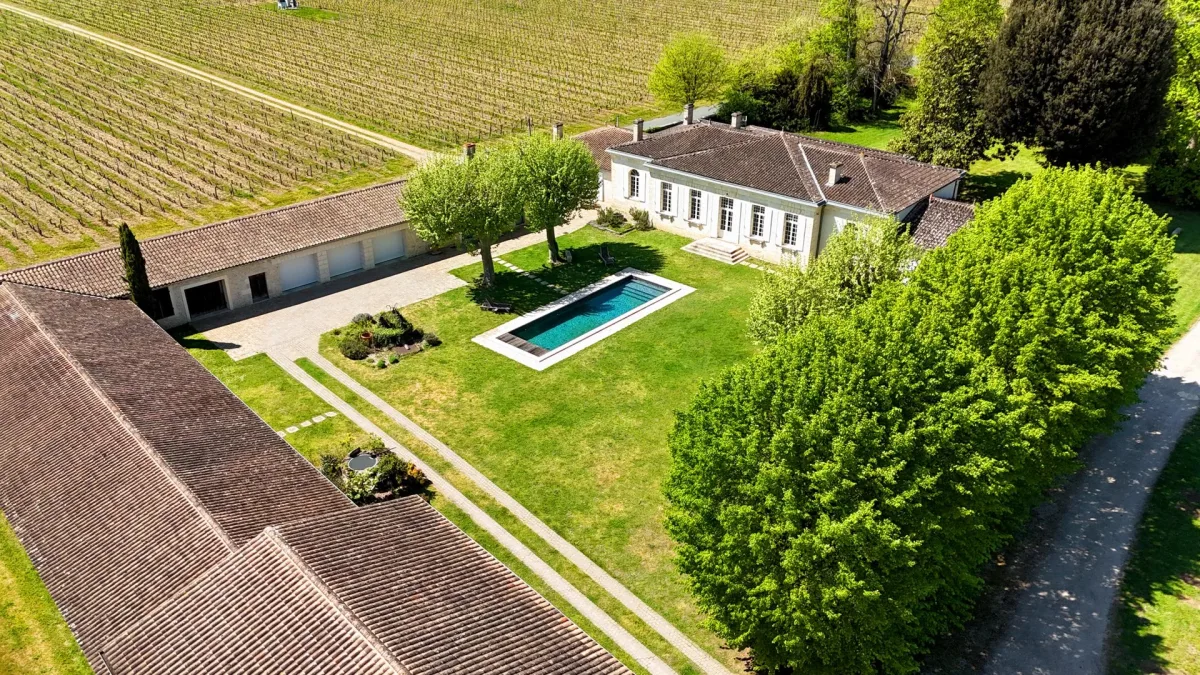
Buying a luxury wine estate in France means acquiring far more than a residence surrounded by vineyards. Depending on the property, an estate may combine a historic château, a private residence, vineyards, wine cellars, production facilities, agricultural land, guest accommodation, landscaped grounds and an established wine business.
France is home to some of the world's most prestigious wine regions, from Bordeaux and Burgundy to Champagne, the Rhône Valley, Provence, Languedoc, the Loire Valley, Alsace and Corsica. The French wine industry encompasses hundreds of recognised appellations, creating an exceptionally diverse market for buyers looking for a vineyard estate with heritage, land and commercial potential.
For French and international buyers, a vineyard estate can therefore represent several assets at once: an exceptional private residence, agricultural property, heritage asset and, depending on the structure, a fully operational wine business.
Why Buy a Luxury Wine Estate in France?
The principal attraction lies in the combination of terroir, architectural heritage and French lifestyle.
A vineyard estate offers an experience rarely found in conventional luxury real estate: living among vineyards, owning a historic residence, entertaining guests in elegant reception rooms or private gardens and, depending on the property, producing and marketing wine under one's own name.
This combination appeals to international buyers searching for a French wine estate, a prestigious vineyard property in the South of France or a private country estate within one of the world's renowned wine regions.
France also offers remarkably different types of vineyard property. Buyers can choose between a Bordeaux château, a more intimate Burgundy estate, a Champagne property, a Provençal wine estate, a Mediterranean mas or a large Languedoc vineyard estate.
Bordeaux: Prestigious Châteaux and Historic Wine Estates
Bordeaux is naturally one of the world's most recognised markets for luxury wine estates.
The Bordeaux region combines an exceptional concentration of historic châteaux, classified growths and established wine estates. The Left Bank and Right Bank, however, represent very different property and vineyard markets.
In the Médoc, estates may combine château, vineyards, landscaped grounds and production buildings within substantial private properties. Saint-Émilion, Pomerol and the surrounding appellations offer a different landscape, with vineyards often concentrated around highly sought-after terroirs.
Vineyard values illustrate these differences. In 2024, Safer reported a dominant value of approximately €2.5 million per hectare in Pauillac and €1.4 million per hectare in Margaux, with significant variation depending on terroir and individual transactions. In Saint-Émilion, the published dominant value was €250,000 per hectare, again with substantial differences according to vineyard quality and location.
These figures relate to vineyard land rather than the total value of a château estate. A complete wine property must also be assessed according to its buildings, facilities, inventory, brand and commercial potential.
Burgundy: Scarcity and Exceptional Terroirs
Burgundy represents an entirely different type of luxury vineyard market.
The relatively small scale of many estates and the importance attached to individual climats and appellations create a market in which even a few hectares can represent significant value.
Buyers may search for vineyard properties around Gevrey-Chambertin, Vosne-Romanée, Nuits-Saint-Georges, Beaune, Pommard, Meursault, Puligny-Montrachet and Chassagne-Montrachet, depending on the appellation and wine profile sought.
In Burgundy, the vineyard component can be considerably more important than the residence itself. A relatively modest property from an architectural perspective can represent an exceptional wine asset because of the quality and scarcity of its individual parcels.
For international buyers, Burgundy therefore often corresponds more closely to the concept of a rare vineyard estatethan the traditional image of a grand French château.
Champagne: Vineyard Estates and Prestigious Properties
Champagne is another highly distinctive market.
Around Reims, Épernay, Aÿ-Champagne, Mareuil-sur-Aÿ, Verzenay and Verzy, properties can combine elegant residences, vineyards, cellars and facilities associated with Champagne production.
The vineyard component has particular significance because of the global strength of the Champagne appellation.
A luxury wine estate acquisition may therefore include several distinct assets: a private residence, vineyard acreage, cellars, production buildings and potentially an established commercial brand.
The acquisition must consequently be assessed not only as real estate but also in relation to production, storage, distribution and the applicable wine regulations.
Provence: Vineyard Estates, Bastides and the South of France Lifestyle
Provence brings an especially strong residential dimension to the luxury wine-estate market.
Around Aix-en-Provence, the Var, the Luberon and selected Mediterranean areas, properties may take the form of elegant bastides surrounded by vineyards, historic mas or private estates combining vines, olive groves and Mediterranean landscapes.
The combination of residence, vineyard and lifestyle is a central part of their appeal.
Exceptional properties may offer:
a historic bastide or private residence;
several hectares of vineyards;
olive groves and landscaped gardens;
a winery and production buildings;
a swimming pool;
guest accommodation;
outbuildings;
panoramic views over vineyards and hills.
For international buyers, this is particularly close to the concept of a luxury wine estate in Provence or a private estate in the South of France.
The Rhône Valley: Historic Estates and Renowned Terroirs
The Rhône Valley offers another diverse market for vineyard estates.
In the north, areas such as Côte-Rôtie, Hermitage, Crozes-Hermitage and Condrieu present very different vineyard landscapes from the larger Mediterranean estates of the southern Rhône.
Further south, appellations including Châteauneuf-du-Pape, Gigondas, Vacqueyras, Tavel and Lirac form part of a warmer Mediterranean environment.
Châteauneuf-du-Pape was among the first French wine appellations formally recognised in 1936, alongside Arbois, Cassis, Cognac, Monbazillac and Tavel.
Buyers can therefore search for vineyard estates around Avignon, Orange and the wine-producing villages of the Vaucluse, with properties ranging from historic residences to larger estates combining vineyards and agricultural buildings.
Languedoc: Large Vineyard Estates and Diverse Opportunities
The Languedoc is one of the largest and most diverse regions for buyers looking for a luxury vineyard property in France.
From Montpellier to Narbonne and from Béziers to Carcassonne, estates can include substantial acreage, historic mas, châteaux, bastides and former wine properties.
The region encompasses numerous appellations and recognised terroirs, including Pic Saint-Loup, Terrasses du Larzac, Grés de Montpellier, Minervois, Corbières, Fitou and La Clape.
Vineyard land values are nevertheless significantly different from those found in France's most prestigious appellations. In 2024, Safer reported dominant values of approximately €8,000 per hectare for AOP Corbières and Corbières-Boutenac vineyards, €11,000 per hectare in Cabardès and €14,000 per hectare for Languedoc – La Clape/Quatourze.
This can make it possible to find estates with substantial acreage and significant residential buildings, depending on the location and configuration.
The Loire Valley, Alsace, South-West France and Corsica
France's luxury vineyard market extends well beyond the most internationally famous wine regions.
Loire Valley
Around Sancerre, Vouvray, Saumur, Chinon, Bourgueil and Amboise, buyers can find historic residences, châteaux and vineyard estates set within distinctive river landscapes.
Alsace
The areas around Colmar, Kaysersberg, Riquewihr, Ribeauvillé and Eguisheim offer a particularly recognisable combination of vineyard heritage and historic architecture.
South-West France
The market includes wine regions such as Cahors, Madiran, Jurançon, Bergerac and Monbazillac, where properties are generally very different from the traditional Bordeaux château model.
Corsica
Corsica offers an entirely different proposition, combining vineyards, island landscapes and a Mediterranean lifestyle around areas such as Patrimonio, Saint-Florent, Ajaccio and Porto-Vecchio.
The Patrimonio AOP, for example, covers approximately 400 hectares across seven communes around the Gulf of Saint-Florent and the Nebbio region.
What Does a Luxury Wine Estate Actually Include?
The term wine estate can describe properties with dramatically different characteristics.
The Château or Main Residence
The residence may be a historic château, Provençal bastide, French manor house, traditional mas or contemporary private residence.
Architectural quality and restoration can have a substantial influence on the value and appeal of the entire estate.
The Vineyard
The number of planted hectares is only the starting point.
Appellation, terroir, vine age, grape varieties, yields, vine health and the precise location of individual parcels can have a major impact on the agricultural value of the property.
The Winery and Production Facilities
The quality and capacity of tanks, winemaking buildings, ageing cellars and technical equipment must be assessed independently.
Some estates are immediately operational, while others may require significant capital investment.
Brand and Distribution
For certain acquisitions, the value of the estate extends beyond land and buildings.
An established wine brand, distribution network, international clientele, wine stocks and commercial reputation can represent significant components of the overall business value.
The real estate value, vineyard value and operating business should therefore be analysed separately.
How Much Does It Cost to Buy a Luxury Wine Estate in France?
There is no single national price that can accurately represent a luxury wine estate in France.
Safer reported that in 2025 the French vineyard market recorded approximately 10,930 transactions involving around 19,000 hectares, with a total value of €1.65 billion. The average price for AOP vineyards was approximately €171,400 per hectare, but the differences between individual appellations were considerable. Outside Champagne, the average was substantially lower.
These figures are useful for understanding the underlying vineyard-land market, but they are not the price of a luxury wine estate.
A property offered for sale may include, in addition to the vineyards, a château, residential buildings, landscaped grounds, production facilities, cellars, machinery, wine stocks and potentially an established brand.
Two estates with the same vineyard acreage can therefore have radically different overall values.
What Determines the Value of a Vineyard Estate?
Buying a luxury wine estate requires a broader analysis than purchasing a conventional private residence.
Appellation and terroir are often the first major differentiating factors.
Individual vineyard parcels depend on location, exposure, soil, vine age and agricultural potential.
The residence contributes architectural, historical and lifestyle value.
Wine-production facilities determine the estate's production capacity and may require significant investment.
Brand and distribution can become essential where an established wine business is included.
Wine stocks and equipment should be valued separately.
Water availability and environmental constraints are also increasingly important to vineyard management. France's appellation authorities are currently addressing climate adaptation, evolving agricultural practices and changes to production specifications across the wine sector.
A Family Legacy and a Long-Term Lifestyle Project
For some buyers, the appeal of a vineyard estate extends well beyond wine production.
It can become a private family residence, a second home, an entertaining estate or a long-term asset to be passed down through generations.
The combination of vineyards, woodland, gardens, olive groves, guest houses and outbuildings can create a remarkably complete private environment.
Depending on the property, wine tourism can also form part of the project, including private tastings, accommodation, tours or events, subject to planning regulations and the relevant licences and authorisations.
Buying a Luxury Wine Estate in France
The market for luxury wine estates for sale in France offers an extraordinary range of properties, from the grand châteaux of Bordeaux to the rare vineyard holdings of Burgundy, prestigious Champagne properties, Provençal bastides and extensive estates in Languedoc.
There is no single definition of a luxury wine estate. Some buyers prioritise a prestigious terroir and established wine operation; others seek a historic château surrounded by vineyards; while others are looking for a property combining a private residence, wine production and hospitality potential.
In every case, the acquisition should be considered as a combination of real estate, vineyard land, heritage, production infrastructure and, where applicable, a commercial wine business.
For international buyers, France therefore offers an exceptionally broad selection of luxury wine estates, French vineyard properties, château wine estates and prestigious private country estates.
Prestige.top provides an international platform for exploring this rare category of property and discovering luxury wine estates, châteaux, vineyards and exceptional vineyard properties for sale across France.