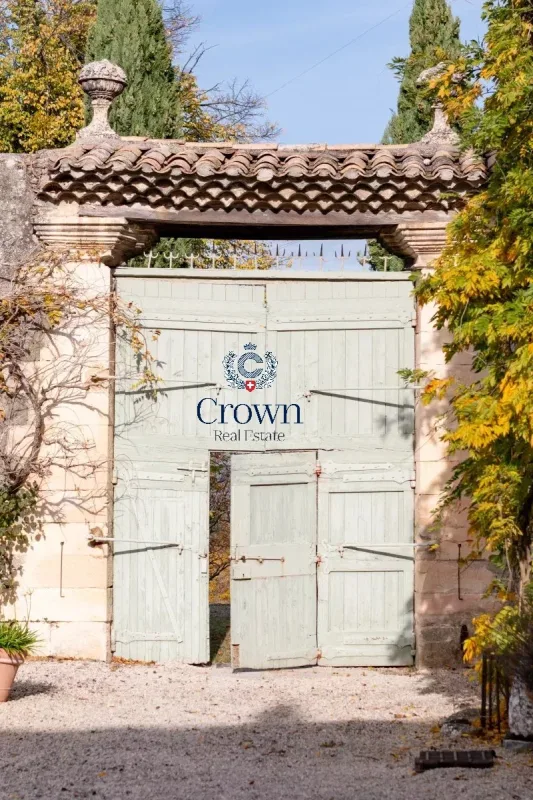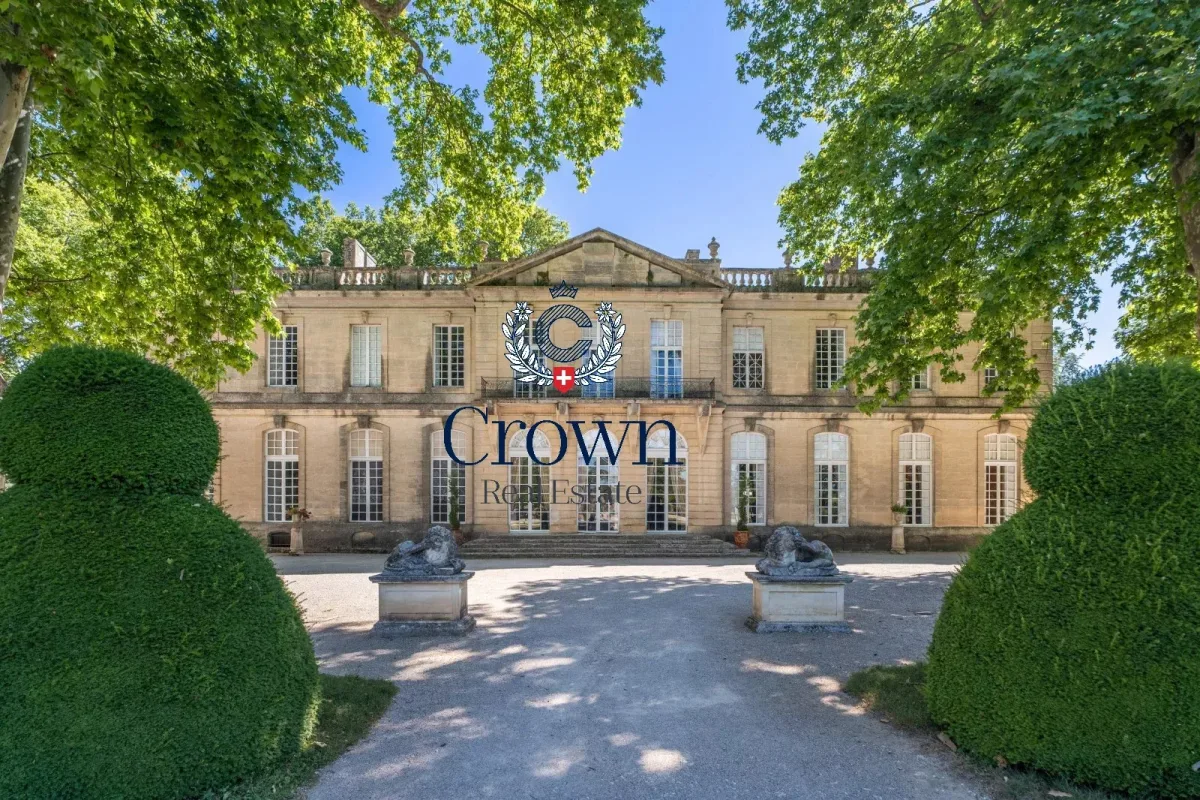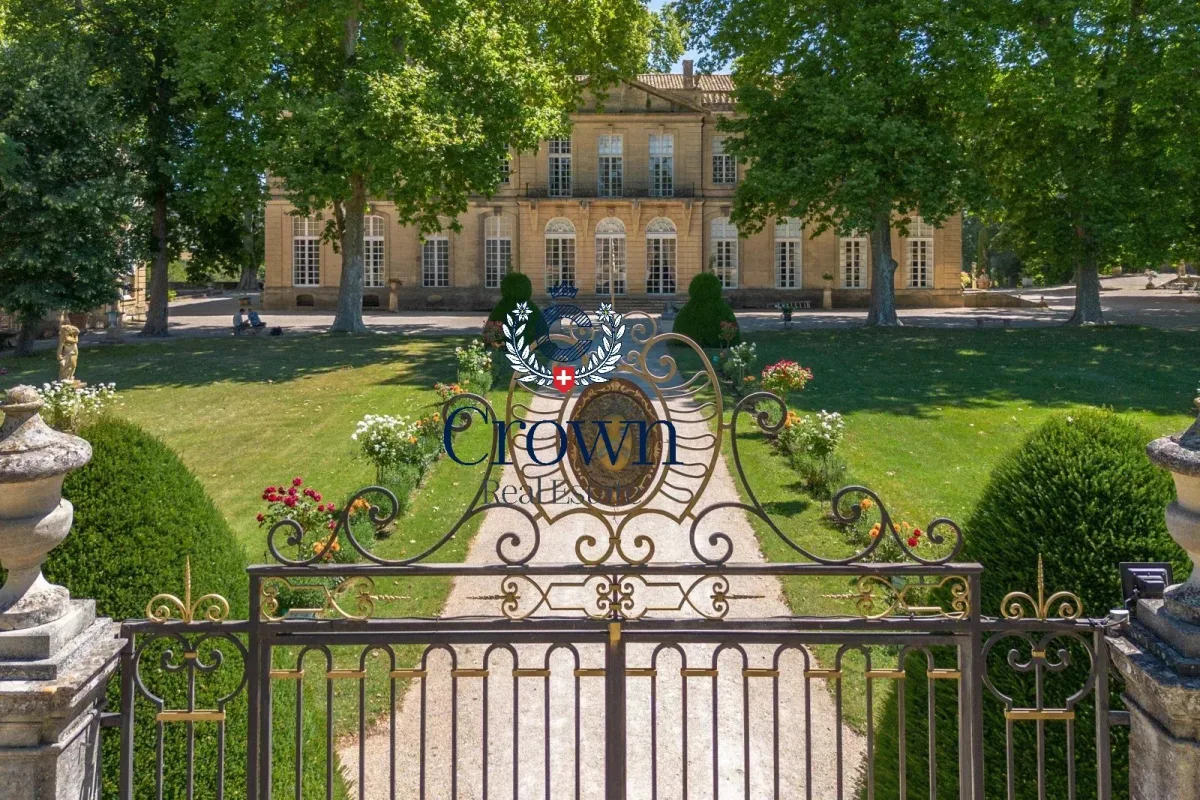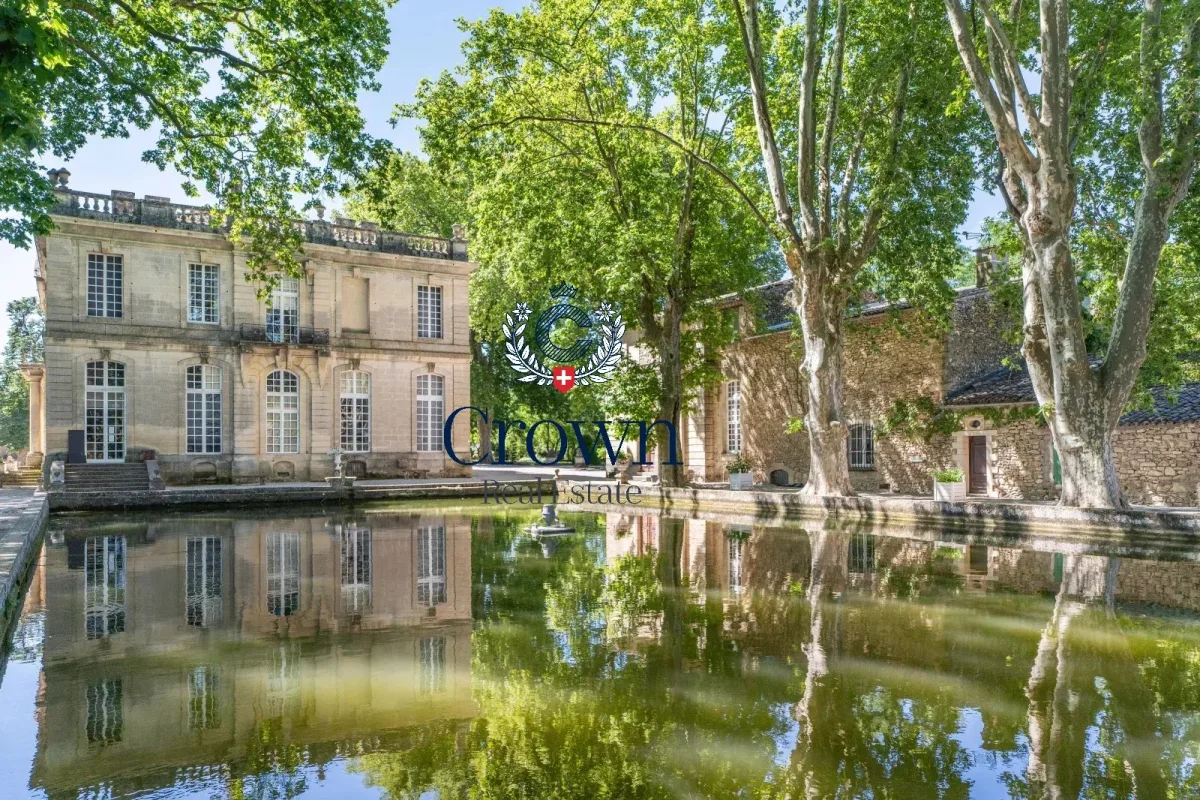
Price on application
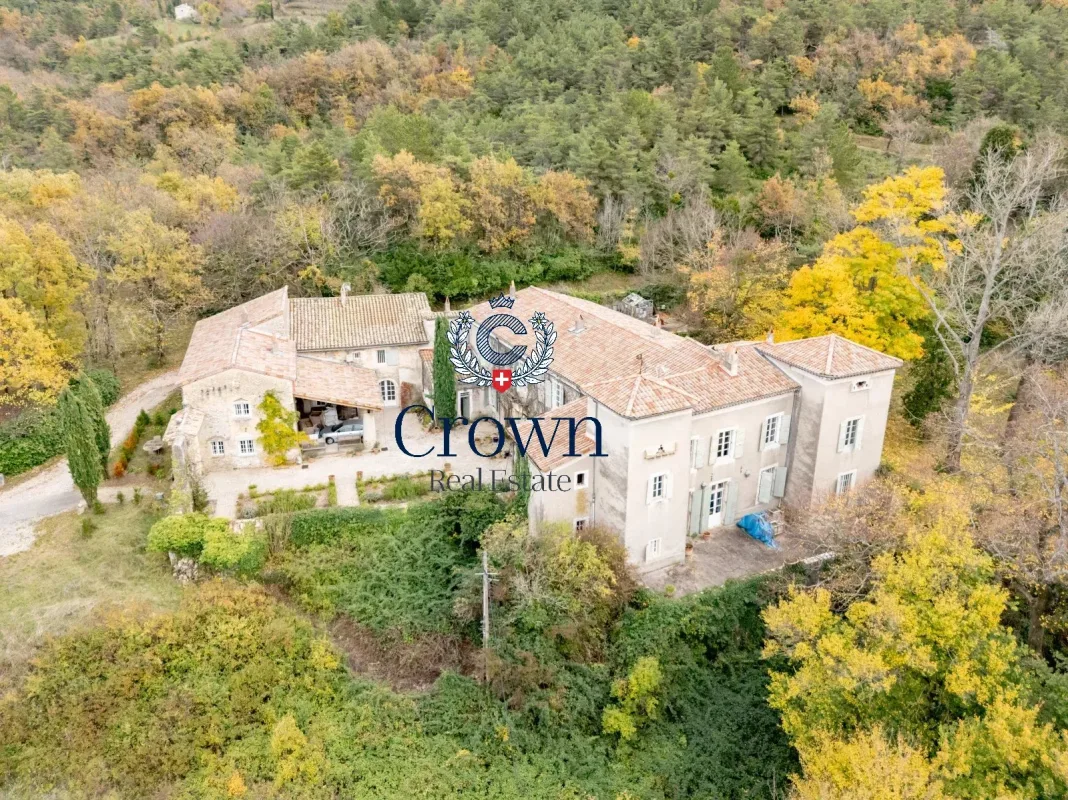
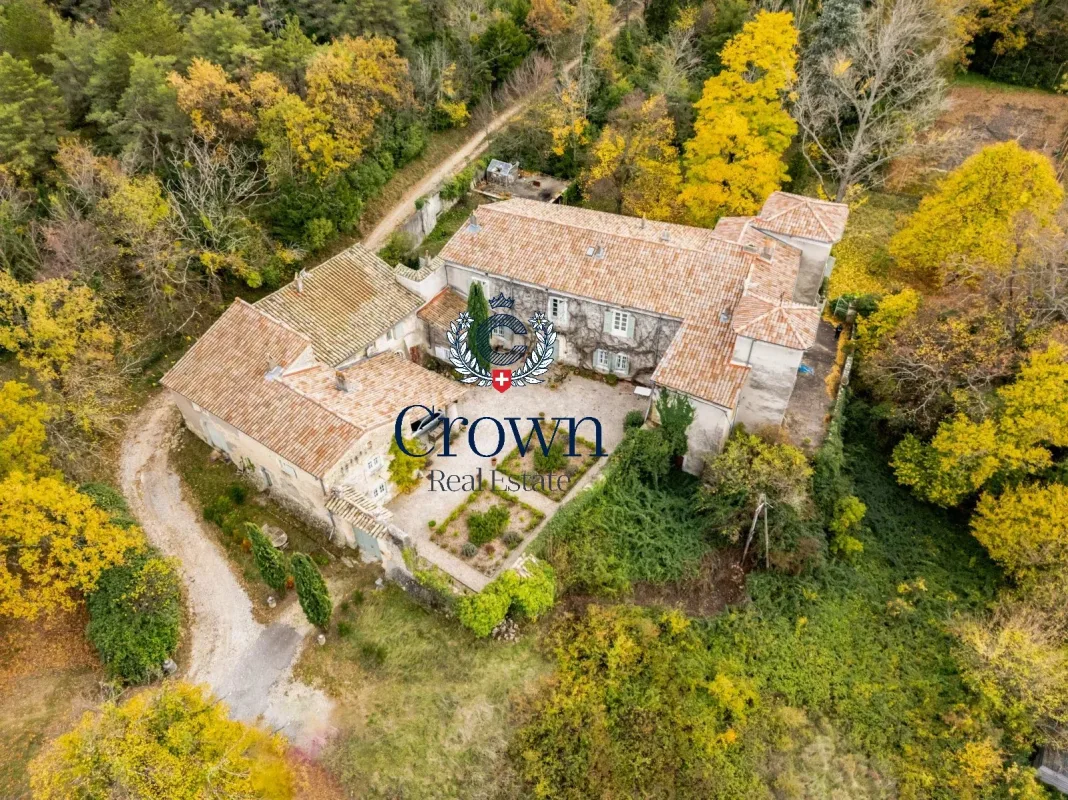
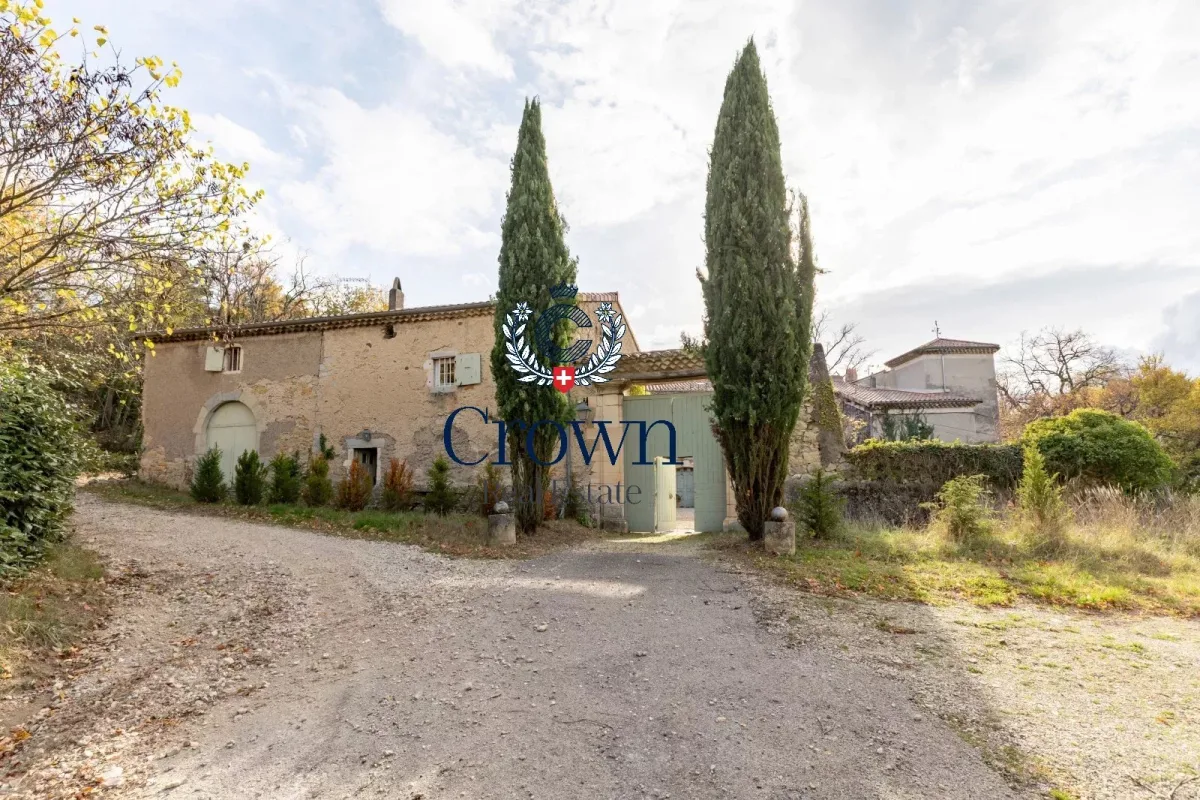
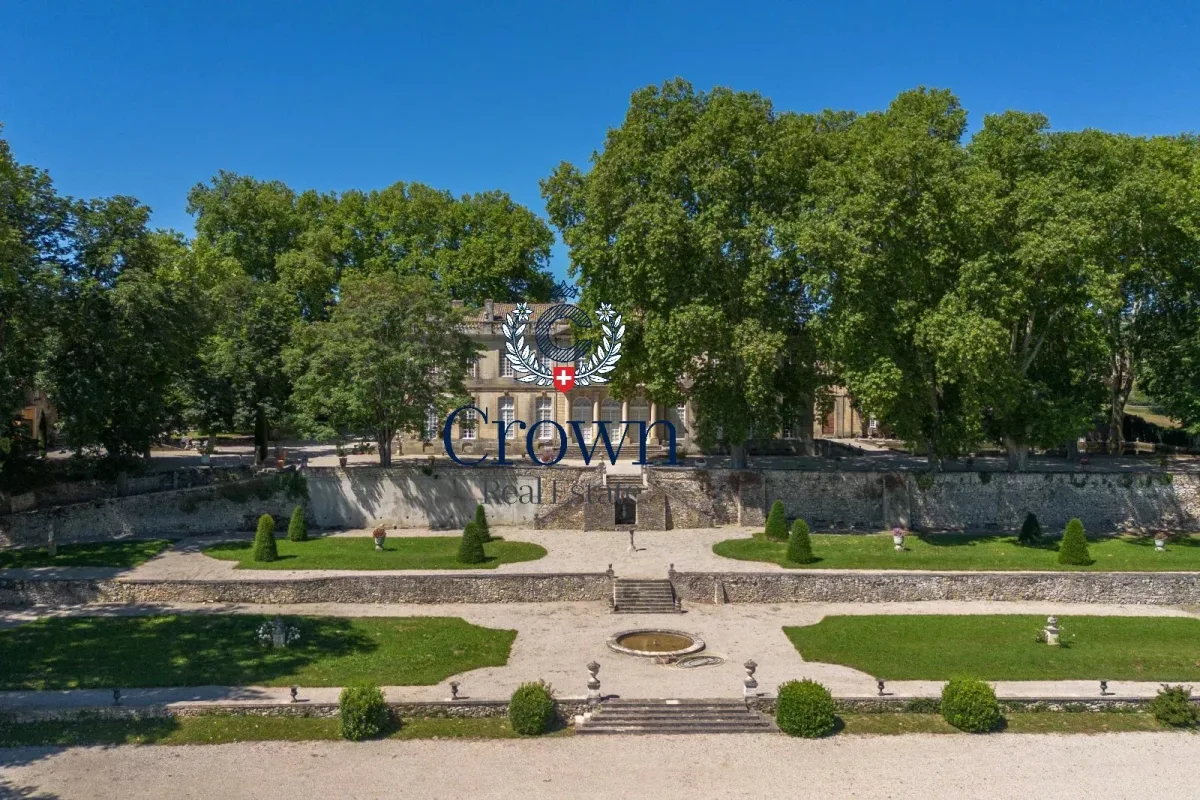
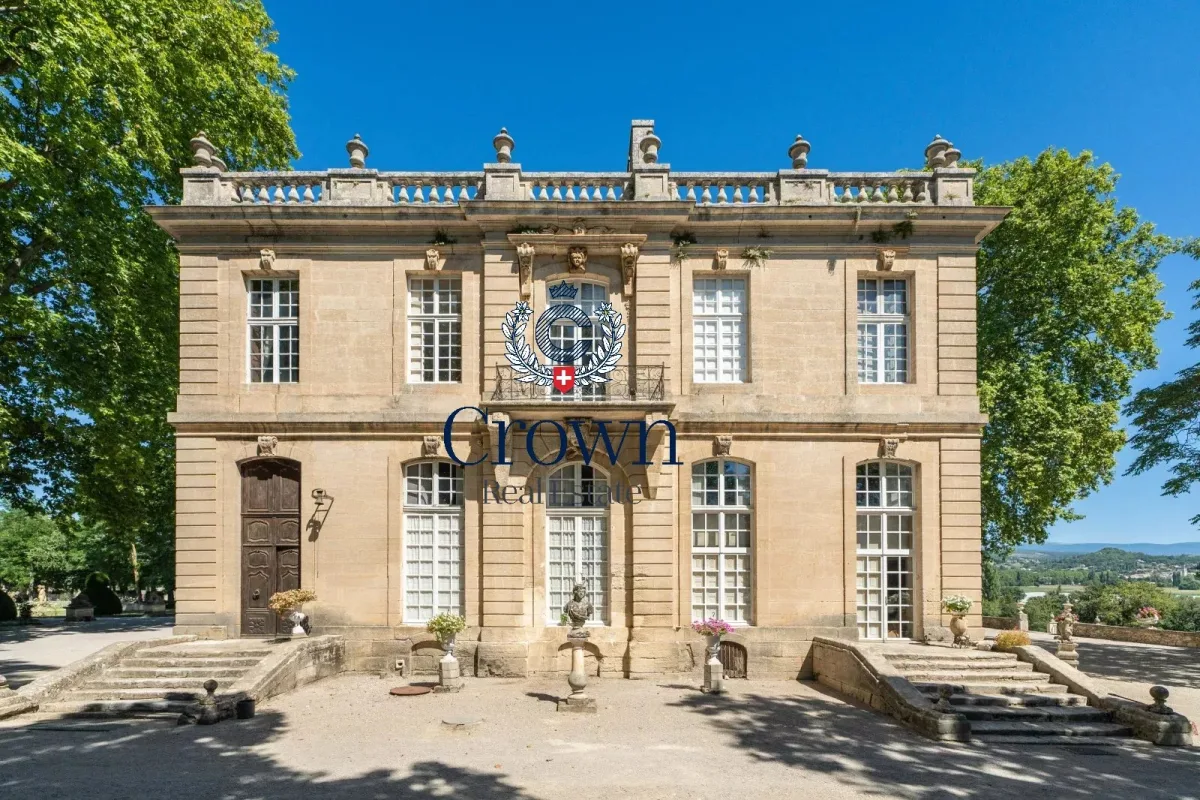
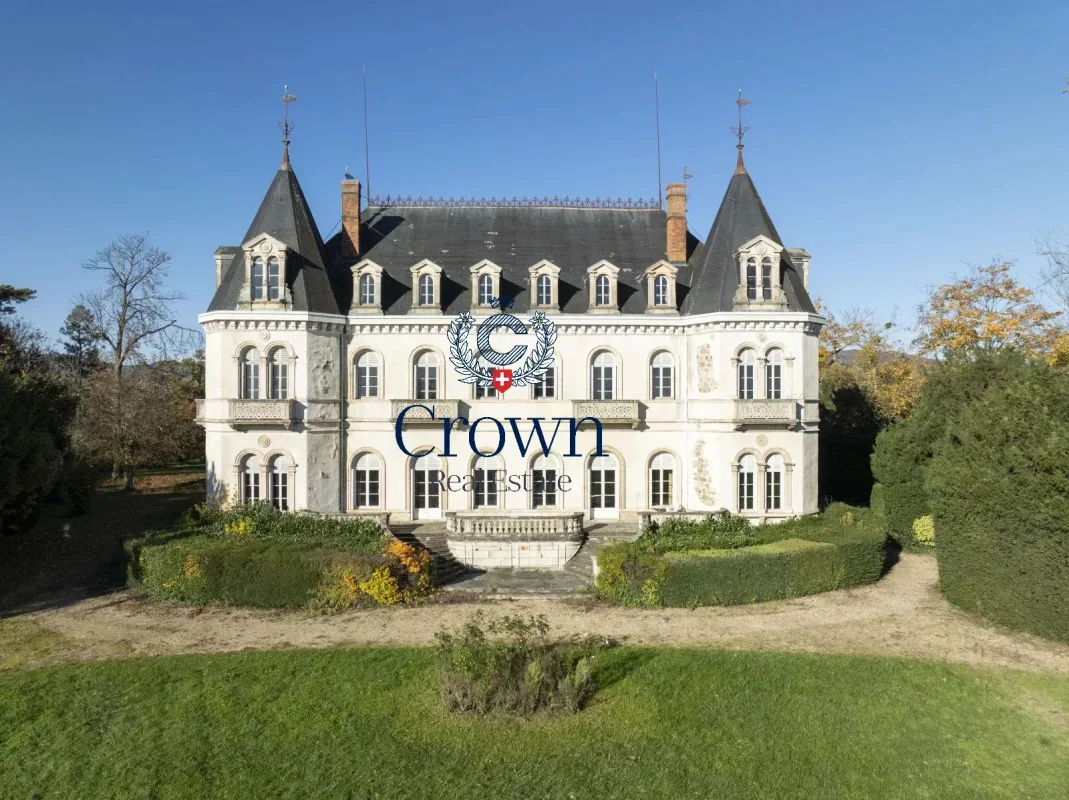
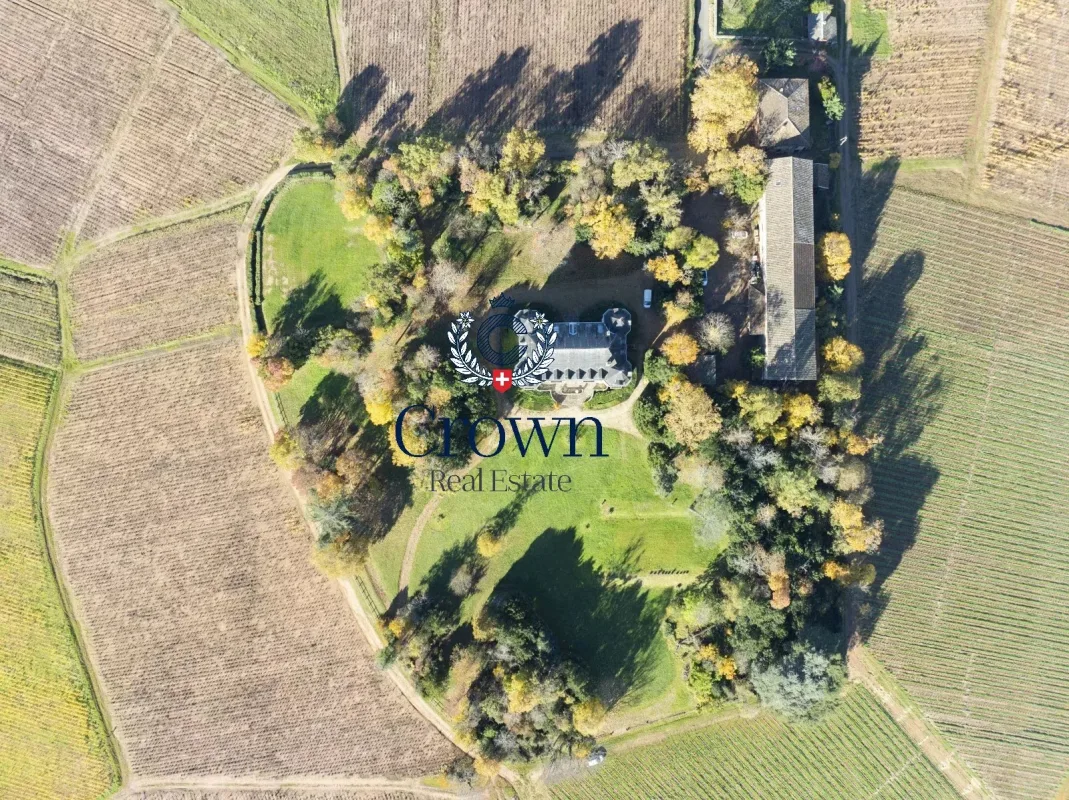
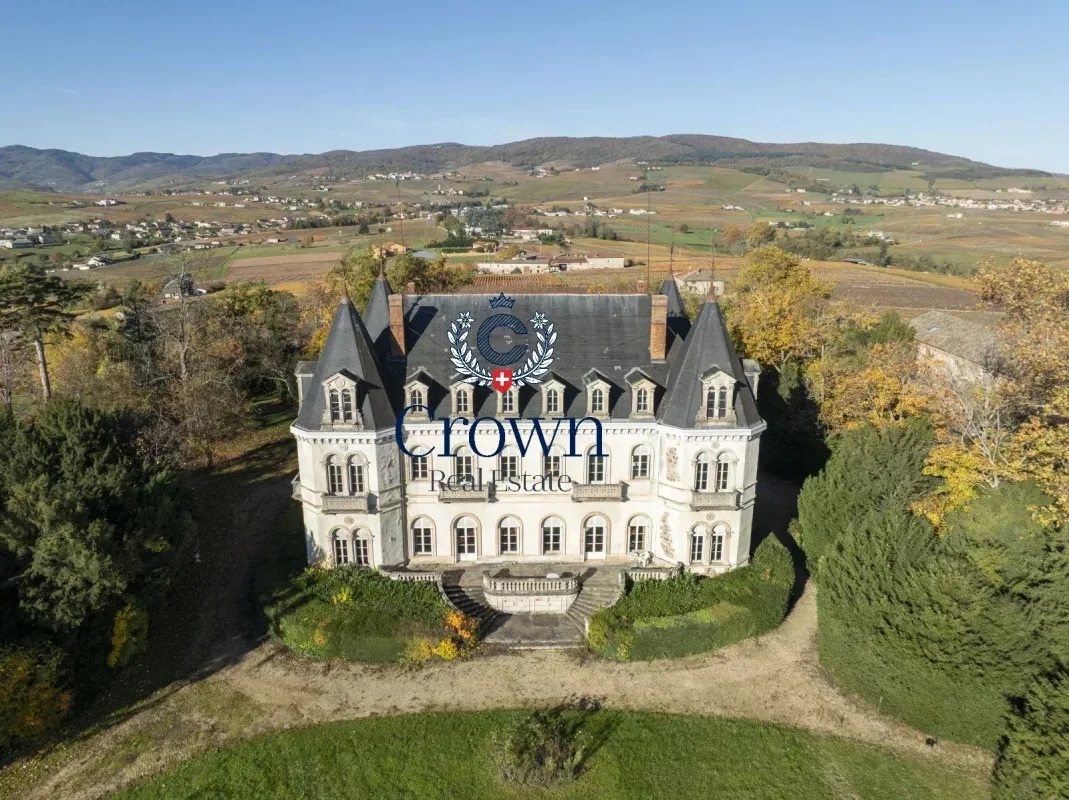
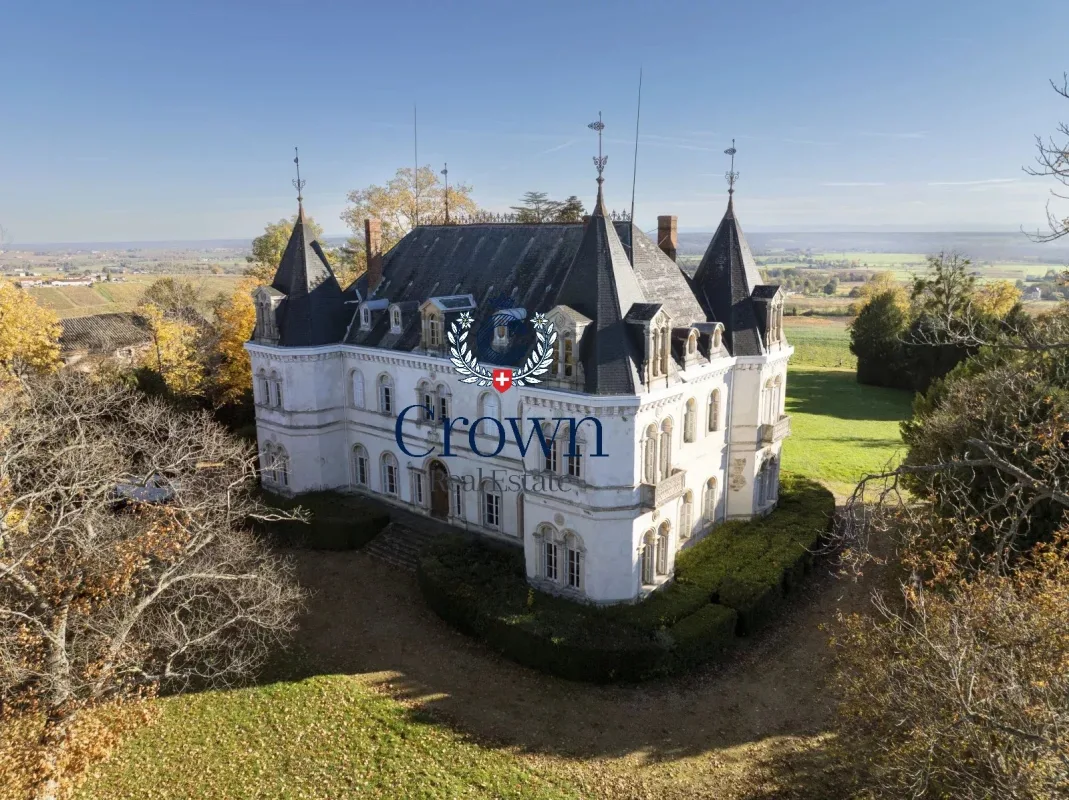
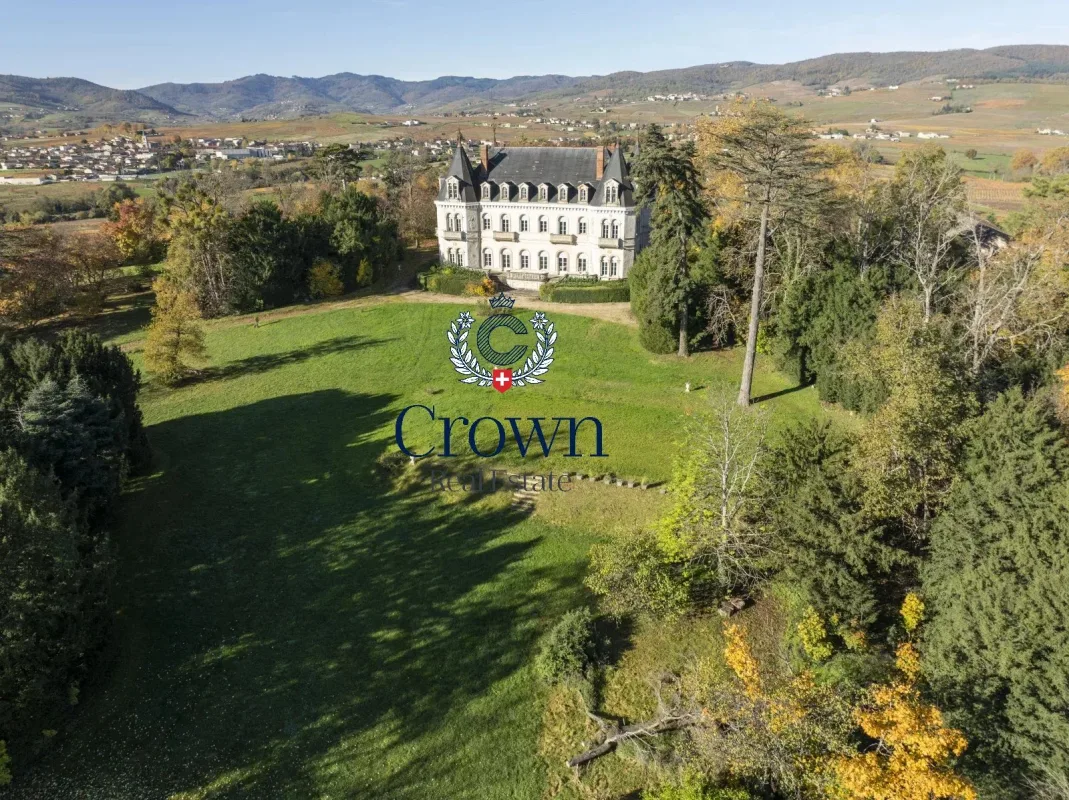
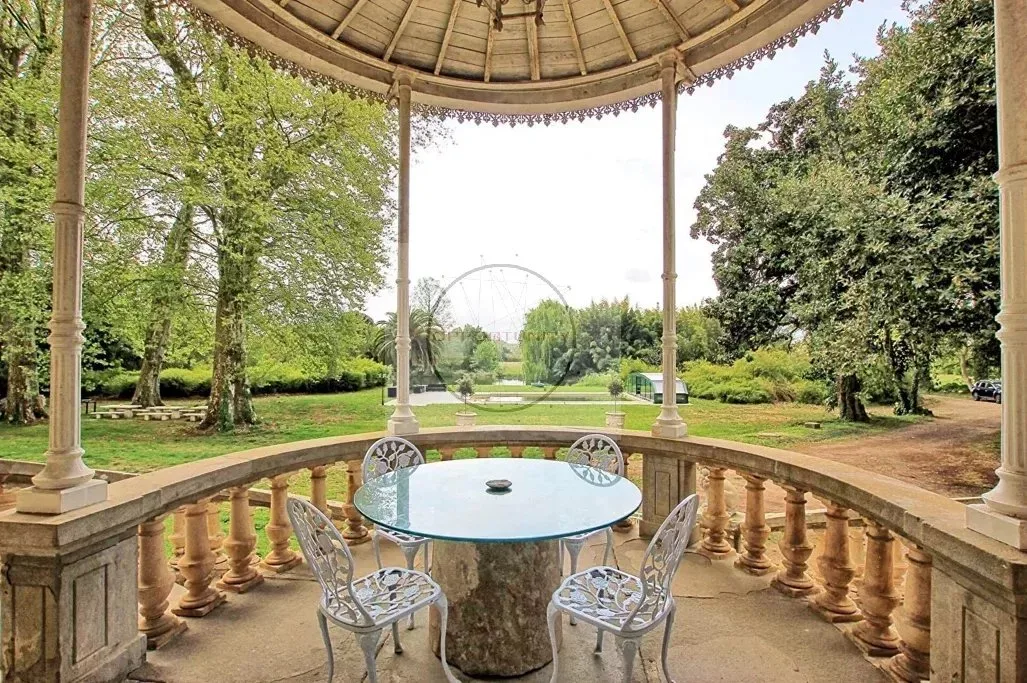
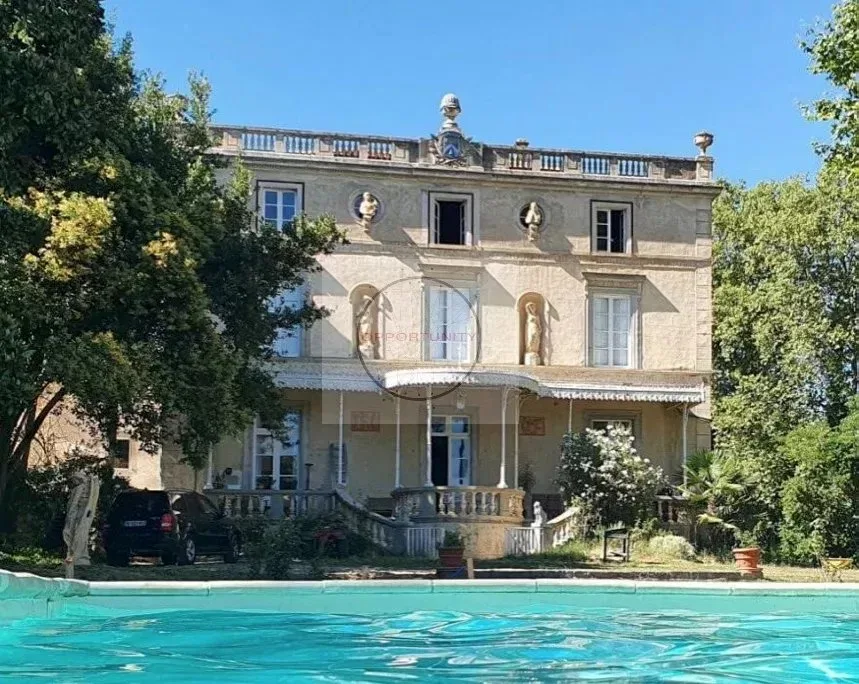
Prestigious Château Estate with Parkland and Vineyards in Rully
Rully
1700 m²
17
Buying a prestige château for sale in France is not simply a matter of acquiring a large property. It often means becoming the owner of an architectural, historical and land-based estate whose value lies as much in its character as in its location, condition, grounds and potential uses.
France has an exceptional château heritage, spread across very different regions. Renaissance châteaux, classical estates, wine properties, family residences, historic manor houses and estates with extensive outbuildings can all be found on the market, each offering a different identity and suited to different projects.
For a buyer, the search should therefore go far beyond living space or bedroom count. Architecture, history, land, outbuildings, quality of restoration and potential use can all be decisive.
The French château market is far from homogeneous. Properties can differ dramatically according to their region, period of construction and surrounding environment.
The Loire Valley illustrates this diversity particularly well, with Renaissance and classical properties surrounded by parks, gardens and historic outbuildings.
In south-western France, some châteaux are associated with extensive agricultural or wine estates. In Burgundy, the property may also include vineyards, farmland, production buildings and, in some cases, established wine-making facilities.
Normandy, Brittany, Nouvelle-Aquitaine, Occitanie and Provence also offer historic residences, often characterised by distinctive regional architecture.
This diversity is one of the defining characteristics of the market: two châteaux with similar floor areas can have completely different values and potential.
Location plays a major role when purchasing a château.
In the Loire Valley, the exceptional concentration of historic monuments and proximity to towns such as Tours, Amboise and Blois create an environment particularly suited to buyers looking for historic properties.
In the Bordeaux region, a château can take on an additional dimension when associated with a vineyard. Value then depends not only on the main residence, but also on the quality and size of the land, the wine appellation, the facilities and the existing operation.
In Burgundy, some properties combine historic architecture, land and vineyards, while estates in the south of France may place greater emphasis on climate, gardens, olive trees, outbuildings and proximity to major Mediterranean destinations.
In more rural regions, buyers may instead find much larger estates, with extensive grounds and outbuildings at a different price level.
For a prestige château, architecture is often one of the first elements distinguishing an exceptional property from a simply large residence.
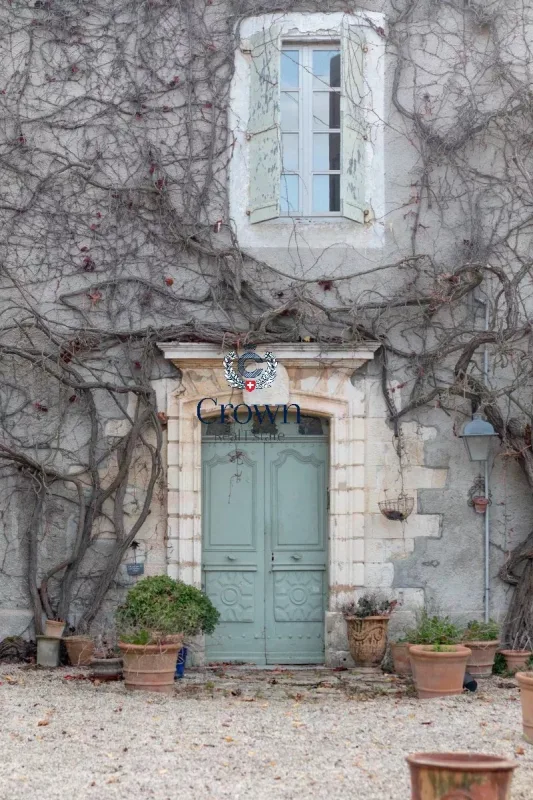
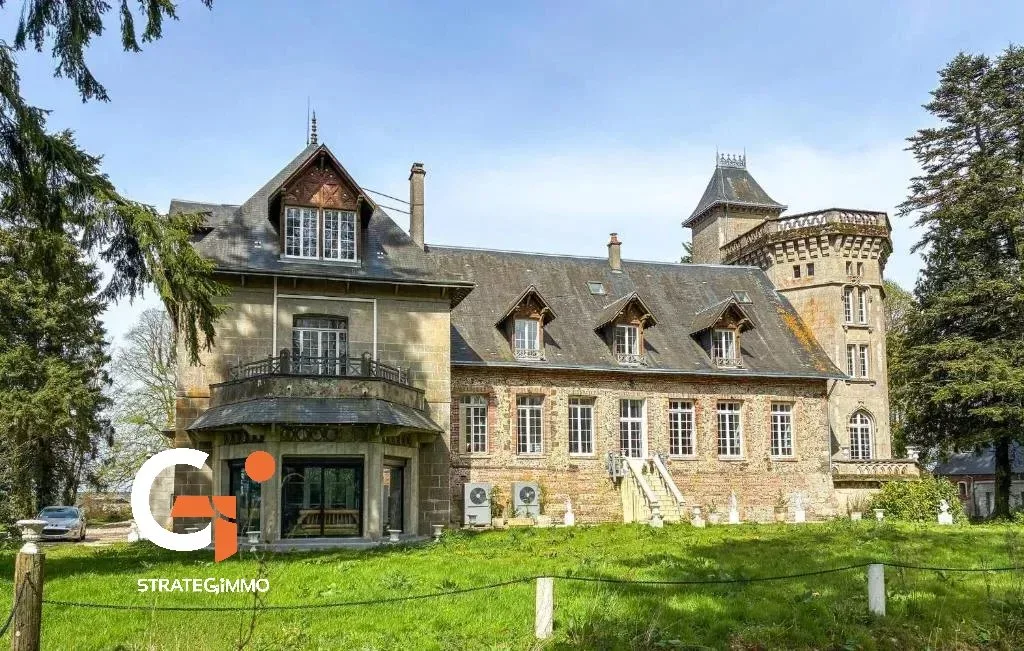
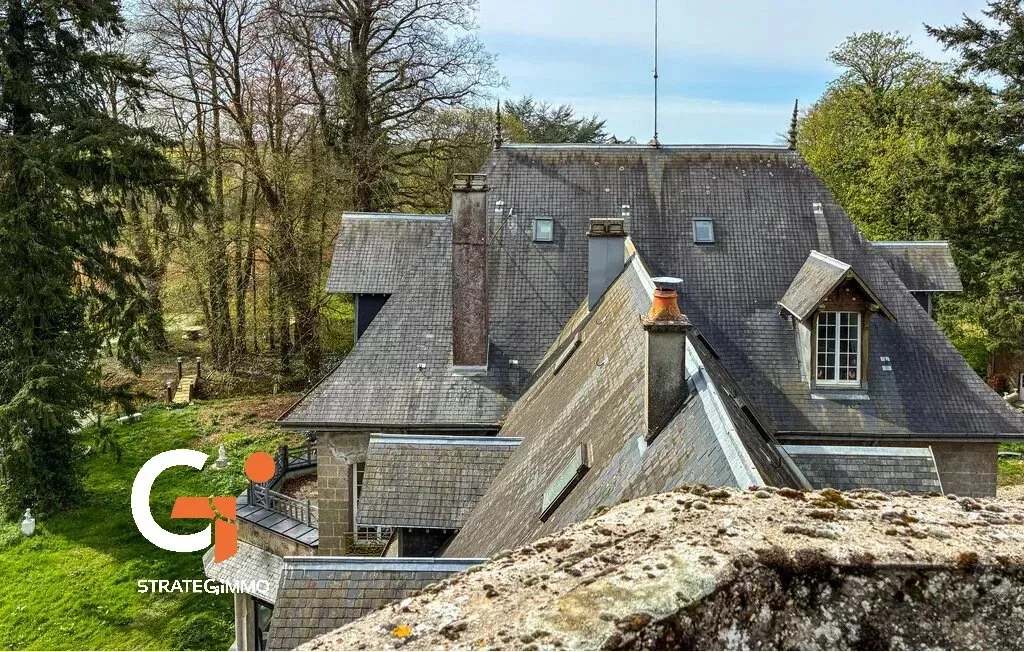
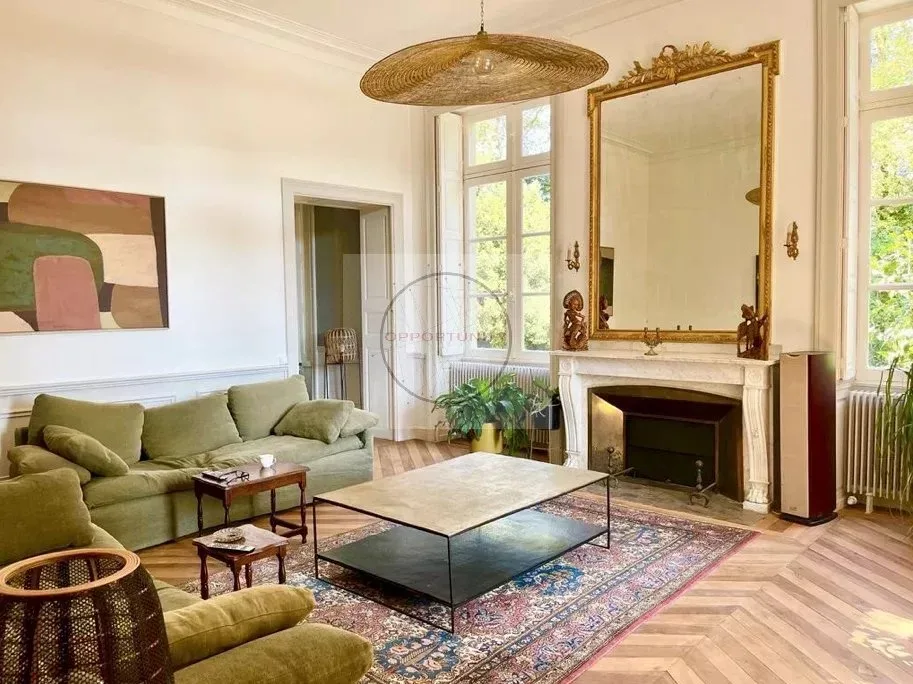
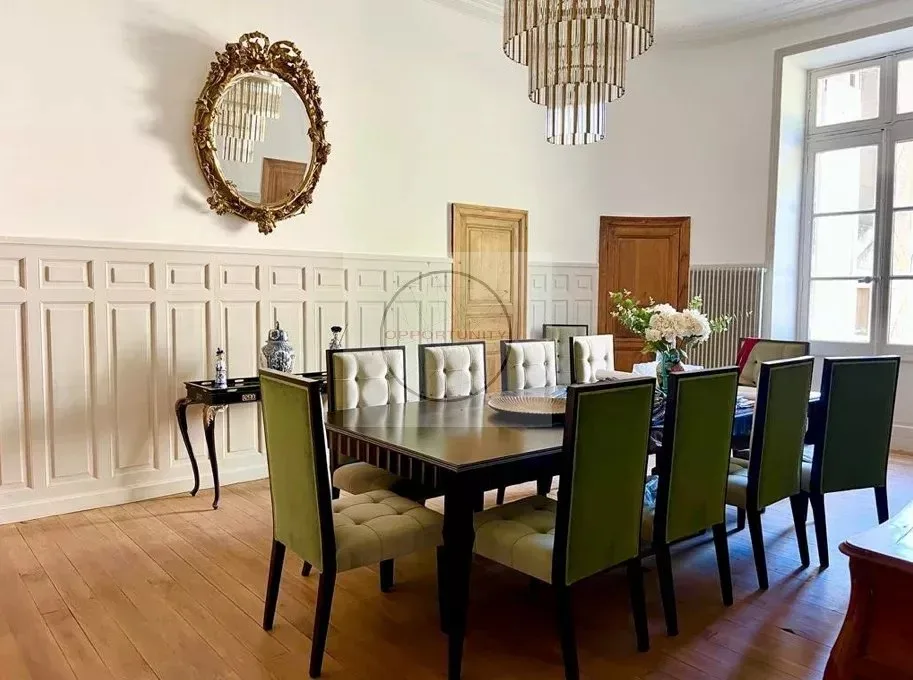
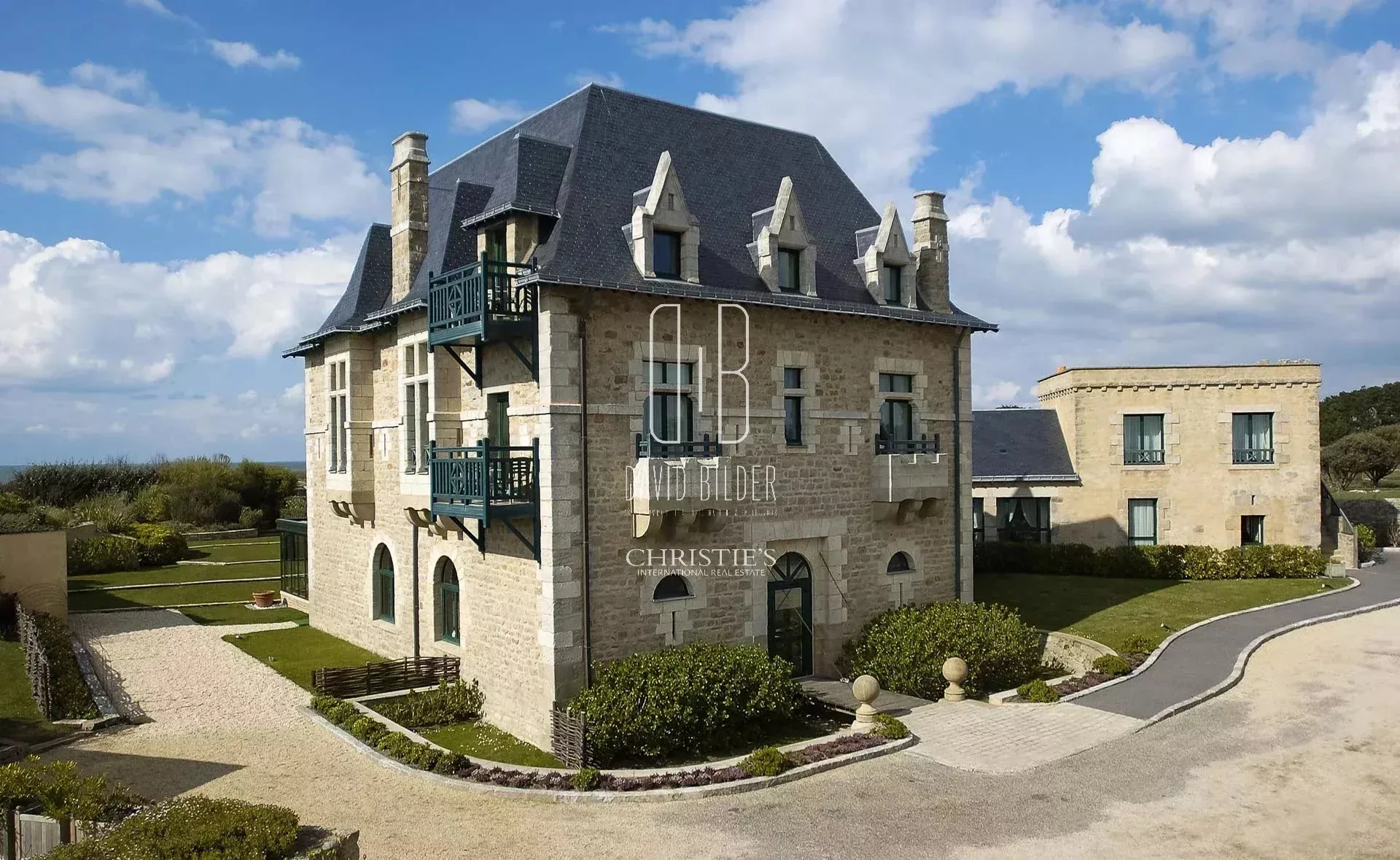
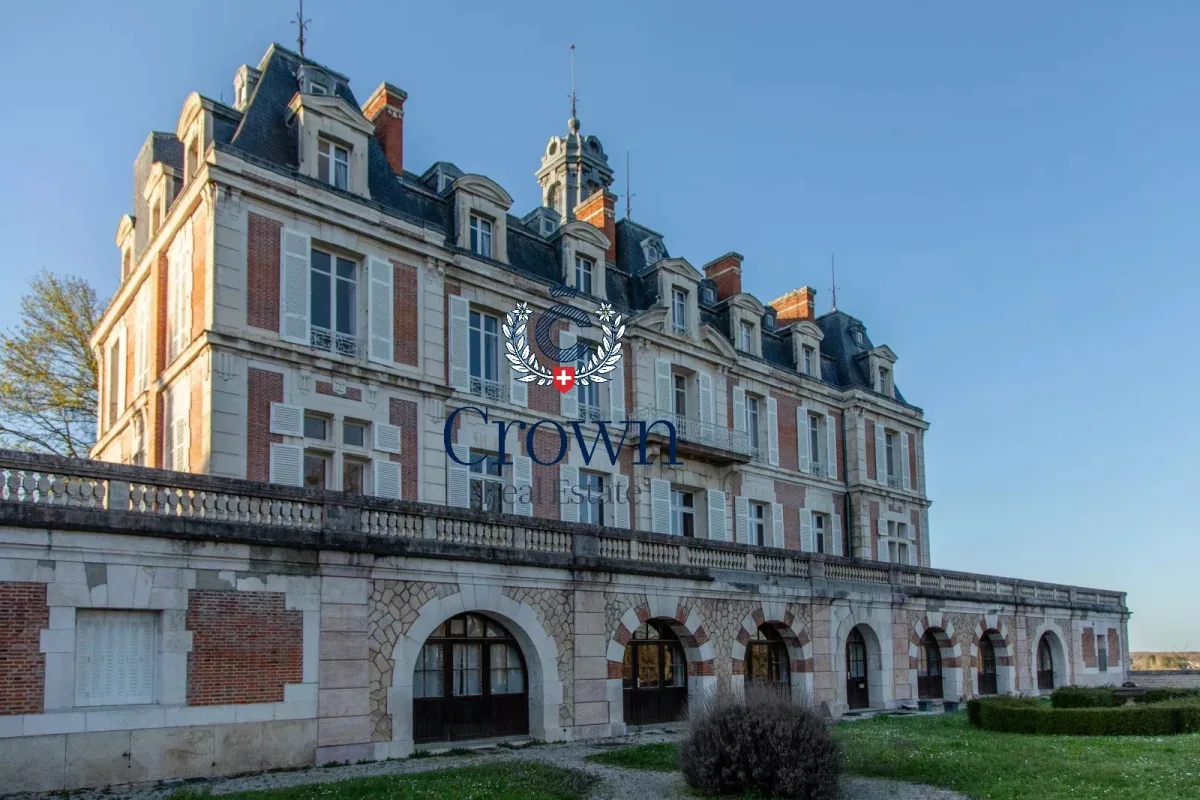
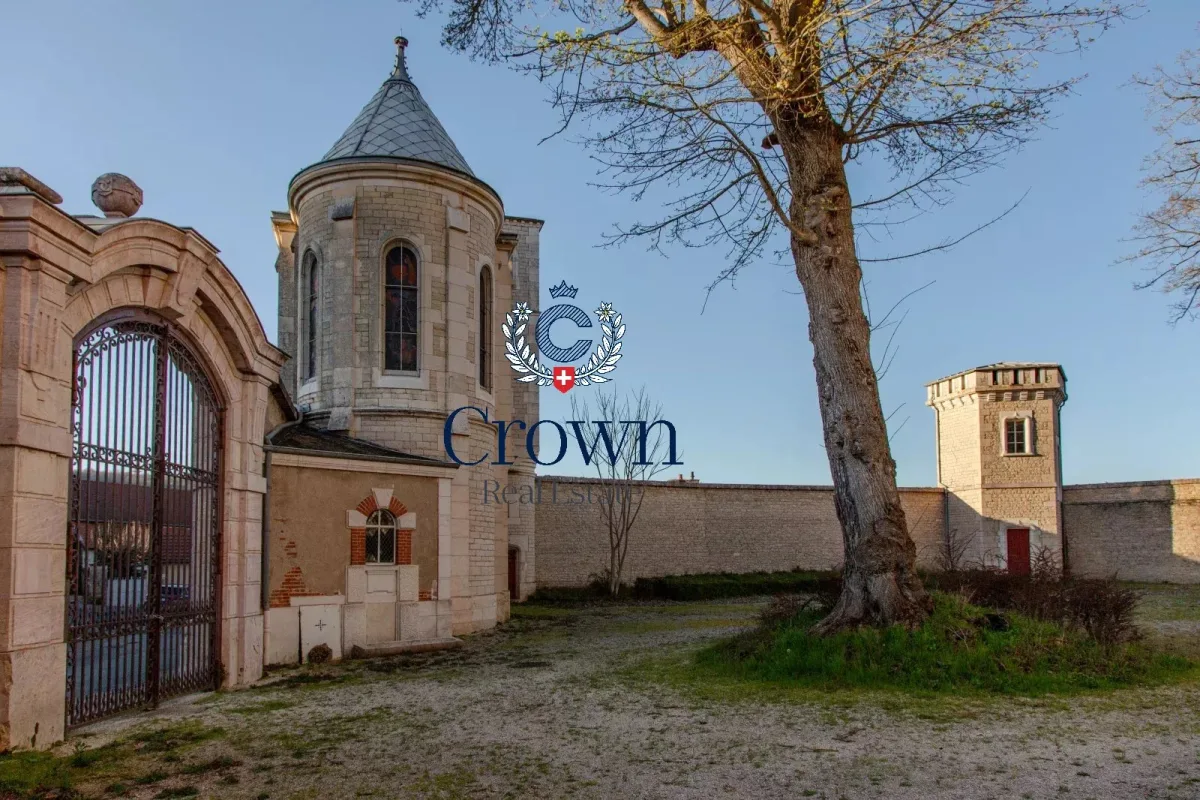
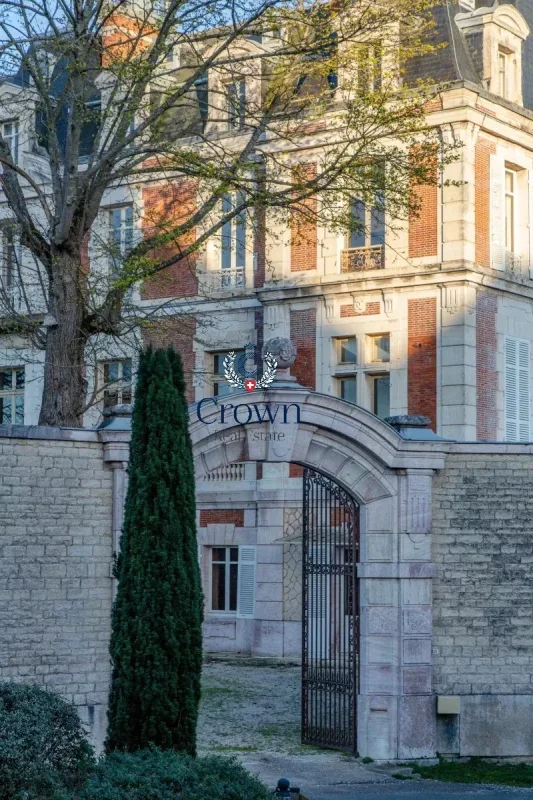
A remarkable façade, elaborate roofline, towers, a formal courtyard, monumental staircase, historic wood panelling, fireplaces, period flooring or preserved decorative features can all contribute significantly to the identity of a property.
The period of construction also matters. A medieval château, Renaissance residence, 18th-century classical estate or 19th-century property will appeal to different types of buyers.
But age alone is not enough.
A château with remarkable historic architecture but requiring extensive restoration presents a very different acquisition proposition from a fully renovated property that is ready to use.
For the buyer, it is therefore essential to distinguish between the historic character of a building and its actual state of preservation.
One of the defining characteristics of a château property is that the main building represents only part of the estate.
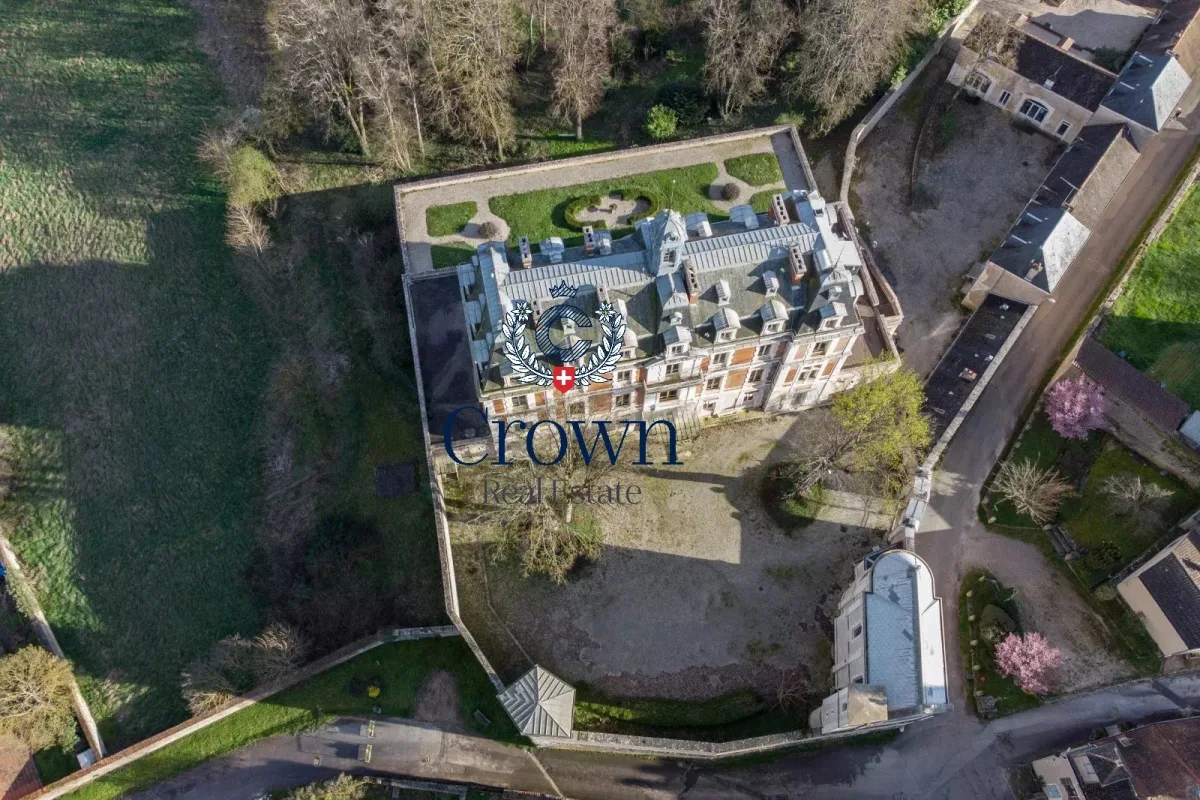
The grounds may include several hectares, and sometimes considerably more, with:
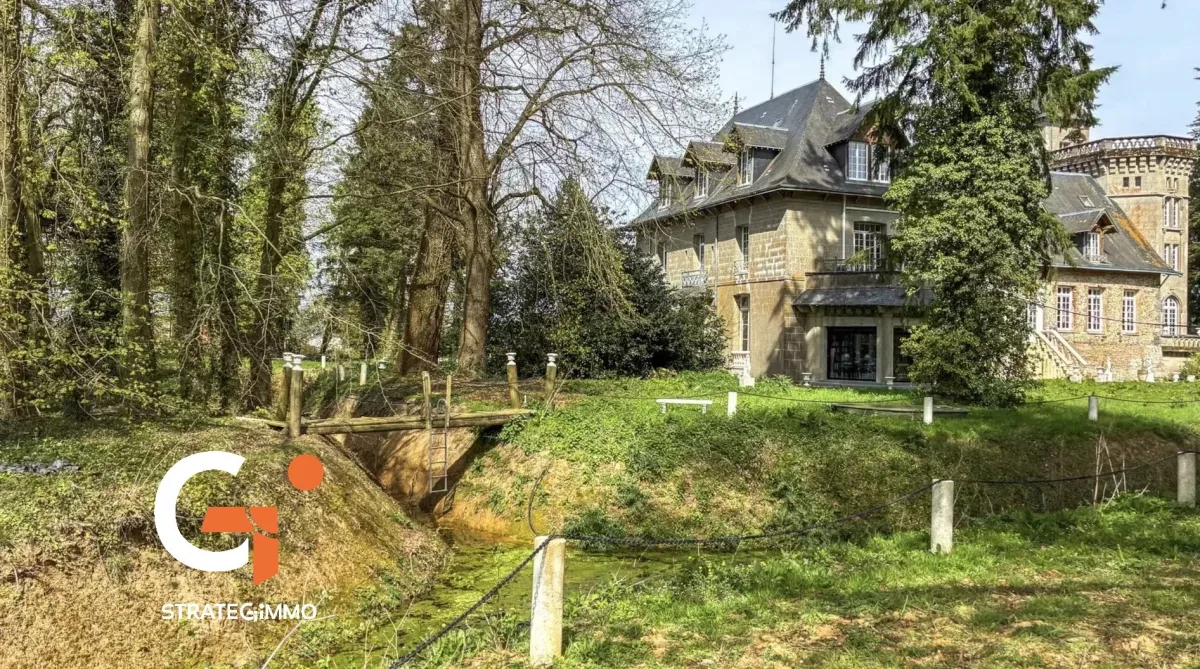
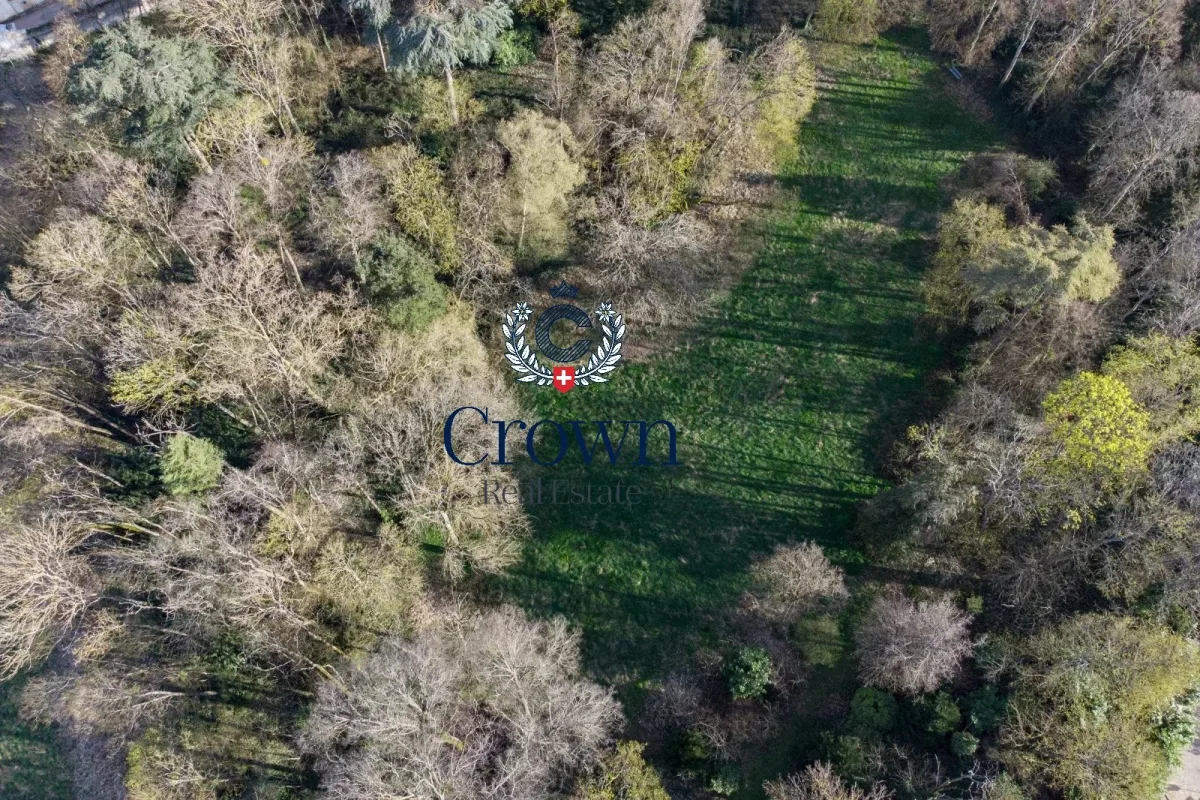
landscaped parks;
formal or English-style gardens;
woodland and forests;
meadows;
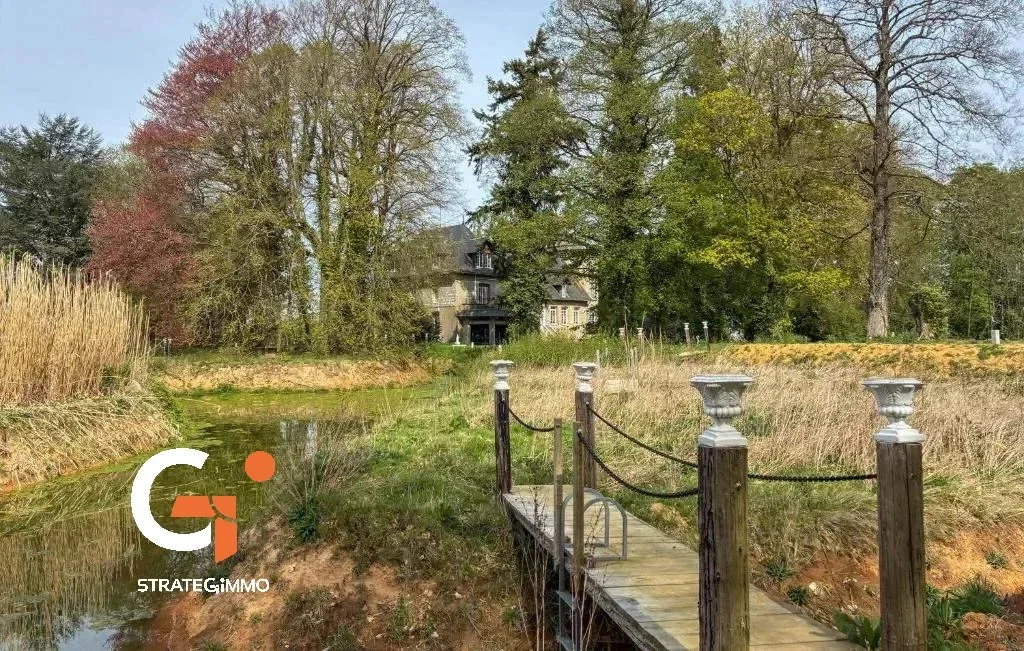
ponds;
historic avenues;
agricultural land;
vineyards;
caretaker's houses;
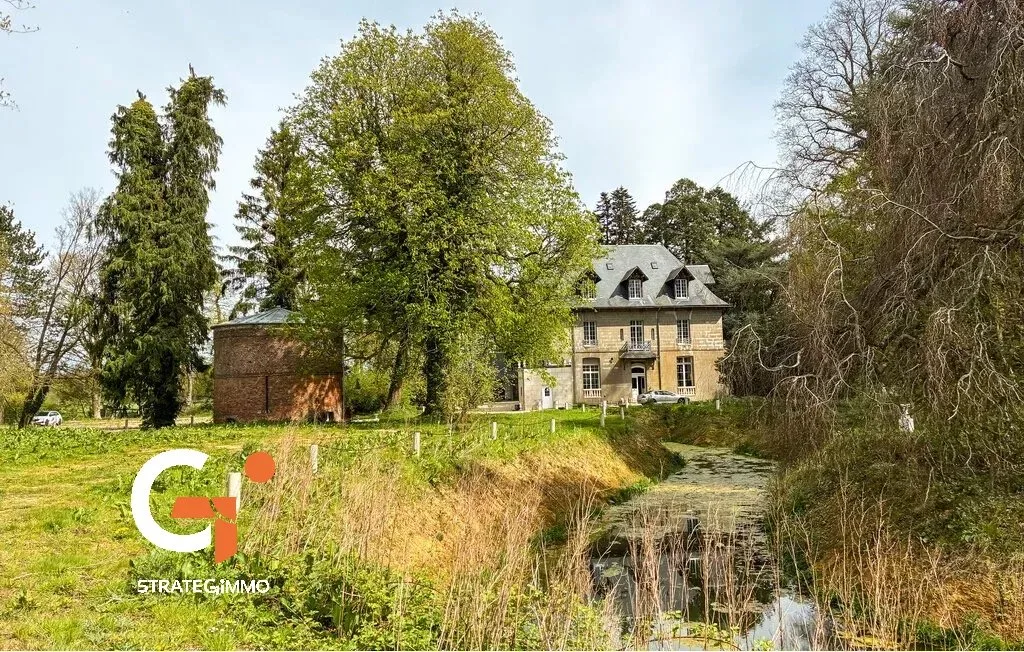
barns and former stables;
outbuildings;
chapels or other ancillary buildings.
This land component can profoundly affect both the value and potential use of a château.
A buyer looking for a private residence will not necessarily prioritise the same characteristics as an investor considering a boutique hotel, events venue or tourism project.
The motivations of château buyers are particularly varied.
Some are primarily looking for an exceptional main or second residence, offering privacy, space and heritage.
Others seek a family property intended to remain in the family for generations.
A château can also provide the foundation for a business project: luxury guest accommodation, hospitality, private events, corporate retreats, equestrian activities, agricultural operations or wine production.
This dimension is essential when evaluating a purchase.
A property perfectly suited to private residential use may not necessarily be appropriate for commercial activity. Access, outbuildings, parking, technical facilities, proximity to infrastructure and planning or regulatory considerations can become decisive.
There is no single national entry price that accurately defines the French château market.
Prices can vary enormously depending on the region, the history of the building, the size of the estate, its condition, the quality of the outbuildings and the property's potential.
A château requiring substantial restoration can be priced very differently from a fully renovated estate with several hectares of landscaped grounds and facilities ready for immediate use.
Comparing properties solely on a price-per-square-metre basis is therefore particularly misleading.
A proper assessment should consider:
the quality and authenticity of the architecture;
the condition of the structure and roof;
the quality of previous restoration work;
the size and nature of the estate;
the outbuildings;
the quality of the gardens and landscape;
any agricultural or vineyard land;
accessibility;
proximity to towns and infrastructure;
potential commercial uses;
heritage and planning restrictions.
The value of a château therefore reflects a much broader set of characteristics than its living area alone.
Restoring a château requires particular attention.
Large volumes, complex roofs, historic façades, period windows and doors or heating systems can generate significant maintenance and renovation costs.
A property described as "requiring restoration" should therefore be assessed as a complete estate rather than simply as a residence.
Conversely, a château that has undergone a high-quality renovation can combine contemporary comfort with the preservation of its historic features.
For international buyers in particular, the distinction between a property with character and a genuinely restored historic estate is fundamental.
Some French estates combine architectural heritage with wine production.
This is particularly true in world-renowned regions such as Bordeaux and Burgundy.
In this configuration, the acquisition may include the château, land, vineyards, technical buildings, wine stocks and sometimes an established brand or commercial operation.
Value then depends on additional factors such as terroir, appellation, vineyard area, quality of the facilities, production, reputation and organisation of the business.
This is therefore a specialised segment of the market, which should be considered more as a heritage estate combined with a business than simply as a private residence.
A château possesses a rare characteristic in the property market: its appeal can extend far beyond that of a conventional residence.
Historic architecture cannot simply be recreated. A mature park can require decades to develop its current character. Certain locations, outbuildings and landscape features are equally difficult to reproduce.
This notion of genuine scarcity helps explain the appeal of such properties.
For some buyers, a château represents a family heritage asset. For others, it is an exceptional residence or an estate that can be enhanced through different activities.
In every case, the acquisition is generally more patrimonial in nature than that of a conventional property.
Two châteaux with identical floor areas can have completely different values.
The most important factors often include architectural quality, authenticity of historic features, state of preservation, size and quality of the estate, outbuildings, gardens, location and potential uses.
The coherence of the entire property also matters enormously.
A remarkable château surrounded by exceptional landscaped grounds, with historic outbuildings that are perfectly integrated into the estate and a restoration respectful of its heritage, has an identity that is difficult to compare with that of a large residence that has simply been expanded over time.
It is precisely this coherence that can transform a large property into a truly exceptional estate.
France has a particularly strong heritage appeal among international buyers.
French châteaux can attract purchasers looking for a second residence, family heritage asset, private estate, entertaining property or estate capable of supporting a business activity.
Proximity to international airports, major cities, renowned tourist destinations or prestigious wine regions can therefore become an important consideration.
But international appeal should never overshadow the fundamentals of each property: location, condition and the quality of the estate remain essential.
Searching for a prestige château for sale in France therefore requires a different approach from searching for an apartment or villa.
The buyer needs to assess the building, its history, architecture, grounds, outbuildings, condition, surroundings and potential simultaneously.
A Renaissance château in the Loire Valley, a wine estate in Bordeaux, a historic property in Burgundy or a multi-hectare estate in southern France can all serve very different purposes.
Ultimately, the true value of a château lies in a combination of characteristics that are difficult to reproduce: history, architecture, land, setting and identity.
For a buyer looking for exceptional heritage, it is this scarcity that makes all the difference.