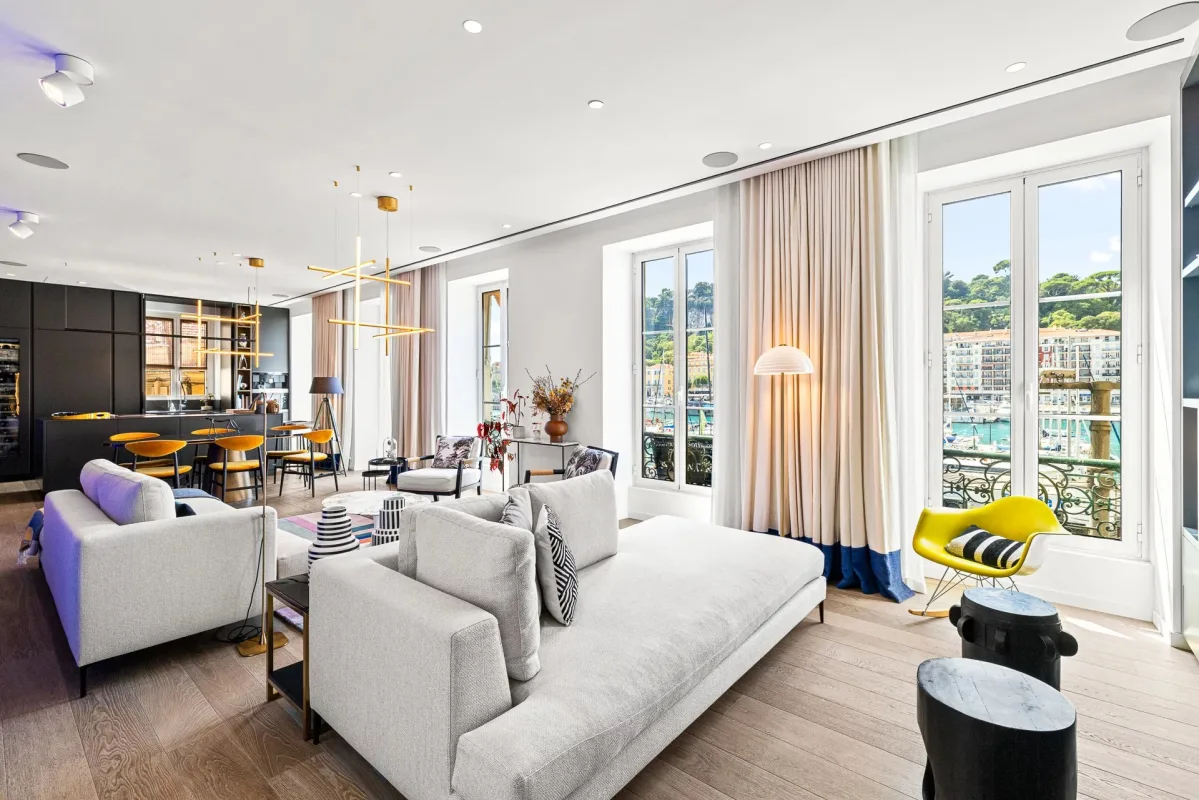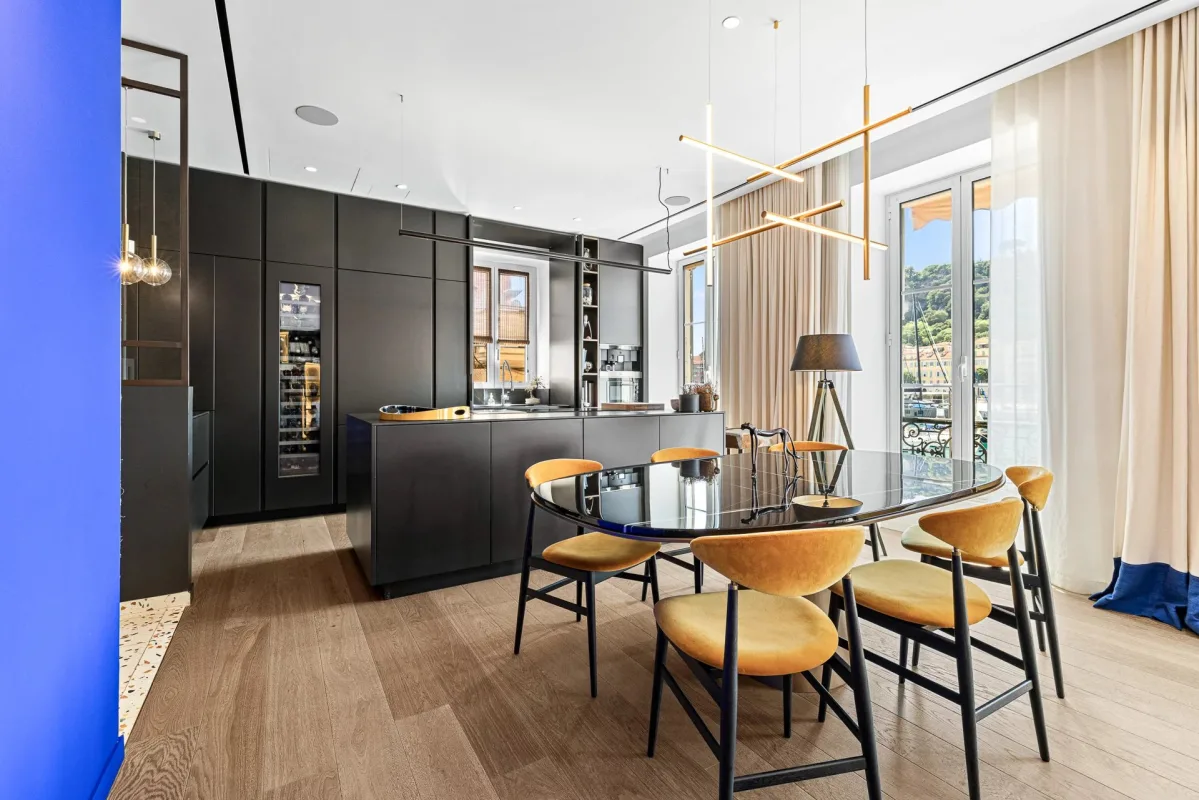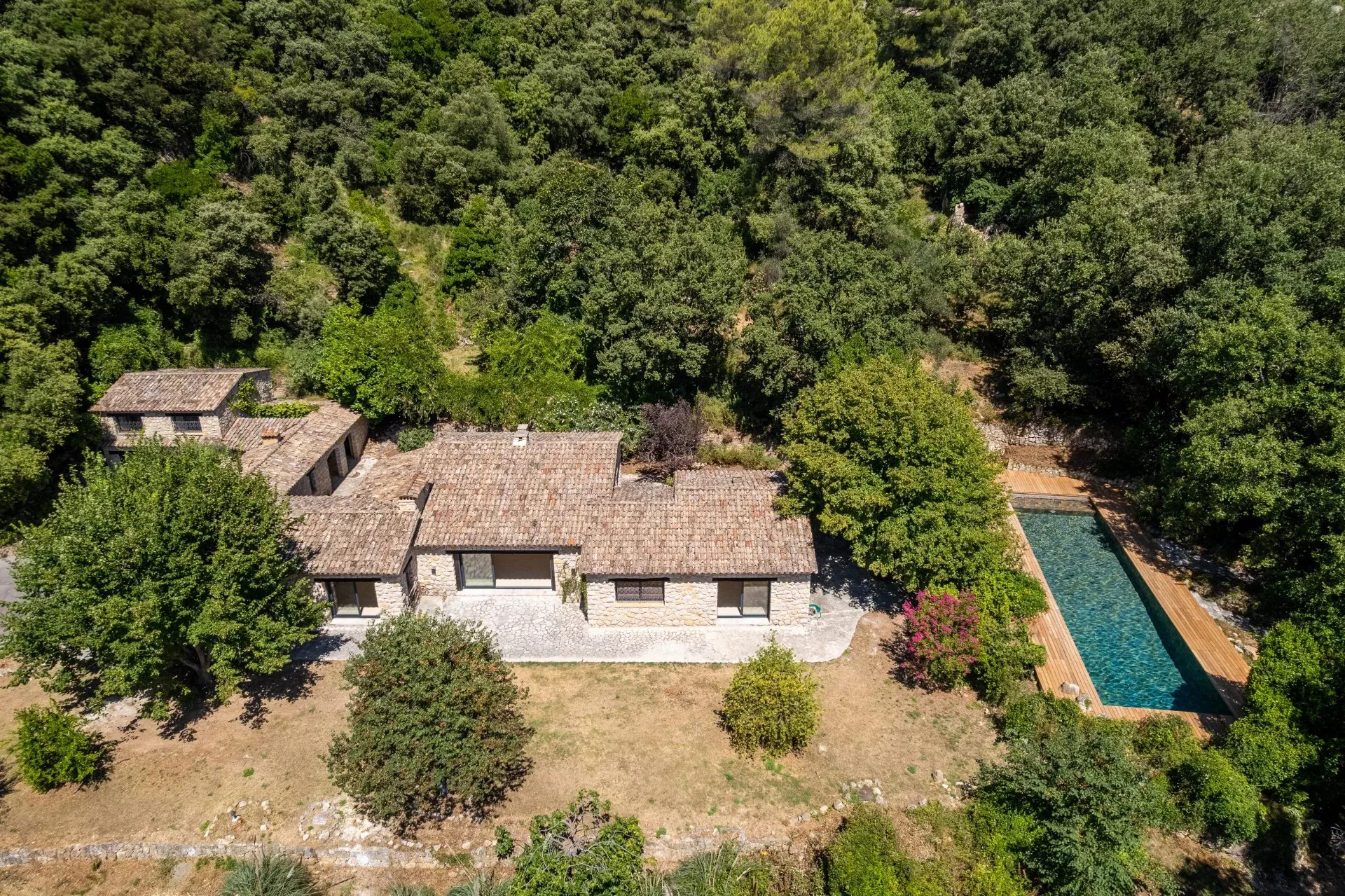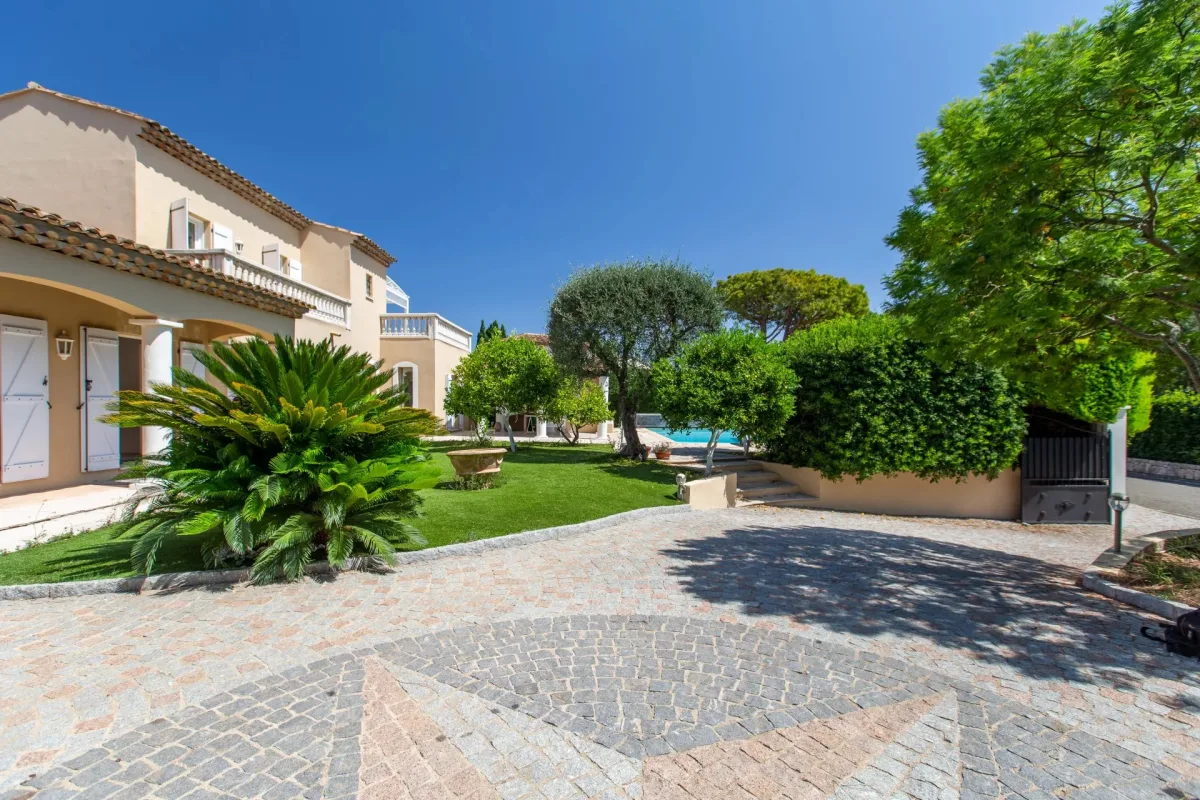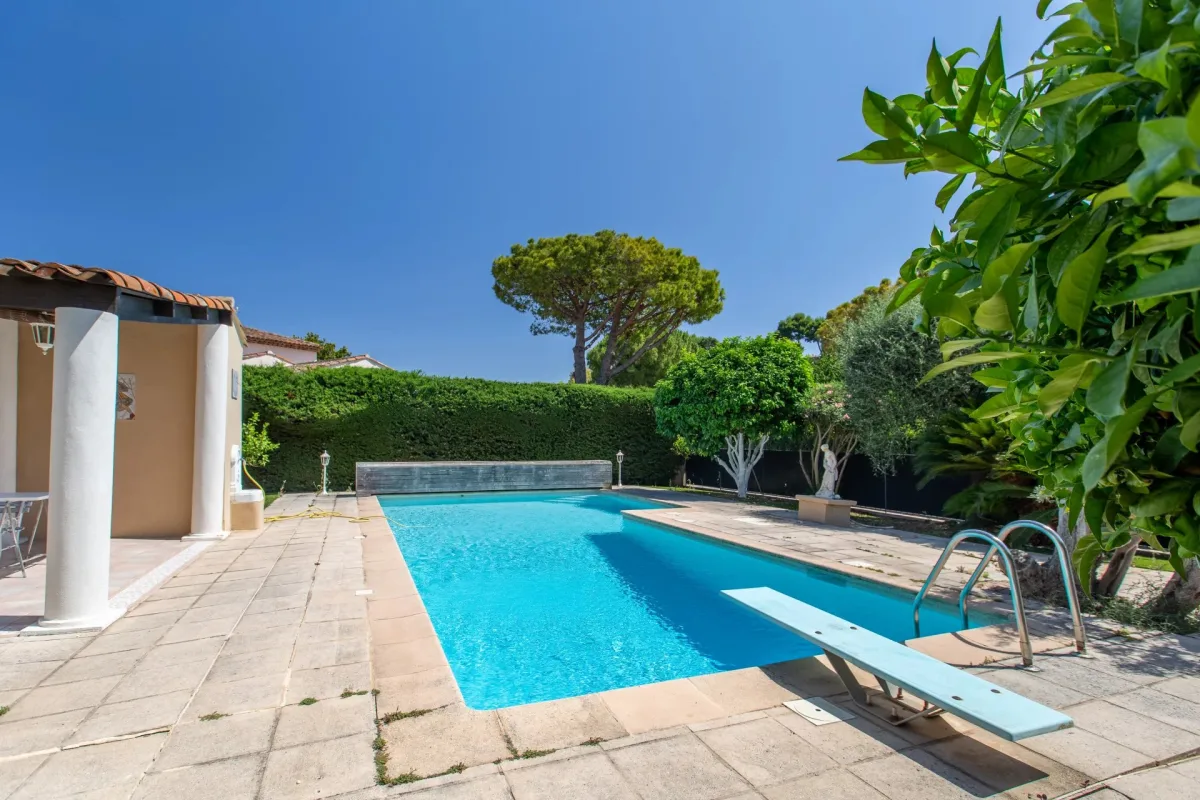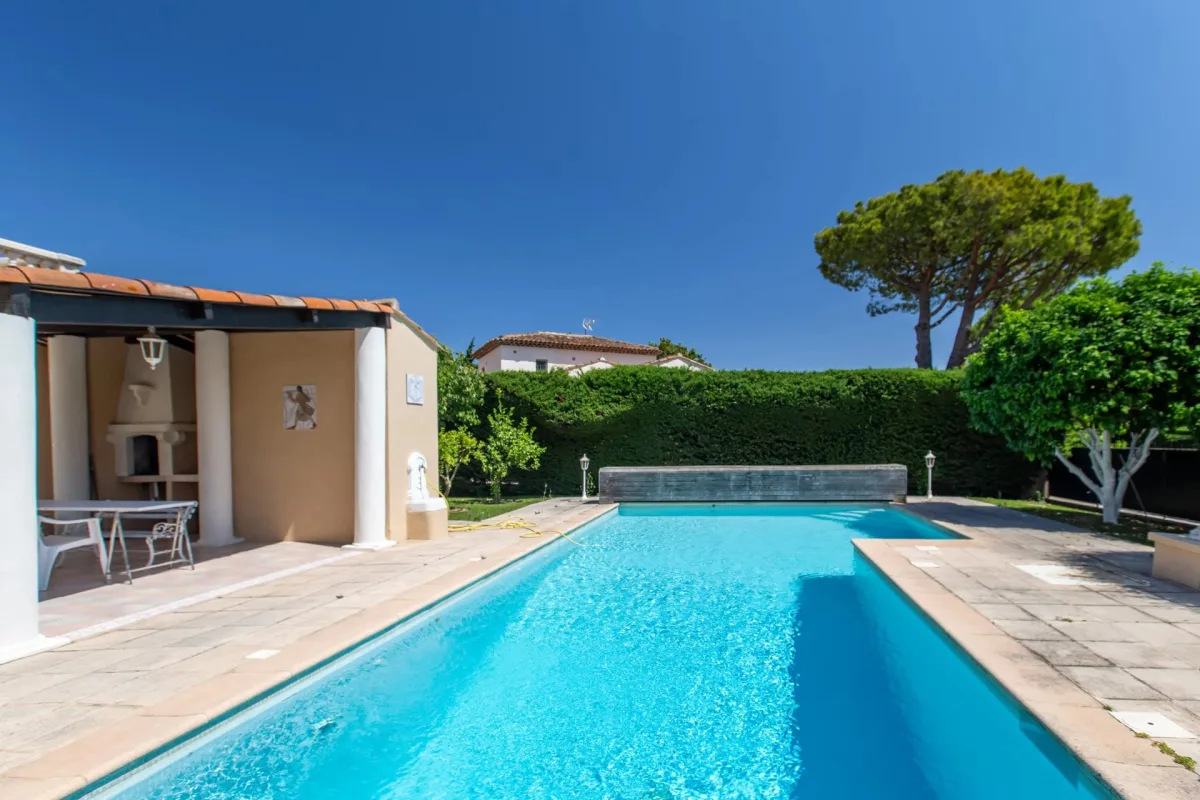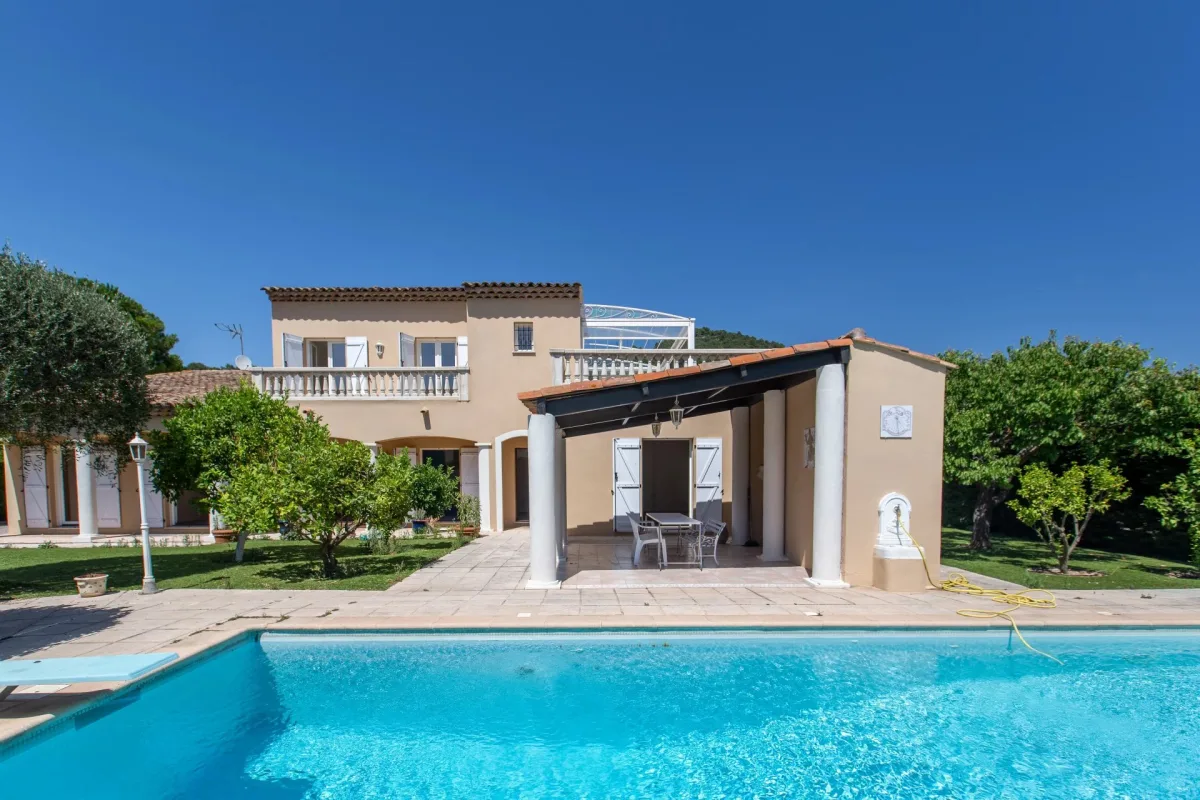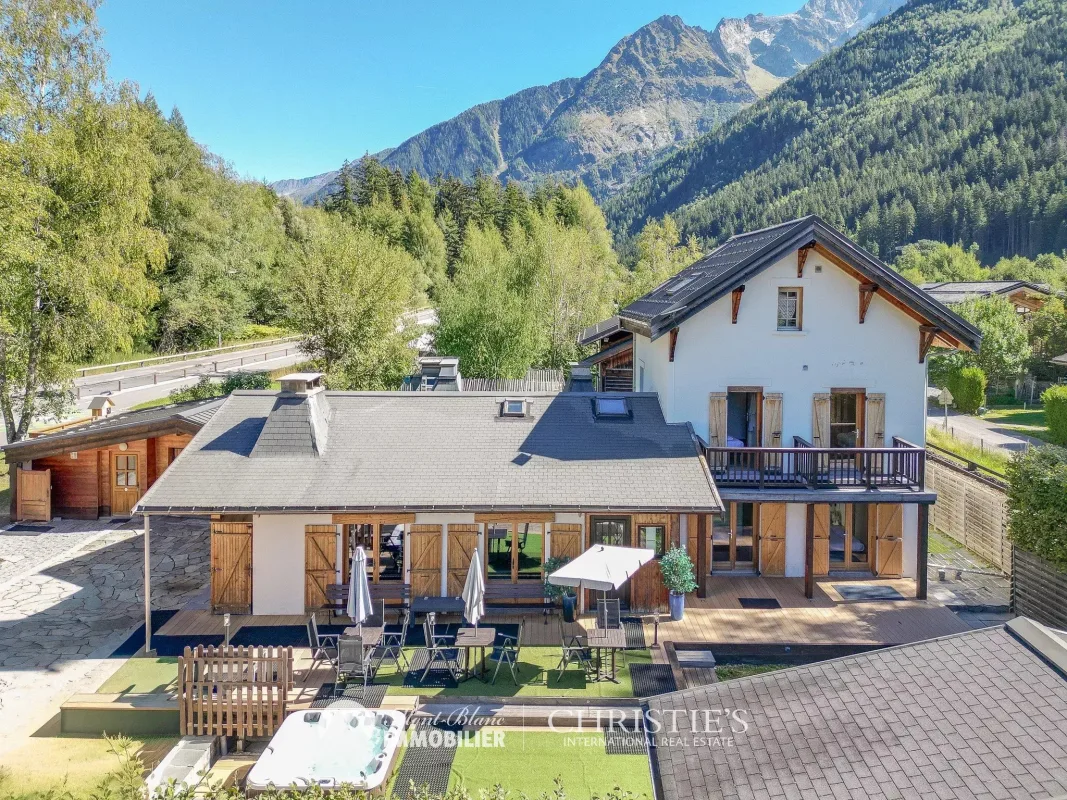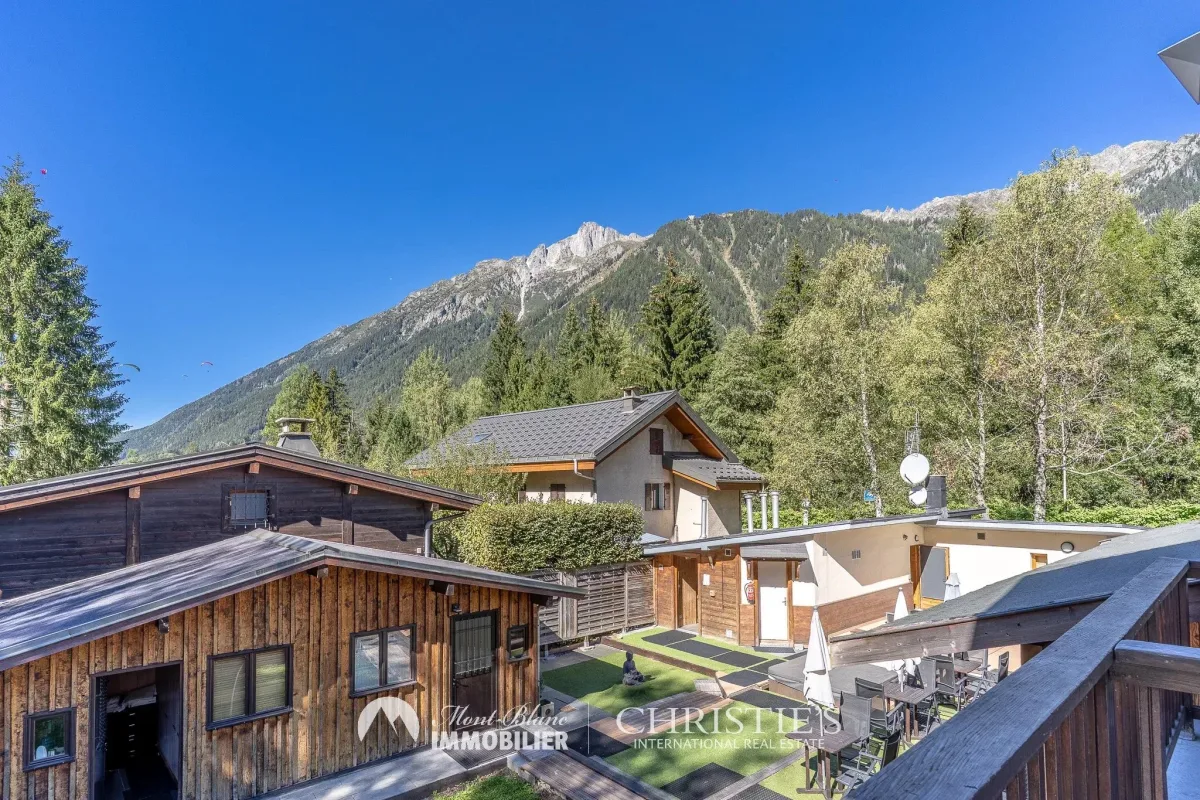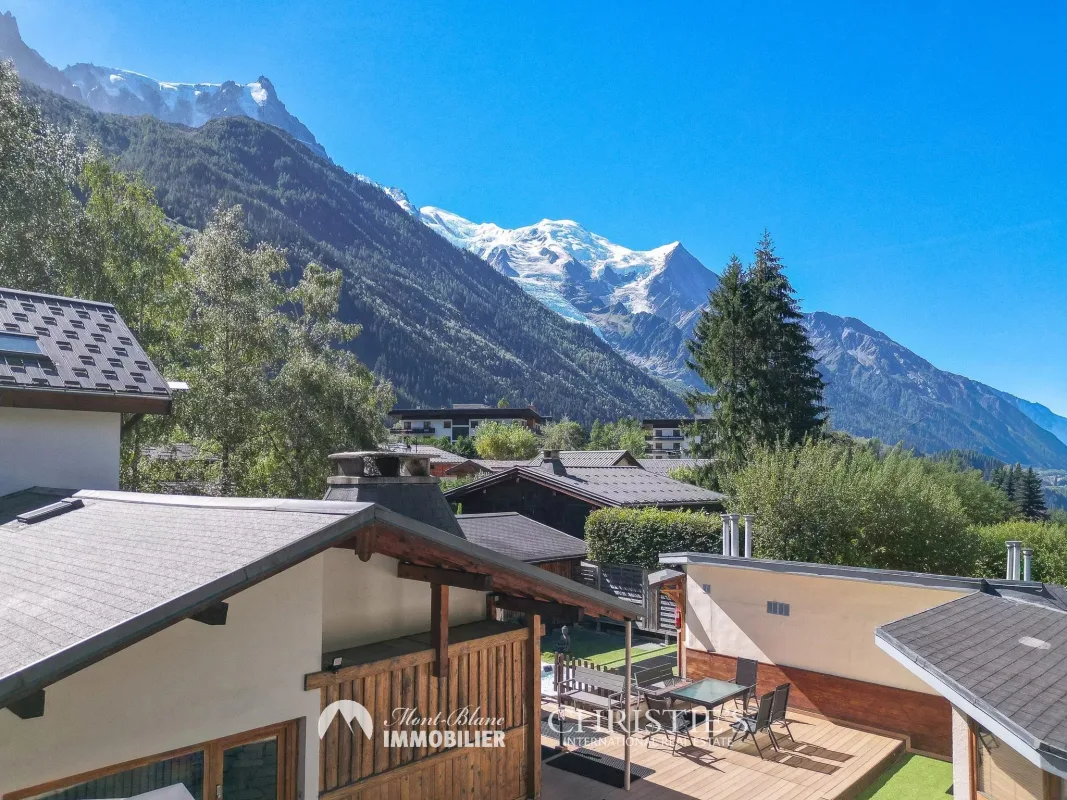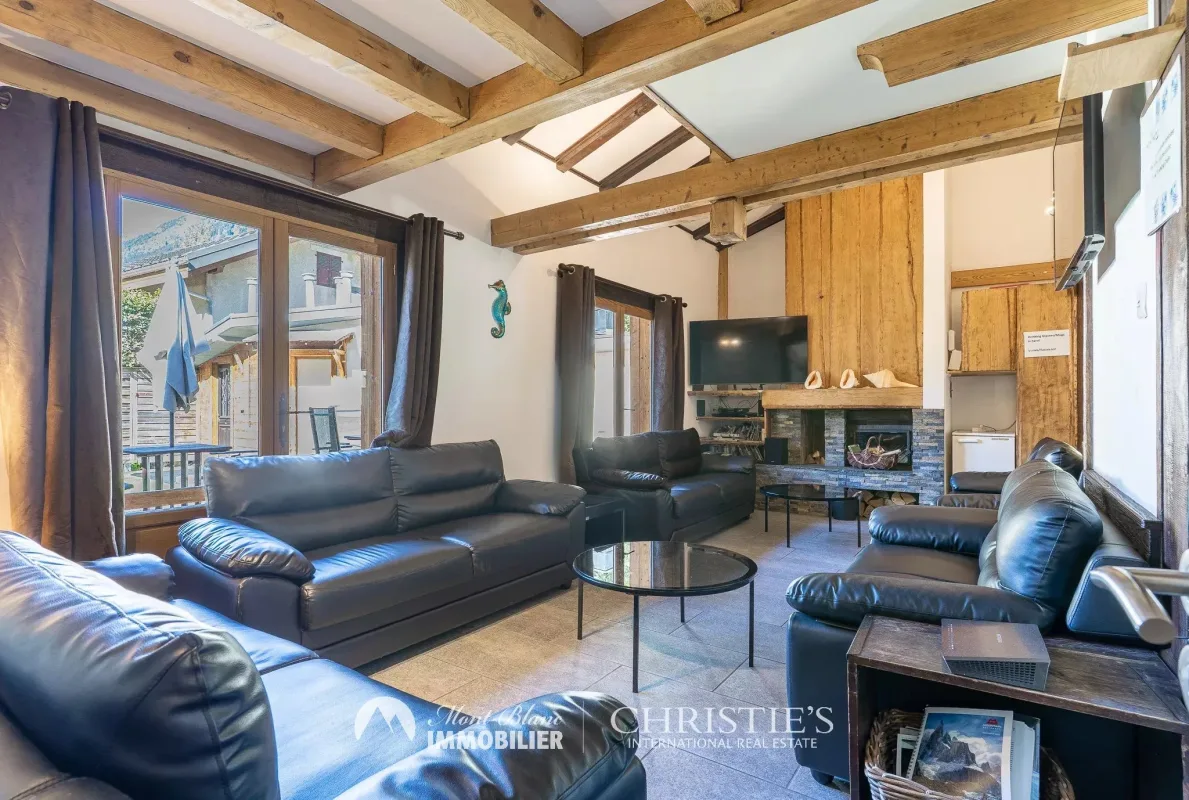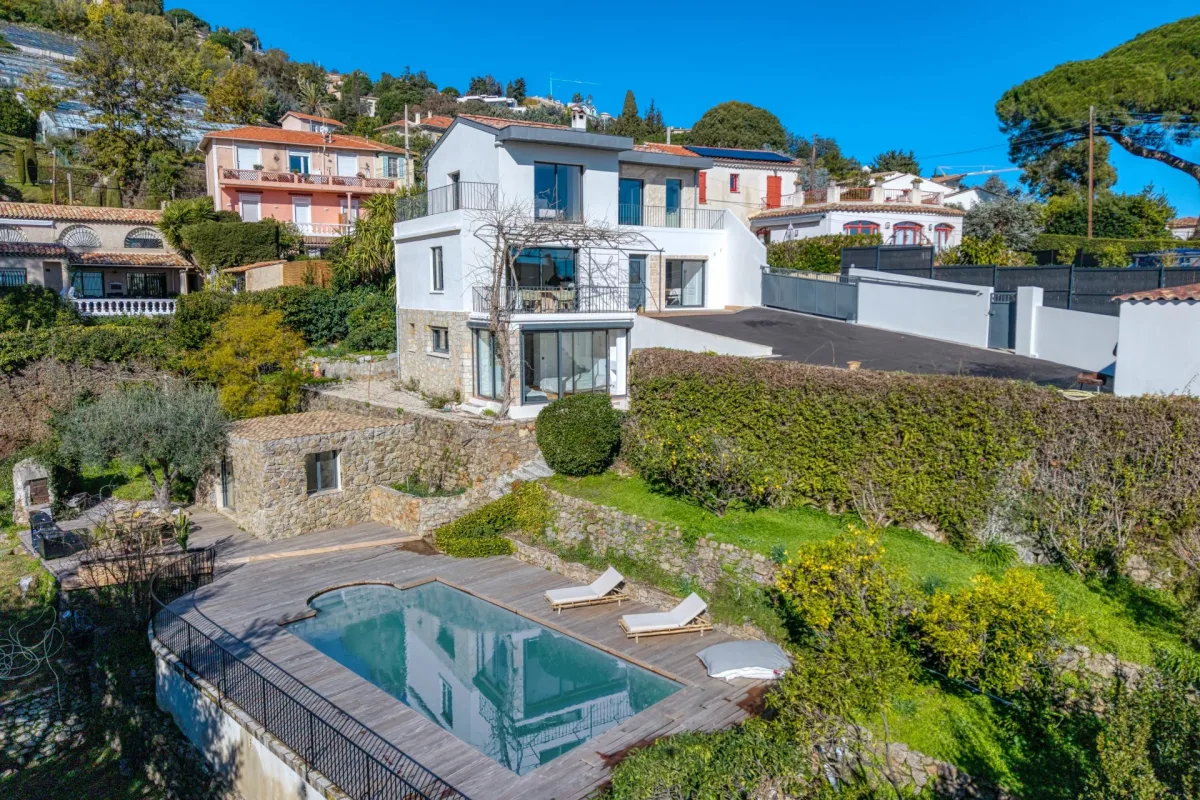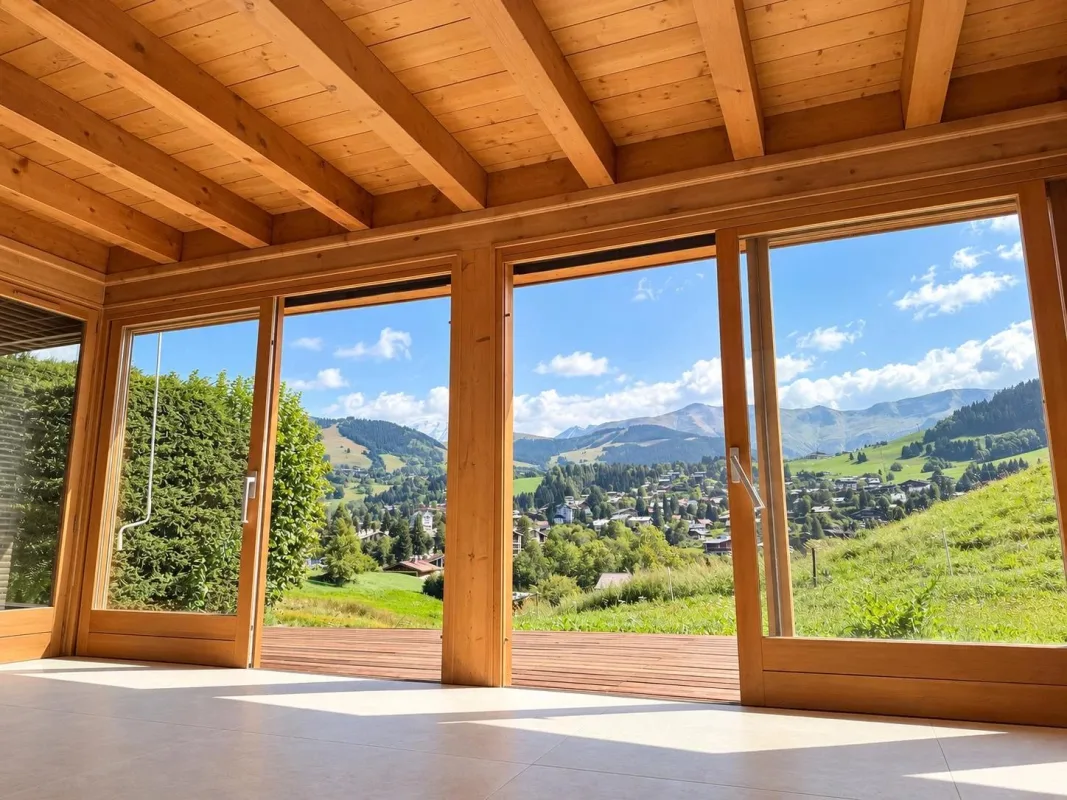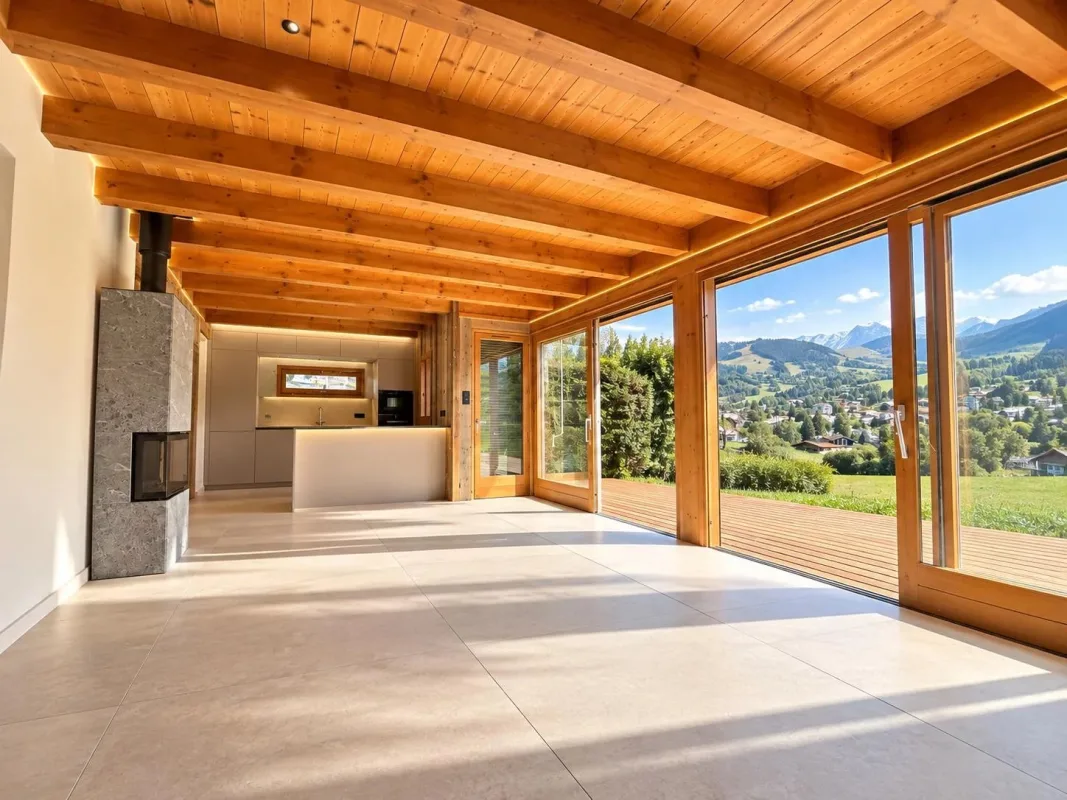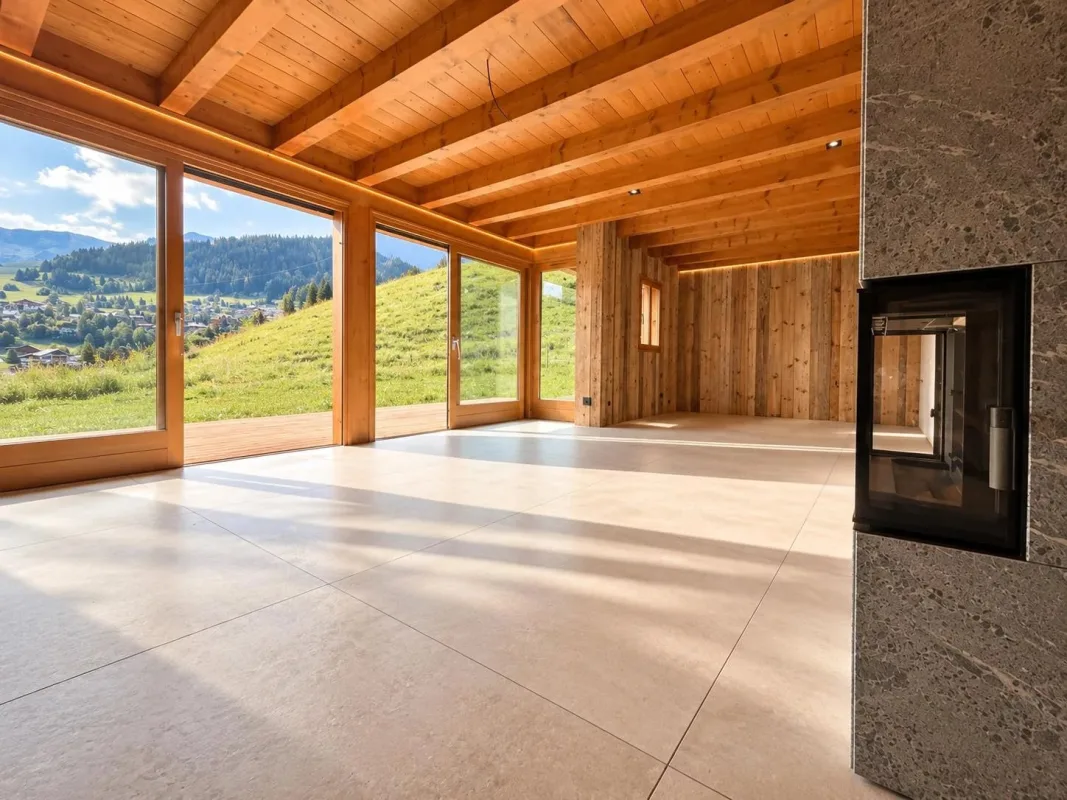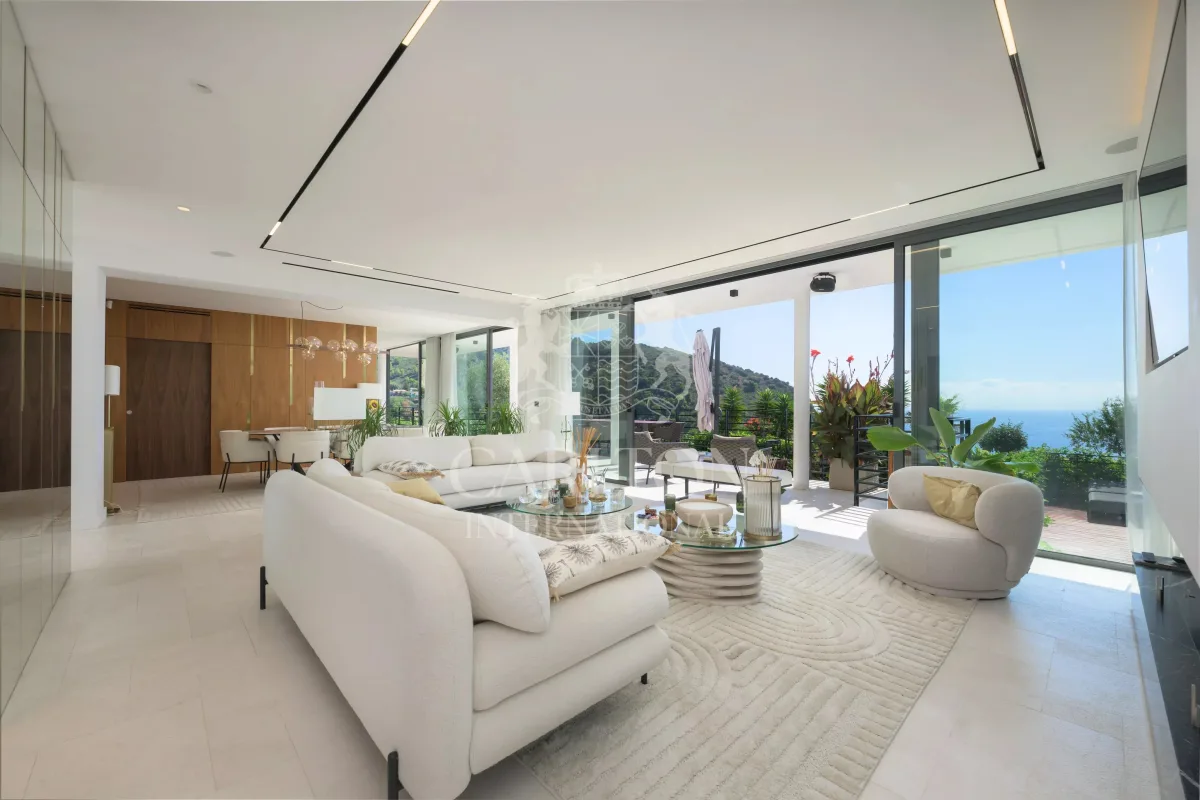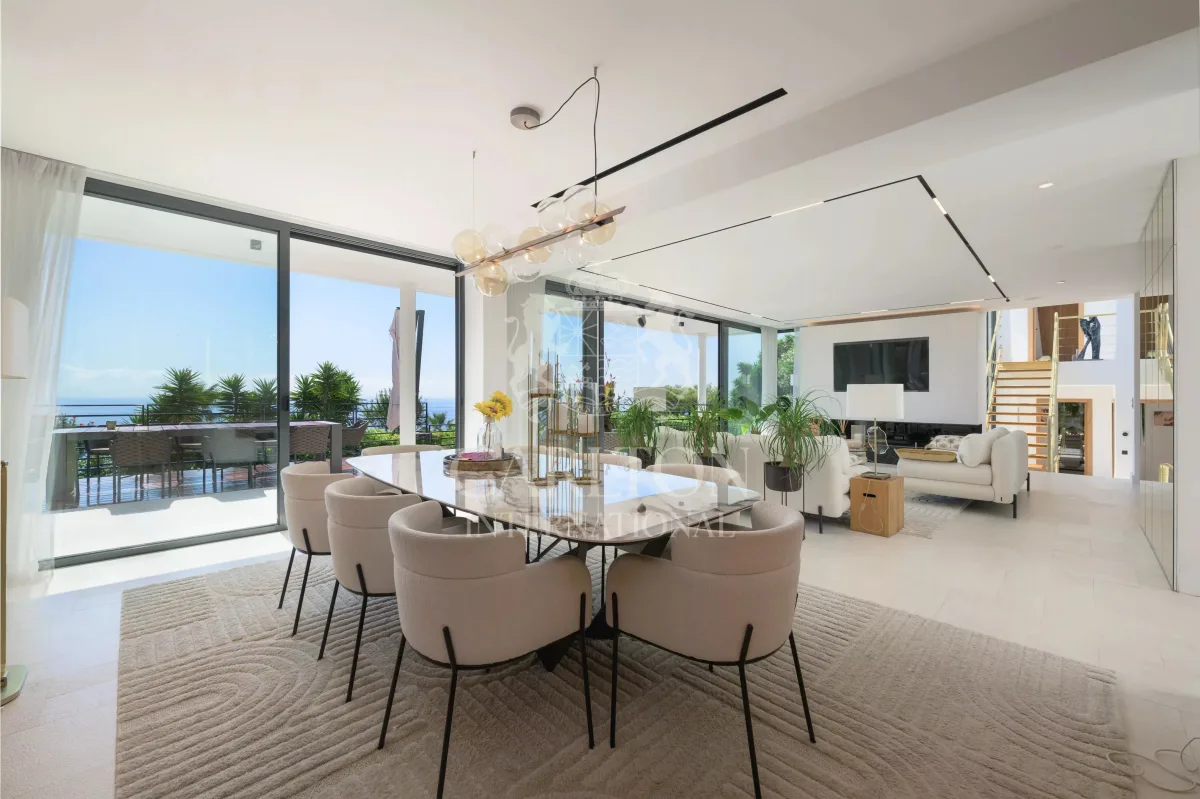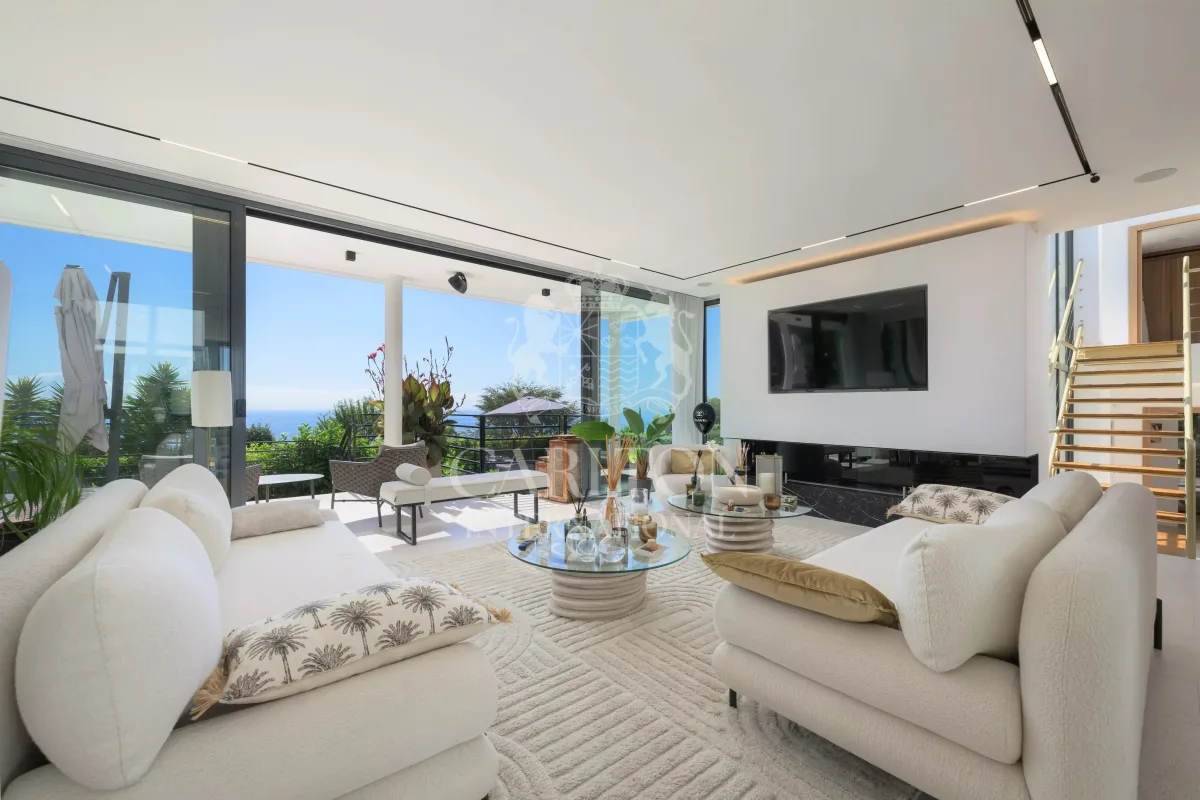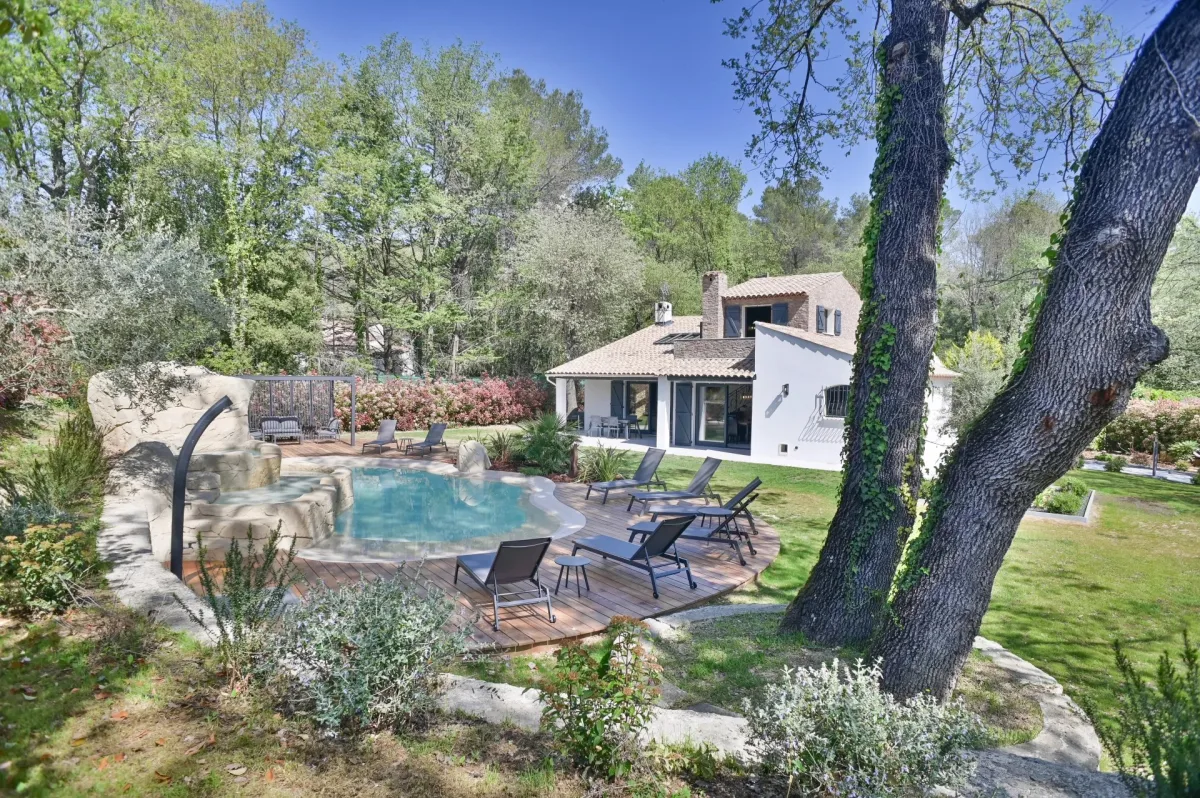
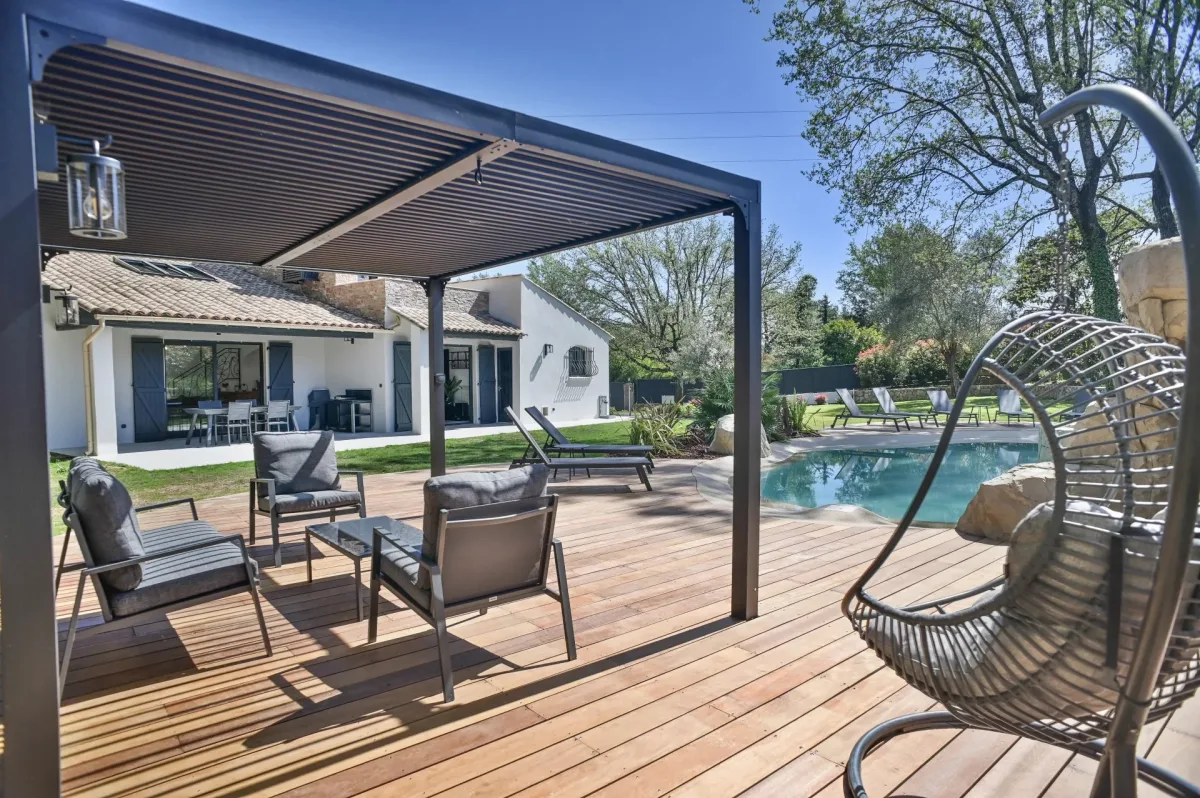
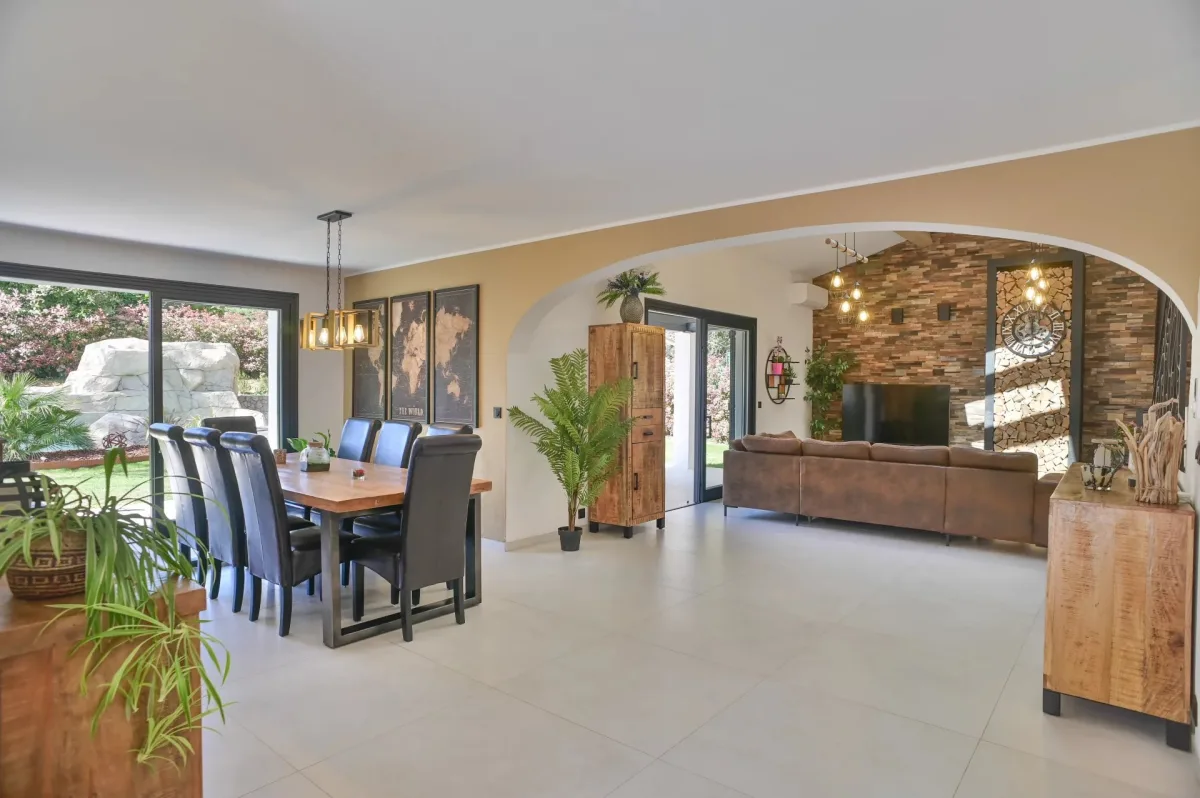
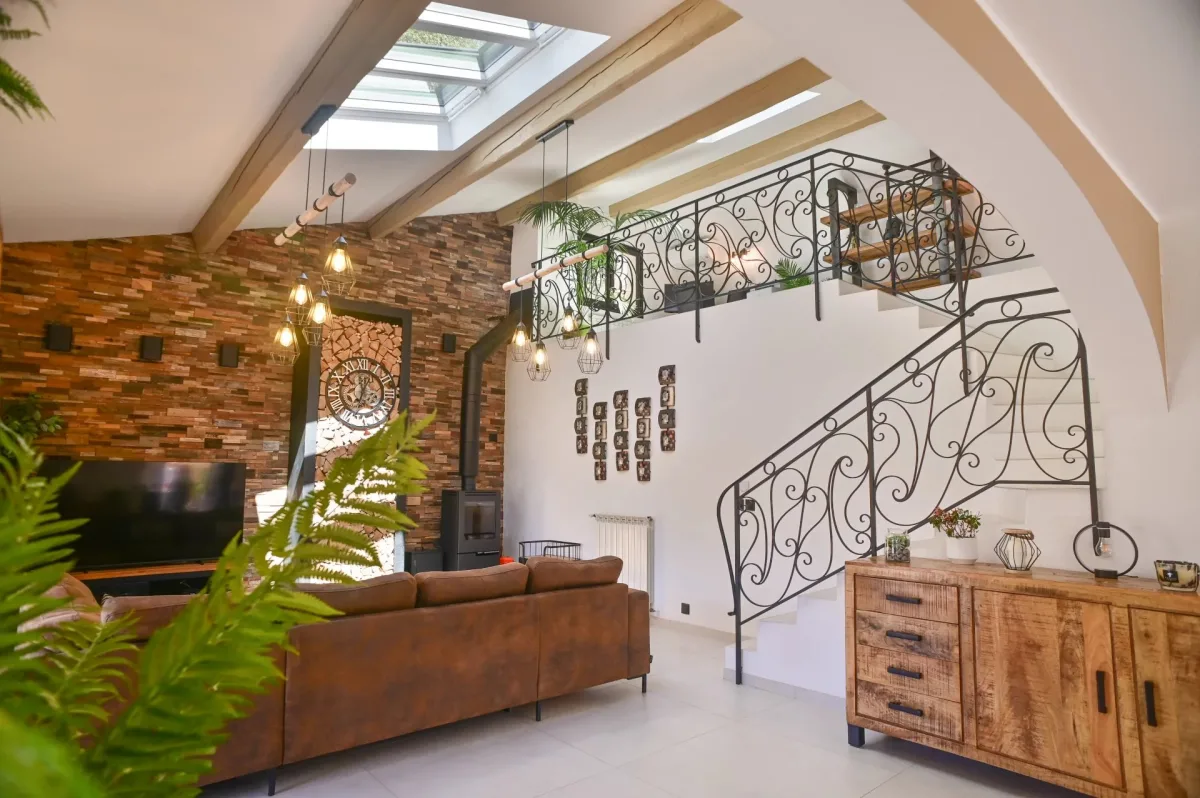
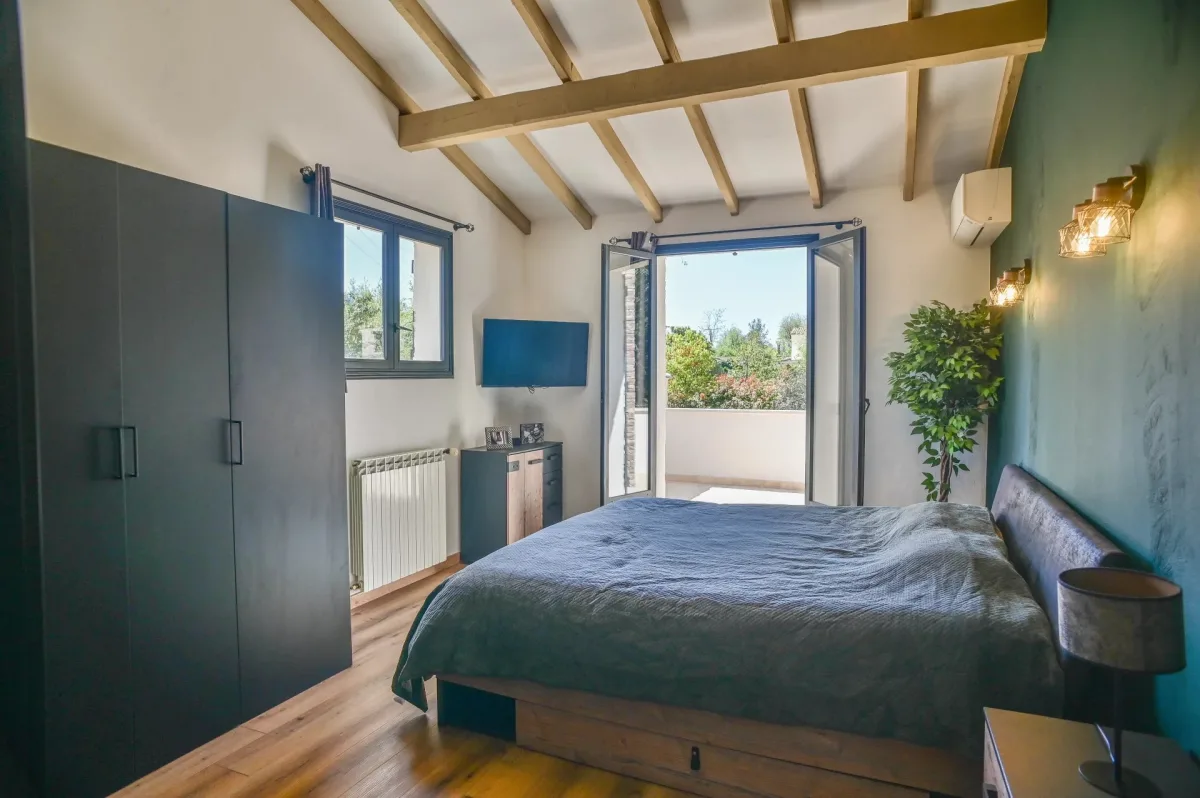
$ 2 120 000
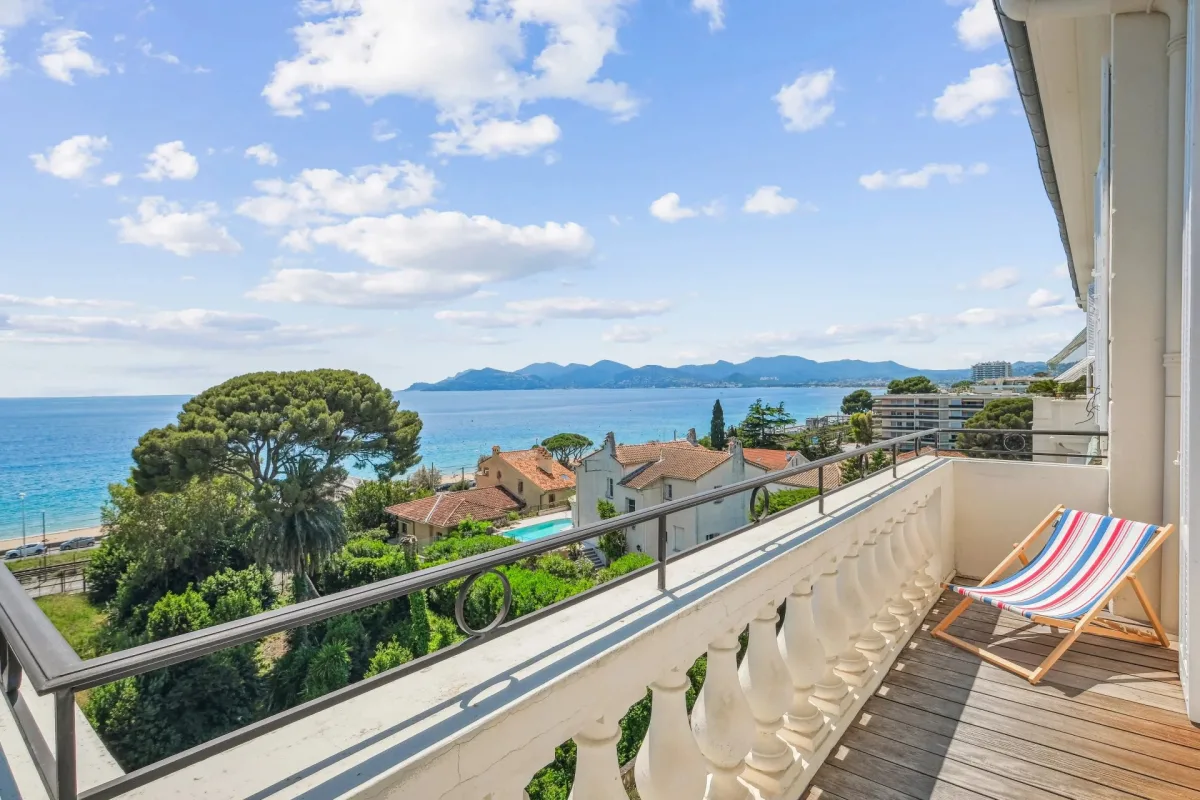
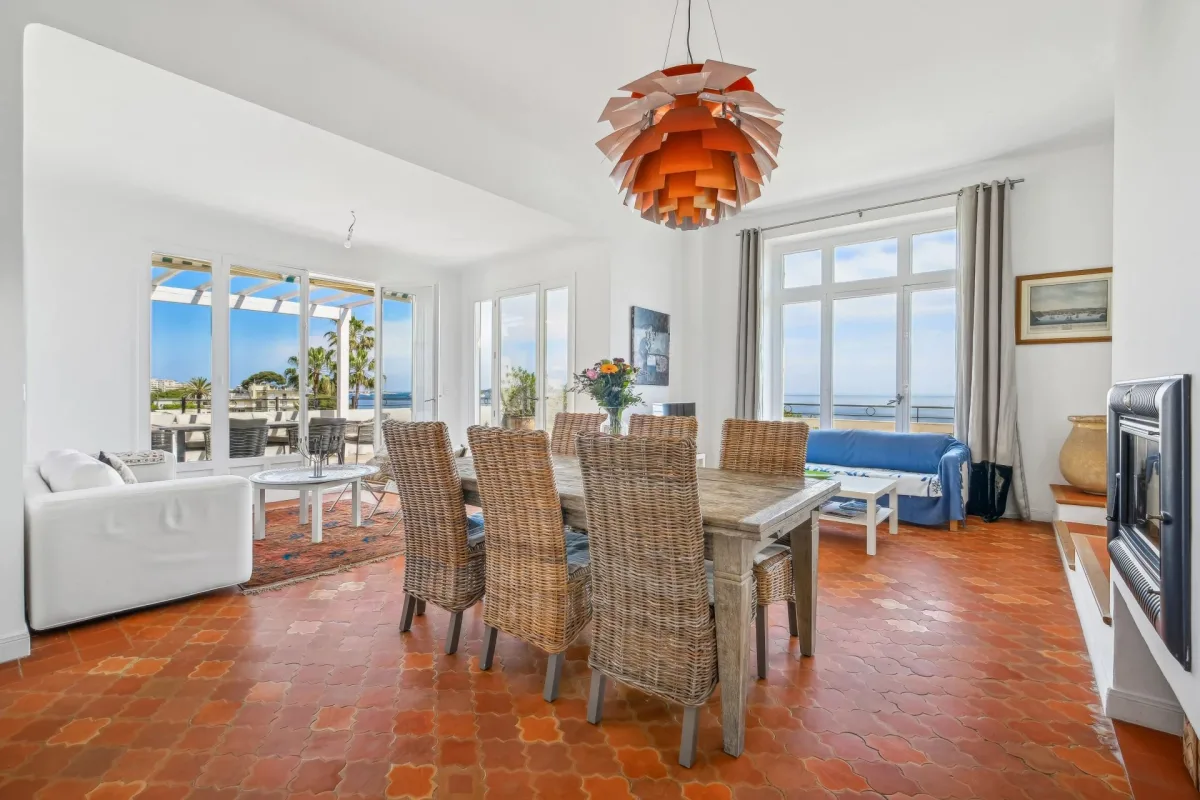
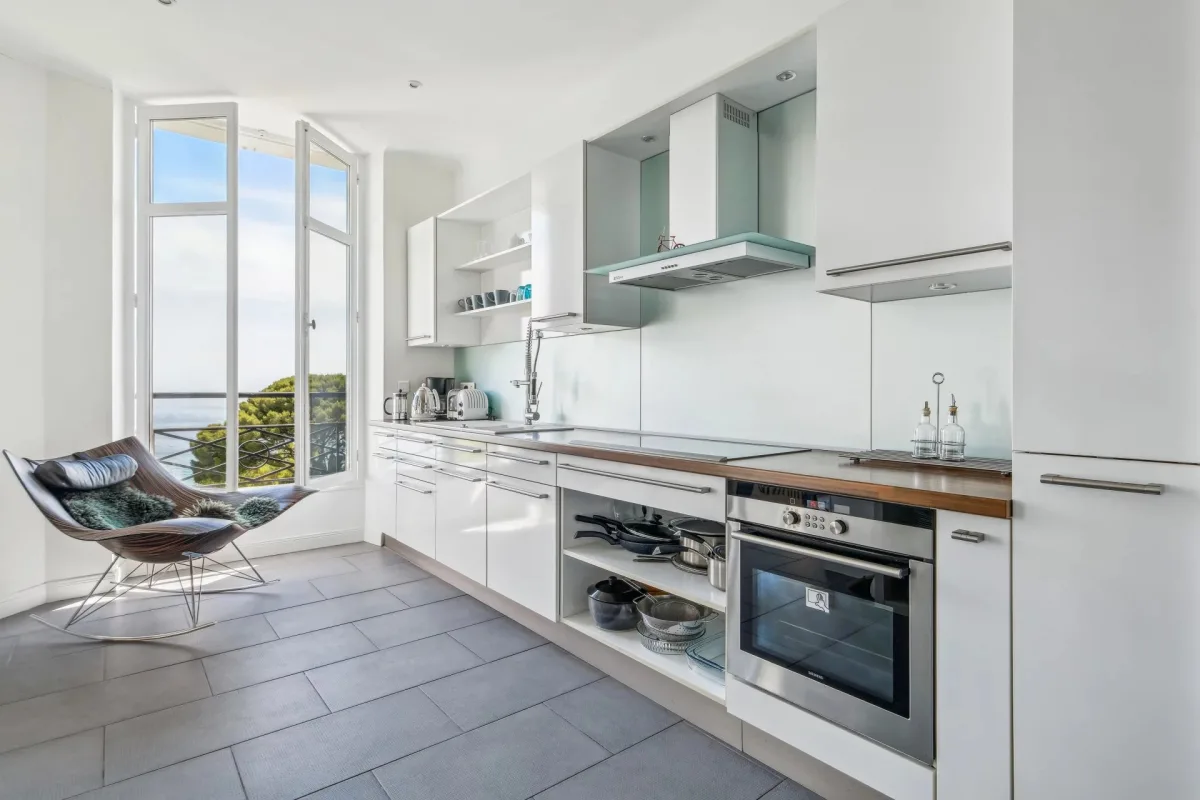
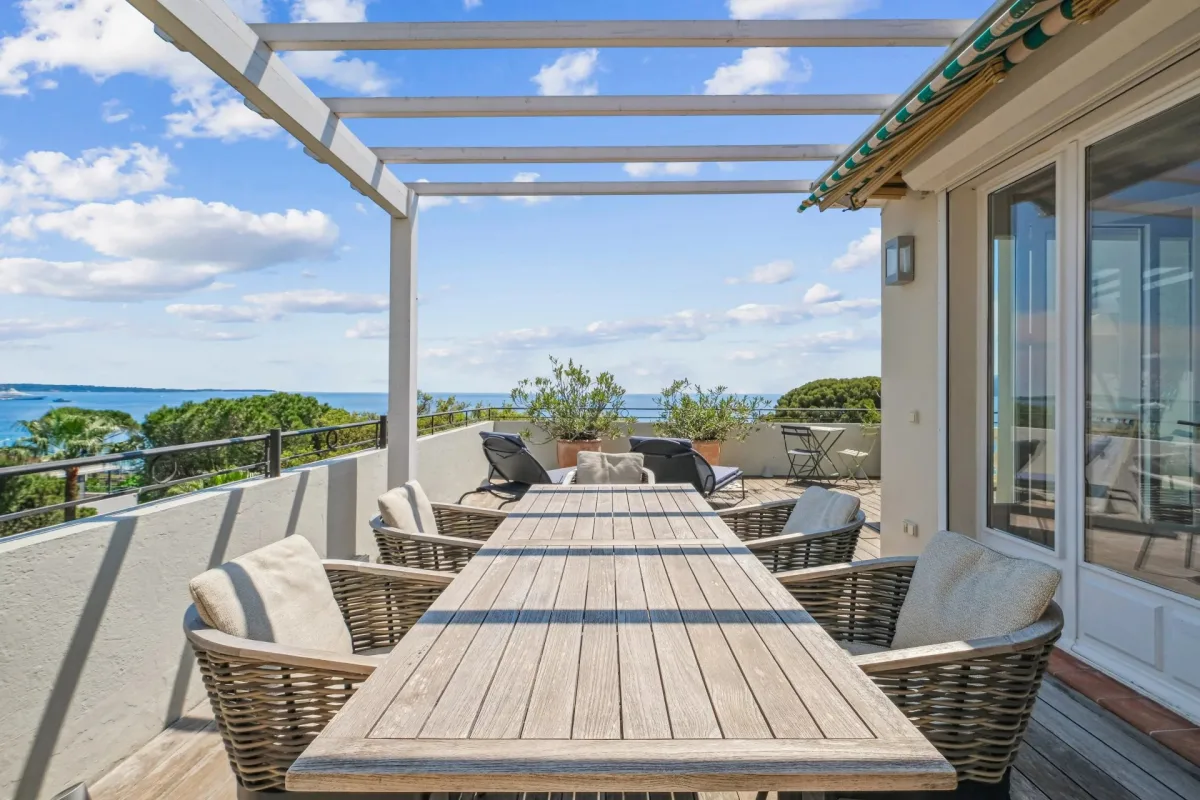
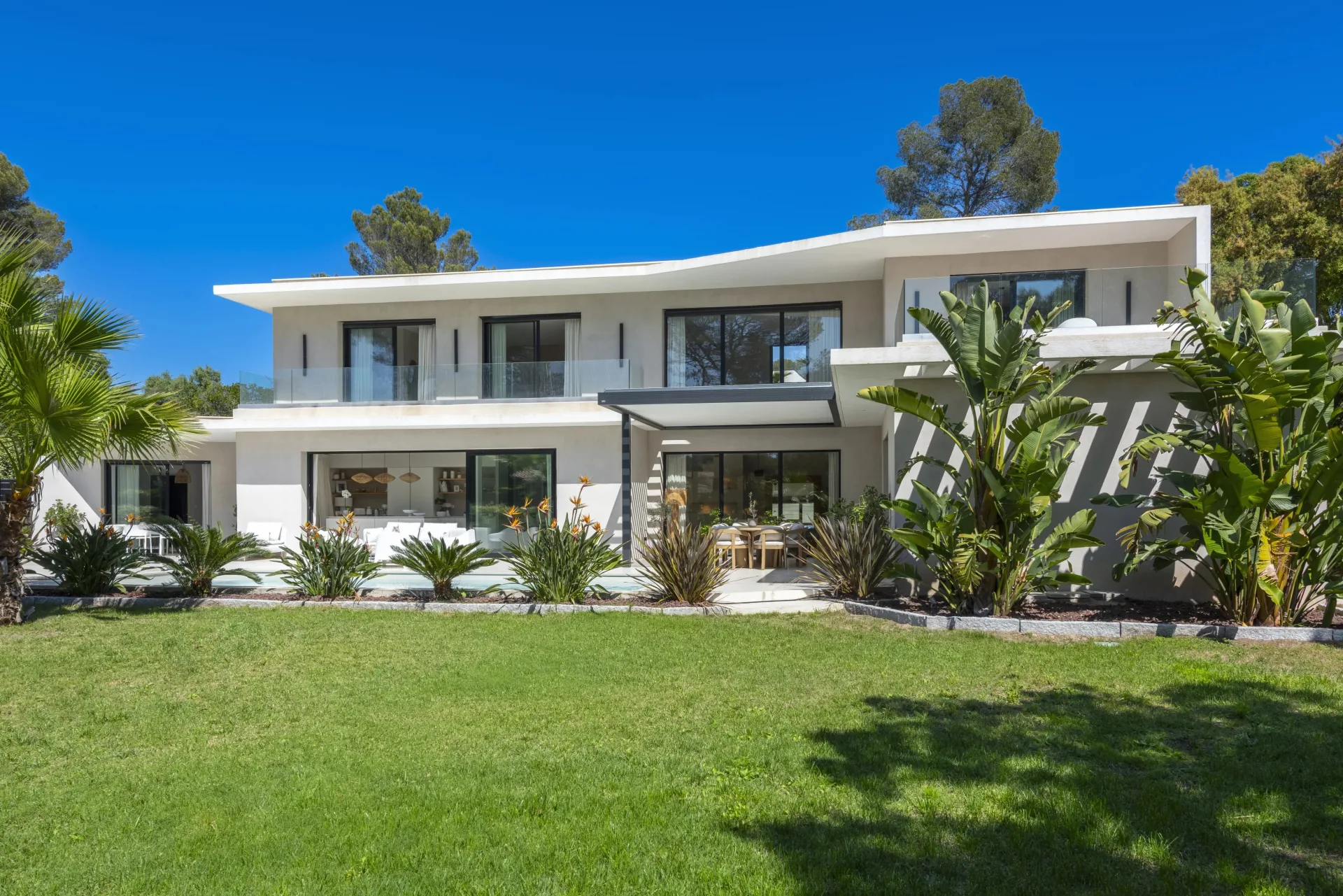
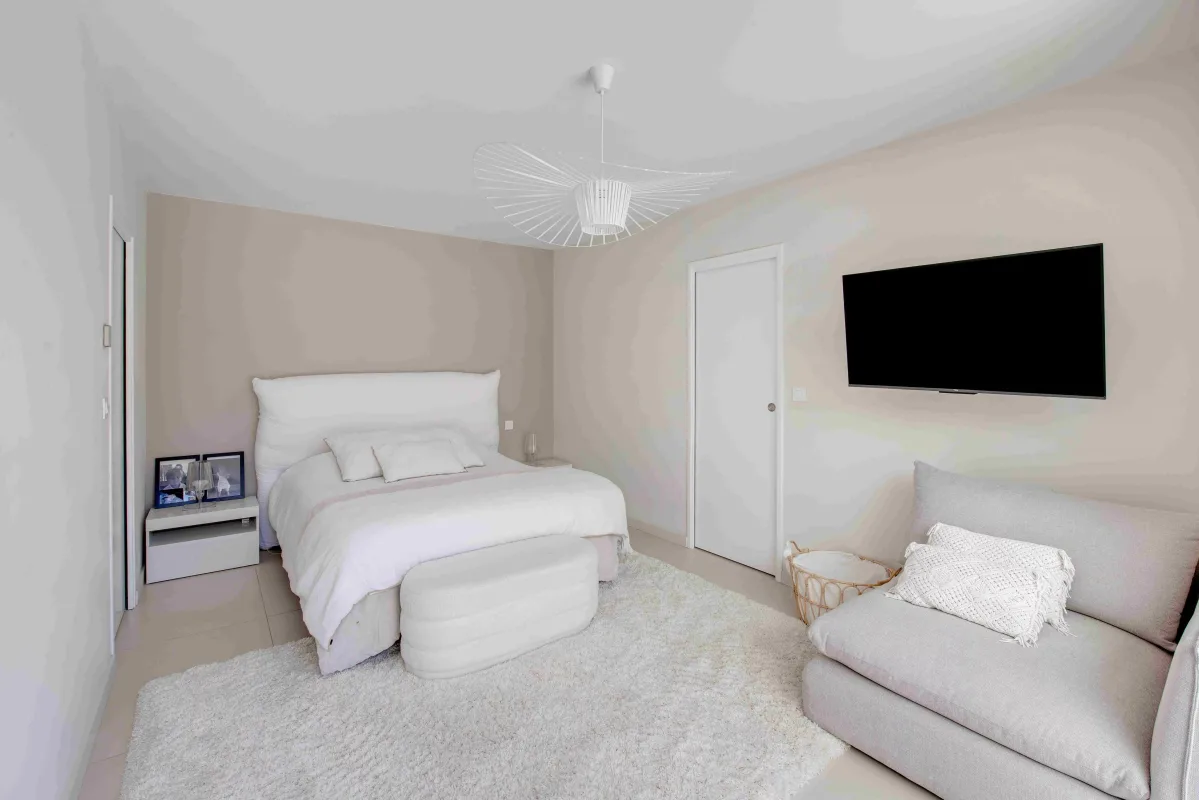
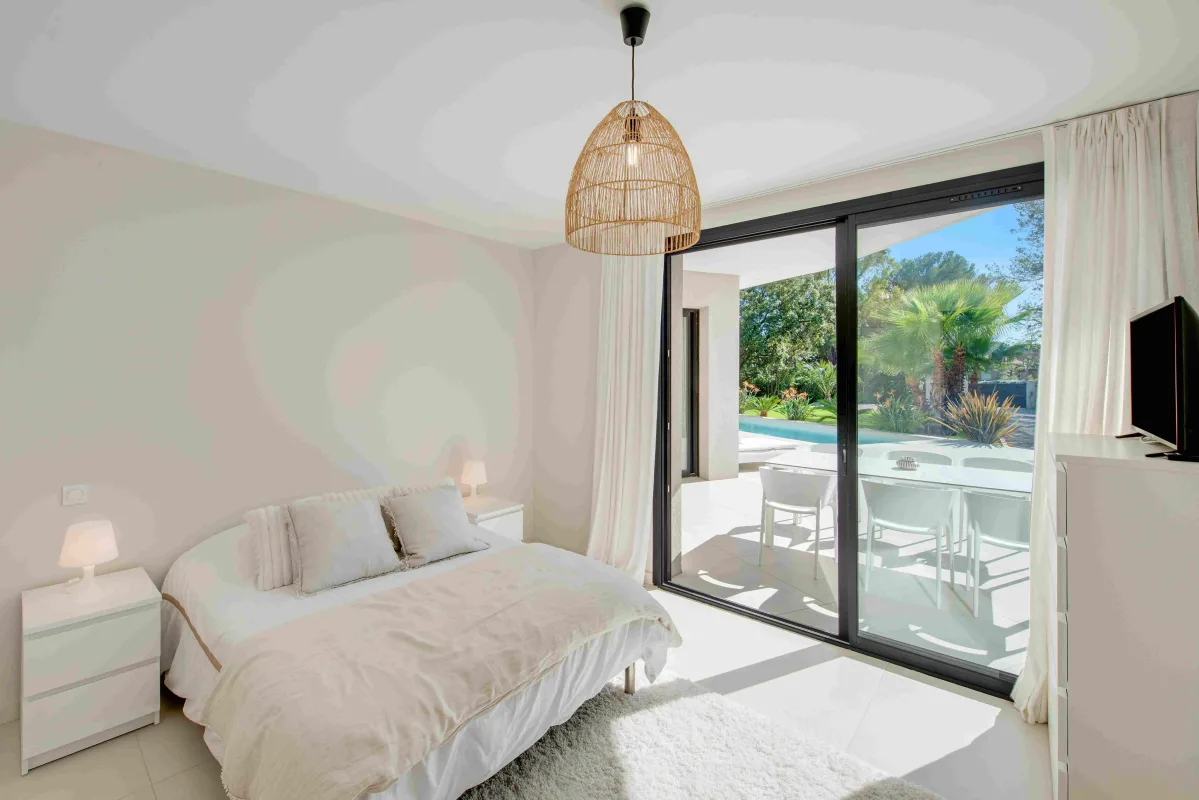
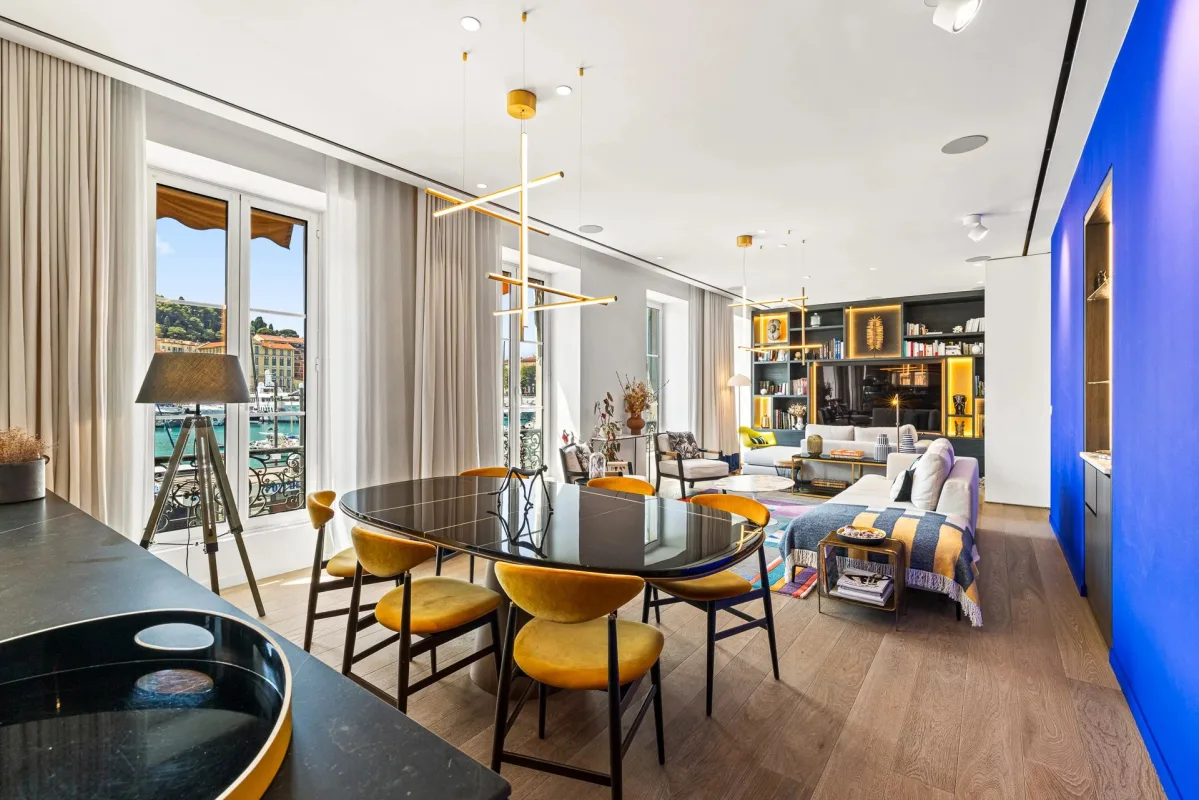
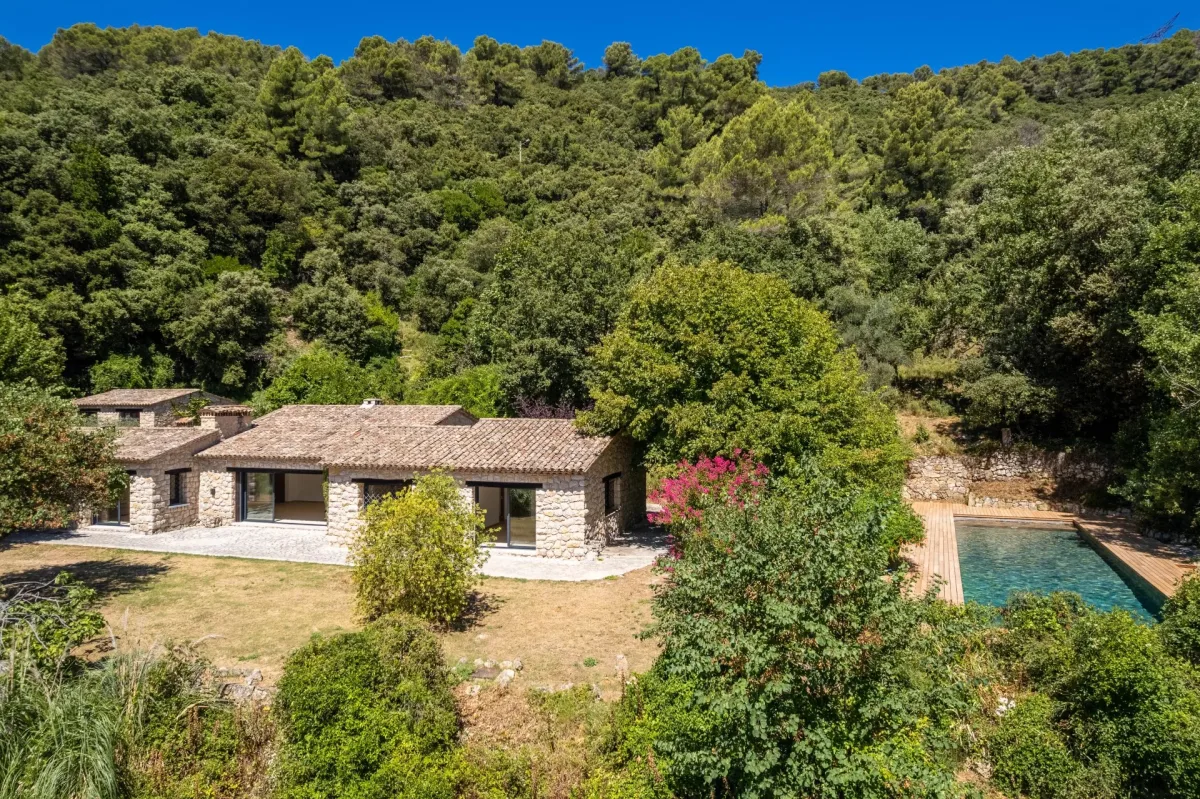
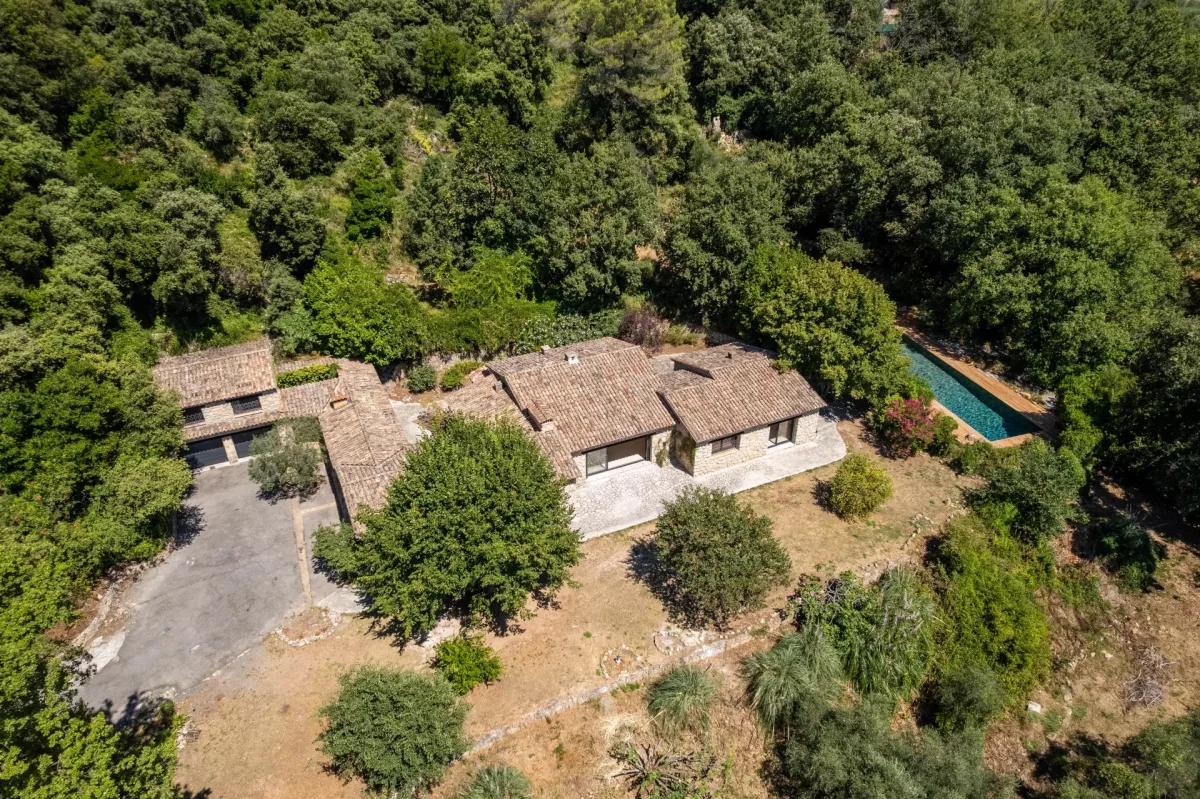
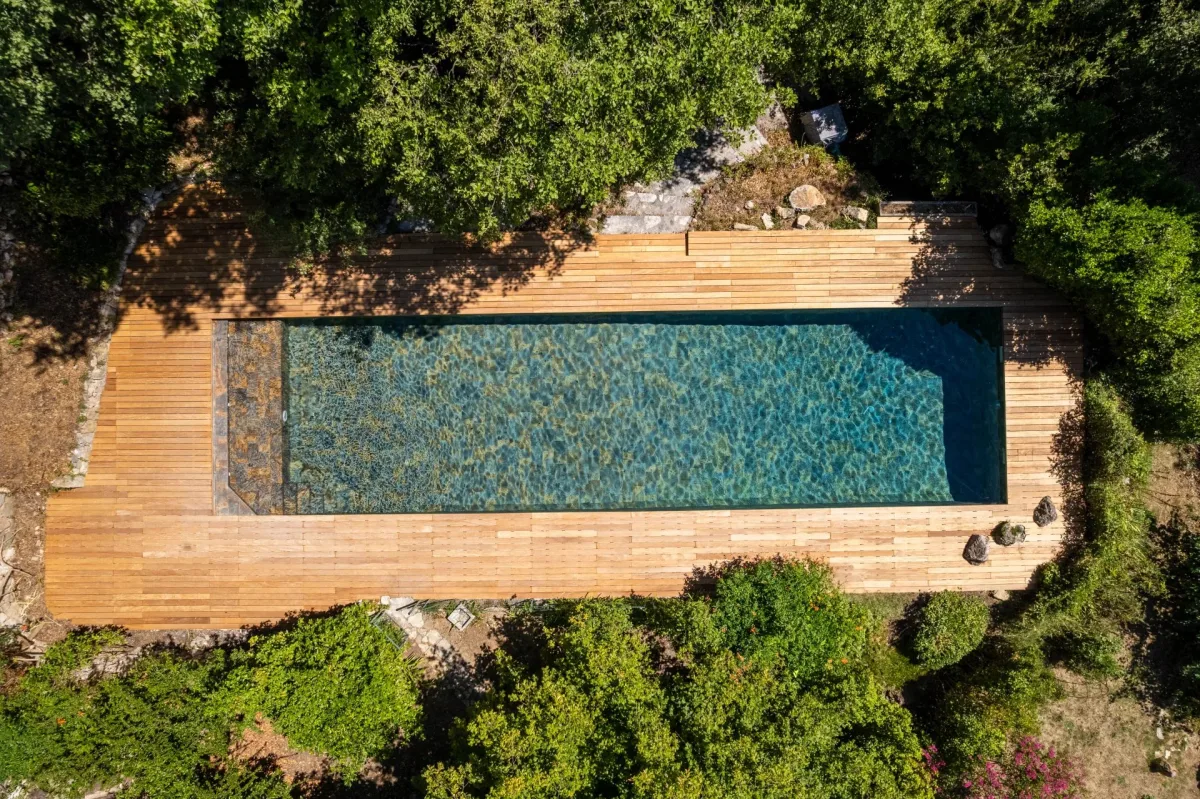
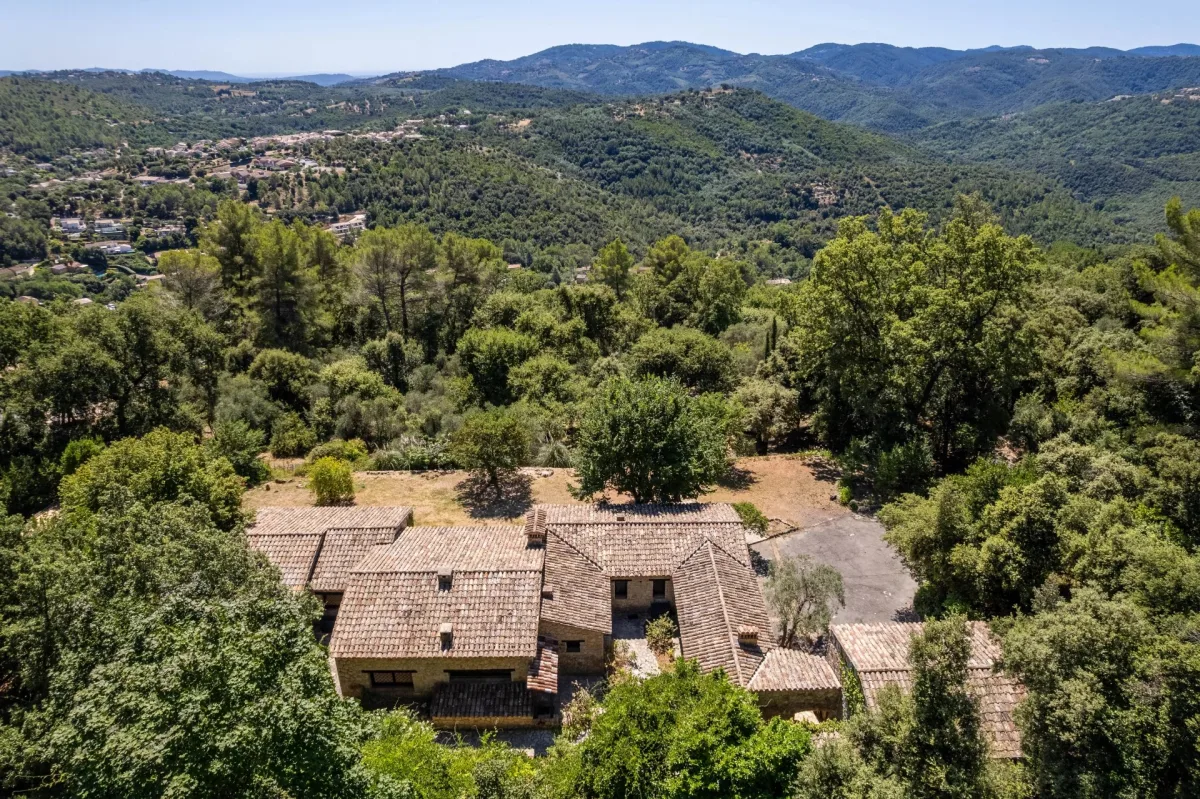
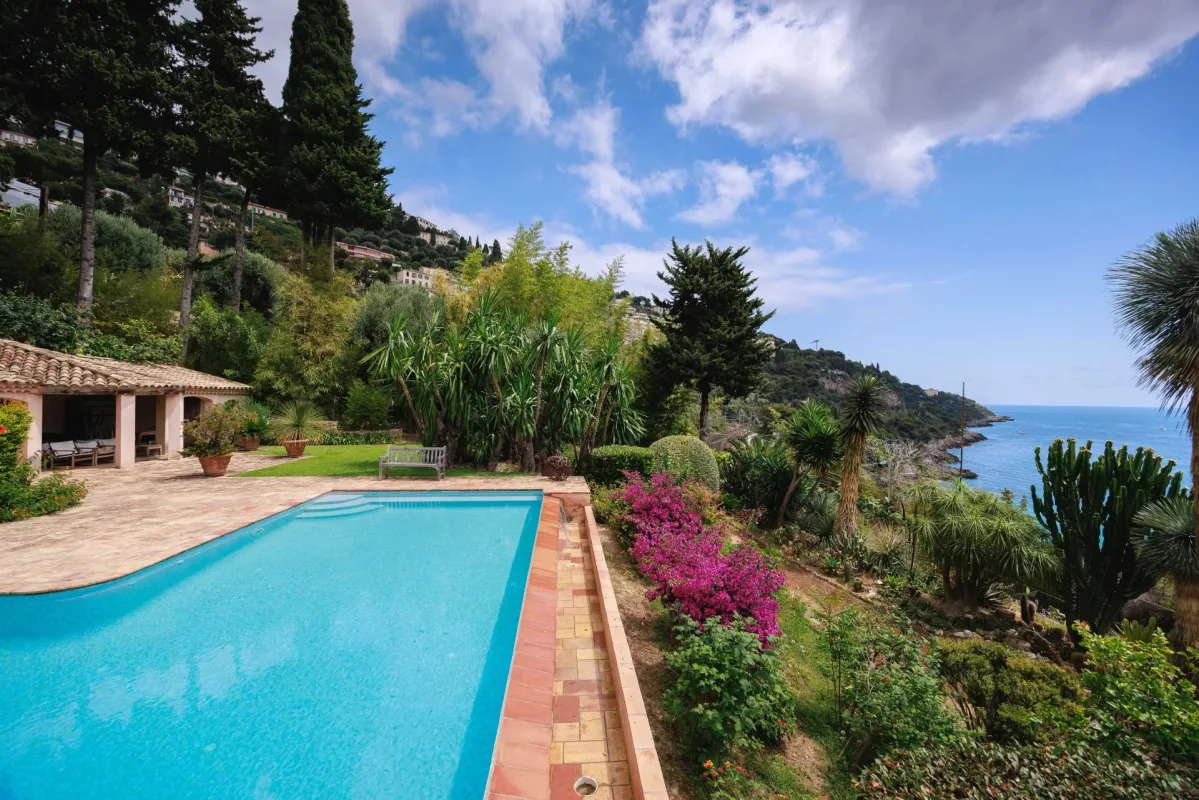
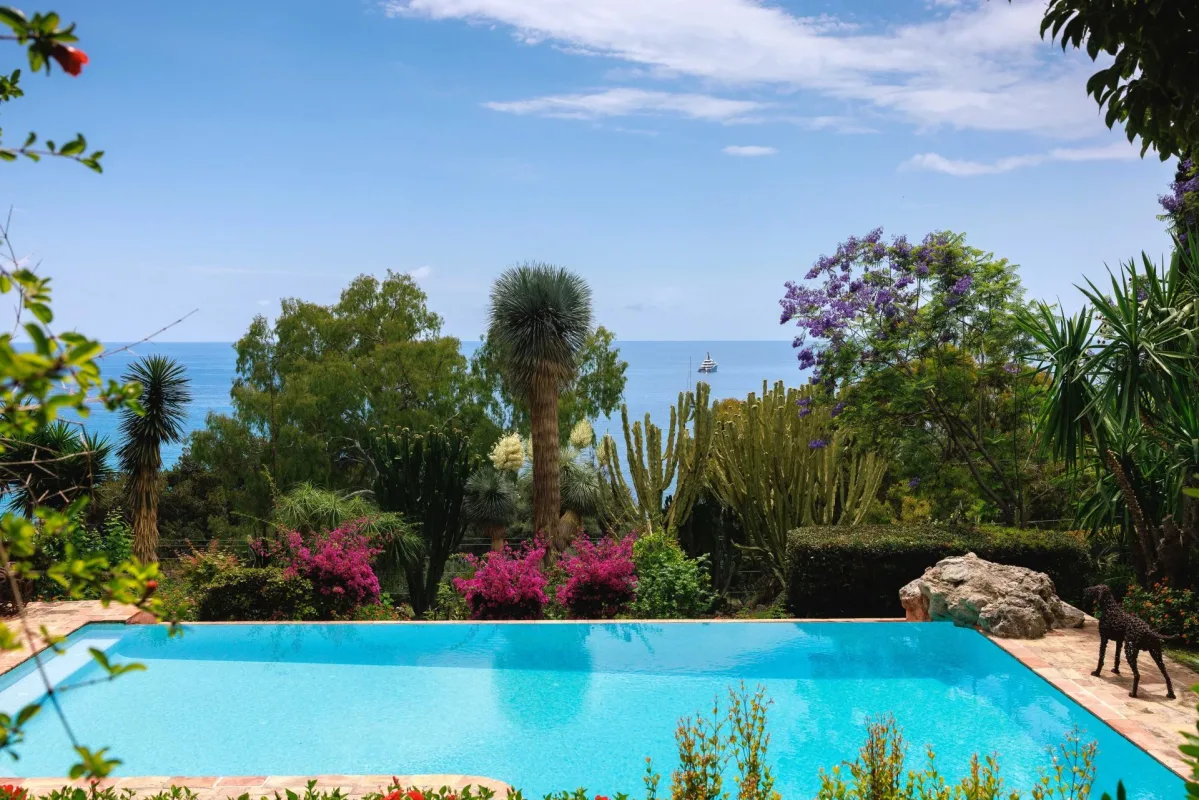
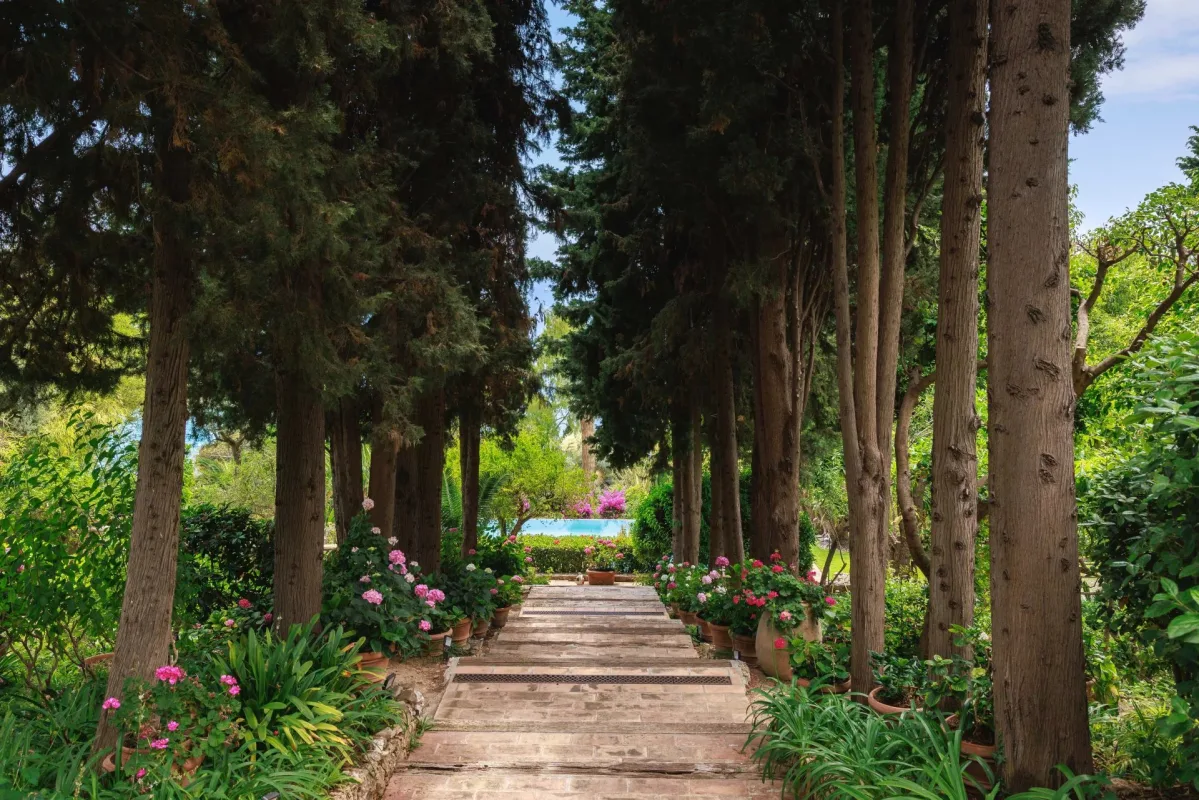
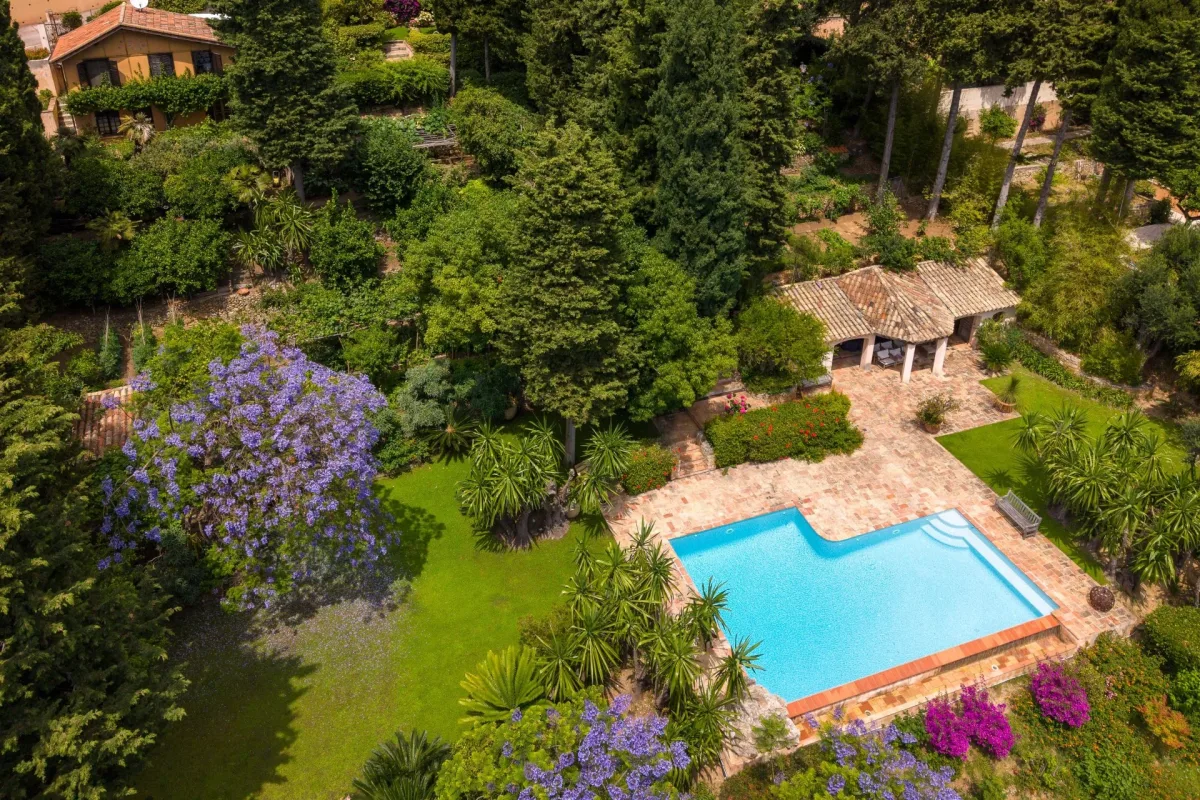
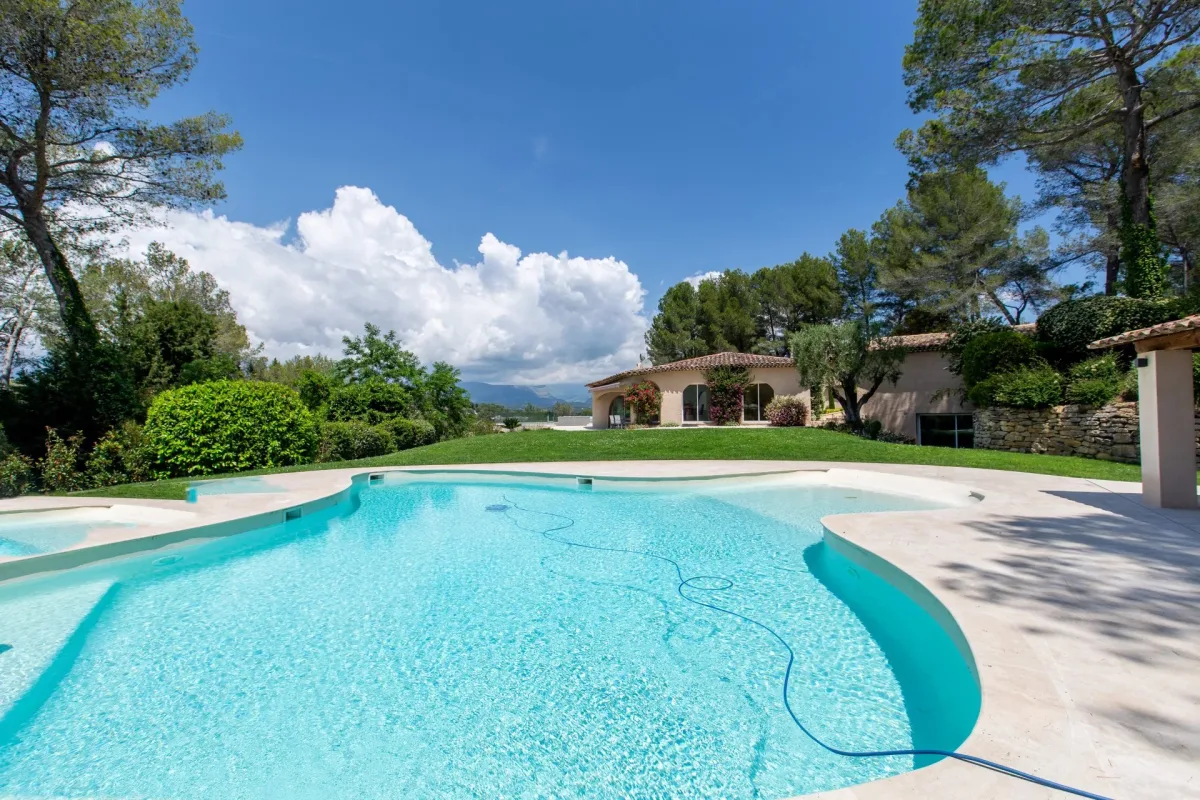
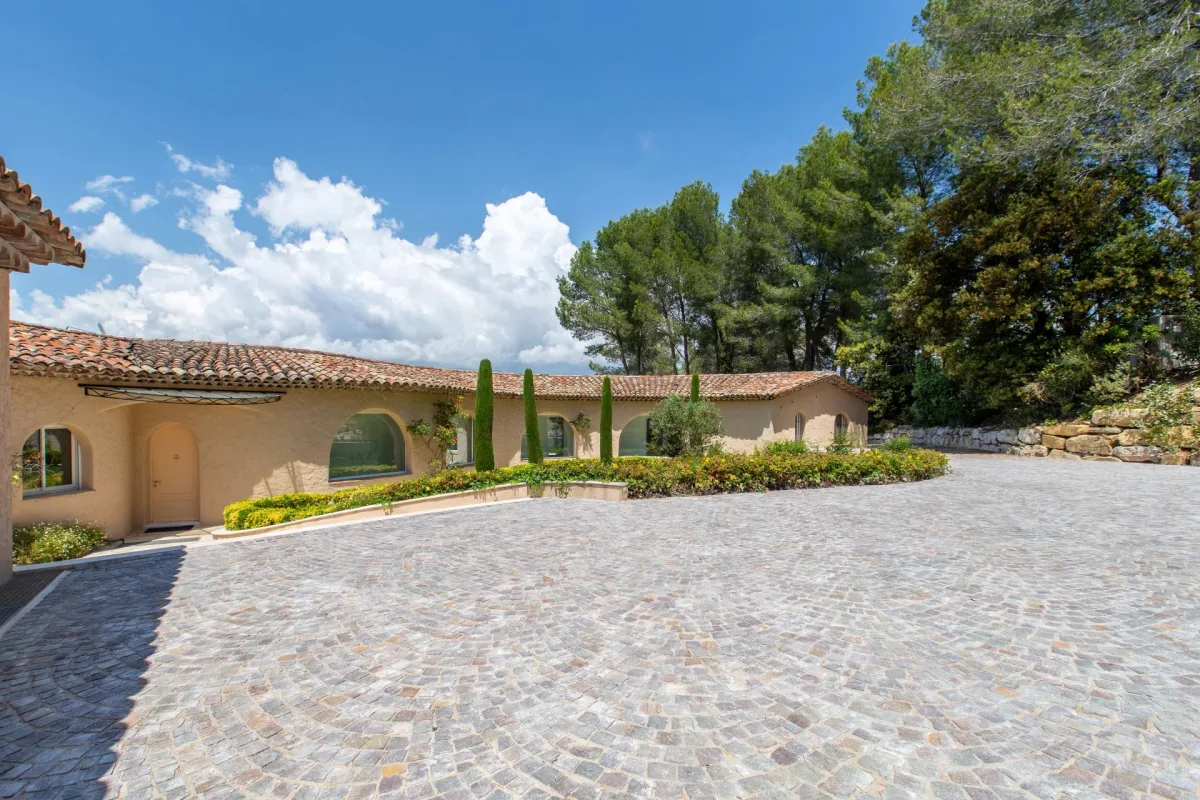
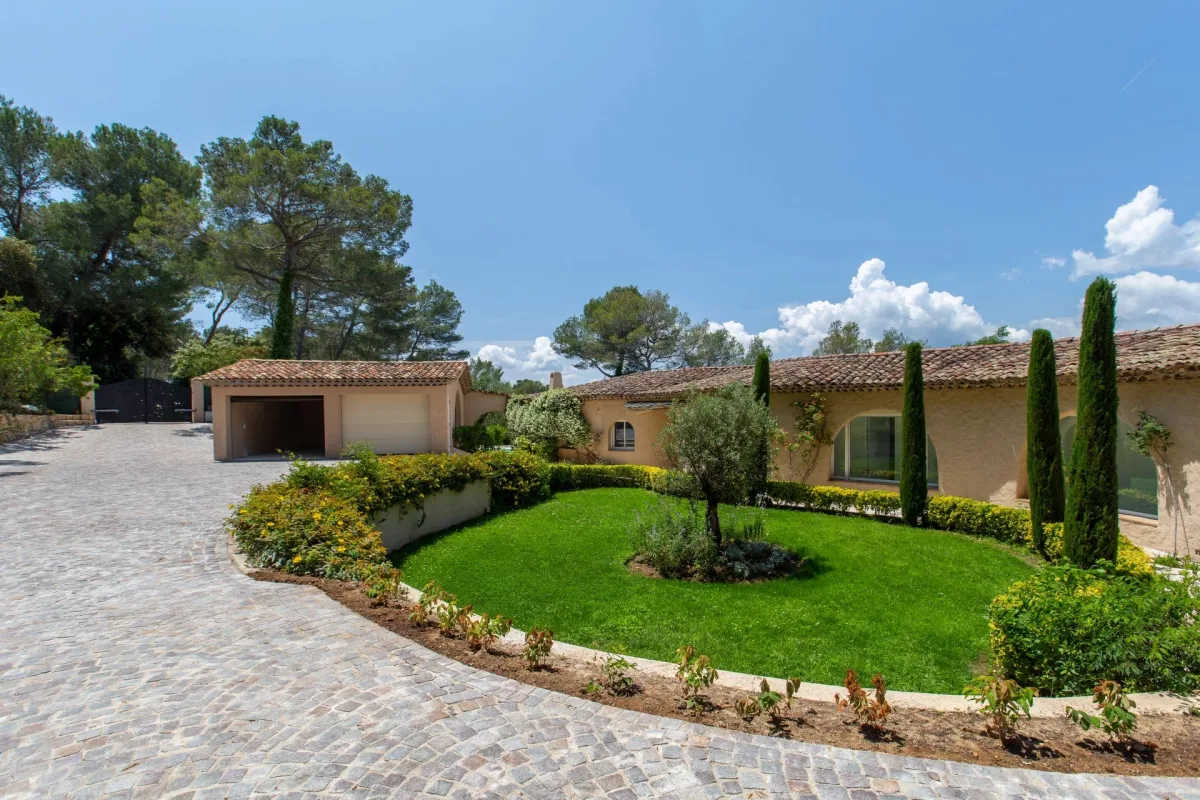
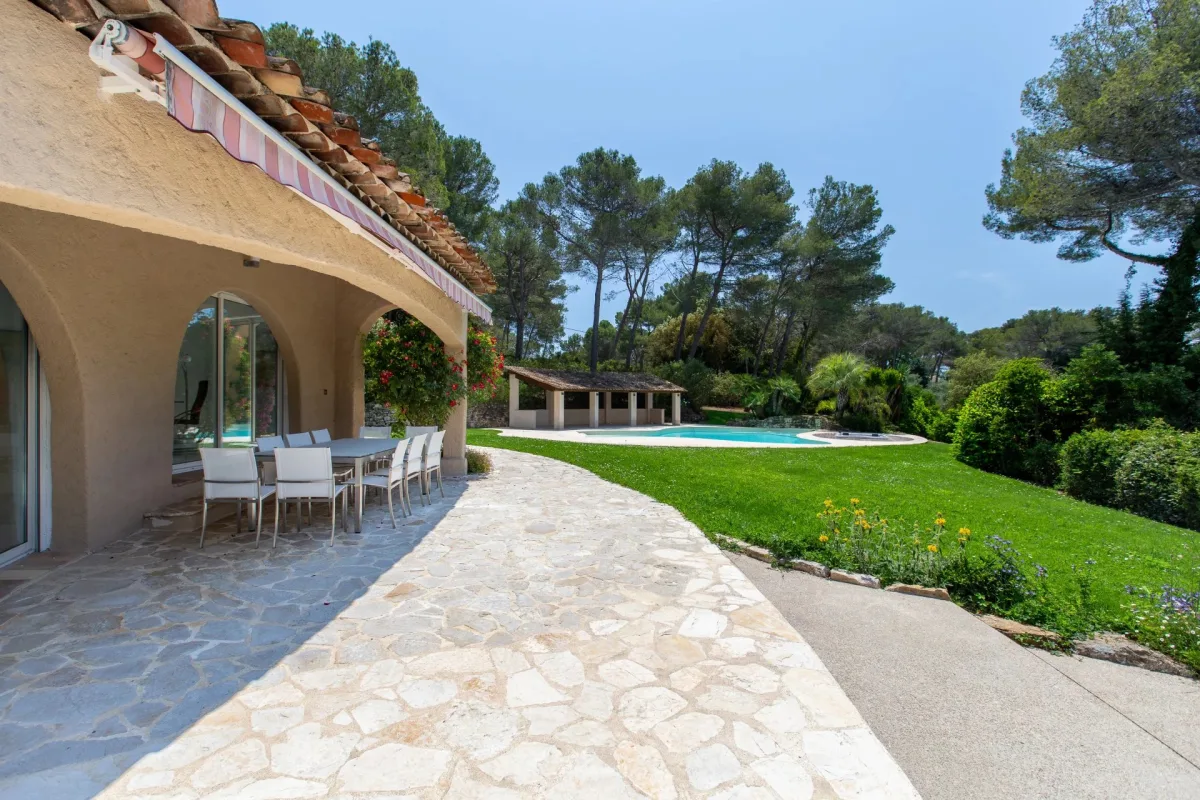
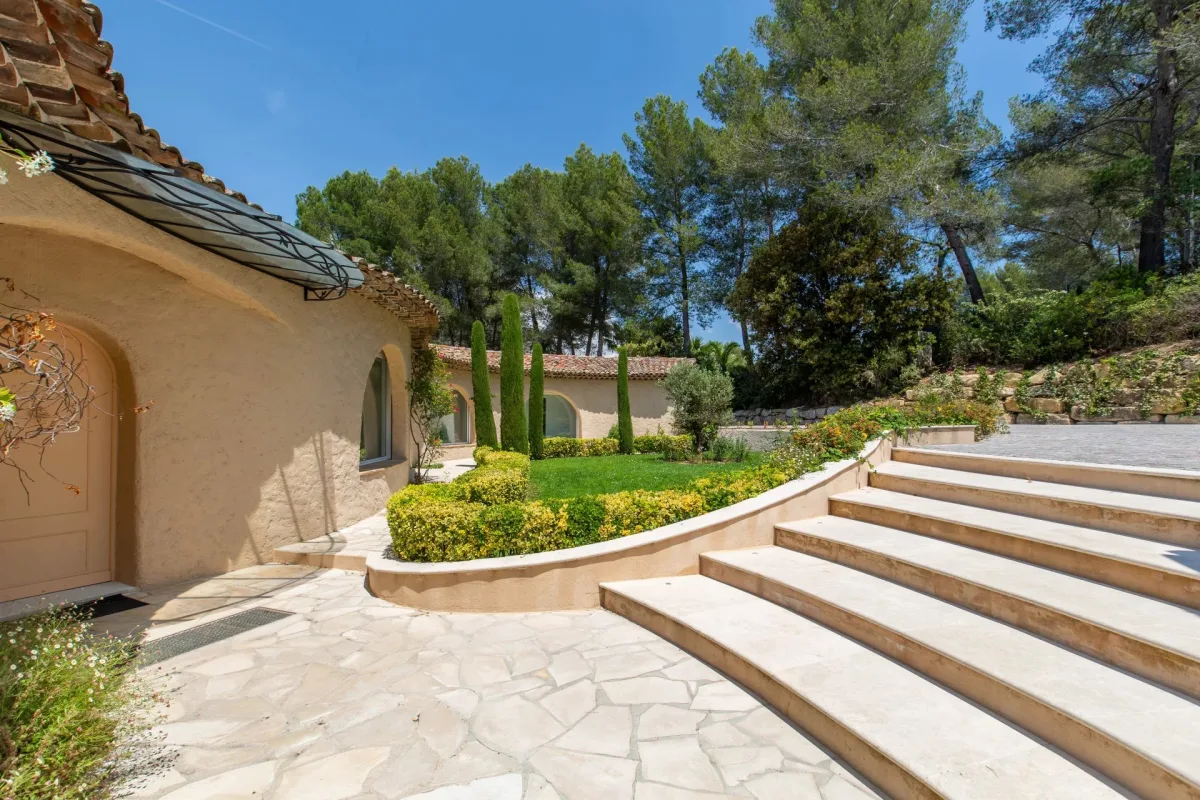
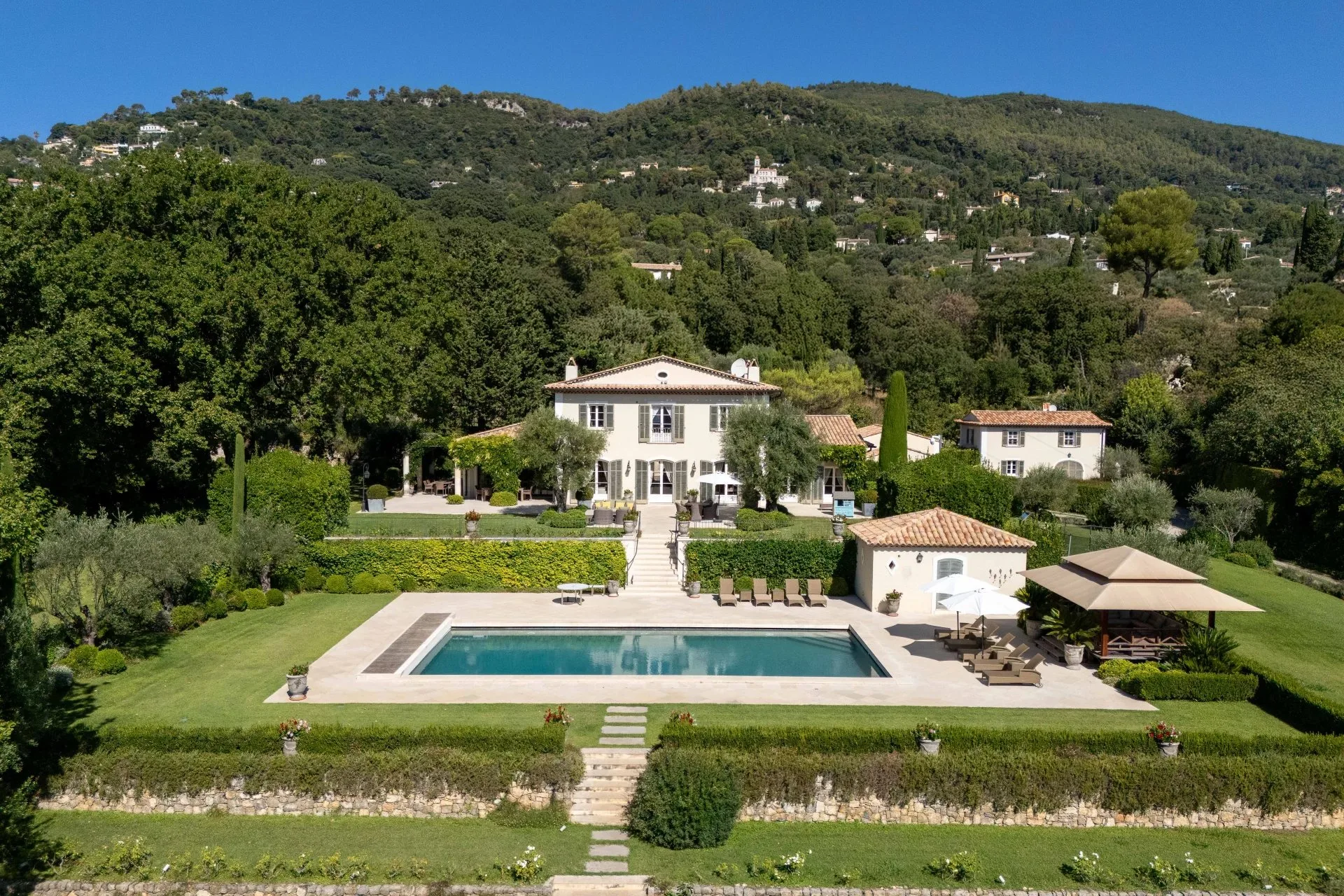
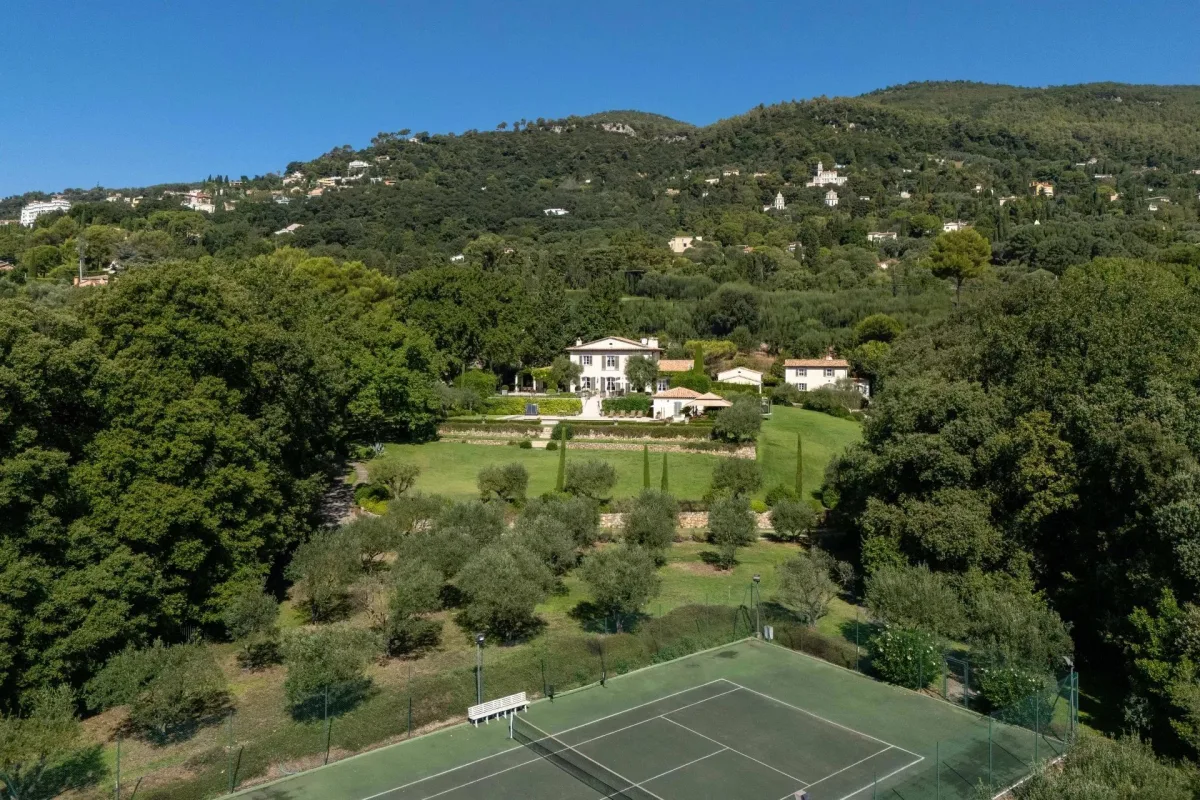
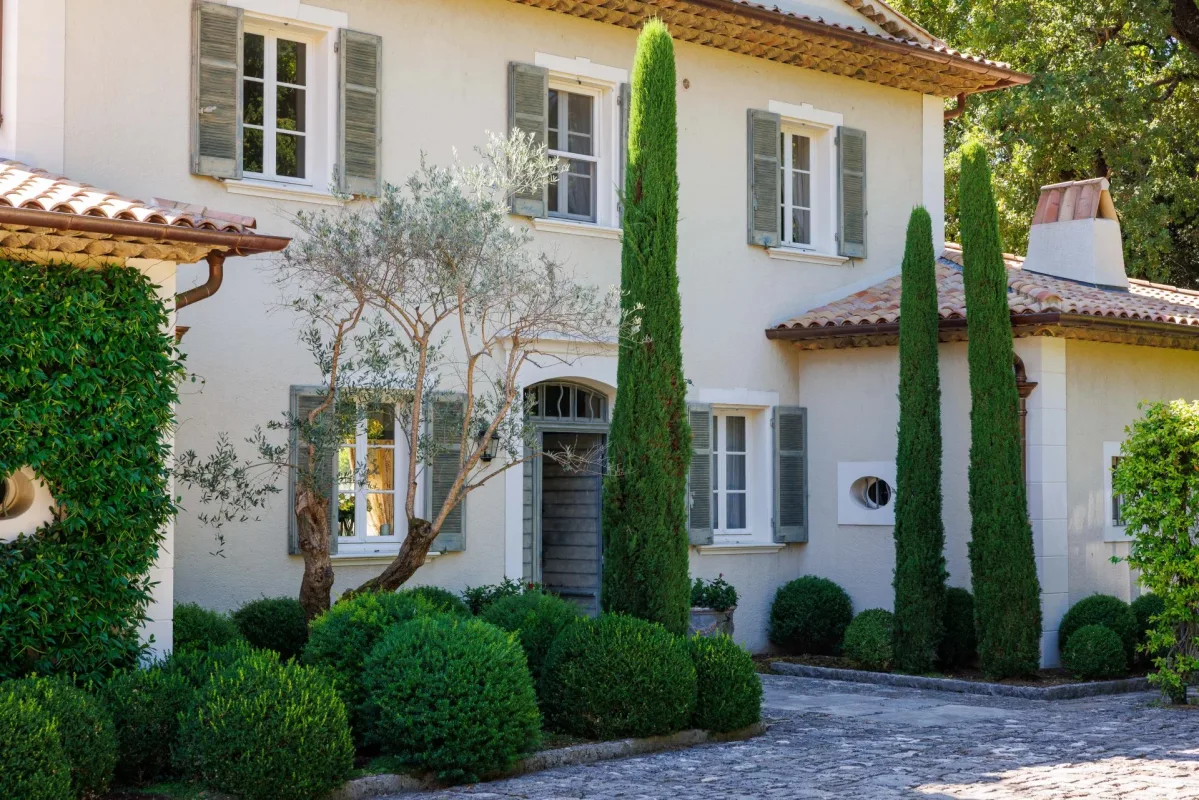
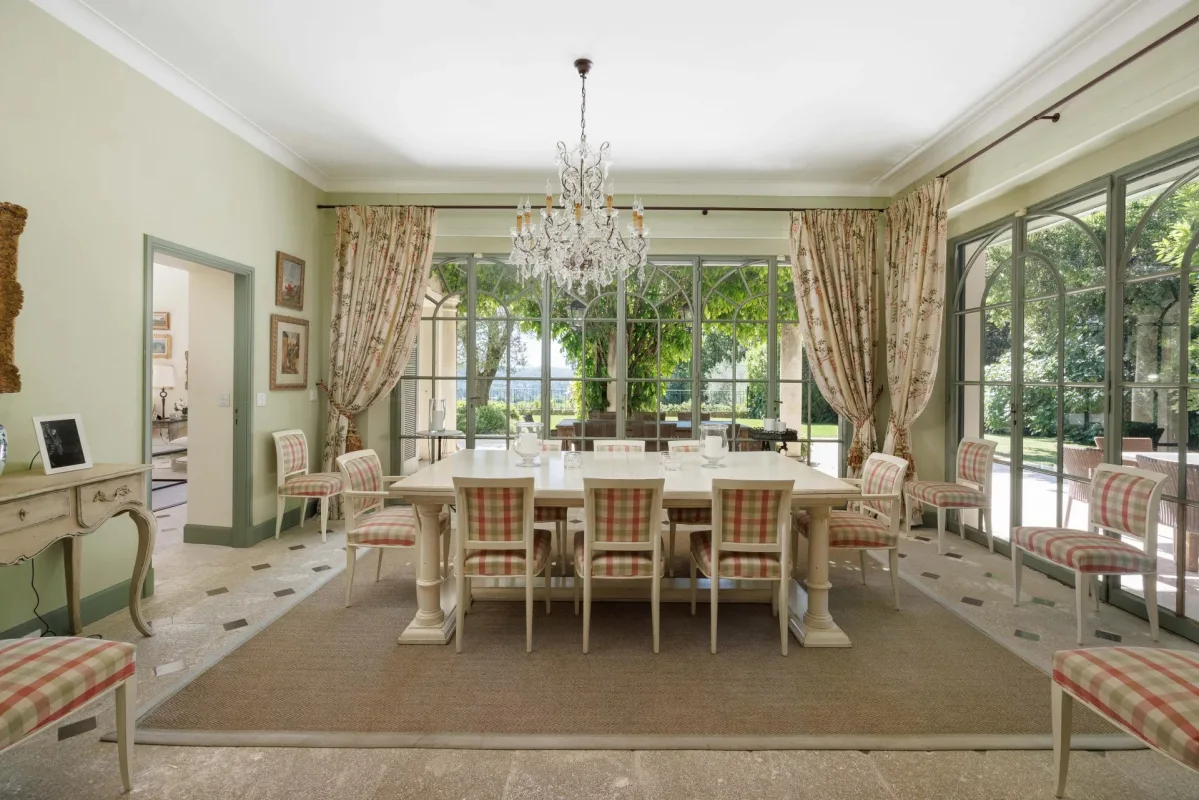
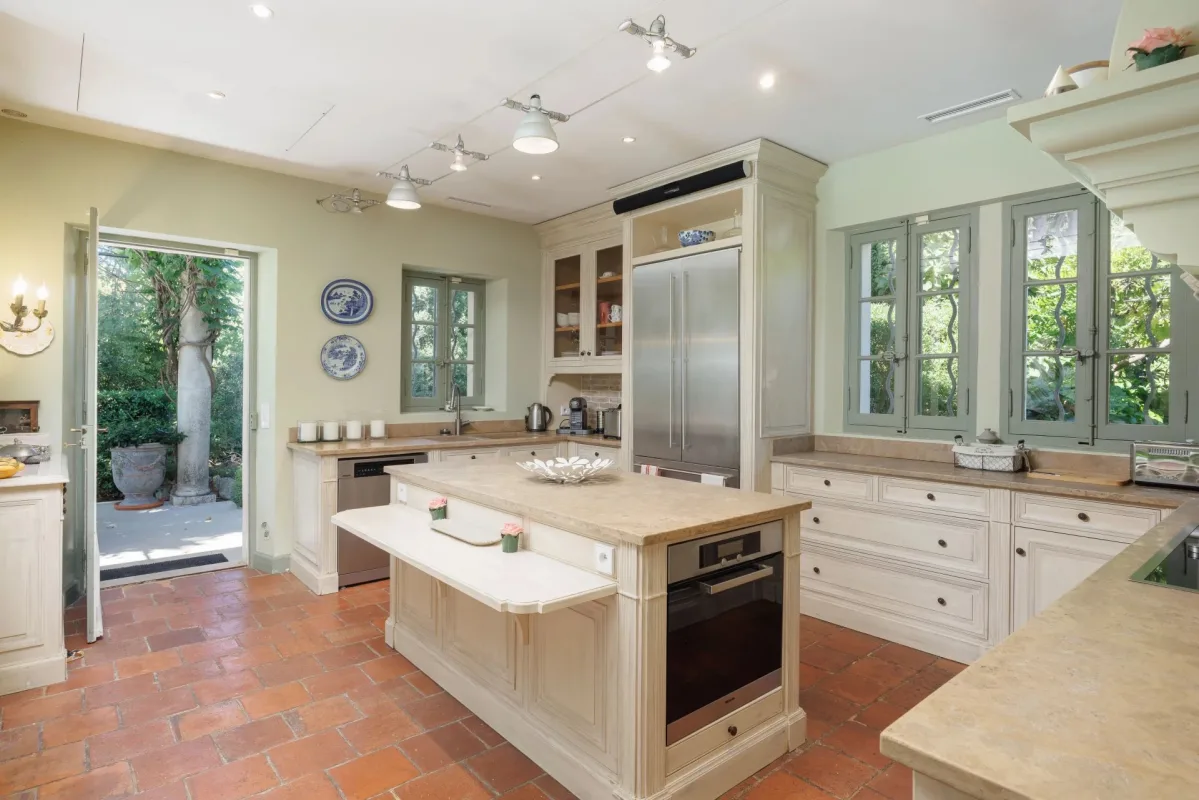
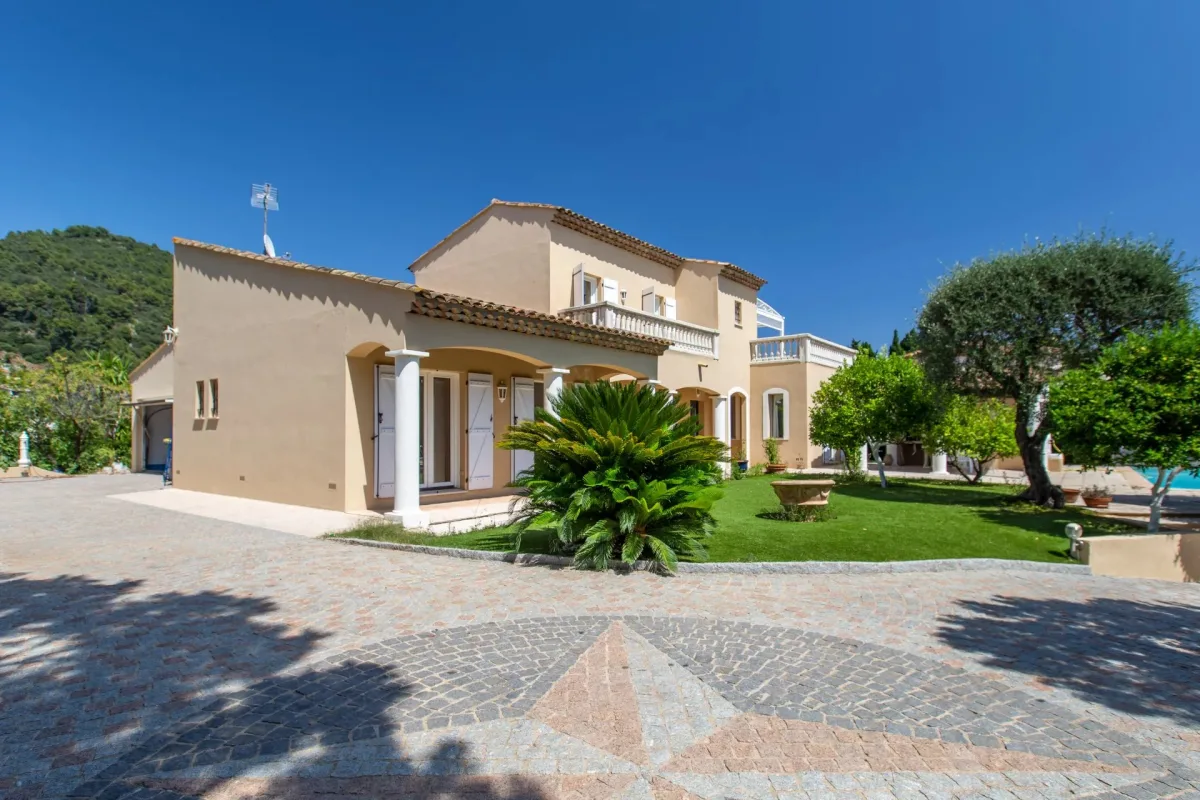
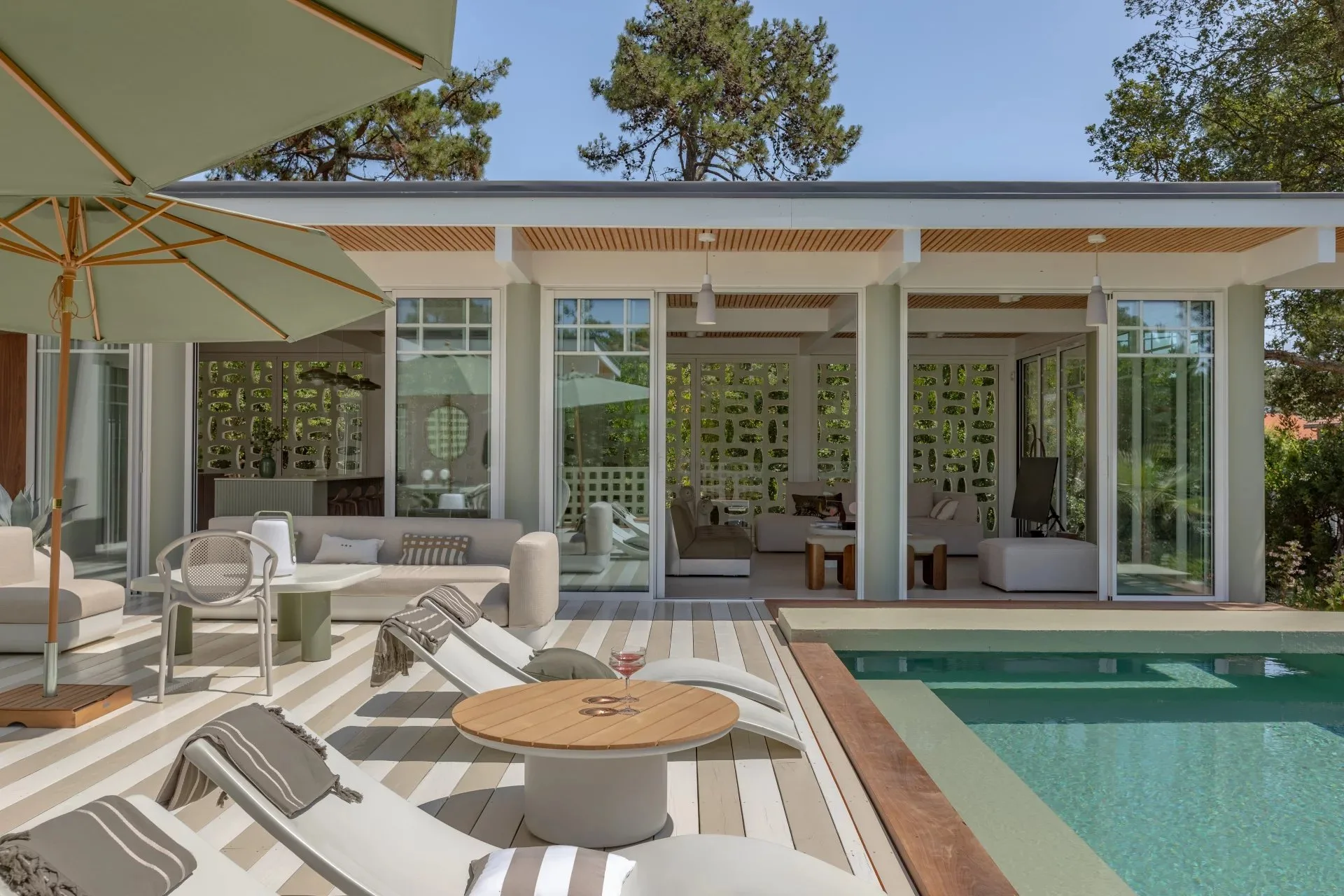
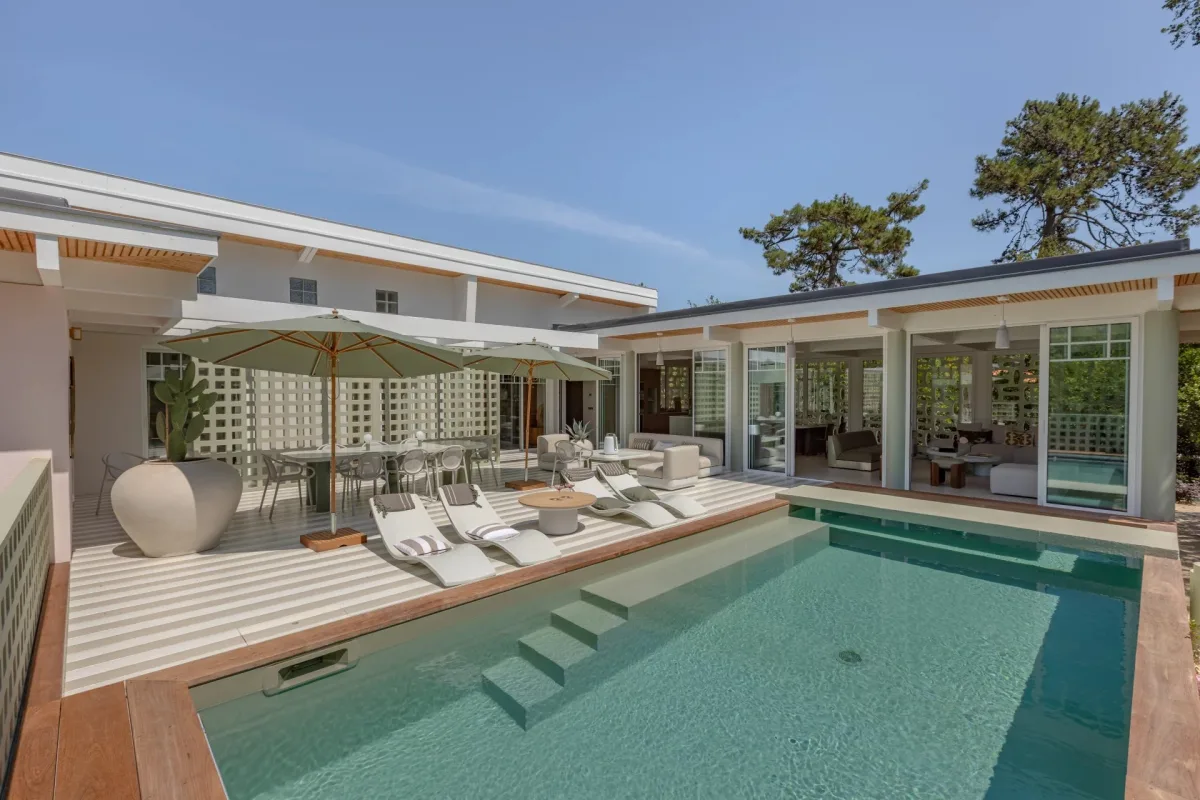
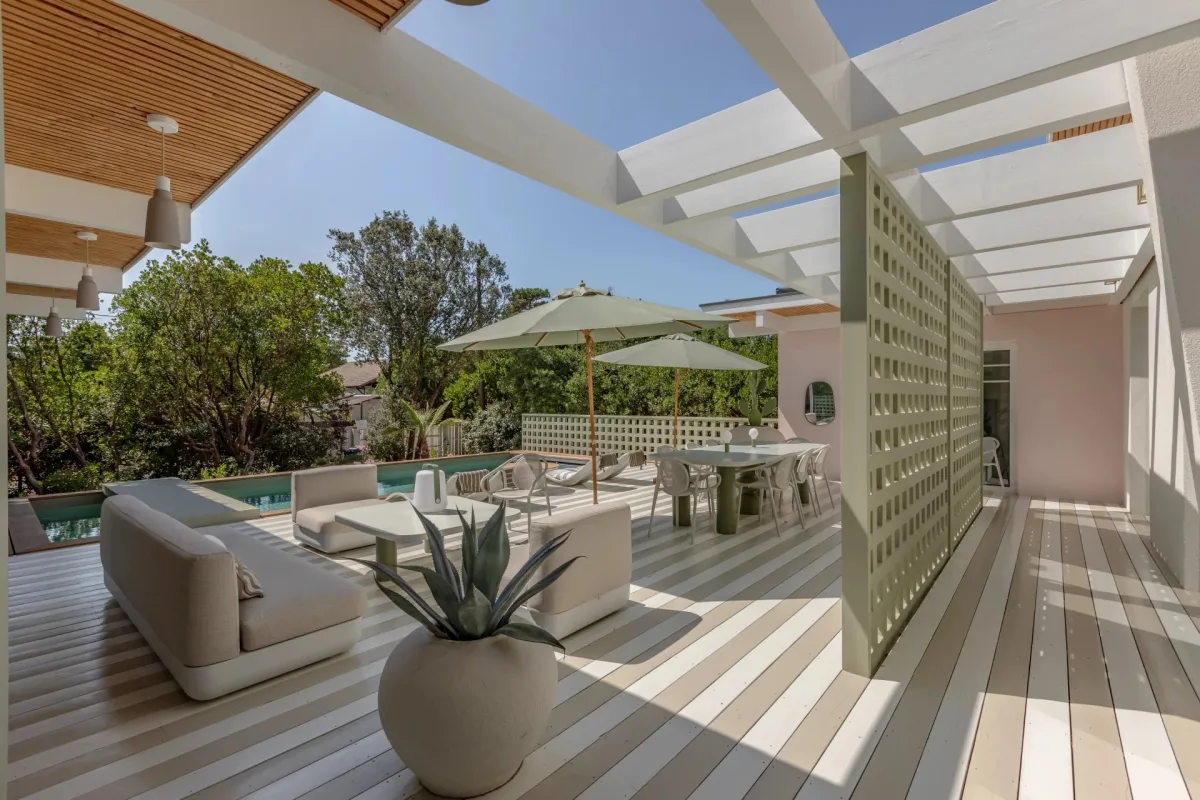
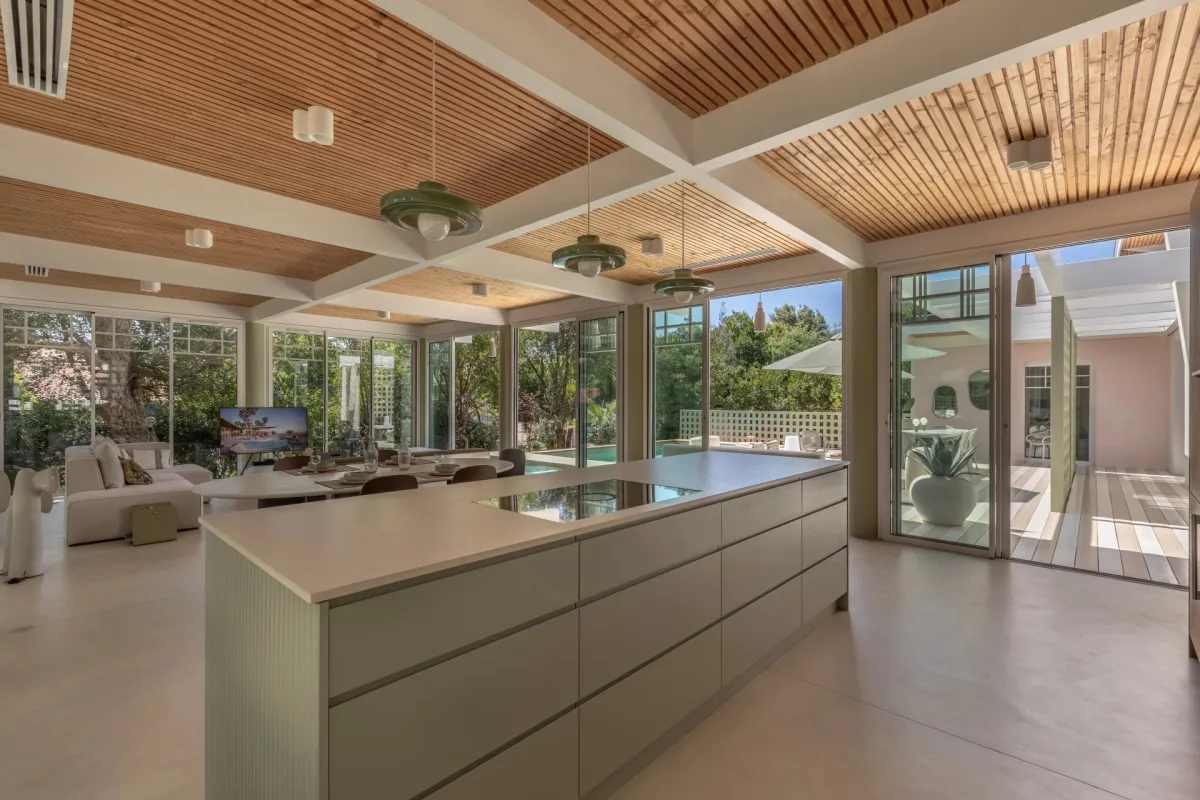
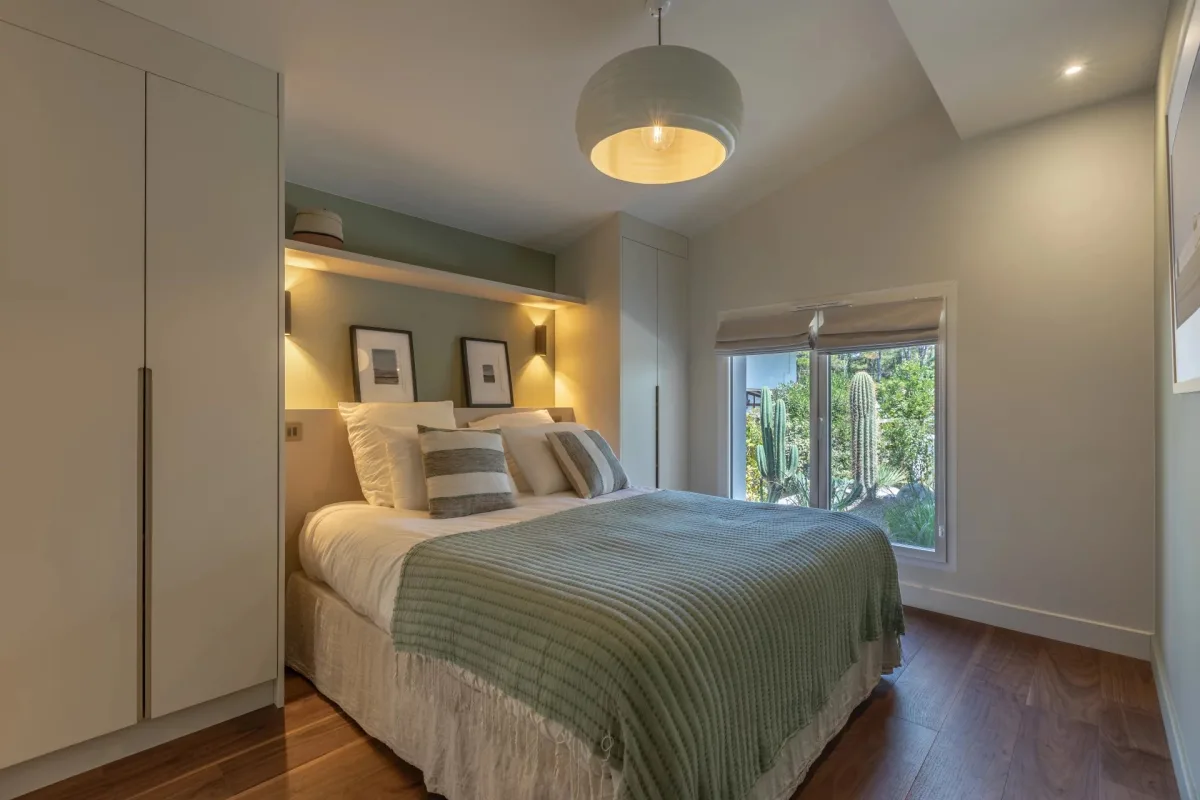
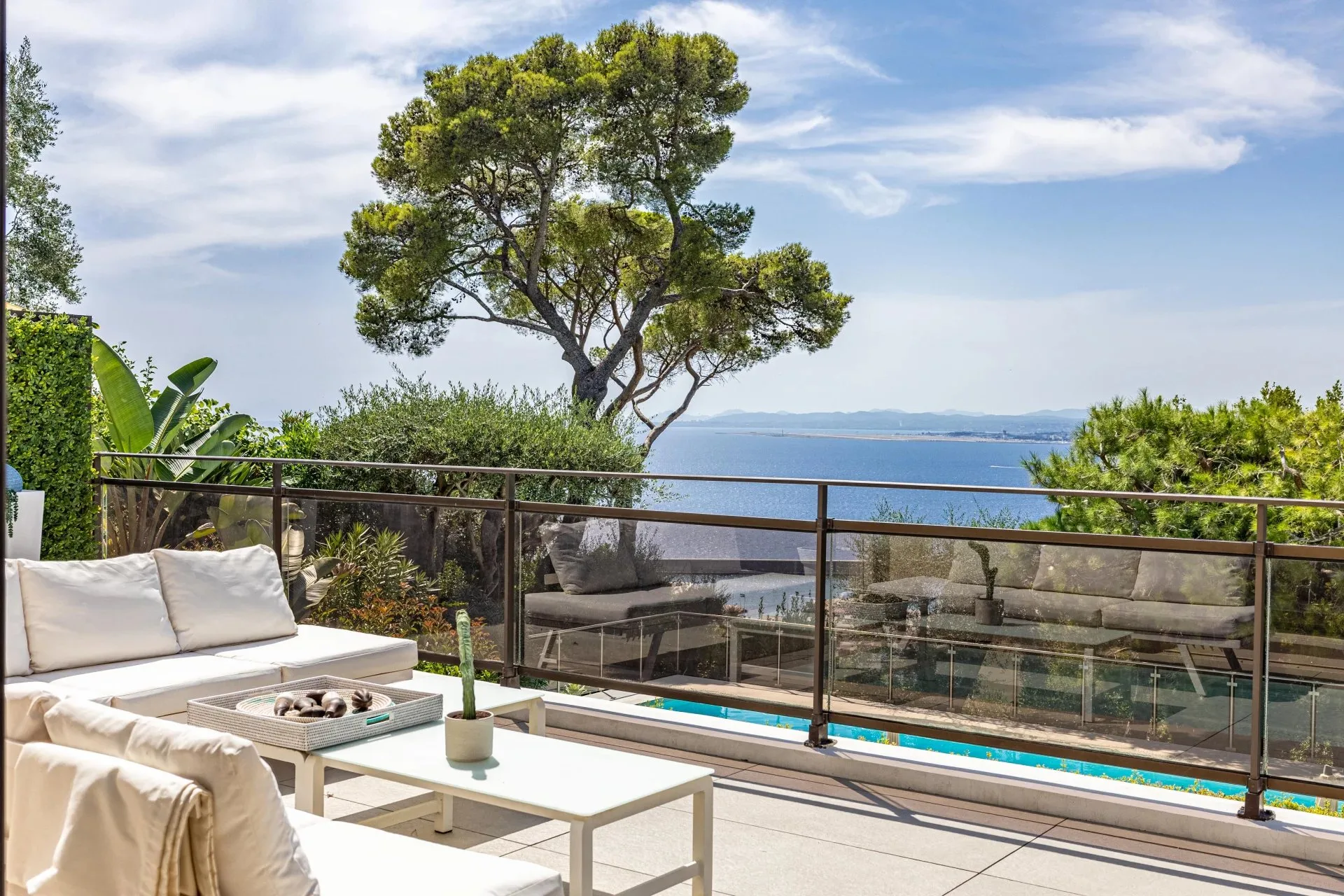
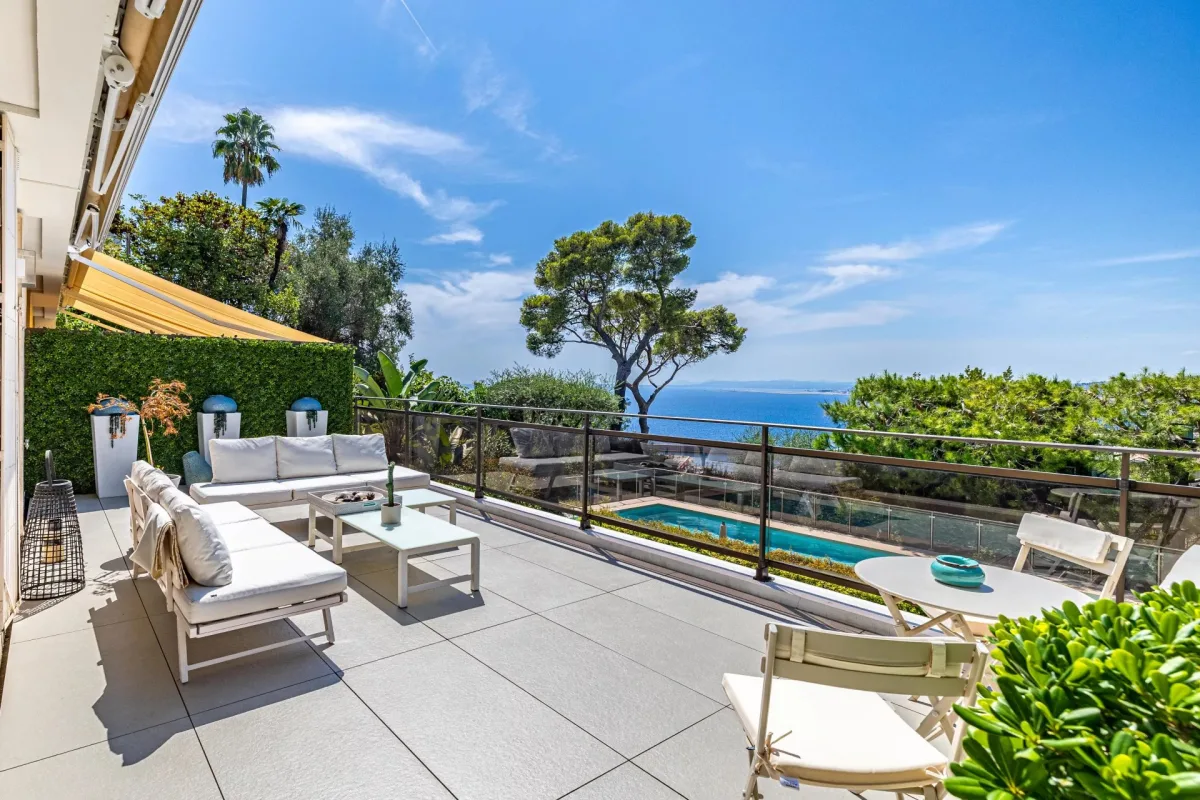
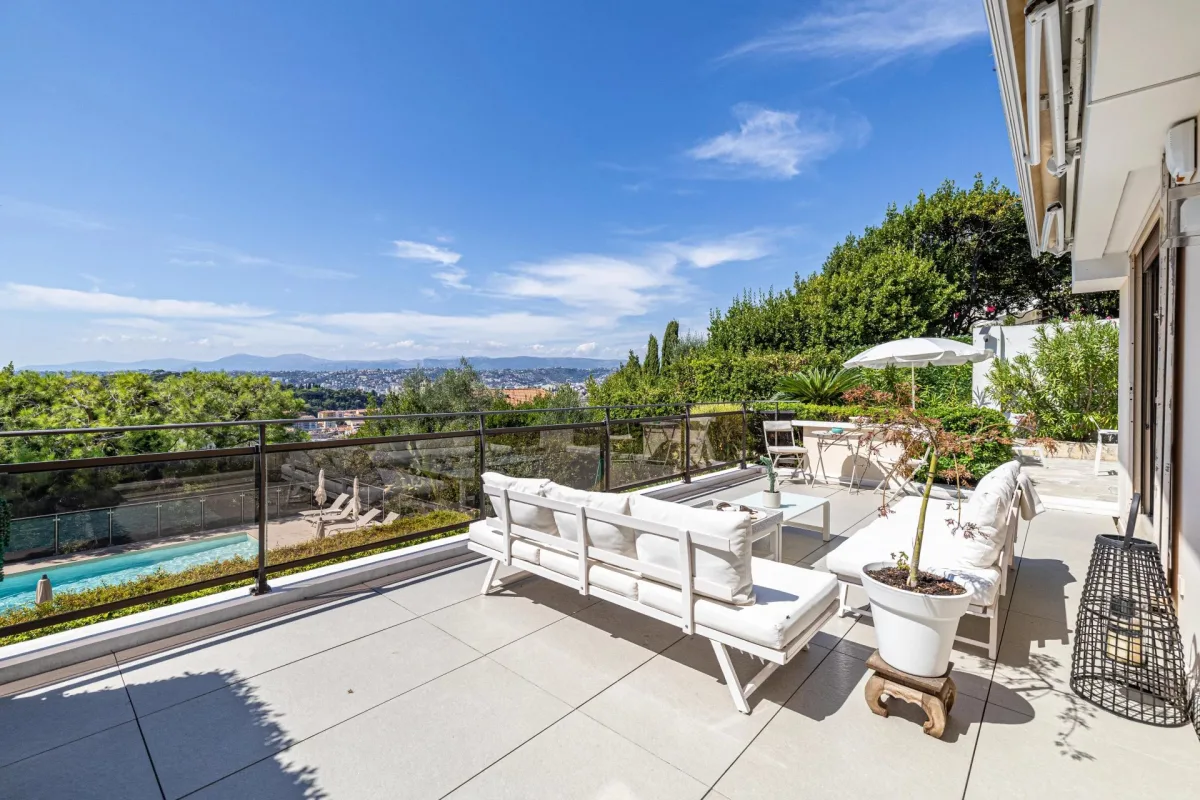
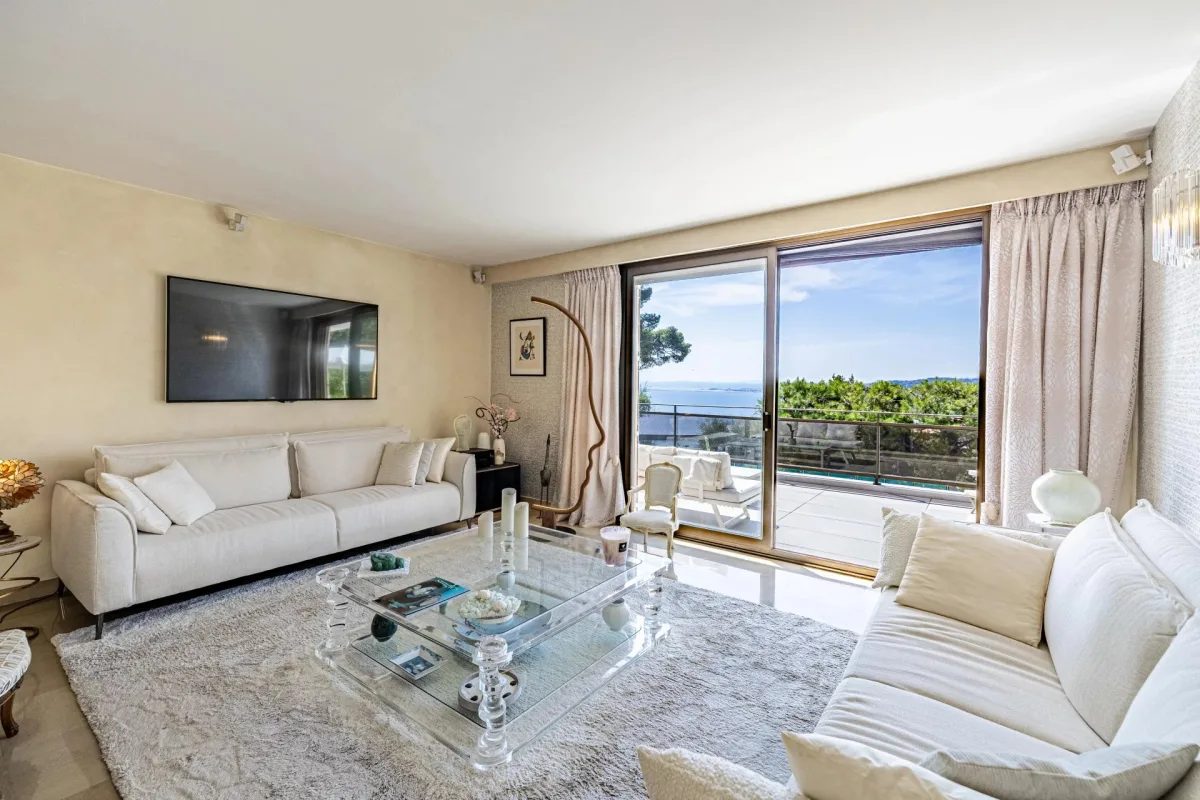
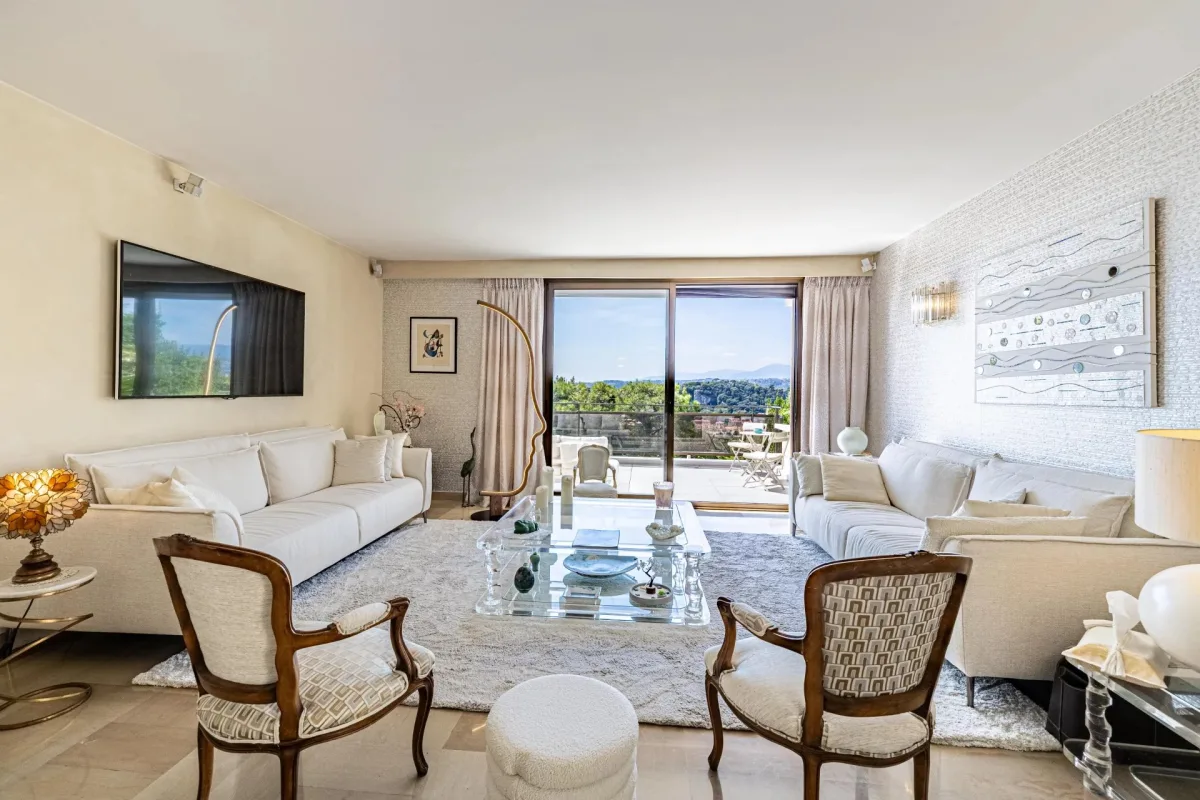
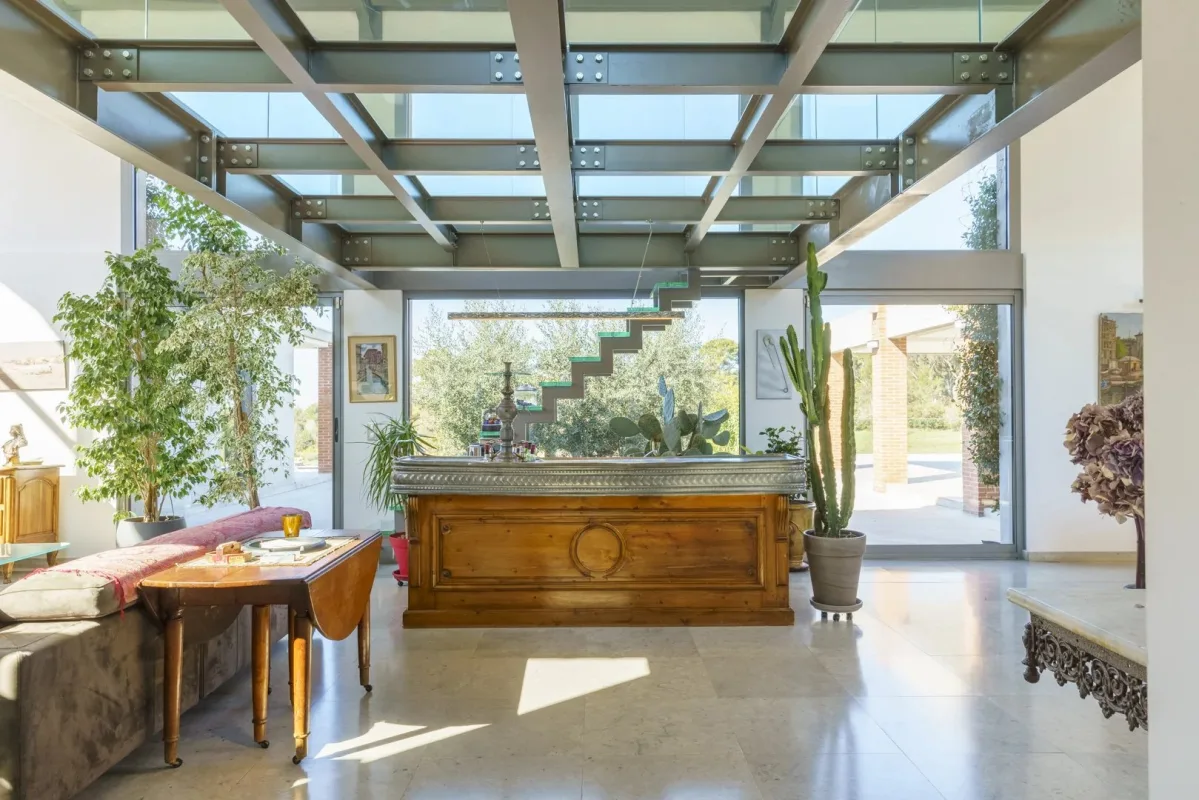
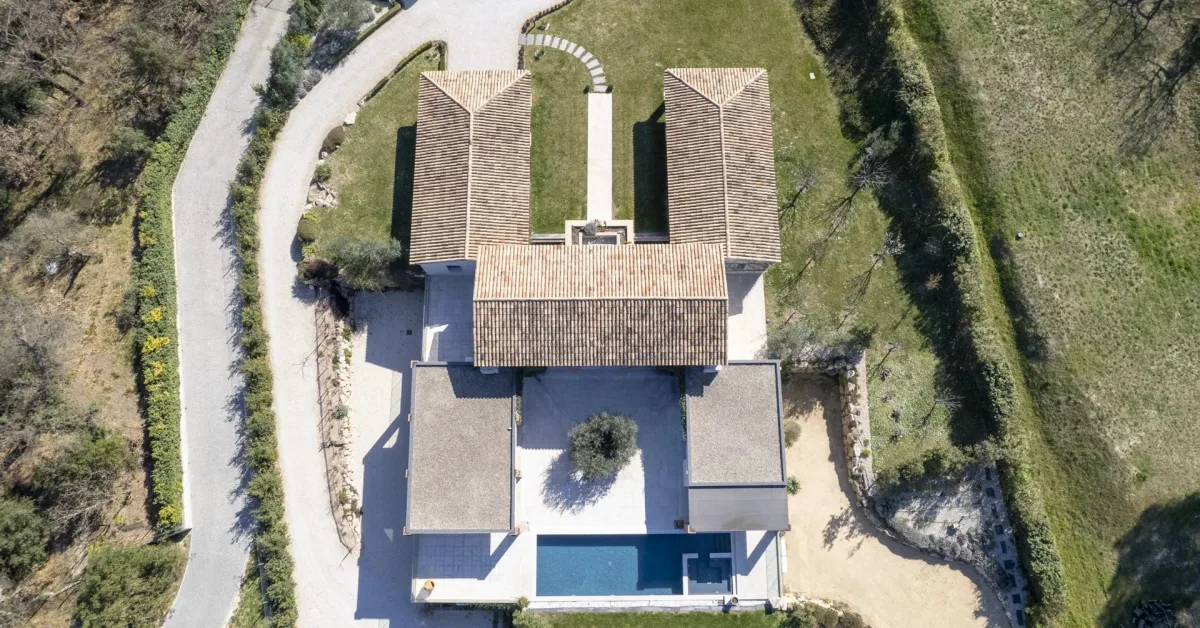
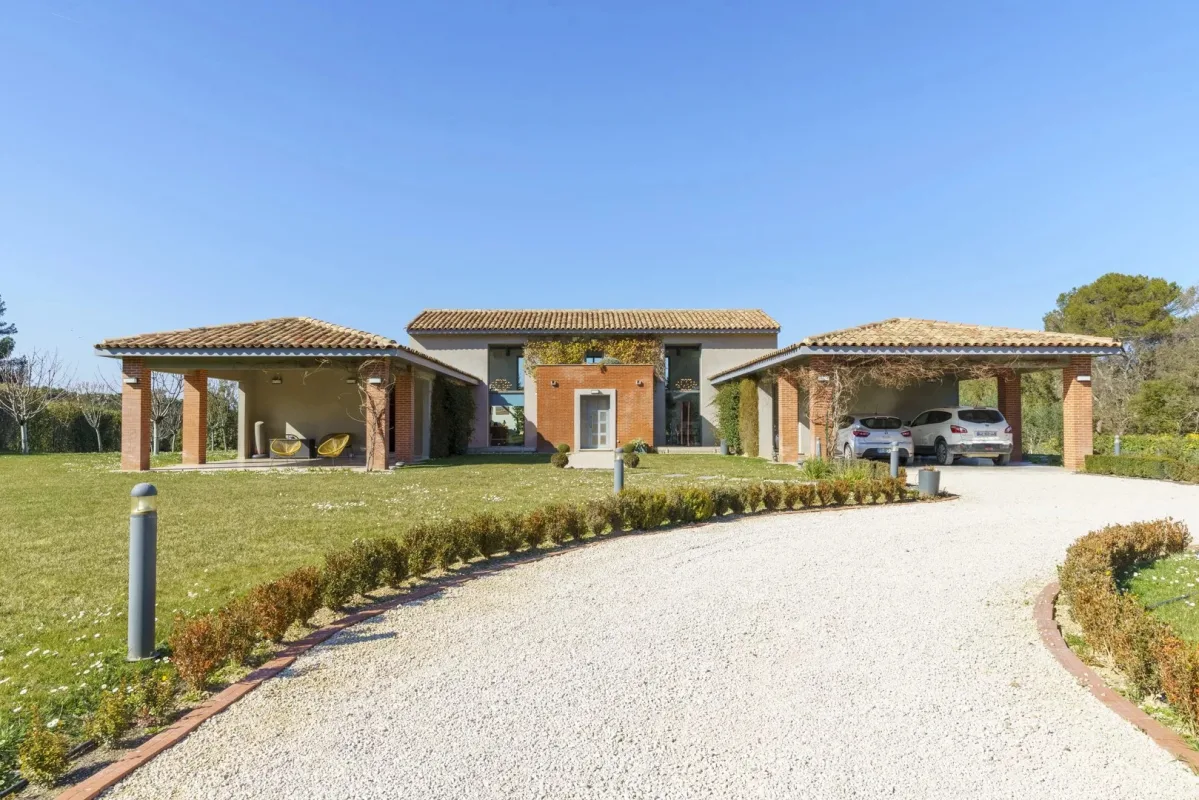
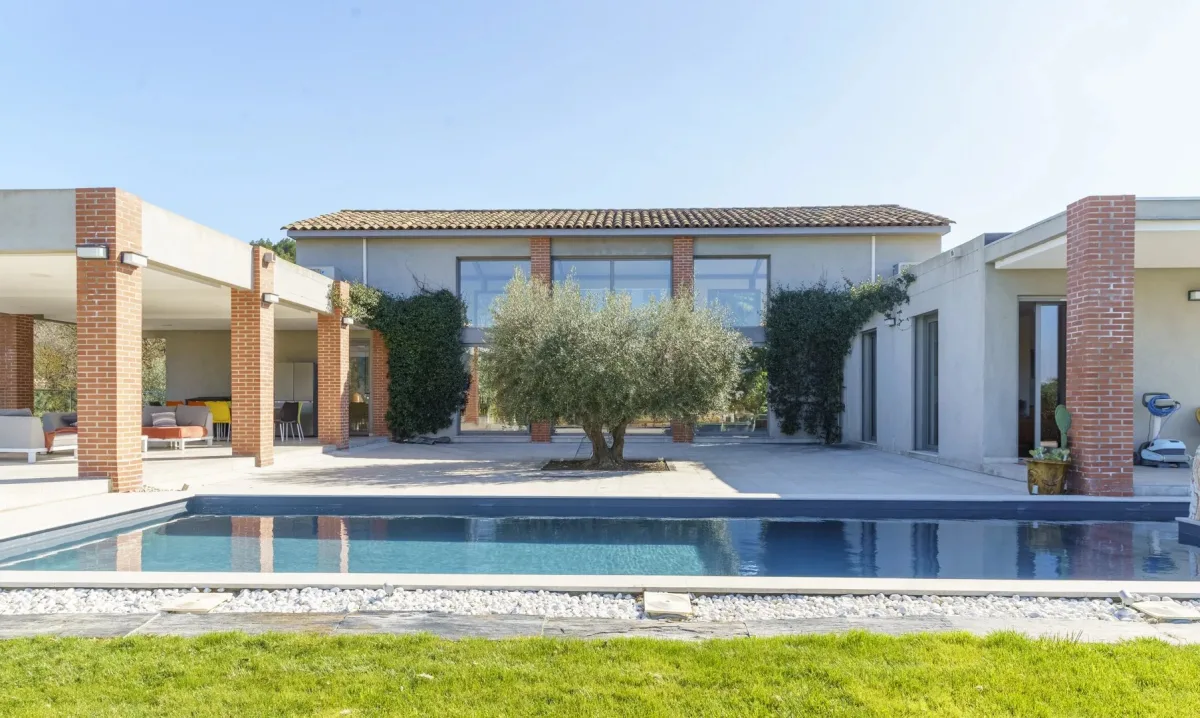
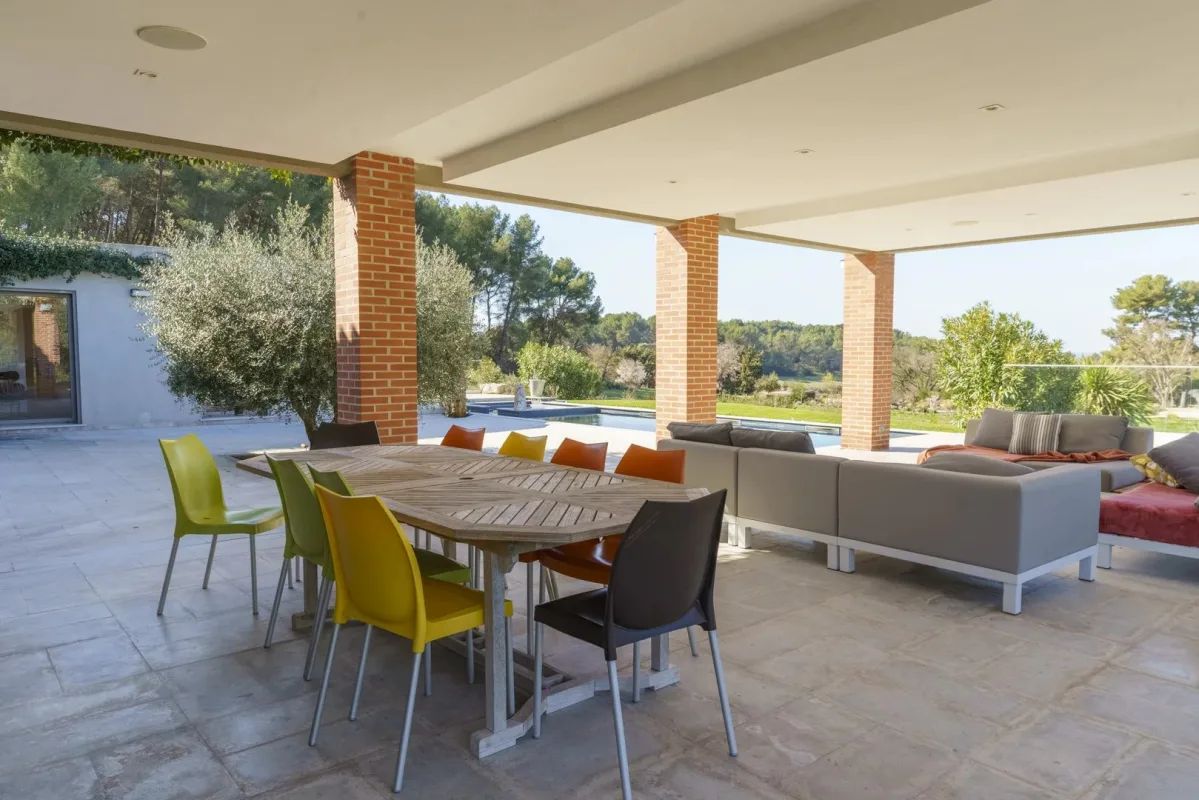
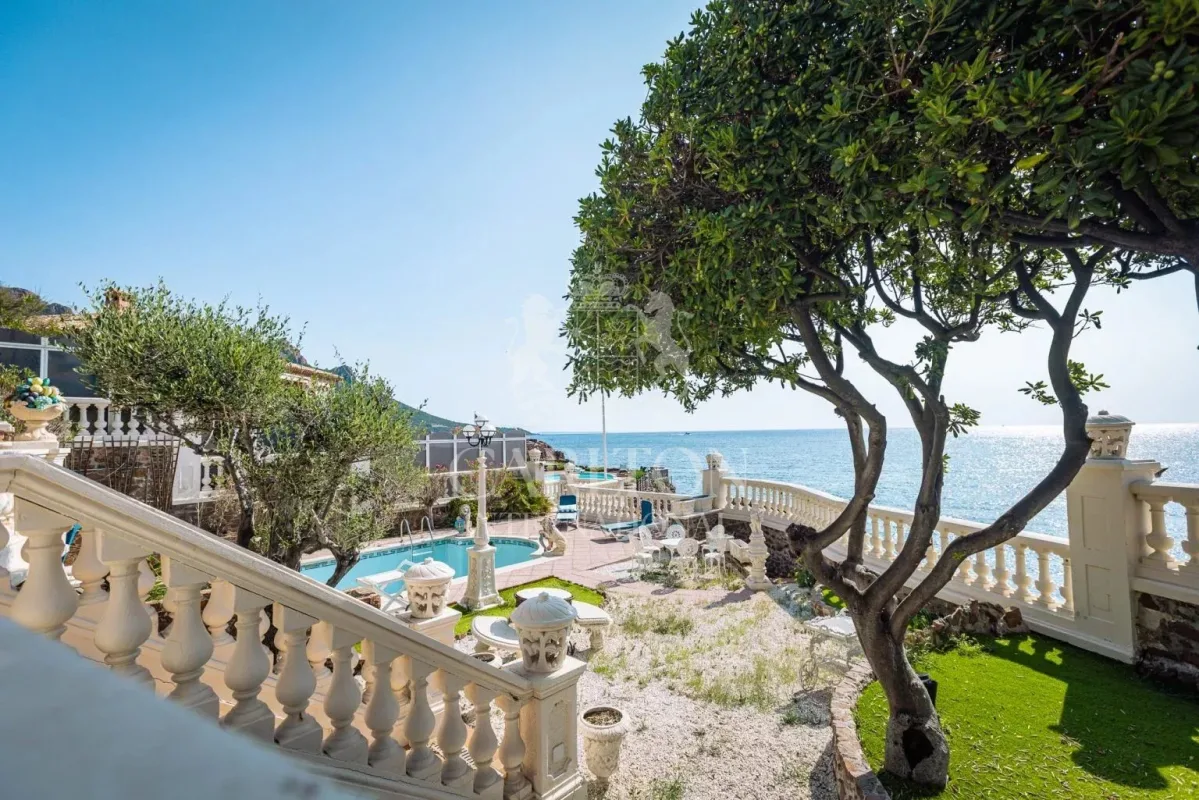
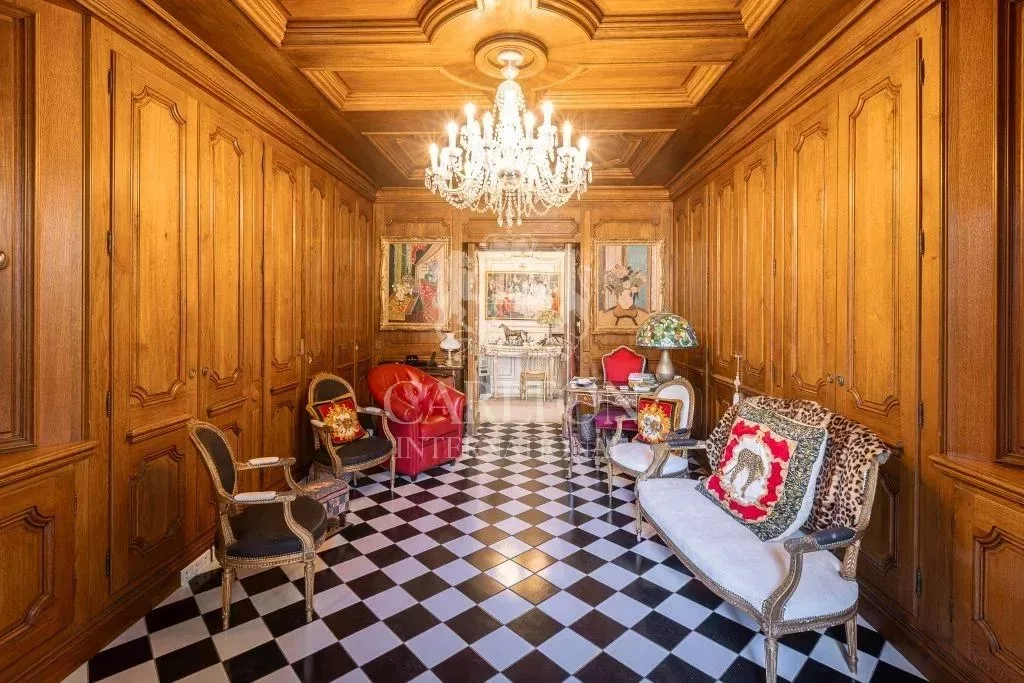
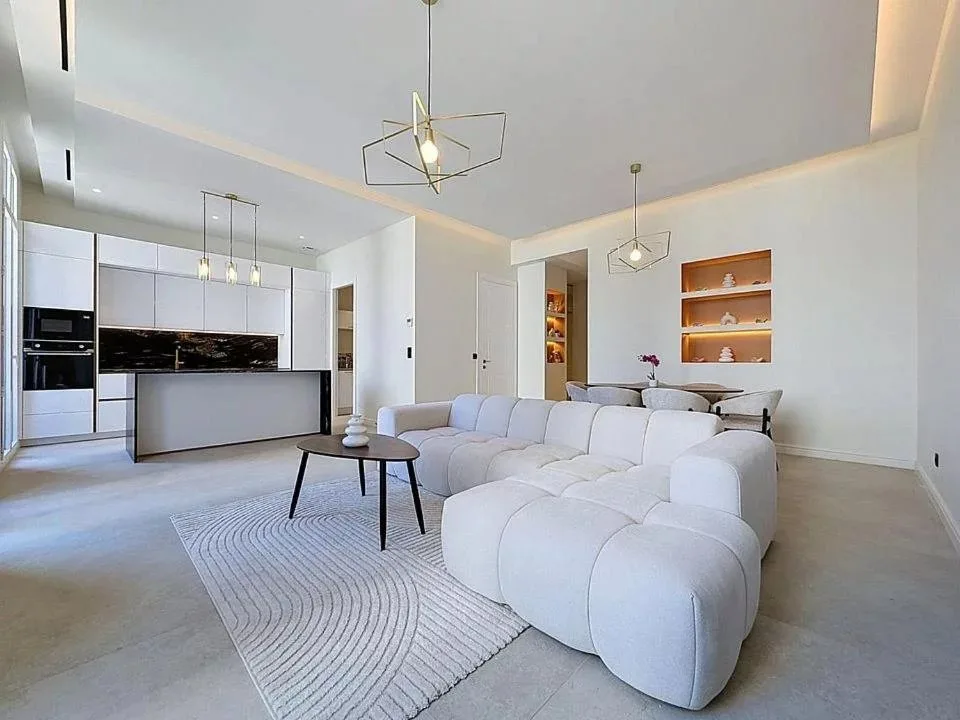
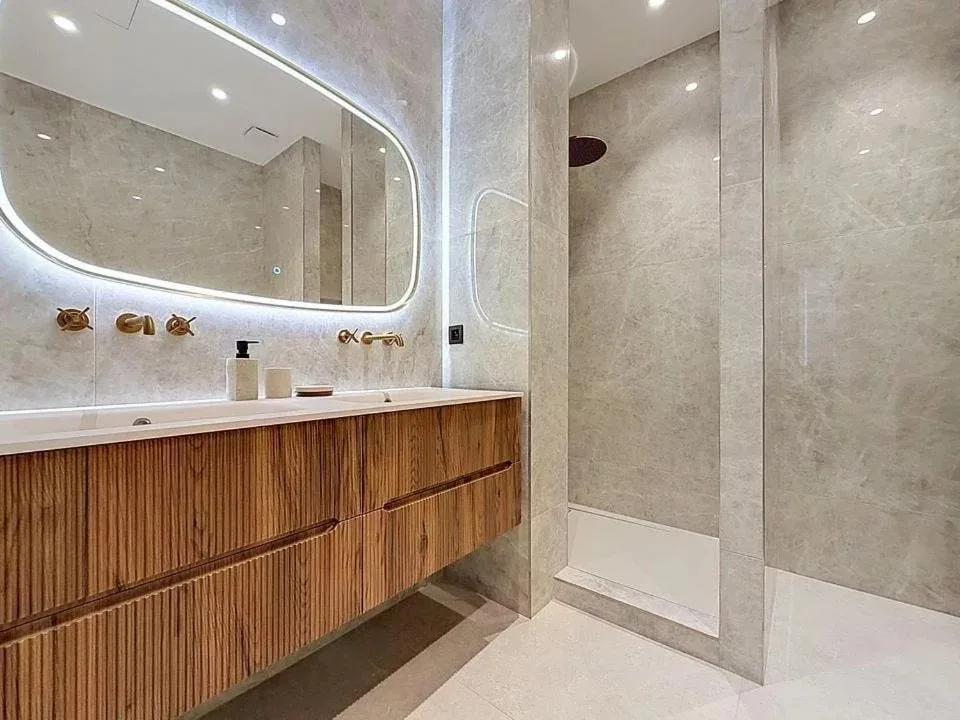
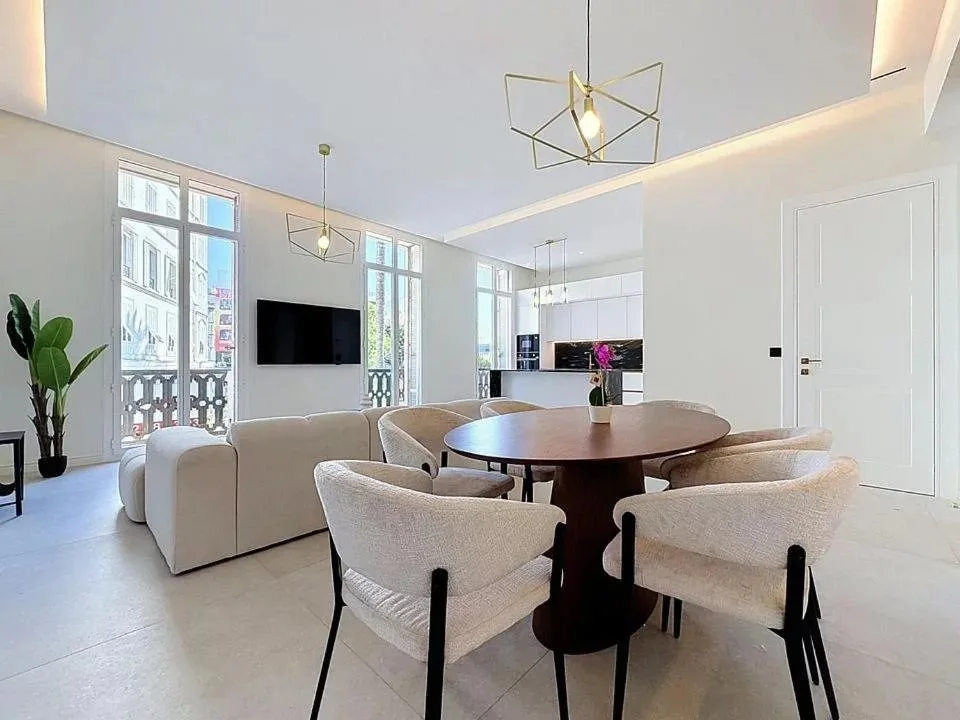
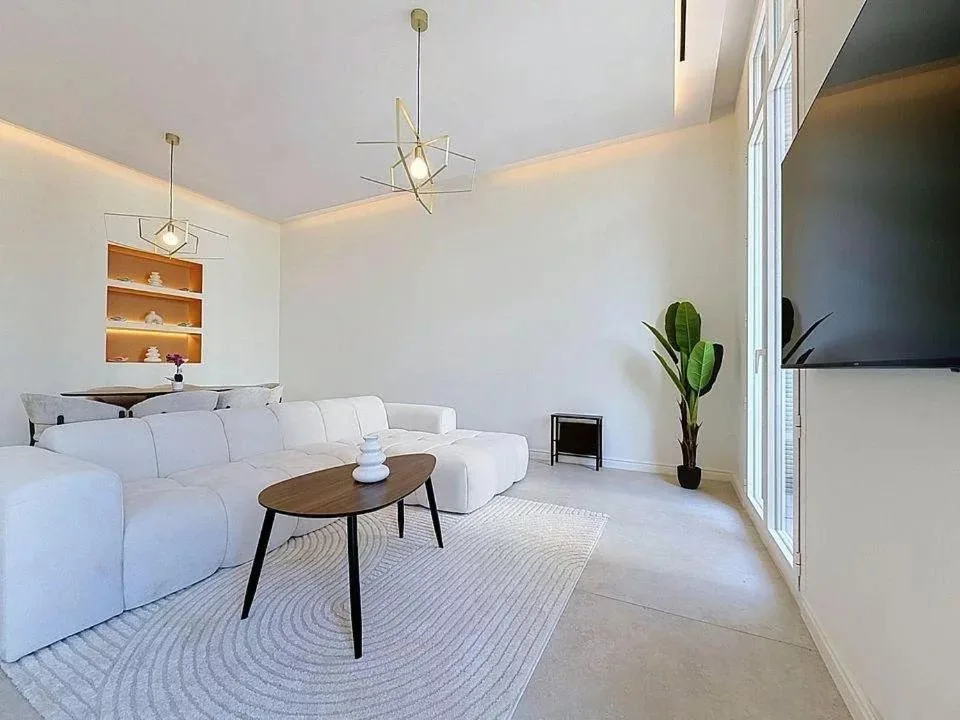
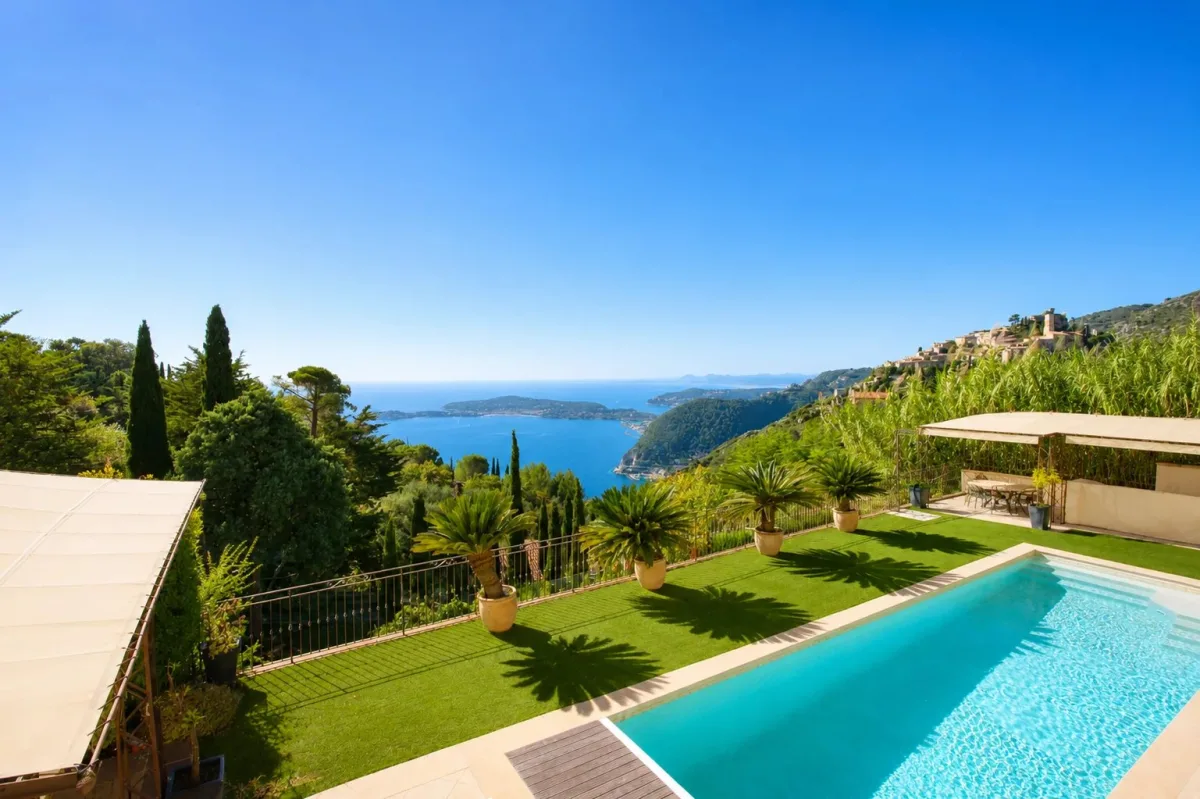
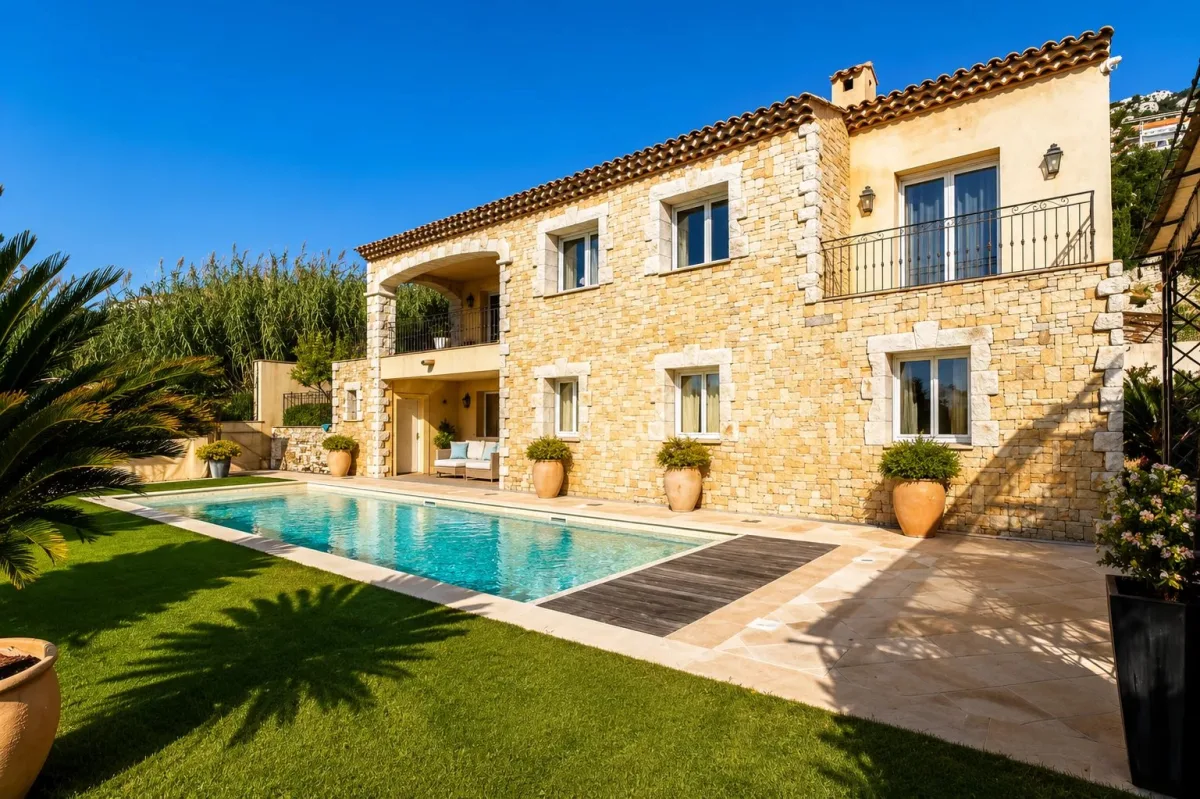
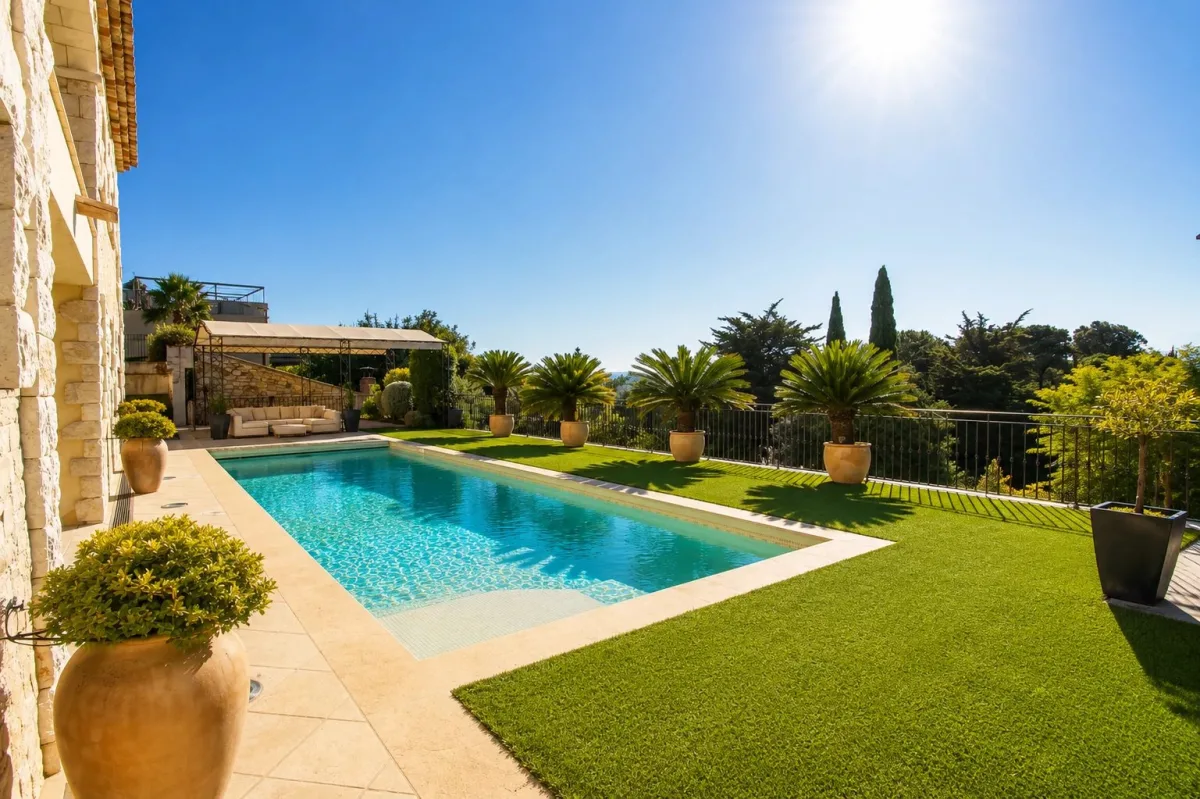
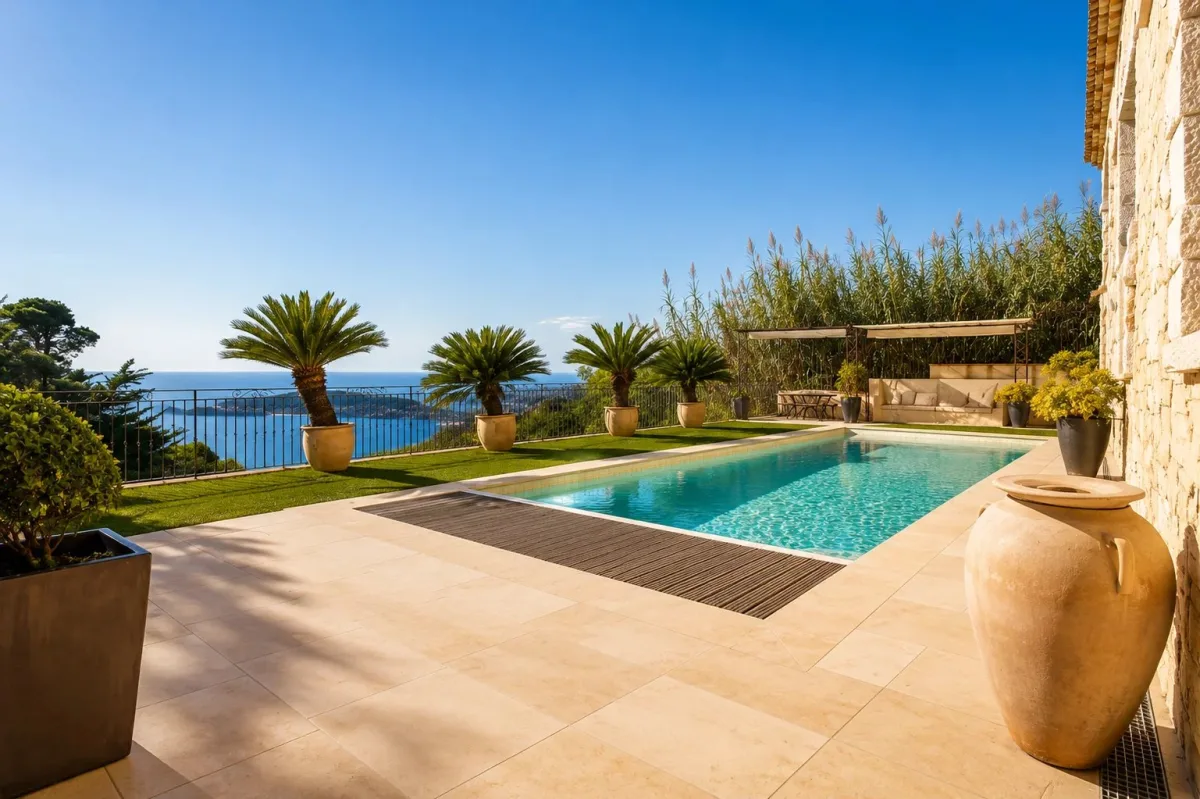
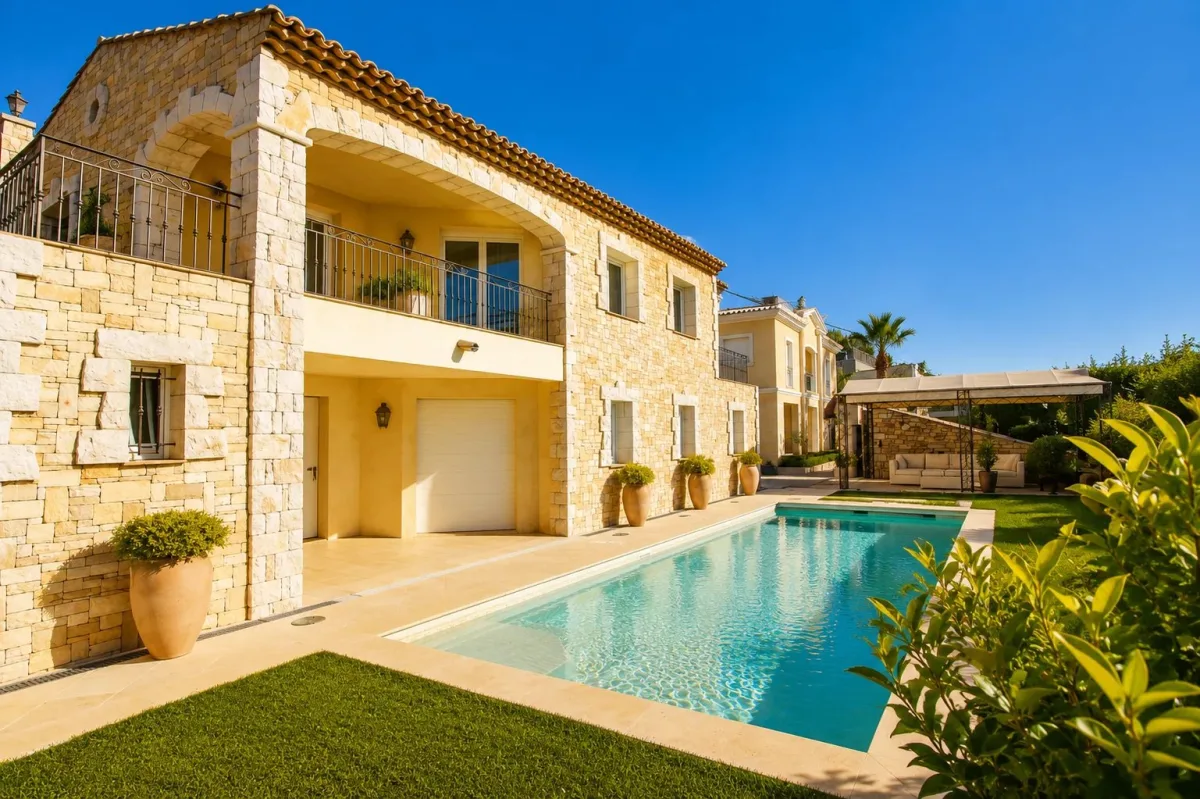
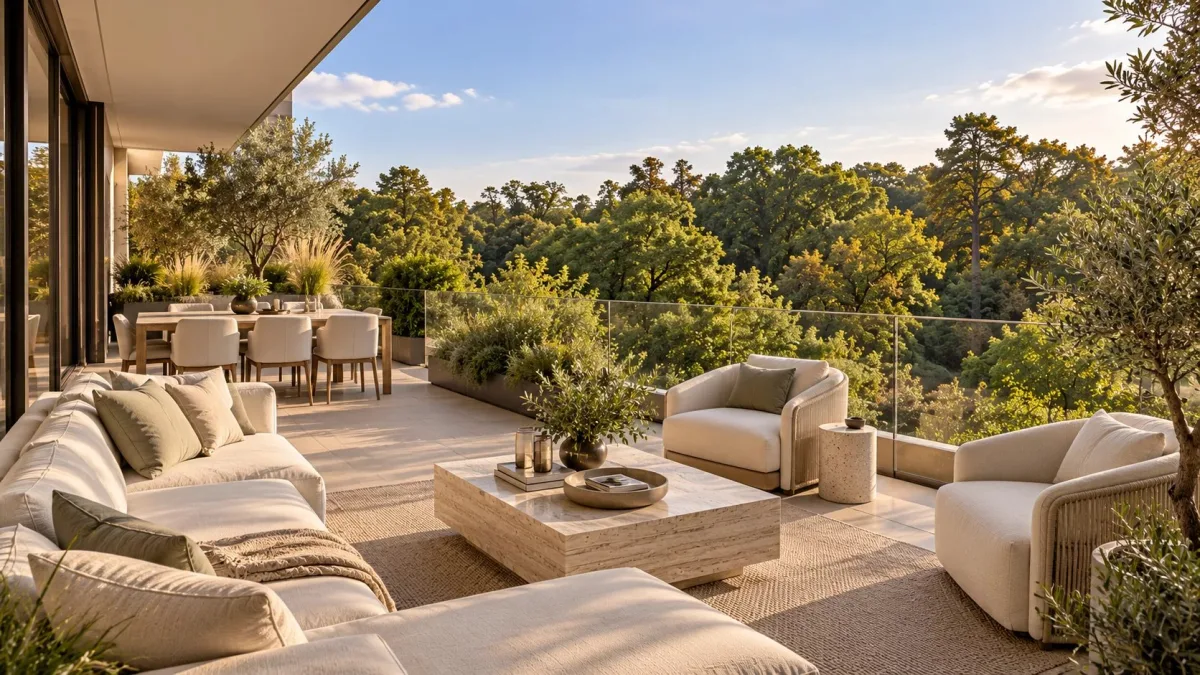
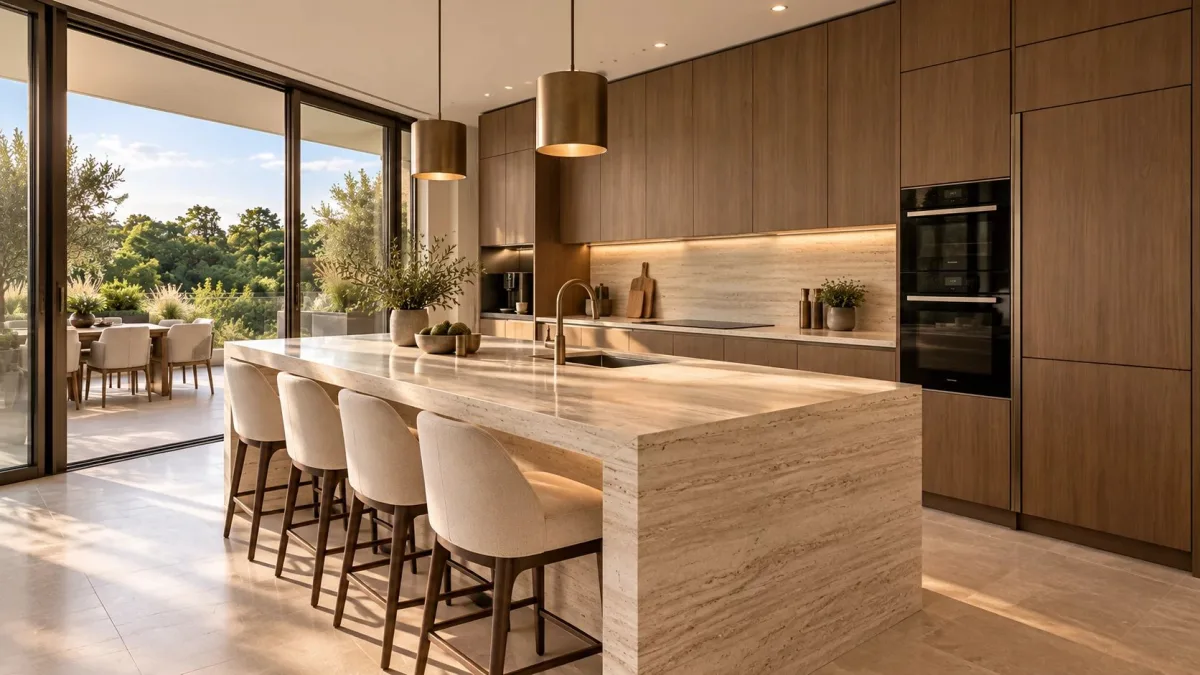
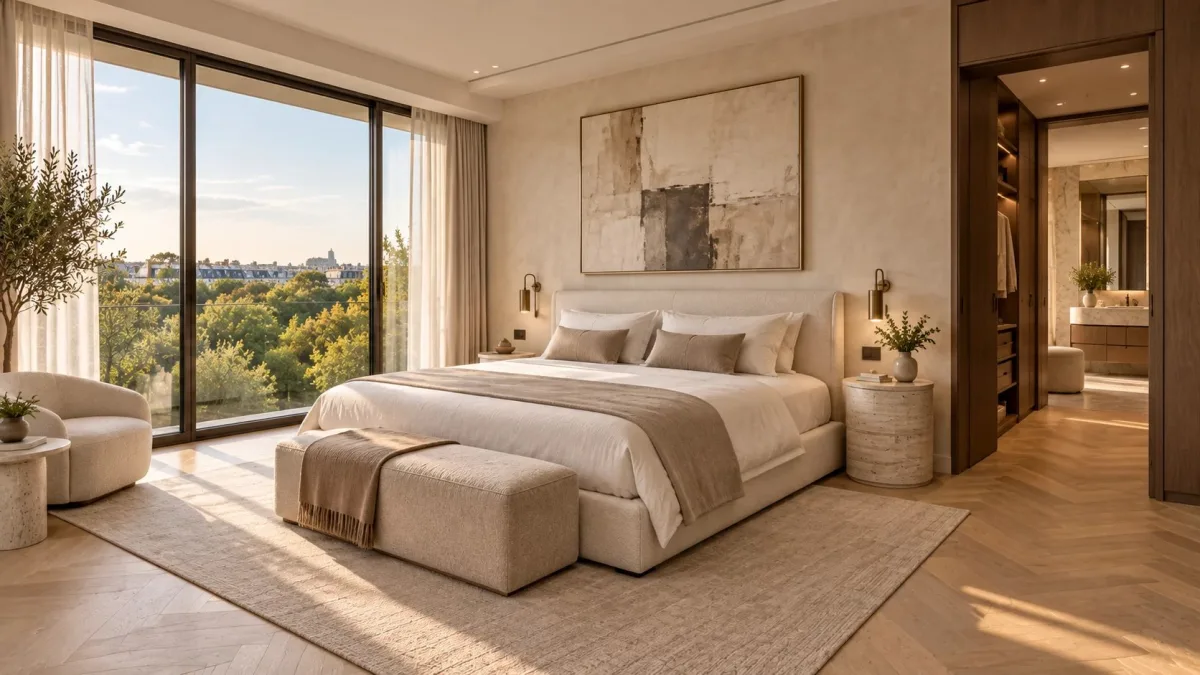
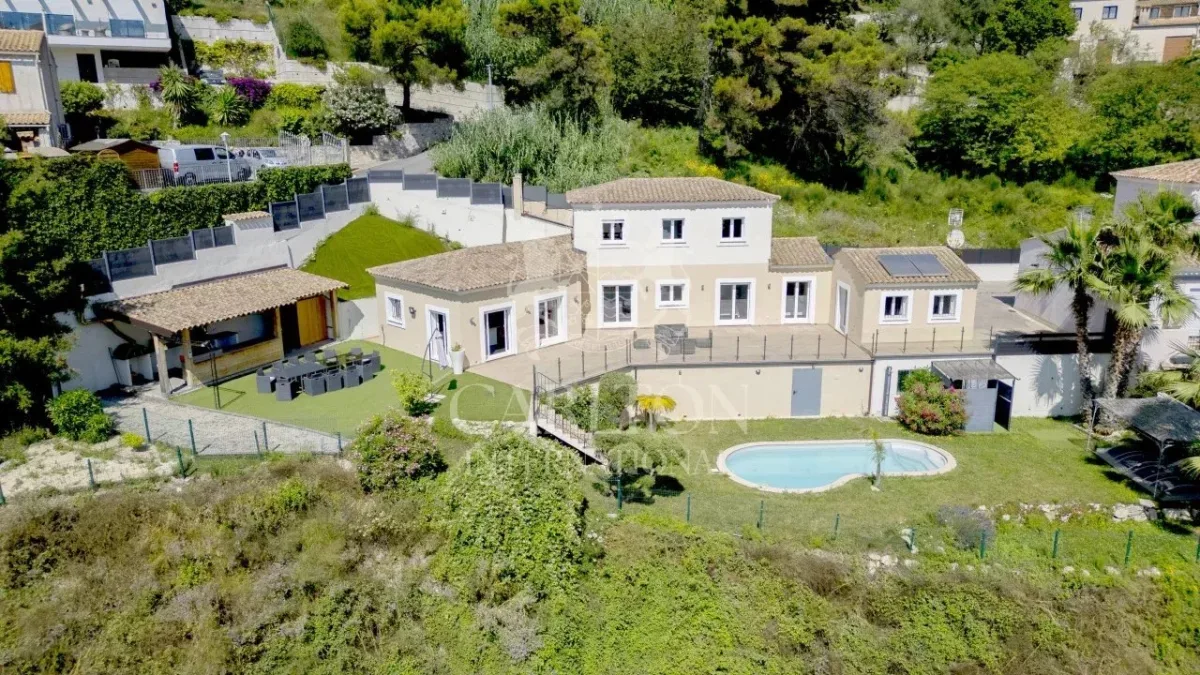
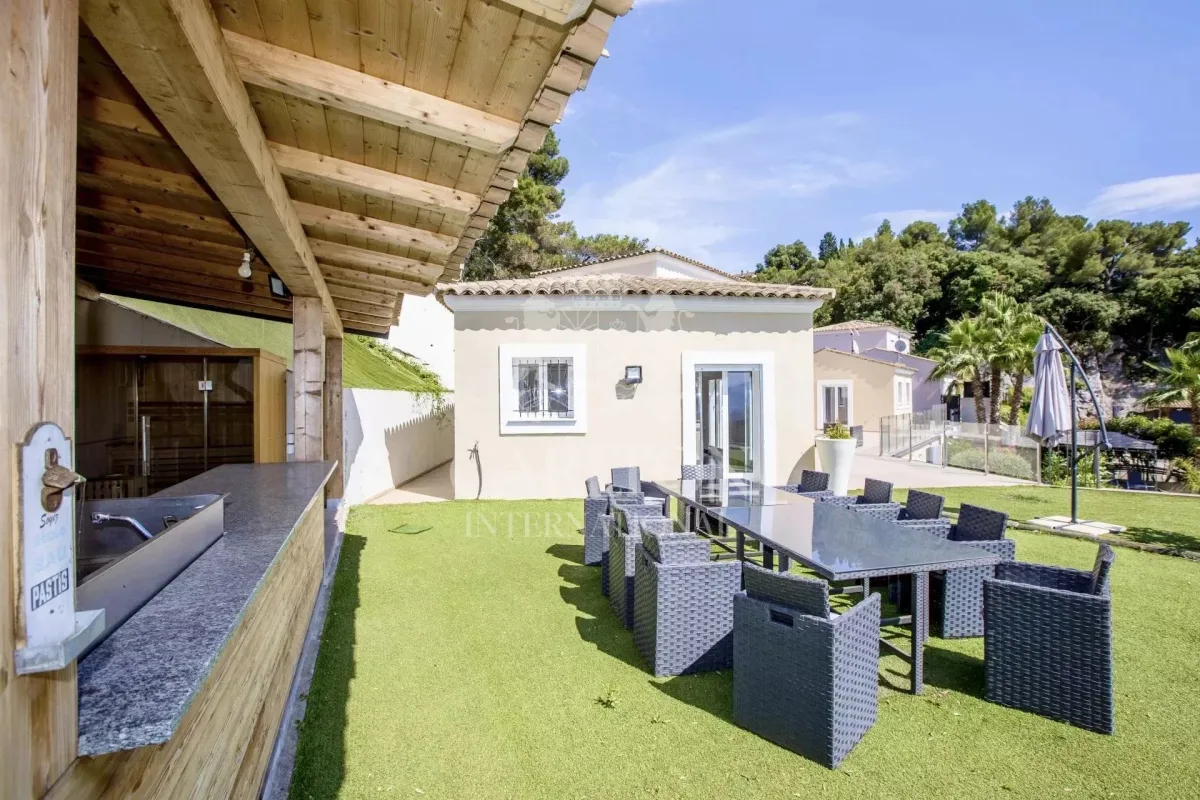
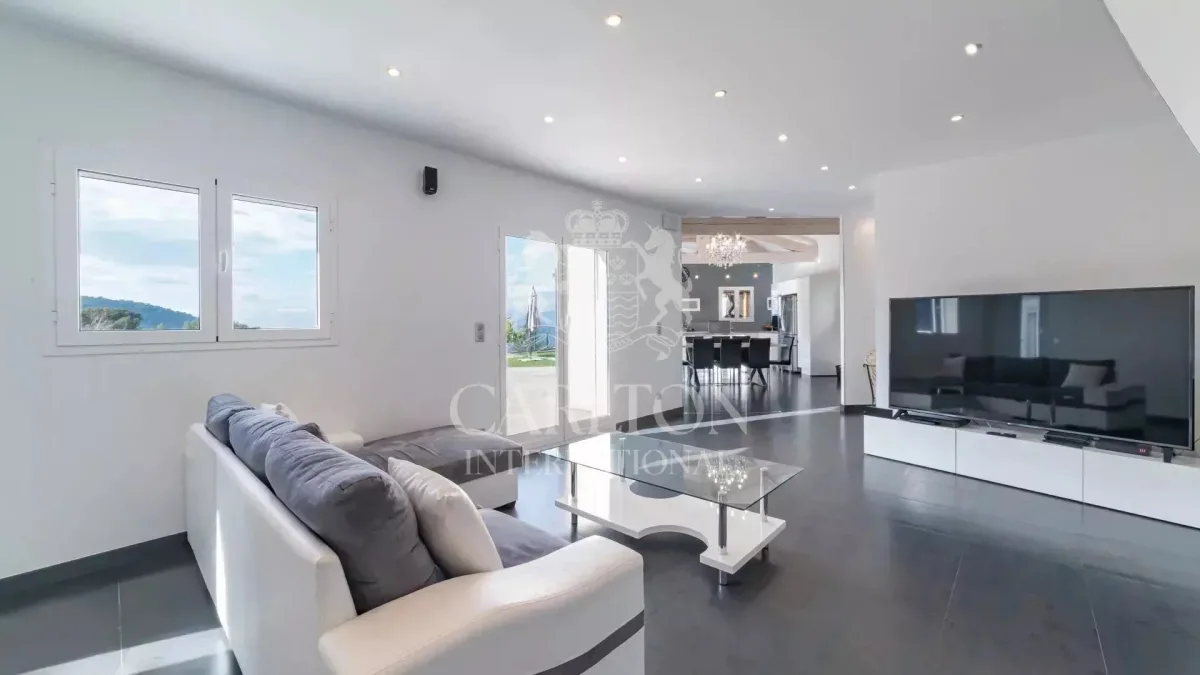
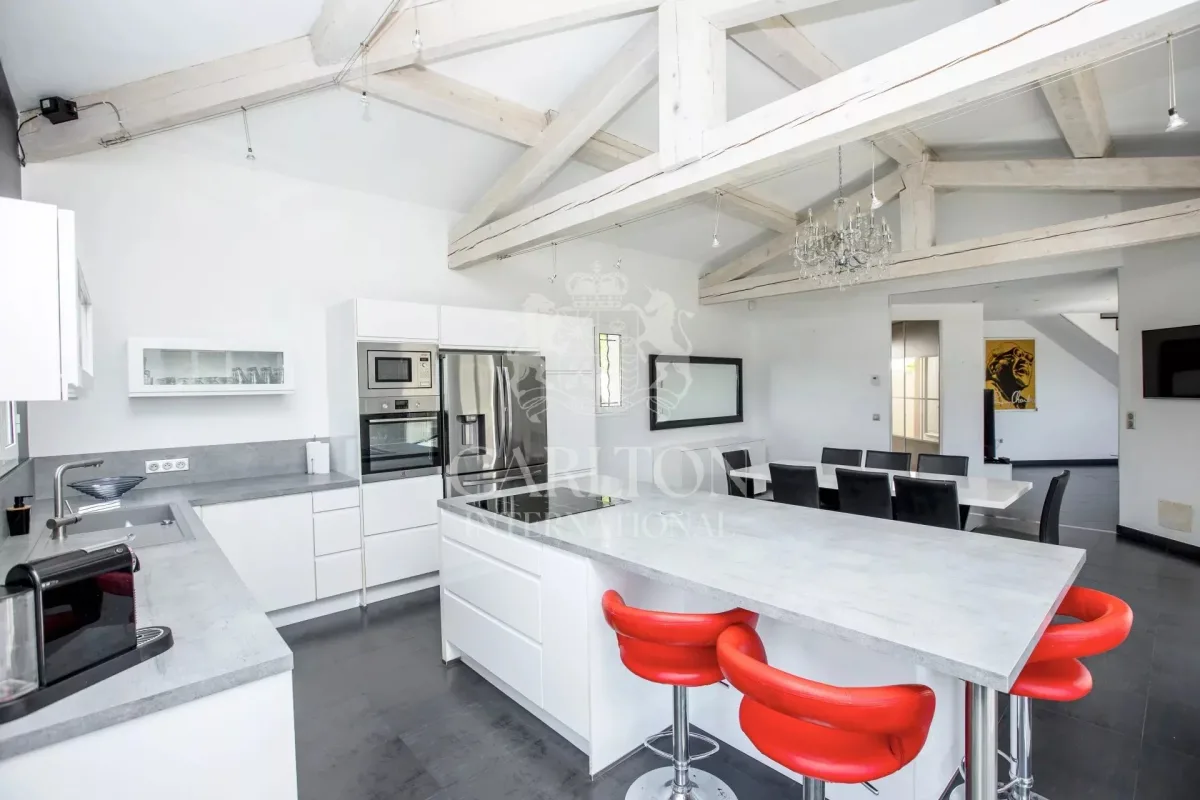
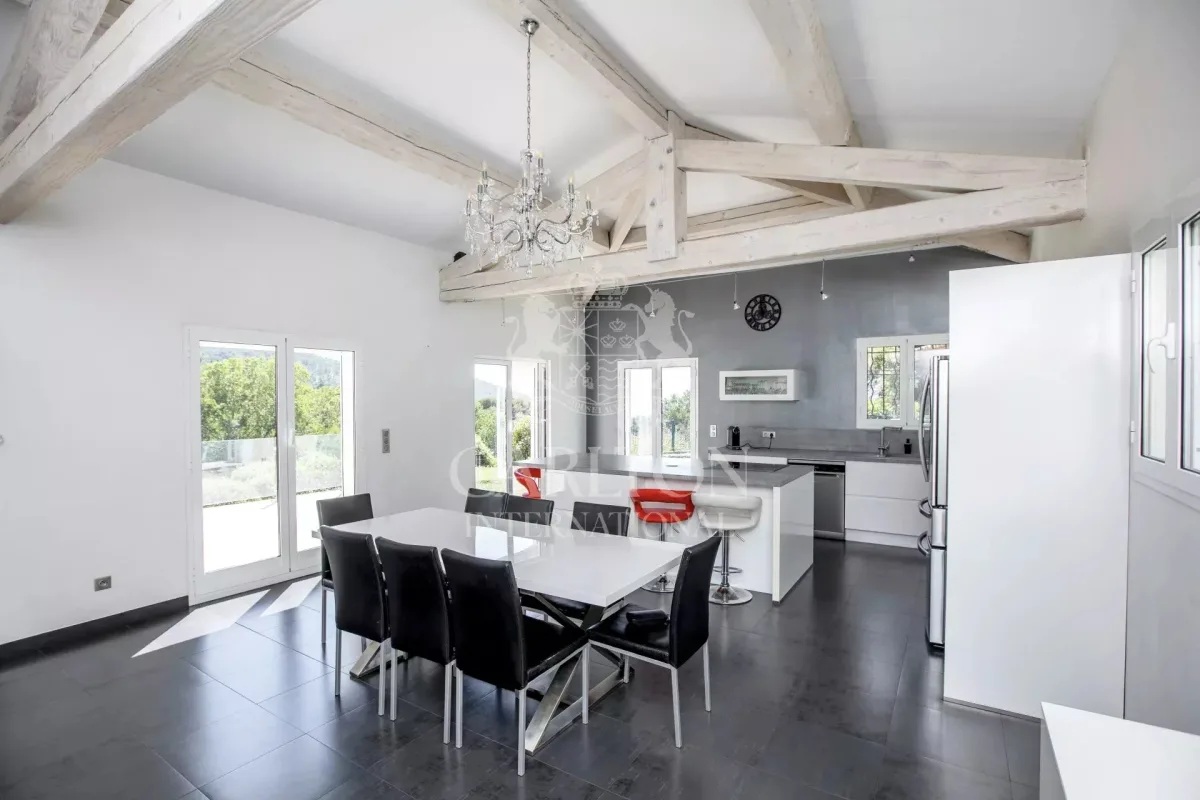
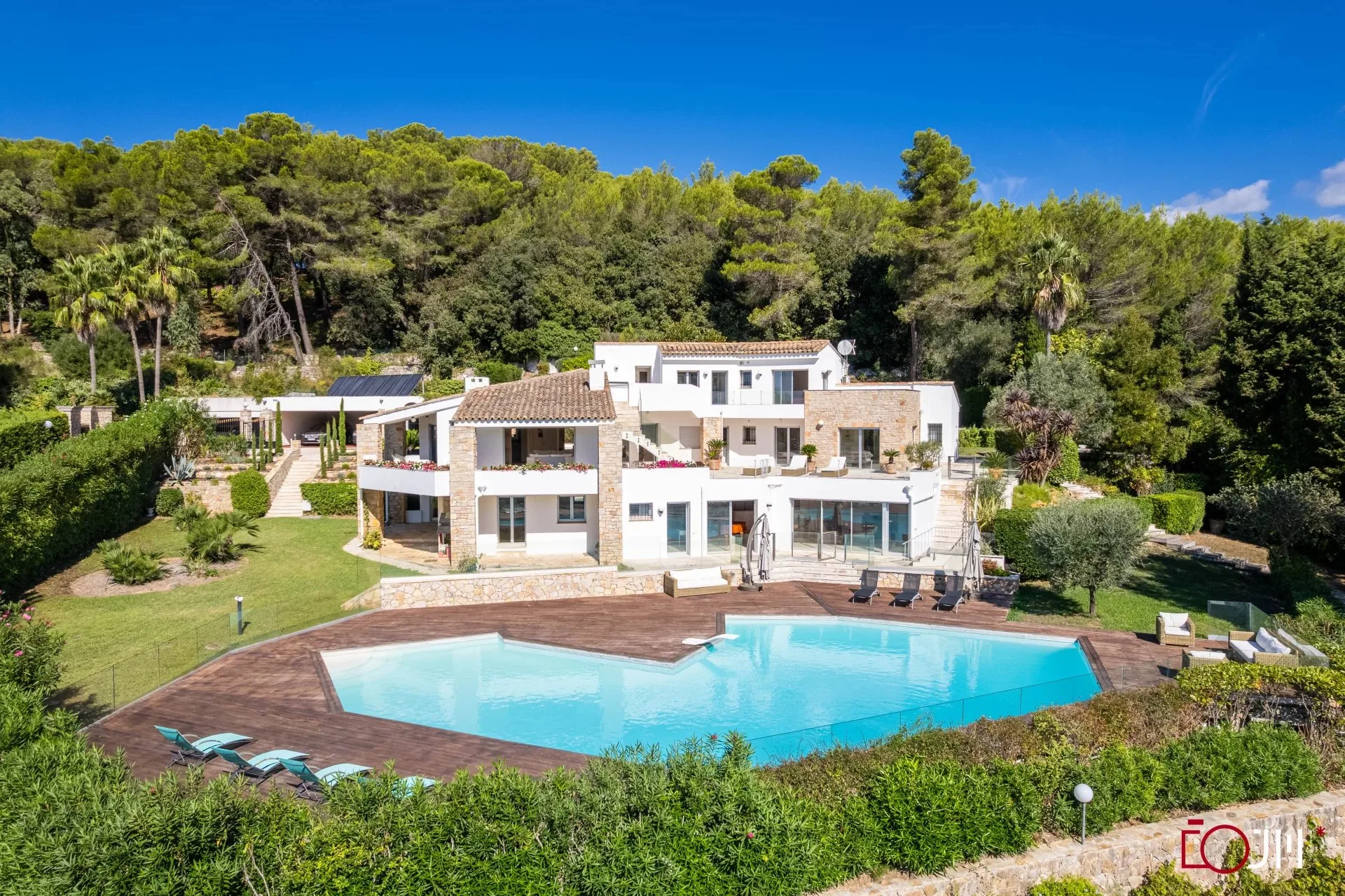
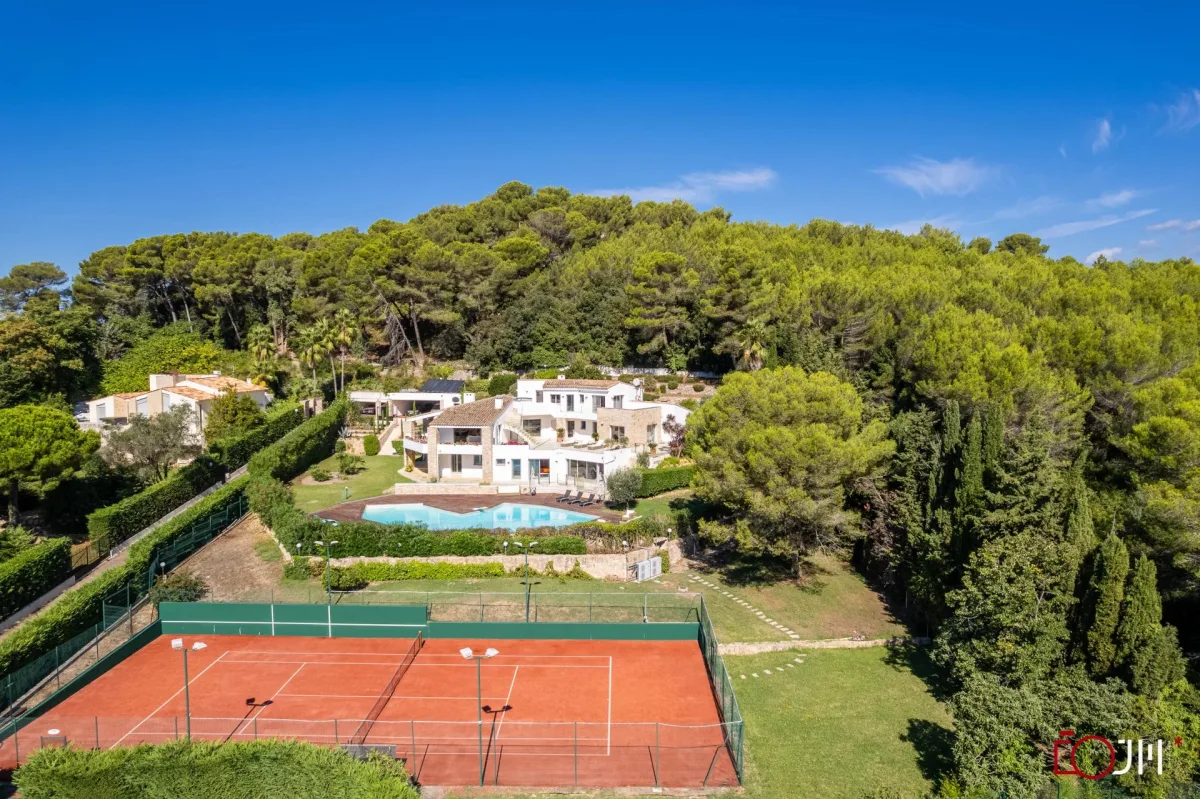
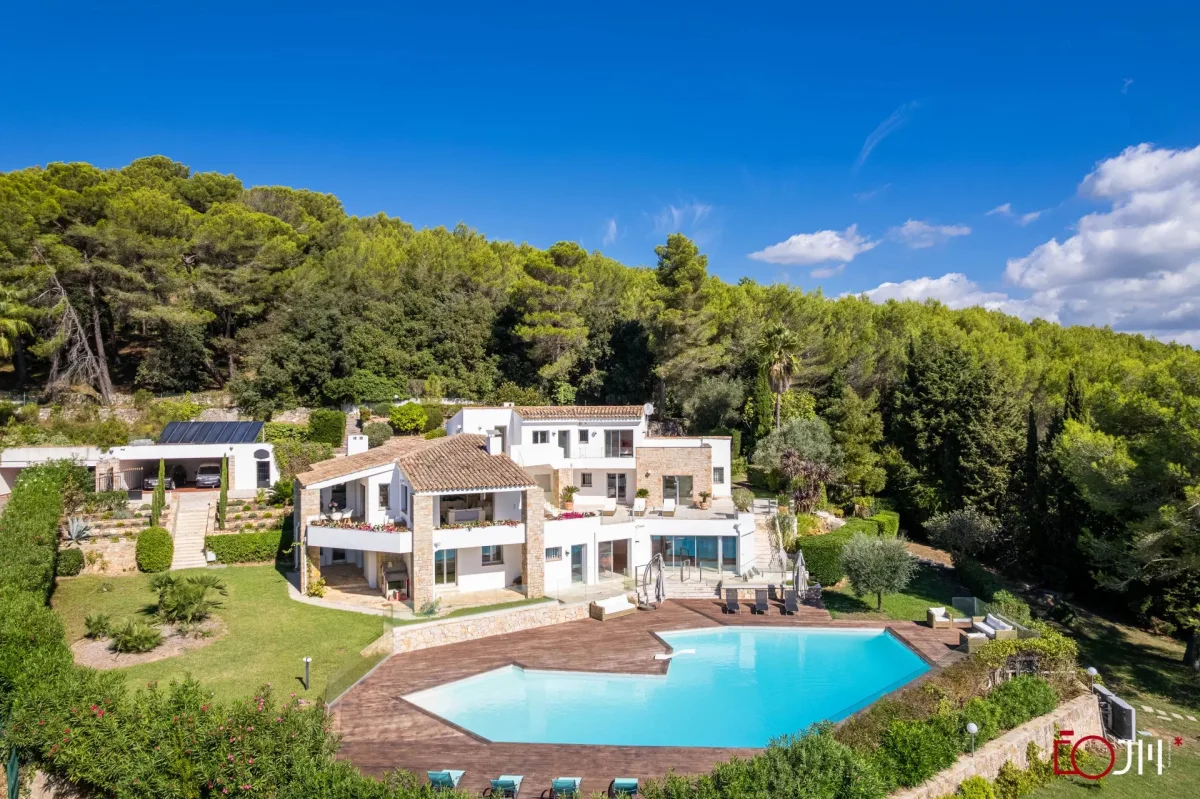
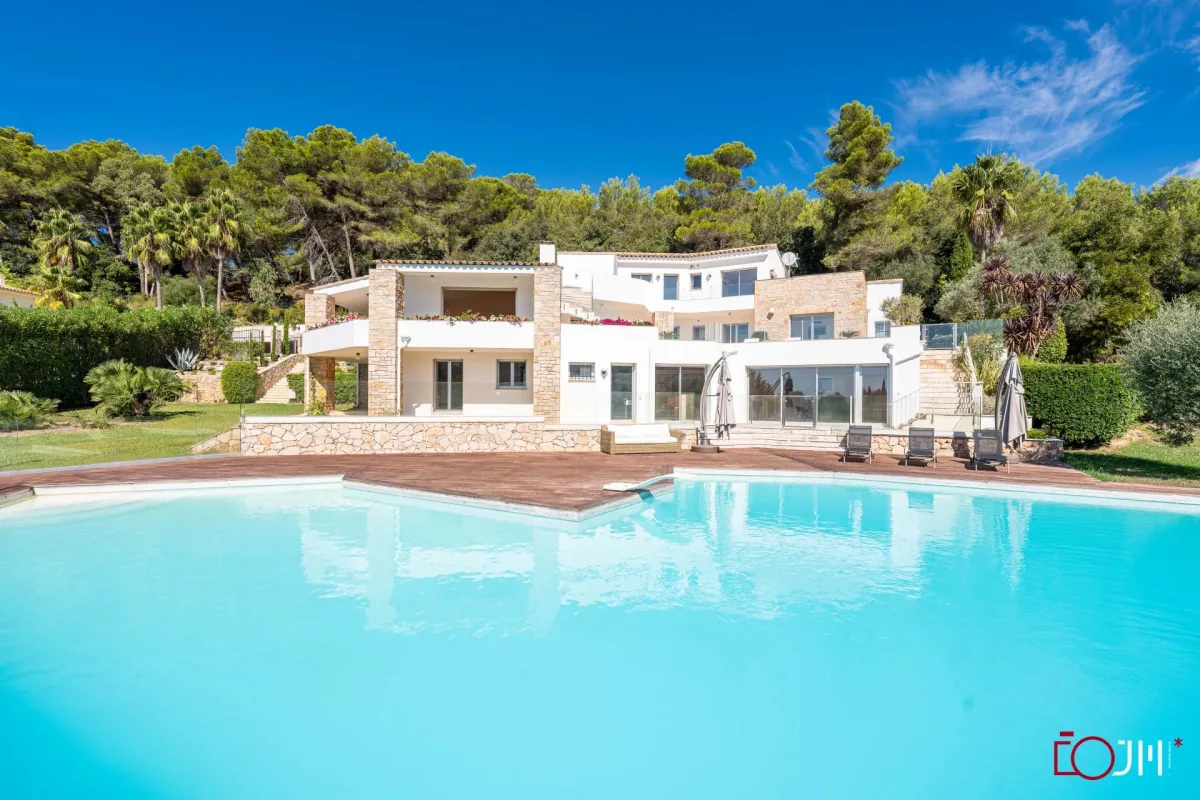
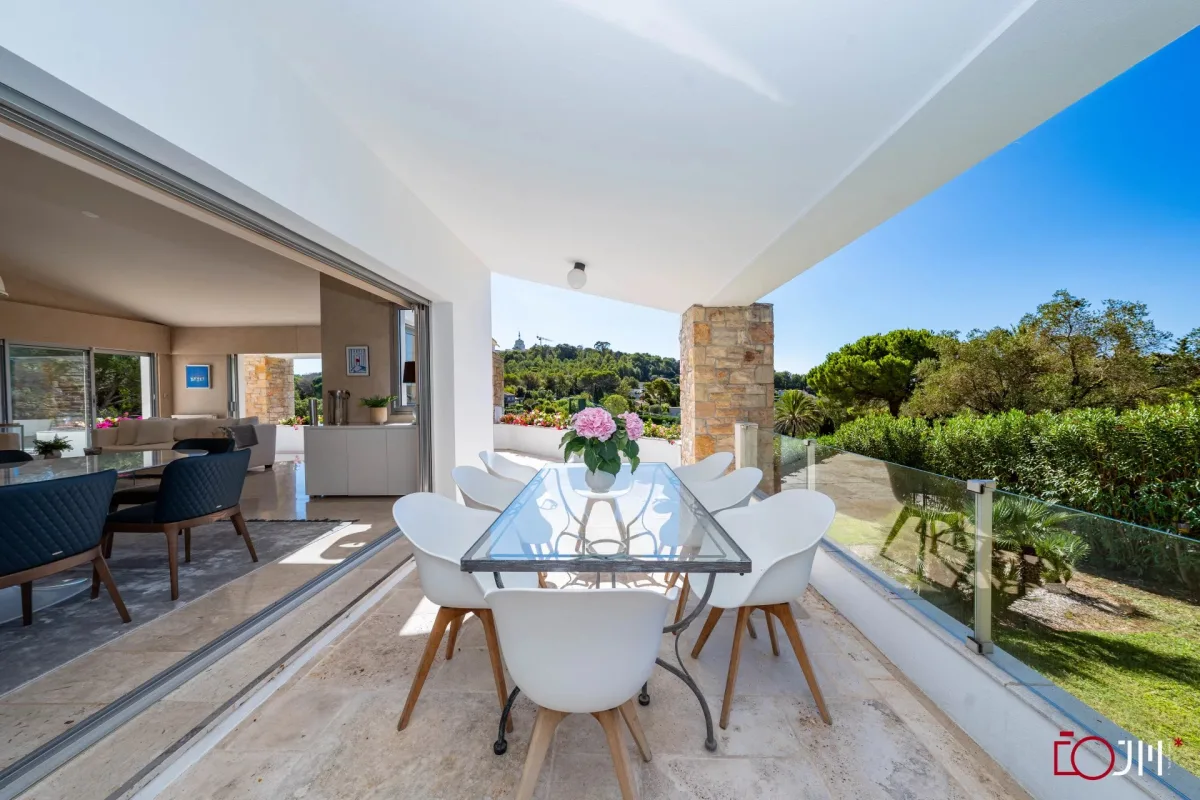
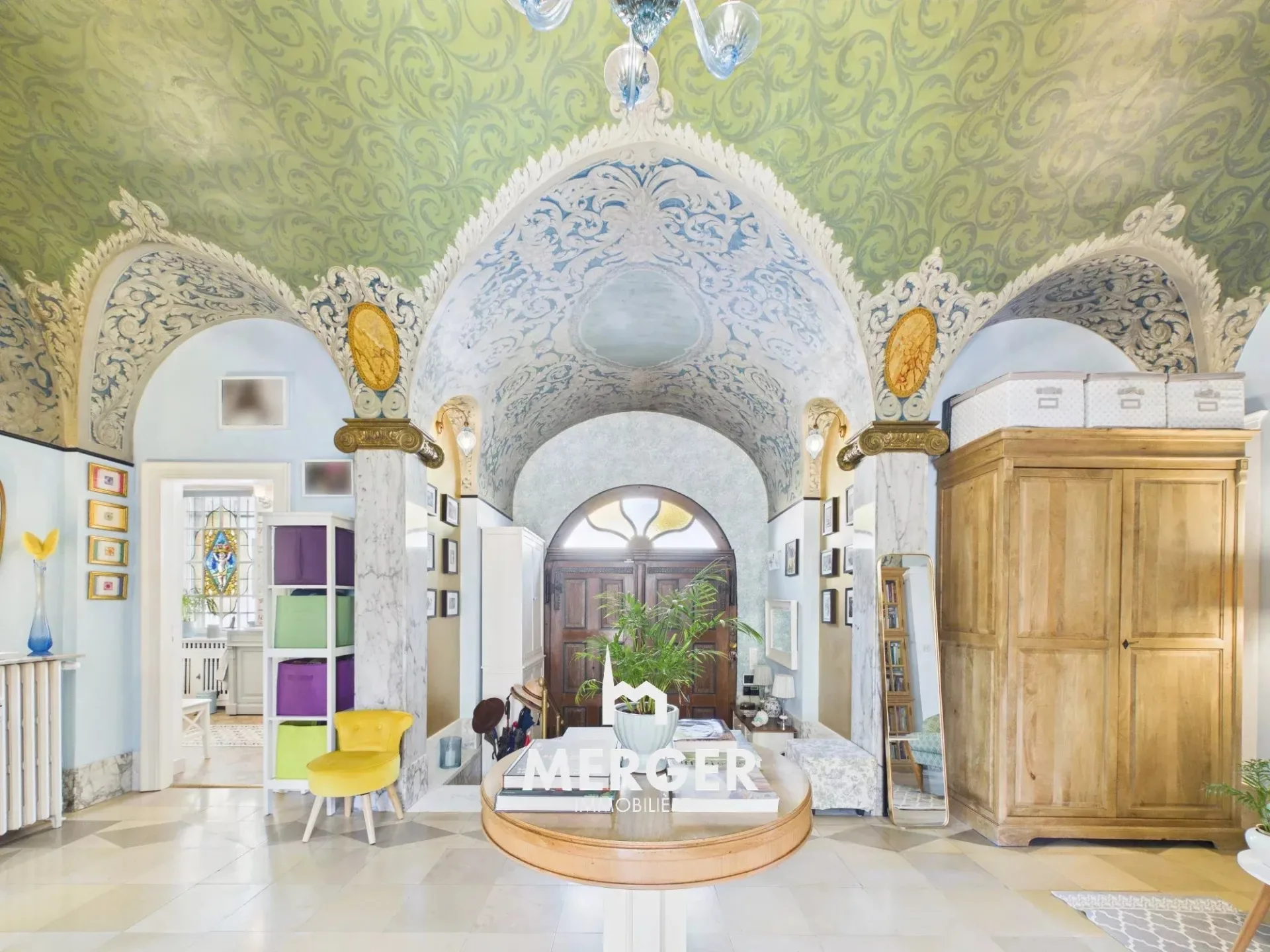
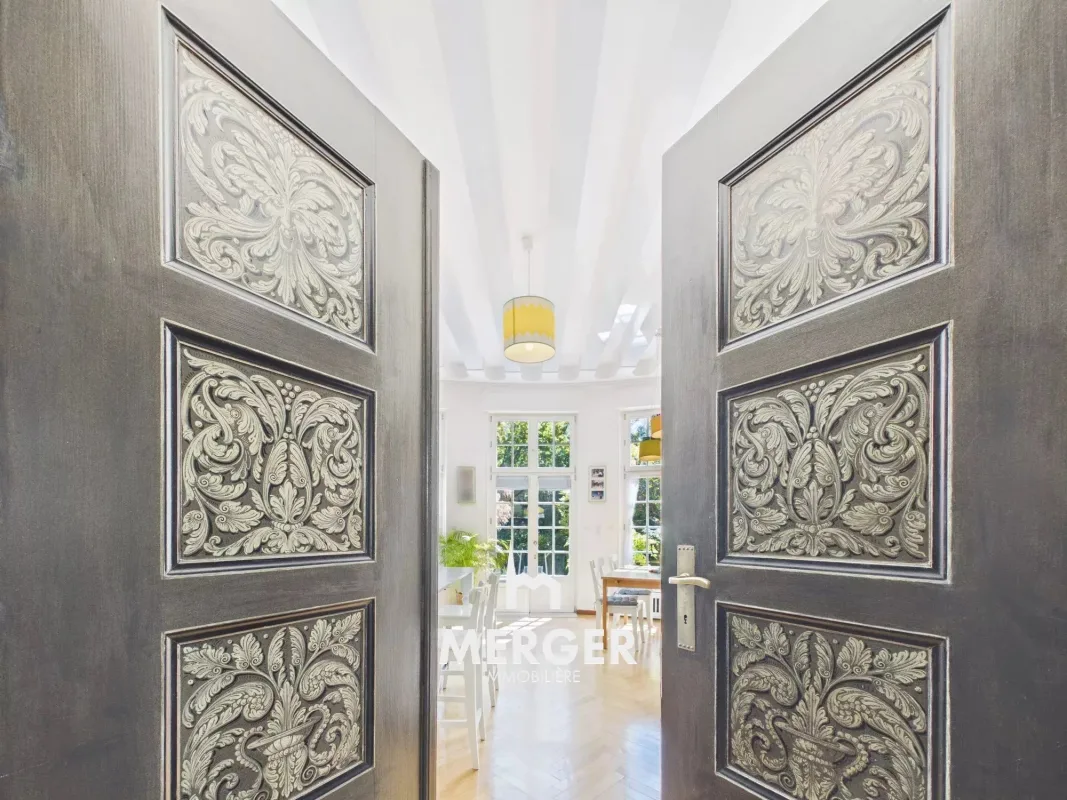
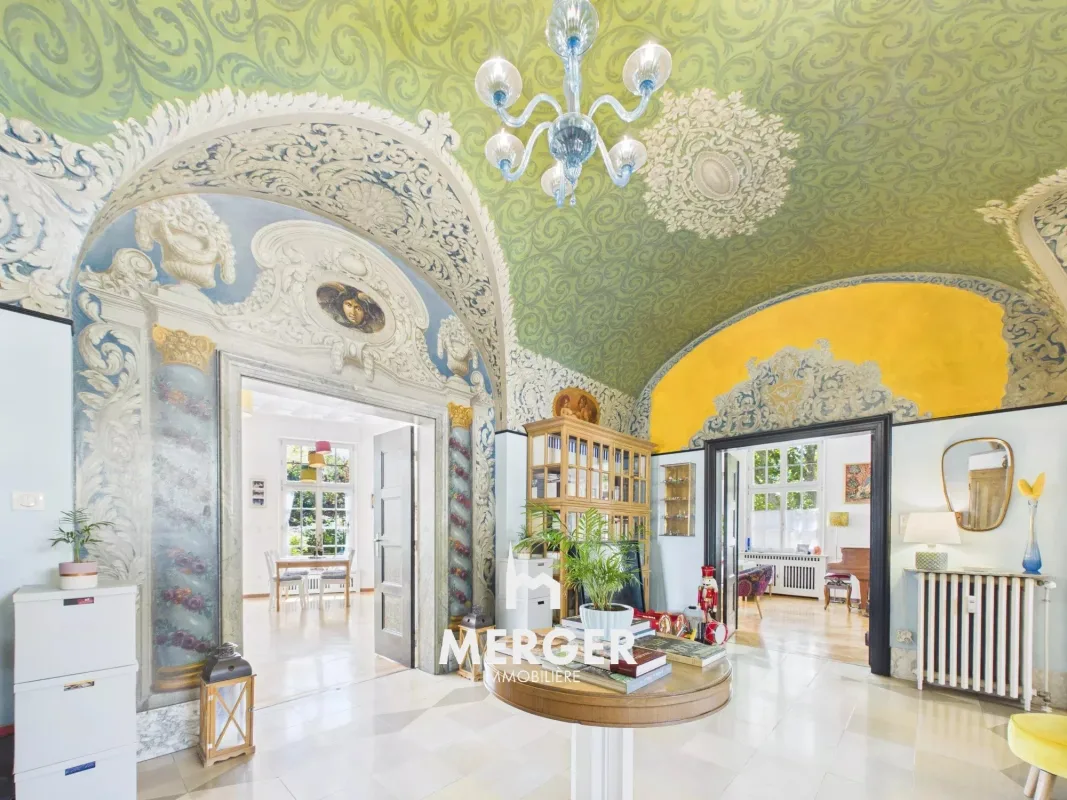
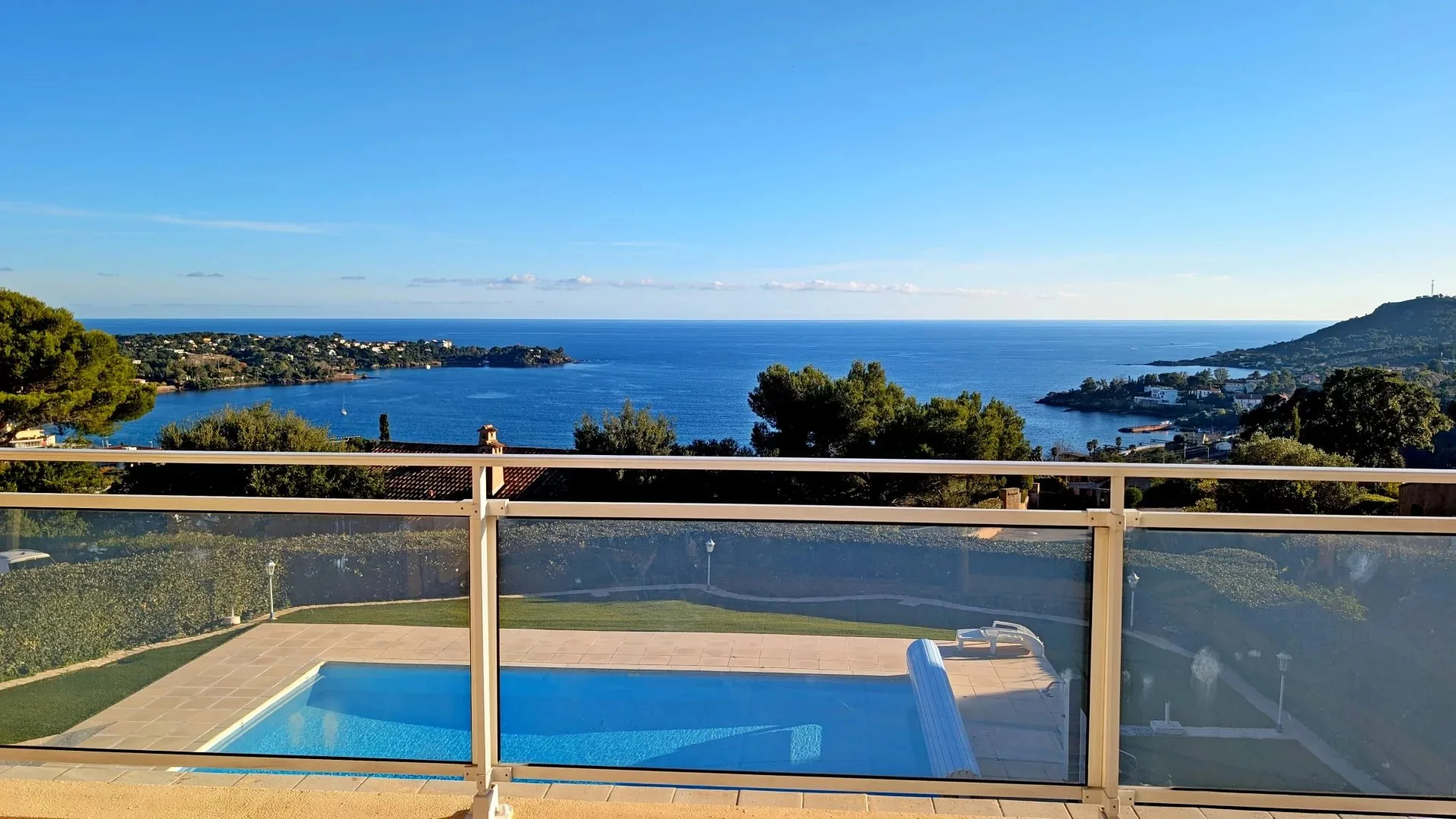
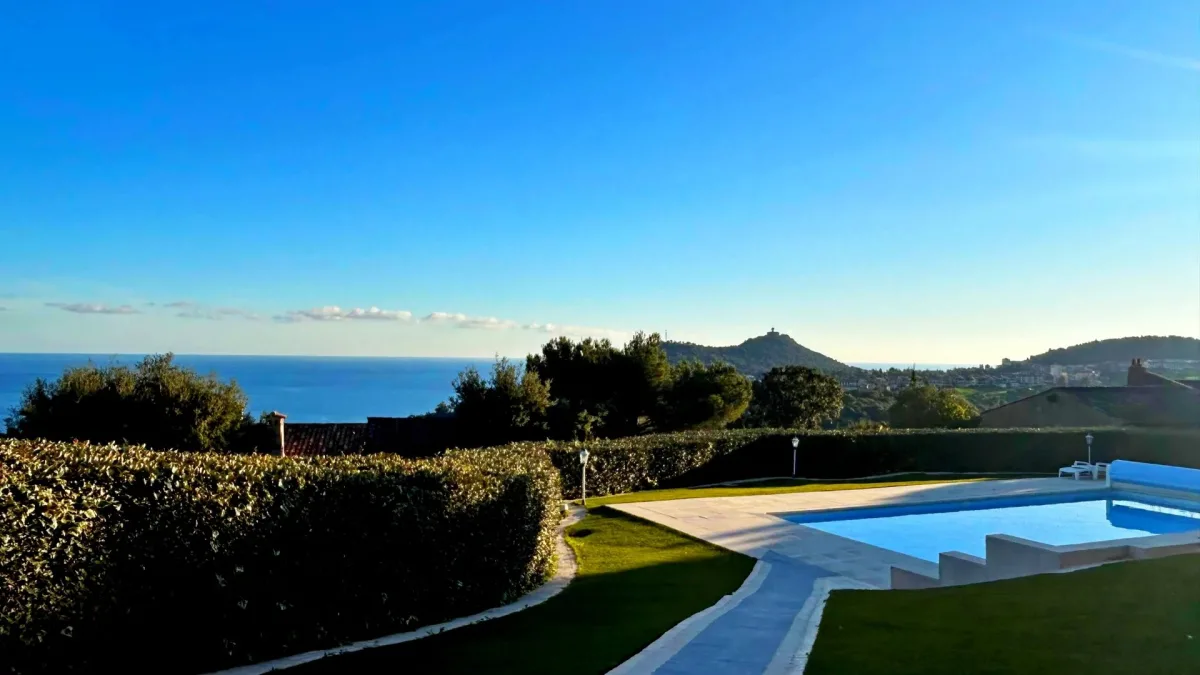
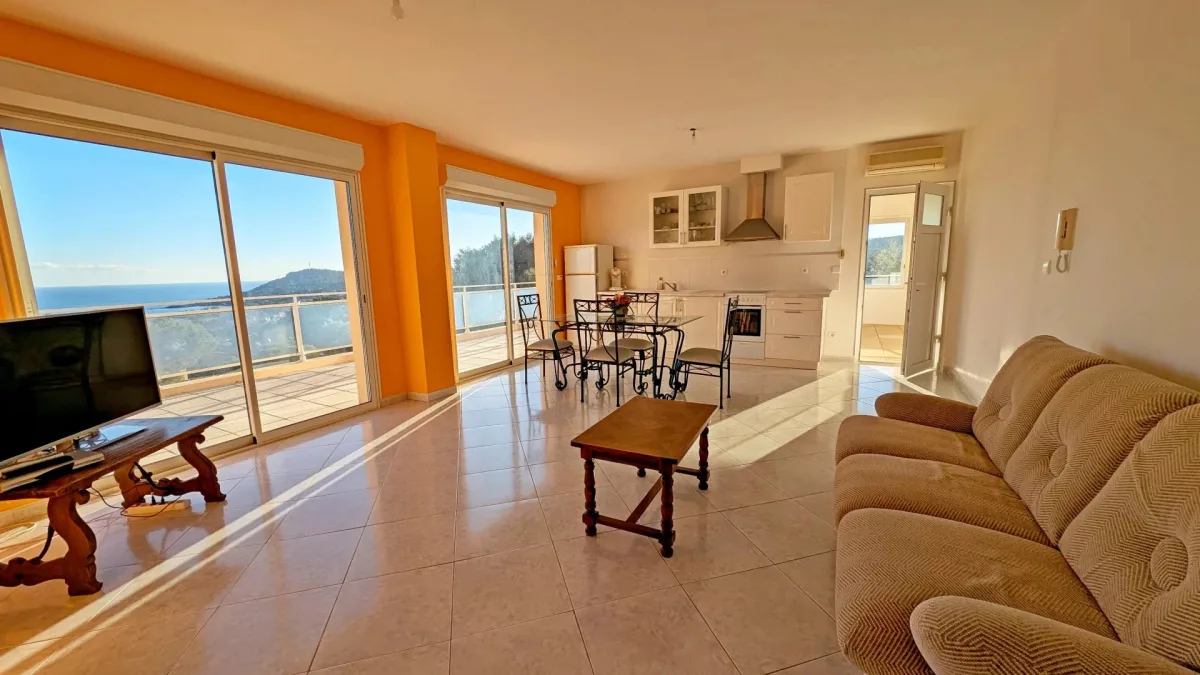
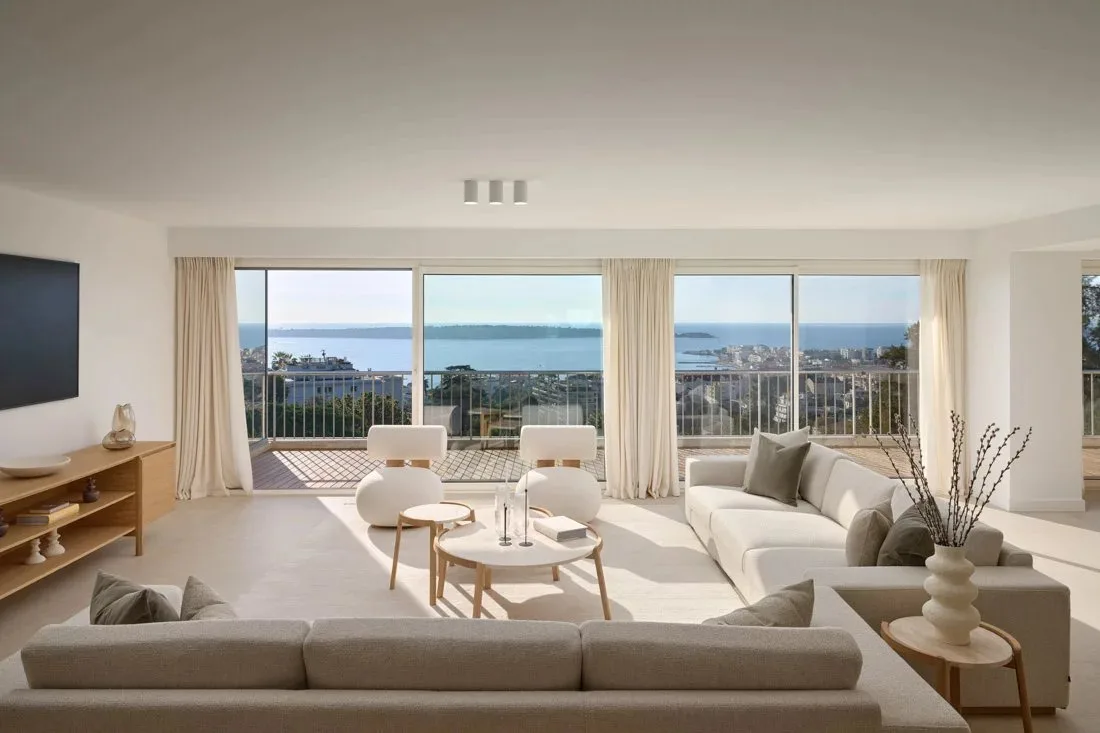
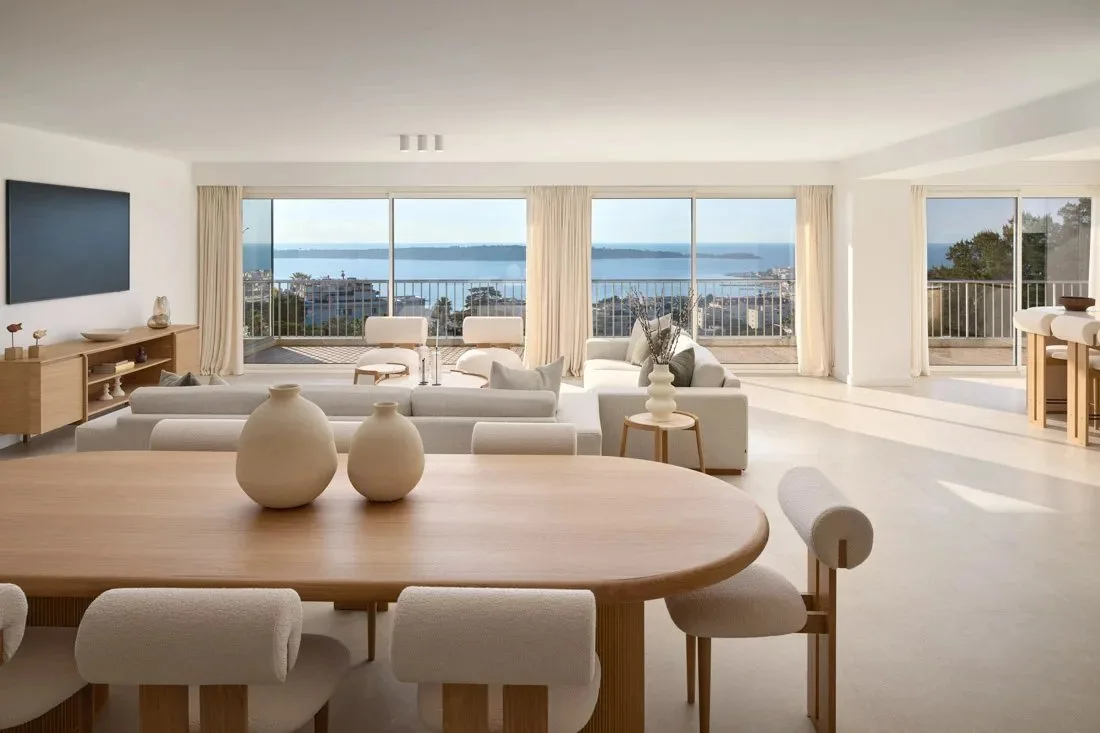
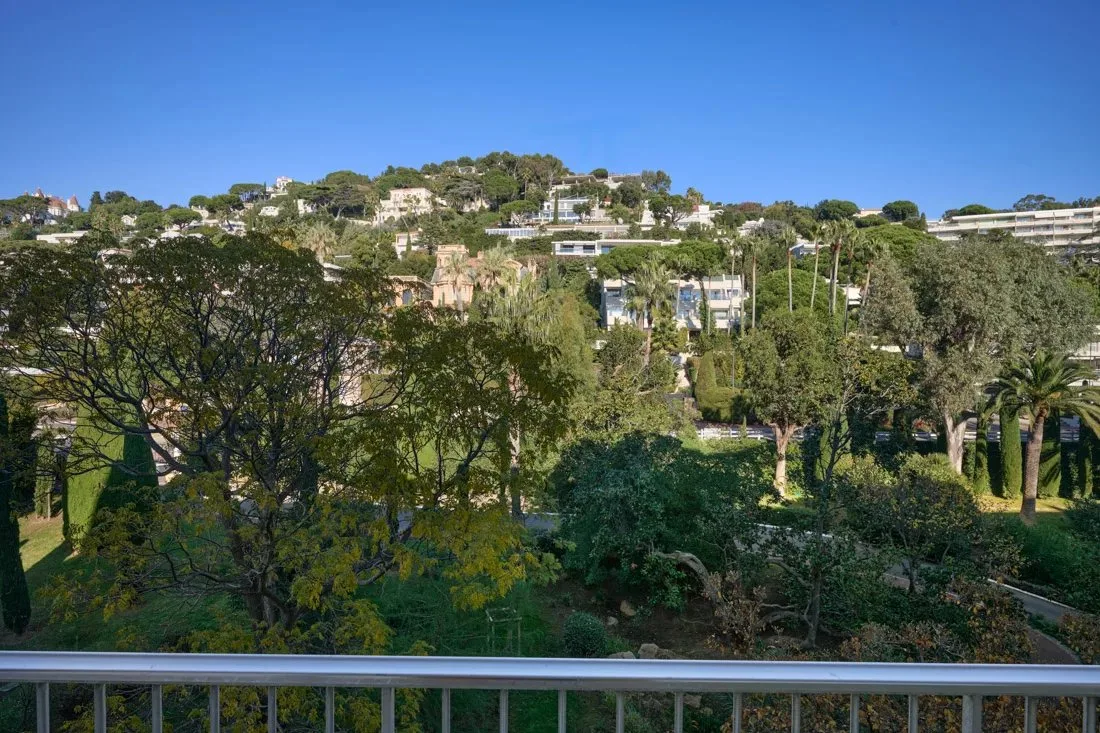
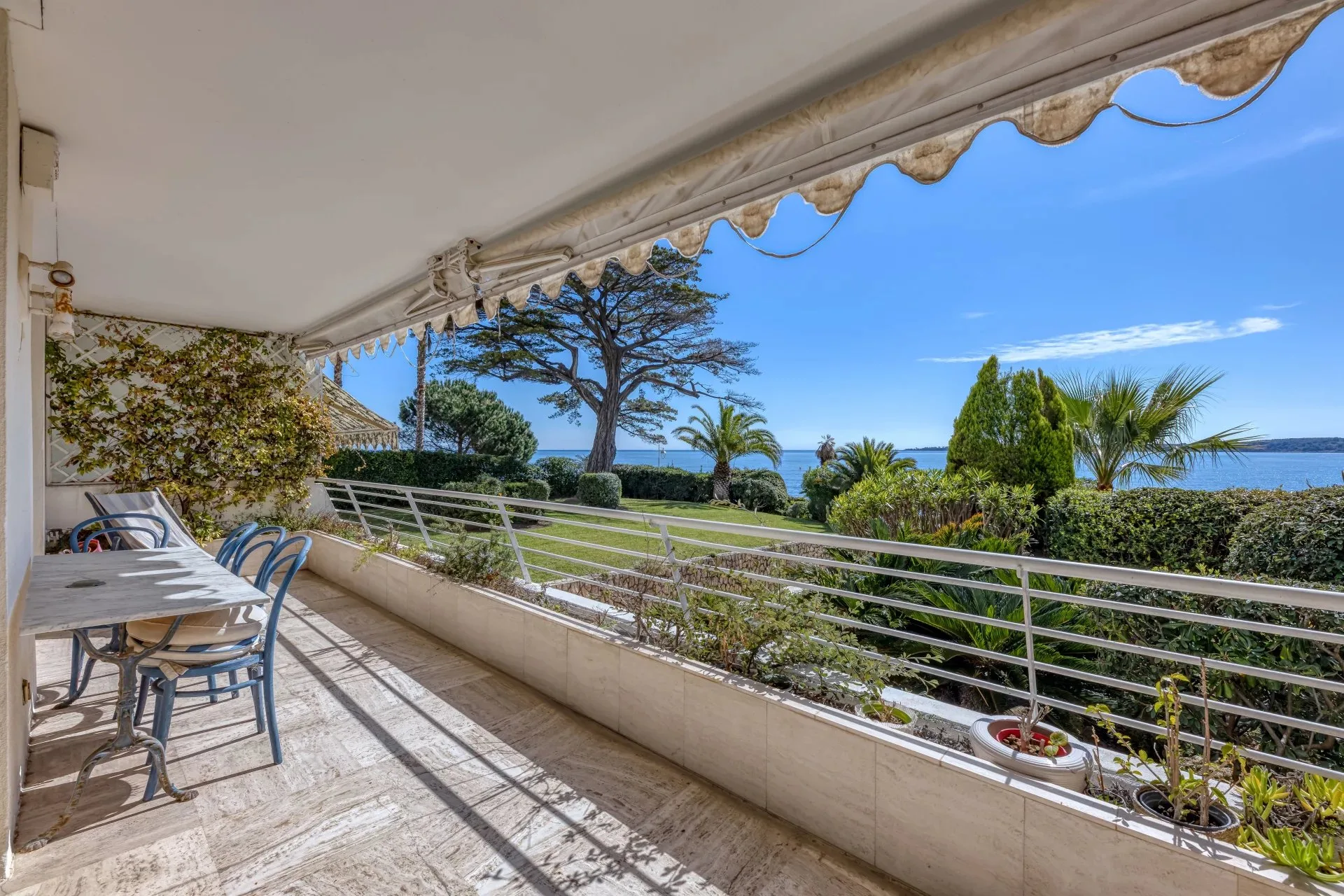
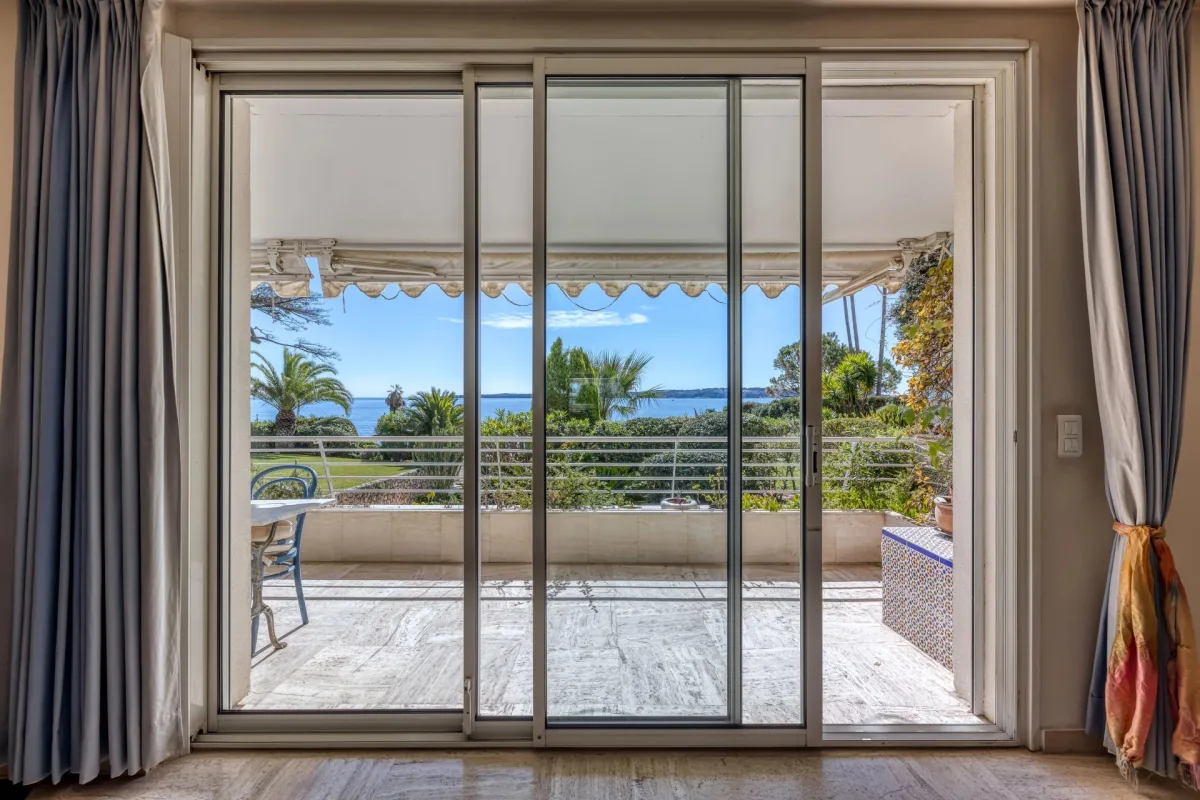
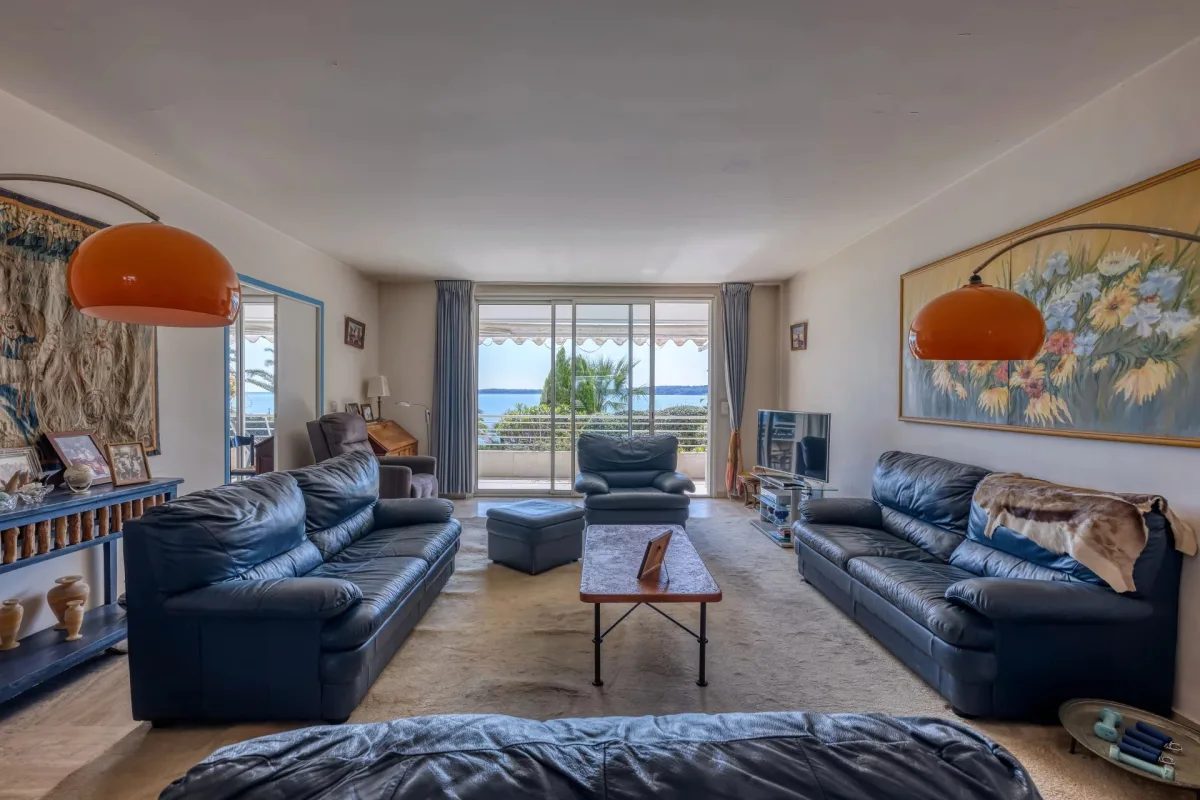
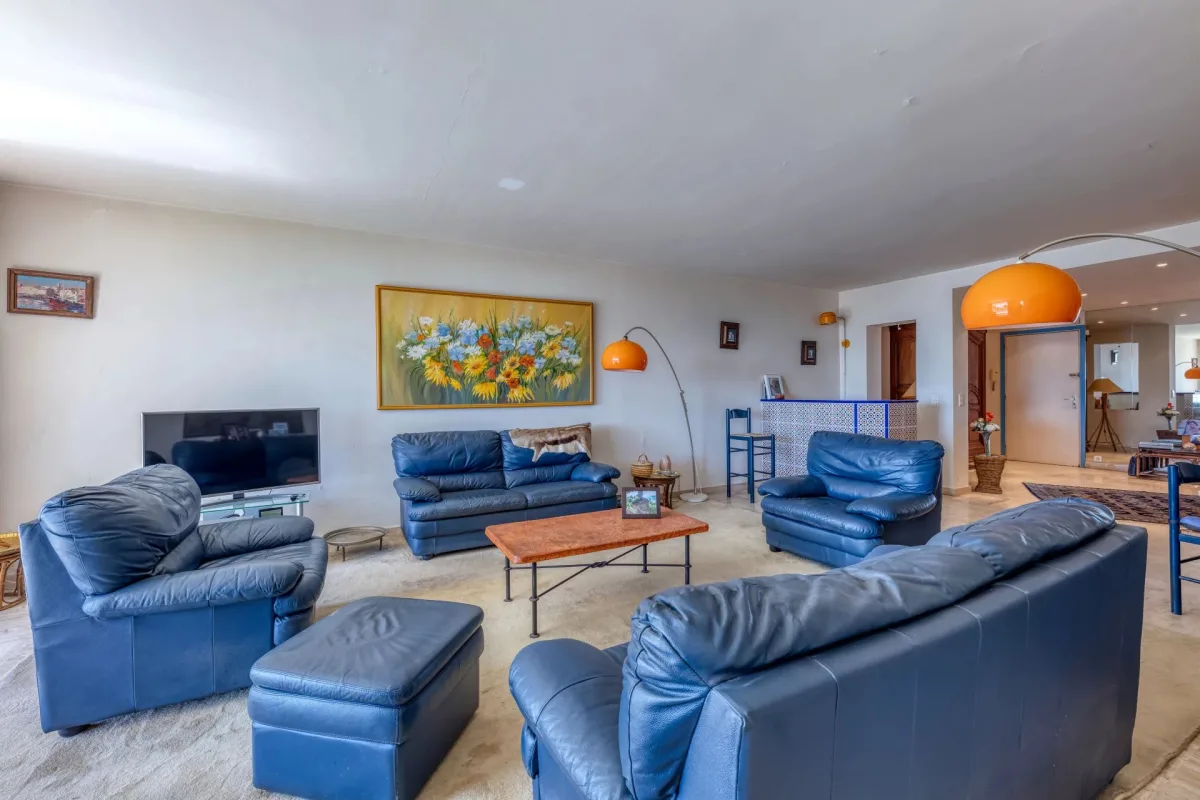
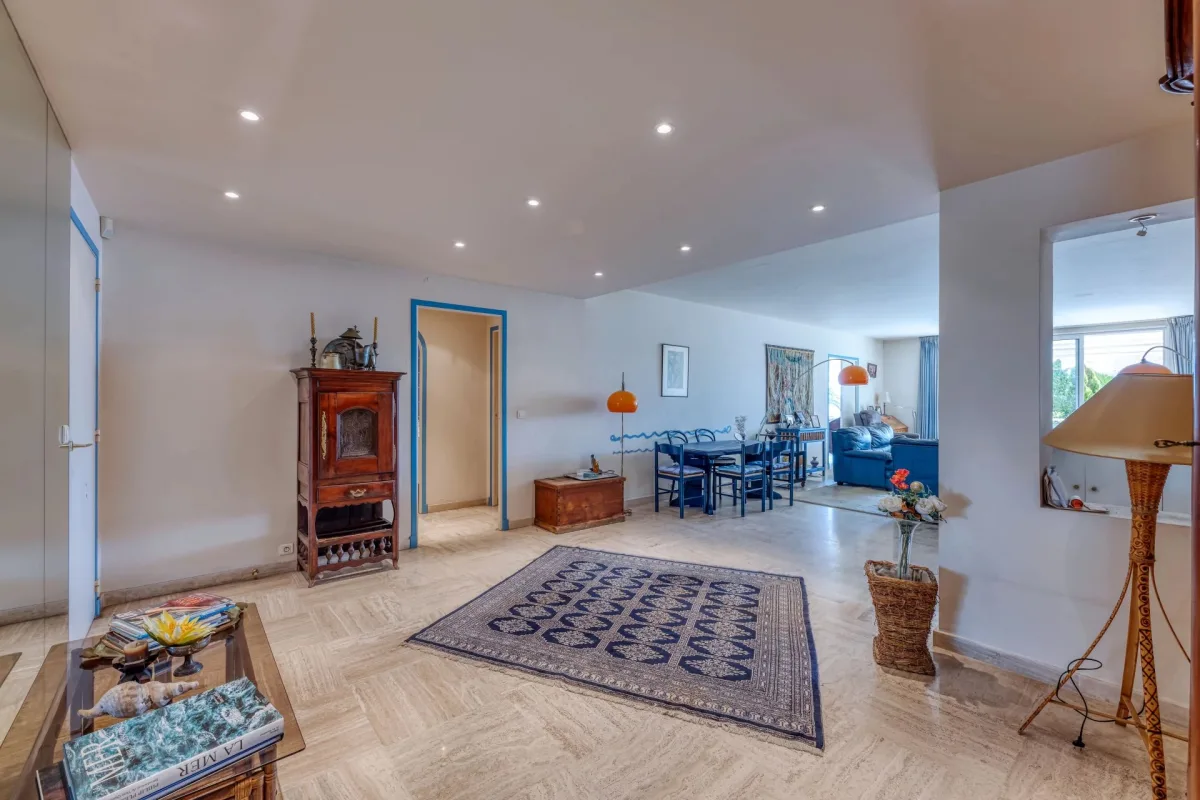
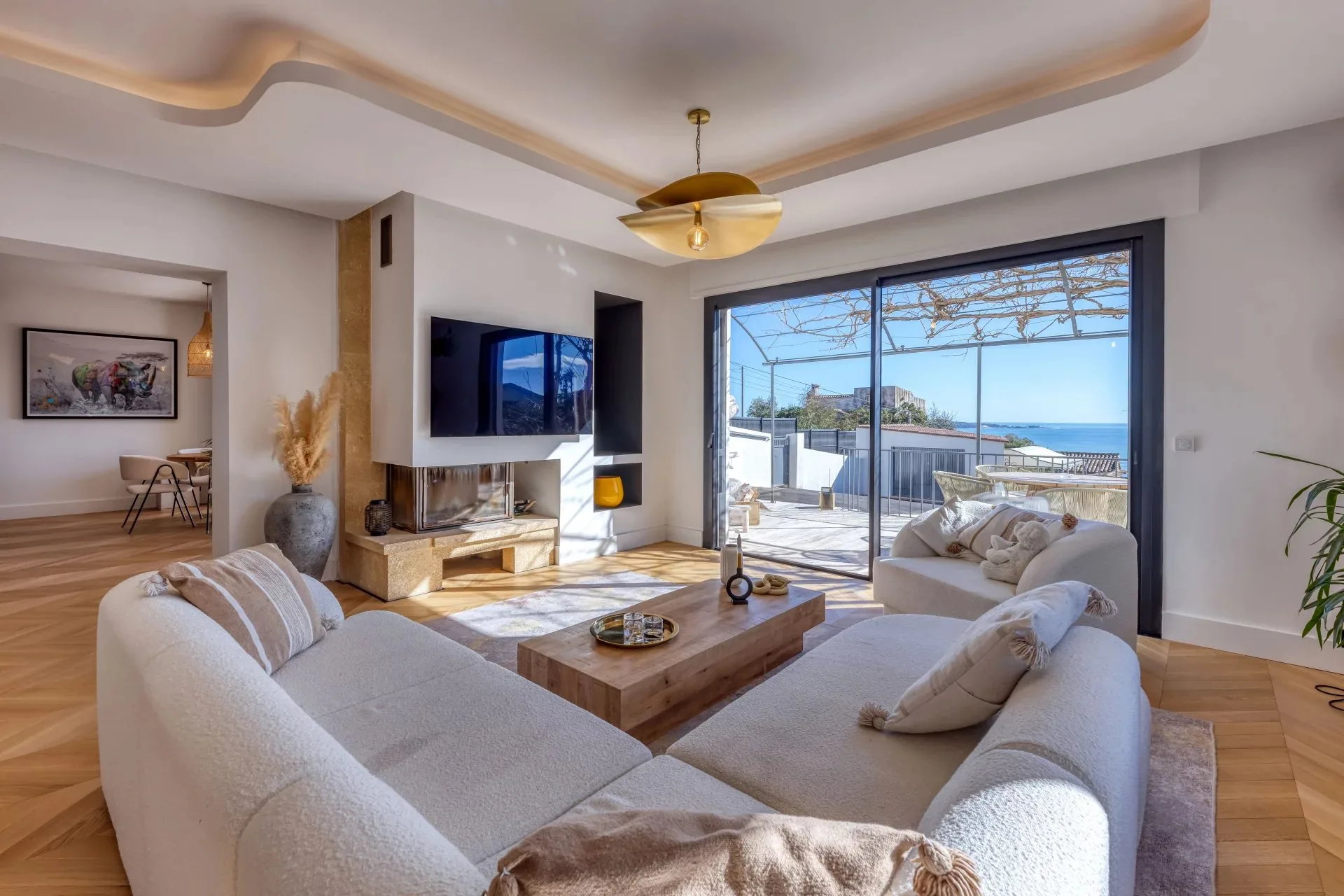
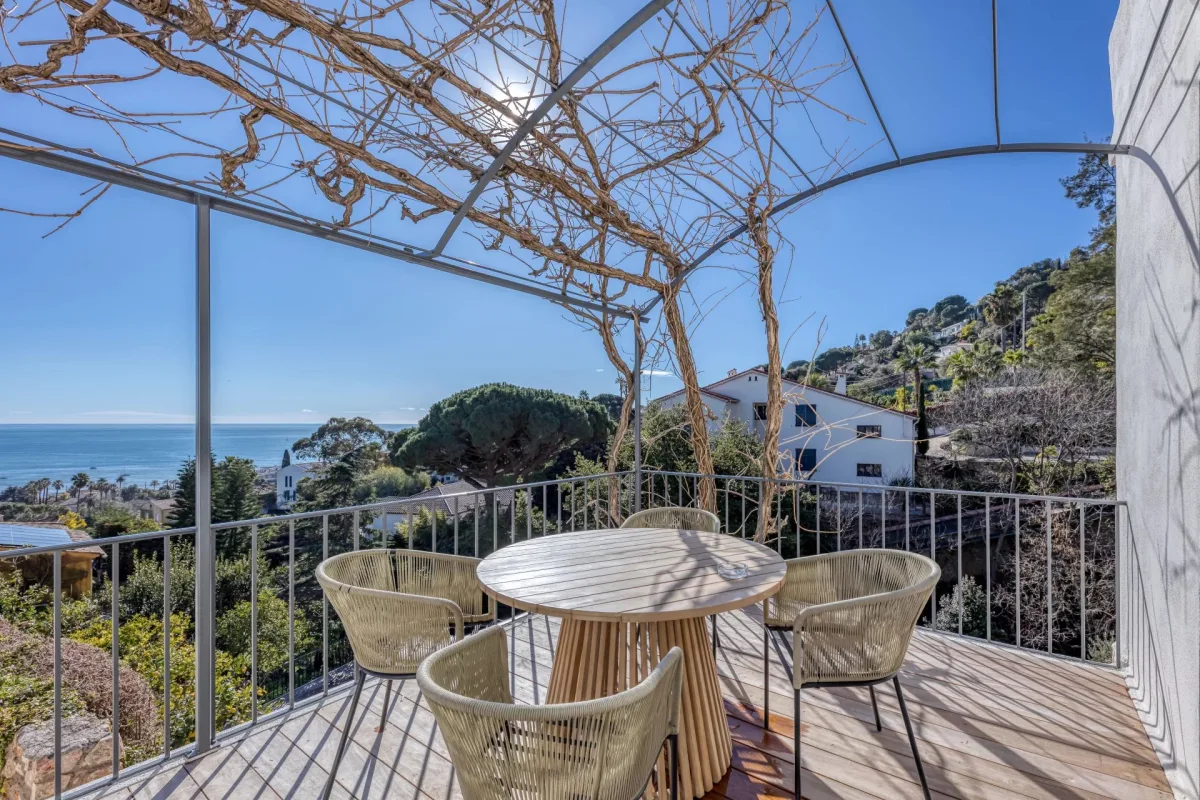
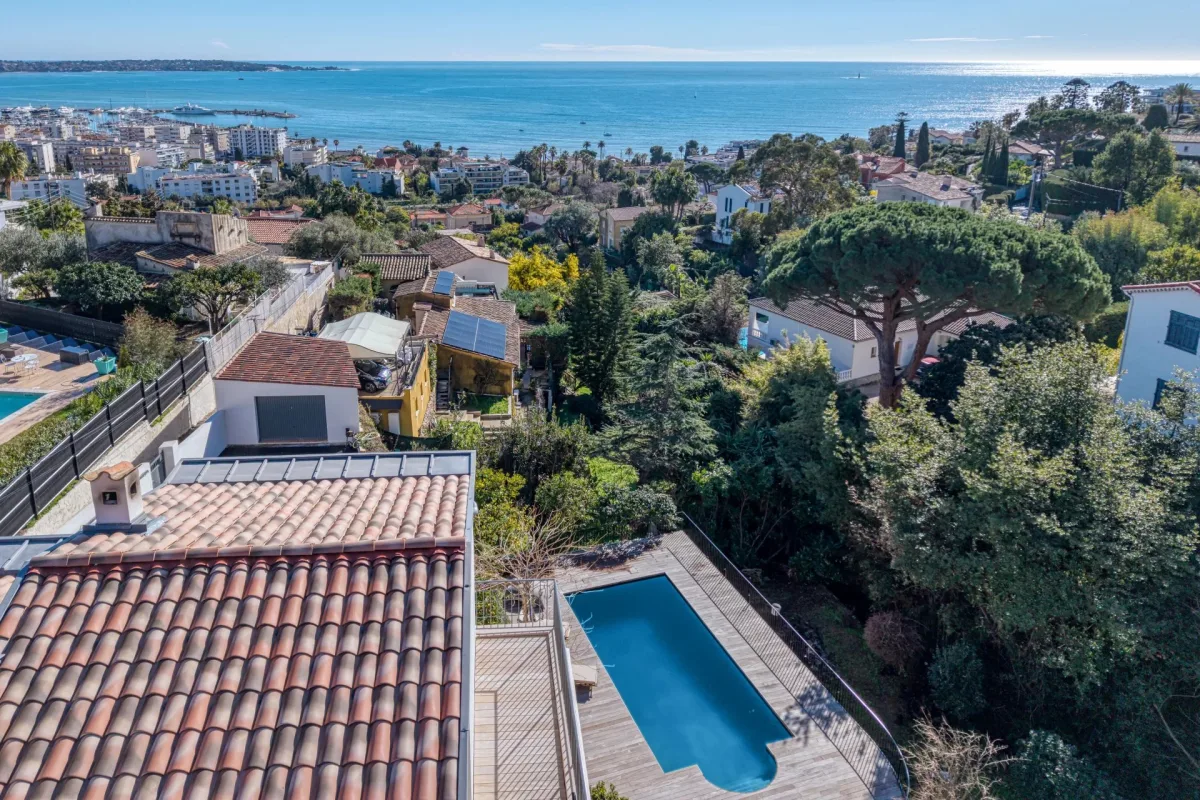
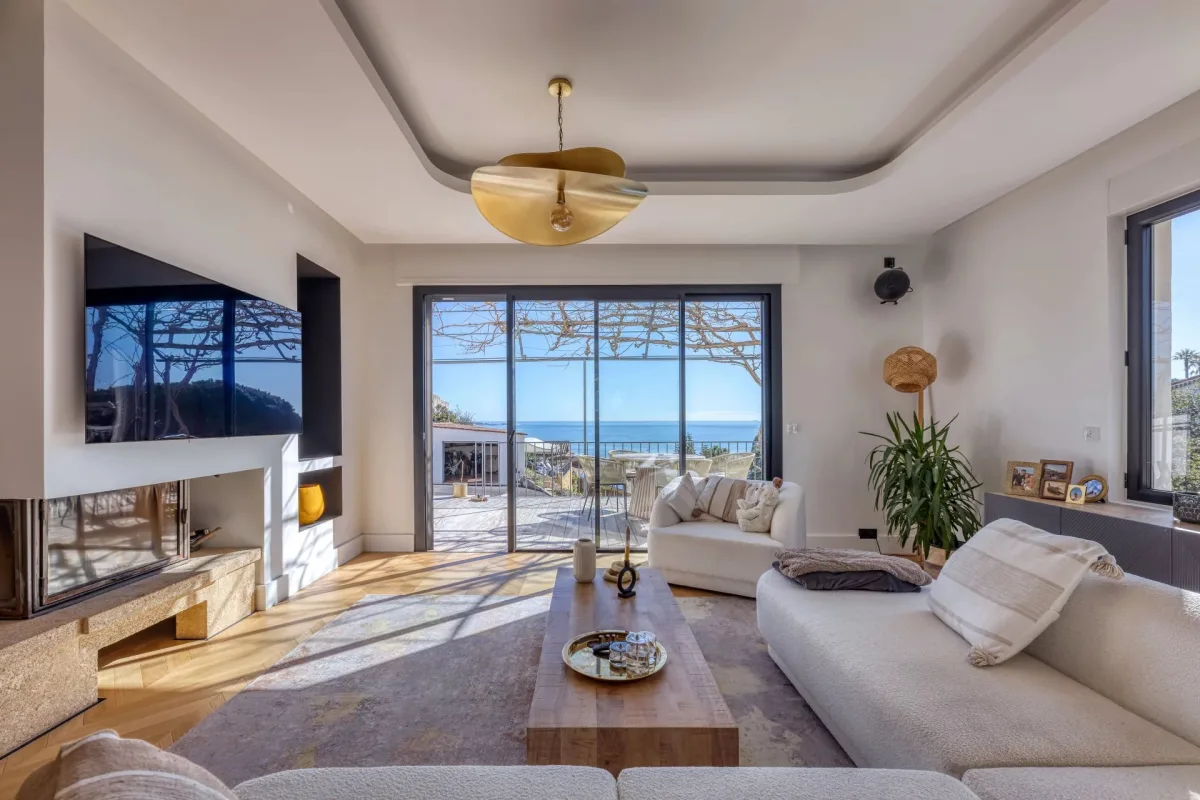
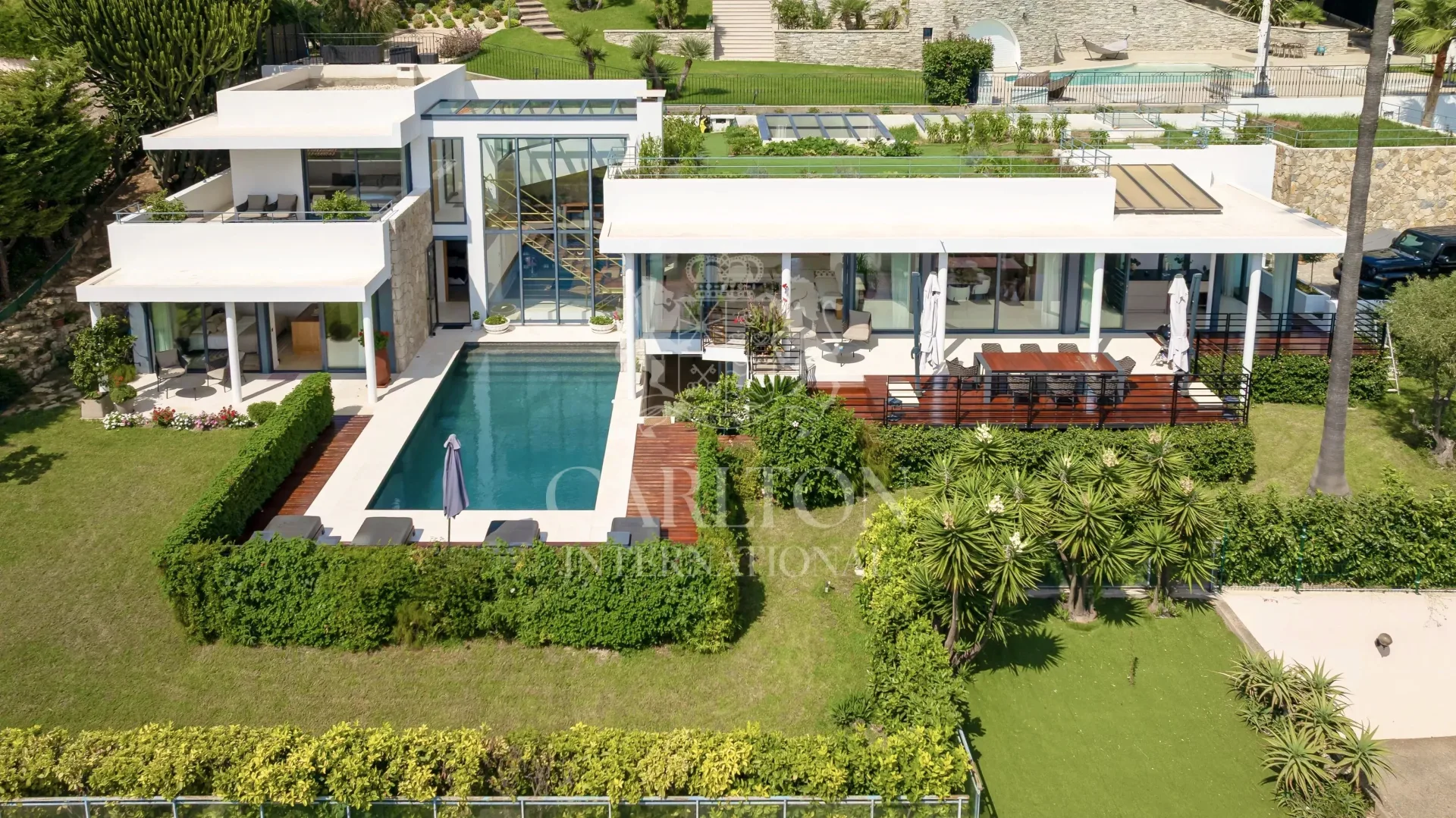
Prestigious Villa in Roquefort-les-Pins, 5 Bedrooms, Fully Renovated
Roquefort-les-Pins
210 m²
5
France has an unusual position in the world of prestige. Few countries bring together such a broad spectrum of exceptional real estate, cultural heritage, gastronomy, fashion, fine arts, landscapes and established traditions of luxury.
From the grand apartments of Paris to the villas of the French Riviera, from Alpine chalets to Provençal estates, Atlantic properties and historic châteaux, the country offers remarkably different interpretations of an affluent lifestyle. Its appeal lies precisely in this diversity: there is no single French model of luxury, but a collection of destinations, architectures and ways of living shaped by their surroundings.
The prestige of France is inseparable from its geographical diversity.
Paris represents perhaps the most internationally recognised expression of French elegance. Historic apartments, private mansions, contemporary penthouses and prestigious addresses around the Golden Triangle, Saint-Germain-des-Prés, the 7th arrondissement or the Place du Palais-Bourbon attract buyers looking for architecture, culture and an exceptional urban lifestyle.
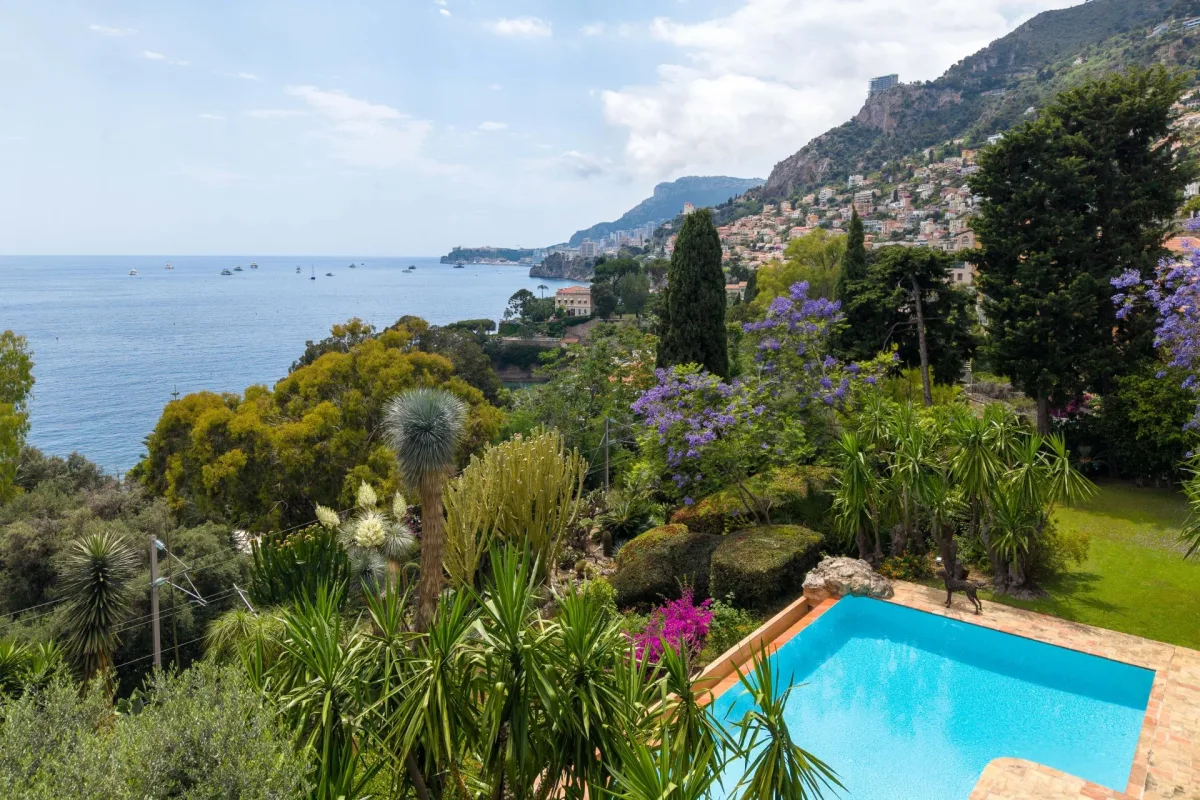
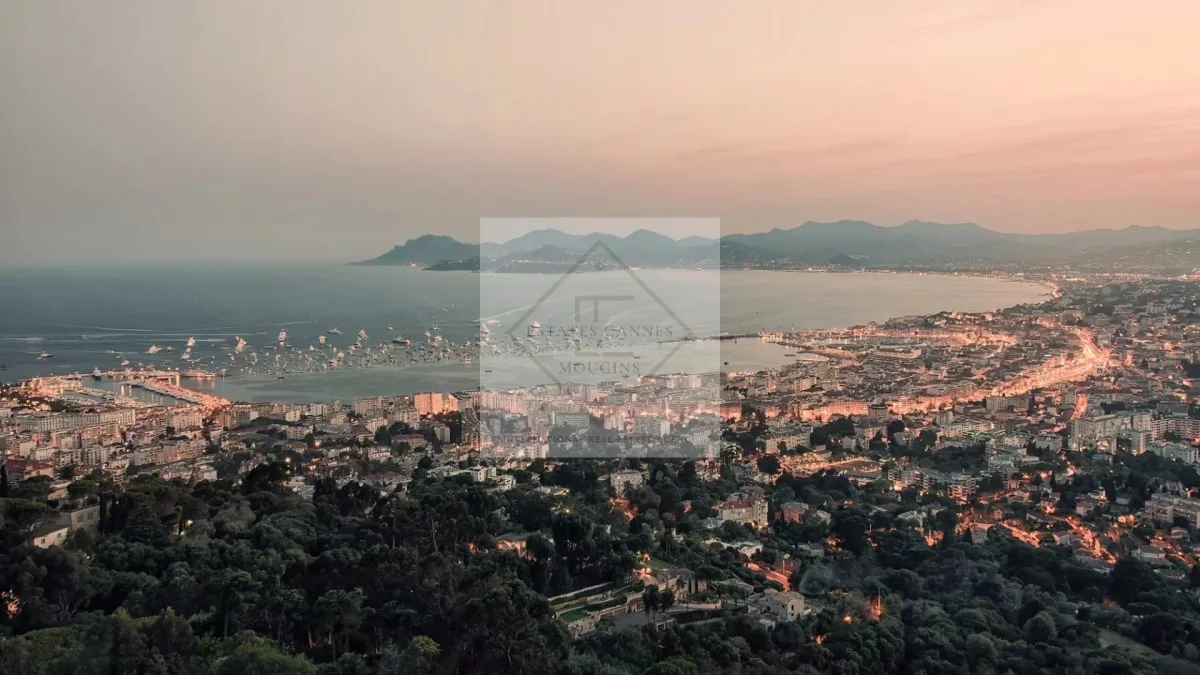
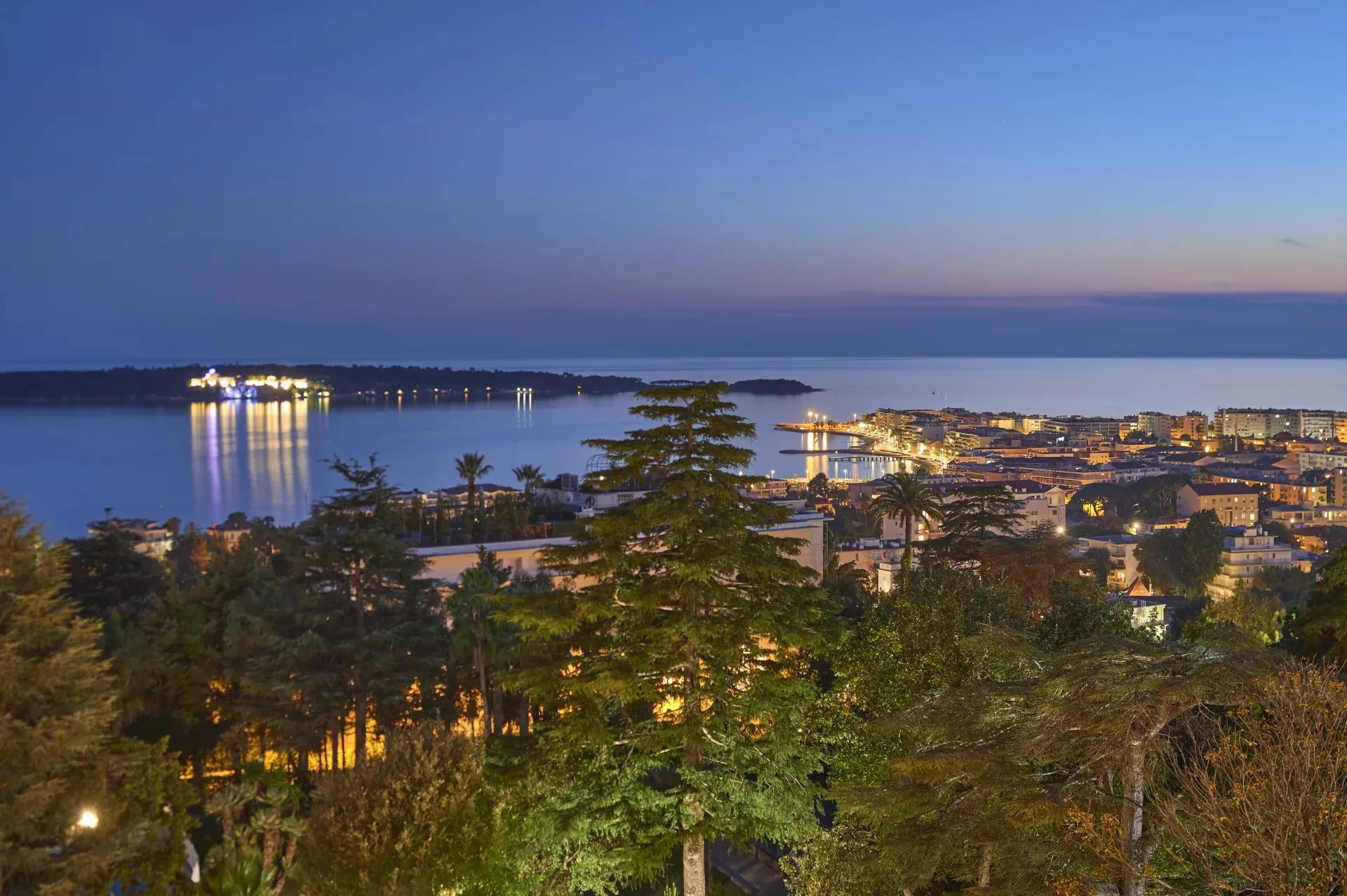
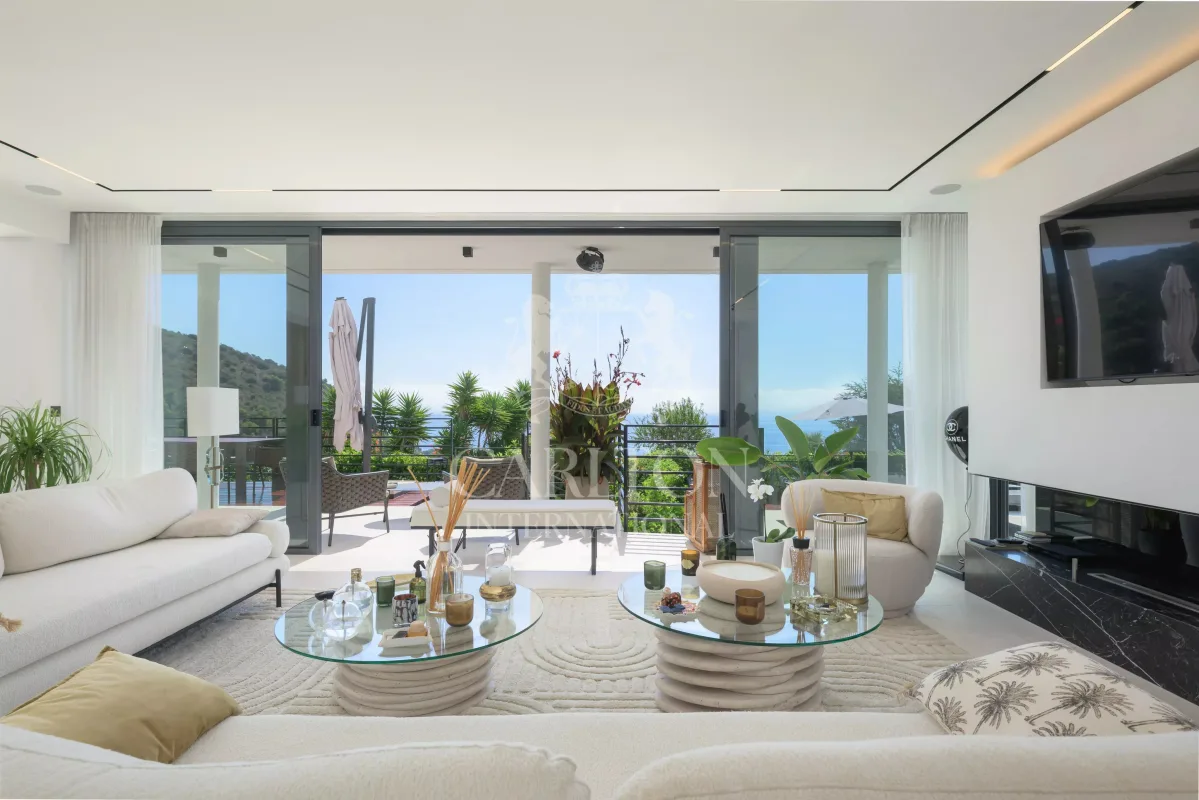
Further south, the French Riviera offers a completely different atmosphere. Cannes, Saint-Tropez, Cap-Ferrat, Antibes and the surrounding hills combine Mediterranean living with a long tradition of international tourism and luxury real estate. Sea views, landscaped gardens, private pools and proximity to marinas are among the characteristics that make the most sought-after properties particularly scarce.
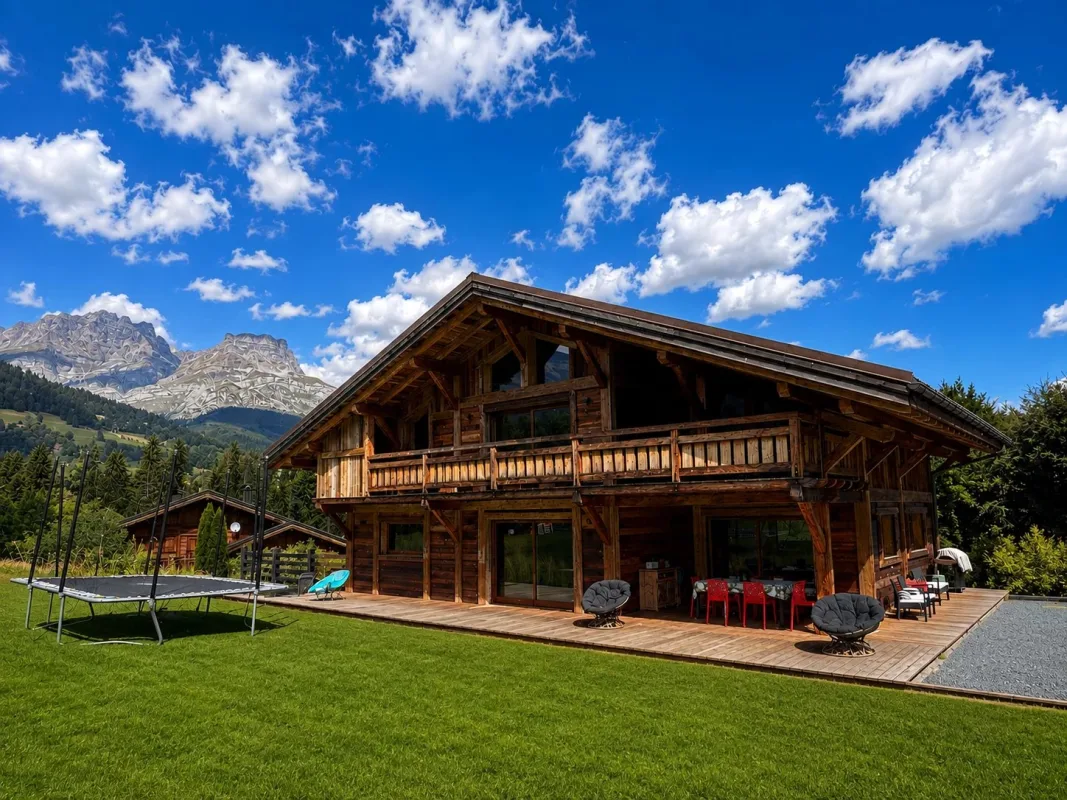
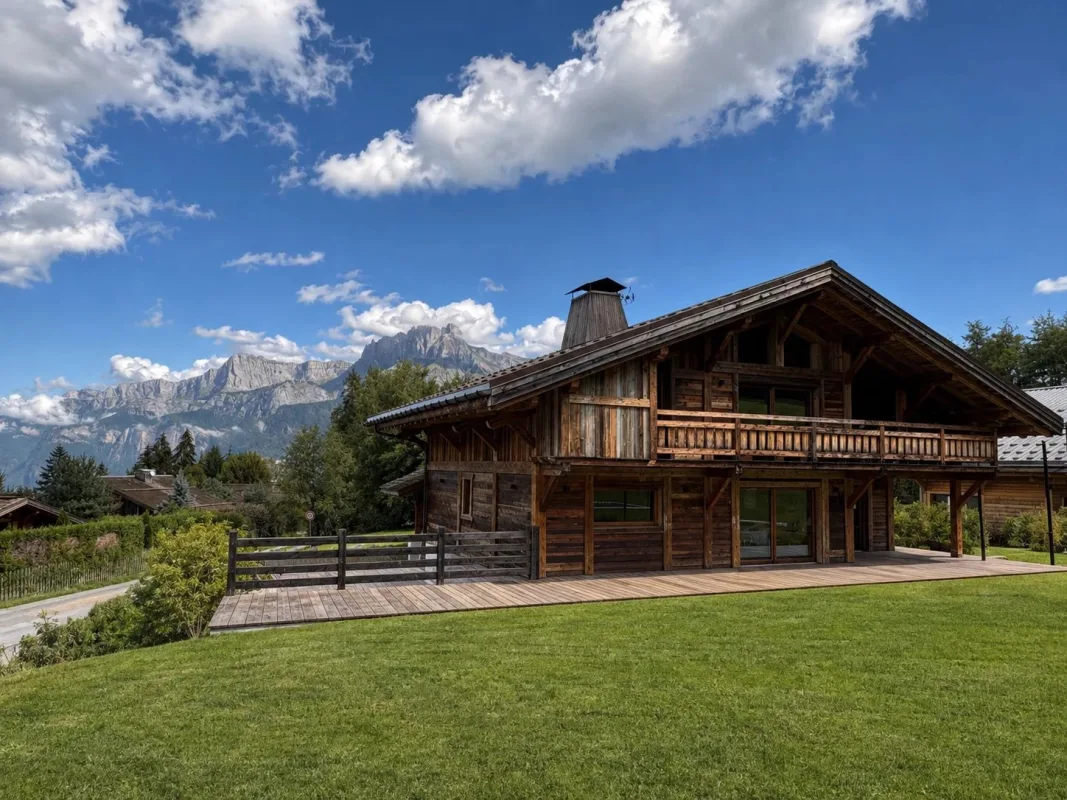
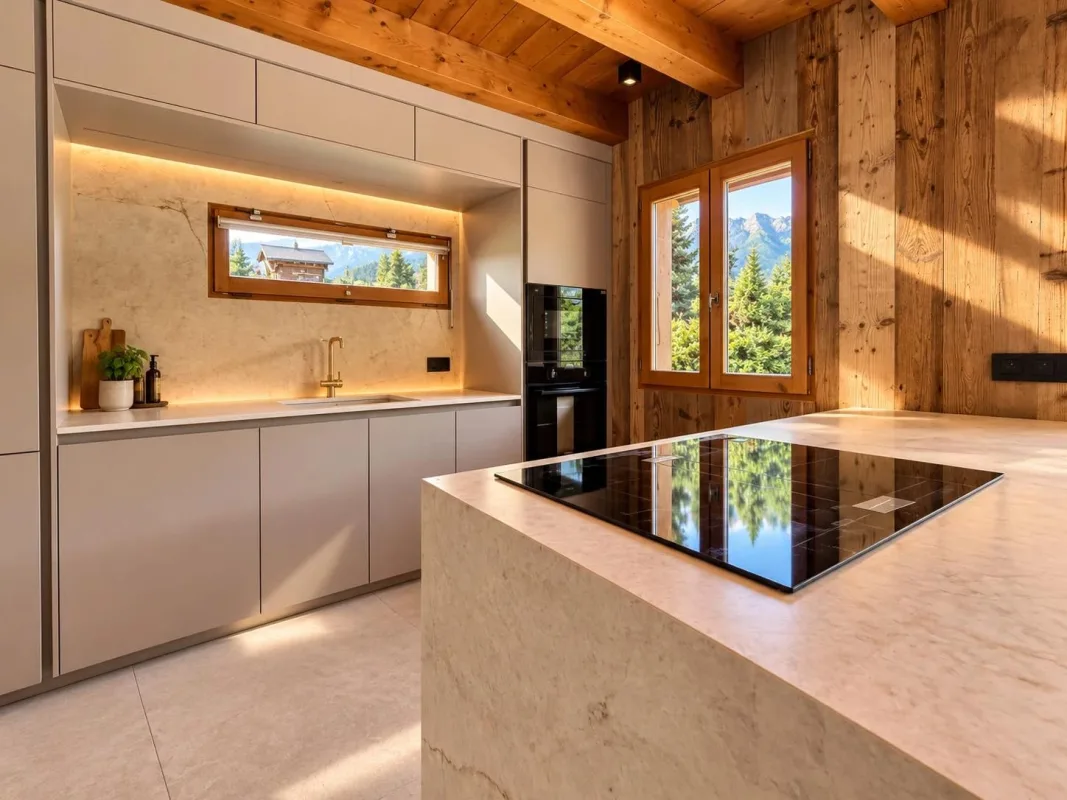
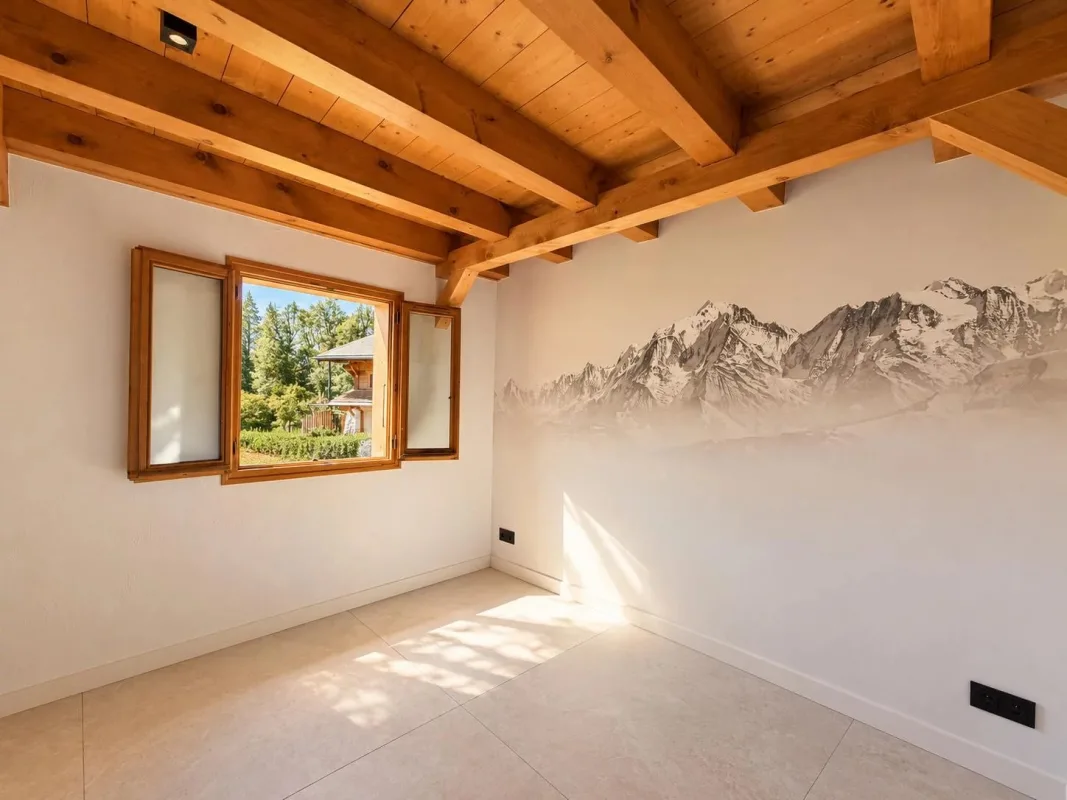
The French Alps add another dimension, centred around prestigious resorts such as Courchevel, Méribel, Megève and Chamonix. Here, the luxury property market is dominated by high-end chalets and apartments, often designed around panoramic mountain views, ski access, wellness facilities and generous living spaces.
Elsewhere, Provence, Bordeaux, Normandy, the Atlantic coast and the Loire Valley offer yet more discreet forms of prestige: vineyards, country estates, historic residences, manor houses and properties surrounded by substantial land.
This diversity is one of France's greatest strengths in the international luxury market. Knight Frank describes France as one of Europe's most diverse luxury property landscapes, encompassing Paris, the Riviera, the Alps, Provence and the country's major countryside markets.
In France, prestige is often attached to the property itself rather than simply its size.
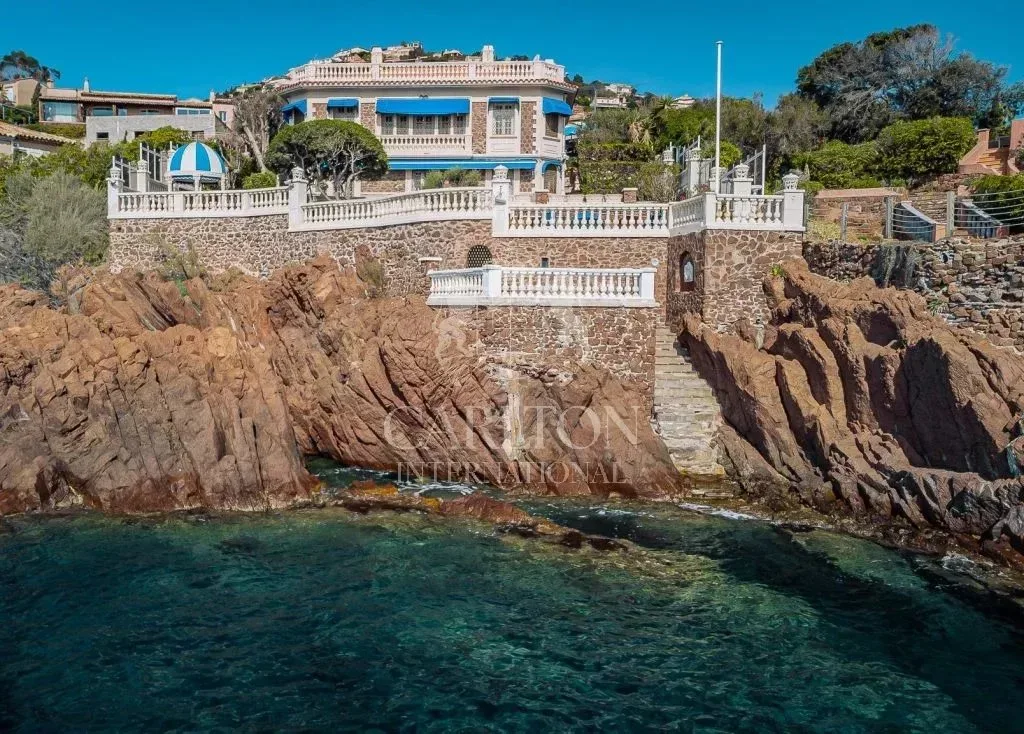
A Haussmannian apartment with original mouldings in Paris, a Belle Époque villa overlooking the Mediterranean, a restored château surrounded by parkland or an old Provençal farmhouse can possess a character that cannot easily be reproduced.
This architectural heritage is one of the country's most distinctive advantages. Centuries of construction have left an extraordinary variety of buildings, from medieval villages and Renaissance residences to classical estates and 19th-century urban architecture.
France's cultural heritage remains a central component of its international appeal. The reopening of Notre-Dame de Paris, for example, has once again highlighted the importance of French historic architecture on the international stage, while contemporary projects continue to add new layers to the country's architectural identity.
For luxury property buyers, this creates a market in which history, craftsmanship and architectural identity can be as important as square metres.
France's international reputation is also rooted in a lifestyle that combines gastronomy, culture, design and hospitality.
Fine dining is an important part of this identity, but it is only one element. Parisian cafés, Mediterranean restaurants, Alpine cuisine, vineyards, markets, galleries, fashion houses, museums and prestigious hotels all contribute to an environment in which luxury is often expressed through quality and savoir-faire rather than sheer display.
French hospitality continues to evolve as well. New luxury hotels, renovated historic properties and contemporary restaurants are appearing alongside established institutions, while the country's Palace hotels remain symbols of a highly developed service culture.
For an international buyer, this means that owning property in France can provide access to much more than a residence. Depending on its location, it can become a base for gastronomy, culture, sailing, skiing, art, fashion or simply a slower Mediterranean or countryside lifestyle.
The French market stands out for the sheer variety of prestigious properties available.
In Paris, demand can focus on elegant apartments, penthouses and hôtel particuliers. On the Riviera, the emphasis shifts towards villas, sea-view residences, contemporary houses and properties with landscaped grounds. In the mountains, chalets dominate, while Provence and the countryside offer bastides, mas, estates, vineyards and historic properties.
The most desirable properties share one characteristic: scarcity.
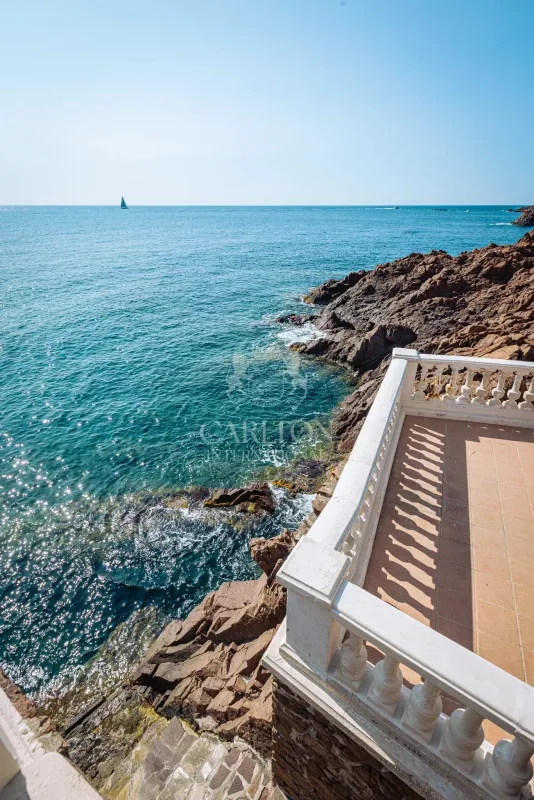
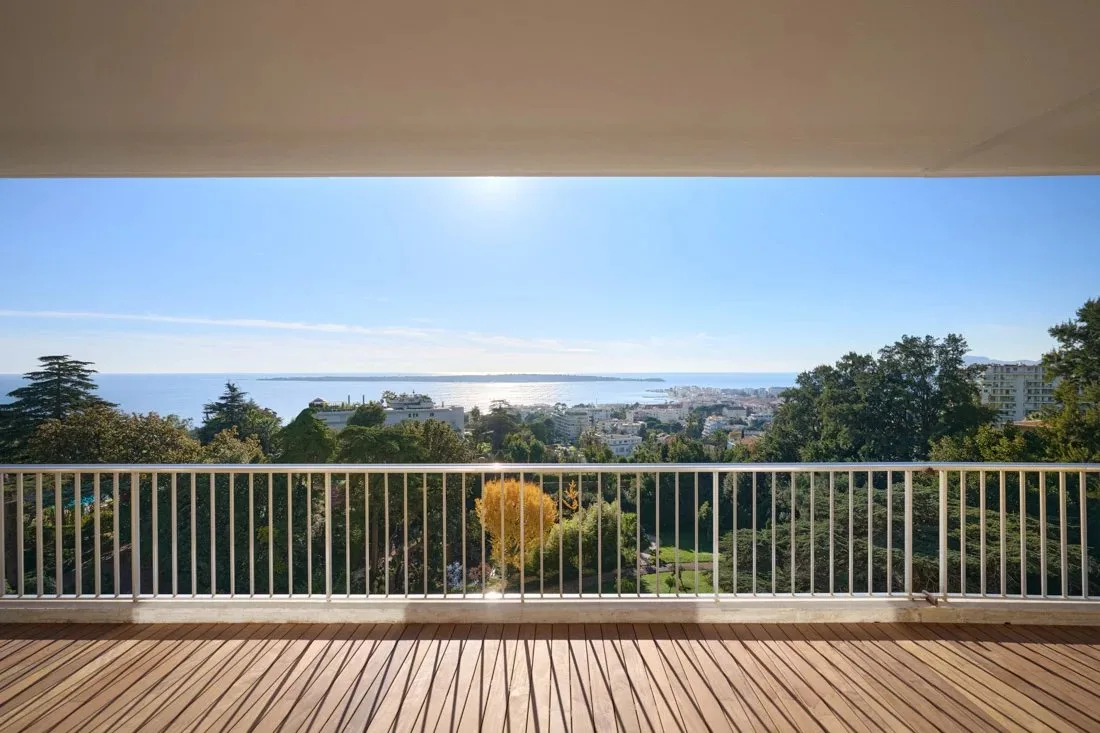
A panoramic sea view cannot be recreated. Neither can a historic building in a particular Parisian street, a château with centuries of history or a chalet directly connected to a prestigious ski domain.
This scarcity becomes particularly important at the highest end of the market. Knight Frank's 2026 research notes that scarcity and the shortage of high-quality, turnkey prime residences are increasingly shaping luxury residential markets worldwide.
France therefore appeals not only to buyers seeking a prestigious address, but also to those looking for properties with a strong individual identity.
There is no single profile of the luxury buyer in France.
Some are drawn to Paris for its cultural institutions, international business environment and architecture. Others choose the Riviera for sunshine, the sea, yachting and proximity to Monaco and Italy. Alpine buyers may prioritise skiing, family retreats and year-round mountain living.
The countryside appeals to another type of buyer altogether: someone looking for land, privacy, historical character and distance from major urban centres.
This geographic diversity also allows buyers to combine different lifestyles. A Paris apartment can coexist with a Mediterranean villa or an Alpine chalet, while a historic estate can serve as a private retreat rather than a conventional investment.
France's attractiveness to international buyers is reinforced by the fact that foreign purchasers can acquire property there, subject to the usual legal and administrative requirements.
France is not an emerging luxury destination. Its prestige has been established over generations, which is an important distinction.
Paris, the French Riviera and the Alpine resorts already possess sophisticated ecosystems of luxury hotels, restaurants, private services, international events and specialist property professionals. This maturity provides buyers with an environment in which prestigious property is supported by an established infrastructure.
The country's prime residential market also remains connected to broader international capital flows. Knight Frank's 2026 research notes that uncertainty in European prime markets has not eliminated demand for top-tier property, while the Côte d'Azur continues to benefit from the exceptionally high prices and limited supply found in neighbouring Monaco.
At the same time, France should not be viewed as a single homogeneous investment market. Paris, the Riviera, the Alps and the countryside respond to different forms of demand and possess very different property dynamics.
What makes France particularly interesting is that prestige does not necessarily require the most famous postcode.
A discreet château in the Loire Valley, a vineyard estate in Bordeaux, a Provençal property surrounded by olive trees or a historic residence on the Atlantic coast can offer a level of privacy and authenticity that is difficult to reproduce in the world's most concentrated luxury markets.
This is perhaps the most distinctive aspect of French prestige: the possibility of choosing between international visibility and absolute discretion without leaving the same country.
From a Parisian apartment overlooking a historic boulevard to a secluded Mediterranean villa or a mountain chalet surrounded by snow-covered peaks, France offers an unusually complete spectrum of luxury living.
Its appeal ultimately comes from this combination of heritage, craftsmanship, geography, culture and scarcity. Rather than defining luxury through a single lifestyle, France allows each buyer to choose their own version of it.